
Latest posts
-
Tap Water Quality in Wisconsin: What Residents Need to Know
Wisconsin gets an unusually high score on federal drinking water compliance — but that number hides a problem most residents never think to ask about. The real issue isn’t whether your municipal system is treating the water correctly. It’s what happens between the treatment plant and your glass, and specifically what’s already in the groundwater
-
Tap Water Quality in Maryland: What Residents Need to Know
Clear water running from your tap doesn’t mean clean water — and nowhere is that gap between appearance and reality more complicated than in Maryland. The state spans everything from dense urban row-house neighborhoods with century-old lead service lines to rural Eastern Shore communities pulling from shallow aquifers naturally laced with arsenic and nitrates. Most
-
Tap Water Quality in Missouri: What Residents Need to Know
Your Missouri tap water probably meets every federal standard on paper — and still might be quietly failing you in ways the annual Consumer Confidence Report won’t explain. That’s the part most residents miss. Compliance with federal limits isn’t the same thing as “safe by every reasonable measure,” and Missouri’s water landscape makes that gap
-
Tap Water Quality in Indiana: What Residents Need to Know
Sixty-seven percent of Indiana residents served by community water systems drink water that meets every federal standard — and that number is exactly why it’s so easy to stop asking questions. “Meets federal standards” is a floor, not a ceiling, and in Indiana’s case, the distance between that floor and genuinely clean water varies dramatically
-
Tap Water Quality in Tennessee: What Residents Need to Know
Tennessee’s tap water passes federal safety standards in almost every city — and that’s exactly the problem with how most people think about it. Passing isn’t the same as clean. The state sits over karst limestone geology that makes groundwater naturally hard and mineral-heavy, runs aging distribution systems through cities like Memphis and Chattanooga, and
-
Tap Water Quality in Massachusetts: What Residents Need to Know
About 670,000 Massachusetts residents are served by water systems that have detected lead at levels above the EPA action threshold of 0.015 mg/L — and most of them have no idea, because their city’s annual water quality report came back clean. That gap between what the treatment plant delivers and what actually flows out of
-
Are Water Softener Rent-to-Own Plans Worth It?
Renting a water softener costs more than buying one — almost always, no matter how the monthly number is presented to you. That’s the answer most people need before they sign anything. But the real trap isn’t the total price: it’s the contract terms that make switching, canceling, or eventually owning the unit far harder
-
Fleck vs Clack: Which Softener Valve Lasts Longer?
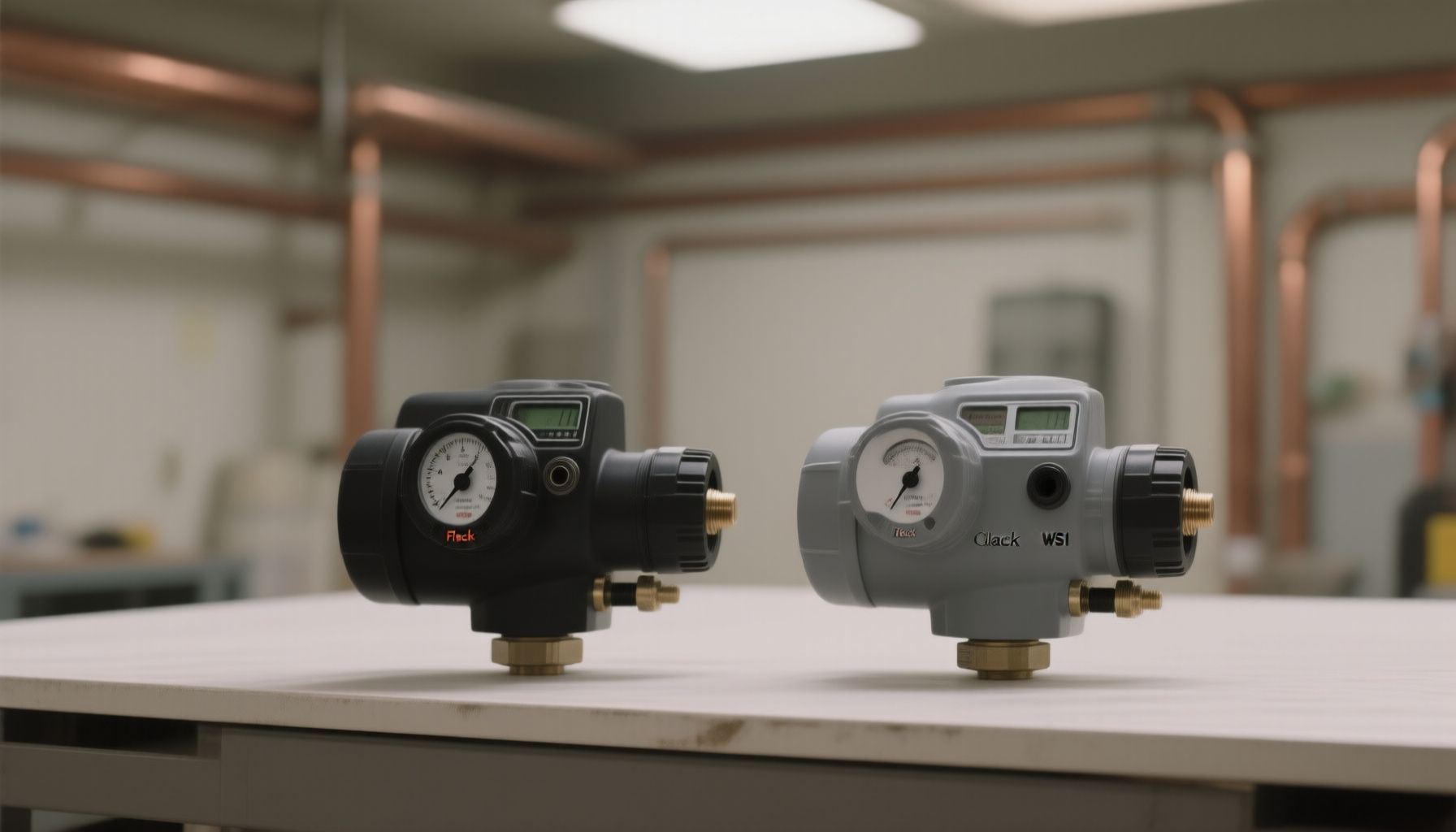
The valve is the part that actually fails — and most softener buyers never think about it once. They compare grain capacity, tank size, and salt efficiency, but the control valve is what determines whether your softener still works reliably after a decade or quietly becomes an expensive ornament in your utility room. Fleck and
-
Multipure vs Aquasana: Under-Sink Filter Showdown
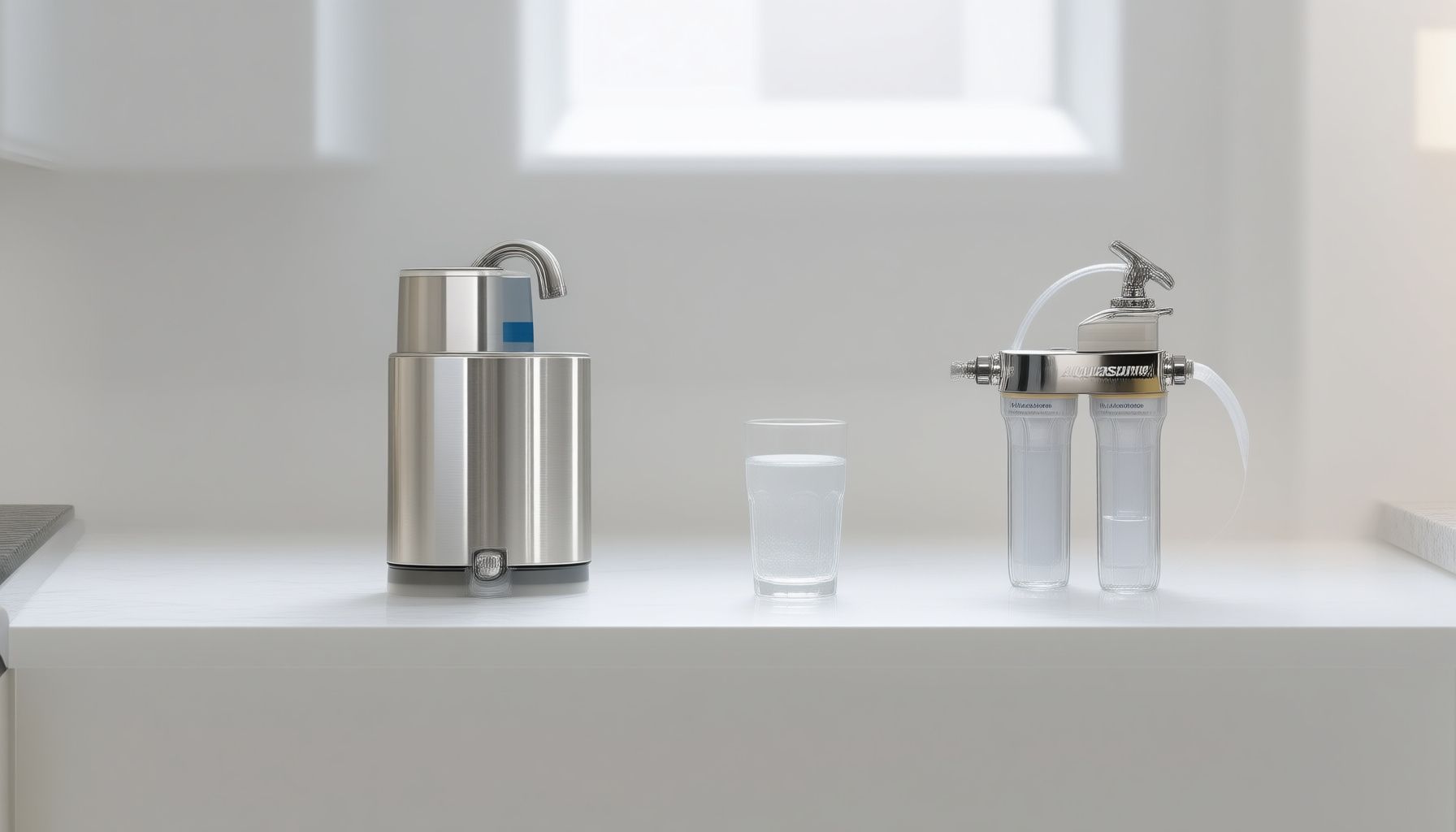
Neither filter is universally better — and that answer will save you from spending money on the wrong one. Multipure and Aquasana both make genuinely capable under-sink filters, but they’re built around different philosophies, perform differently depending on what’s actually in your water, and serve different types of homeowners. The comparison most people read online
-
EcoWater vs Culligan: Full Water Softener Comparison
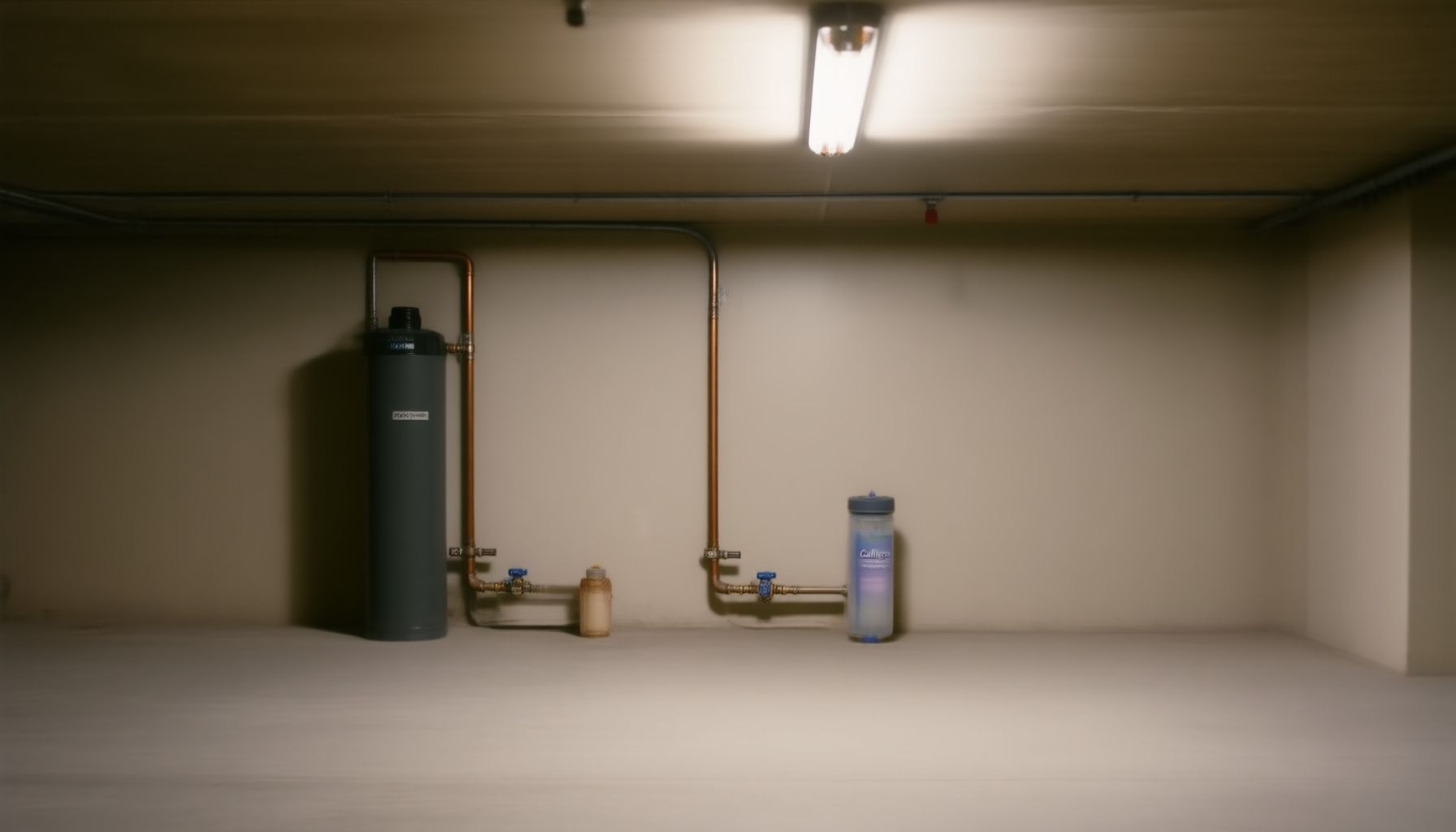
Choosing between EcoWater and Culligan comes down to one thing almost nobody talks about: who actually services the unit after it’s installed. The softener itself barely matters if the salt delivery is unreliable, the tech shows up six weeks late, or the dealer three towns over doesn’t carry your model’s resin replacement parts. Most comparison


