
Latest posts
-
How Does a Water Softener Work? The Science in Plain English
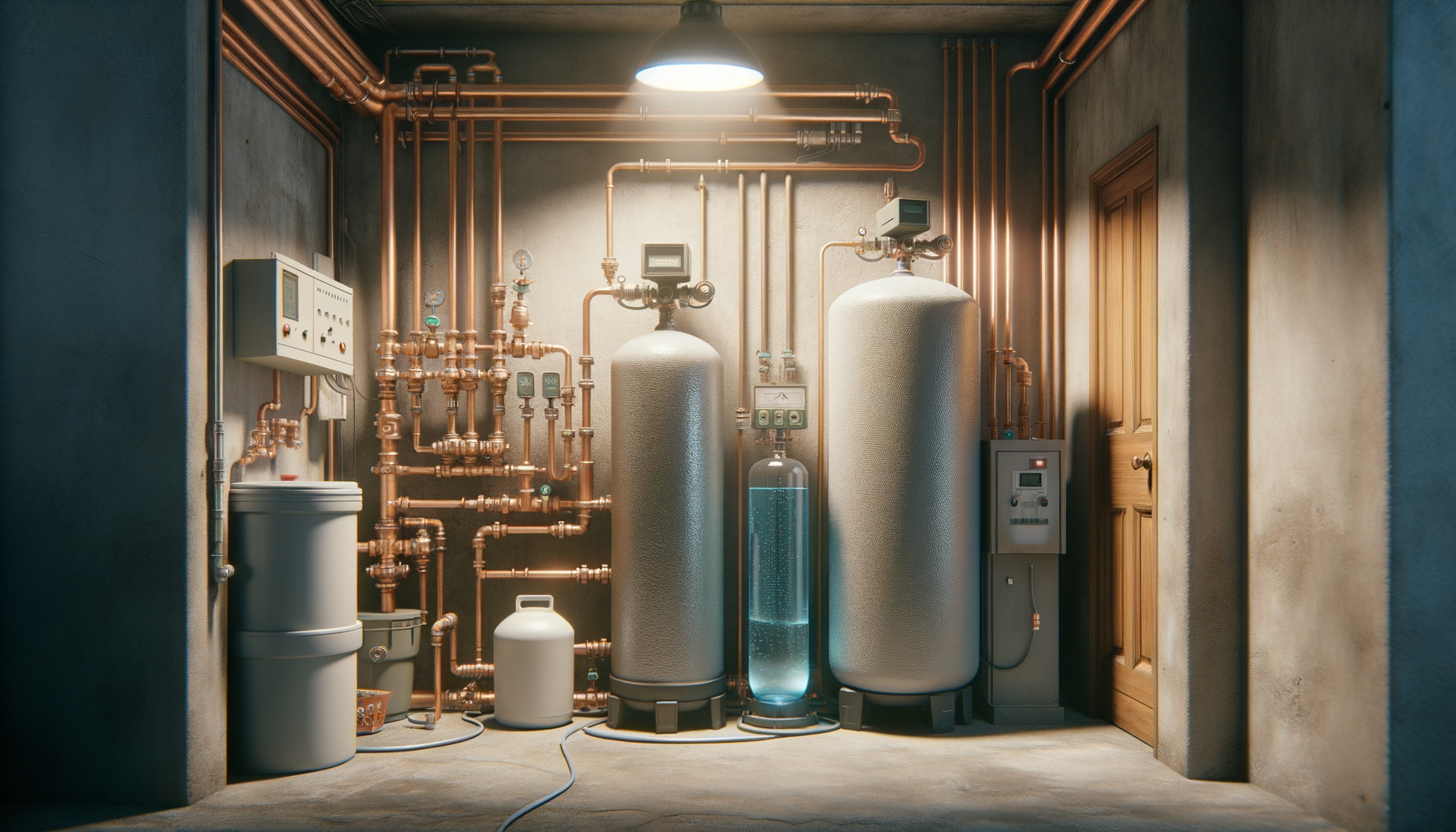
You notice it first in the shower — that filmy feeling on your skin that won’t quite rinse off, or the chalky white crust building up around your faucet handles. Then you start seeing it on your dishes, your coffee maker, the inside of your kettle. Hard water isn’t dangerous, exactly, but it’s relentless. A
-
How to Test for Iron in Well Water (And What to Do About It)
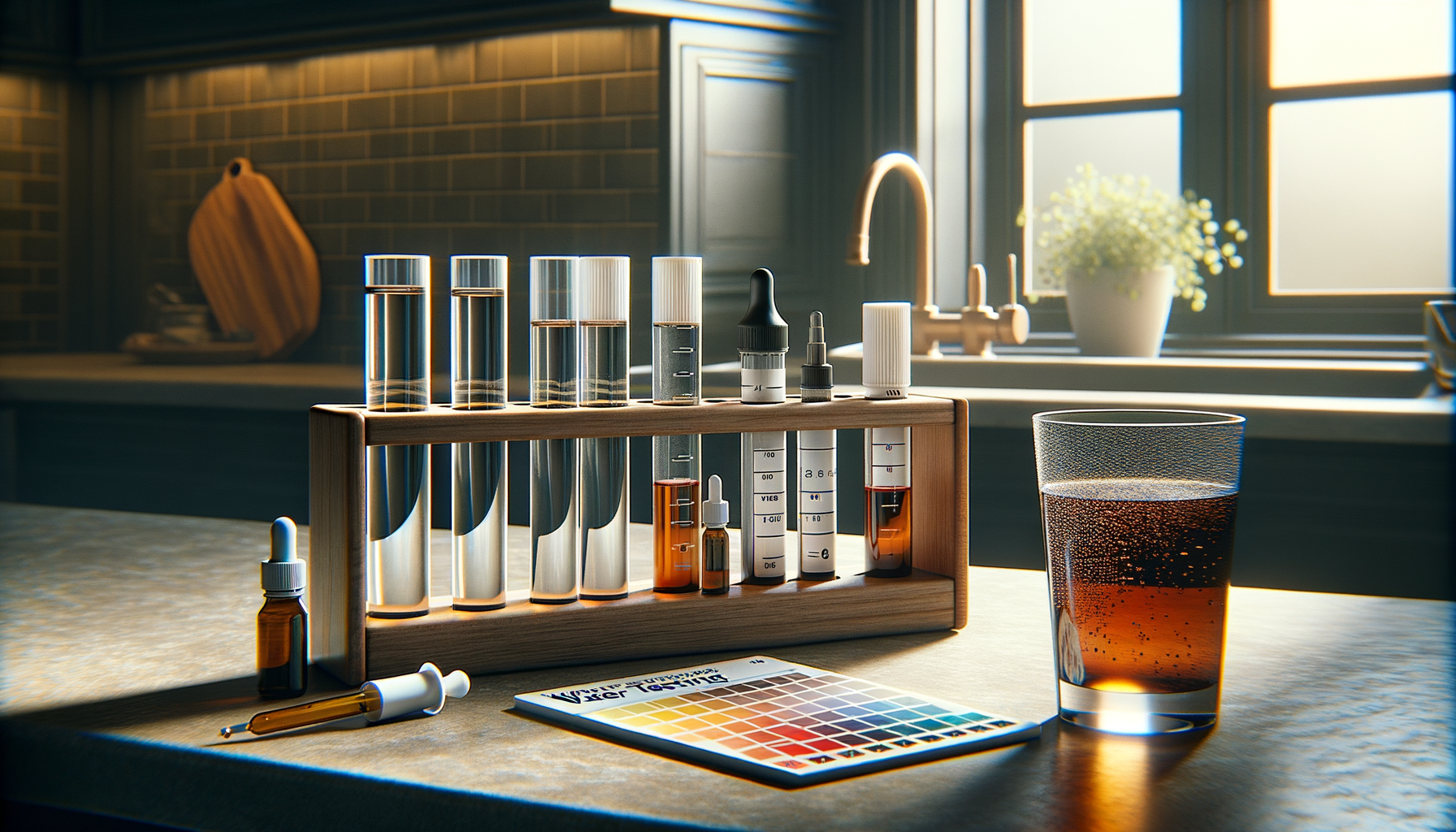
You turn on the faucet and the water looks fine — until you notice a faint rust-colored ring forming around the drain. Or maybe your white laundry is coming out with yellowish-brown stains, and you can’t figure out why. If you’re on a private well, there’s a good chance iron is the culprit. Most people
-
How to Read Your Water Test Results (Plain-Language Guide)
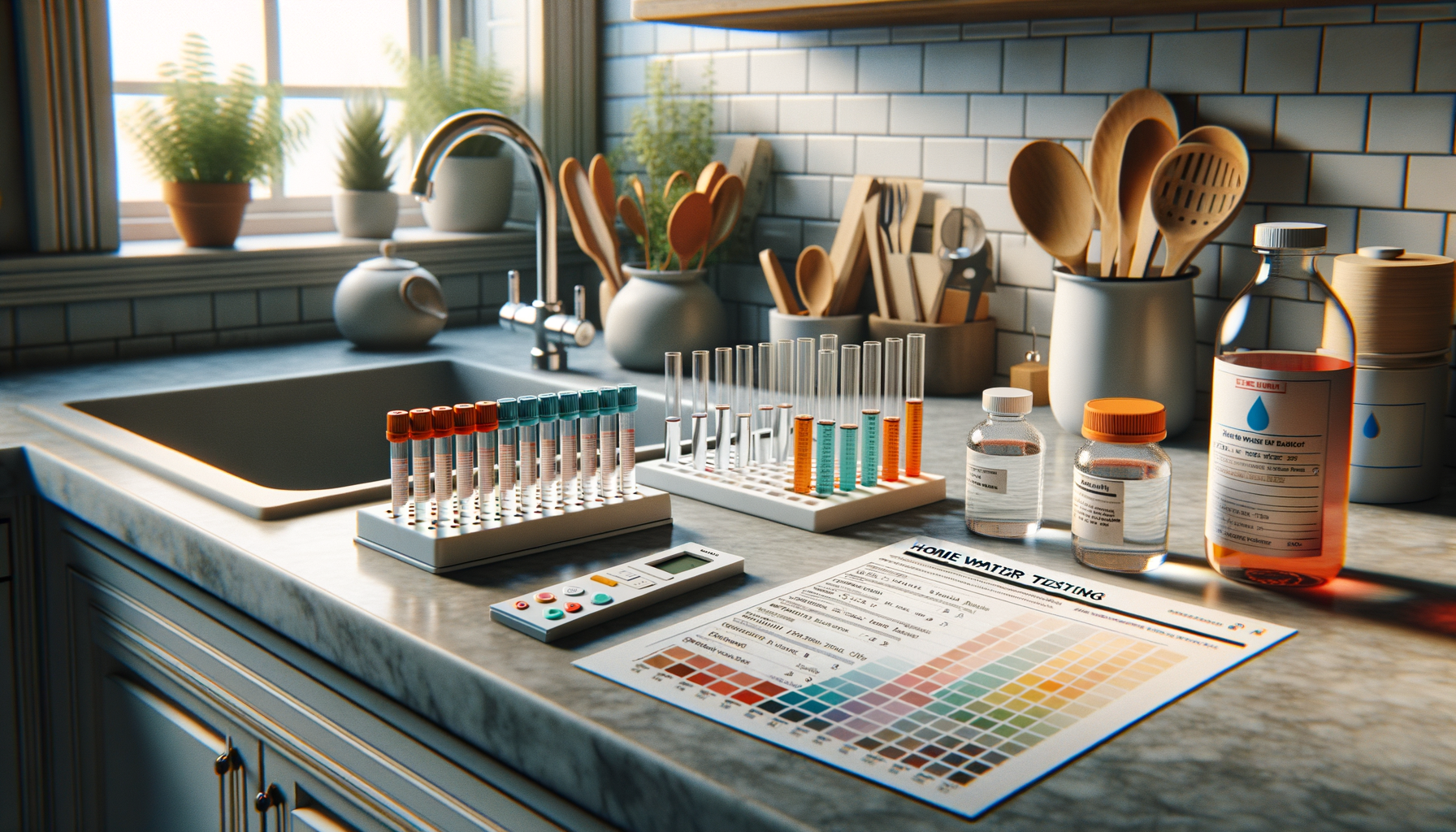
You get your water test results back and stare at a page full of acronyms, numbers, and units you’ve never seen before. MCL, TDS, pCi/L, mg/L — it looks like a chemistry exam you didn’t study for. Most people don’t think about this until the report is already sitting in front of them, and then
-
How Does a Reverse Osmosis System Work? (And Is It Worth It?)
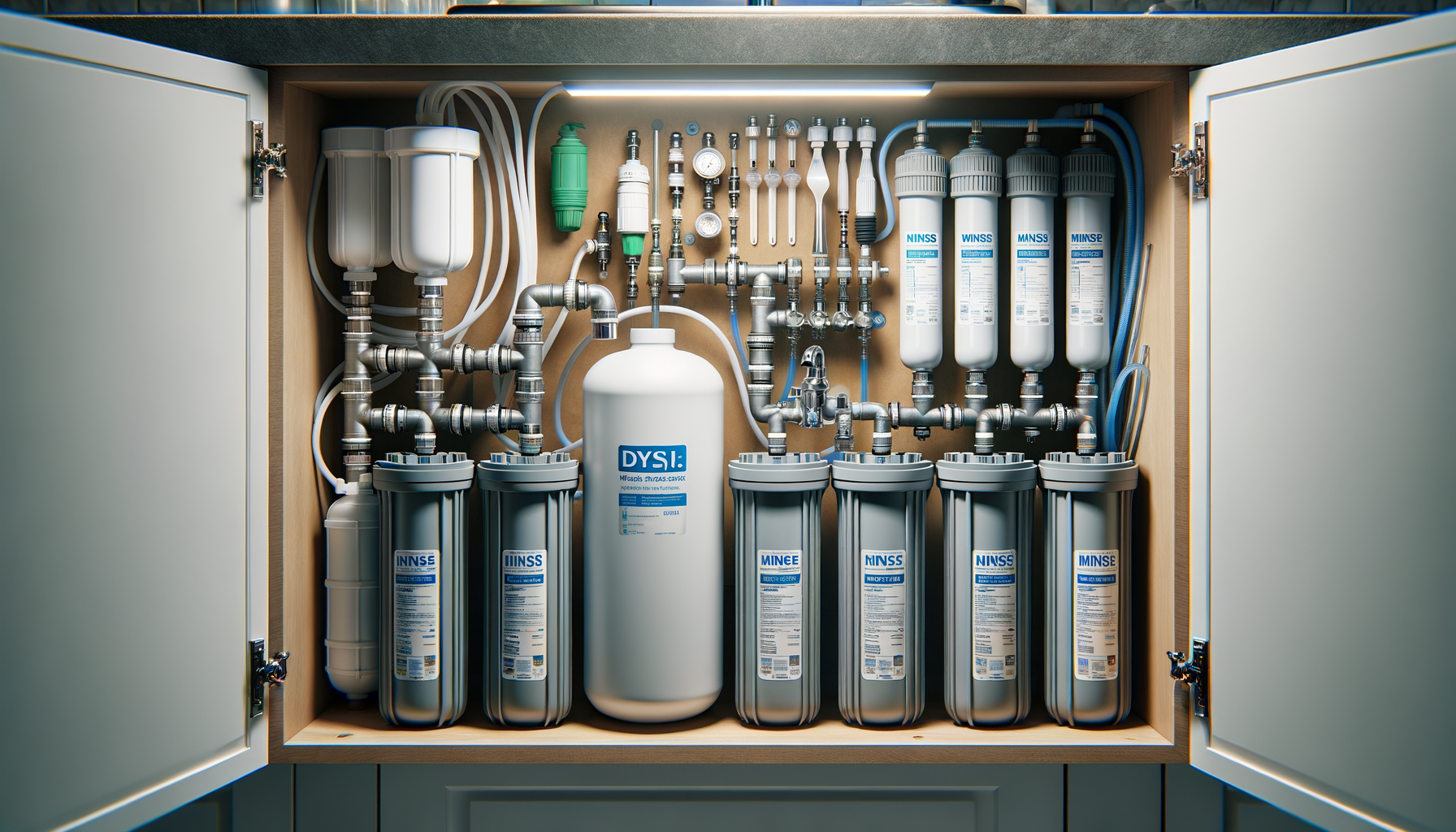
You’ve probably stood in a home improvement store staring at a wall of water filters, wondering what on earth the difference is between a basic pitcher filter and a reverse osmosis system — and why one costs $25 and the other costs $300. Or maybe a neighbor swears by their under-sink RO unit and you’re
-
Best Water Filters for Well Water: Top Systems for Rural Homes

If you’ve ever filled a glass from your kitchen tap and noticed a faint sulfur smell, a slight orange tinge, or water that leaves crusty white rings around the sink drain, you already know that well water isn’t the same animal as municipal water. There’s no city treatment plant catching the iron, no chlorine dose
-
Water Test Kit vs Professional Water Test: Which Is More Accurate?

You grab a glass of water from the tap and something looks slightly off — maybe it has a faint smell, or your neighbor just mentioned their well test came back with something alarming. So you start Googling and quickly find yourself choosing between a $15 test kit from the hardware store and a $150+
-
How to Test for Bacteria in Well Water at Home
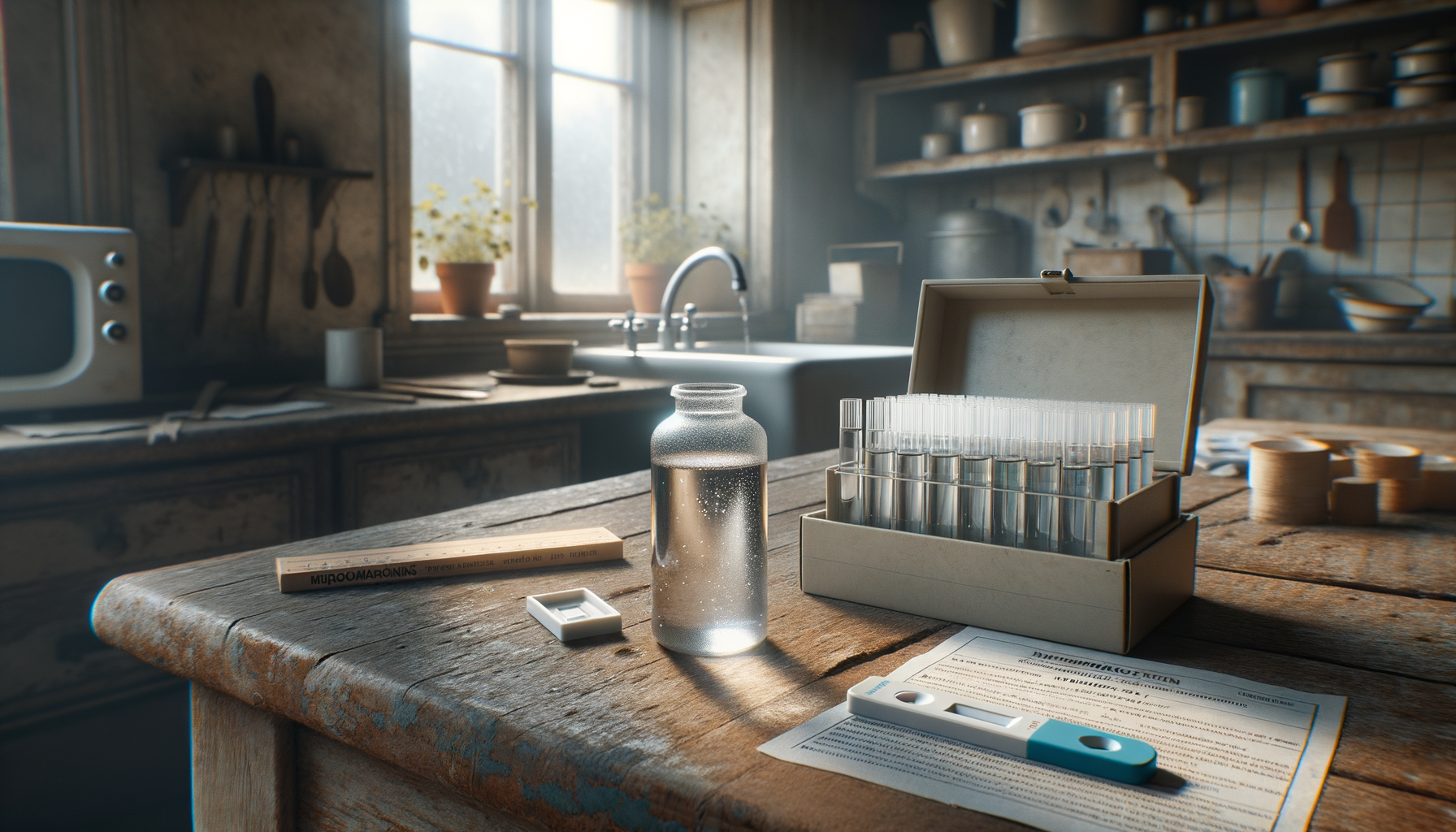
Picture this: you move into a rural property with a private well, or maybe you’ve had one for years and never thought twice about it. The water looks clear, tastes fine, and nobody’s gotten sick — yet. Most people don’t think about bacterial contamination until someone in the household comes down with a stomach bug
-
Is It Safe to Drink Tap Water After a Boil Water Advisory?

You get the notification — maybe it’s a text alert from your city, a flyer on your door, or a news bulletin — that a boil water advisory has been issued for your area. You boil your water, you wait, and then a few days later, you get the all-clear. But here’s where it gets
-
Microplastics in Tap Water: What the Research Actually Shows
You fill a glass of tap water, hold it up to the light, and it looks perfectly clear. No visible particles, no odd color, nothing obviously wrong. But researchers studying municipal water supplies across the United States have found something you can’t see with the naked eye — tiny fragments of plastic, smaller than a
-
What Does a TDS Meter Actually Tell You About Water Quality?
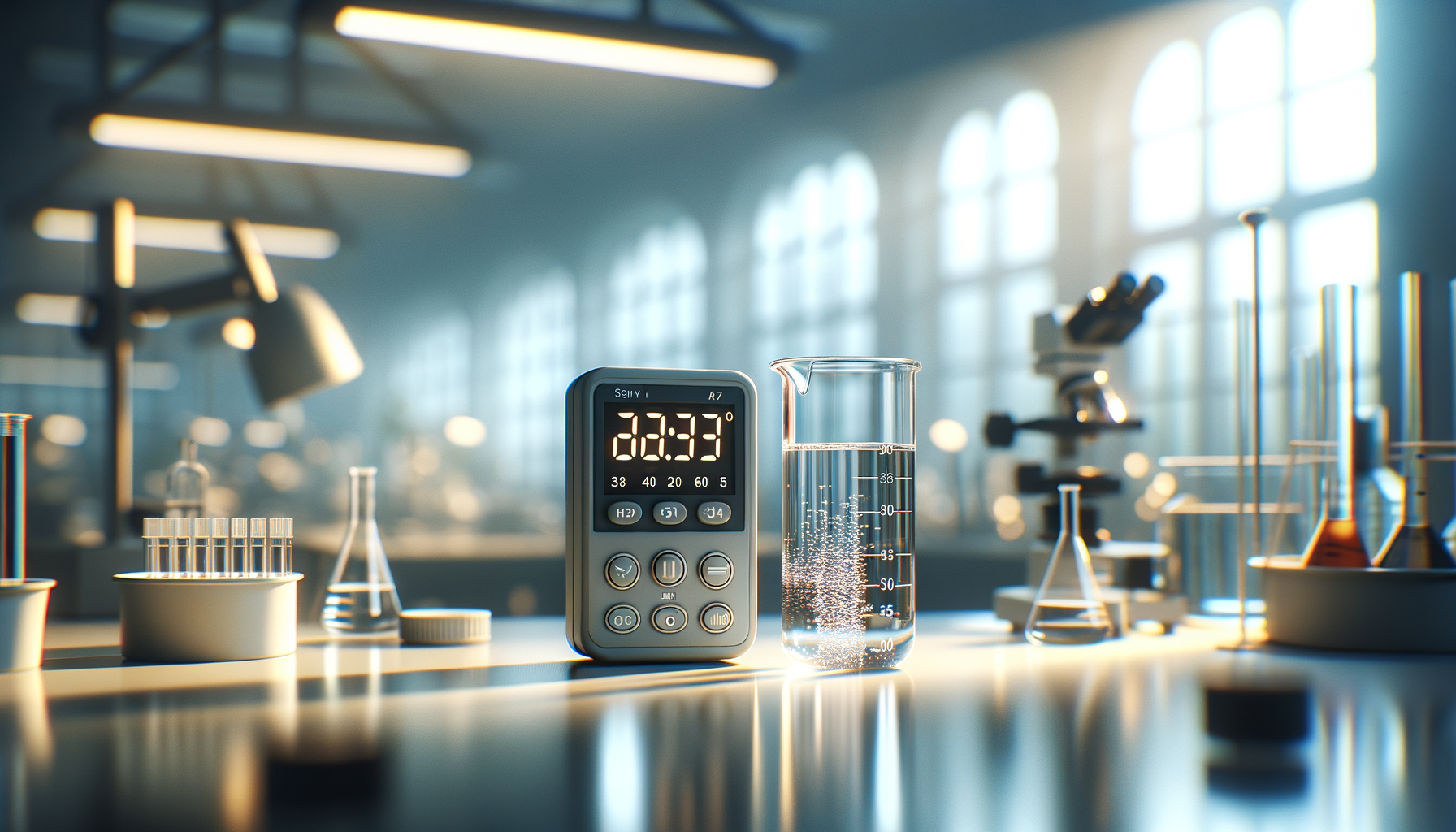
You order a TDS meter online, it arrives two days later, and within twenty minutes you’re watching a number blink on a tiny screen over your kitchen sink. Maybe it says 180. Maybe it says 420. Maybe it reads something alarming like 740. Now what? Most people assume a higher number means dirtier water —


