
Latest posts
-
Tap Water Quality in Baltimore: What Residents Need to Know
Baltimore’s water meets federal safety standards — and that fact is exactly why so many residents stop asking questions they should still be asking. The city’s water treatment plant does its job. But between the treatment plant and your faucet, a lot can happen, and in Baltimore, what happens in that gap is more consequential
-
Tap Water Quality in Nashville: What Residents Need to Know
Nashville’s tap water passes every federal safety standard — and that’s exactly what lulls most residents into missing the real problem. The issue isn’t whether Metro Water Services is doing its job. It is. The issue is what happens to that water after it leaves the treatment plant and travels through miles of aging distribution
-
Boston Tap Water Quality: What Residents Need to Know
About 230,000 homes in the Boston metro area sit on pipes old enough to remember a different century — and that’s the part of Boston tap water quality that almost nobody talks about clearly. The source water is genuinely excellent. The treatment is solid. But the journey from the Quabbin Reservoir to your glass passes
-
Tap Water Quality in San Francisco: What Residents Need to Know
San Francisco tap water is genuinely good — and that’s exactly what makes it easy to stop paying attention to it. The city draws from Hetch Hetchy reservoir in the Sierra Nevada, one of the cleanest source waters in the country, and most residents assume that story ends at the treatment plant. It doesn’t. What
-
Tap Water Quality in Indianapolis: What Residents Need to Know
Three contaminants show up in Indianapolis tap water that most residents have never heard of — and lead isn’t even the one that should concern you most right now. Indianapolis water is legally safe. It meets federal standards. But “meets federal standards” and “nothing to worry about” are not the same sentence, and that gap
-
Tap Water Quality in Charlotte: What Residents Need to Know
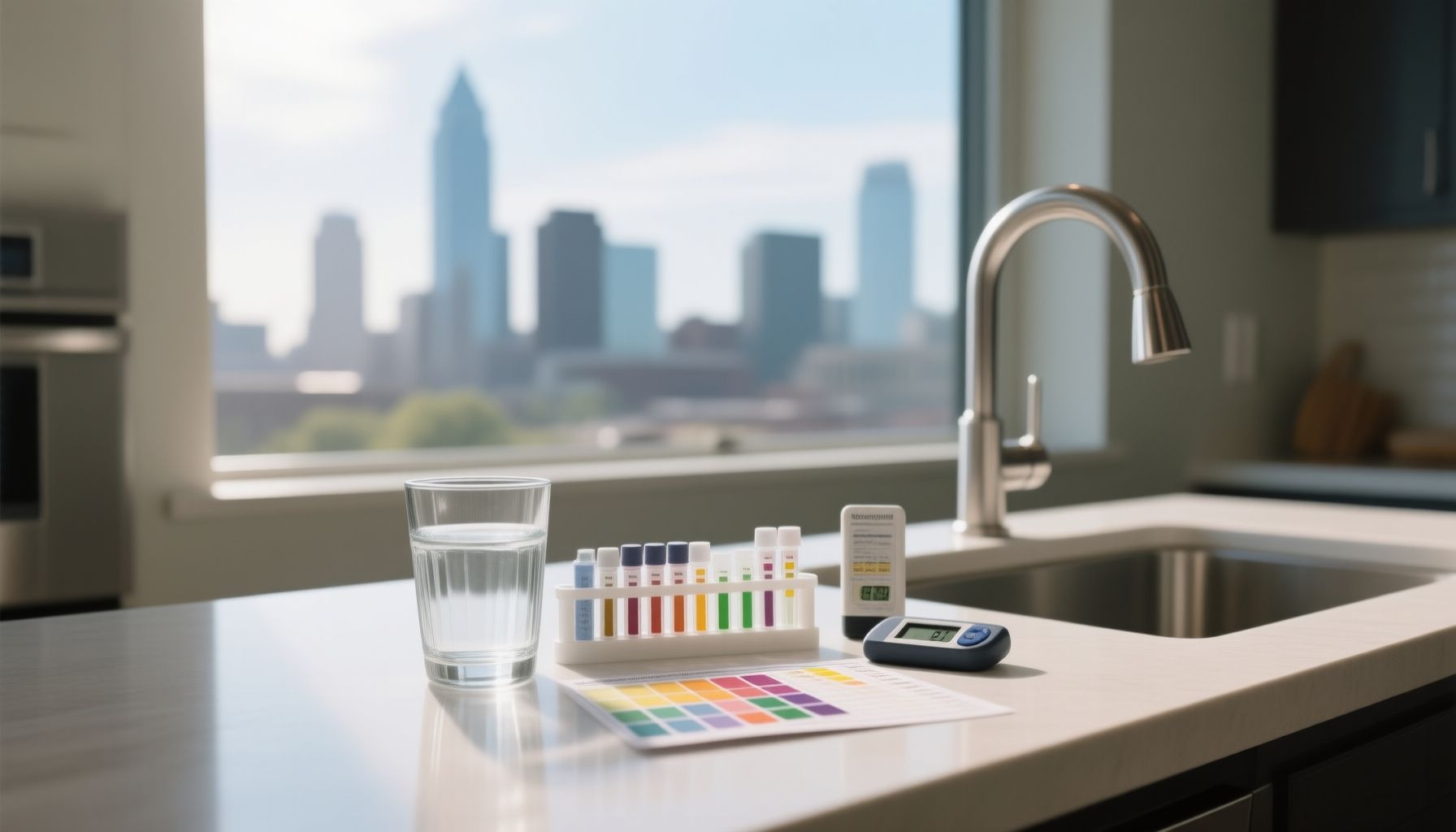
Charlotte’s tap water passes federal safety standards — that part’s true, and it’s not the interesting part. What most residents never hear is that their water’s journey from Mountain Island Lake to the faucet includes a treatment step that actually introduces a secondary contaminant, and whether that contaminant affects your household depends almost entirely on
-
Columbus Tap Water Quality: What Residents Need to Know
Columbus tap water meets every federal safety standard — and that’s precisely where most residents stop reading, which is a mistake. Compliance doesn’t mean your water is contaminant-free; it means measured levels fall below legally permitted thresholds, some of which haven’t been updated in decades. The real story in Columbus isn’t whether the water leaving
-
Tap Water Quality in Jacksonville: What Residents Need to Know
Nobody moves to Jacksonville expecting their tap water to be a problem. The city runs a well-funded utility, publishes annual water quality reports, and consistently meets federal Safe Drinking Water Act standards. So here’s what most residents never think to ask: why does water that “passes” every test still leave staining in toilets, taste flat
-
Tap Water Quality in Austin: What Residents Need to Know
Austin’s tap water is safe to drink — but “safe” and “problem-free” are not the same thing, and that distinction matters more in Austin than in almost any other major Texas city. The water that arrives at your faucet is treated, tested, and compliant with federal standards. What most residents don’t realize is that Austin’s
-
Tap Water Quality in San Jose: What Residents Need to Know
Your San Jose tap water is technically safe — and that’s exactly the part that can trip you up. “Technically safe” means it meets federal legal limits, not that every contaminant is at zero. San Jose pulls water from multiple sources, blends them, treats them differently, and delivers them through a pipe network that ranges


