
Latest posts
-
How to Test Your Water Before and After Installing a New Filter
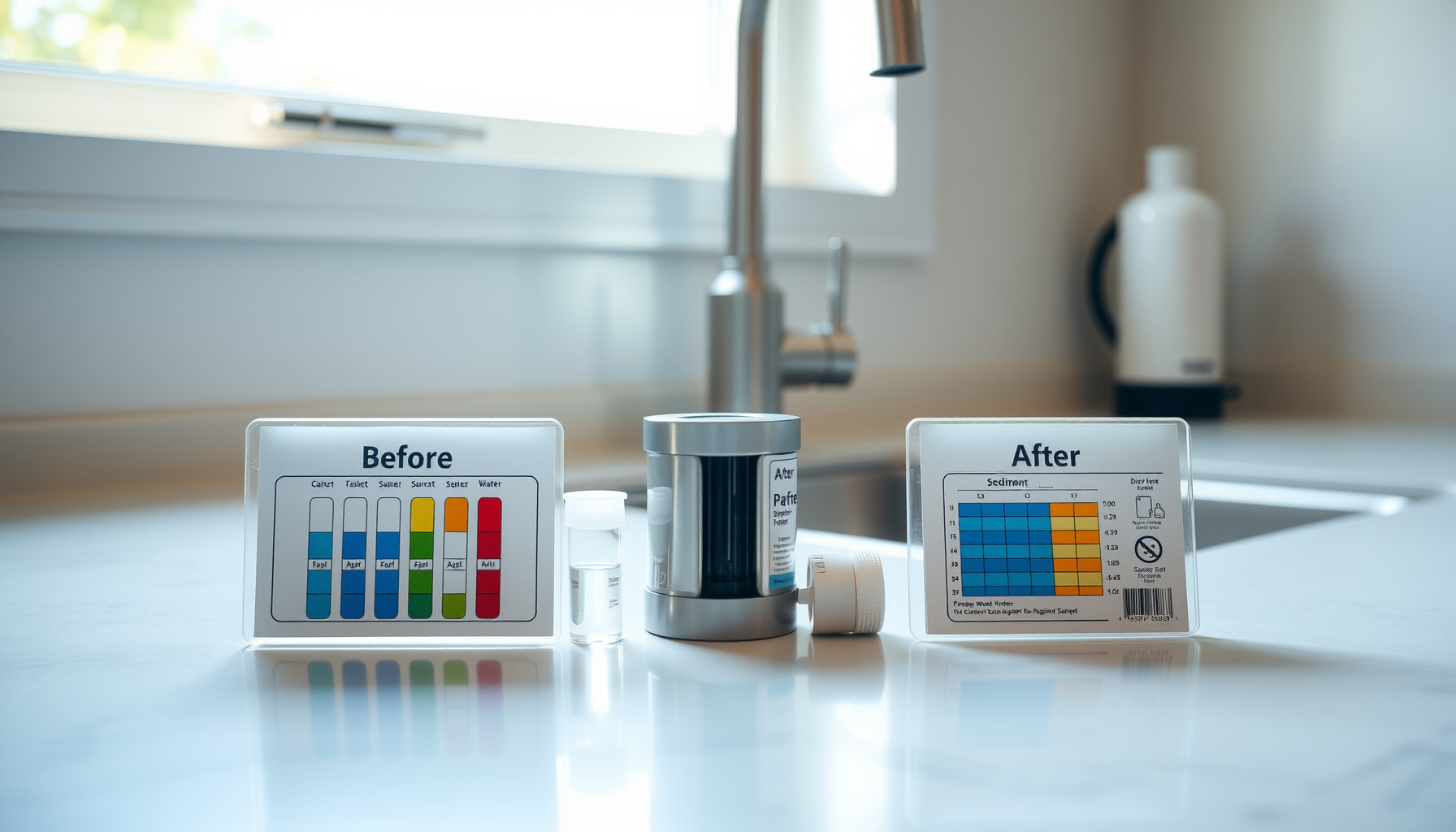
Here’s what almost every guide about testing your water before and after installing a filter gets wrong: they treat it like a pass/fail exam. You install the filter, run a test, and if the numbers look better, you declare victory. But that framing misses the actual point — and it’s why so many homeowners end
-
What Is the Difference Between Hard Water and Mineral Water?
Here’s what most people get wrong: they assume “mineral water” means water with a lot of minerals, and “hard water” means something unhealthy — so they end up treating their tap water to remove the very minerals that might actually be worth keeping. Hard water and mineral water both contain dissolved calcium and magnesium, but
-
How Cold Weather Affects Well Pump and Water Pressure Performance
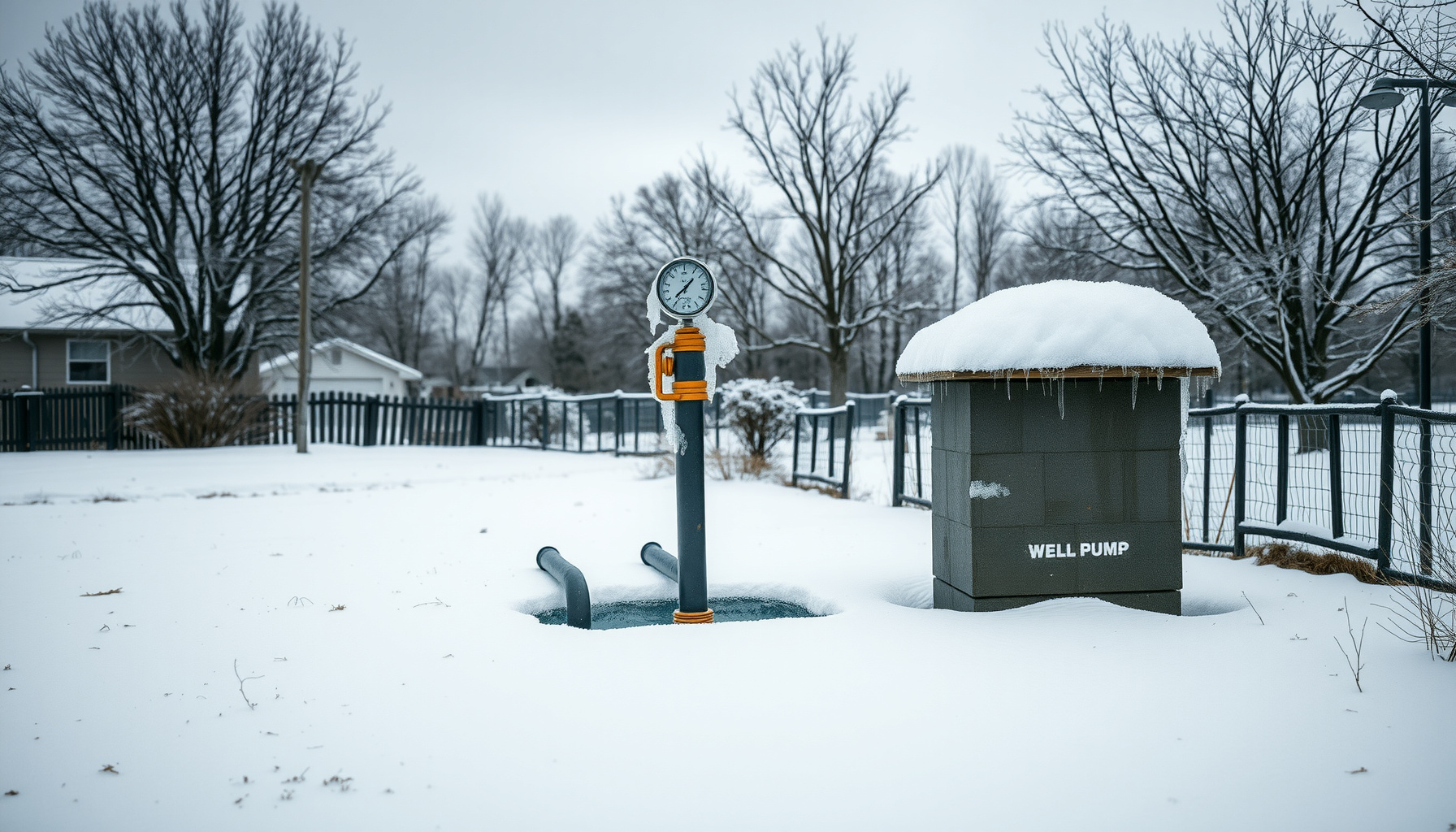
Here’s what most people get wrong about cold weather and well pump pressure: they assume the pump itself is the problem. When pressure drops in January or pipes run slow after a hard freeze, the instinct is to call a pump repair company. But in the majority of cases, the pump is fine — it’s
-
Is It Safe to Drink Water From a Garden Hose Bib Outside?
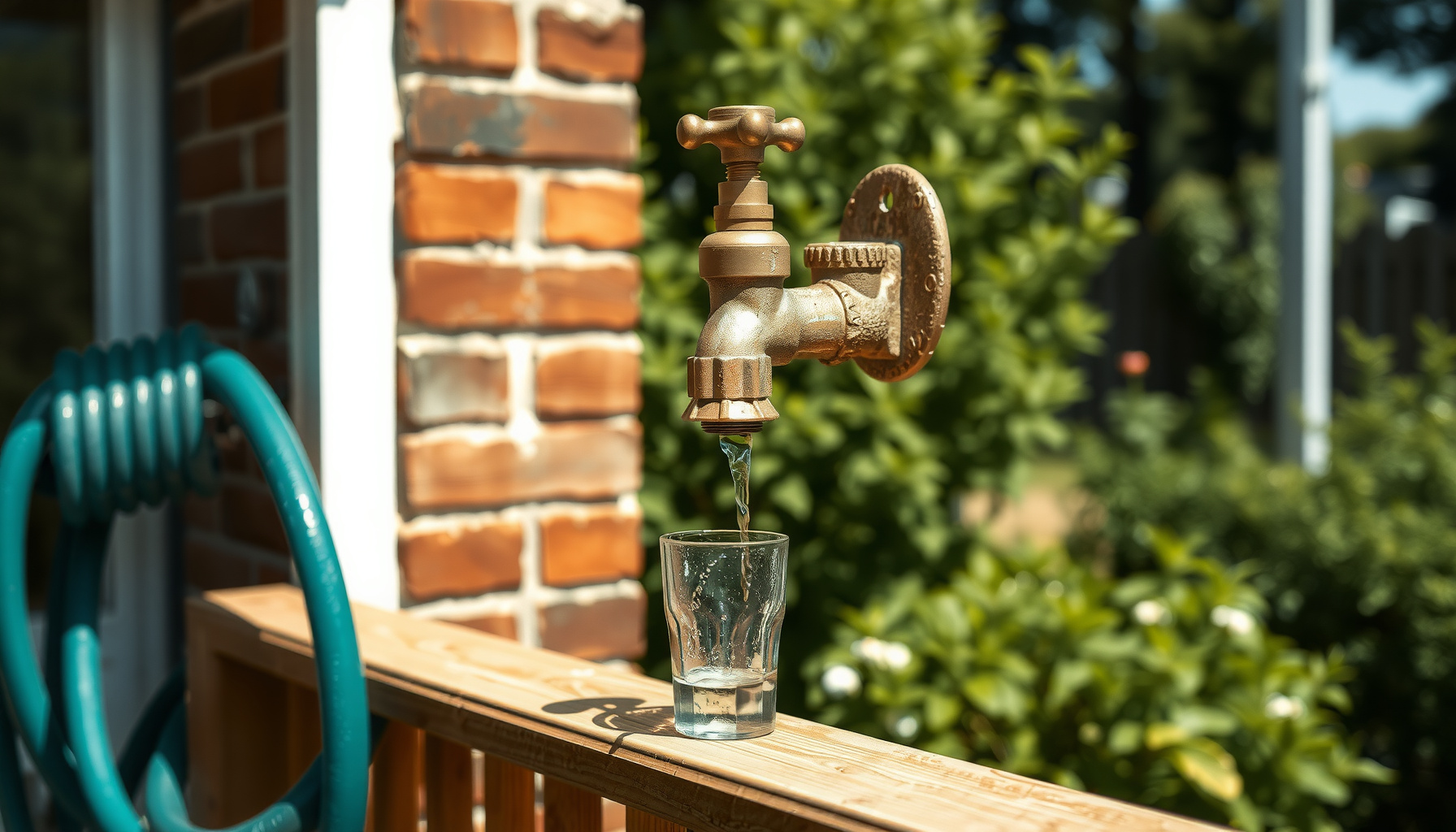
Here’s what most people get wrong about drinking from an outdoor hose bib: they think the bib itself is the problem. It’s not. The bib is just a valve. The real contamination risk sits in a completely different place — and it’s one that can expose you to lead, brass corrosion byproducts, and even backflow
-
What Is a Mixed Bed Deionization Filter and When Do You Need One
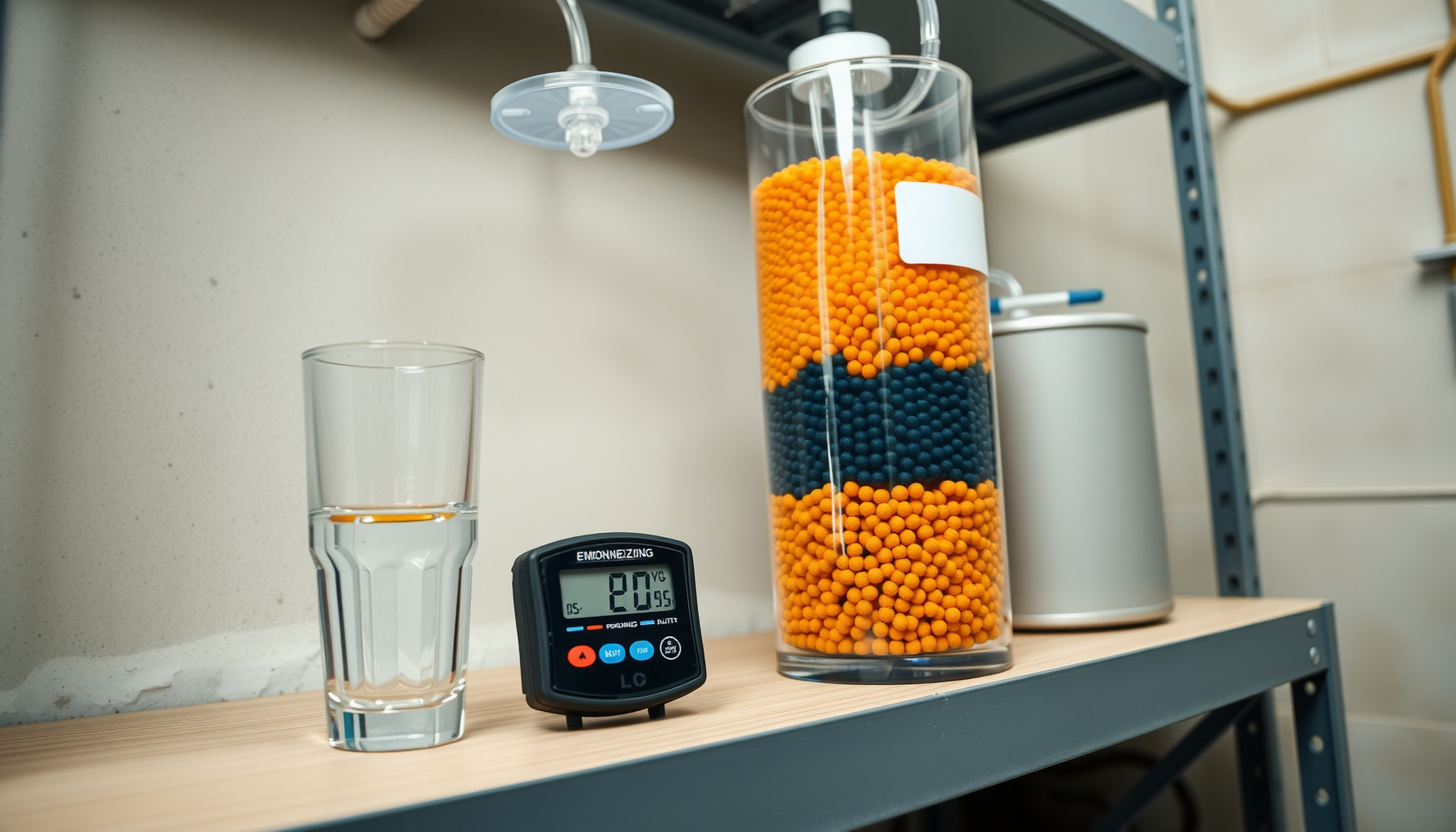
Here’s what most people get wrong about mixed bed deionization filters: they assume it’s industrial equipment that belongs in a lab, not a home. So they ignore it entirely — and then spend years wondering why their aquarium fish keep dying, their steam iron clogs up after six months, or their hydroponic plants grow sideways.
-
How to Read the Date Code on Your Water Filter Cartridge
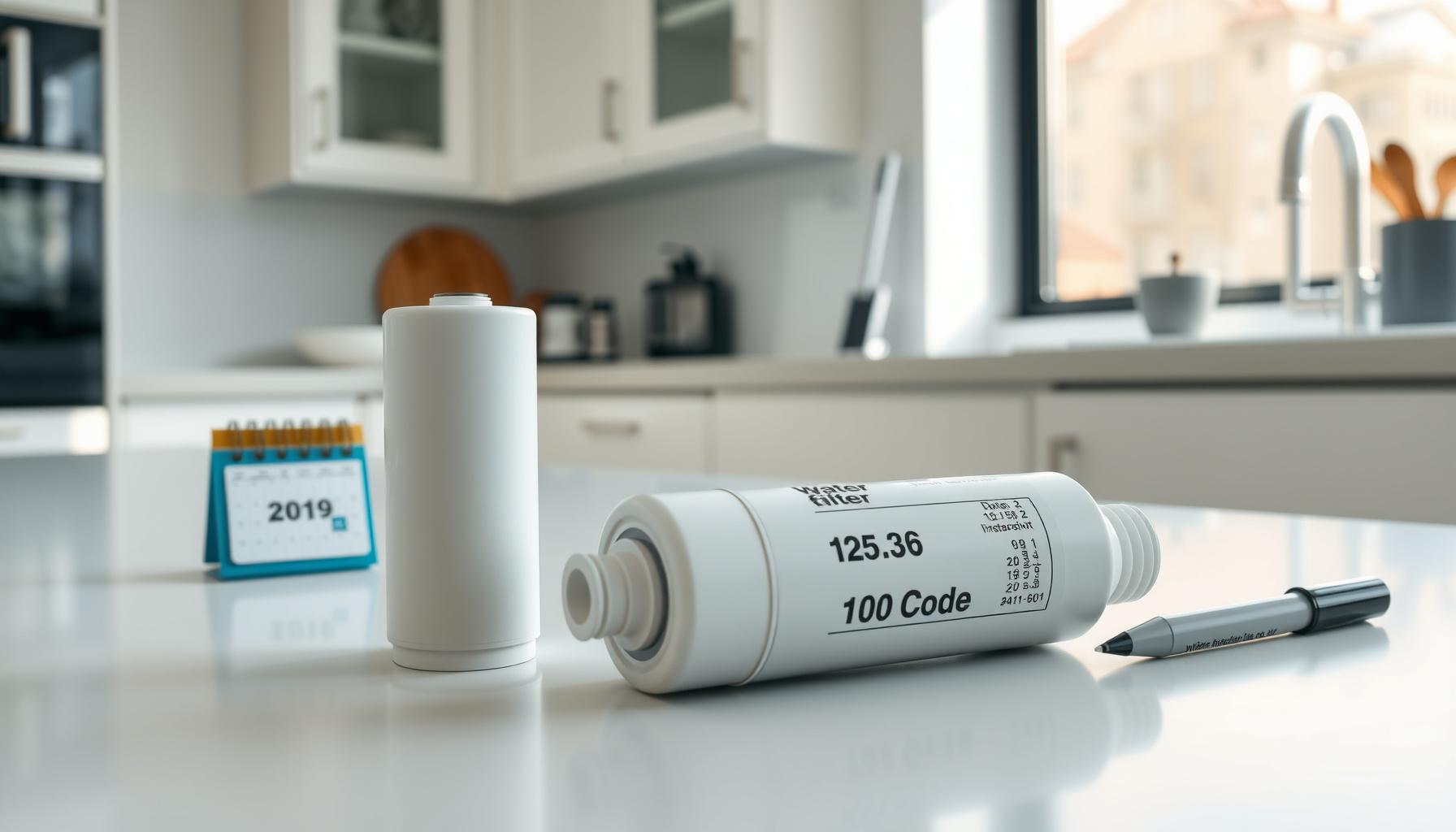
Here’s the part nobody tells you: the date printed on your water filter cartridge is often not the date that matters most. Most homeowners assume the manufacture date or expiration date stamped on the box is the number they should be tracking. It isn’t. The date that actually determines whether your filter is still protecting
-
Does Hard Water Affect How Well Soap and Shampoo Lather?
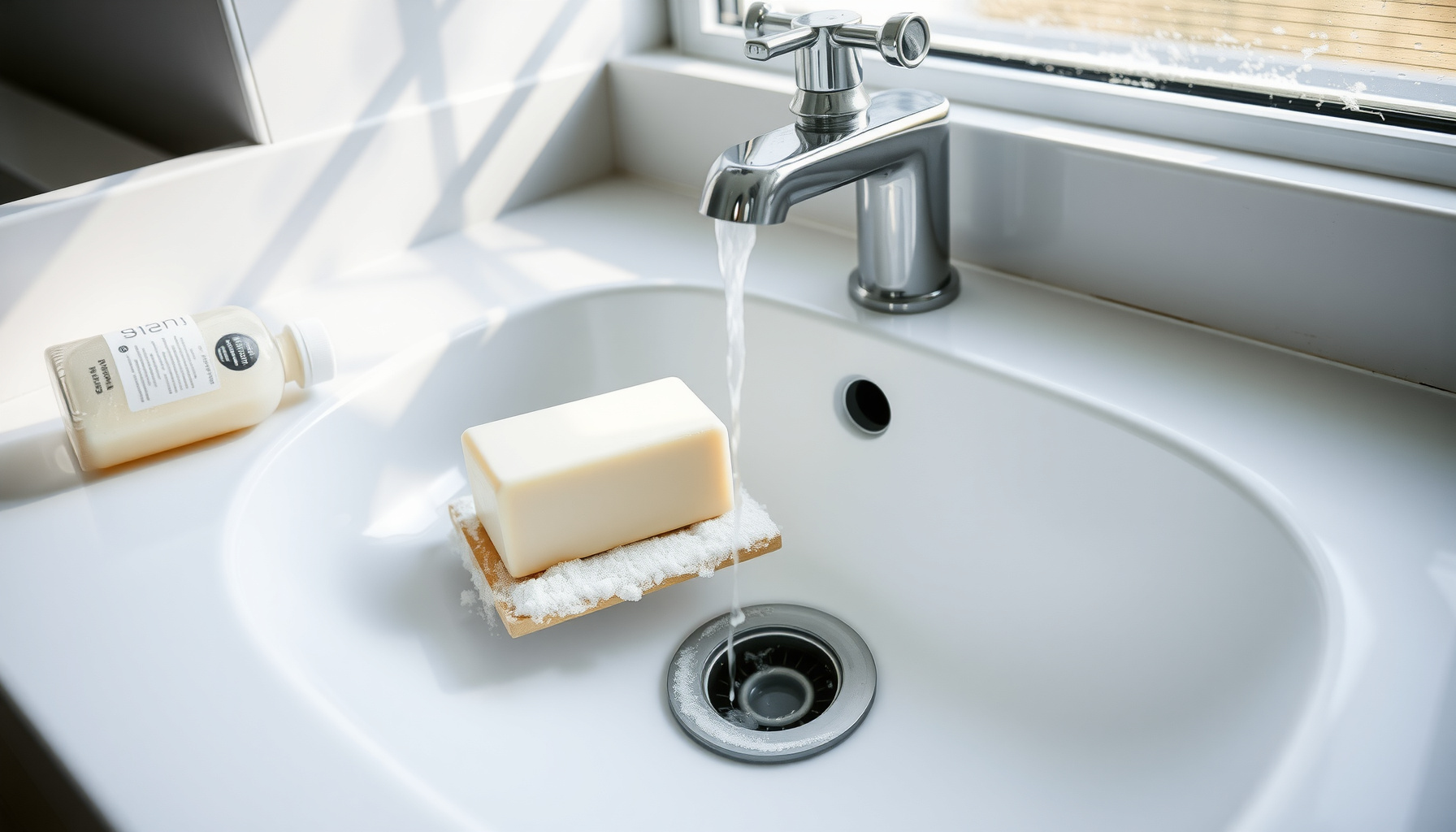
Here’s what most people get wrong: they blame their shampoo. They switch brands, try sulfate-free formulas, spend more money on “premium” products — and still end up with flat, filmy lather that rinses like it’s leaving something behind. The real culprit is almost never the soap. It’s the water. Hard water doesn’t just reduce lather
-
What Is the EPA Lead and Copper Rule and How It Protects Your Tap Water
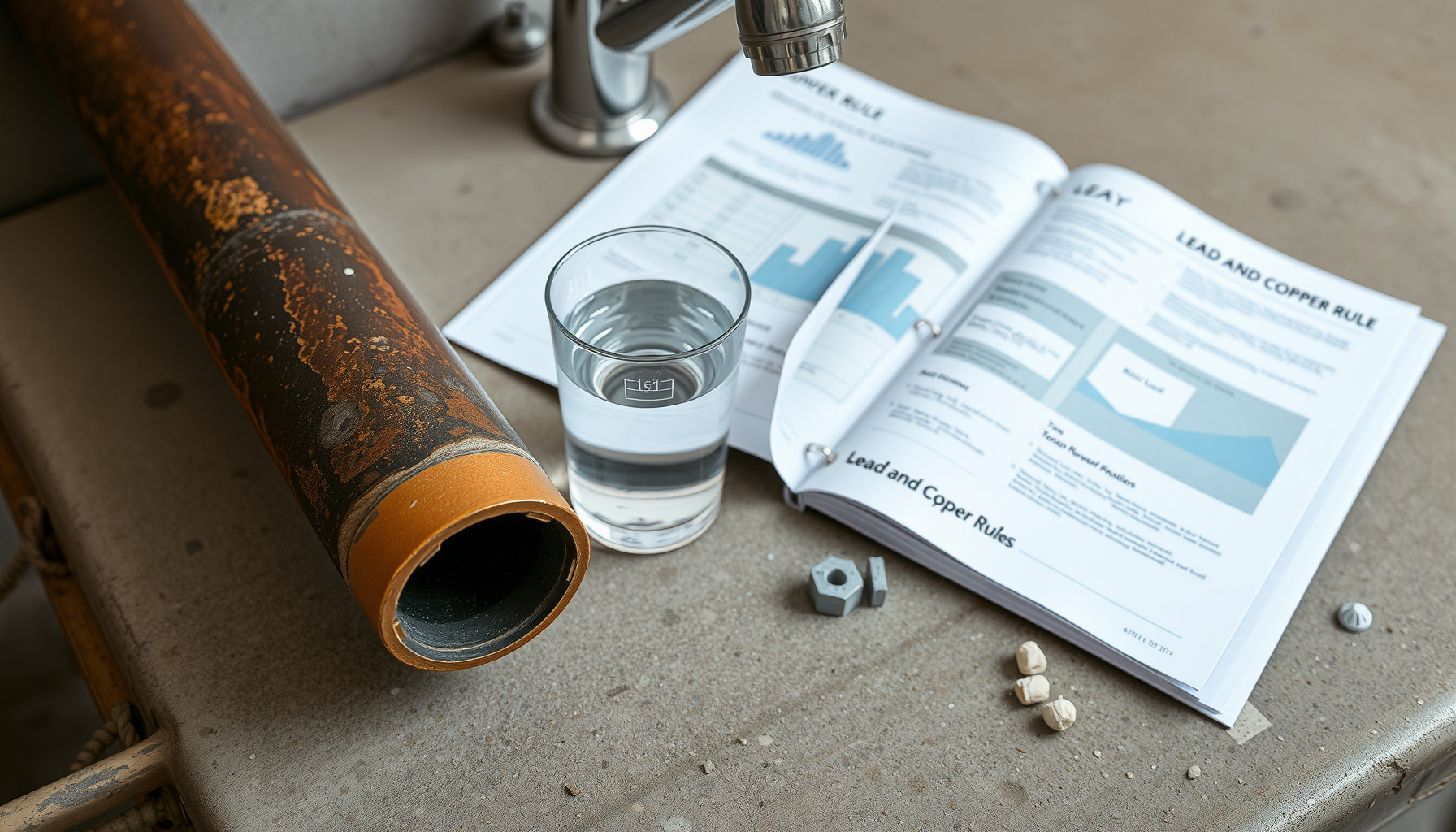
Here’s what most homeowners get completely wrong about the EPA Lead and Copper Rule: they assume it means their tap water has been tested for lead. It hasn’t — at least not at your faucet. The rule governs how water utilities monitor and respond to lead levels across their distribution system, but the pipe running
-
How to Test for Volatile Organic Compounds (VOCs) in Tap Water
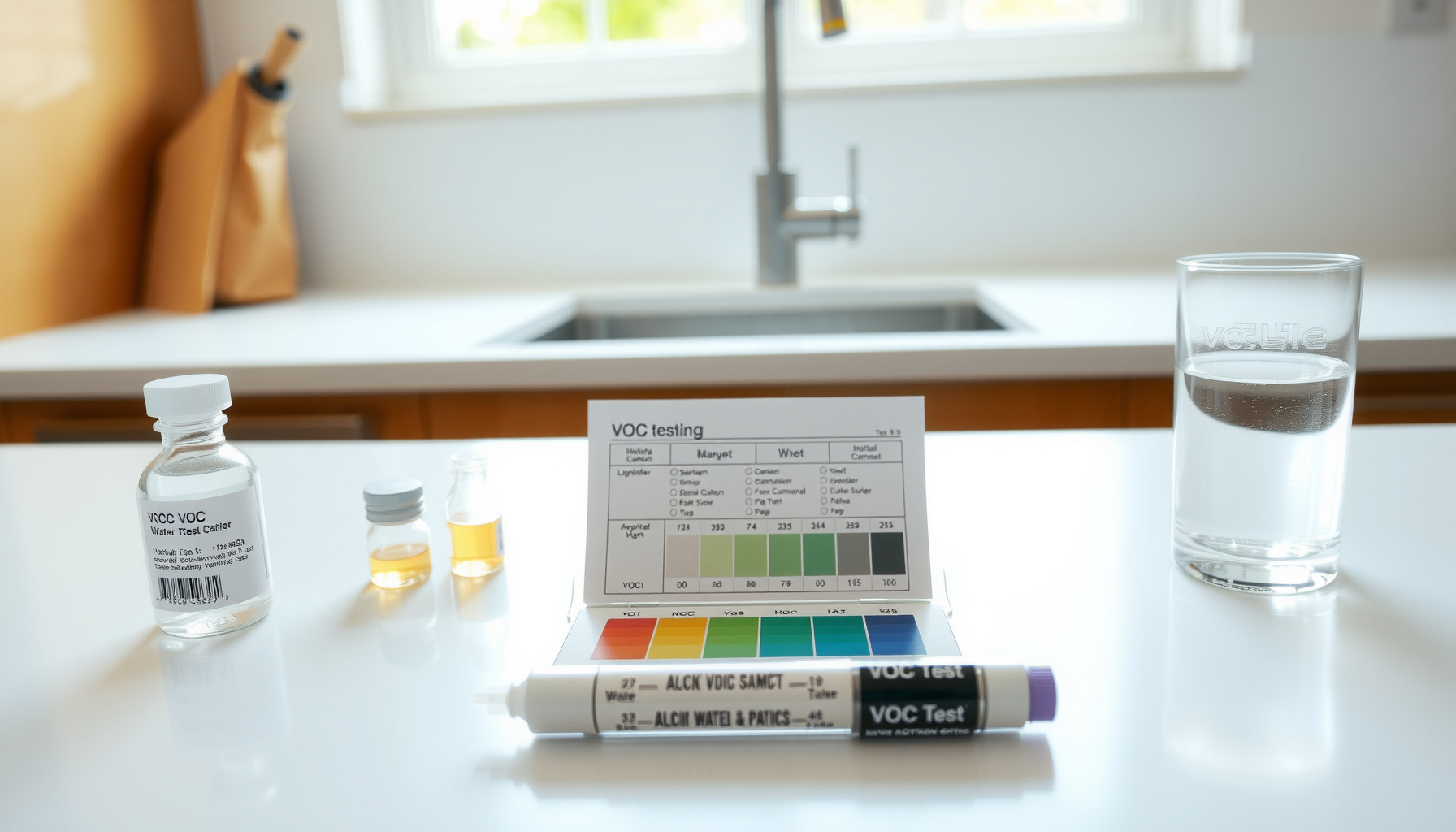
Here’s what most people get wrong about testing for VOCs in tap water: they assume a negative test result means their water is safe. It doesn’t. Standard home water tests — the kind sold at hardware stores for under $20 — don’t detect VOCs at all. They measure pH, hardness, chlorine, and maybe lead or
-
Why Does My Water Smell Like Chlorine Right After a City Flush?
Here’s what almost every article about post-flush chlorine smell gets wrong: they treat it as a simple “too much chlorine” problem and tell you to run your tap or buy a filter. Done. But the real issue isn’t just the chlorine — it’s why that chlorine smells so much stronger after a city main flush


