
Latest posts
-
Tap Water Smells Like Rotten Eggs in the Morning but Fine Later: Why
Here’s what most articles get completely wrong about this problem: the smell isn’t coming from your water supply. Your municipal water or well tests fine because the rotten egg odor in the morning is almost always produced inside your home — specifically inside your water heater — not delivered to you from outside. The sulfur
-
Tap Water Tastes Like Chlorine After City Maintenance: Is It Safe?
Here’s what almost every article about this gets wrong: they treat the chlorine taste after city maintenance as a simple safety question with a simple yes-or-no answer. The real issue isn’t whether the water is safe — it almost certainly is — it’s that the chlorine spike reveals something about how your home’s plumbing interacts
-
Why Does My Refrigerator Ice Taste Different From Filtered Tap Water?
Here’s what most people get wrong: they assume their filtered tap water and their refrigerator ice come from the same water source processed the same way — so they can’t understand why the ice tastes noticeably different, sometimes worse, sometimes just… off. The real answer isn’t about your water at all. It’s about what happens
-
What Is E. Coli Contamination in Tap Water and How Quickly It Spreads
Here’s what most people get wrong about E. coli contamination in tap water: they think it’s a slow-moving, detectable problem — something that shows up in a city-wide boil water notice with plenty of warning. The reality is far more unsettling. E. coli can colonize a water system and reach your faucet within hours of
-
Can a Water Softener Be Too Small for Your Household Size?
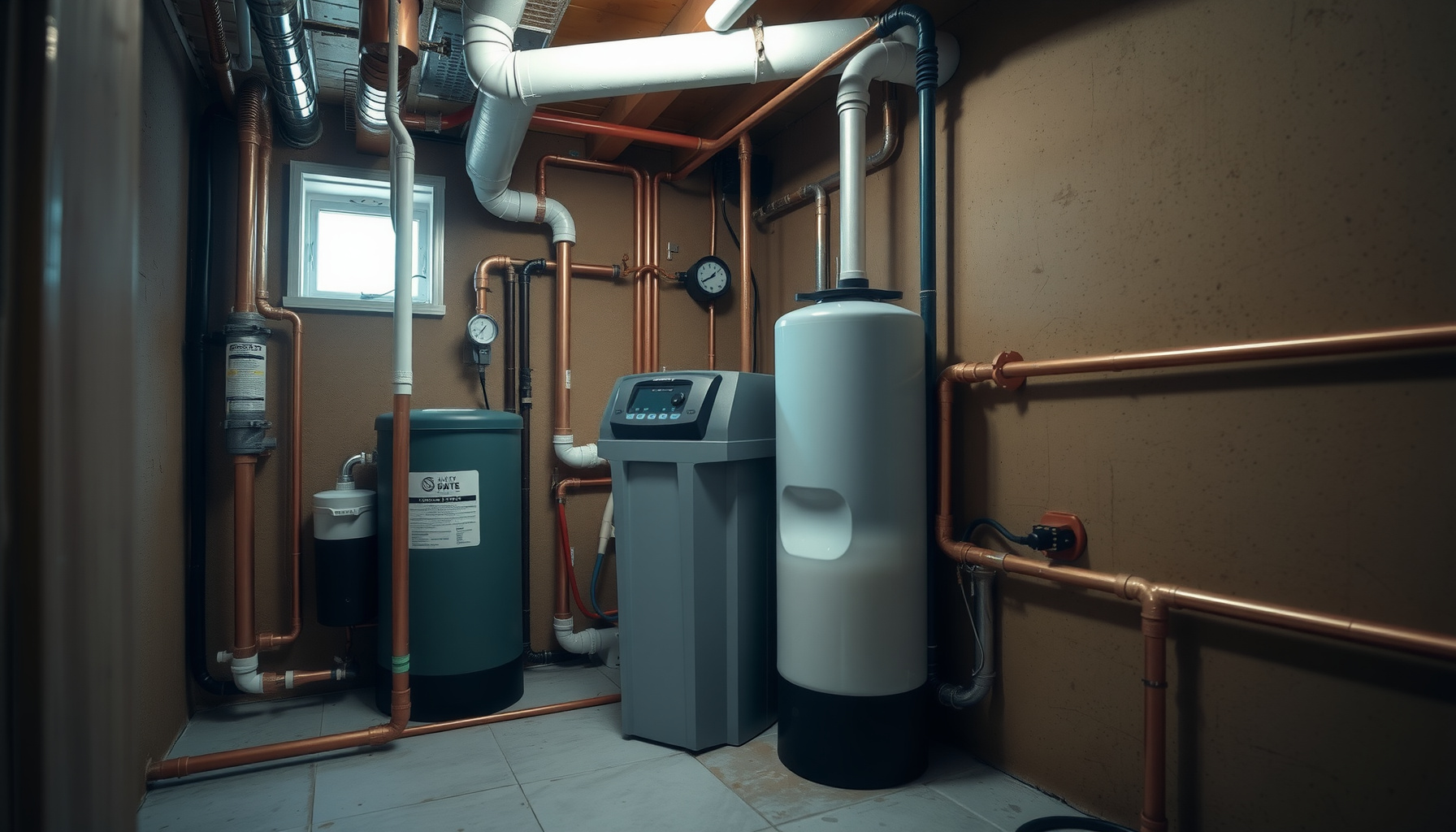
Here’s what most homeowners get completely wrong about undersized water softeners: they assume the problem will show up immediately, in obvious ways — like hard water stains coming back, or soap not lathering. But the real damage from a water softener that’s too small for your household often happens invisibly, over months, in ways that
-
How to Test Water Quality After a Wildfire Near Your Water Source
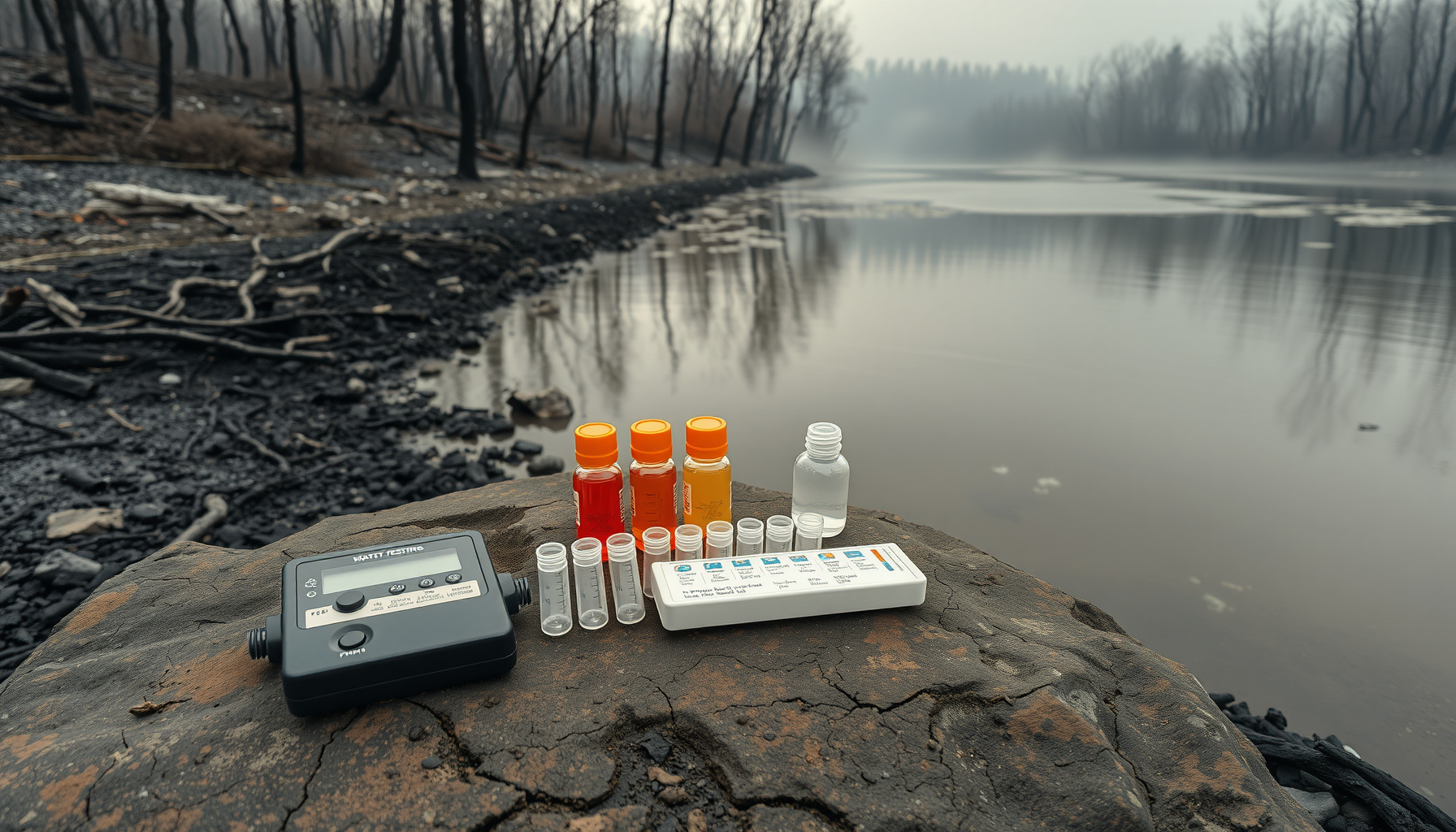
Here’s what almost every wildfire water guide gets wrong: they tell you to test your water after you smell something off or see discoloration. By then, you’ve likely already been exposed to the real problem — volatile organic compounds (VOCs) and benzene that entered your pipes silently, with no odor, no color, and no taste
-
What Is the Difference Between Potable and Non-Potable Water?
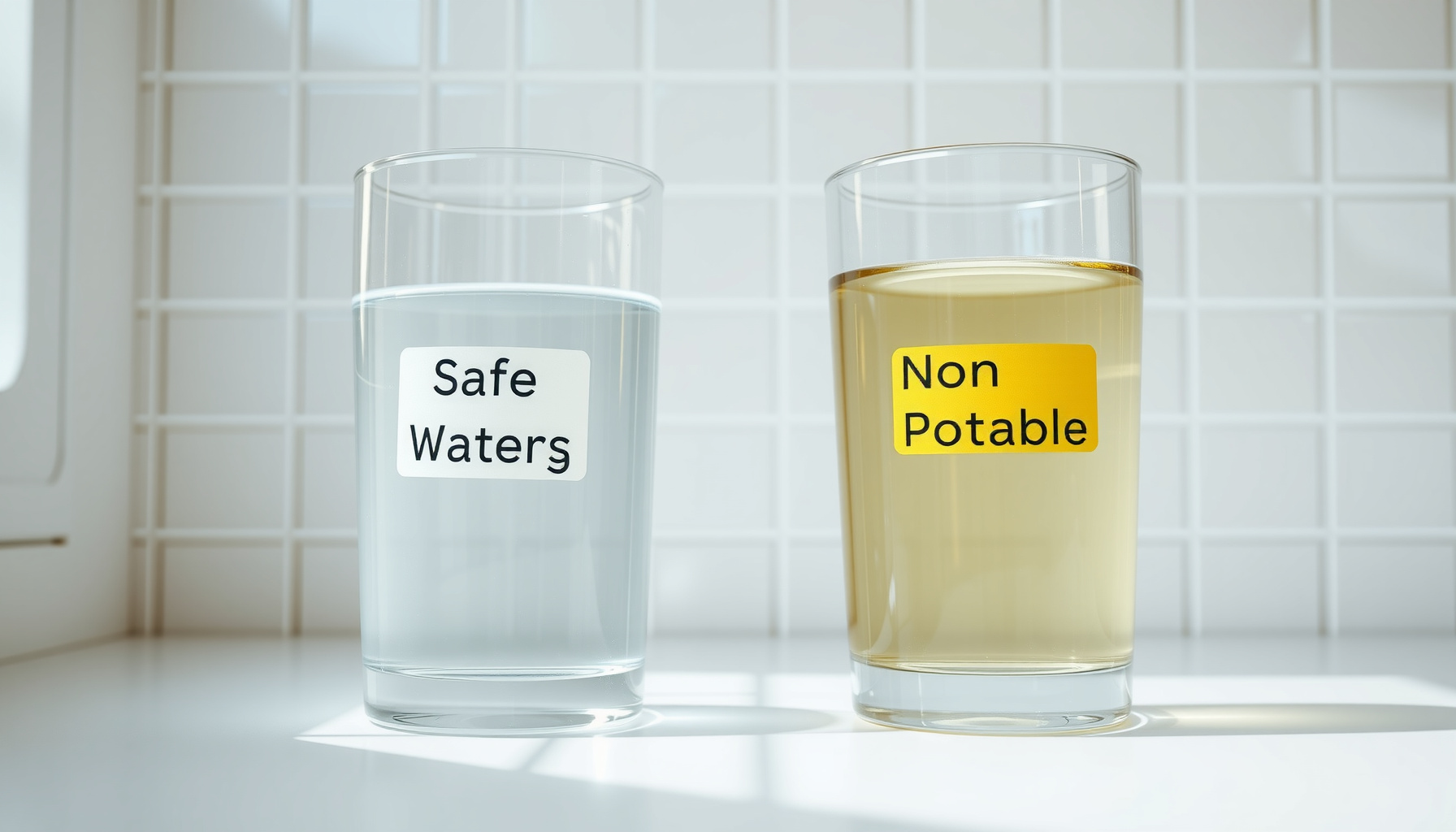
Here’s the thing most water quality articles get completely wrong about this topic: potable vs. non-potable isn’t a fixed category that water belongs to forever. It’s a status — one that can change based on where the water is, how it’s stored, what it touches, and what treatment it has or hasn’t received. Your tap
-
Does Letting Tap Water Sit Overnight Make It Safer or Less Safe?
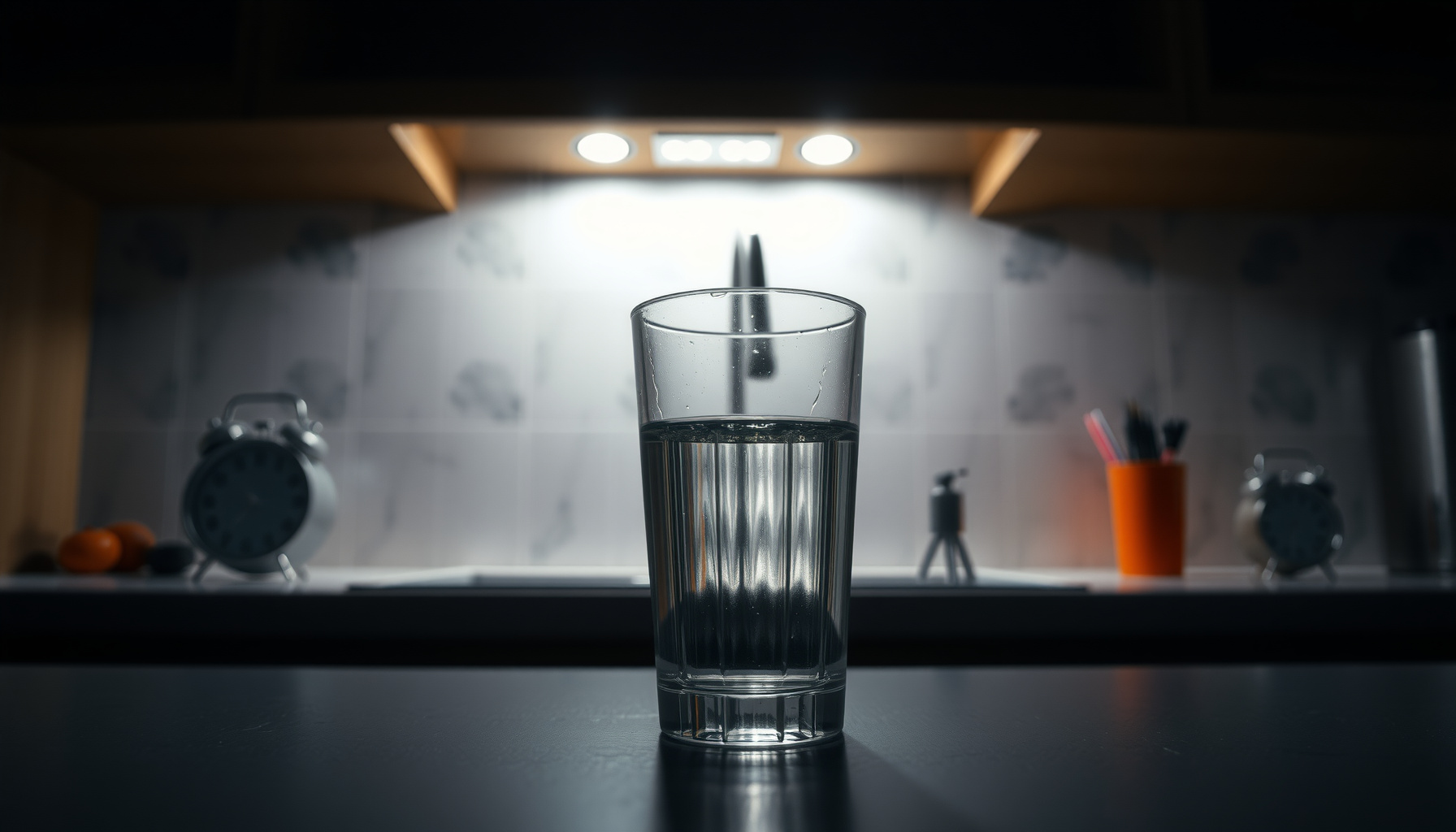
Here’s what almost nobody tells you: leaving tap water in an open glass or pitcher overnight does something real — but probably not what you think. Most people assume it either purifies the water or makes it go “stale.” Both of those ideas are mostly wrong, and the truth is more nuanced, more dependent on
-
What Is a Whole House UV Disinfection System and Is It Enough Alone?
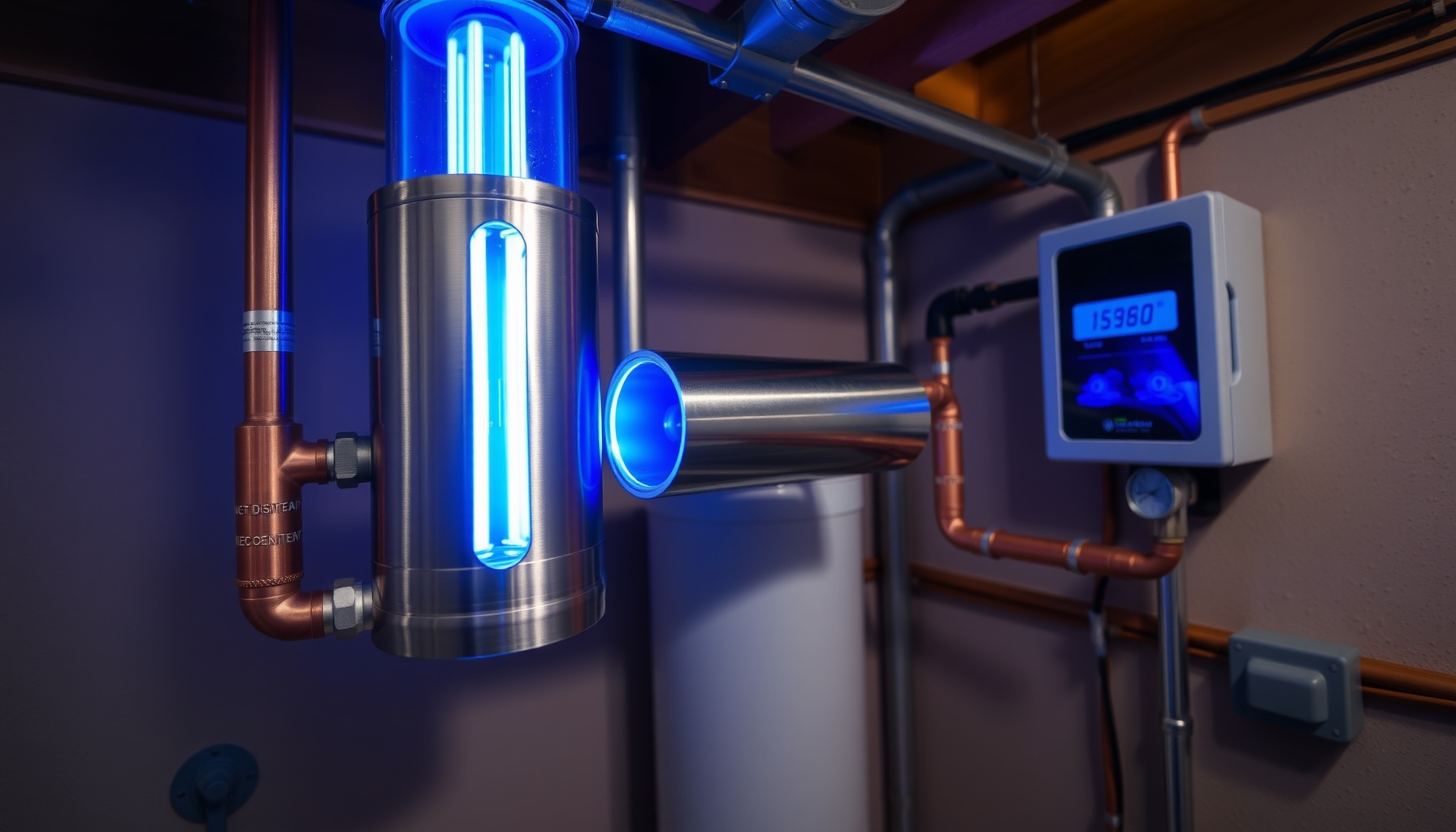
Here’s what most homeowners get completely wrong about whole house UV disinfection systems: they assume UV is either a complete water treatment solution or just a niche add-on for well owners. Neither is true. A whole house UV disinfection system is one of the most effective tools available for neutralizing biological threats in your water
-
Why Does My Water Taste Like Plastic From a New Filter or Pitcher?
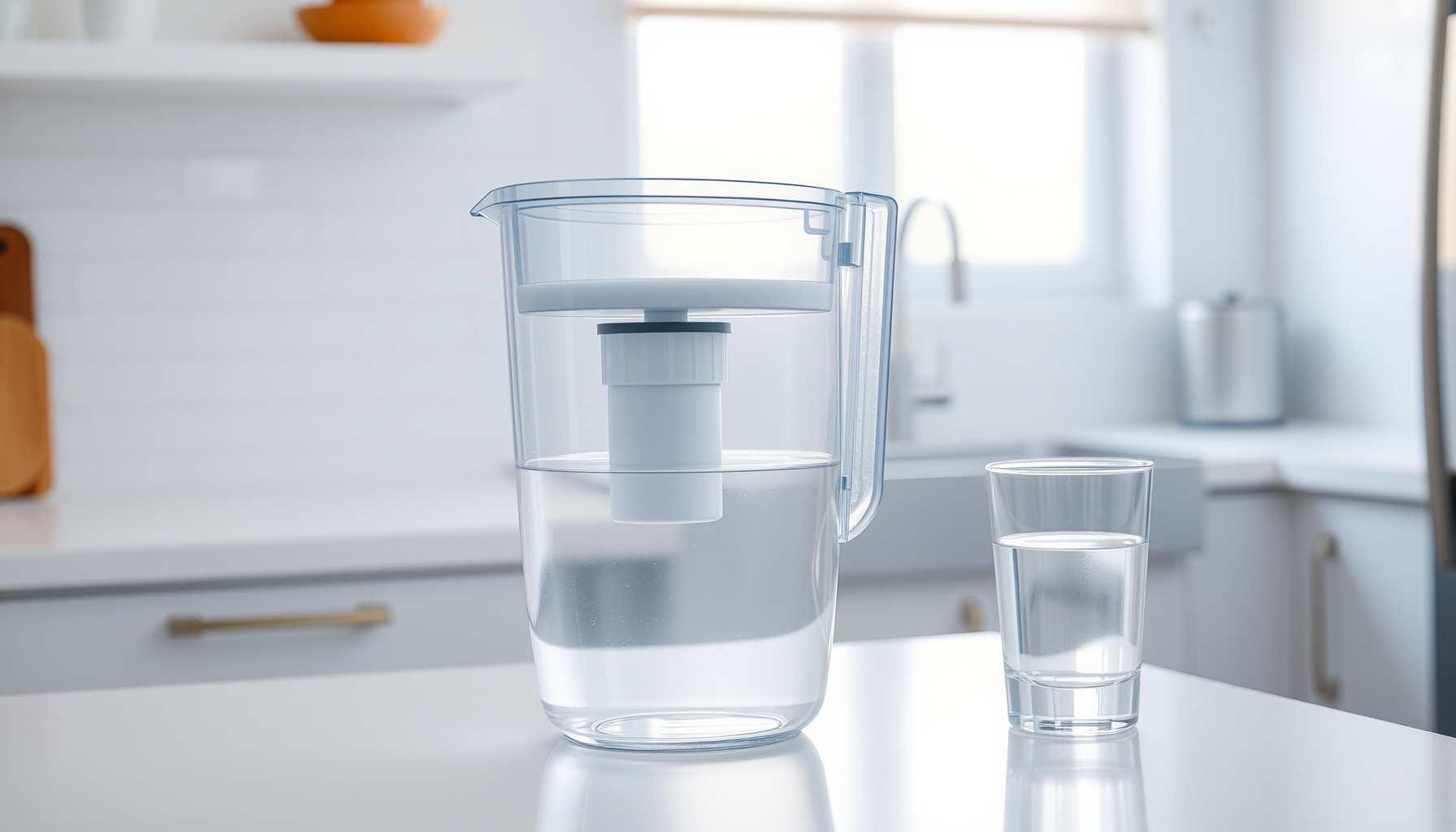
Here’s what most people get wrong about that plastic taste from a new filter: they assume something is leaching out of the filter itself. They flush it a few times, the taste fades, and they figure the problem is solved. But in a lot of cases, the plastic taste isn’t coming from the filter media


