
Latest posts
-
How to Remove Sulfur Smell From Well Water Permanently
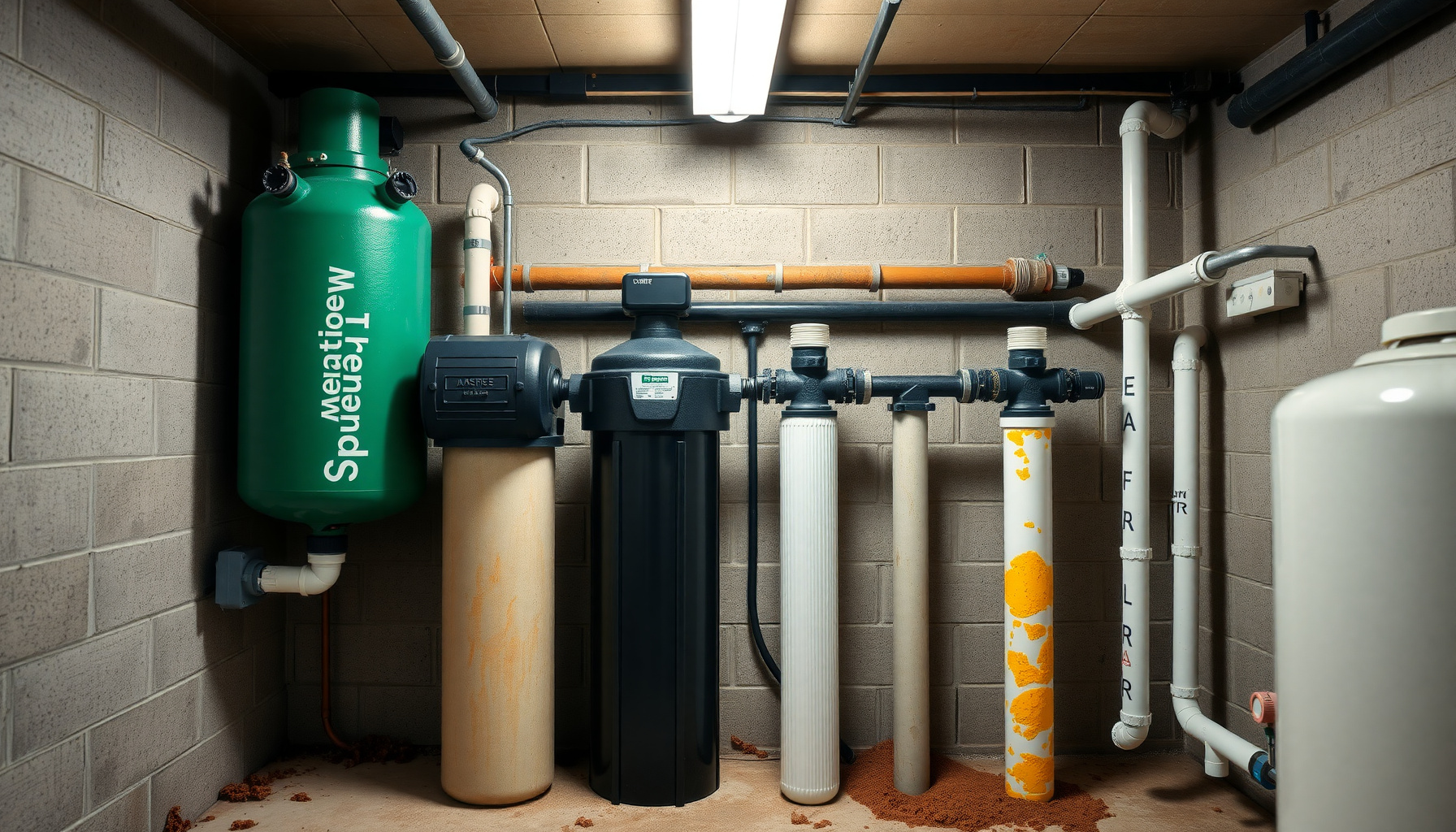
Here’s the thing most people get completely wrong about sulfur smell in well water: they treat it like a filtration problem when it’s actually a chemistry problem. You can throw a carbon filter at it, feel good for a few weeks, and then watch the rotten egg smell creep back — because you never identified
-
What Is Water Hardness by US State: The Complete Map Explained
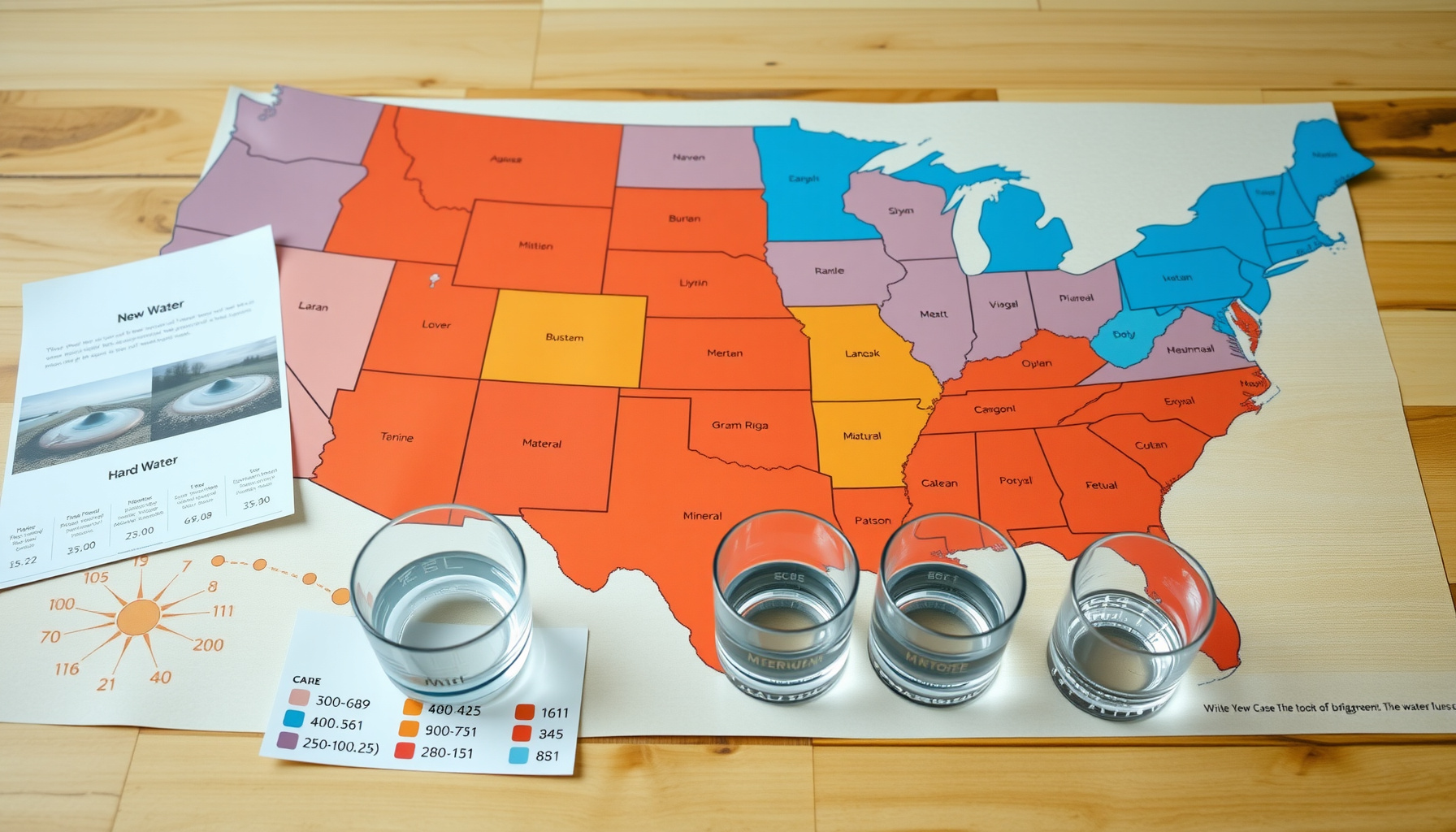
Here’s what almost every “water hardness by state” article gets wrong: they treat hardness as a purely regional problem — something you either have or you don’t, based on where you live. But hardness levels vary dramatically within the same state, sometimes within the same county, and your neighbor two streets over pulling from a
-
Does Hot Water Have More Contaminants Than Cold Water?
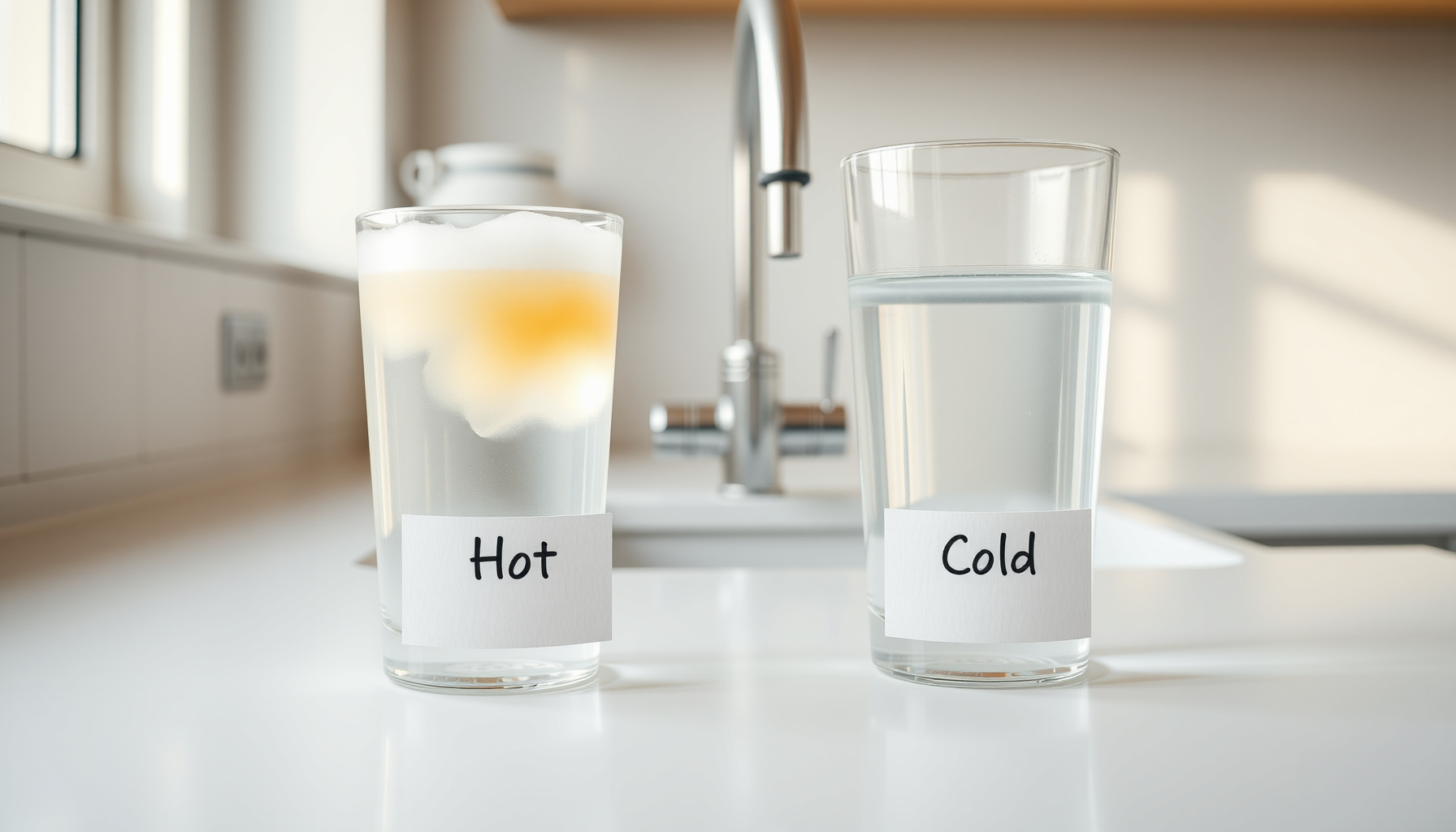
Here’s the thing most articles about hot water and contaminants get completely backwards: they focus on whether hot water contains more contaminants, when the real question is where those contaminants come from in the first place. The answer isn’t your utility’s treatment plant — it’s the pipes and water heater sitting inside your own home.
-
What Medications End Up in Tap Water and Should You Be Worried?
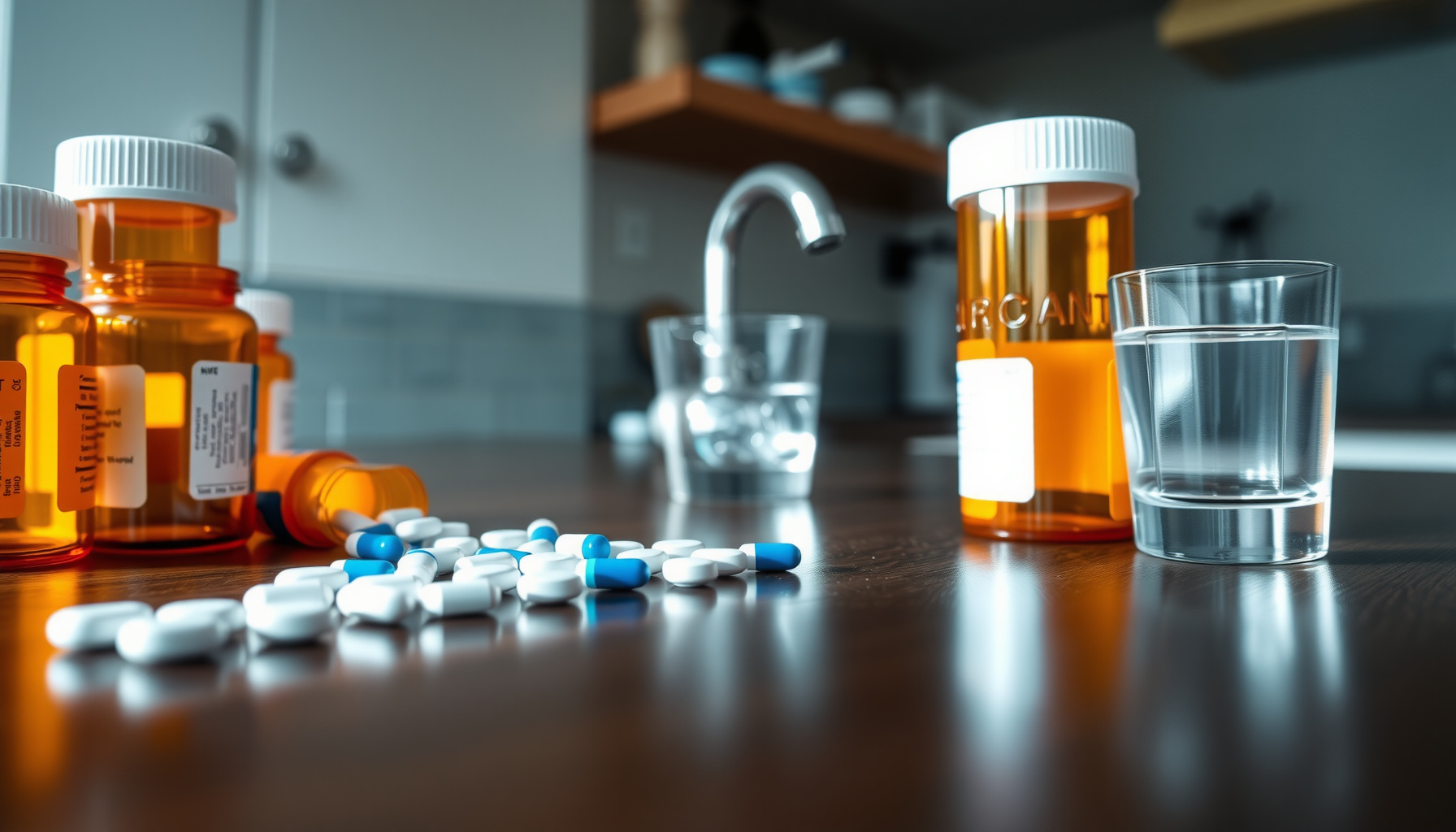
Here’s what most people get wrong about medications in tap water: they assume the risk is about dramatic poisoning — that drinking a glass of tap water is like accidentally swallowing a pill. It’s not. The actual concern is far more subtle, and frankly, more interesting. It’s about chronic low-dose exposure to dozens of pharmaceutical
-
How to Choose the Right Water Filter When You Have a Baby at Home
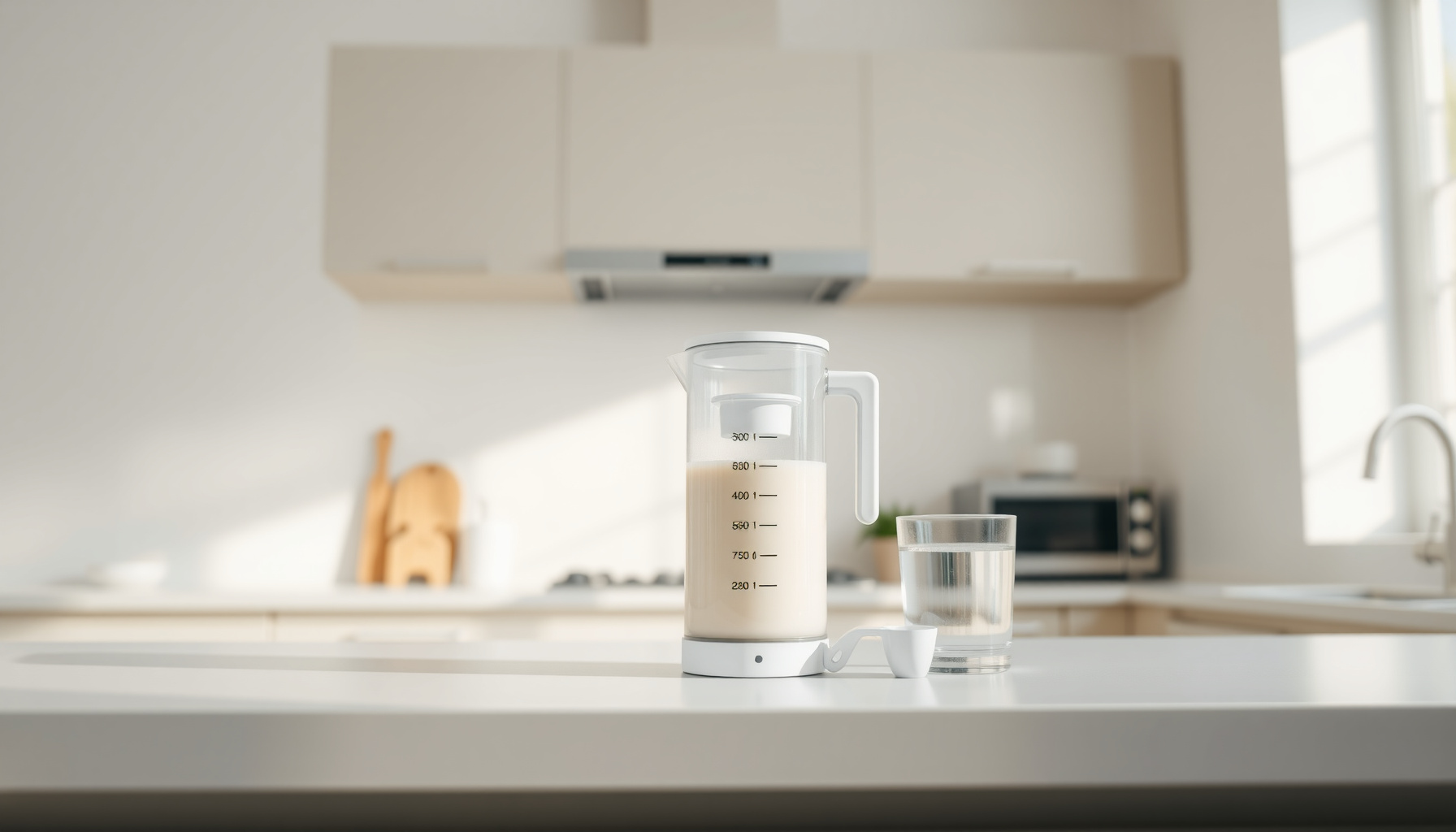
Here’s what most parents get wrong: they assume any filter labeled “safe for drinking” is automatically safe for their baby. It’s not. A filter that works fine for a healthy adult can still leave behind contaminants — fluoride, nitrates, certain pharmaceuticals — that a newborn’s kidneys simply aren’t equipped to handle. The counterintuitive truth is
-
How Does Drought Affect Private Well Water Quality?
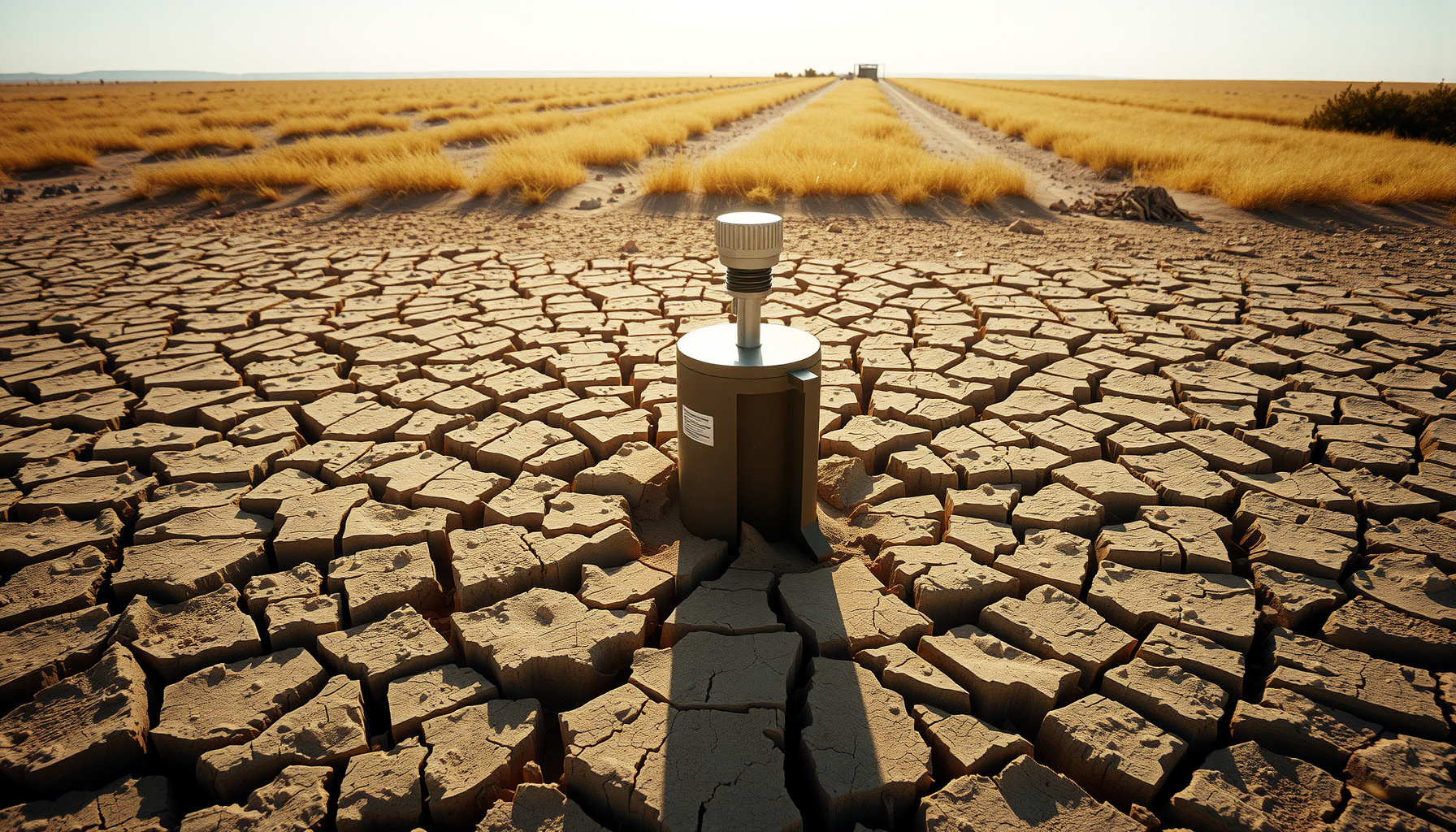
Here’s what most well owners get completely wrong about drought: they assume less water in the well means the main problem is running out of water. It isn’t. The real threat during a drought isn’t a dry well — it’s what happens to the water that’s left. Concentrated contaminants, destabilized aquifer chemistry, and cracked surface
-
What Is a Backflow Preventer and Why It Protects Your Drinking Water
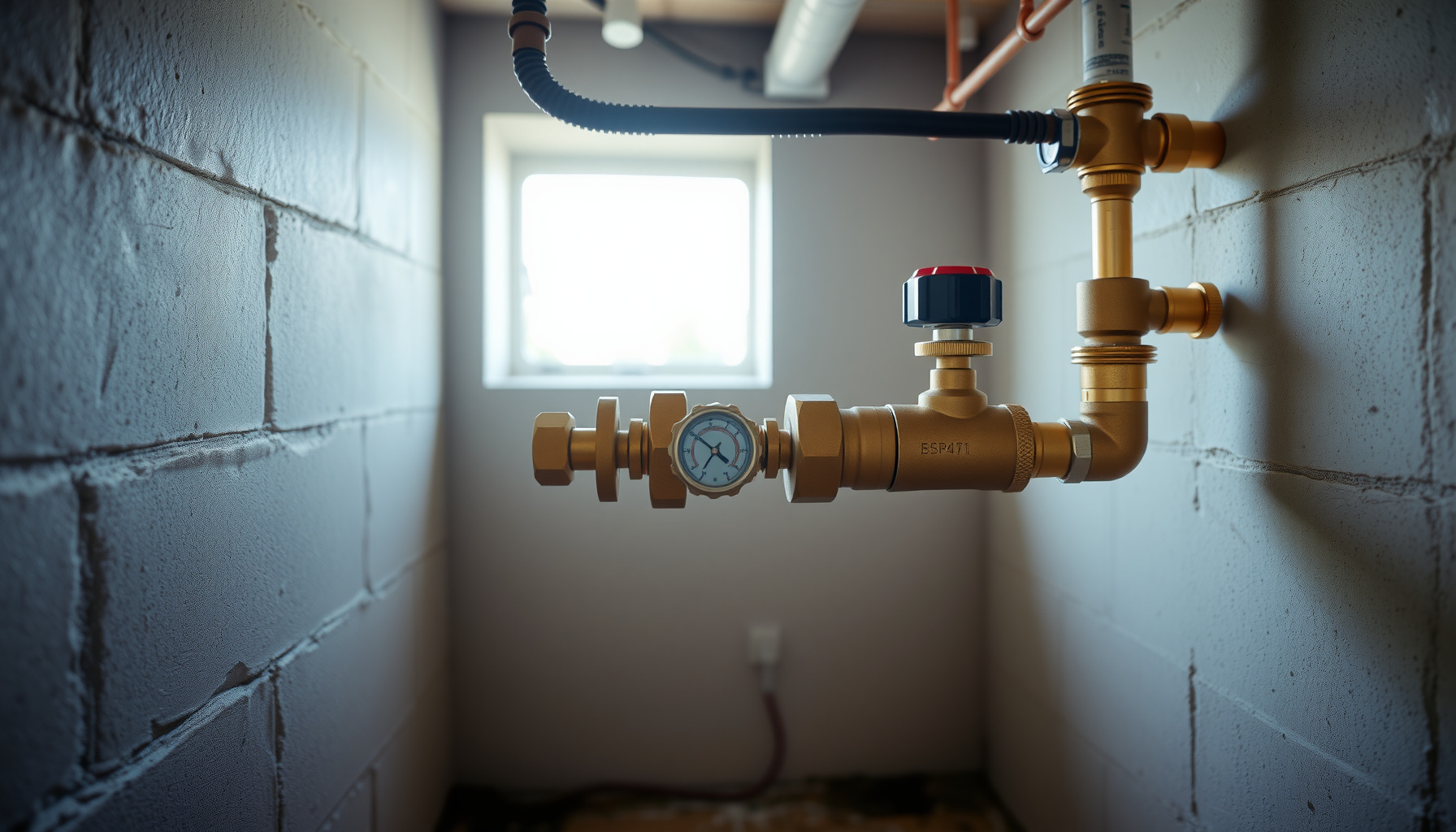
Here’s what most homeowners get completely wrong about backflow preventers: they think it’s a plumbing problem, not a water quality problem. It’s both — but the water quality angle is the one that actually matters for your health, and it’s almost never talked about. A backflow event doesn’t announce itself. Your water won’t change color.
-
How to Prevent Lead Leaching From Old Pipes Without Replacing Them
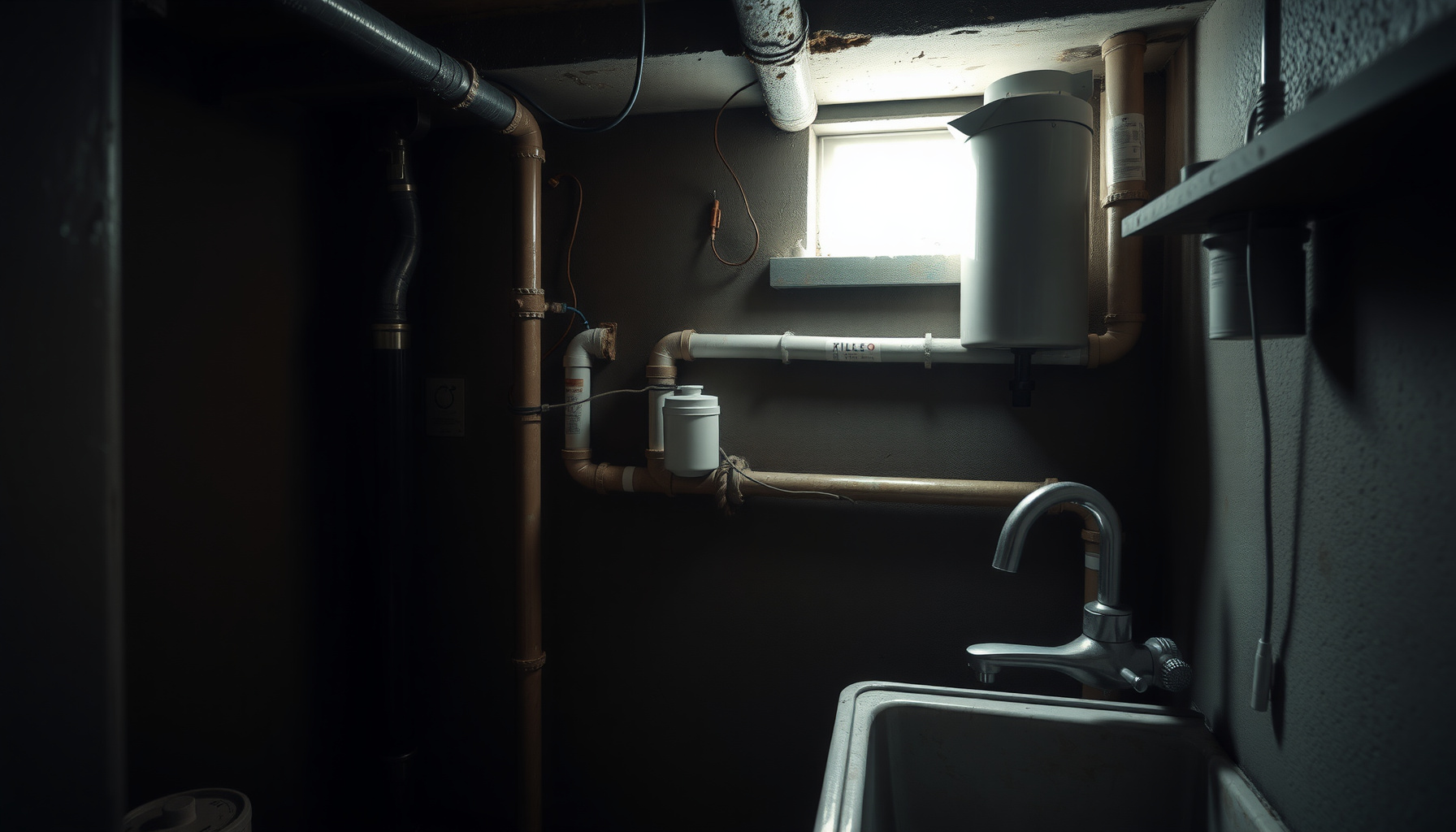
Here’s what almost every article about lead pipes gets wrong: the pipe itself isn’t usually the main problem. The real threat is your water’s chemistry — specifically, how corrosive it is. Lead doesn’t just passively flake off old pipes. It leaches because something in the water is actively pulling it out. Fix the chemistry, and
-
Is Alkaline Water Actually Better for You? What Studies Show
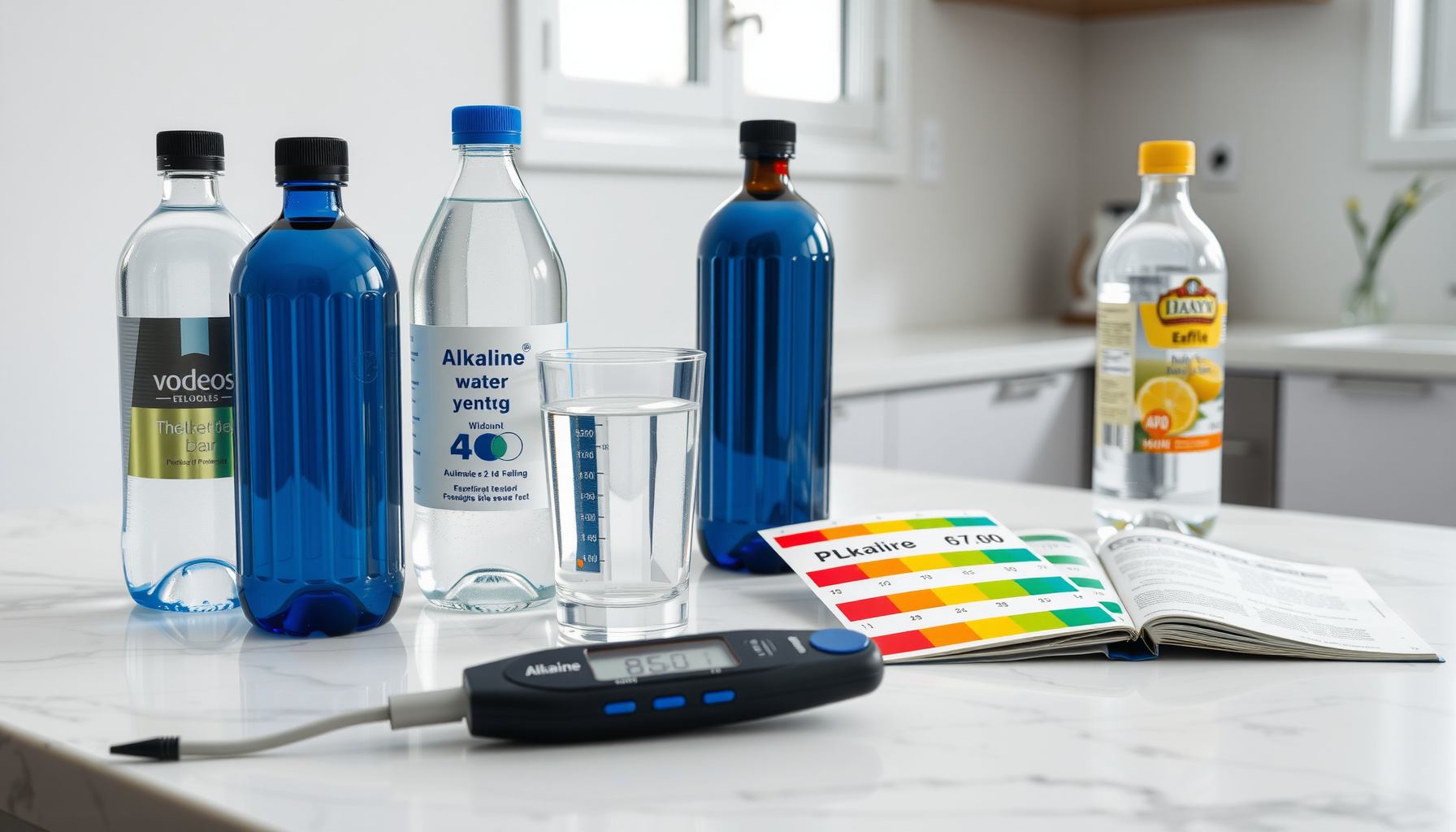
Here’s what most alkaline water articles won’t tell you upfront: the human body is extraordinarily good at regulating its own pH, and no amount of water you drink is going to meaningfully shift your blood’s pH from its tightly controlled range of 7.35 to 7.45. That’s not a knock on alkaline water — it’s just
-
What Is Tannin in Well Water and How Does It Affect Taste and Color?
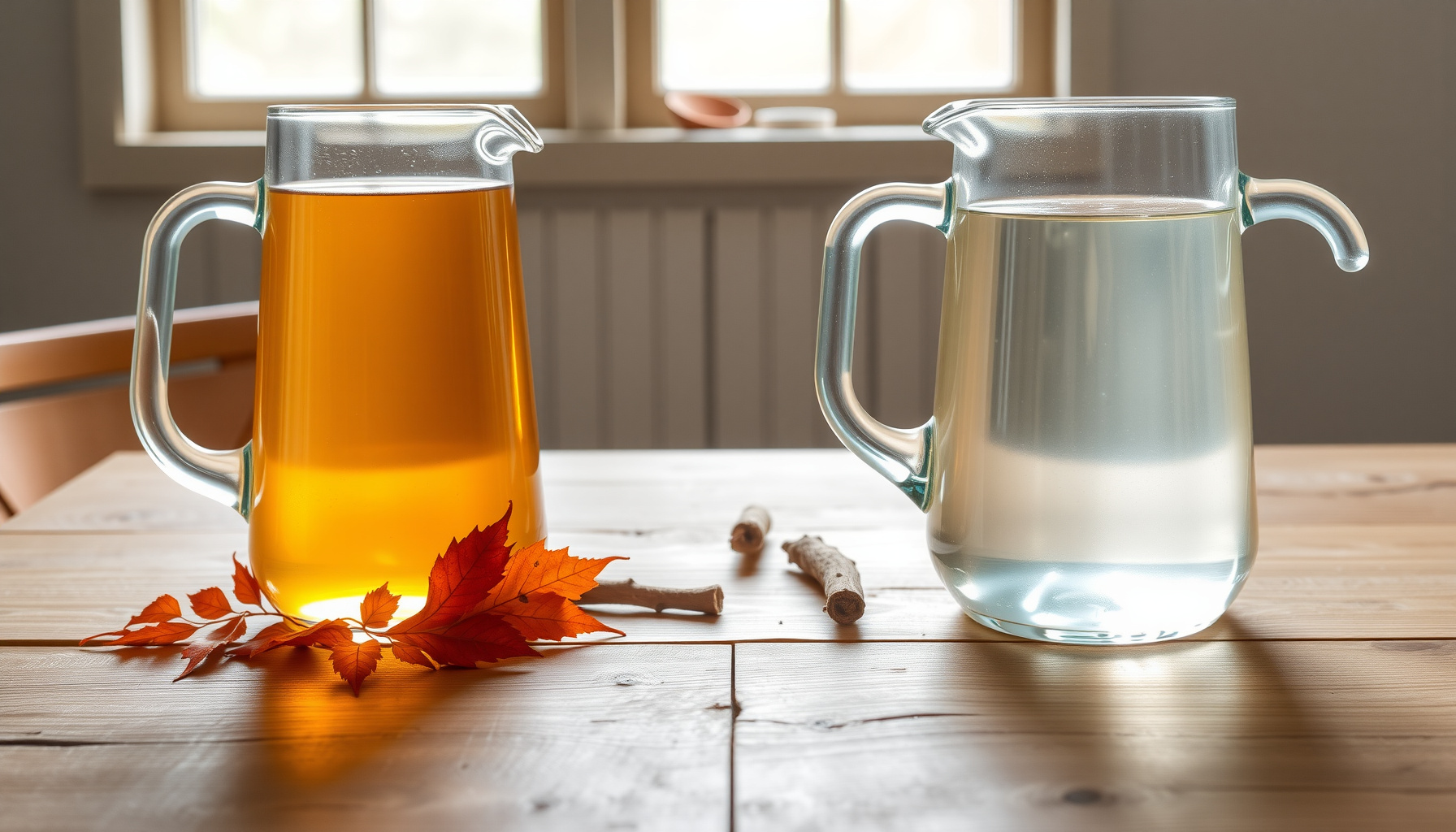
Here’s what most homeowners get wrong about tannin in well water: they think it’s a contamination problem. It’s not. Tannins are naturally occurring organic compounds — the same family of molecules that give red wine its dry, puckering finish and black tea its color — and finding them in your well water doesn’t mean your


