
Latest posts
-
How to Remove Iron Bacteria From a Well Without Chemicals
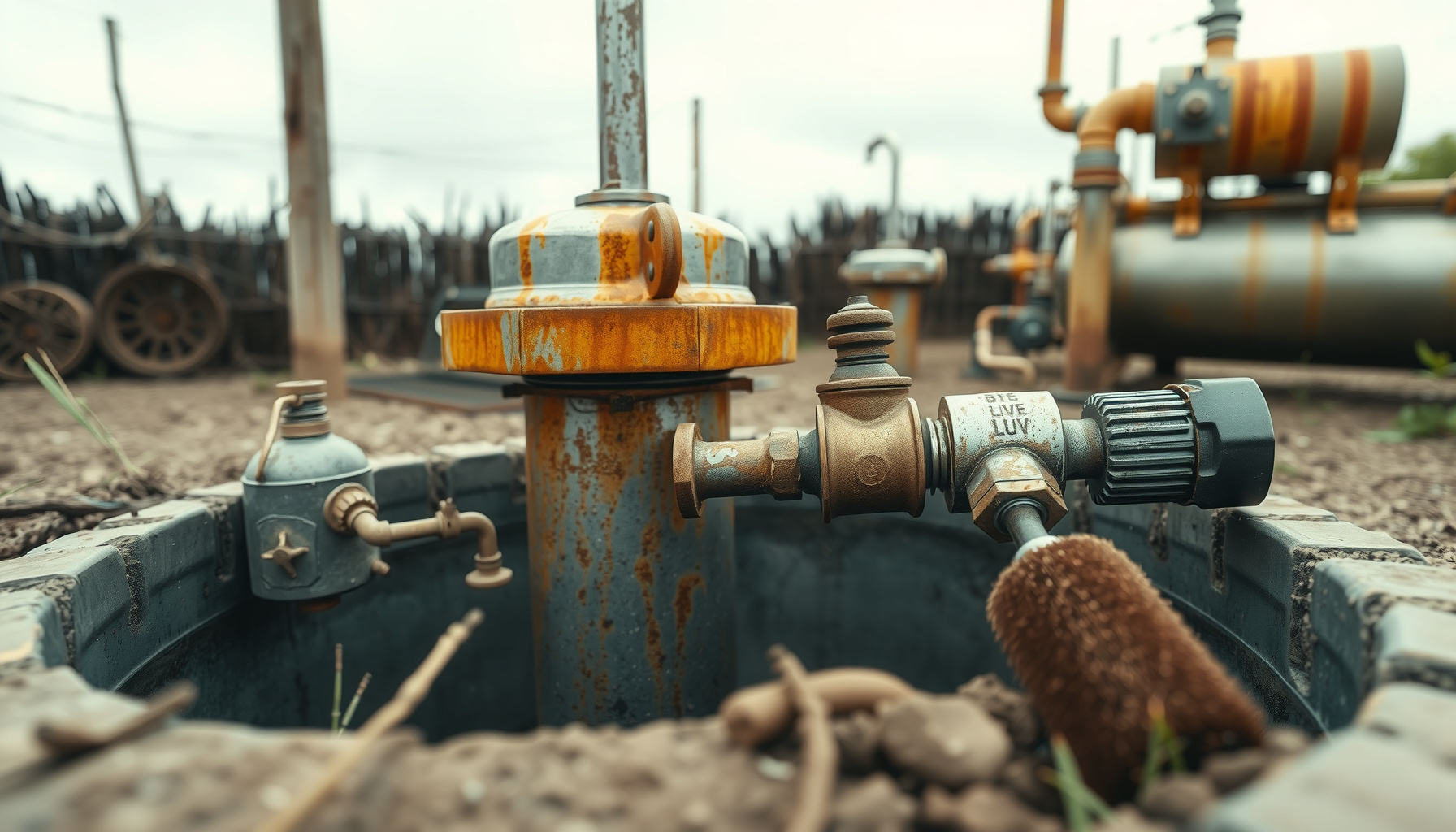
Here’s what most well owners get completely wrong: they assume iron bacteria is a contamination problem they need to kill. So they reach for chlorine shock treatments, bleach, or chemical disinfectants — and when the slimy reddish buildup comes back three months later, they’re baffled. The real issue is that iron bacteria isn’t just a
-
Why Does Filtered Water Sometimes Taste Worse Than Tap?
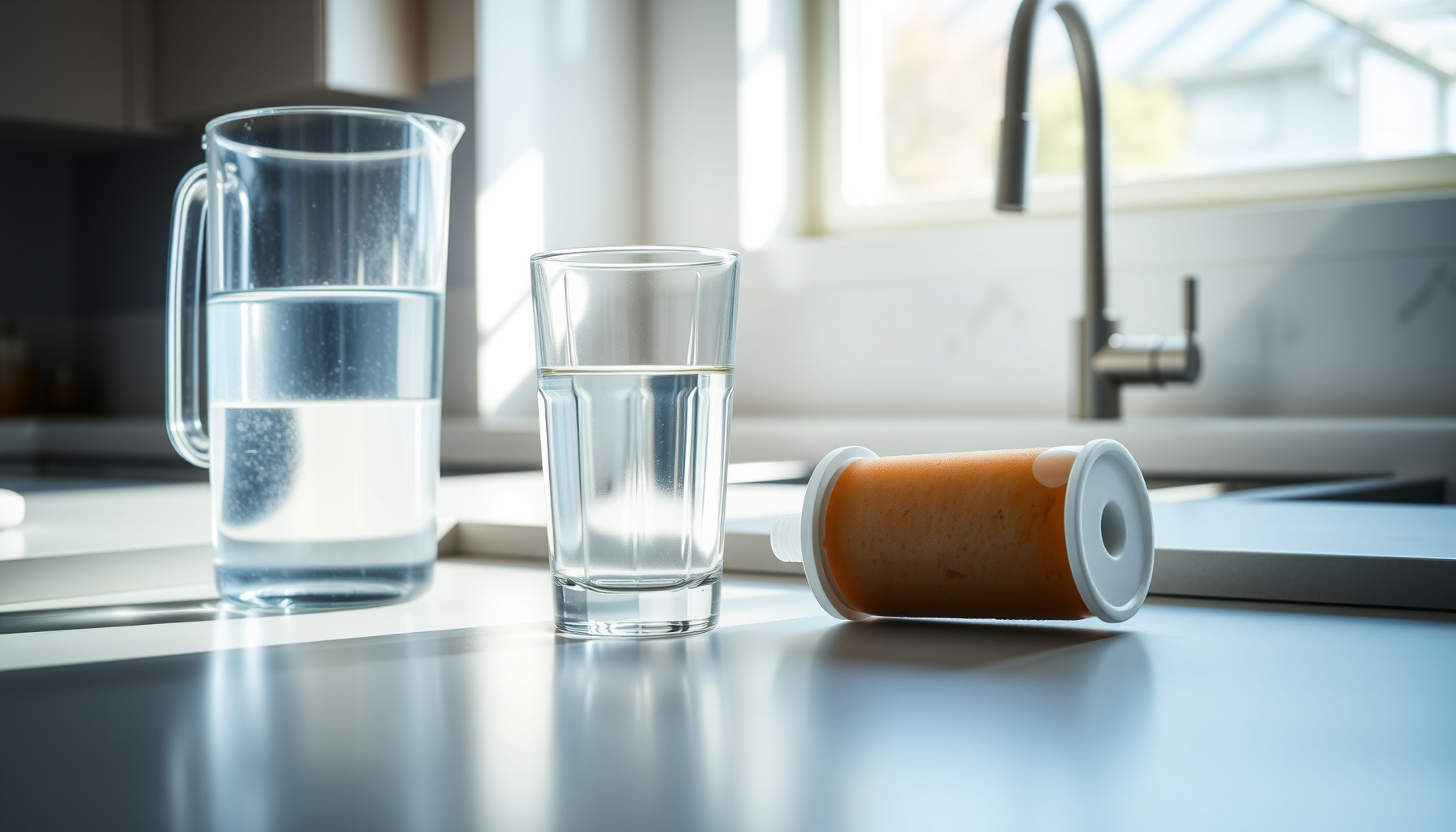
Here’s the thing nobody tells you when you install a water filter: the filter itself can make your water taste worse. Not the tap water running through your pipes — the filter. Most people assume that any filtration is better than no filtration, so when their filtered water tastes flat, stale, or even slightly off,
-
What Is the Healthiest Water to Drink Daily According to Researchers?
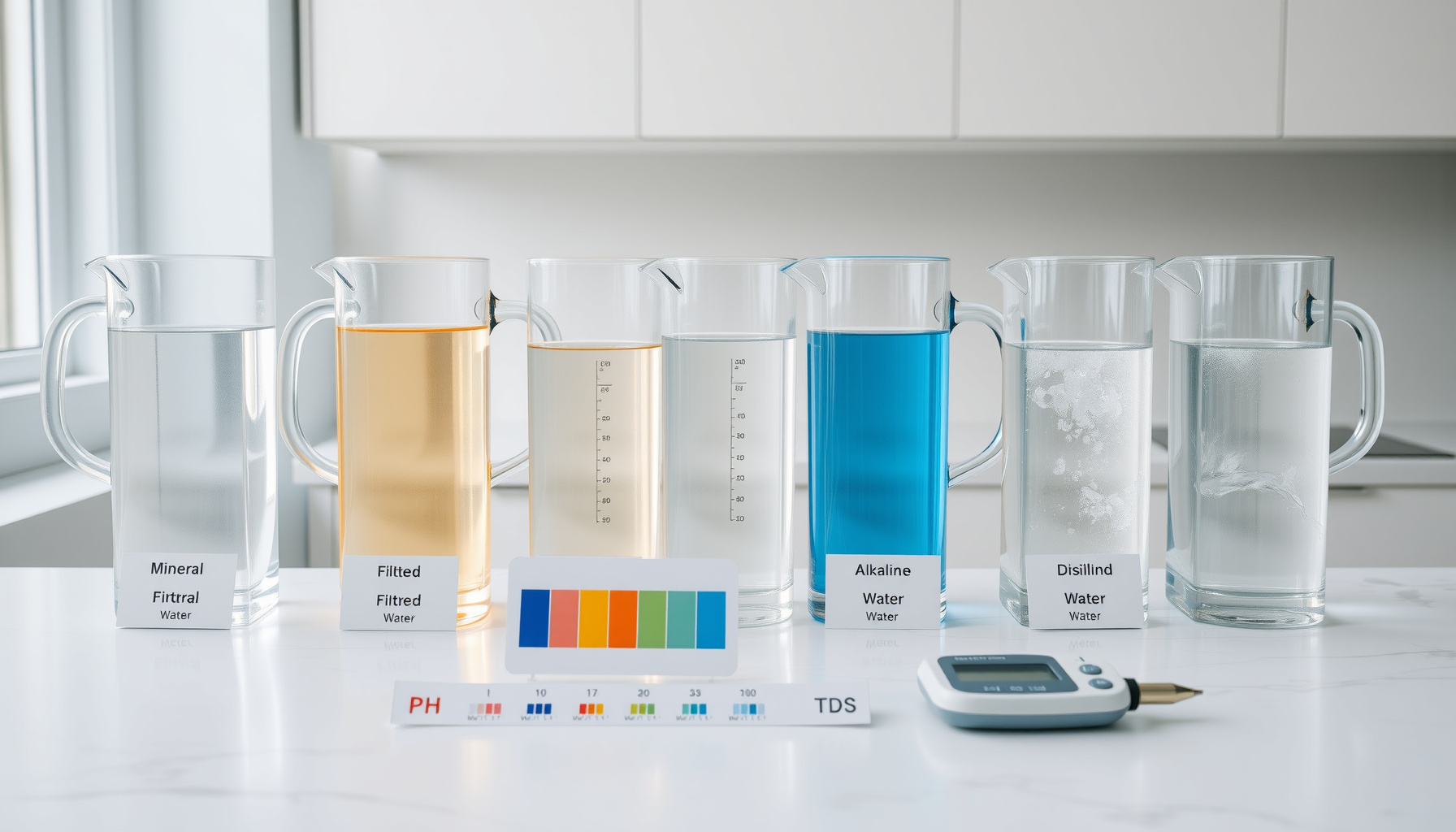
Here’s what most articles get completely wrong about the healthiest water to drink daily: they treat it like a product comparison. Spring vs. filtered vs. alkaline vs. distilled — pick one, done. But researchers who actually study hydration and mineral metabolism aren’t arguing about brand names or water types. They’re focused on something most homeowners
-
How to Know If Your Water Filter Has Expired Without a Timer
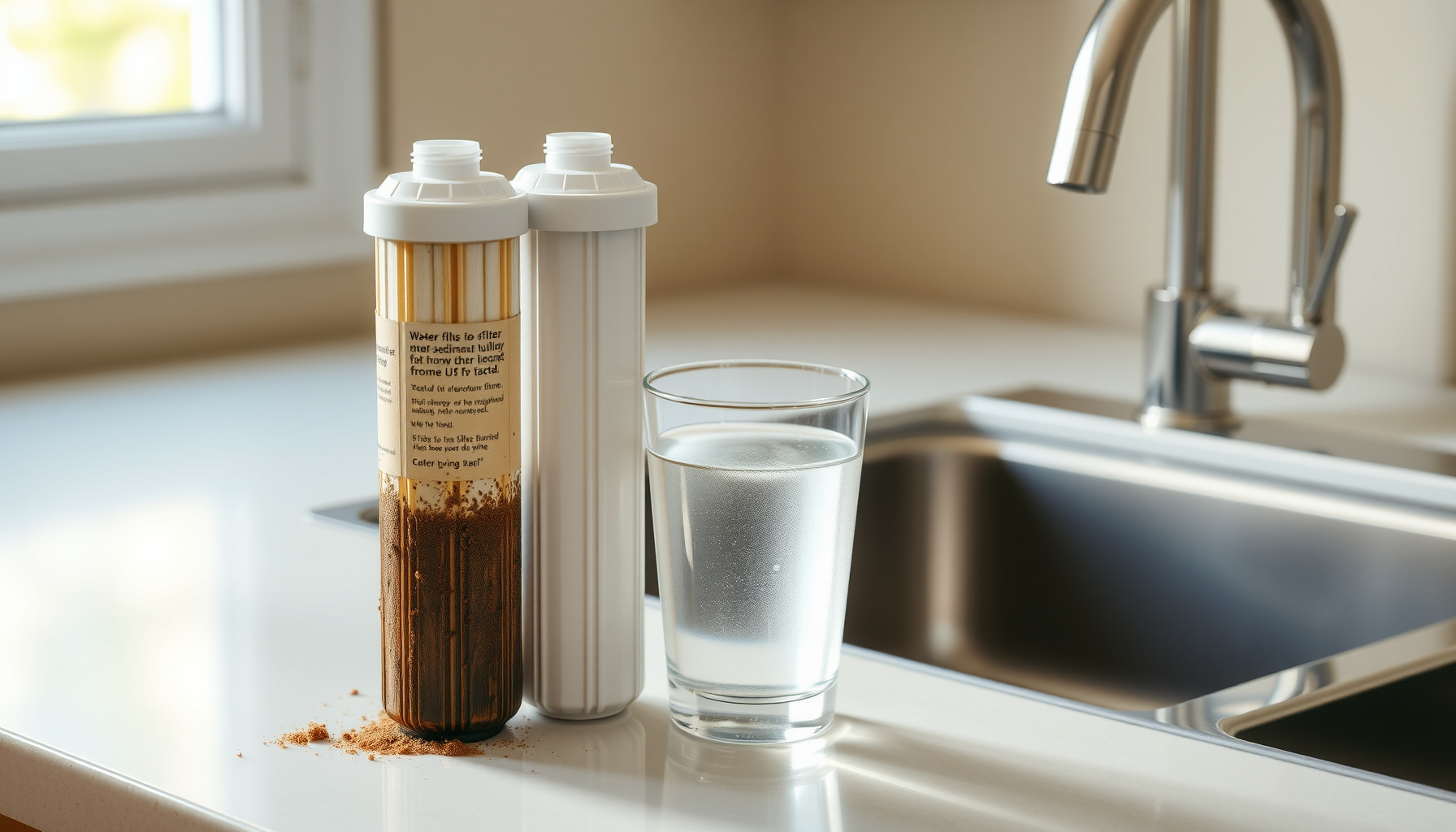
Here’s the thing most filter guides won’t tell you upfront: the timer or gallon counter on your filter system is almost completely meaningless for determining whether your filter is actually protecting you. Those numbers are marketing averages — calculated for a theoretical household using average municipal water with average contaminant loads. Your water isn’t average.
-
Does Water Softener Salt End Up in Your Drinking Water?
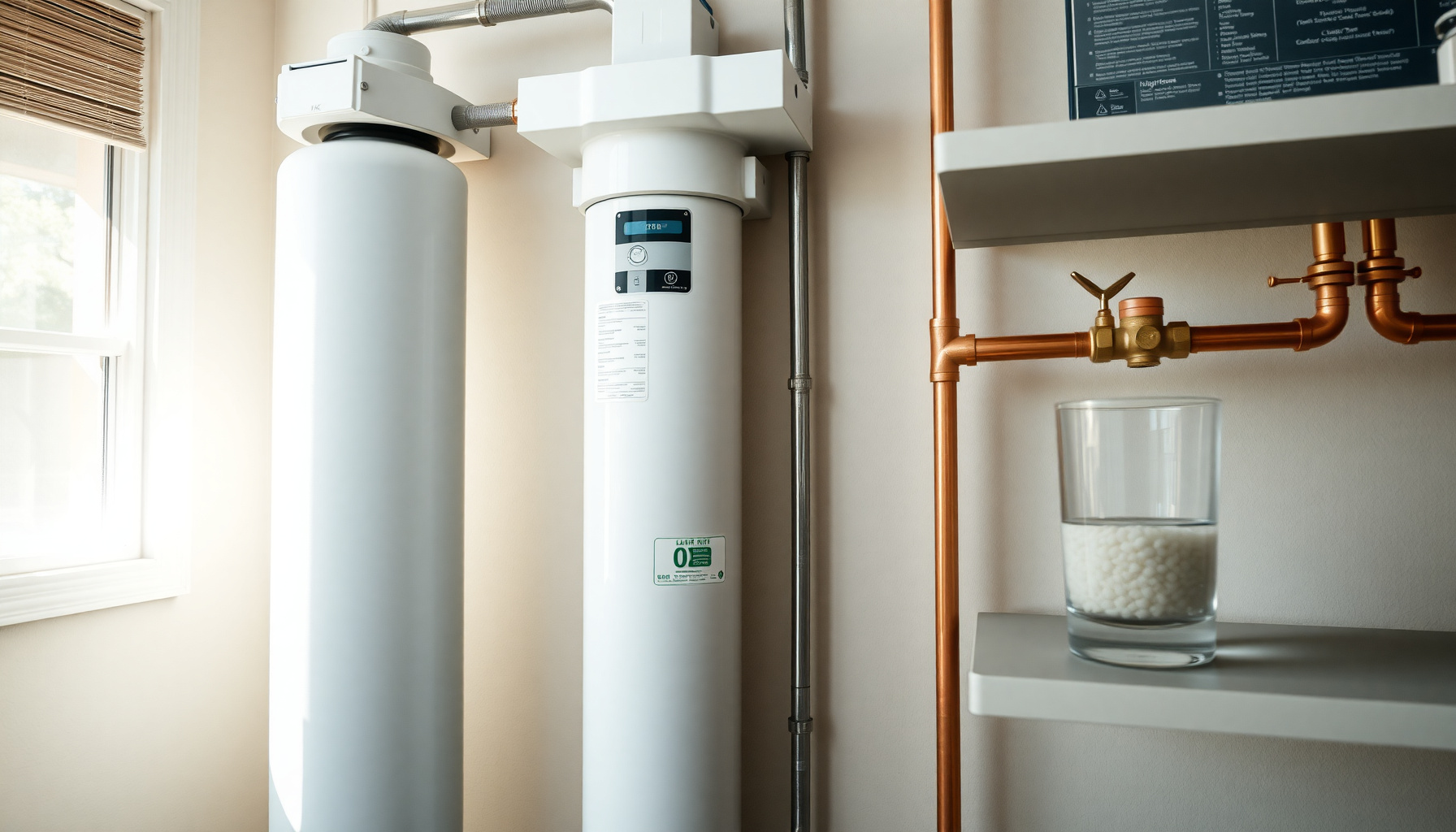
Here’s the answer most people aren’t getting from other articles: yes, some sodium does end up in your softened drinking water — but the amount is almost never the problem people think it is. The real issue that gets completely overlooked is this: it’s not the salt itself that’s the concern, it’s what the softening
-
What Contaminants Does a Brita Filter Actually Remove? Lab Results
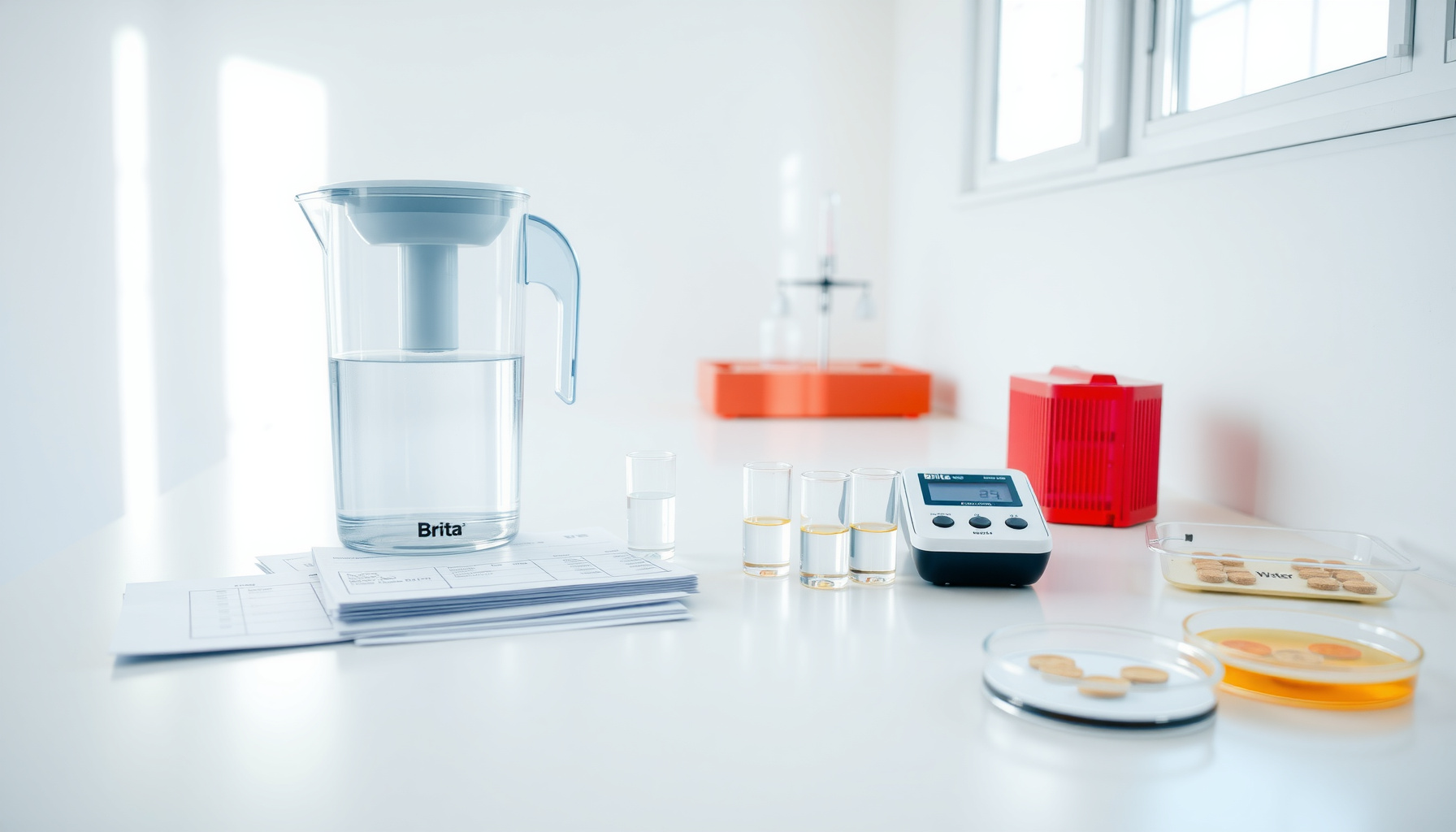
Here’s what most people get wrong about Brita filters: they assume that because the water tastes better, it must be cleaner. That’s not the same thing. Brita’s standard pitcher filters are certified to reduce chlorine taste and odor, a handful of heavy metals, and a few specific contaminants — but they were never designed to
-
Is Distilled Water Safe to Drink Every Day Long-Term?
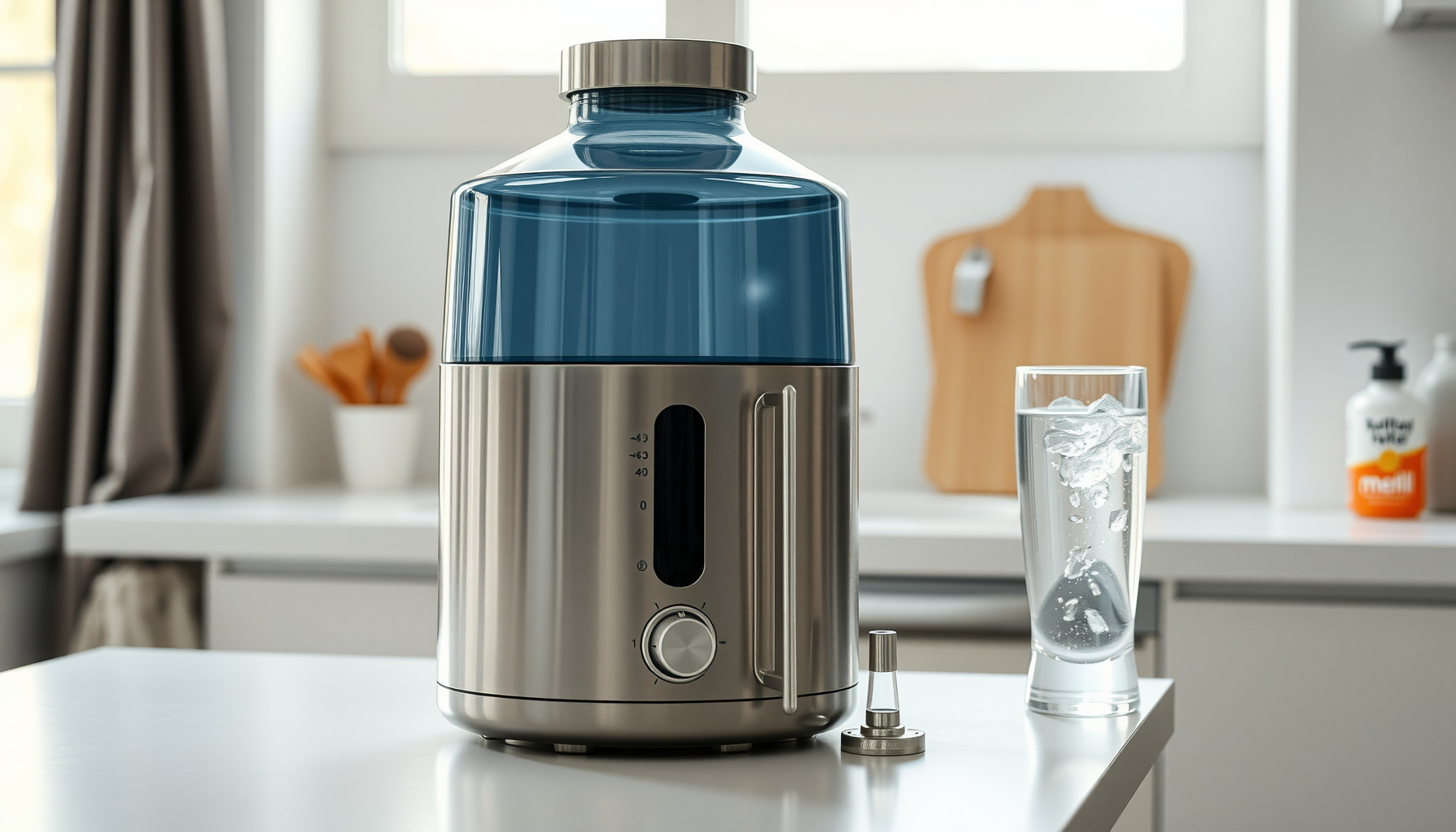
Here’s what most articles about distilled water get completely backwards: they spend 800 words warning you about mineral loss, then quietly admit there’s no solid clinical evidence that drinking distilled water causes deficiency in healthy people who eat a normal diet. The real question — the one nobody seems to ask — isn’t whether distilled
-
How to Test Water Quality in an Apartment You’re About to Rent
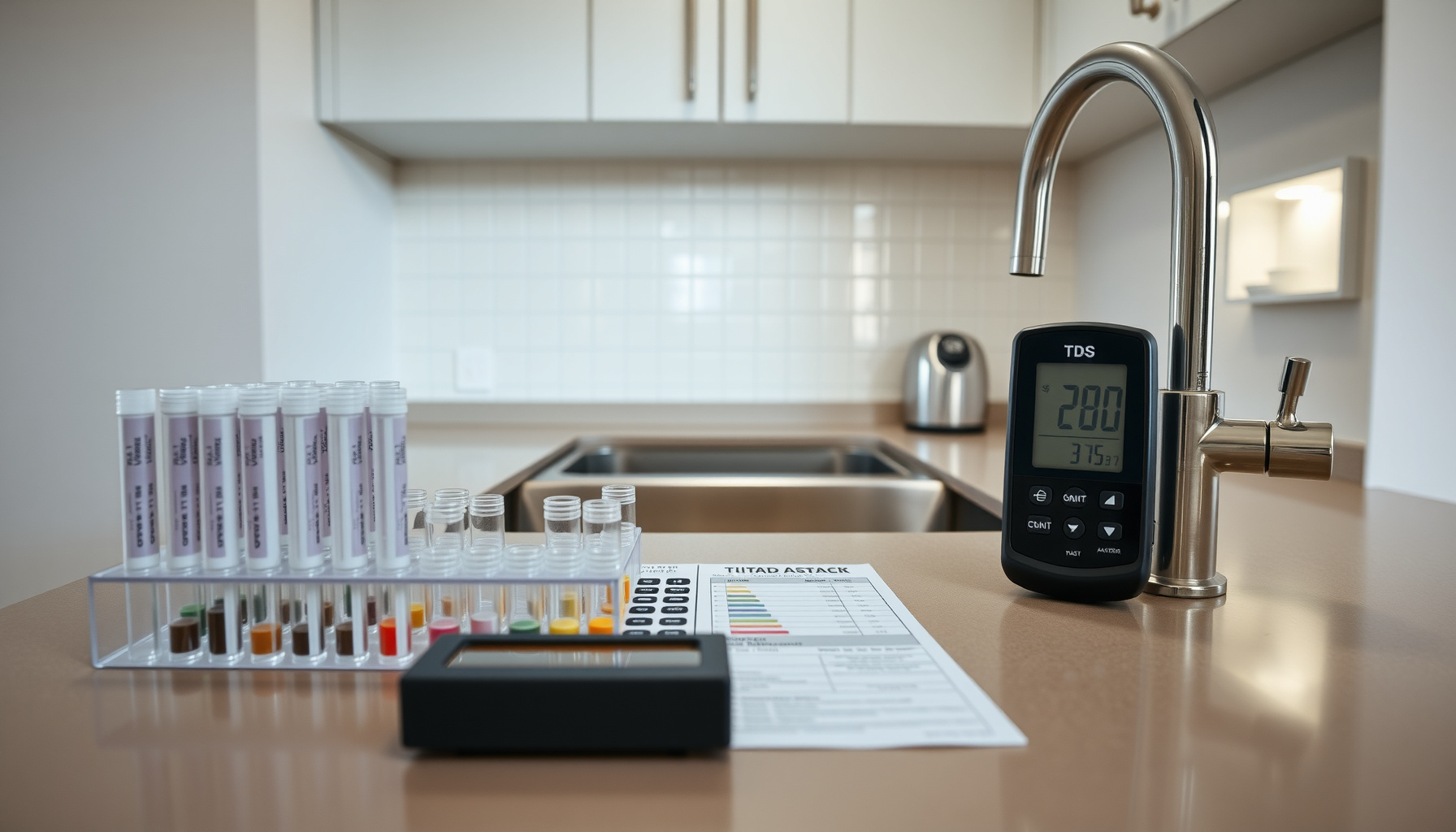
Here’s the thing most apartment hunters get completely wrong: they assume that because a building’s water comes from the same municipal source as the house down the street, it’s going to be the same water. It isn’t. By the time city water travels through aging building pipes, a potentially corroded water main connection, and a
-
What Is the Difference Between a Water Report and a Water Test?
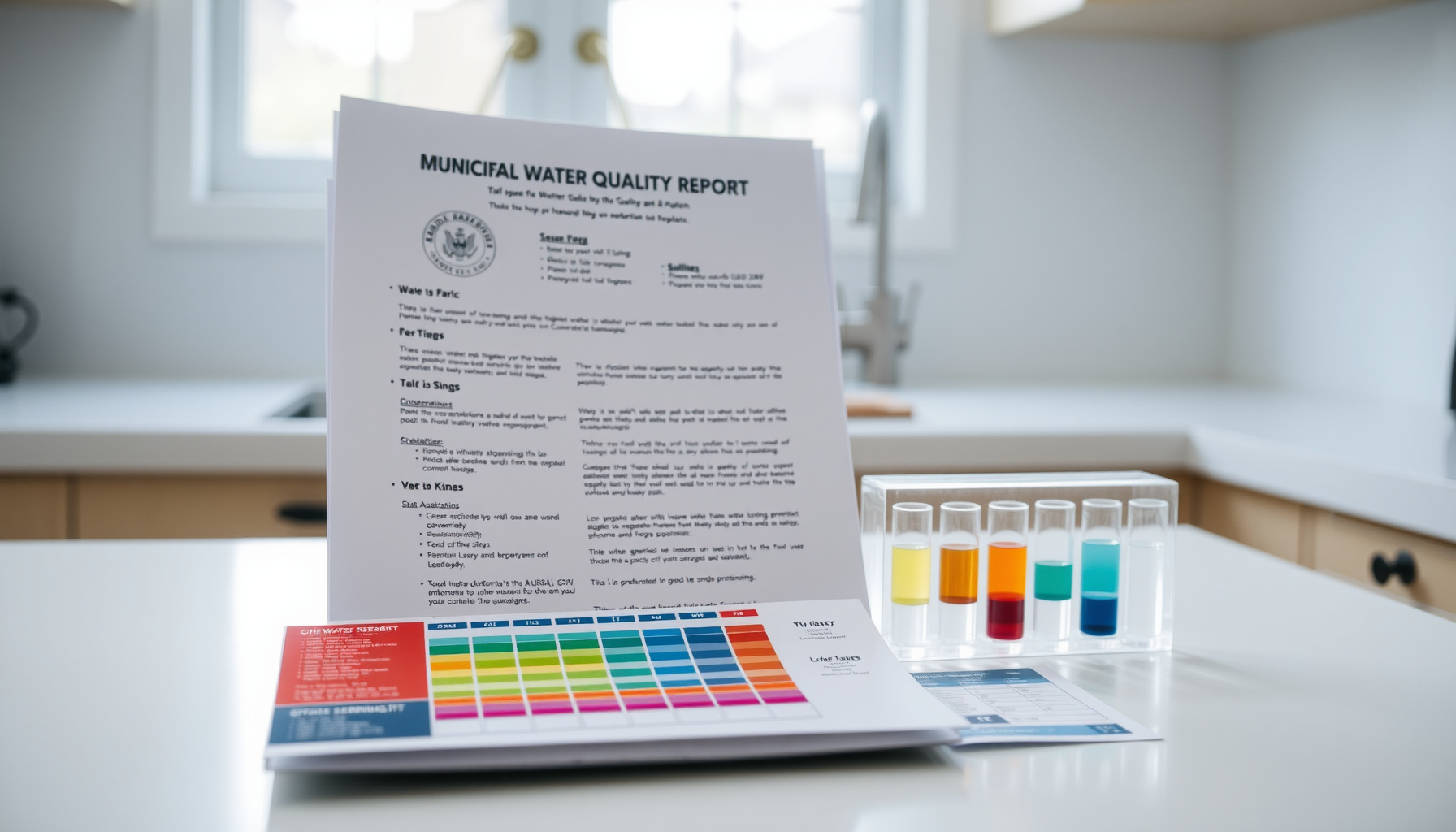
Here’s what most homeowners get completely backwards: they think a water report and a water test are basically the same thing, just delivered in different formats. They’re not. One tells you what was in your neighbor’s water months ago. The other tells you what’s actually coming out of your tap right now. Mixing them up
-
Can Hard Water Damage Your Hot Water Heater Warranty?
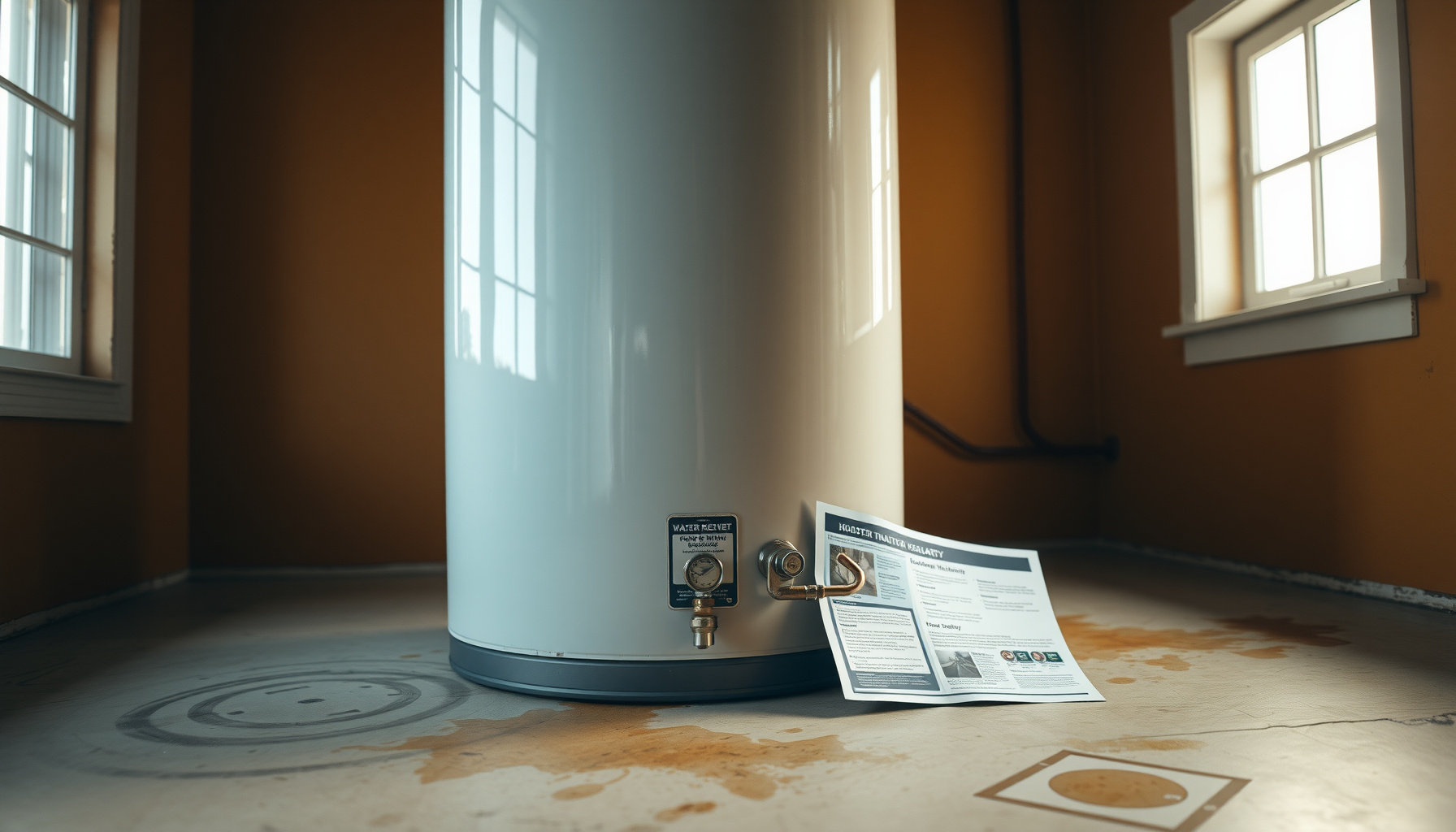
Here’s what most homeowners get completely wrong: they assume their water heater warranty protects them from anything that goes wrong with the unit. It doesn’t. Most manufacturer warranties contain a clause — buried deep in the fine print — that specifically exempts damage caused by water quality issues, including hard water scale buildup. So if


