
Latest posts
-
How to Test Your Well Water After a Neighbor’s Septic Failure
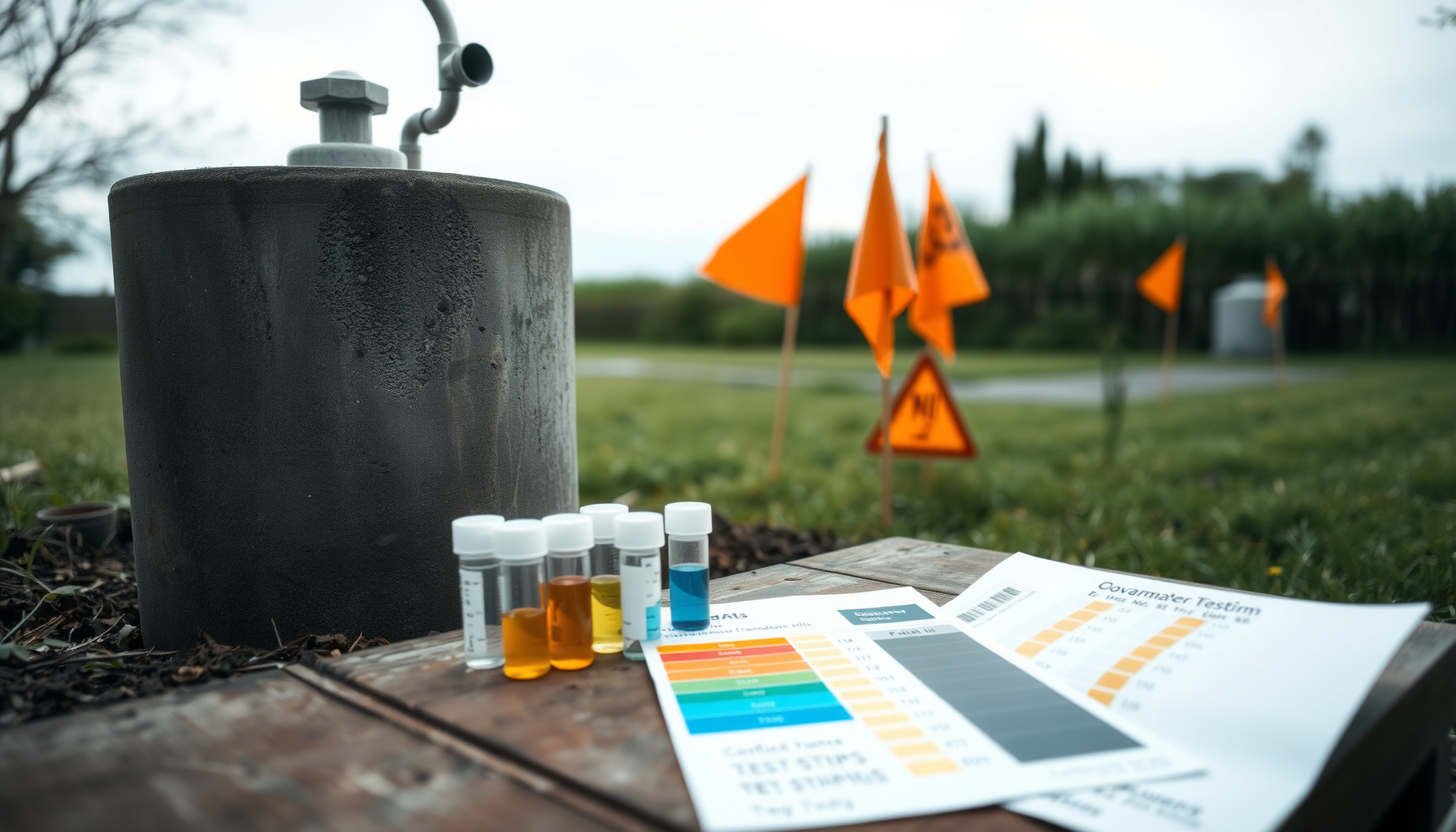
Here’s what most homeowners get wrong: they wait to see if their water looks or smells different before they bother testing. That instinct makes sense, but it will get you into trouble after a neighbor’s septic system fails. The pathogens and nitrates that leak into groundwater are completely invisible — no odor, no color, no
-
What Is a PFAS-Free Certified Water Filter and How to Find One
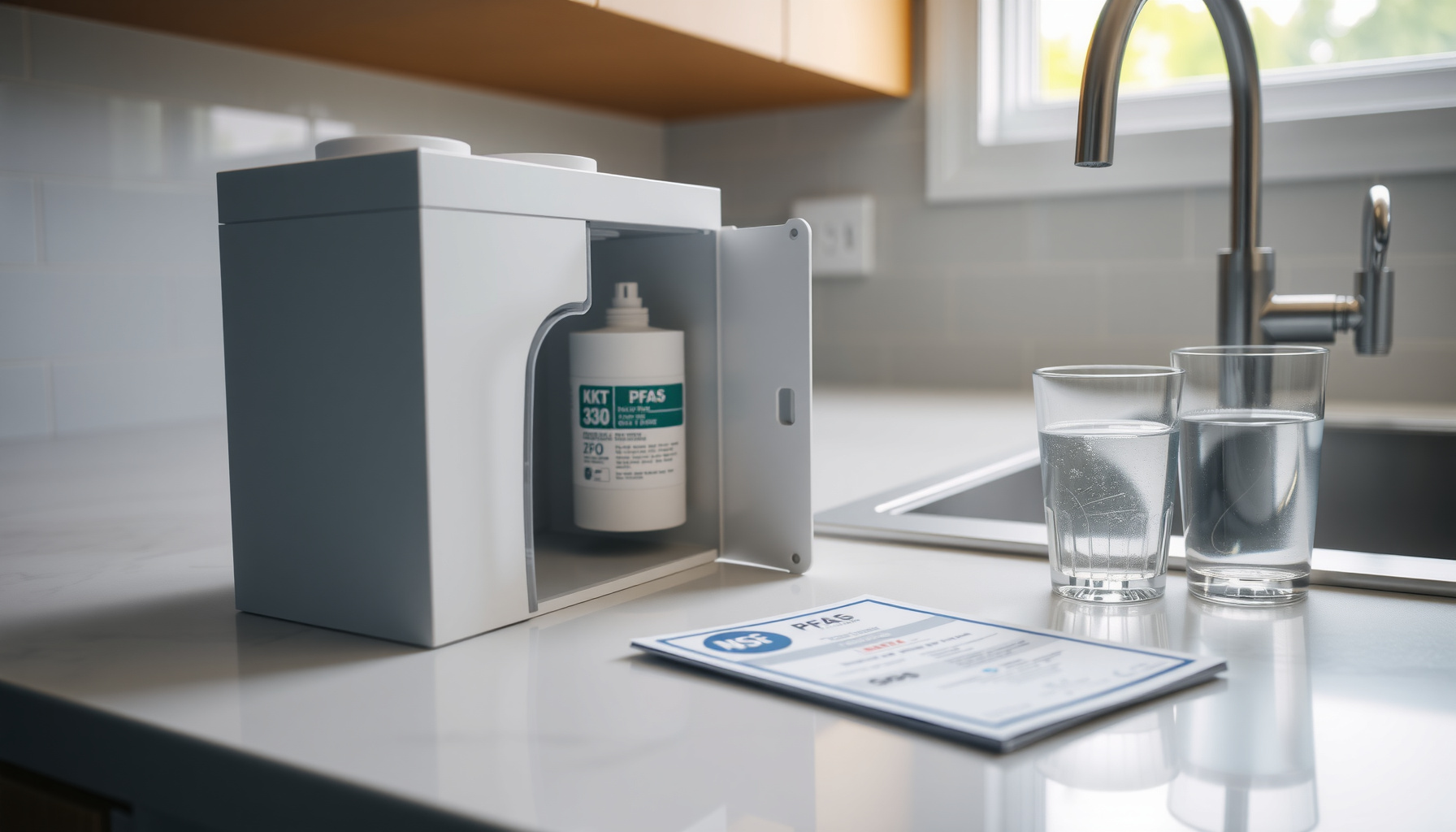
Here’s what most people get wrong: they assume any filter that removes PFAS is a “PFAS-free certified water filter.” That’s not how it works. A filter can reduce PFAS by 90% and still carry no certification whatsoever — while another filter with a certification logo on the box might only be tested against a handful
-
Can You Oversize a Water Softener? What Happens If You Do
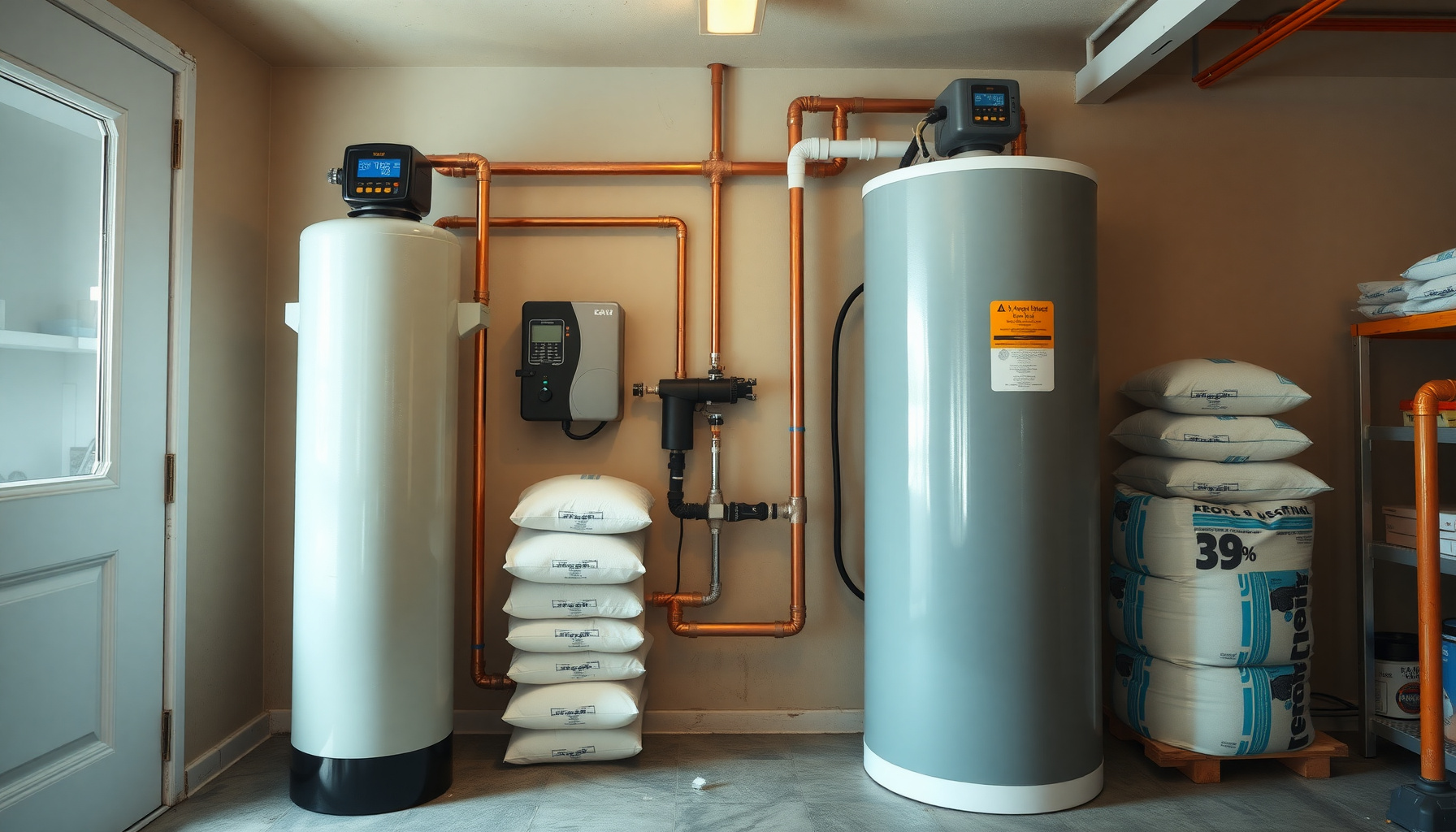
Here’s the answer most sizing guides bury at the bottom: yes, you can absolutely oversize a water softener, and the consequences aren’t just wasted money — they can quietly degrade your water quality in ways that take months to notice. Most homeowners assume bigger is safer. It isn’t. An oversized softener regenerates too infrequently, and
-
How to Dispose of Old Water Filters Safely
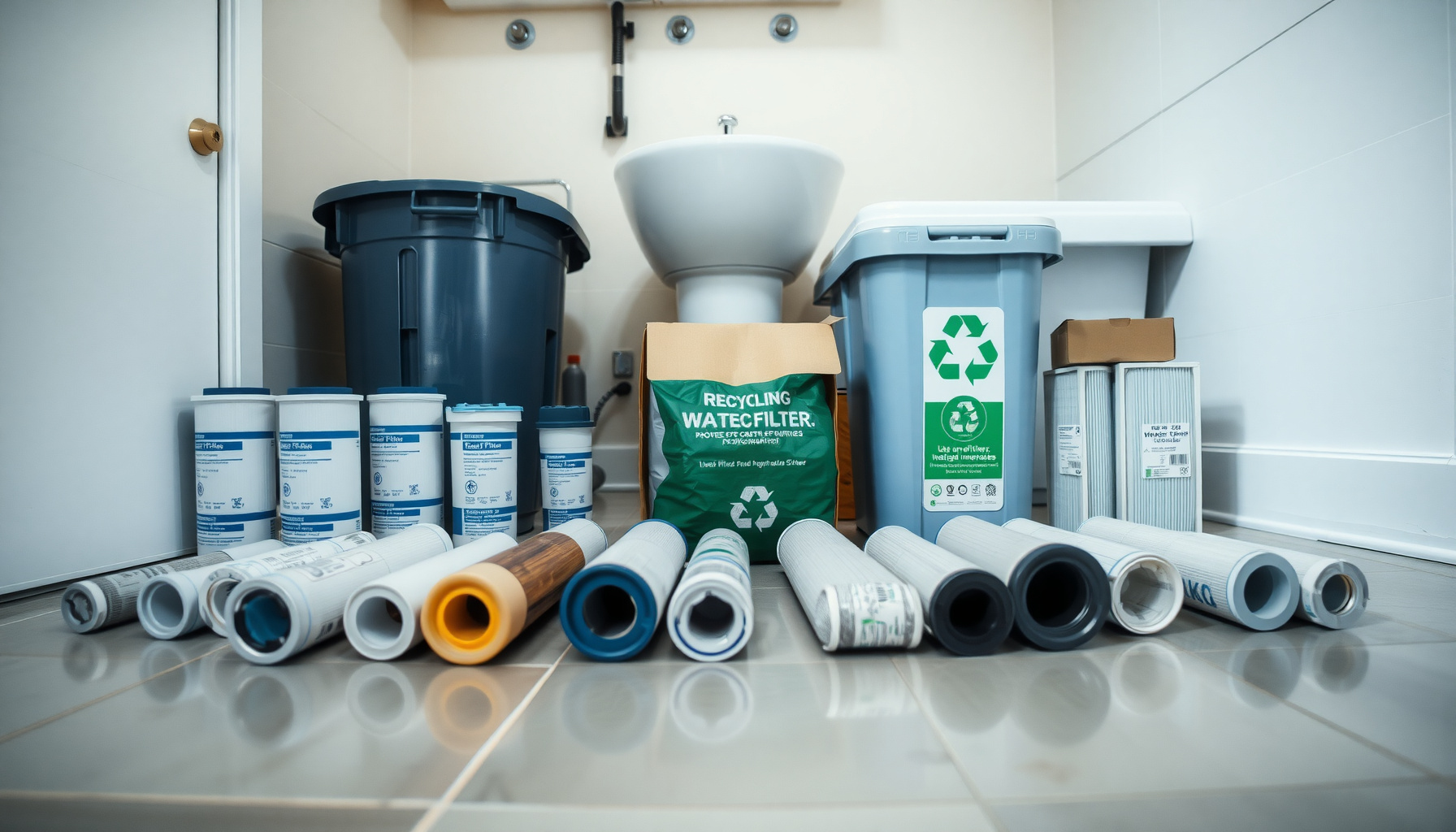
Here’s what almost nobody tells you when you swap out an old water filter: that spent cartridge sitting in your trash bin isn’t just garbage — it’s a concentrated package of every contaminant your filter ever pulled out of your water. Lead, chloramine byproducts, PFAS compounds, bacteria, sediment, sometimes even trace arsenic. You captured all
-
Water Filter Subscription Services: Are They Worth It?
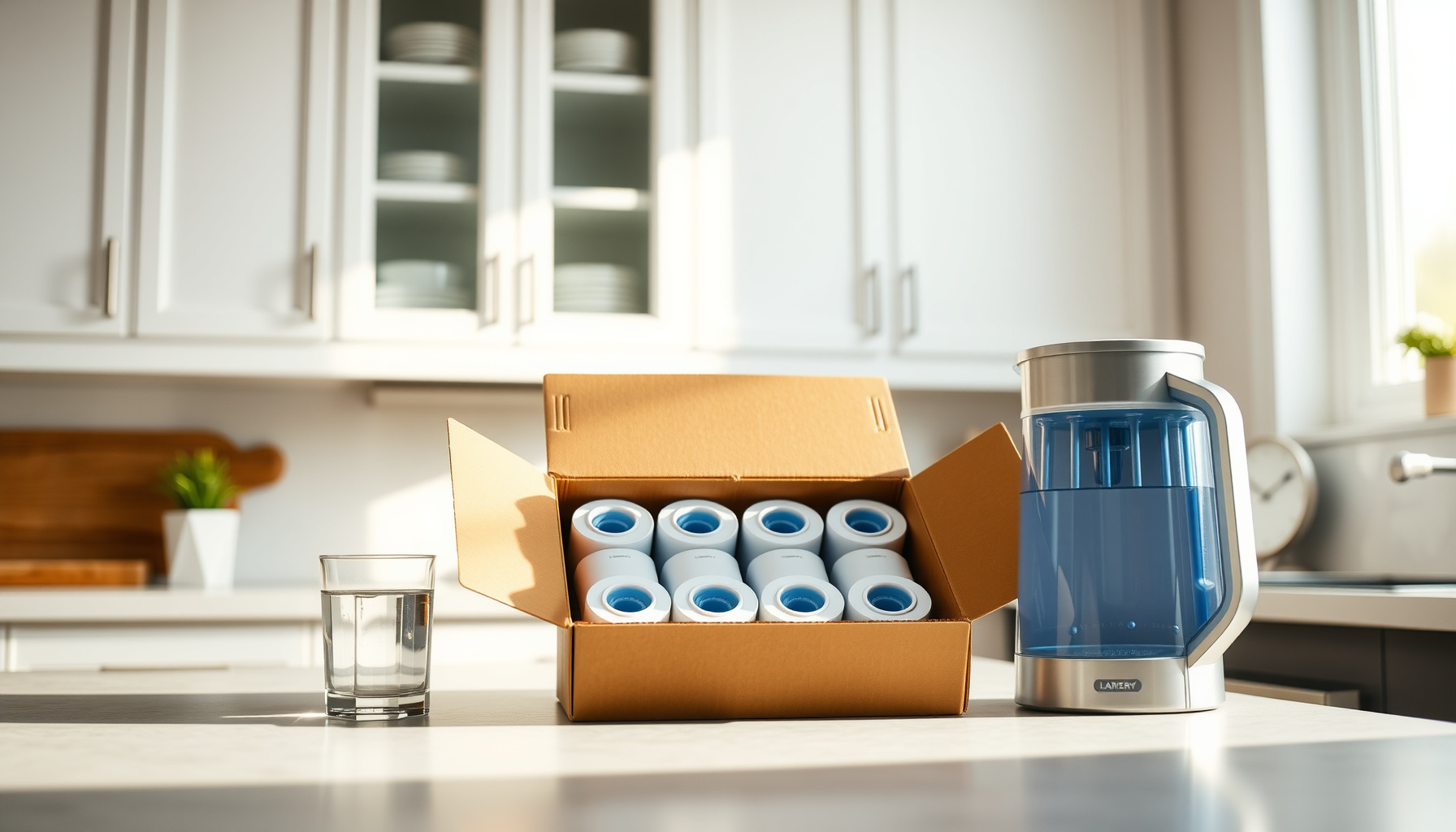
Here’s the thing most people get wrong about water filter subscription services: they compare them to buying a filter outright, as if that’s the only calculation that matters. It’s not. The real question — the one almost nobody asks — is whether a subscription actually keeps your filter working the way it’s supposed to, or
-
How to Connect a Water Filter to a Refrigerator Ice Maker
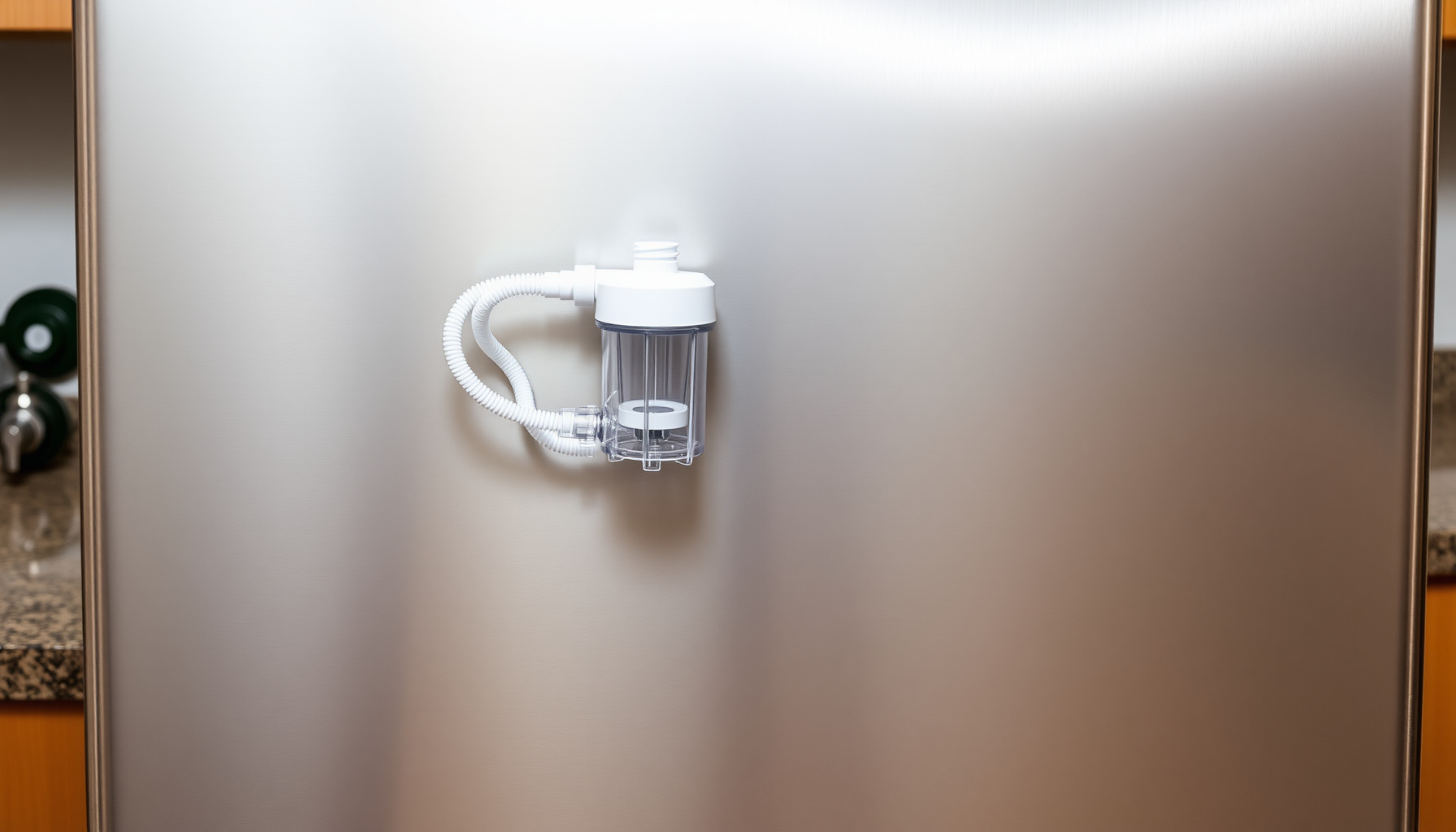
Here’s the thing most installation guides won’t tell you: connecting a water filter to your refrigerator ice maker is the easy part. The hard part — the part that actually determines whether your ice tastes clean or your filter clogs in three months instead of six — is choosing the right filter type and installing
-
What Is a Smart Water Softener and Is It Worth the Cost?
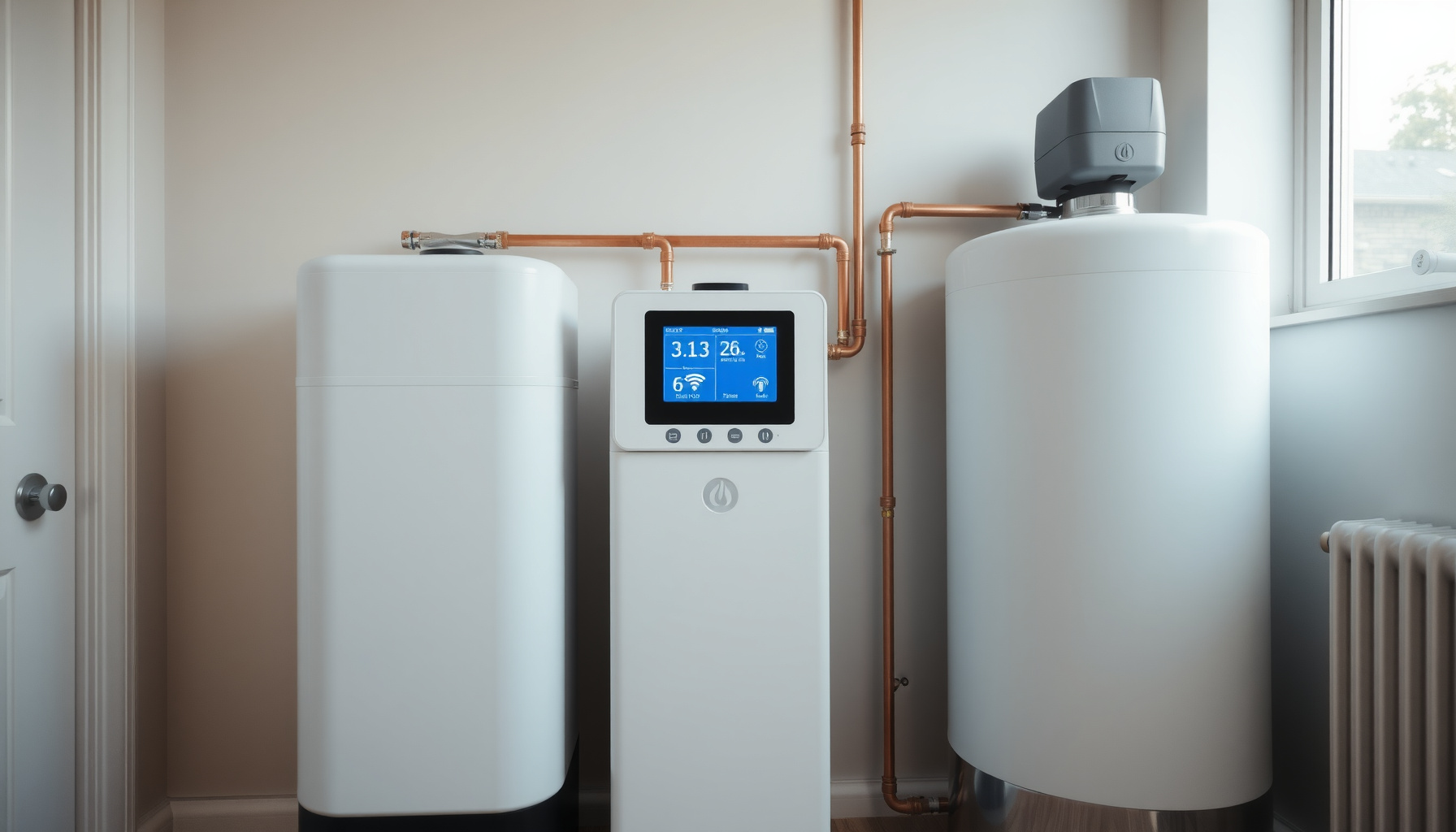
Here’s what most homeowners get wrong about smart water softeners: they assume the “smart” part is mostly a marketing gimmick — a fancy app slapped onto the same old salt-based technology. That assumption is costing people real money. The truth is that the intelligence layer in a modern smart softener doesn’t just add convenience, it
-
Ultrafiltration vs Microfiltration vs Nanofiltration: Key Differences Explained
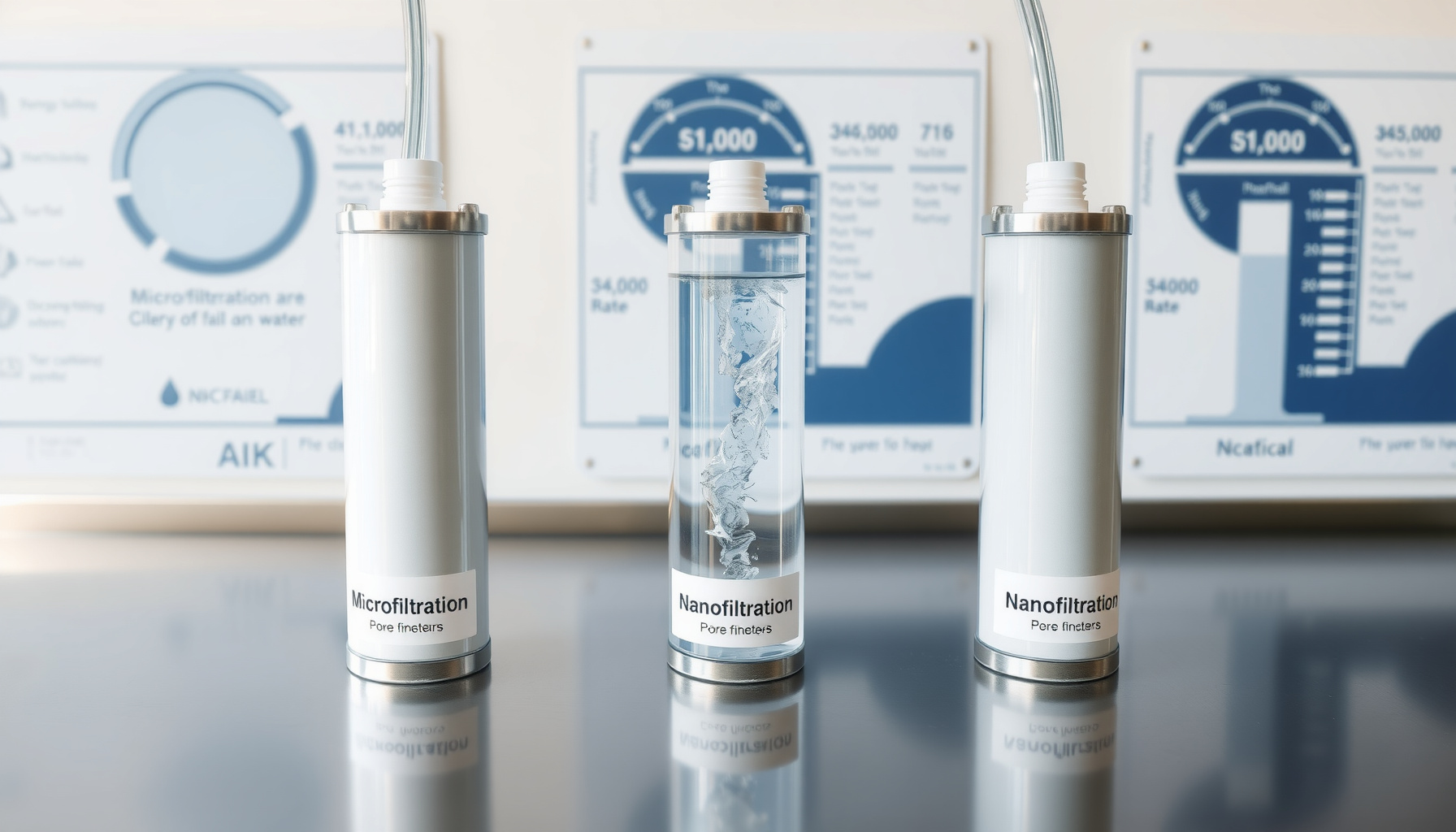
Here’s the thing most filtration guides won’t tell you upfront: microfiltration, ultrafiltration, and nanofiltration aren’t competing technologies — they’re a spectrum, and choosing the wrong one for your water problem doesn’t just waste money, it can leave you thinking you’re protected when you’re not. The real mistake homeowners make isn’t picking a “bad” filter. It’s
-
Carbon Block vs Granular Activated Carbon: Which Filters Better?
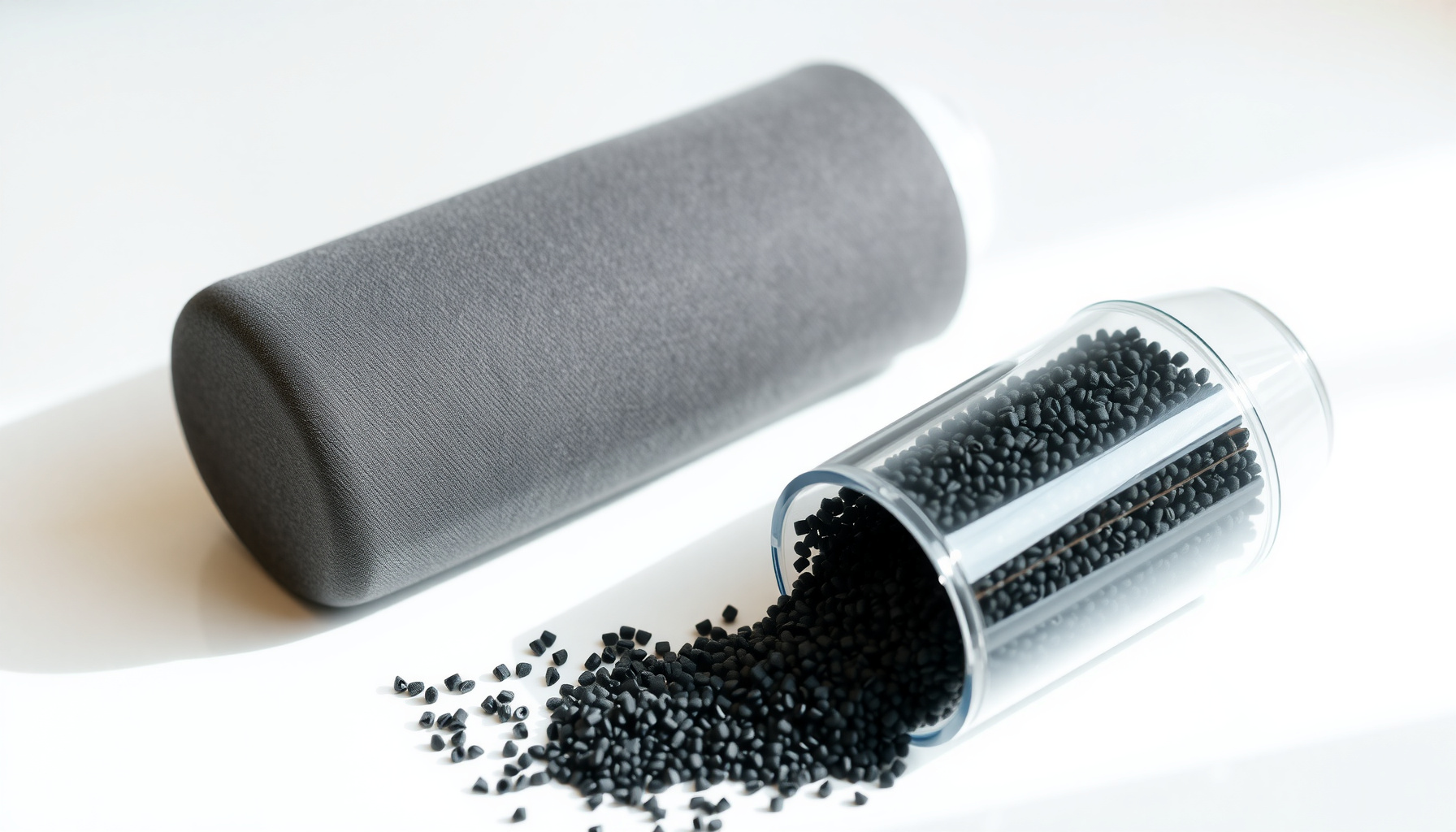
Here’s what most people get wrong: they treat carbon block and granular activated carbon (GAC) as interchangeable options and just pick whichever filter is cheaper or easier to find. The real question isn’t which one filters “better” in some abstract sense — it’s which one filters better for the specific contaminants in your water. And
-
How to Winterize a Whole House Water Filter System
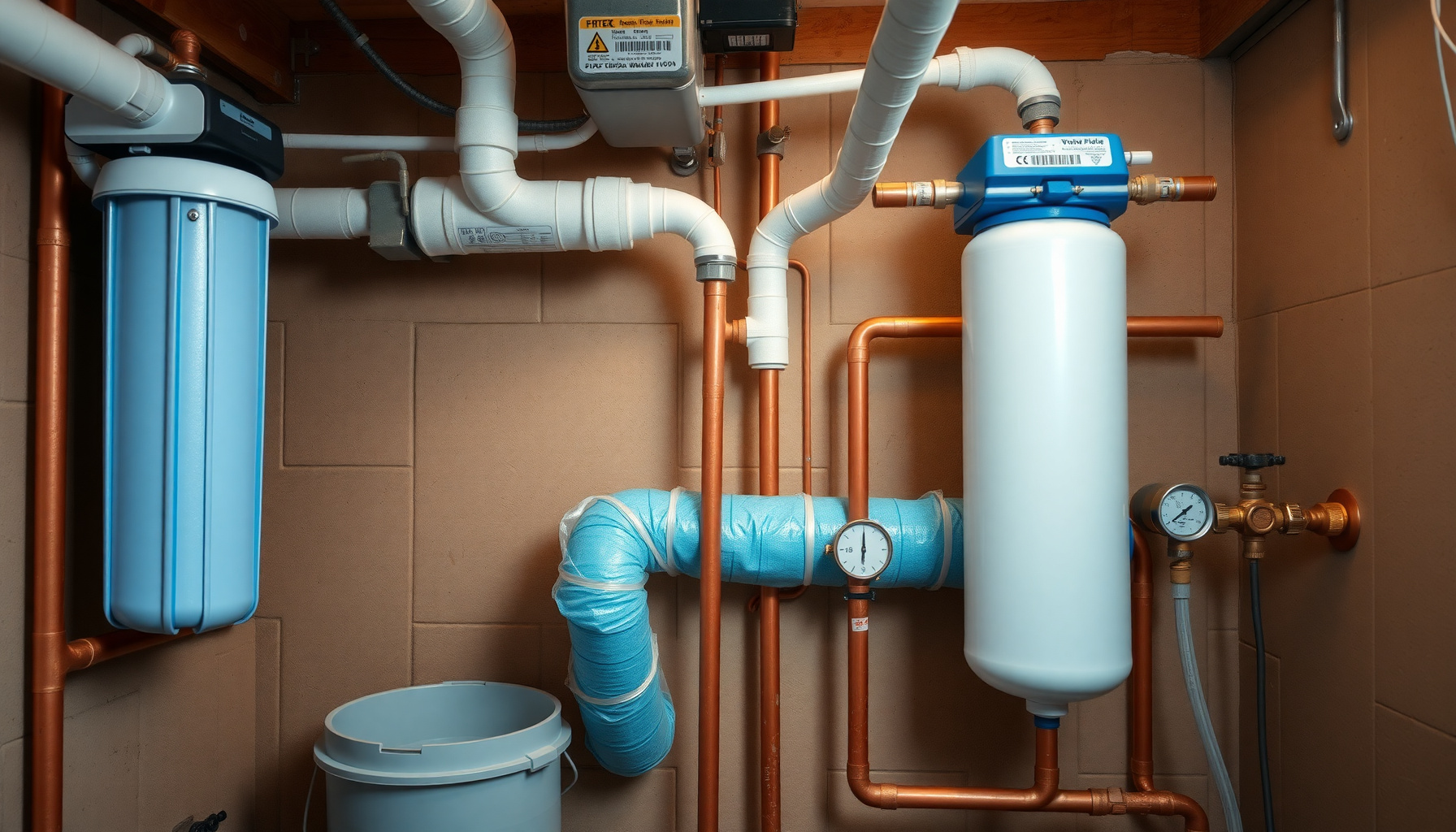
Here’s what most winterization guides get completely wrong: they treat your whole house water filter like a simple pipe you just drain and forget. The real damage — the kind that costs $300 to $800 in replacement housings and cartridges — doesn’t come from the water freezing inside the filter body. It comes from what


