
Latest posts
-
Why Does My Water Taste Different After Moving to a New City?
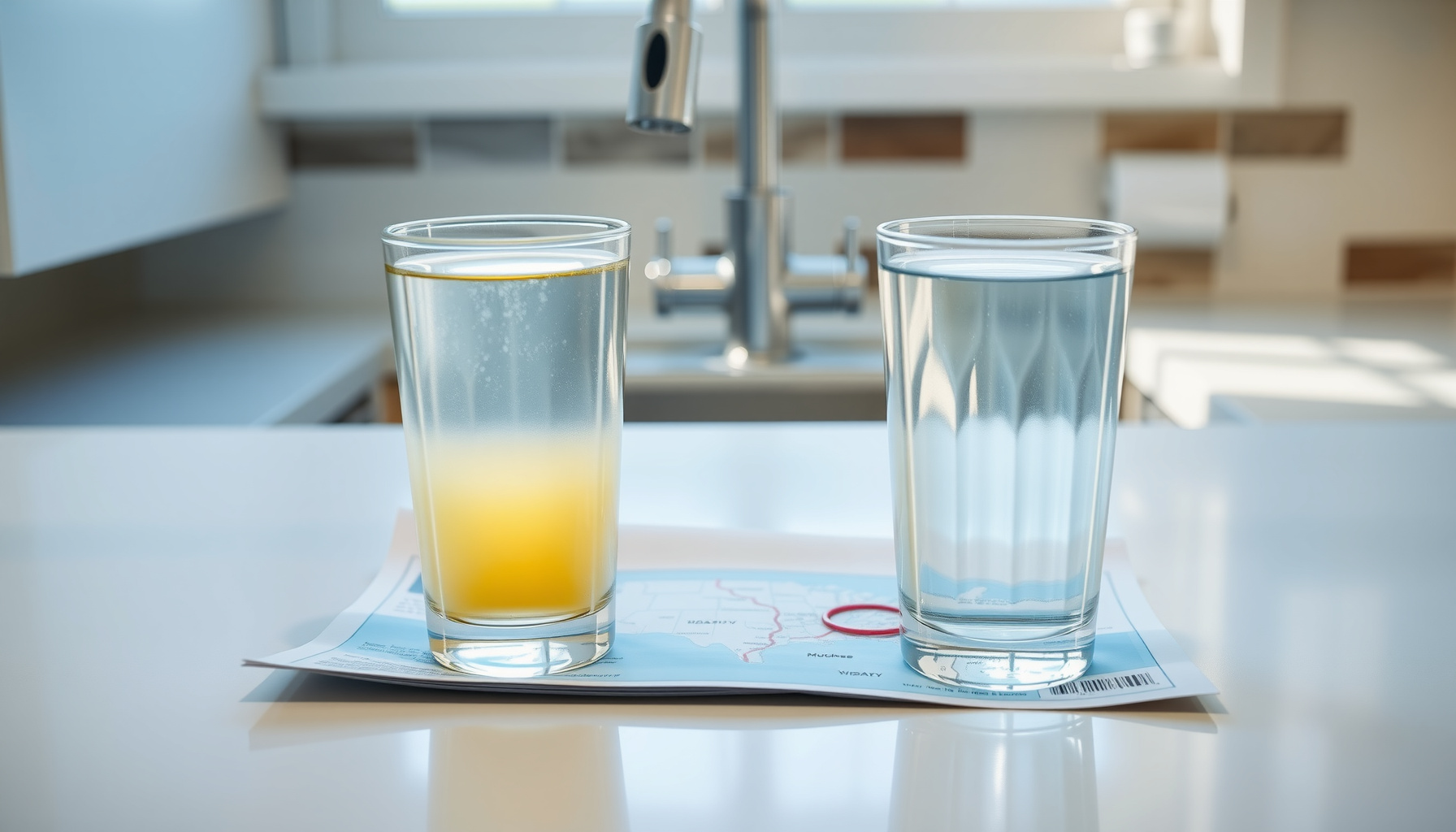
Here’s what most people get wrong when they notice their water tastes different after moving: they assume it’s a safety problem. It almost never is. The real story is that your taste buds are reacting to a completely different chemical profile — a new mix of minerals, disinfectants, and pH levels that your mouth has
-
Does Reverse Osmosis Remove Viruses and Bacteria?
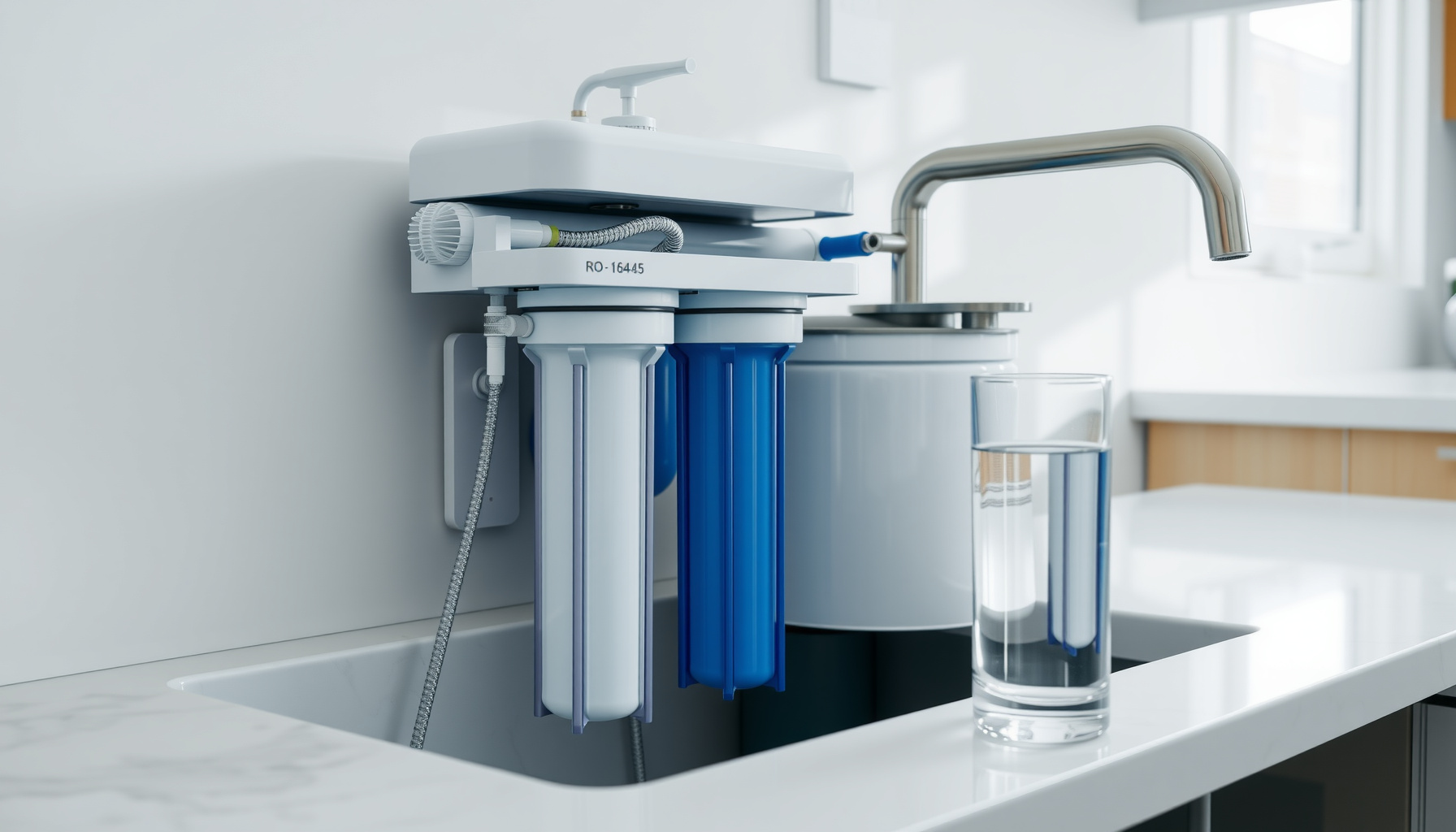
Here’s what almost every article about reverse osmosis gets wrong: they treat “does RO remove bacteria and viruses?” as a yes-or-no question, then move on. The real answer is yes — but with a catch that can make the difference between genuinely safe water and water that feels safe. RO membranes are extraordinarily effective at
-
What Is Legionella in Hot Water Systems and How to Prevent It
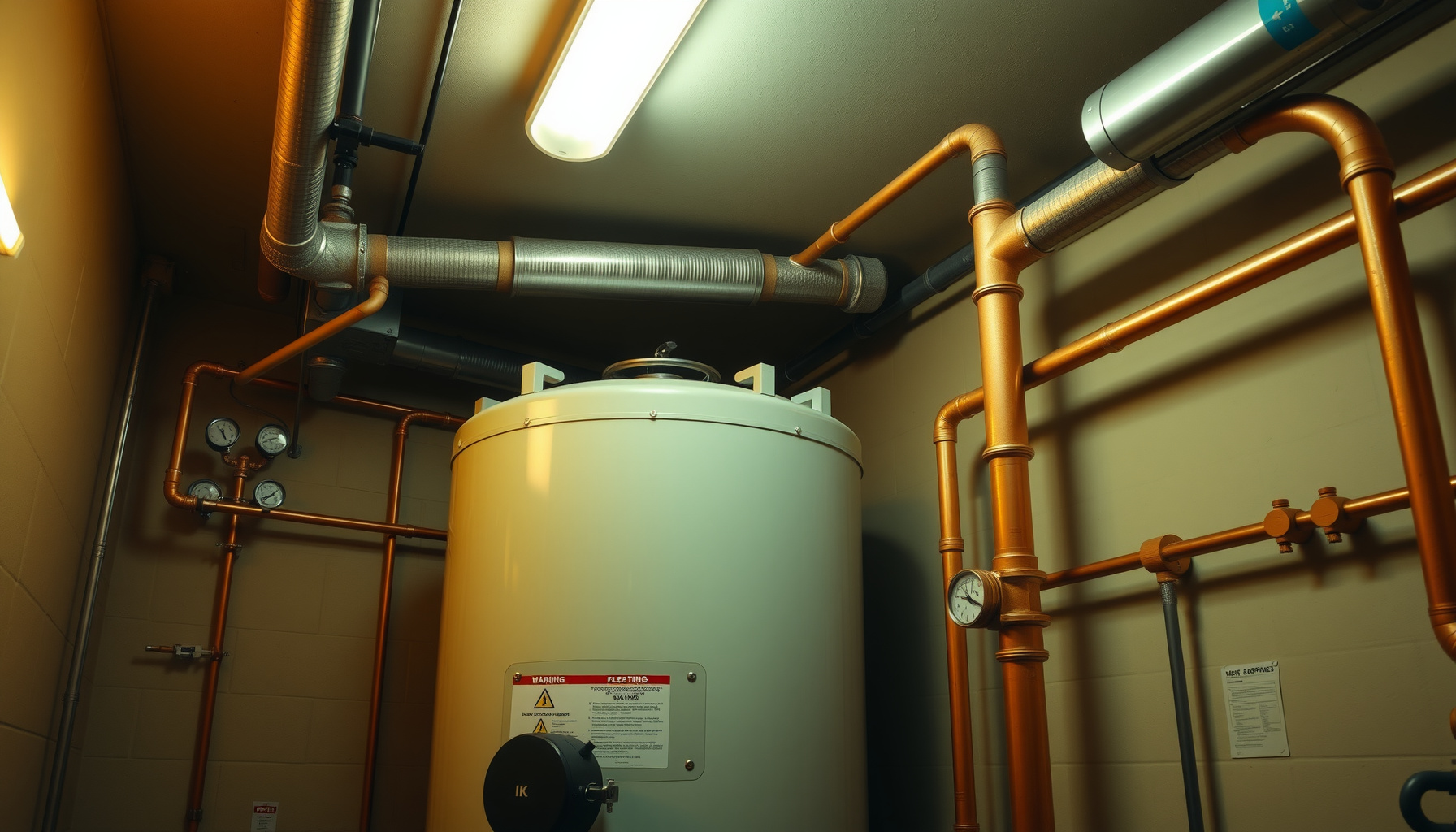
Here’s what most people get wrong about Legionella: they think it’s a hotel problem. A cruise ship problem. Something that happens in big commercial buildings with complicated plumbing, not in a three-bedroom house in the suburbs. But Legionella bacteria can — and do — grow in residential hot water systems, and the conditions that allow
-
How Long Does It Take for a New Well to Produce Clean Water?
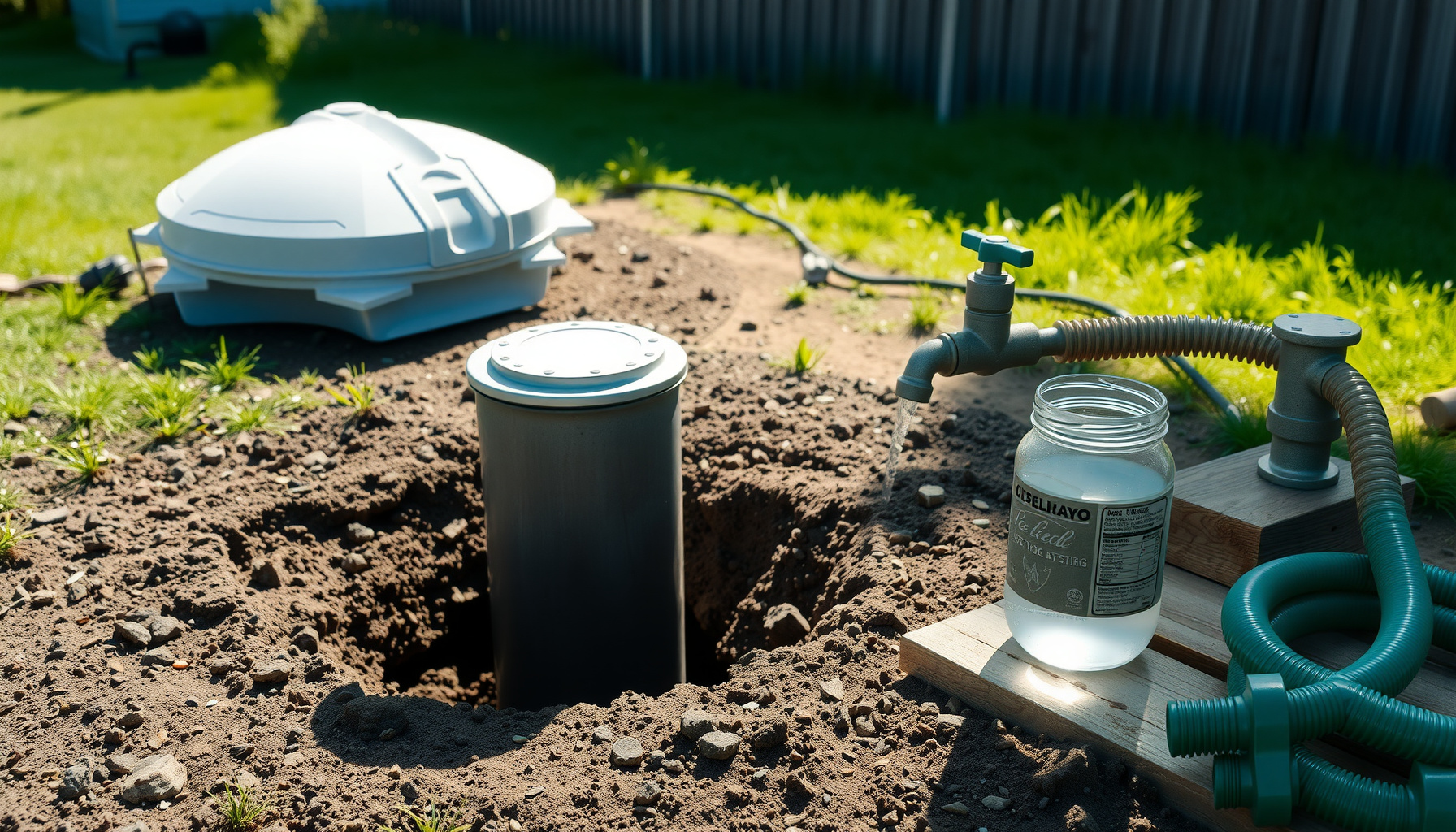
Here’s what most people get wrong about new well water: they assume “new” means “clean.” A freshly drilled well feels like a fresh start — untouched ground, no old pipes, no municipal treatment chemicals. But that assumption is exactly what gets homeowners into trouble. New wells are often more contaminated than mature ones, at least
-
What Is the Difference Between NSF 42, NSF 53 and NSF 58 Certification?
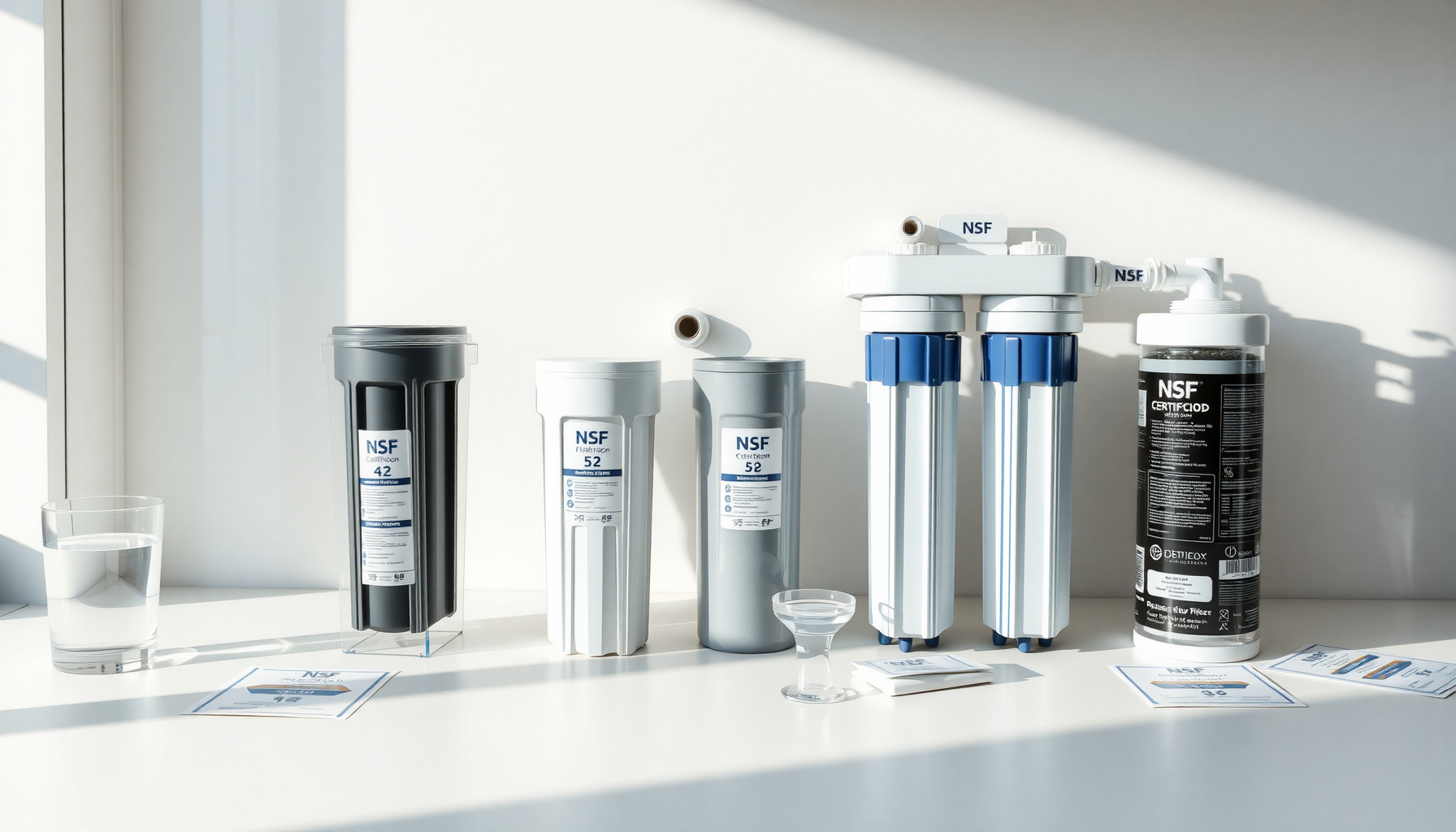
Here’s what most homeowners get wrong: they see “NSF certified” on a filter box and assume it means the filter removes the contaminants they’re actually worried about. It doesn’t — not automatically. NSF 42, NSF 53, and NSF 58 are three completely different certifications that cover three completely different things, and buying the wrong one
-
Does ZeroWater Filter Remove Fluoride, Lead and PFAS?
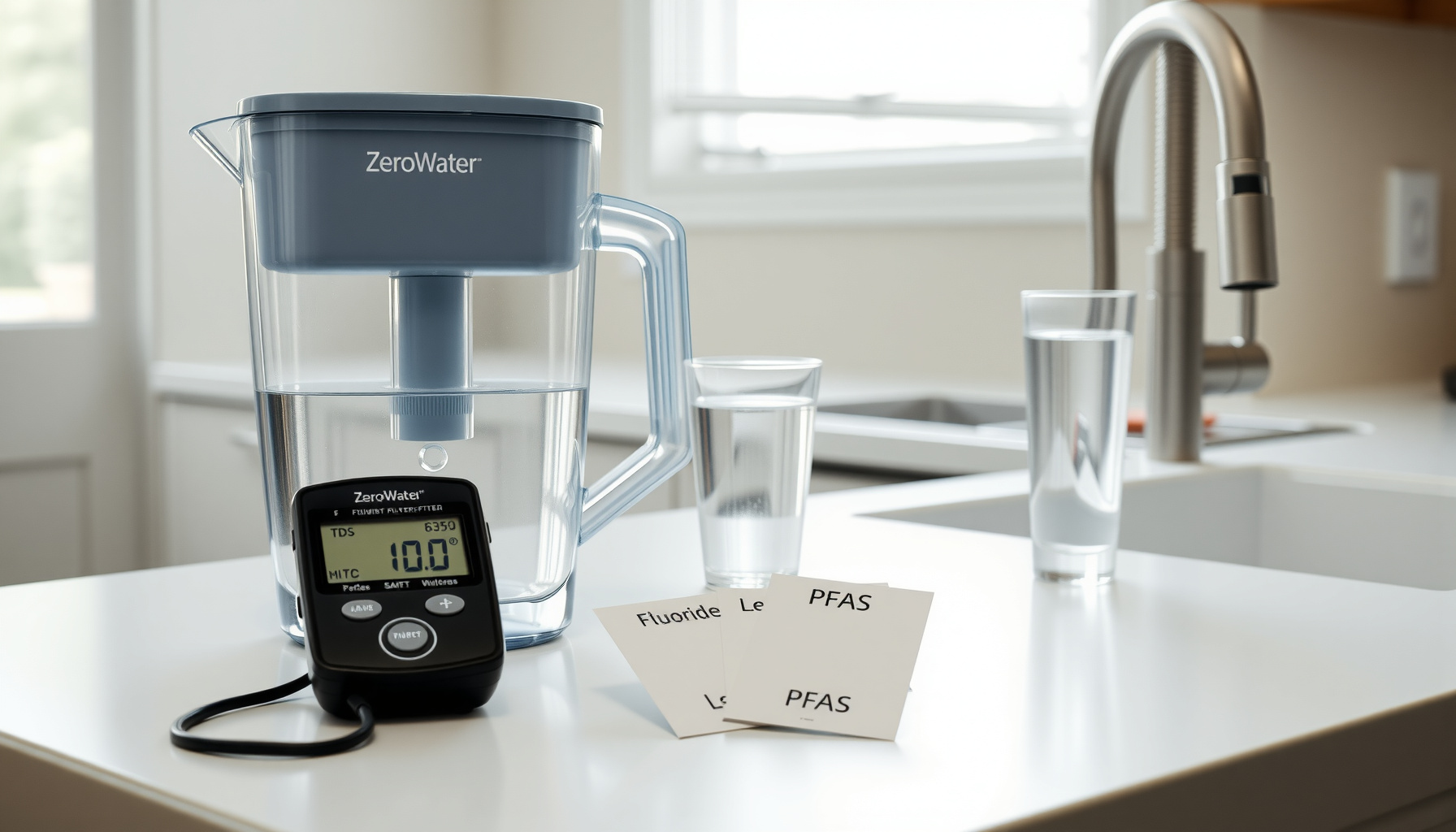
Here’s what most people get wrong about ZeroWater: they assume that because the filter produces a TDS reading of 000 on the included meter, it must be removing everything dangerous from their water. That assumption is only partially true — and the part where it breaks down could matter a lot for your family’s health.
-
How to Remove PFAS From Drinking Water: Only 3 Methods Actually Work
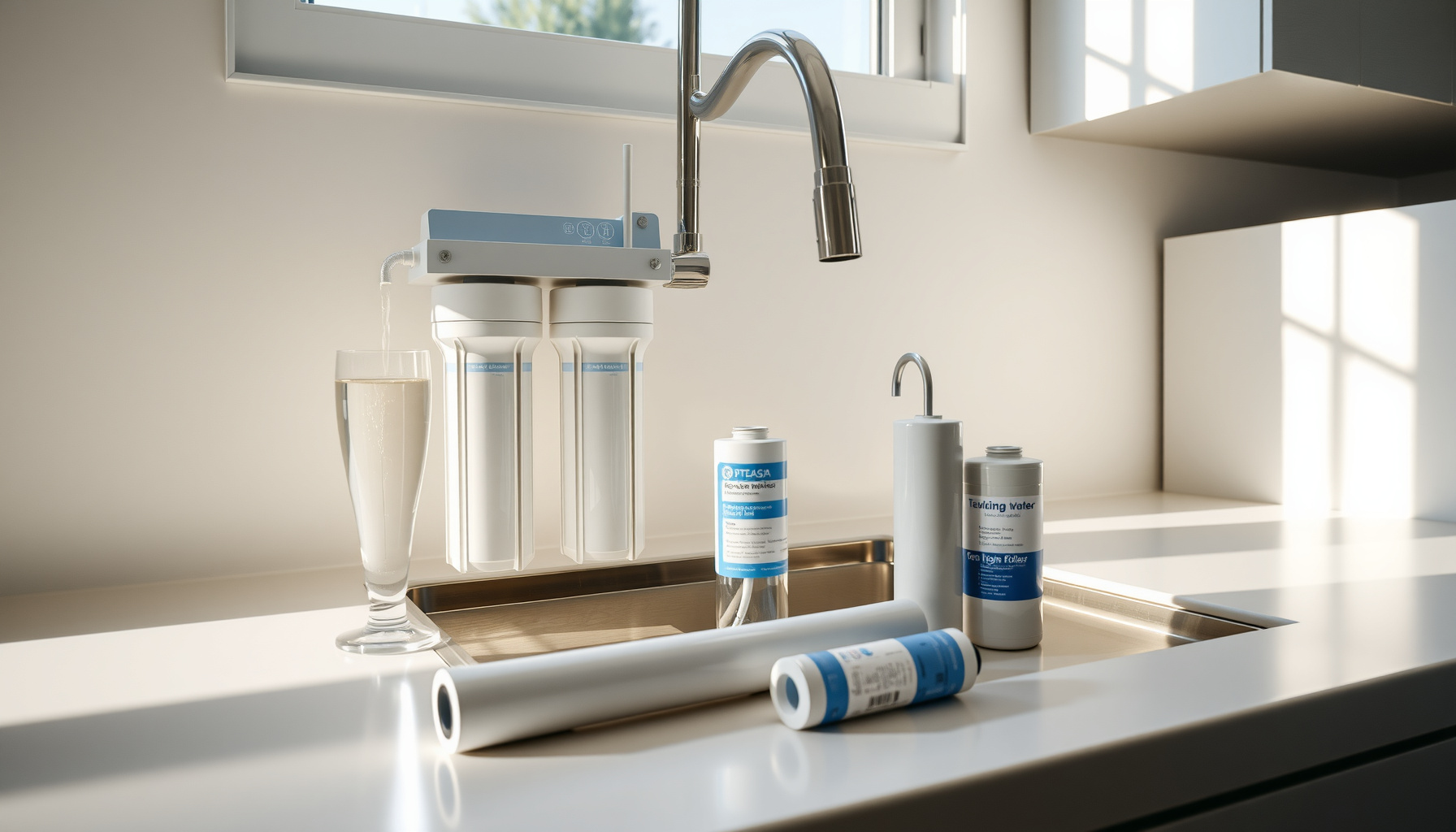
Here’s what almost every article about PFAS gets wrong: they treat this like a shopping problem. Pick the right filter, done. But the real issue is that most homeowners buy a filter that looks like it removes PFAS — and it doesn’t. Not meaningfully. Standard carbon block filters, pitcher filters, and even some under-sink systems
-
What Happens to Water Quality During a City Water Main Replacement?
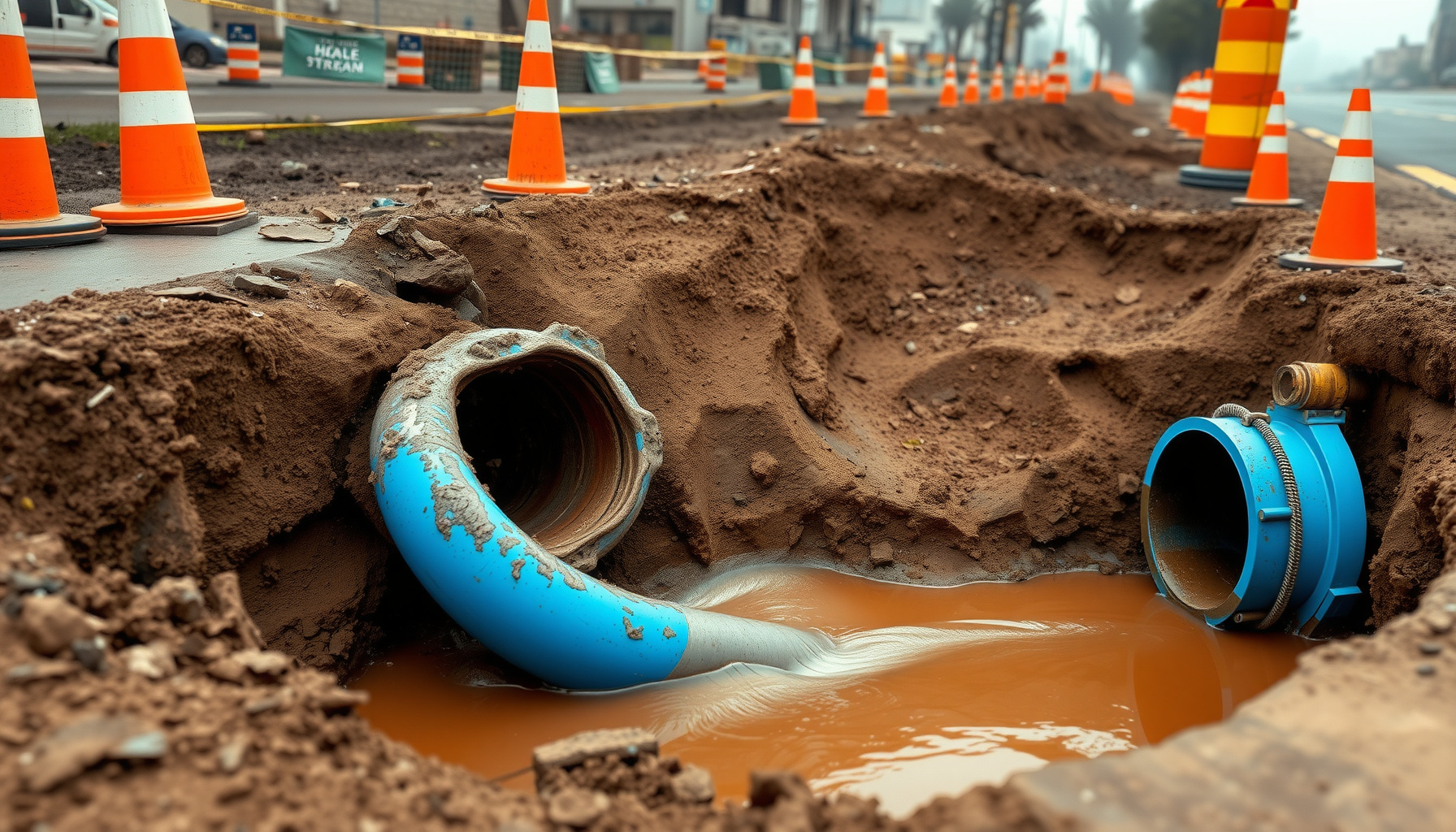
Here’s what almost nobody tells you before the orange construction signs go up outside your house: the water quality risk from a city water main replacement doesn’t peak during the work — it peaks after the new pipe is flushed and your service is restored. Most homeowners assume the danger window is while the crew
-
Is Tap Water Safe to Use in a Humidifier Long-Term?
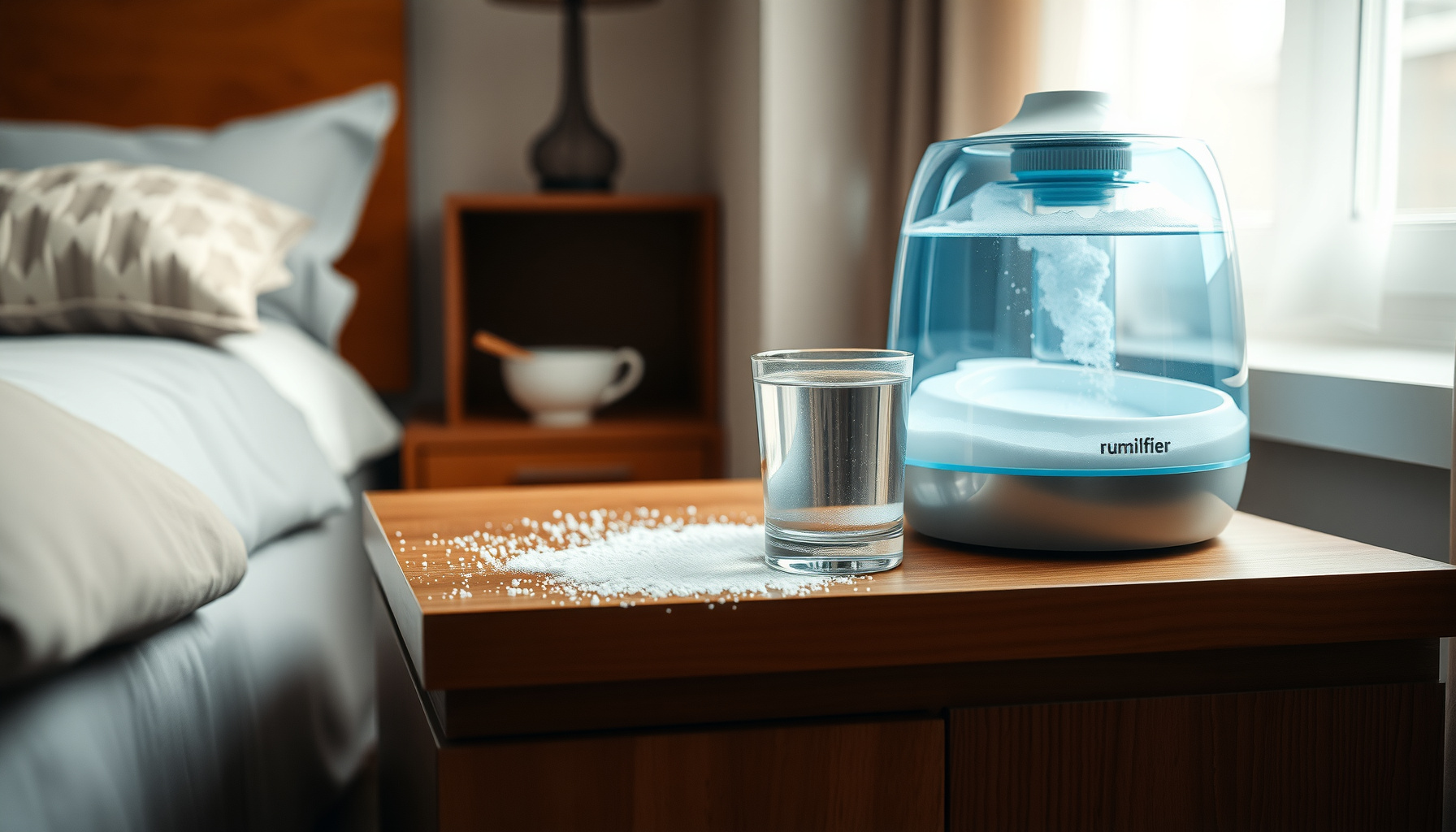
Here’s what almost nobody tells you: the real problem with using tap water in your humidifier long-term isn’t what’s getting into the air you breathe — it’s what’s getting left behind in the machine itself. Most articles fixate on white mineral dust floating around your living room, but that’s almost a cosmetic issue compared to
-
Why Does My Water Smell Different in Summer Than Winter?
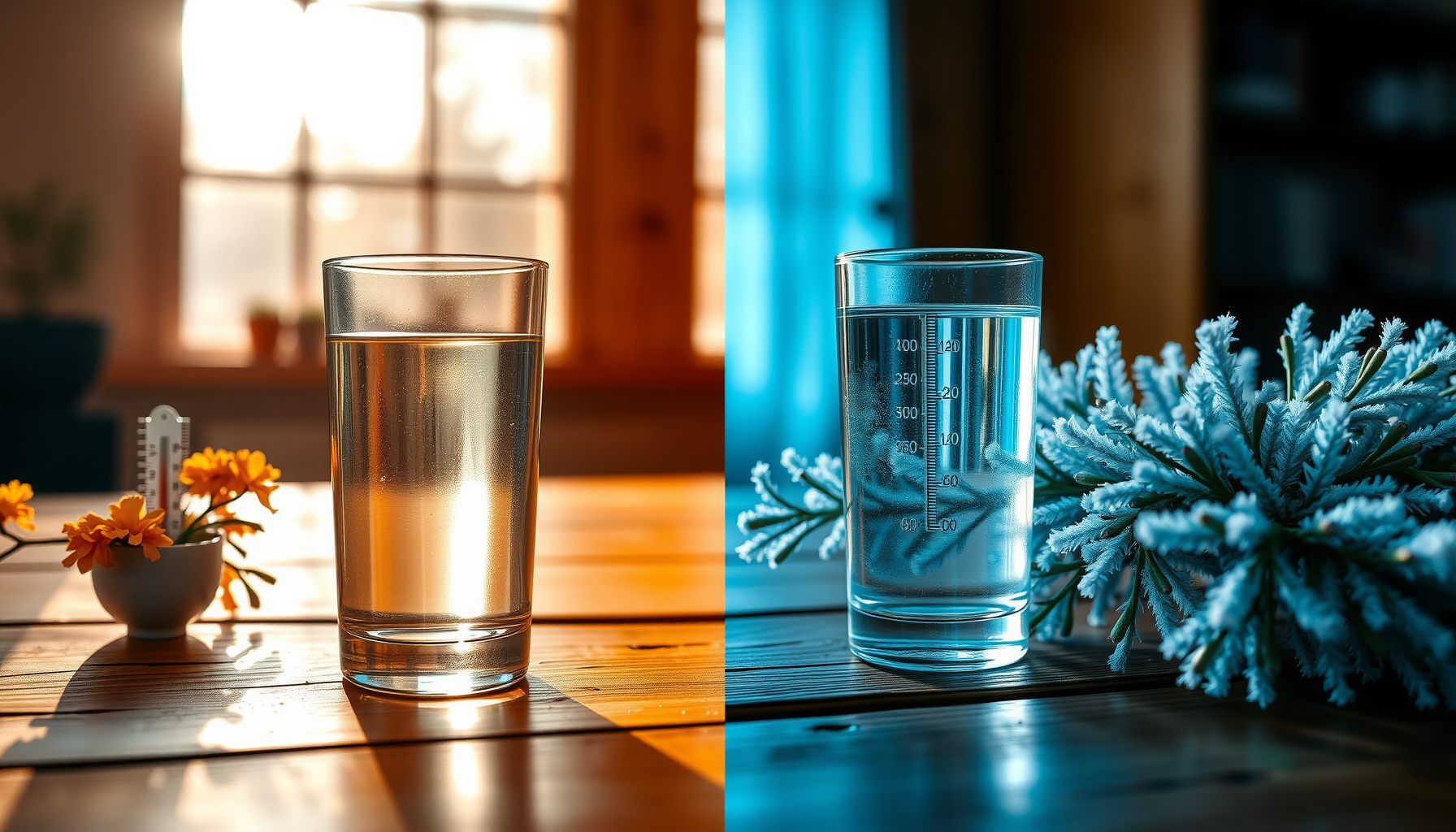
Here’s what almost nobody tells you: your water doesn’t actually smell worse in summer. What changes is your sensitivity to it — and the conditions inside your pipes, your reservoir, and your groundwater that amplify odors you’d barely notice in January. Most homeowners assume seasonal smells mean something went wrong. Sometimes that’s true. But the


