
Latest posts
-
Washing Hair With Hard Water: Damage, Buildup and Solutions
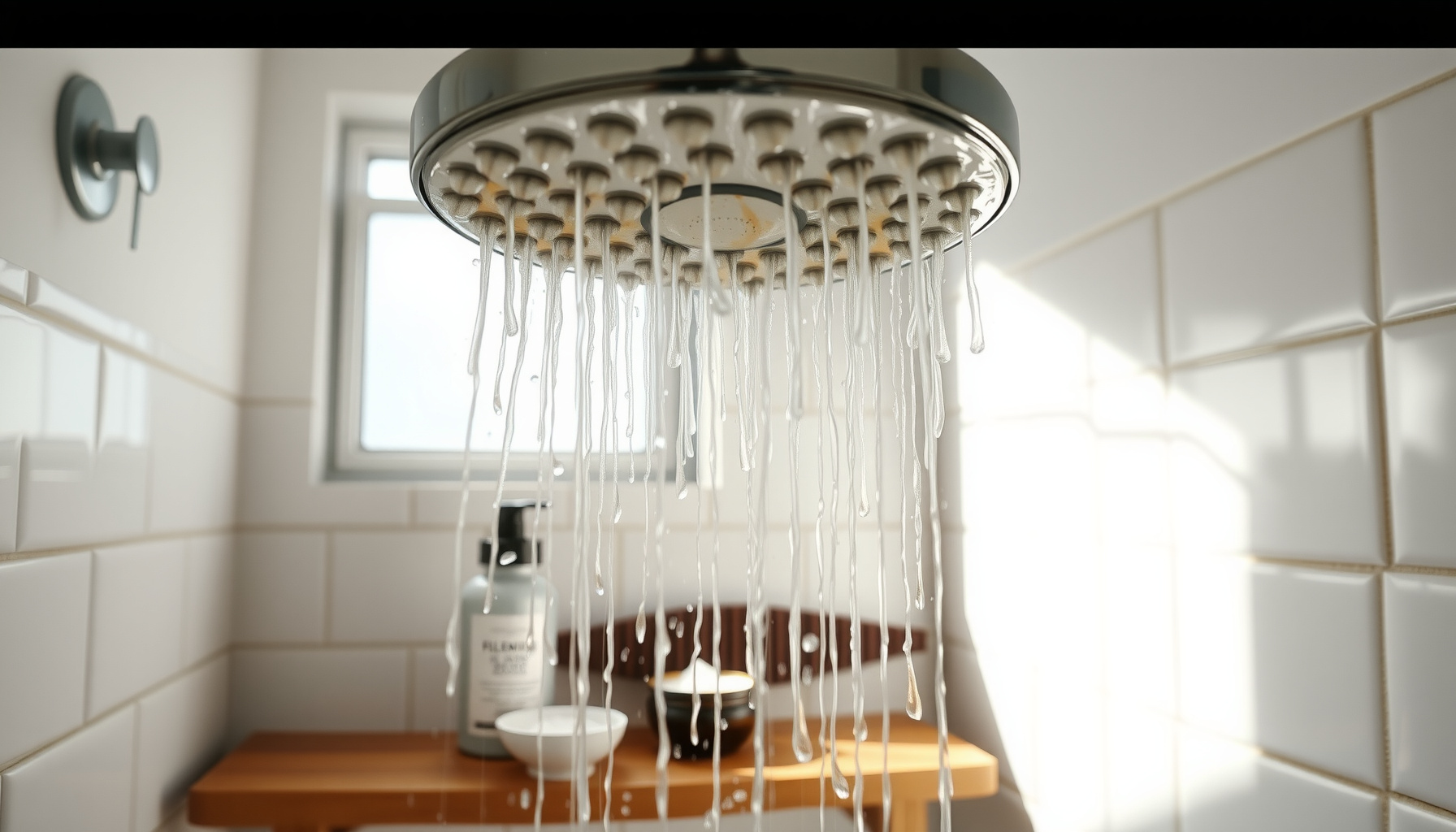
Here’s what most people get wrong about washing hair with hard water: they treat it as a cosmetic problem and throw expensive shampoos at it. It’s not a cosmetic problem. It’s a chemistry problem — and until you understand what’s actually happening at the strand level, you’ll keep buying products that only mask the damage
-
What Is a Wellhead Protection Area and Why It Matters
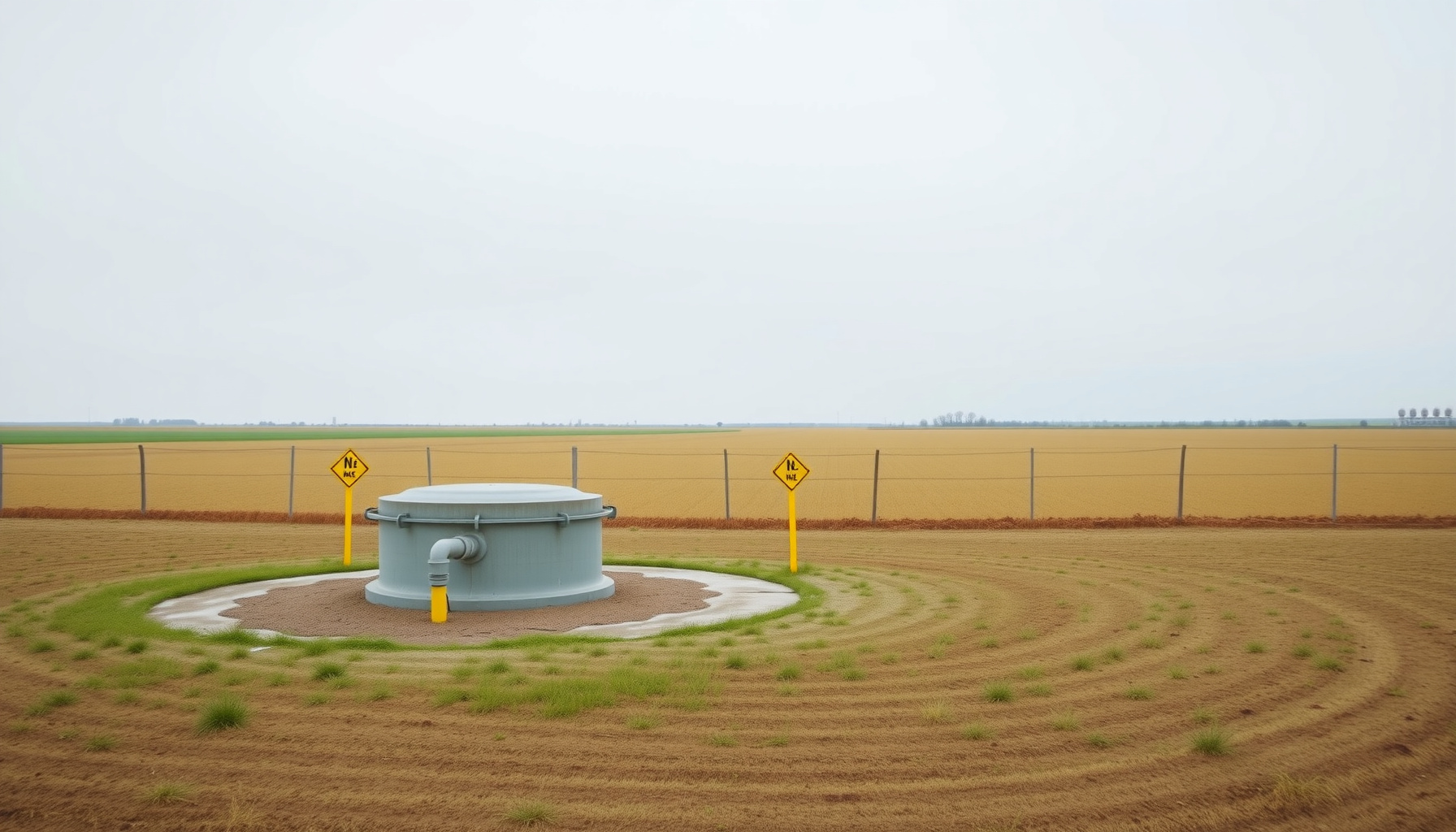
Here’s what most people get wrong about wellhead protection areas: they assume it’s someone else’s problem. If you’re on city water, you tune out. If you’re on a private well, you figure your well casing handles everything. Both assumptions are wrong — and the gap between what people believe about wellhead protection and how it
-
What Happens to Your Water During a Municipal Treatment Failure
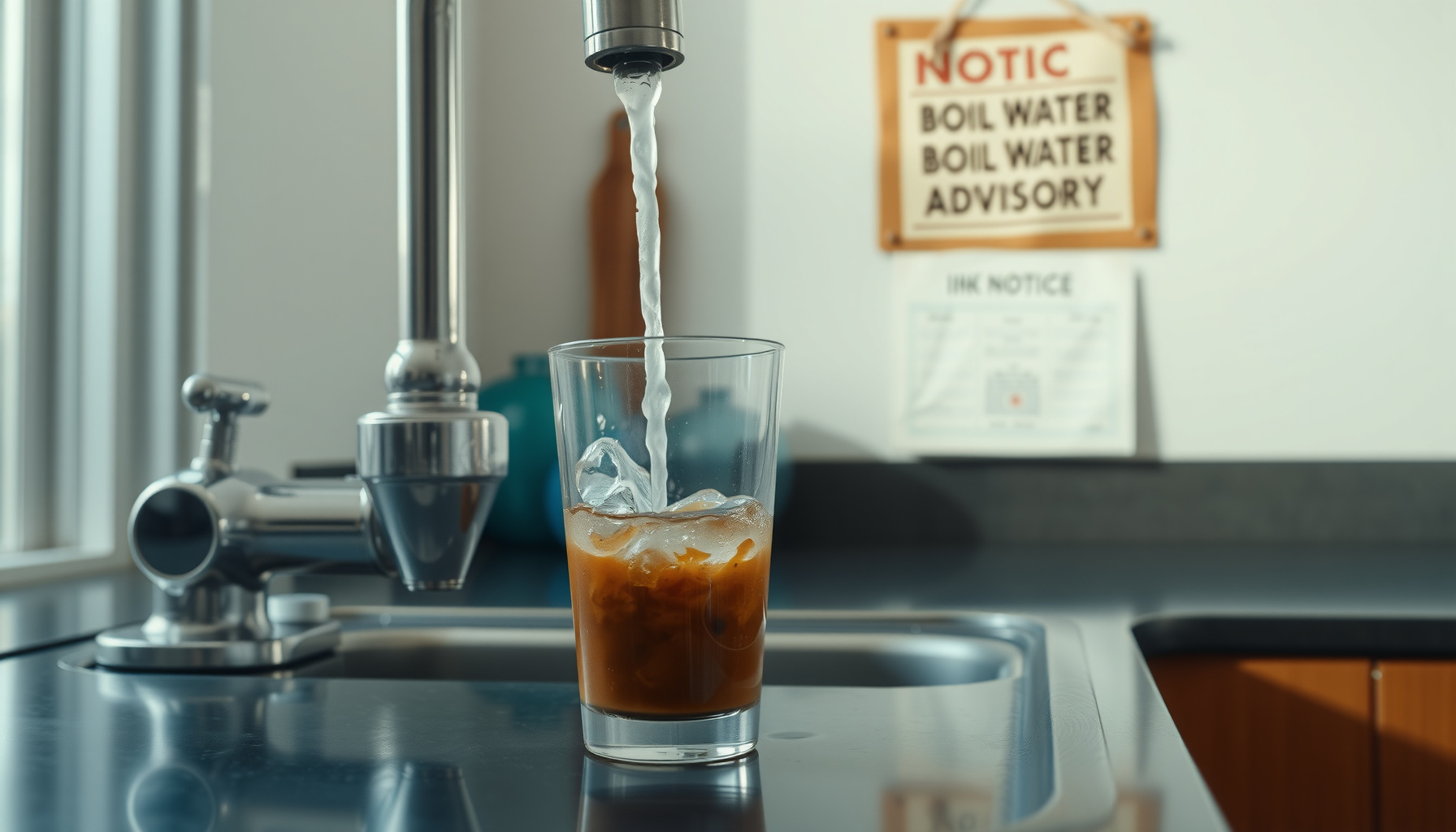
Here’s what most articles about municipal water treatment failures get completely wrong: they focus on the dramatic moment of contamination, when the real danger often unfolds quietly in the hours and days after the treatment system recovers. A restored treatment plant doesn’t automatically mean safe water at your tap. The distribution network — all those
-
Why Does Water Taste Different in Different Cities?
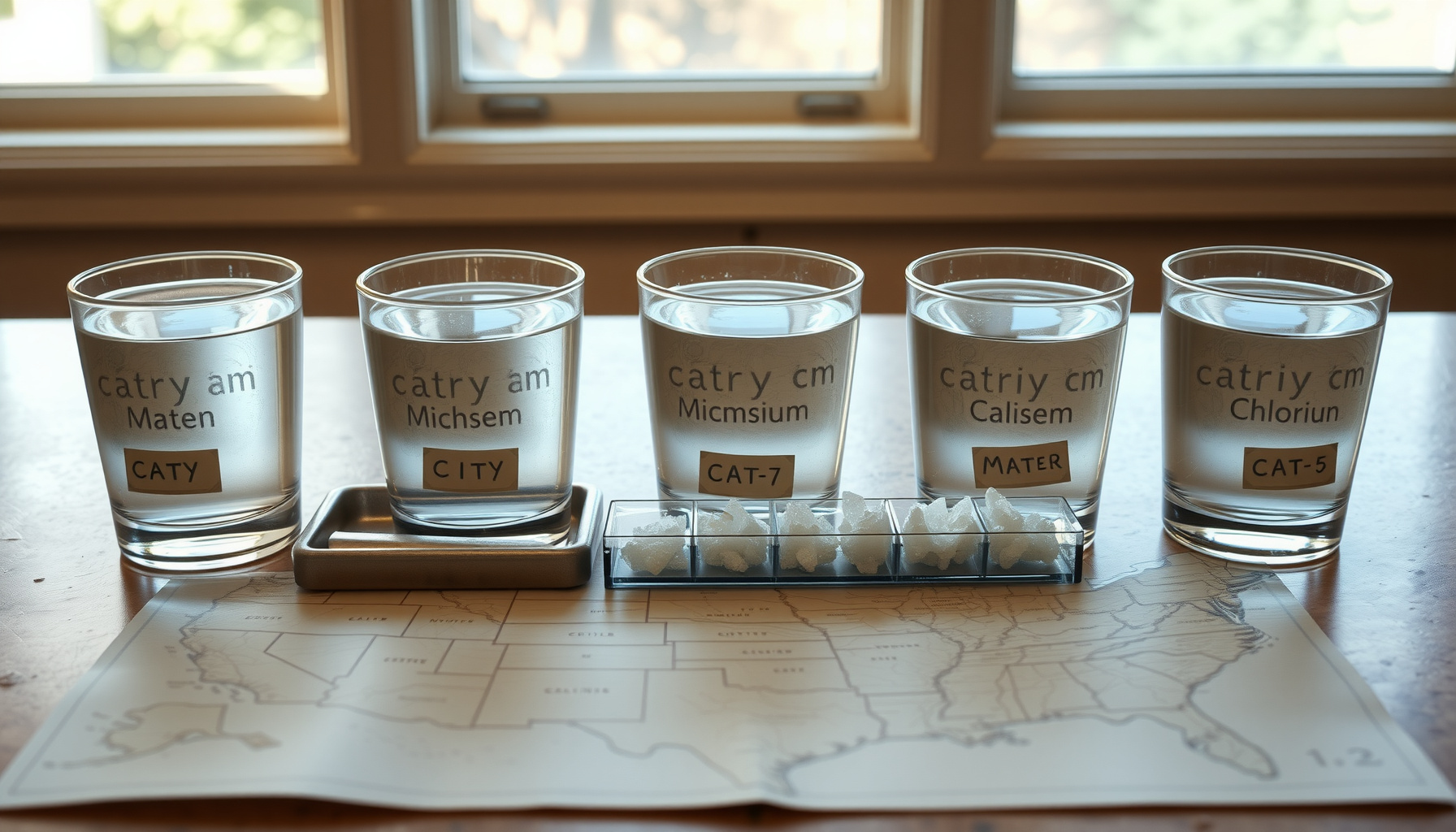
Here’s what most people get wrong about tap water taste: they assume the difference between cities is mostly about chlorine. Add a filter, remove the chlorine, problem solved. But that’s not really what’s going on. The actual driver of taste variation between cities — the thing that makes Denver water taste nothing like Houston water
-
What Is Chlorine Demand and Why Does It Matter
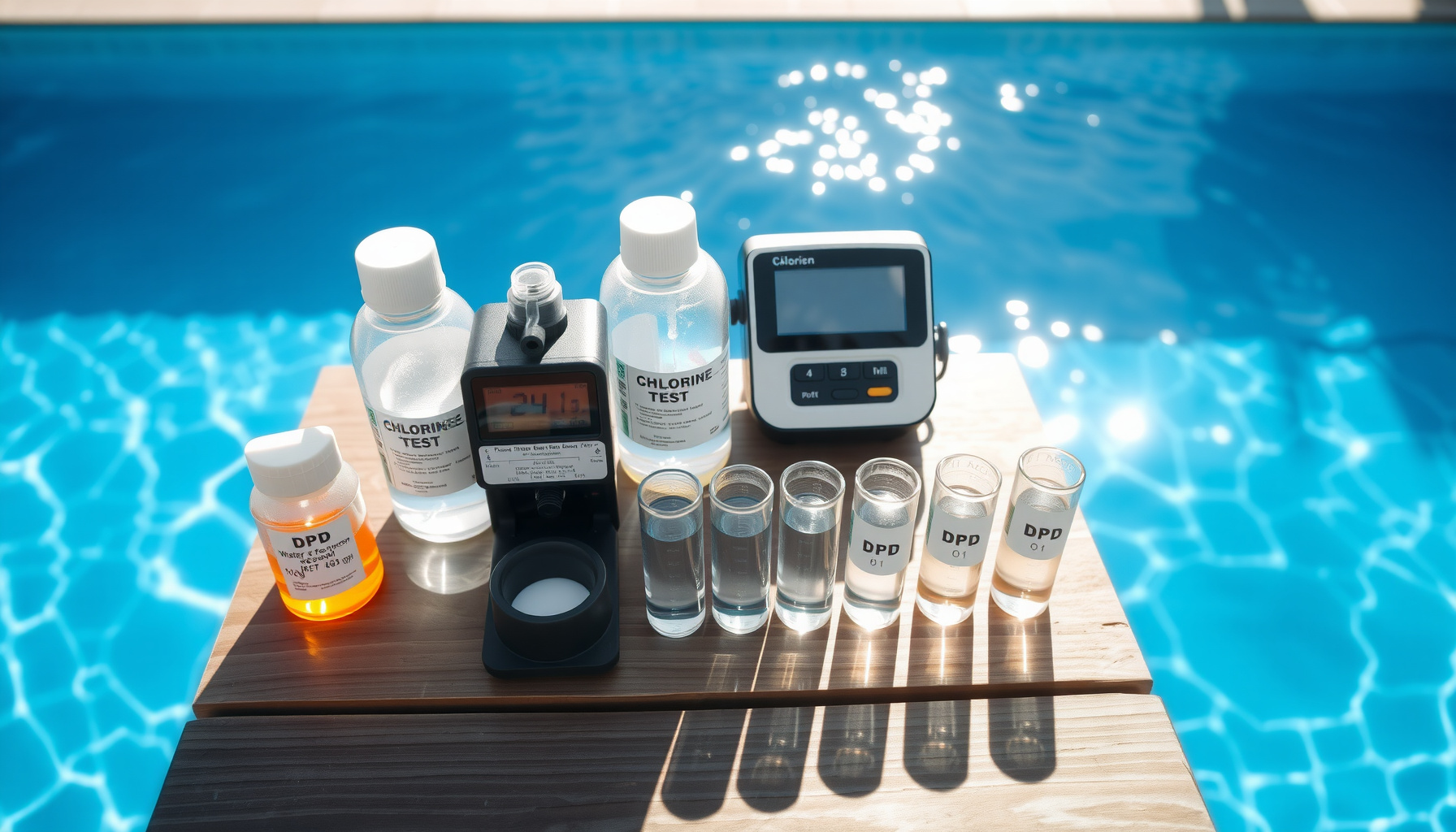
Here’s what most people get wrong about chlorine in tap water: they assume that if their utility adds chlorine, the water arriving at their tap is protected. It isn’t — not necessarily. Chlorine doesn’t just sit in water doing nothing; it gets consumed along the way, reacting with organic matter, metals, biofilms, and other contaminants
-
Groundwater vs Surface Water: How Your Source Affects Quality
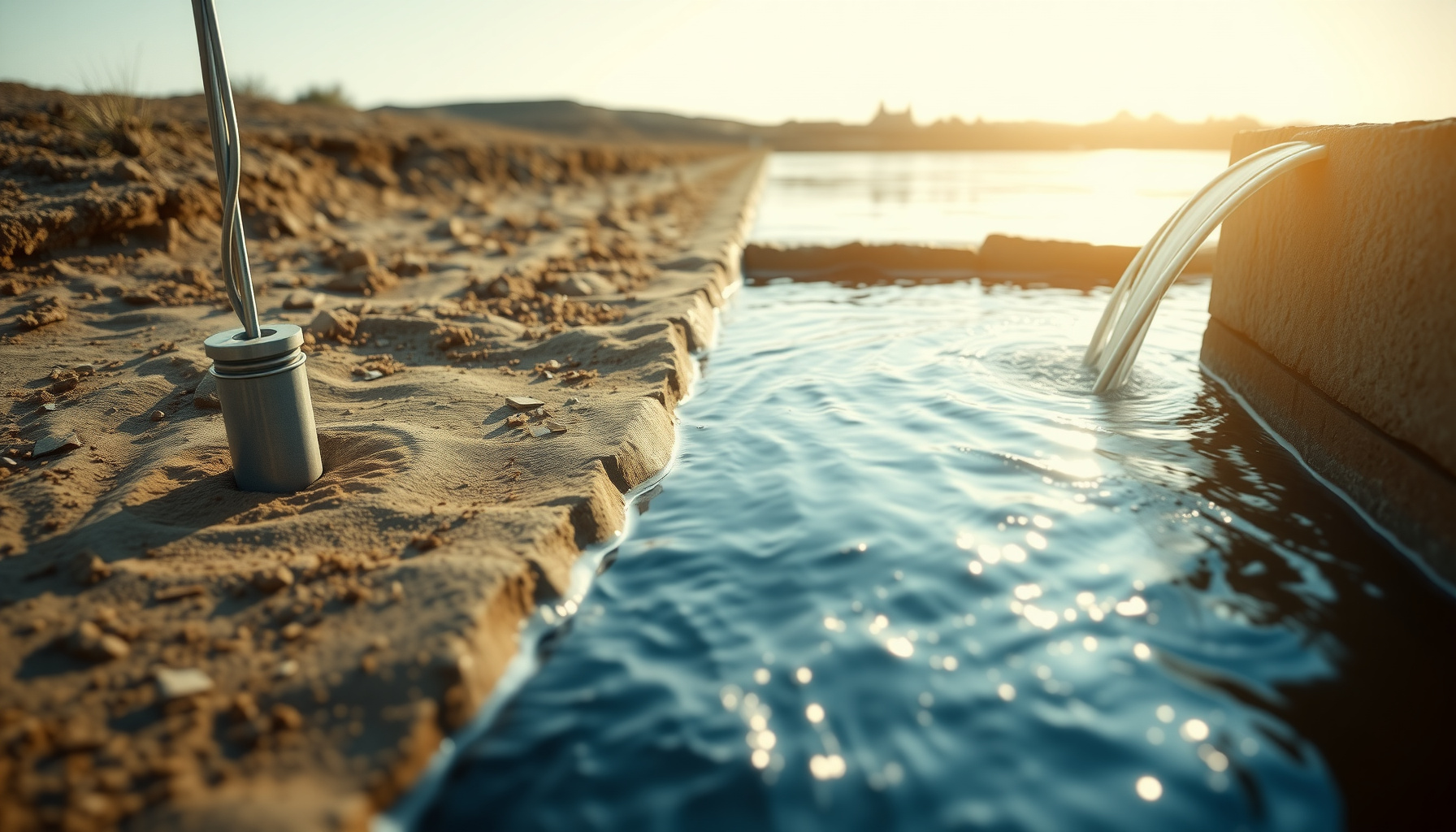
Here’s what most homeowners get completely wrong: they assume that because their water comes from a “protected” municipal system, the source doesn’t matter anymore. It does — enormously. Whether your tap water originates underground or from a river, lake, or reservoir shapes not just what contaminants are likely in it, but how those contaminants behave,
-
What Is Turbidity in Water and When Is It a Problem?
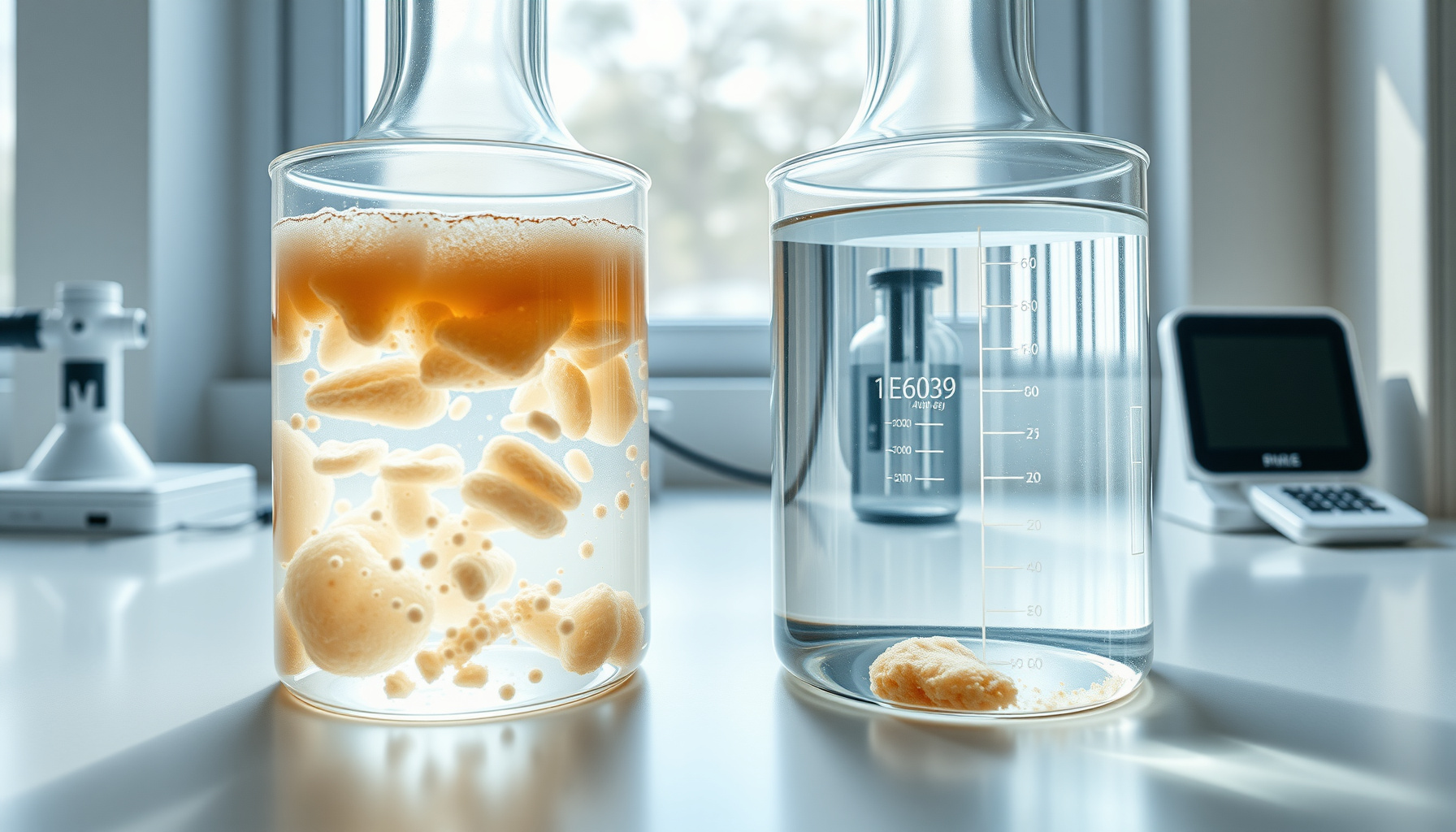
Here’s what most people get wrong about turbidity in water: they treat it as a visual problem — cloudy water looks gross, so you fix it. But turbidity is actually a delivery mechanism for more serious threats, and some of the most dangerous turbidity situations involve water that looks perfectly clear. That’s the part the
-
What Is Total Dissolved Solids vs Total Suspended Solids?
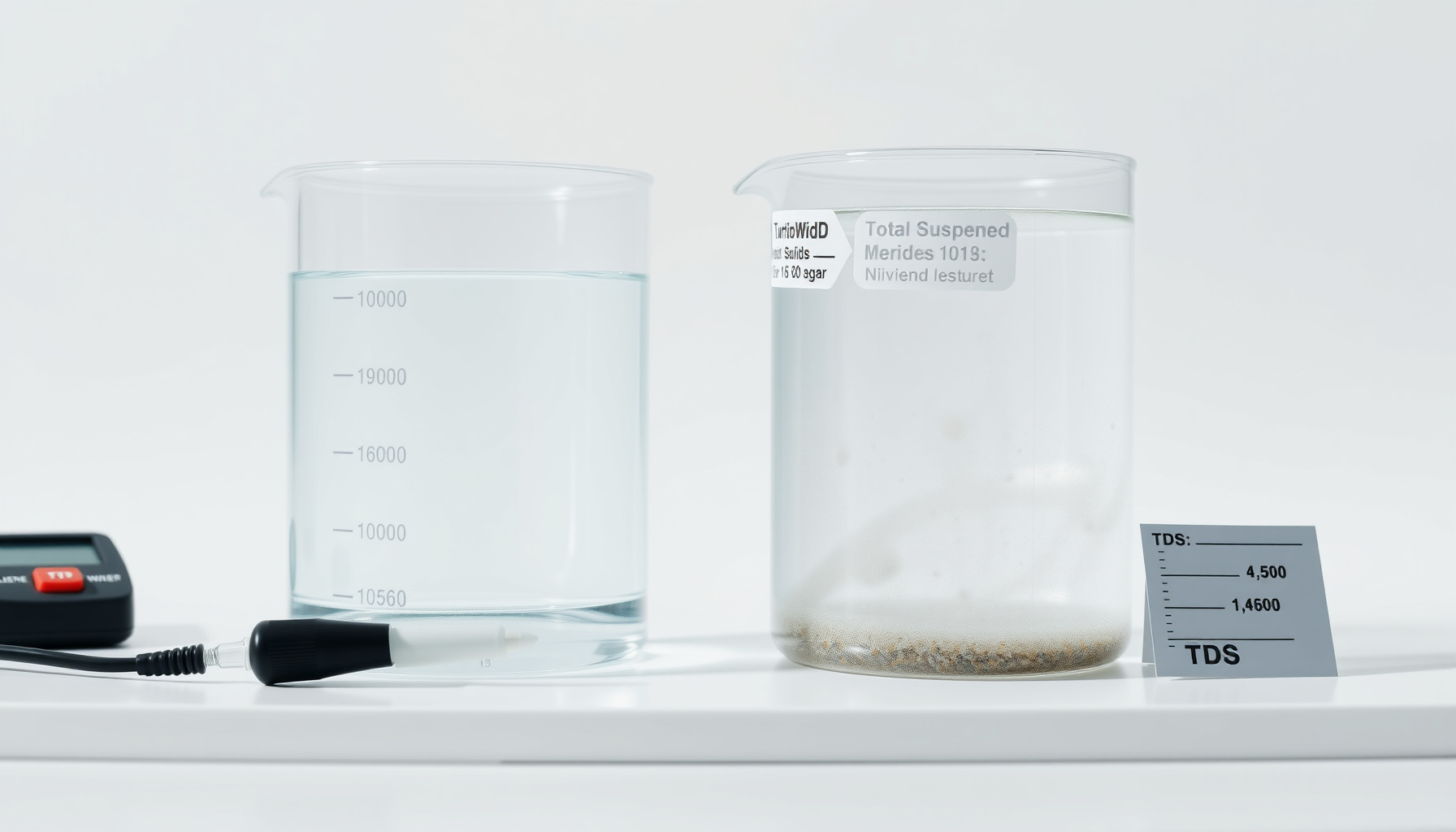
Here’s what most homeowners get wrong: they treat TDS — total dissolved solids — as the single number that tells them whether their water is safe or dirty. A high TDS reading sends people scrambling for reverse osmosis systems, while a low TDS reading gets treated like a clean bill of health. Neither assumption is
-
What Is Alkalinity in Water vs pH: The Difference Explained
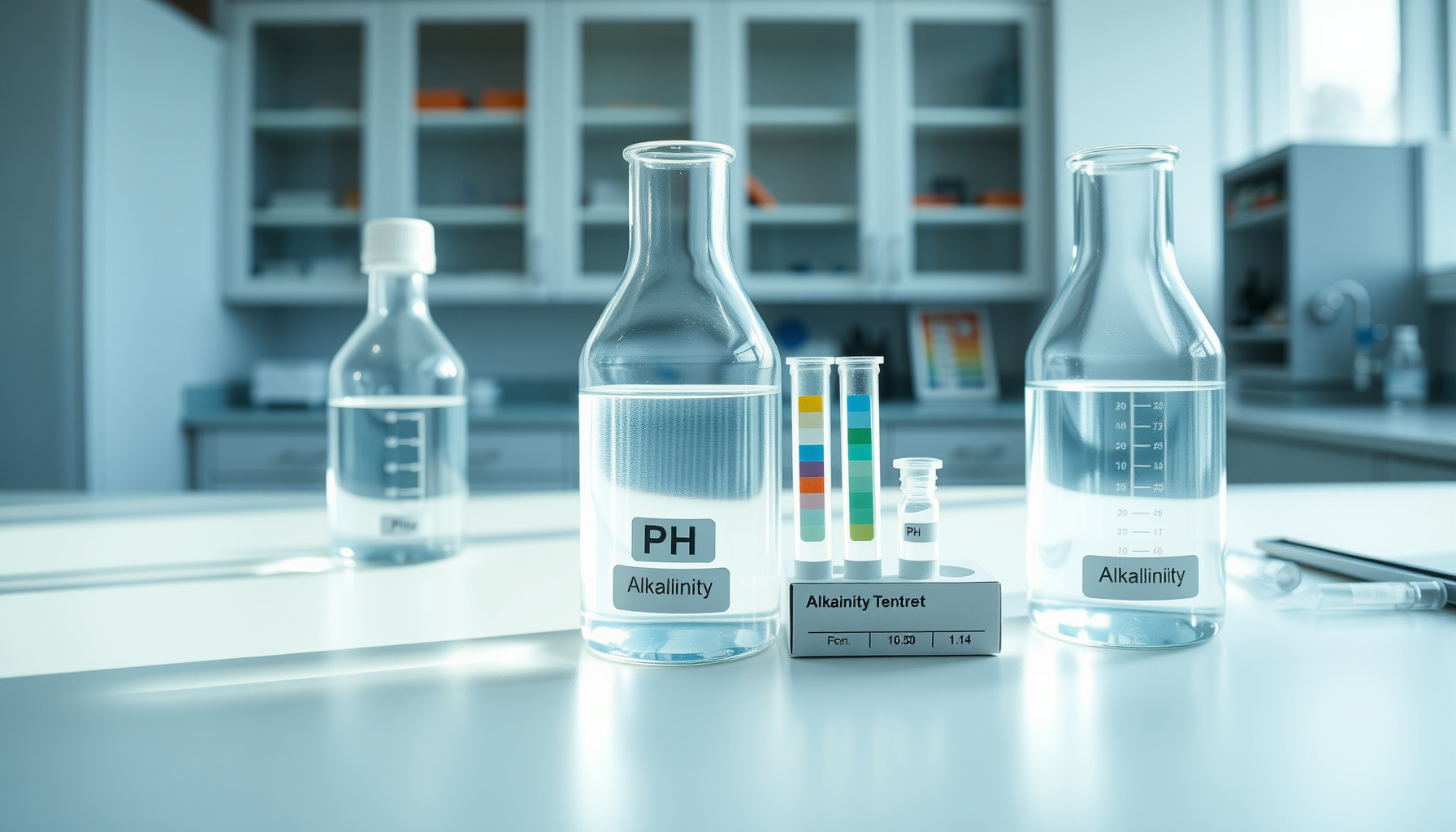
Here’s the thing most homeowners get wrong: they assume pH and alkalinity are basically the same measurement dressed up in different words. They’re not. pH tells you how acidic or basic your water is at a single moment in time. Alkalinity tells you how well your water resists changing that pH when something tries to
-
What Is a Community Water System vs Private Well?
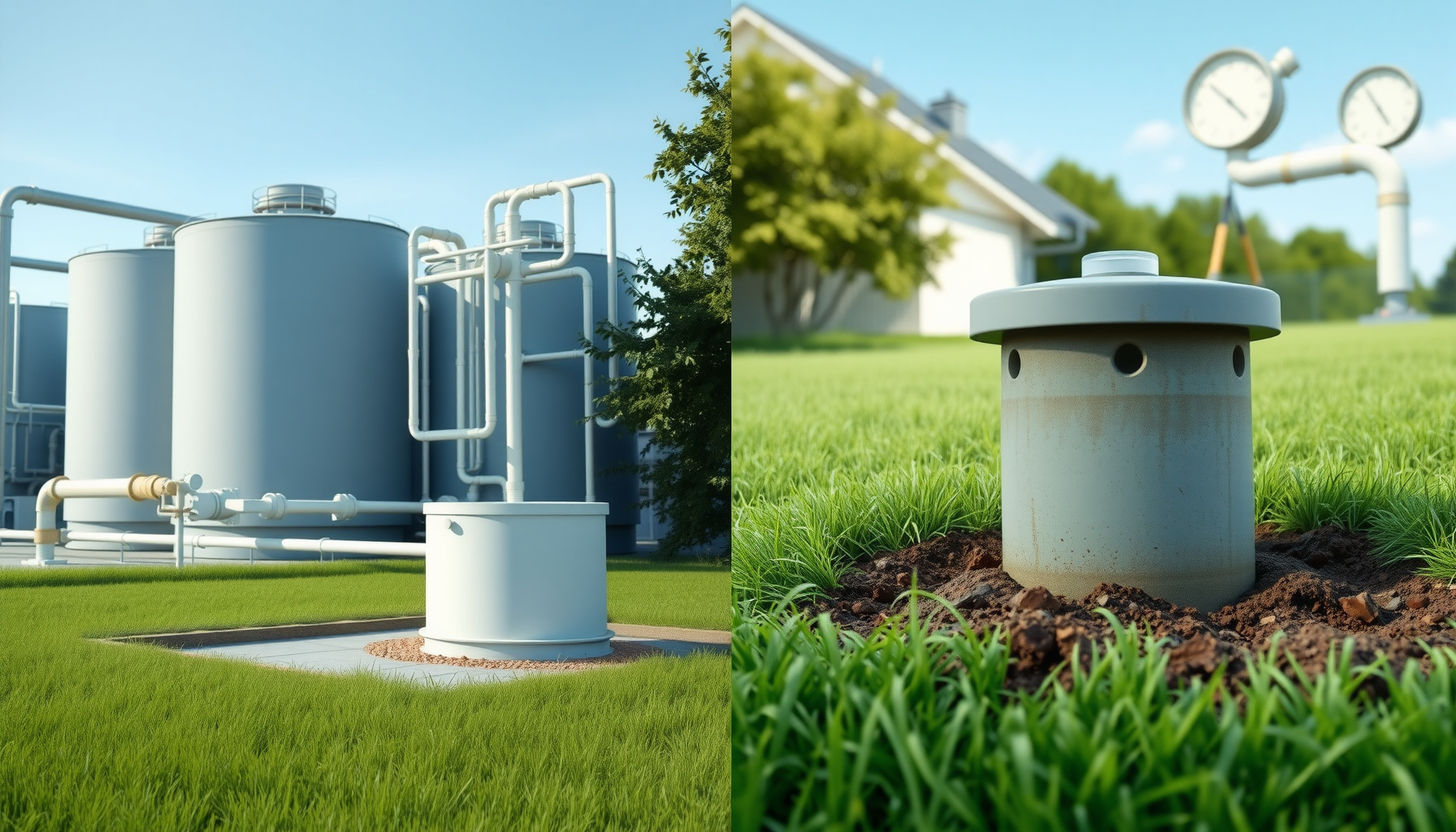
Here’s what most people get wrong about community water systems vs private wells: they assume regulated automatically means safer, and unregulated automatically means risky. That assumption leads homeowners to make genuinely bad decisions — skipping well testing because the water “looks fine,” or trusting a municipal report without understanding what it doesn’t measure. The truth


