
Latest posts
-
What Is the Safe Drinking Water Act: What It Covers and Gaps
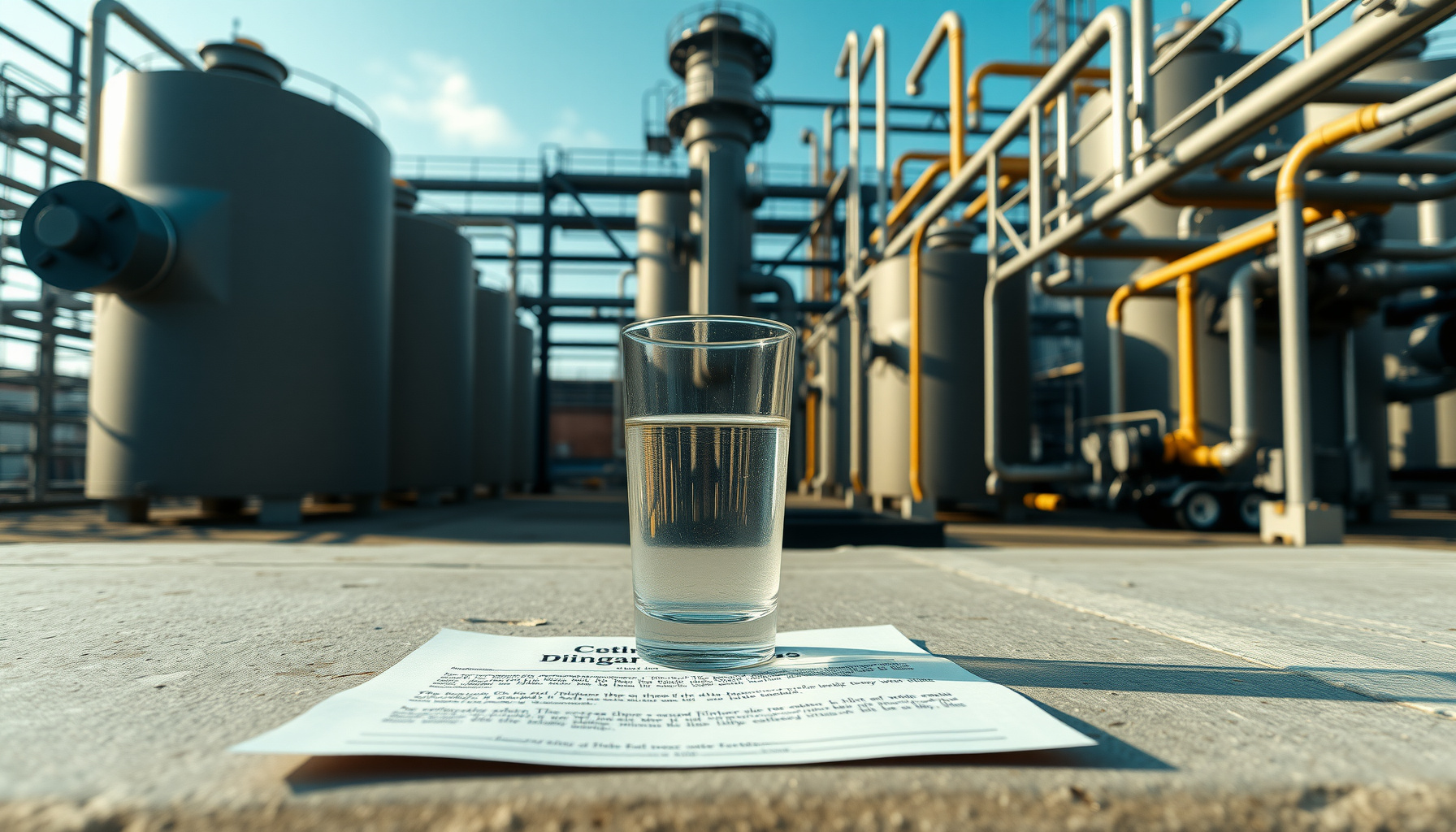
Here’s what most people get wrong about the Safe Drinking Water Act: they think it protects them. It doesn’t — not completely, and not in the way most homeowners assume. The SDWA sets legal limits for contaminants at the tap of your water system, not at your faucet. By the time water travels through aging
-
How Drought Affects Tap Water Quality in the US
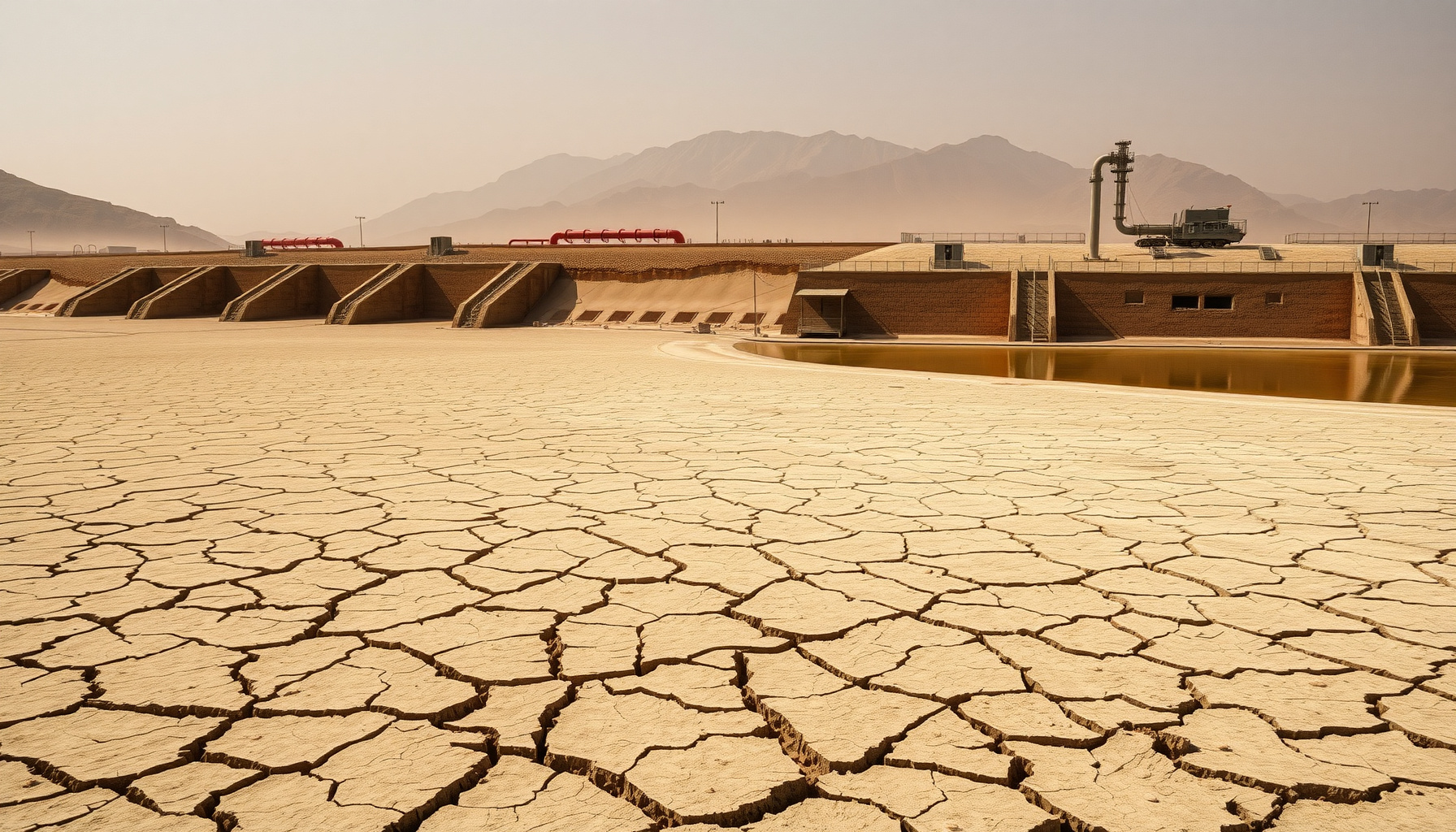
Here’s what most homeowners get wrong about drought and tap water: they assume that if their utility says the water is “safe,” drought hasn’t really touched what’s coming out of their tap. That assumption is almost always wrong — and sometimes dangerously so. Drought doesn’t just reduce water supply. It fundamentally changes the chemical and
-
Water Quality and Climate Change: What Homeowners Need to Know
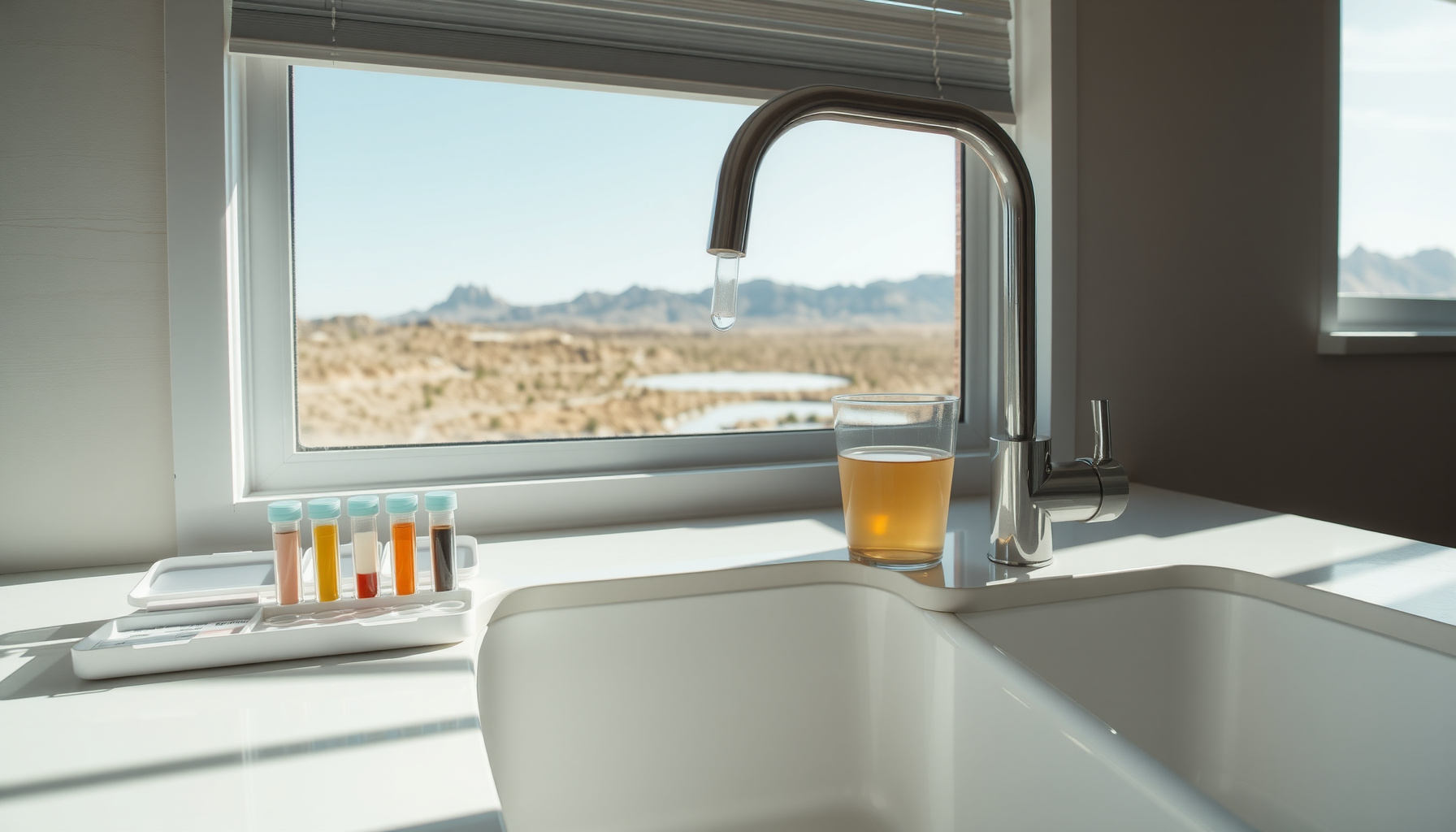
Here’s what most articles about water quality and climate change get completely wrong: they frame it as a future problem. Something that’ll matter in twenty years, after the glaciers melt and the sea levels rise. But the chemistry happening inside your pipes right now — today, this season — is already being shaped by shifting
-
How Aging Infrastructure Affects Your Drinking Water
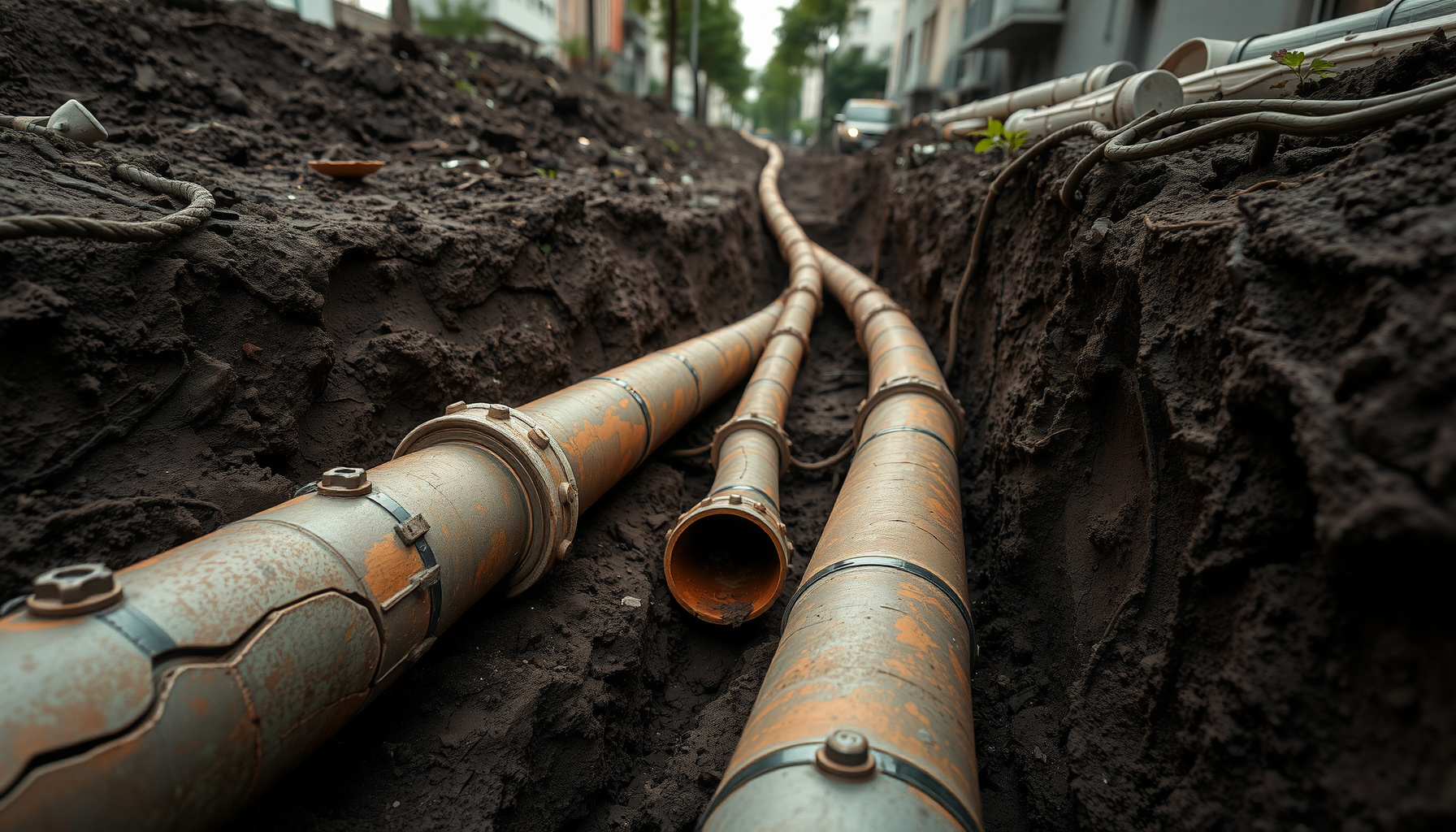
Here’s what most articles about aging infrastructure get completely wrong: they frame it as a distant, municipal problem — something that happens to cities with crumbling pipes under the streets, not to your house specifically. But the pipe that matters most to your drinking water quality isn’t the one two blocks away. It’s the one
-
How to Test a Water Filter to See If It’s Still Working
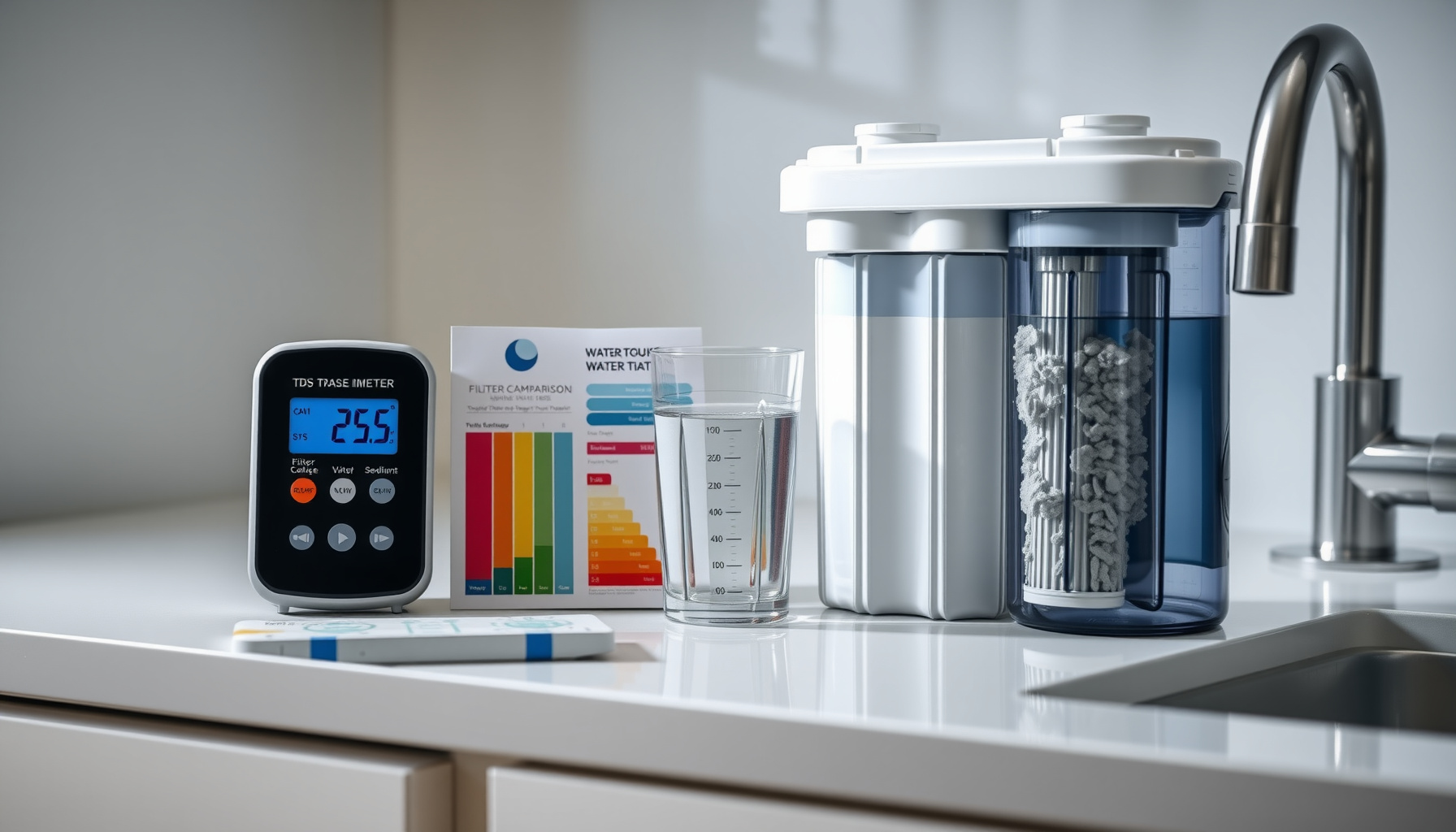
Here’s the thing most homeowners get completely wrong: they assume their water filter is either working or it isn’t — like a light bulb. But filters don’t fail all at once. They degrade slowly, quietly, and often without any obvious sign. Your water can look crystal clear, taste fine, and still be letting lead, chloramines,
-
What Is a Whole House Water Conditioner vs Softener vs Filter?
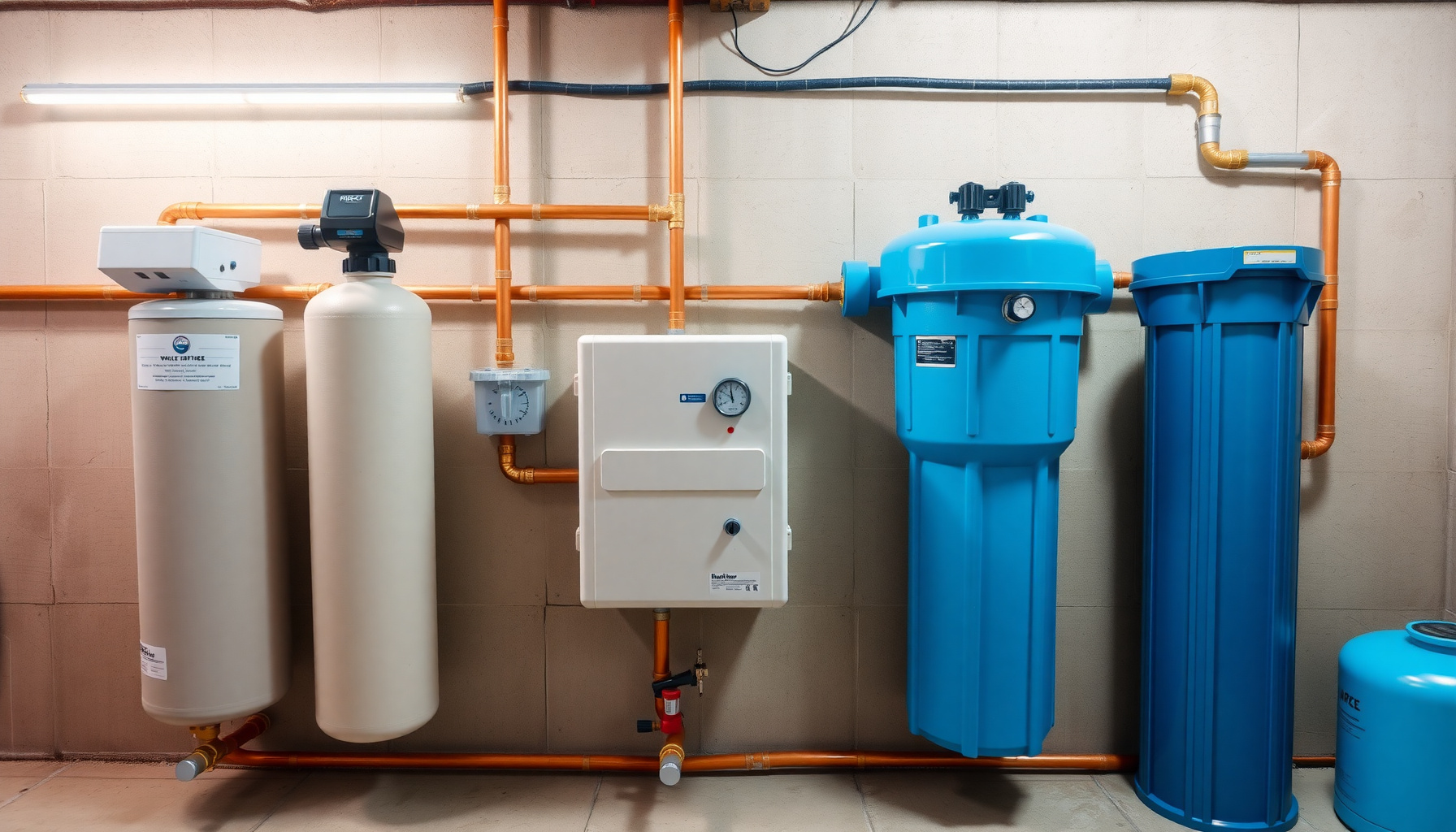
Here’s what most people get wrong: they treat “water conditioner,” “water softener,” and “whole house water filter” as three names for the same thing. They’re not. Buying the wrong one doesn’t just waste money — it can leave real contaminants in your water while you assume you’re protected. The uncomfortable truth is that marketing has
-
How to Find a Certified Water Testing Lab Near You
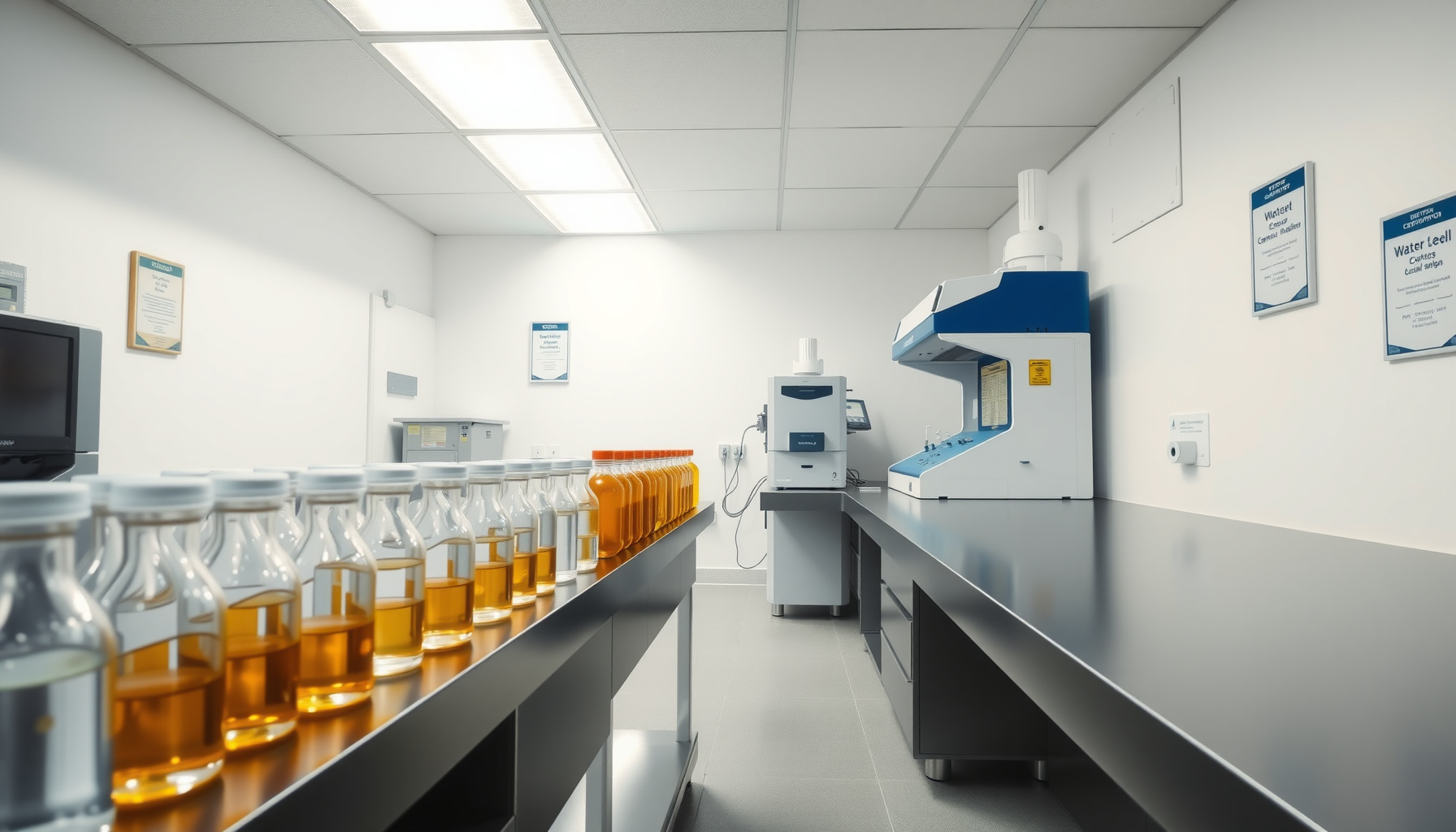
Here’s what most homeowners get completely wrong: they assume any lab that offers water testing is good enough. You search “water testing near me,” pick the first result, mail off your sample, and wait for a report. The problem? That lab might not be certified for the specific contaminants you actually need tested — and
-
What Is a Water Quality Certificate of Analysis and How to Read It
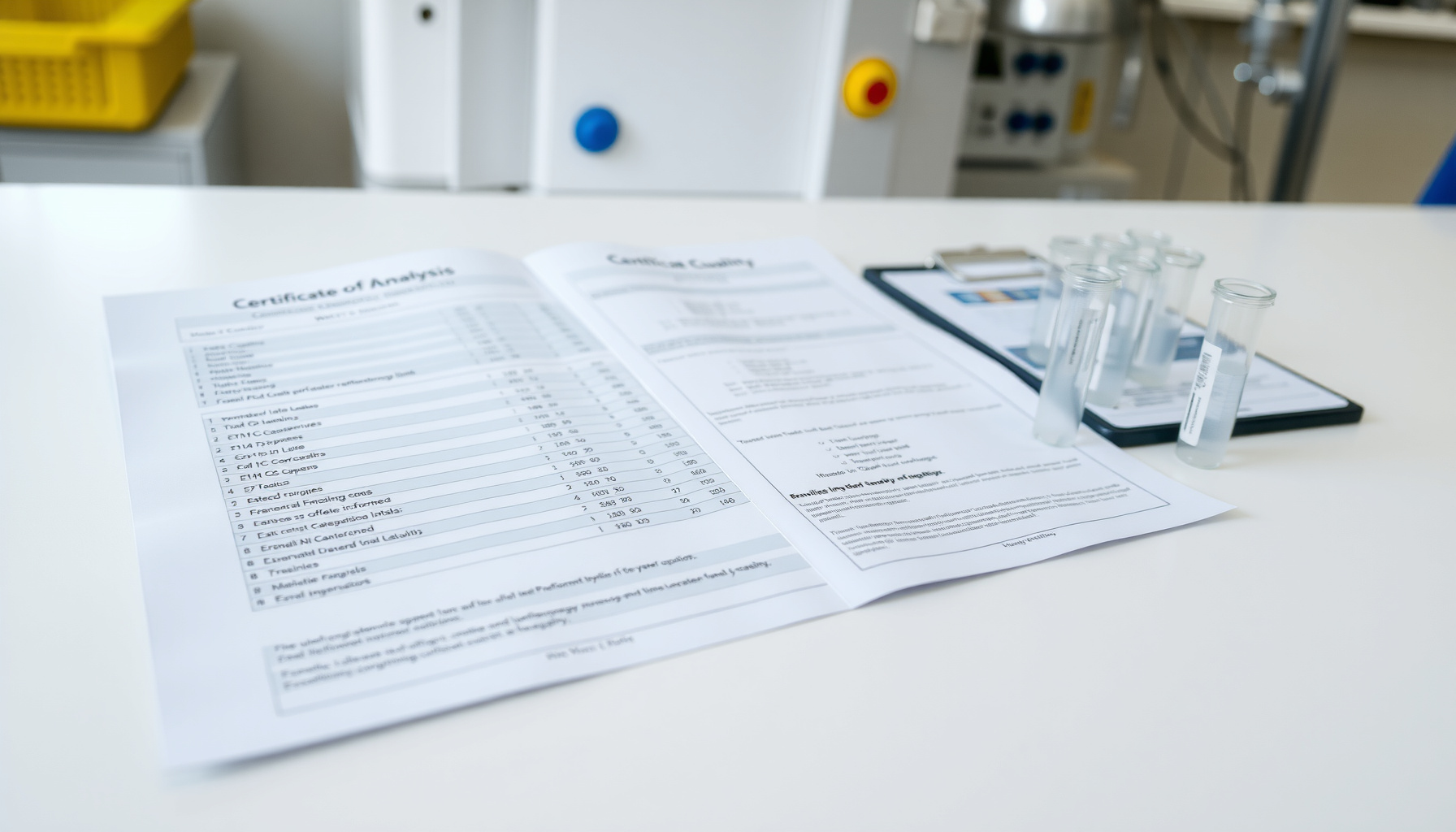
Most homeowners who receive a water quality certificate of analysis do one of two things: they scan it for a “pass” or “fail” label that doesn’t exist, or they file it away assuming someone official has already vetted every number on the page. Both instincts are wrong — and that gap between what people assume
-
What Is Hardness Creep in a Water Softener?
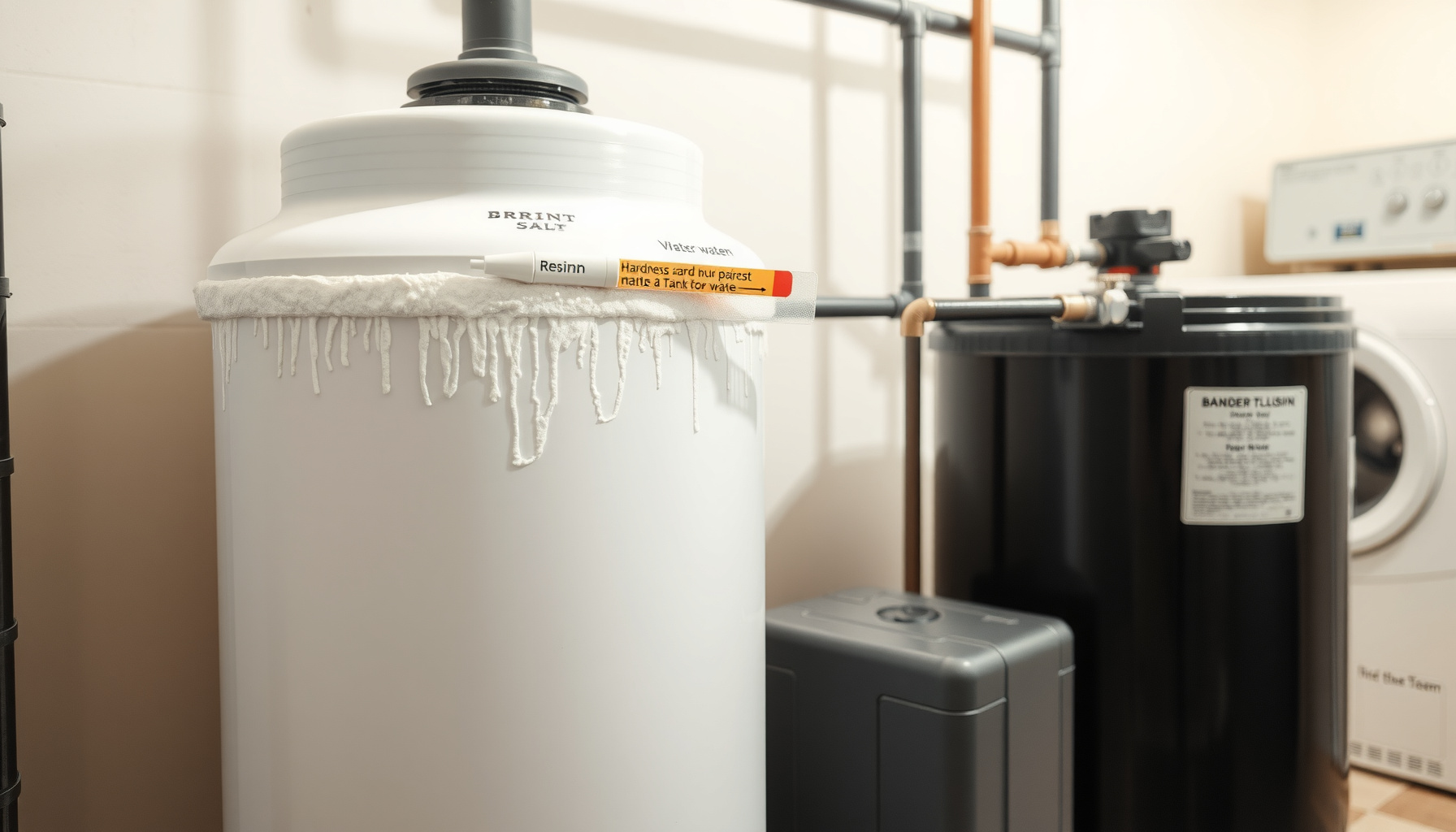
Your water softener is running, salt is in the tank, and everything looks fine — except your skin is still dry, there’s still scale building up on your faucets, and your soap still isn’t lathering the way it should. Most homeowners blame the unit itself, assume it’s broken, or call the installer. But the actual
-
How to Read a Water Bill: What the Usage Numbers Mean
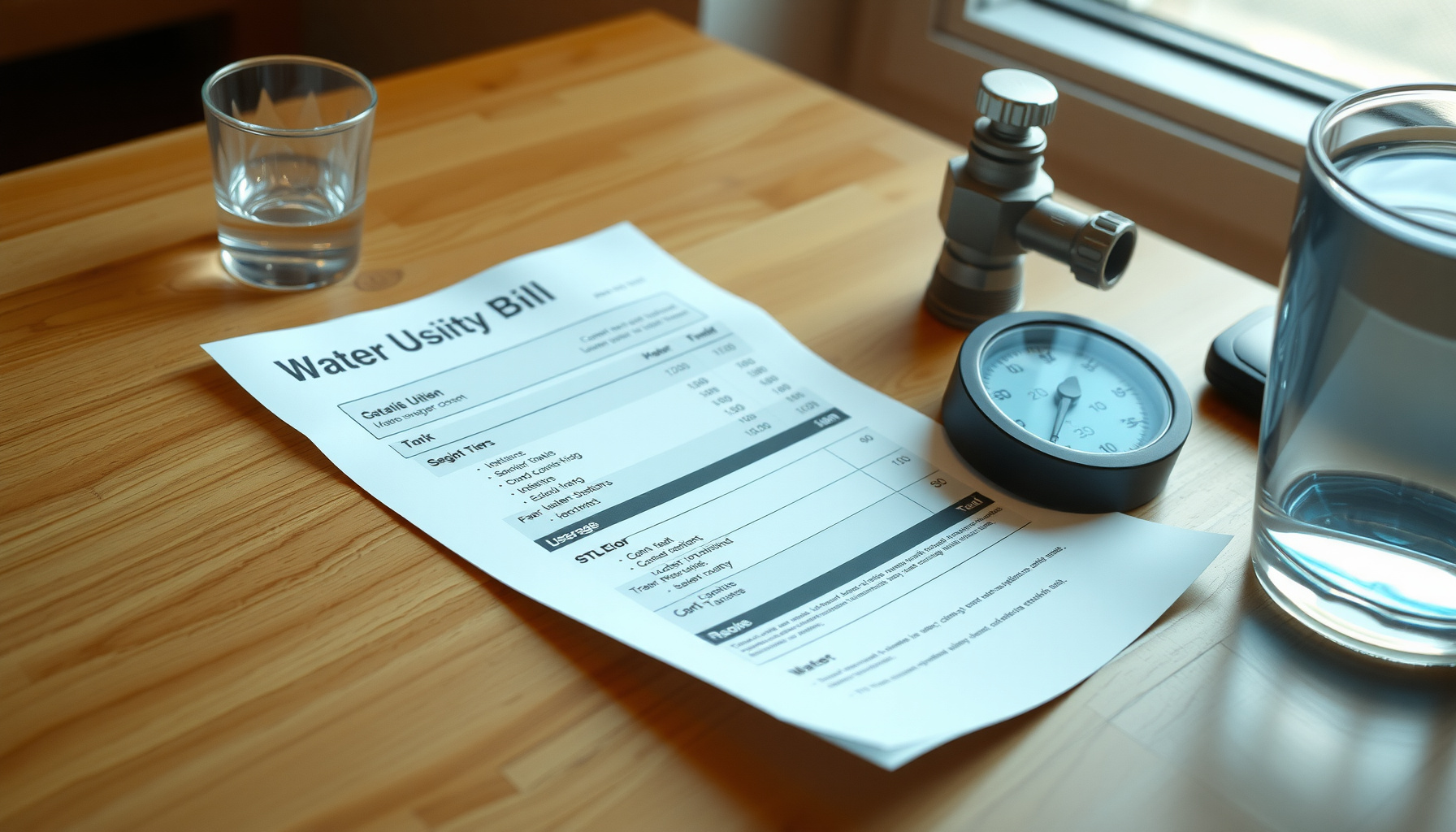
Here’s the thing most homeowners get completely wrong about their water bill: the usage numbers aren’t just about money. They’re one of the most overlooked early-warning systems for water quality problems hiding inside your home’s plumbing. A slow leak, a corroding pipe, a failing water softener — all of these show up in your consumption


