
Latest posts
-
PFOA vs PFOS vs GenX: Key Differences and Which Filter Removes Them
Here’s what most homeowners get completely wrong about PFAS chemicals in their water: they treat PFOA, PFOS, and GenX as basically the same problem with the same solution. They’re not. The filter that handles PFOA well might let GenX slip right through — and the water utility report that says your PFOA levels are below
-
Tap Water Quality in Las Vegas: Desert Water Problems Explained
Here’s what most people living in Las Vegas get completely wrong about their tap water: they think the problem is contamination. It’s not. Las Vegas tap water quality is actually quite good by federal standards — it consistently meets EPA guidelines, it’s tested constantly, and the Southern Nevada Water Authority (SNWA) runs one of the
-
Tap Water Quality in Atlanta: What Homeowners Should Know
Here’s what most Atlanta homeowners get wrong: they assume that because their water meets federal safety standards, it’s arriving at their tap in the same condition it left the treatment plant. It’s not. Atlanta’s water system delivers some of the cleanest treated water of any major U.S. city — but between the treatment plant and
-
Tap Water Quality in Detroit: Lead Pipes and What to Do
Here’s the thing most Detroit homeowners get wrong: they assume that if the city’s water treatment plant is doing its job, the lead problem is someone else’s problem. It’s not. The treatment plant can deliver perfectly clean water right up to the moment it enters your service line — and then everything changes. Detroit’s lead
-
Tap Water Quality in Seattle: Is It as Good as They Say?

Seattle’s tap water has a reputation that borders on legendary. City officials brag about it, locals swear by it, and visitors are often told to skip the bottled water because the tap is so good. That reputation isn’t entirely wrong — but it’s missing something important. The real story of Seattle tap water quality isn’t
-
Tap Water Quality in Denver: Rocky Mountain Water Facts
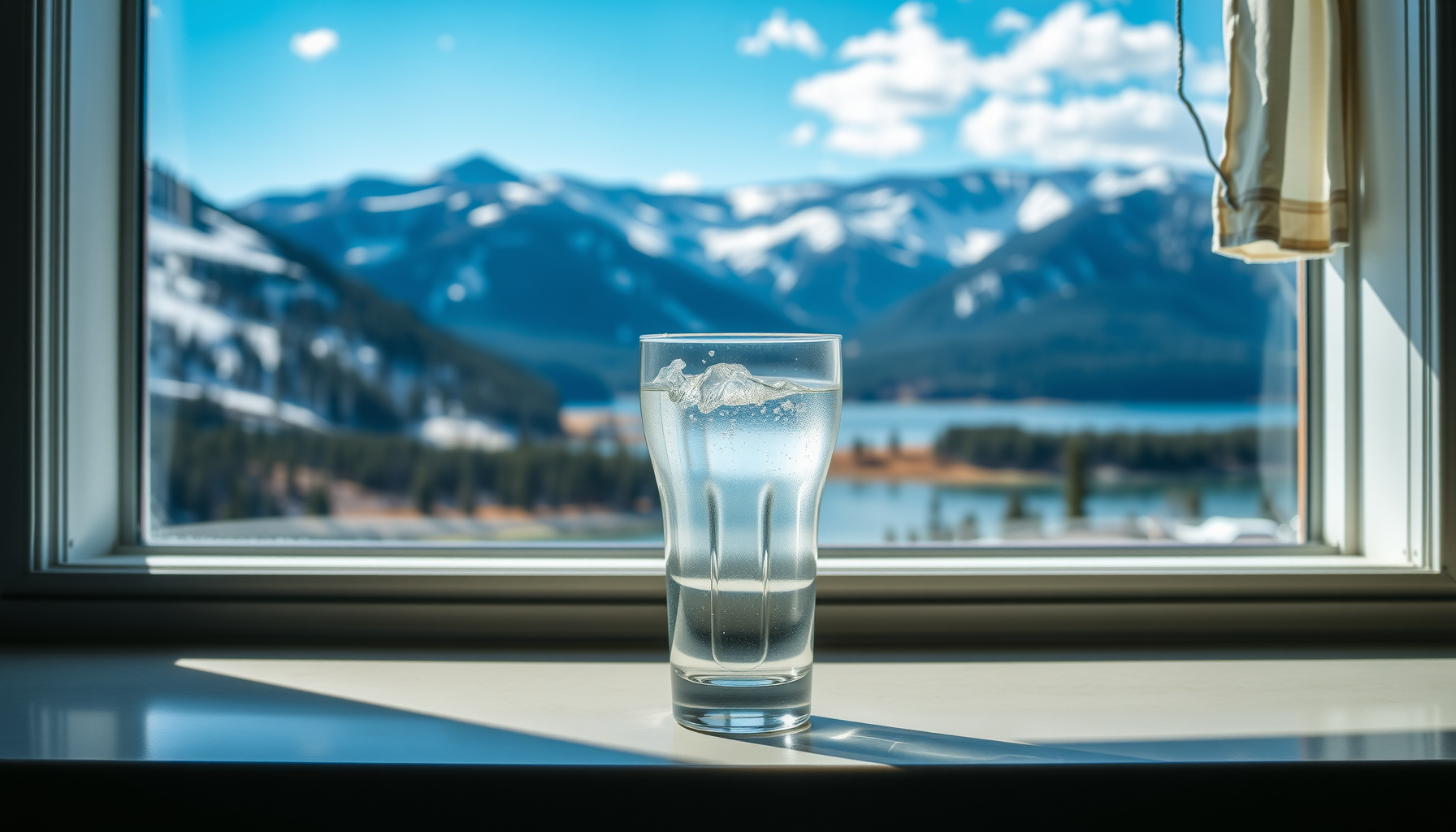
Here’s what most Denver homeowners get wrong: they assume that because Denver’s water comes from pristine Rocky Mountain snowmelt, it’s essentially perfect by the time it reaches the tap. That’s not quite right — and the real story is more interesting than the marketing version. Denver Water delivers reliably safe water that meets federal standards,
-
NSF Certification for Water Filters: What the Numbers Actually Mean
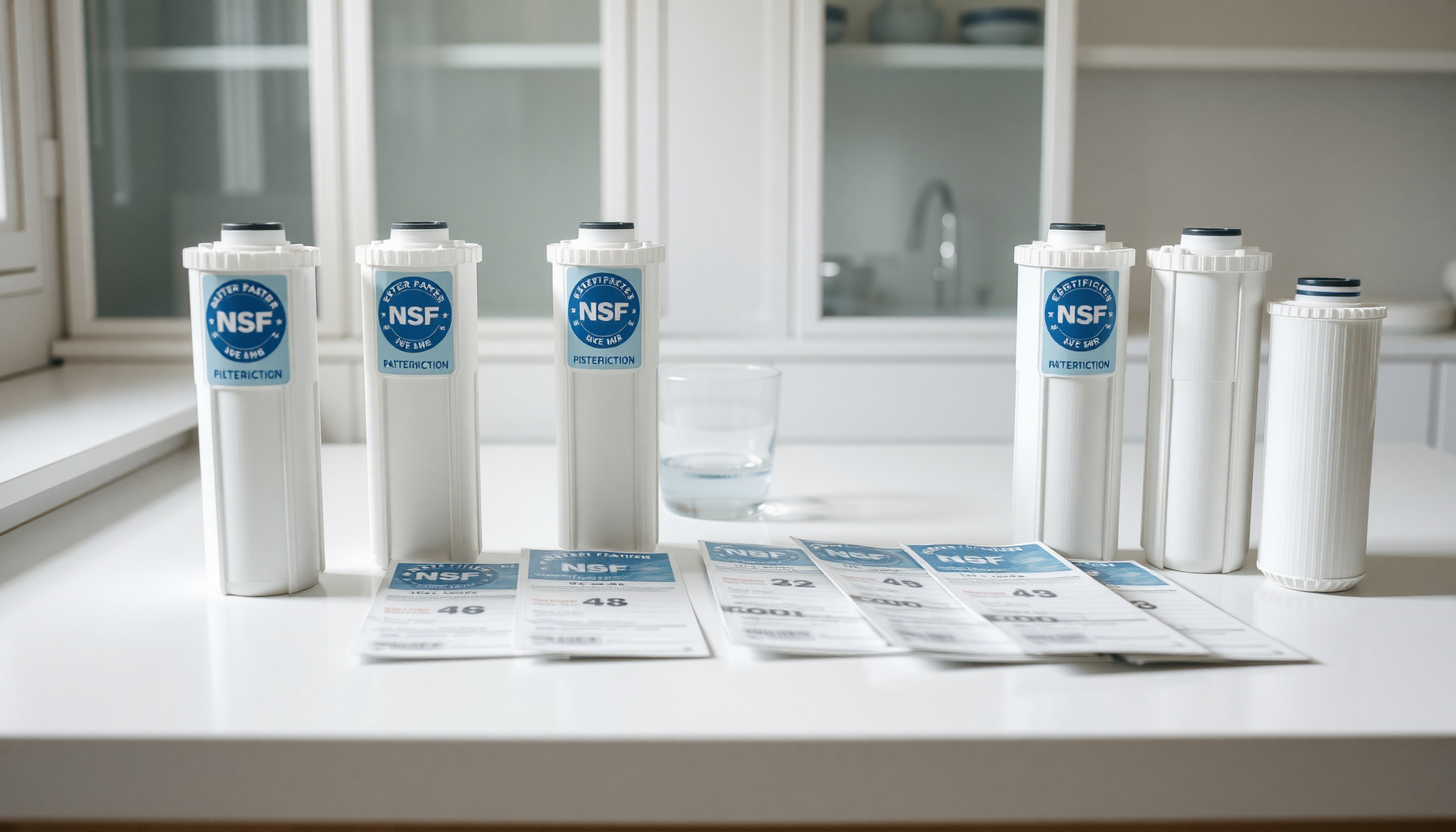
Here’s what most people get wrong about NSF certification: they treat it like a single seal of approval — a pass/fail stamp that means a filter either works or it doesn’t. So they buy a pitcher filter with an NSF logo on the box, assume they’re protected, and never think about it again. The problem
-
Salt-Based vs Salt-Free Water Softeners: Which Is Better?
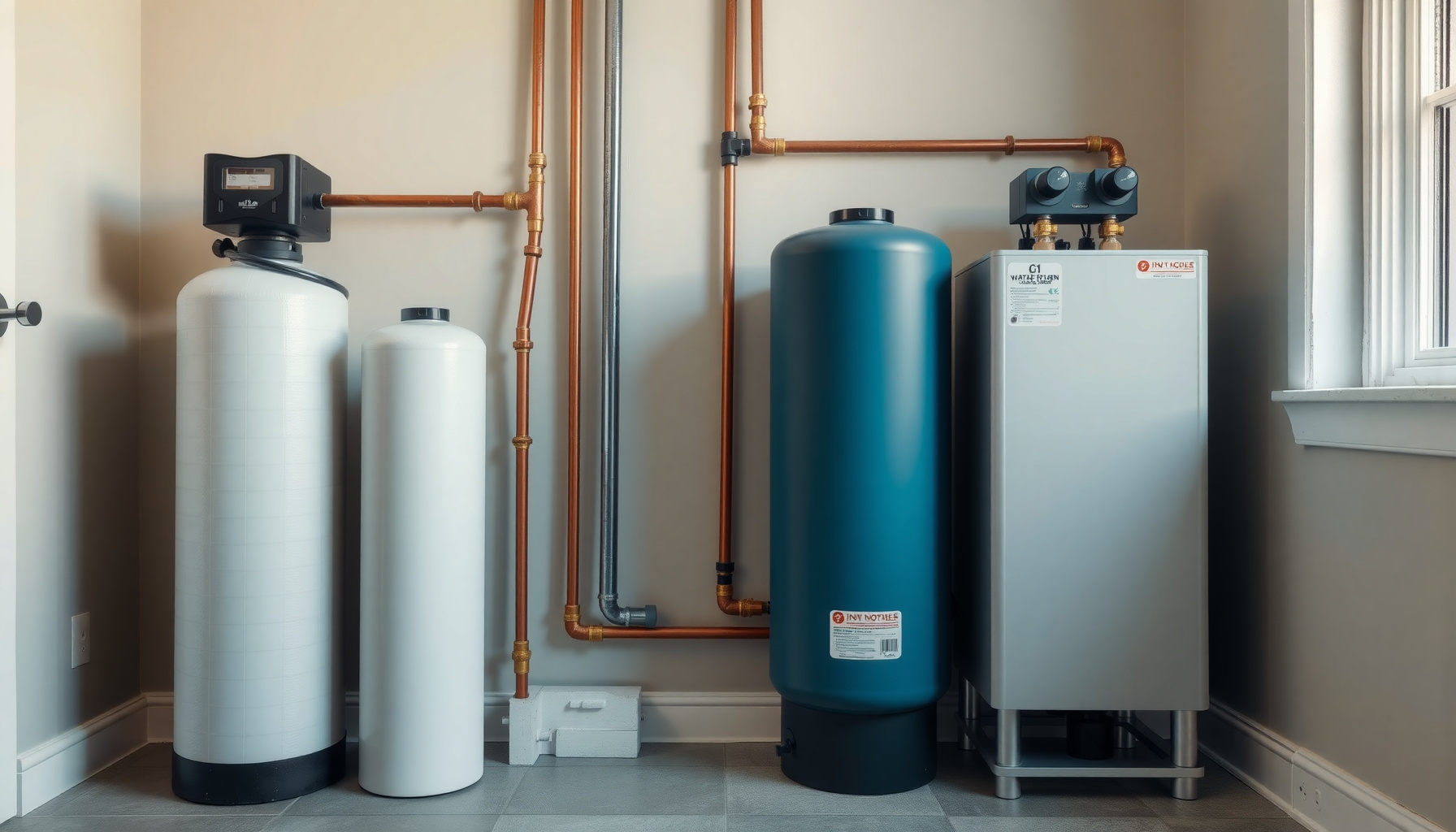
Here’s what most homeowners get completely wrong about this debate: they treat it like a product comparison when it’s really a water chemistry problem. Choosing between a salt-based and salt-free softener without first knowing your exact hardness level, your water’s mineral profile, and what you actually want the water to do — that’s like picking
-
Free vs Paid Water Testing: Which Option Is Right for You?
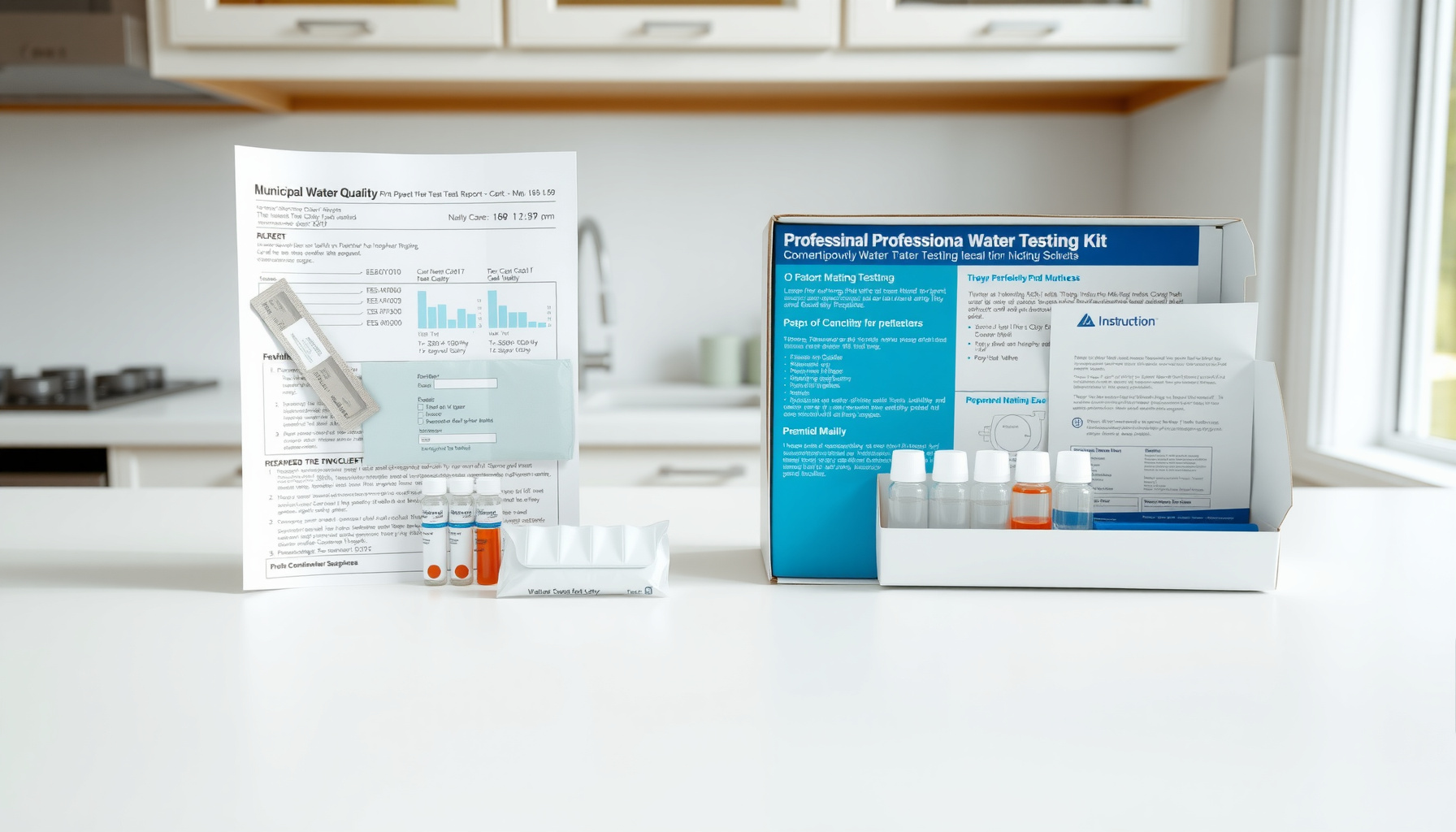
Here’s what most homeowners get completely wrong: they treat free water testing as a “starter option” and paid testing as the “serious” choice. The reality is almost the opposite. Free testing from a water softener company or a filter salesperson is often designed to find problems — whether they exist or not. Meanwhile, a $30
-
Is Carbonated Water From a SodaStream as Safe as Tap Water?
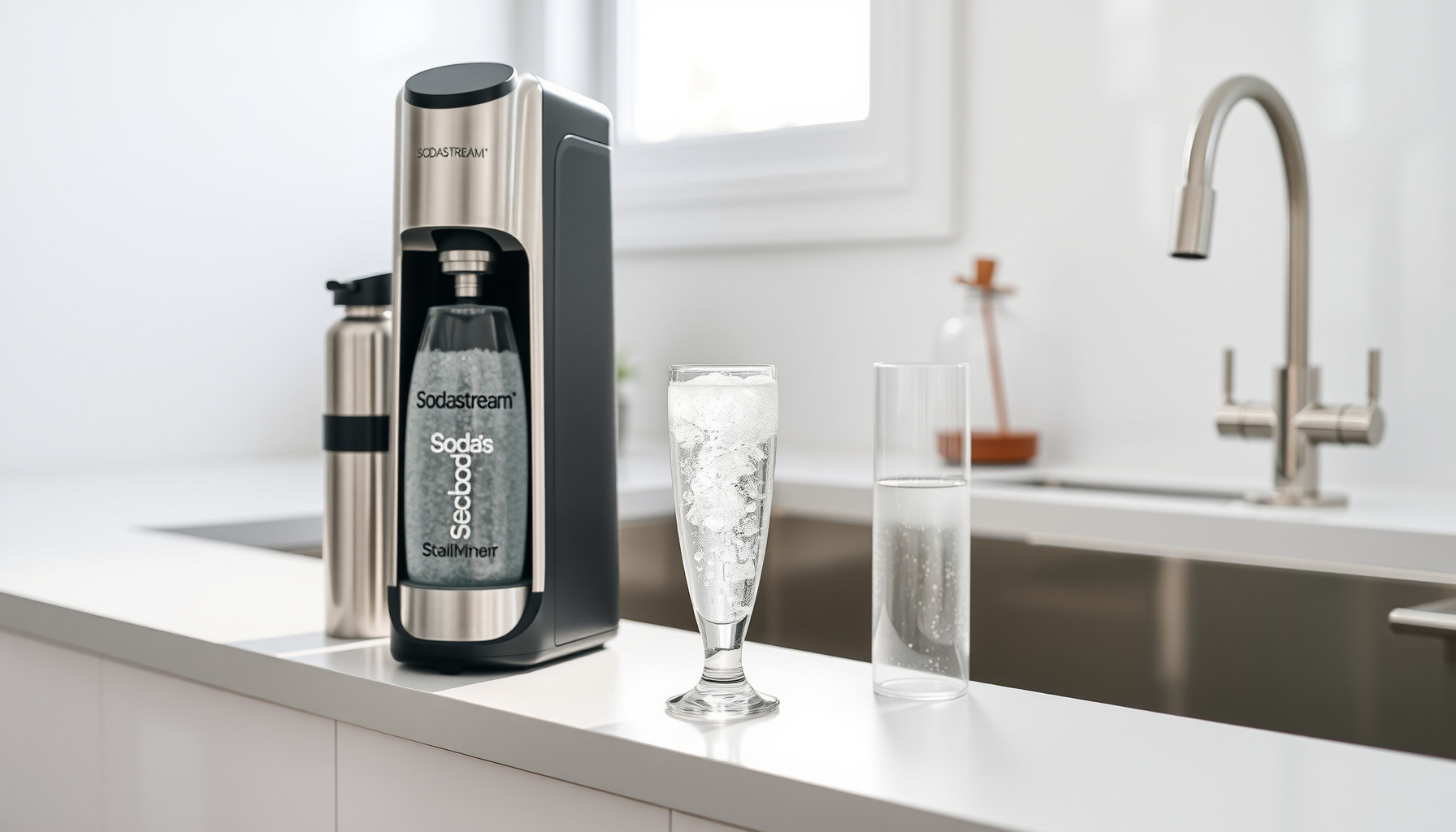
Here’s what most people get wrong about SodaStream safety: they assume the question is about carbonation. It’s not. Carbon dioxide gas is inert, harmless, and doesn’t change the chemical makeup of your water in any meaningful way. The real question — the one almost nobody asks — is whether the tap water you’re pouring into


