
Latest posts
-
Tap Water Quality in Miami: What Residents Need to Know
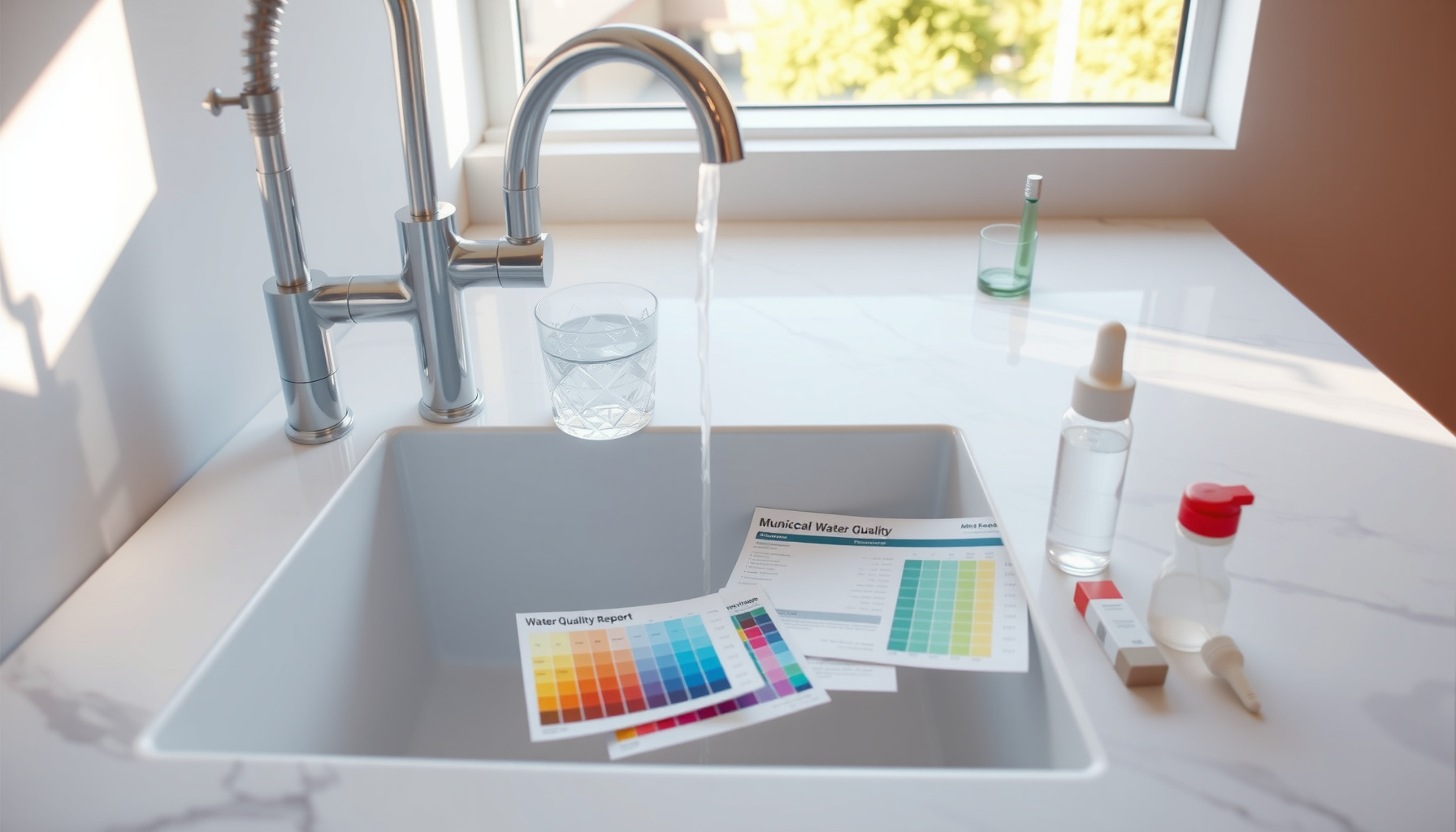
Here’s what most Miami residents get wrong about their tap water: they assume that because Miami-Dade Water and Sewer passes federal standards, the water arriving at their tap is essentially the same water that left the treatment plant. It isn’t. The real story of Miami tap water quality isn’t about whether the utility is doing
-
Tap Water Quality in Los Angeles: What the Reports Show
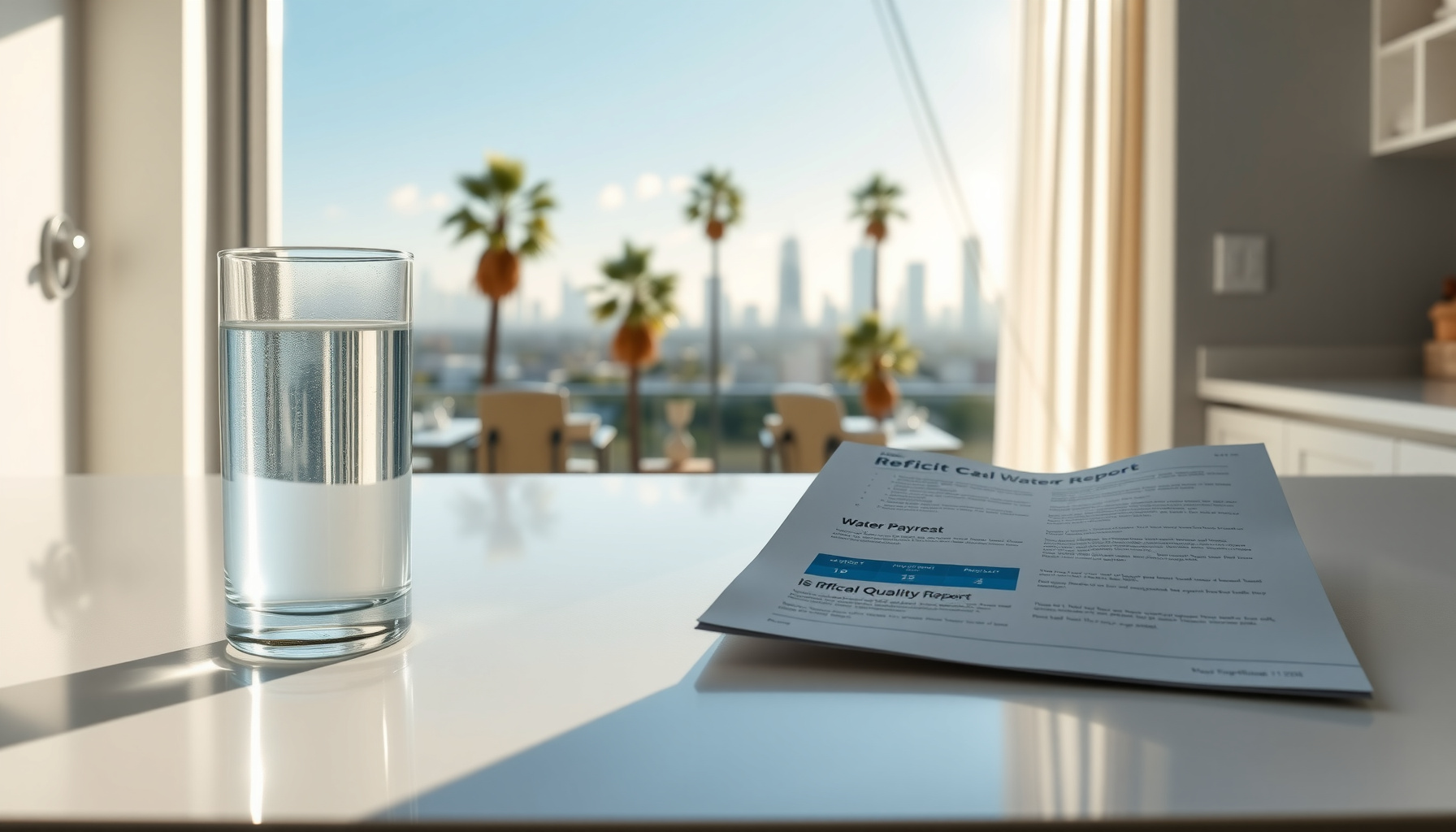
Here’s what most Los Angeles homeowners get wrong about their tap water: they assume that because LADWP publishes a passing annual water quality report, the water arriving at their tap is the same water that left the treatment plant. It isn’t — and that gap between “compliant at the source” and “what actually comes out
-
Tap Water Quality in Phoenix: Hardness, Arsenic and PFAS
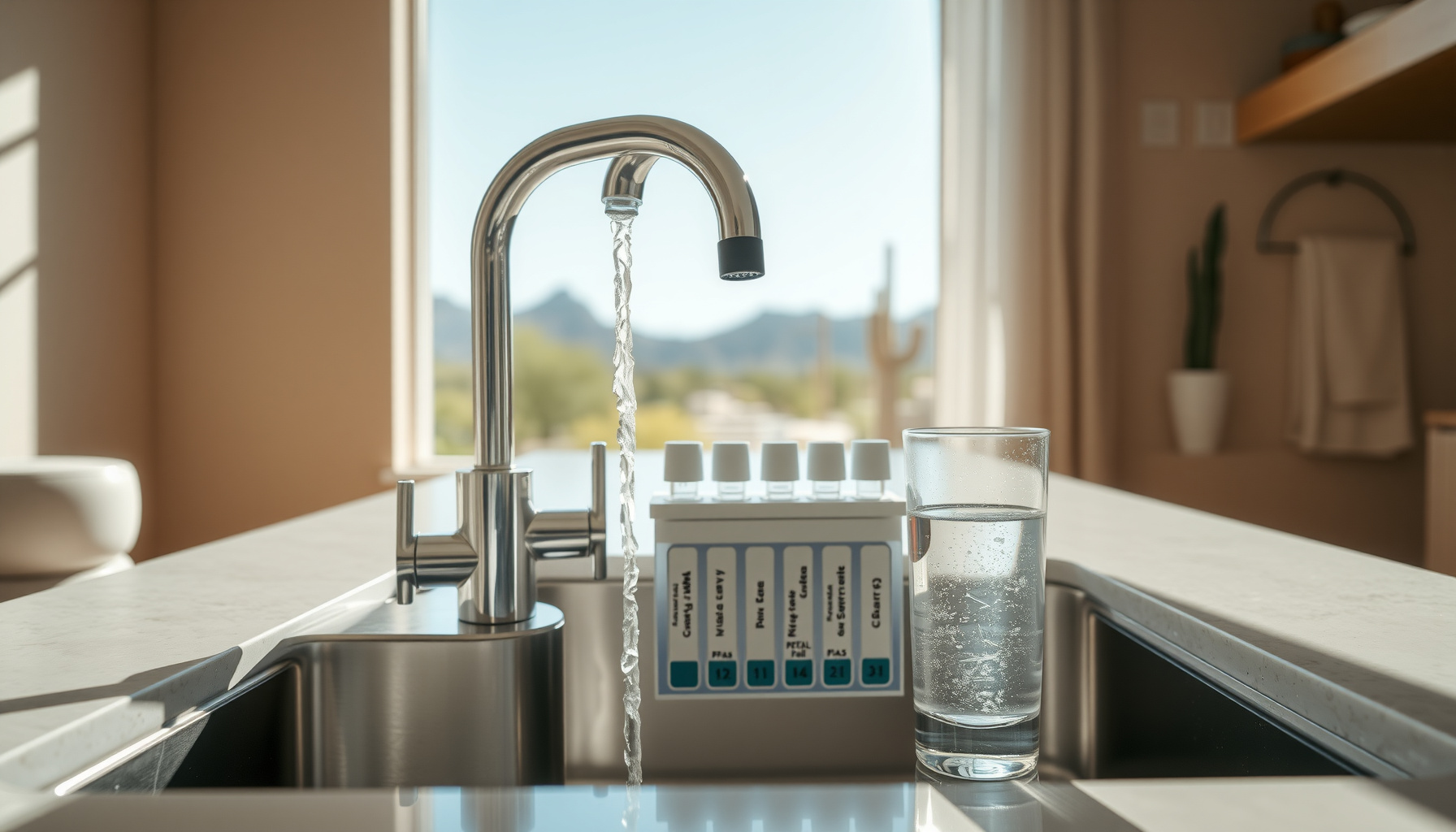
Here’s what most Phoenix homeowners get wrong: they assume that because their water meets federal safety standards, it’s essentially the same as water anywhere else in the country. It isn’t. Phoenix tap water carries a specific chemical fingerprint — shaped by its desert geology, its reliance on Colorado River water blended with Salt River Project
-
Houston Tap Water Quality: Hard Water and Contaminants Explained
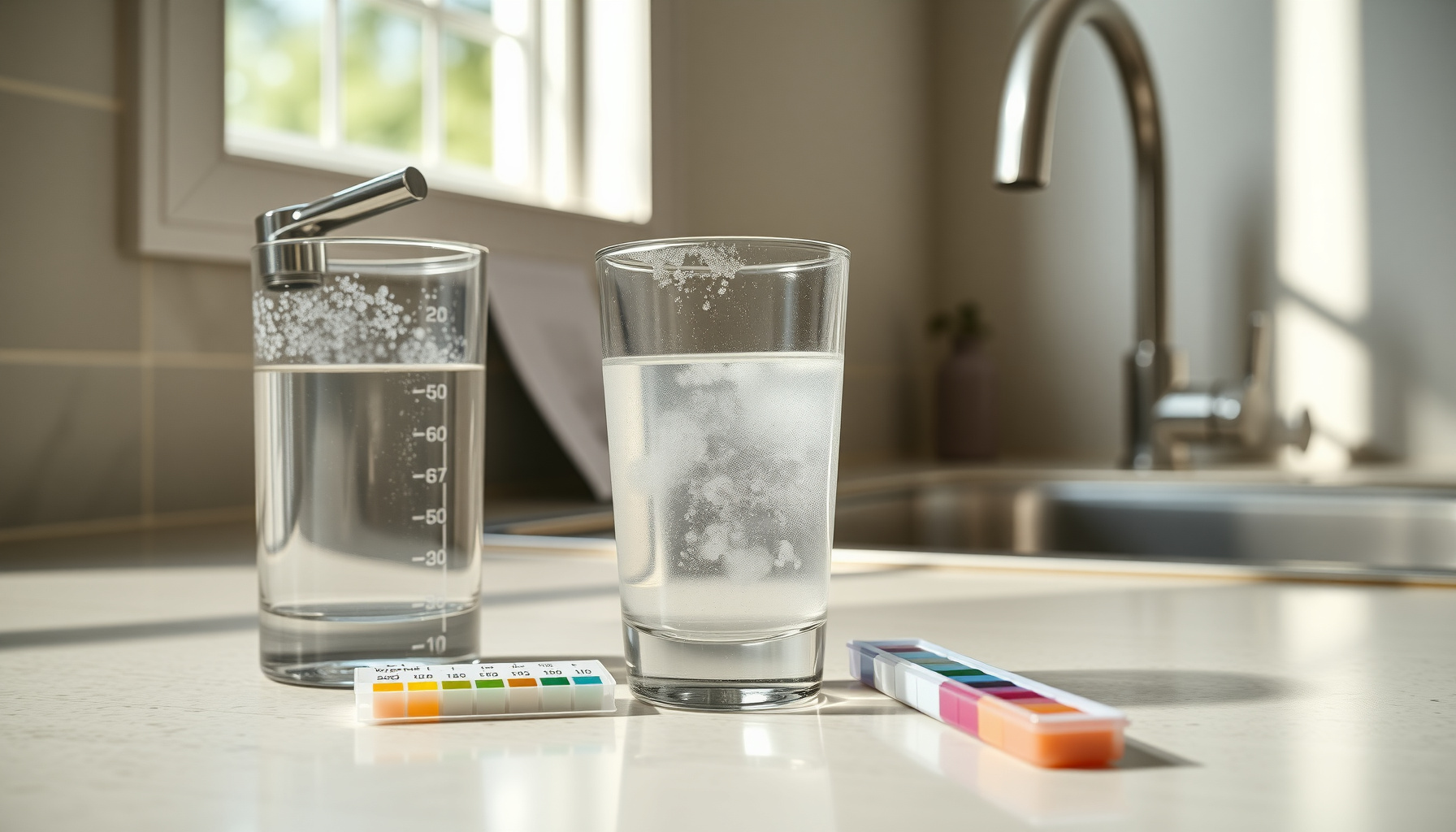
Here’s what most Houston homeowners get wrong: they assume their water is either “safe” or “unsafe,” and once the city tells them it passed federal standards, they stop thinking about it. But Houston’s water situation is messier than a pass/fail grade suggests. The city pulls from two distinct sources — surface water from the Trinity
-
Tap Water Quality in Chicago: What Residents Need to Know
Here’s what most Chicago residents get completely wrong about their tap water: the treatment plant isn’t the problem. Chicago’s water treatment at Jardine and South water filtration plants is genuinely excellent — consistently meeting or exceeding federal standards for treated water quality. The real threat is what happens after the water leaves the plant and
-
Private Well Owners’ Legal Responsibilities: What the EPA Doesn’t Cover
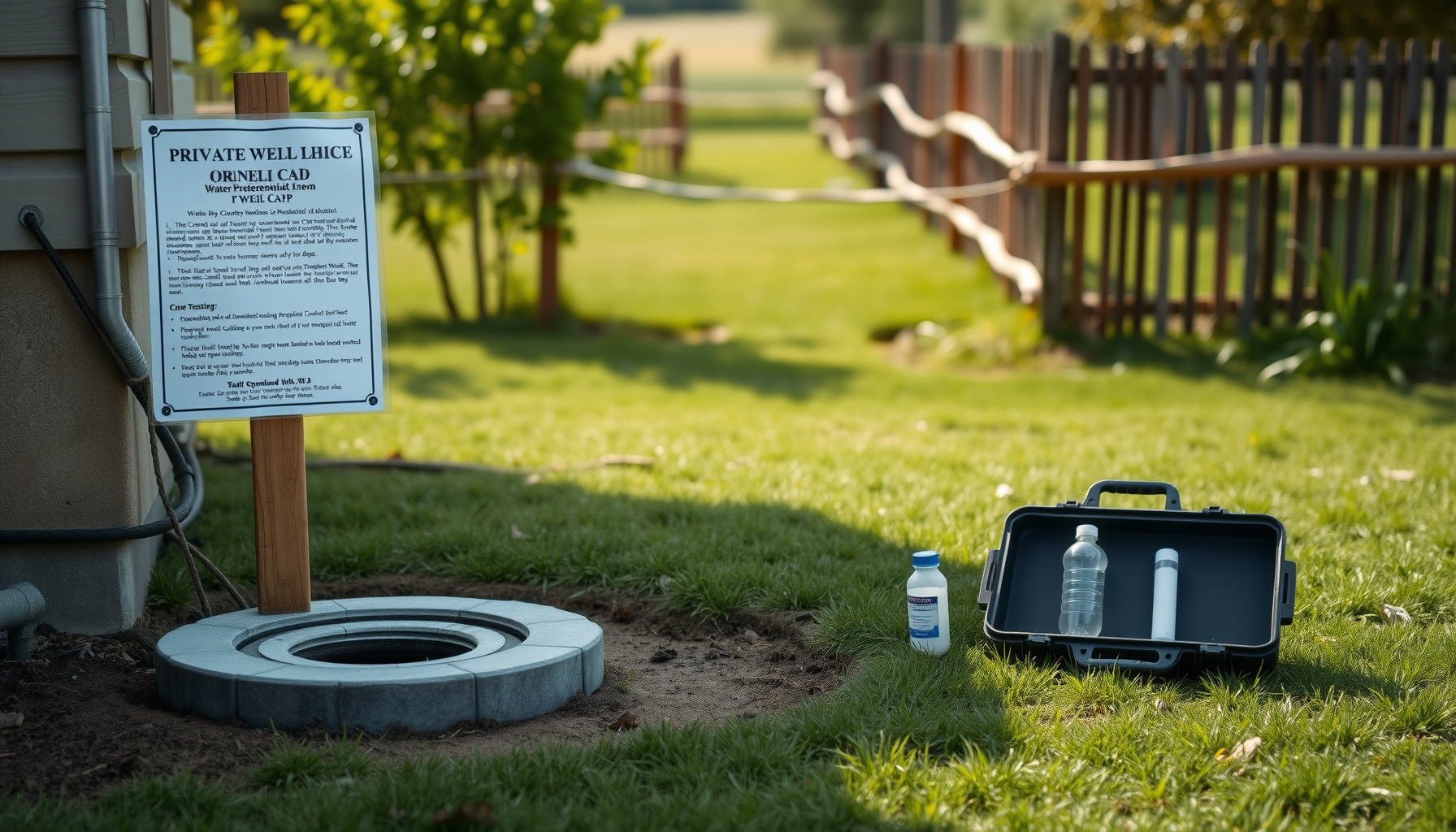
Here’s what most private well owners get completely wrong: they assume that because the EPA sets the rules for public water systems, those same protections somehow extend to their property. They don’t. The Safe Drinking Water Act explicitly exempts private wells serving fewer than 25 people, which means roughly 43 million Americans are drinking water
-
EPA Drinking Water Standards Explained: What Each MCL Actually Means
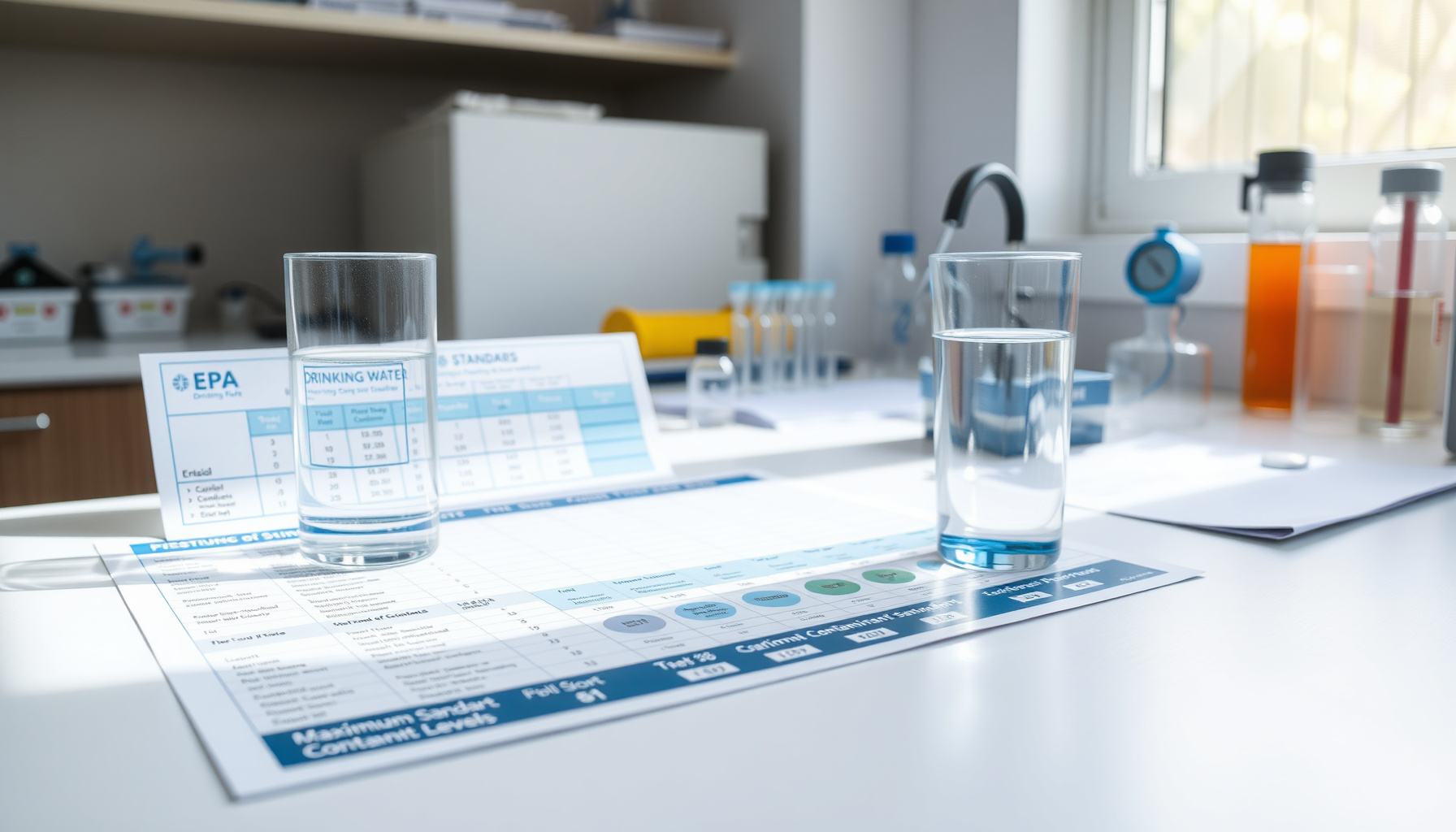
Here’s what most homeowners get wrong about EPA drinking water standards: they assume that if their water meets the legal limit, it’s perfectly safe to drink. That assumption is baked into how we talk about MCLs — Maximum Contaminant Levels — but it’s not quite accurate, and understanding why changes how you think about your
-
Water Heater Anode Rod Replacement: Why It Matters for Water Quality
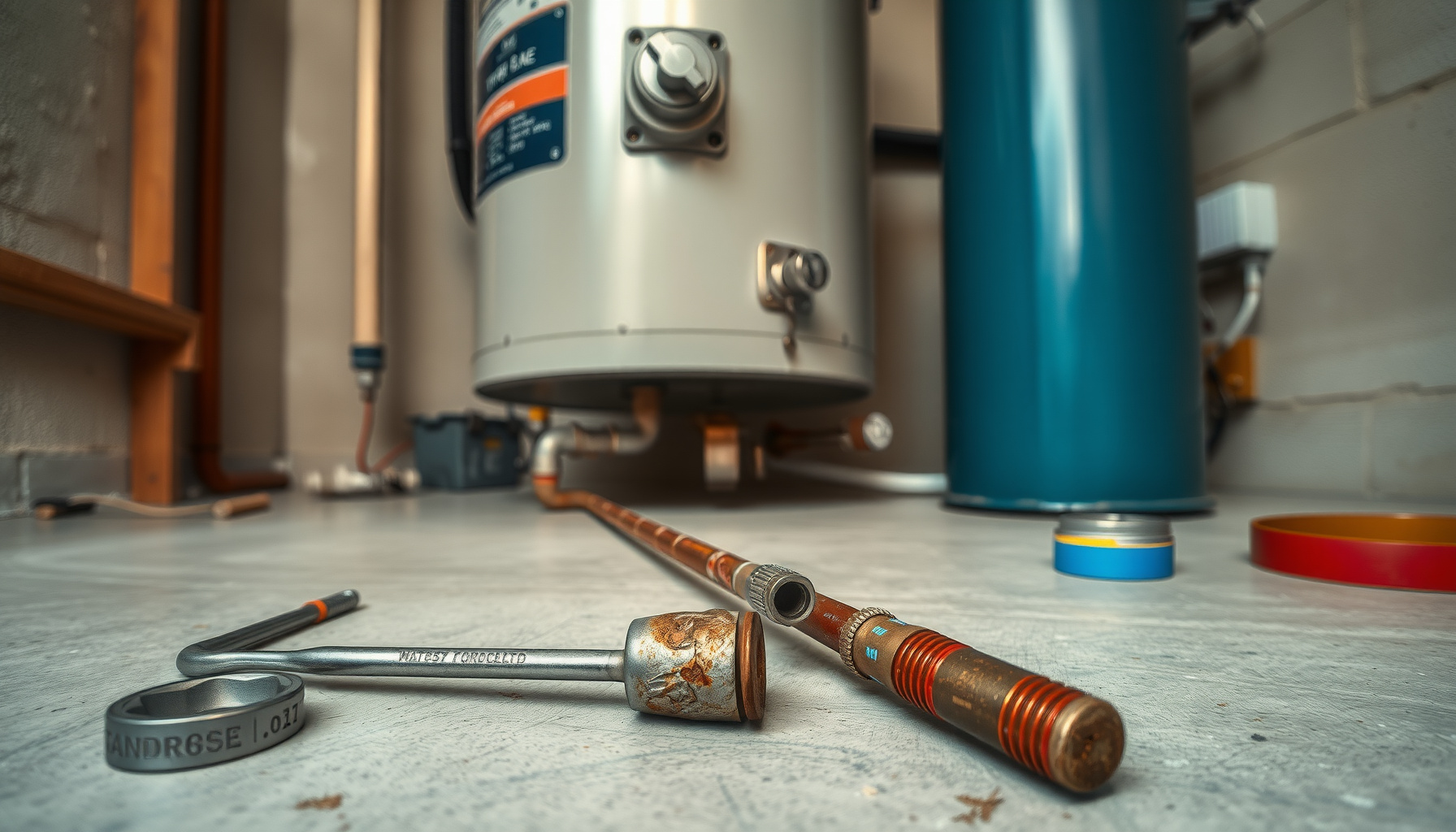
Here’s what almost every article about anode rods gets wrong: they frame it as a plumbing maintenance task. Replace the rod, extend your tank’s life, done. But the real story — the one that actually matters for your family — is about what a failing anode rod does to the water coming out of your
-
Garden Hose Water Quality: Is It Safe for Drinking and Pets?
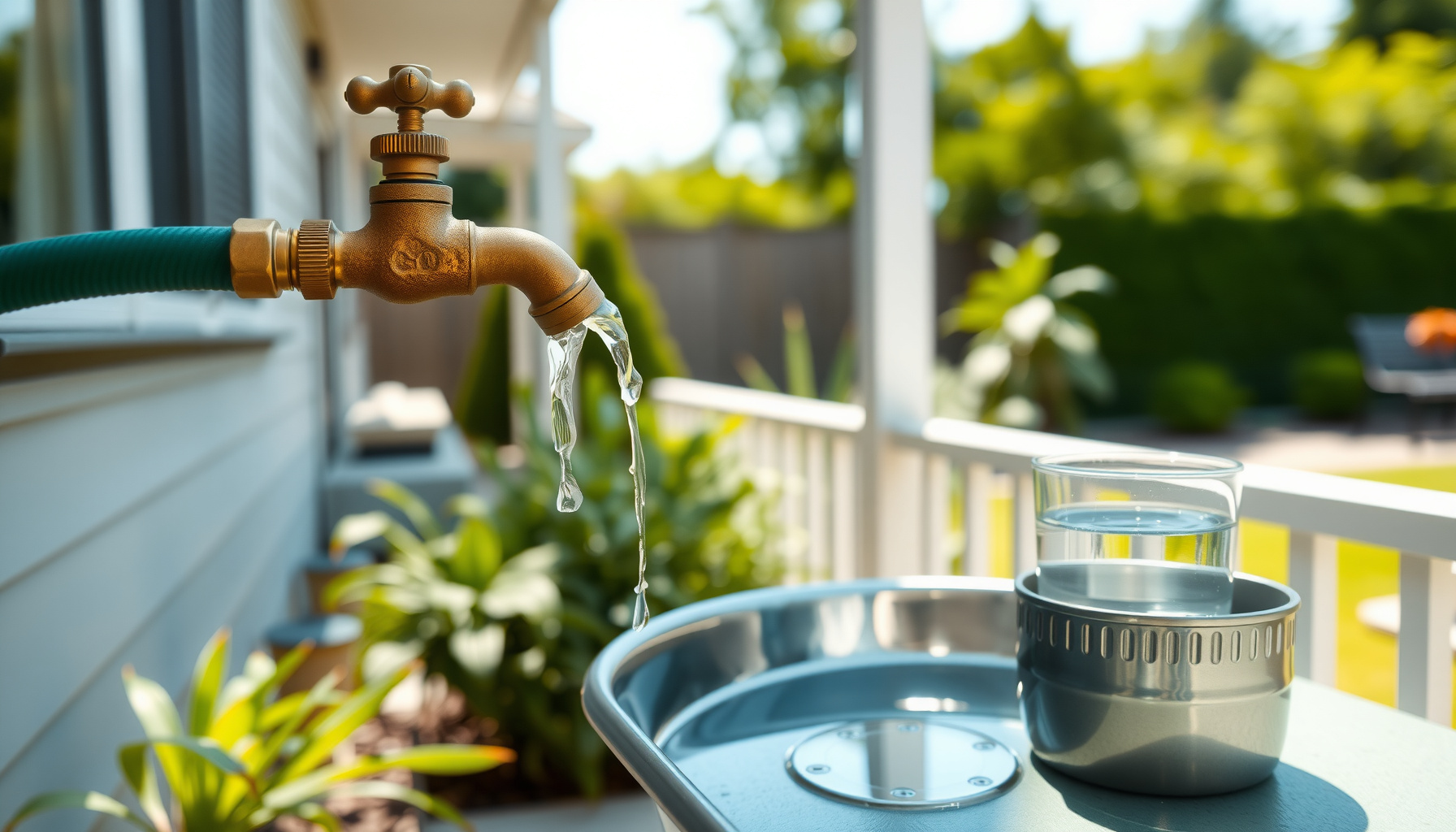
Here’s what most people get completely wrong about garden hose water: they assume the water coming out of the hose is the same water coming out of their kitchen tap. It isn’t — and that difference matters a lot more than most homeowners realize. The hose itself, the fittings, the brass connectors, and the material
-
Hard Water and Pool Water Chemistry: How It Affects Your Pool

Here’s what most pool owners get completely wrong: they think hard water is primarily a scale problem. Scrub off the white crust around the waterline, toss in some chemicals, and move on. But the real damage from hard water in pools is happening at the chemical level — silently throwing off your water balance in


