
Latest posts
-
Tap Water Quality in New Jersey: What Residents Need to Know
New Jersey’s tap water passes federal safety standards at a rate that would surprise most people who’ve heard the state’s water reputation. The real problem isn’t what’s failing compliance tests — it’s what’s legal, detectable, and sitting in your glass anyway. Regulated contaminants that meet EPA limits can still affect your health over years of
-
Tap Water Quality in Michigan: What Residents Need to Know
Michigan’s tap water problem isn’t lead — or at least, it’s not only lead. The fixation on Flint has quietly allowed a different, more widespread issue to fly under the radar: thousands of Michigan homeowners are drinking water that passes every federal test on paper while still carrying contaminants that current regulations simply don’t cover.
-
Tap Water Quality in North Carolina: What Residents Need to Know
Thirty-nine percent of North Carolina’s population gets their water from a private well — and those people receive zero routine government testing, zero violation notices, and zero automatic treatment. That’s the number most state water guides bury in a footnote, if they mention it at all. The real story of tap water quality in North
-
Tap Water Quality in Georgia: What Residents Need to Know
Georgia’s tap water meets federal safety standards on paper — and for most residents, that’s exactly where the false sense of security begins. The real story isn’t about whether your water passes EPA minimums; it’s about what happens to it between the treatment plant and your faucet, and whether the contaminants showing up in Georgia’s
-
Water Filter Subscription vs Buying Filters Yourself: Real Cost Comparison
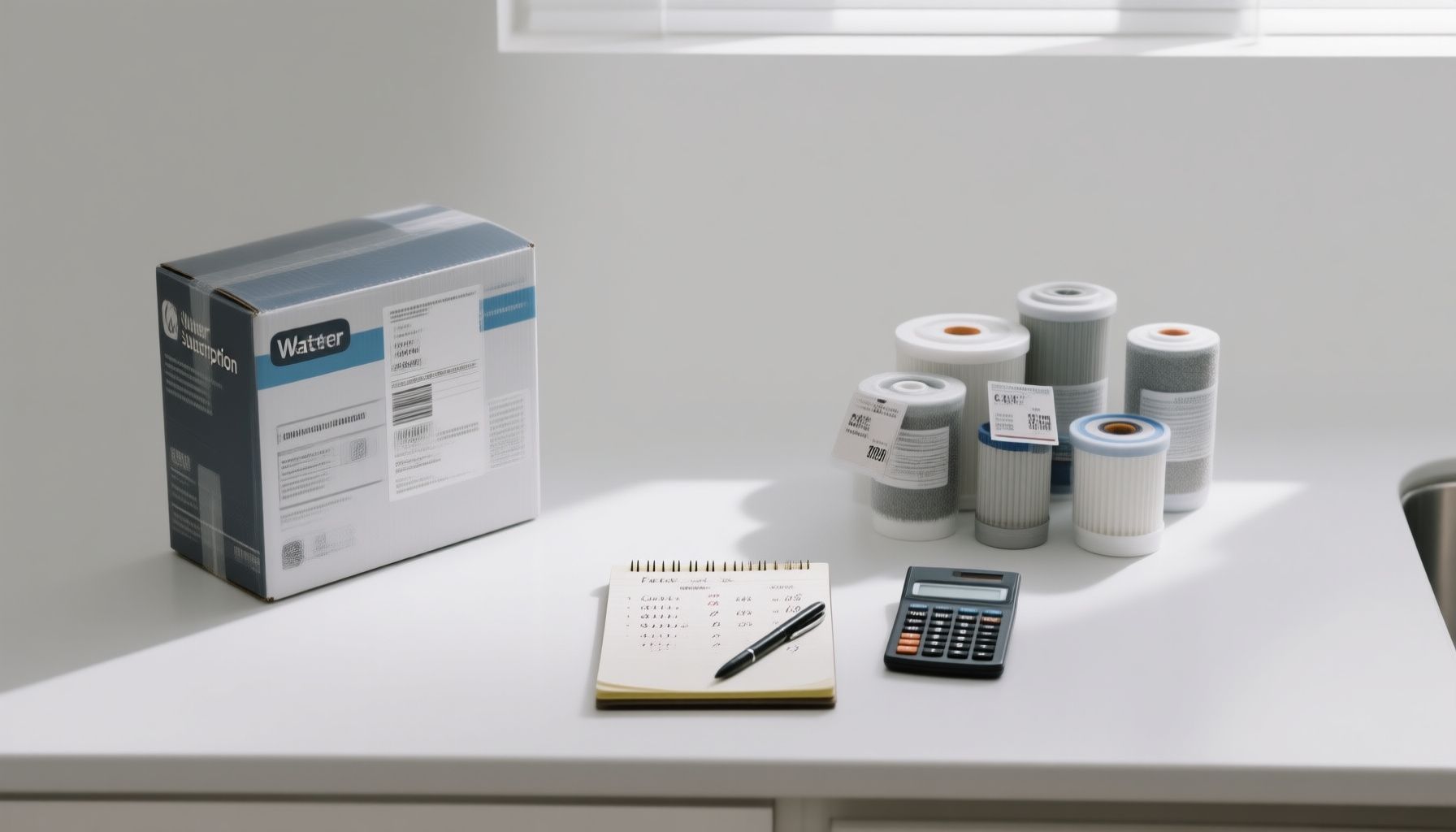
Subscriptions win on convenience. Buying yourself wins on cost. That’s the conventional wisdom — and it’s only half right. The part everyone skips is that neither approach saves you money if you’re replacing filters on a schedule instead of based on what’s actually in your water. That single mistake probably costs the average household more
-
Tap Water Quality in Ohio: What Residents Need to Know
Around 700,000 miles of aging water mains run beneath American cities — and Ohio has more than its share of the oldest ones. That’s the number that should make you put down your glass and ask a different question than most people are asking about tap water safety in this state. The question isn’t “did
-
Tap Water Quality in Illinois: What Residents Need to Know
Illinois tap water passes federal safety standards in the vast majority of municipalities — and that’s exactly the part residents misunderstand most. “Passes federal standards” doesn’t mean your water is clean. It means the detectable levels of certain contaminants haven’t crossed the legal threshold on the days the utility happened to test. That distinction matters
-
Tap Water Quality in Pennsylvania: What Residents Need to Know
Pennsylvania’s tap water looks fine in the glass — and that’s exactly the problem most people miss. The real water quality story here isn’t about whether your utility is doing its job treating water at the plant. It’s about what happens between the treatment facility and your faucet, and that gap is where Pennsylvania homeowners
-
Water Smells Like Chlorine More in Summer: Why Cities Add More Then
Chlorine smell in your tap water doesn’t peak in summer because your utility is being careless — it peaks because they’re being more careful than usual. That’s the part most homeowners never hear. The real story is about a chemical chain reaction that gets harder to control as temperatures climb, and understanding it changes how
-
Does a Refrigerator Water Filter Actually Work or Is It Just Marketing?
Refrigerator filters work — but almost certainly not for the contaminants you’re most worried about. That’s the uncomfortable truth that filter manufacturers don’t lead with, and it changes how you should think about the little blue cartridge behind your fridge. Here’s the gap most people miss: the question isn’t whether a refrigerator filter does something.


