
Latest posts
-
My Kid Drank Unfiltered Well Water: Should I Be Concerned?
Your kid drank a glass of unfiltered well water — and now you’re spiraling. Here’s the honest answer: one exposure is rarely a medical emergency, but whether you should be worried depends almost entirely on what’s actually in your well, not on how the water looks or smells. That’s the part most parents get completely
-
Is It Safe to Drink Hot Water From the Tap? Here’s Why Plumbers Say No
Plumbers will tell you flatly: never cook with hot water straight from the tap, never make your morning coffee with it, and absolutely don’t give it to kids. Most people shrug that off as overcaution. It isn’t. The real problem with hot tap water isn’t the temperature — it’s what the heat does to your
-
Whole House Filter Reducing Water Pressure Too Much: How to Fix It
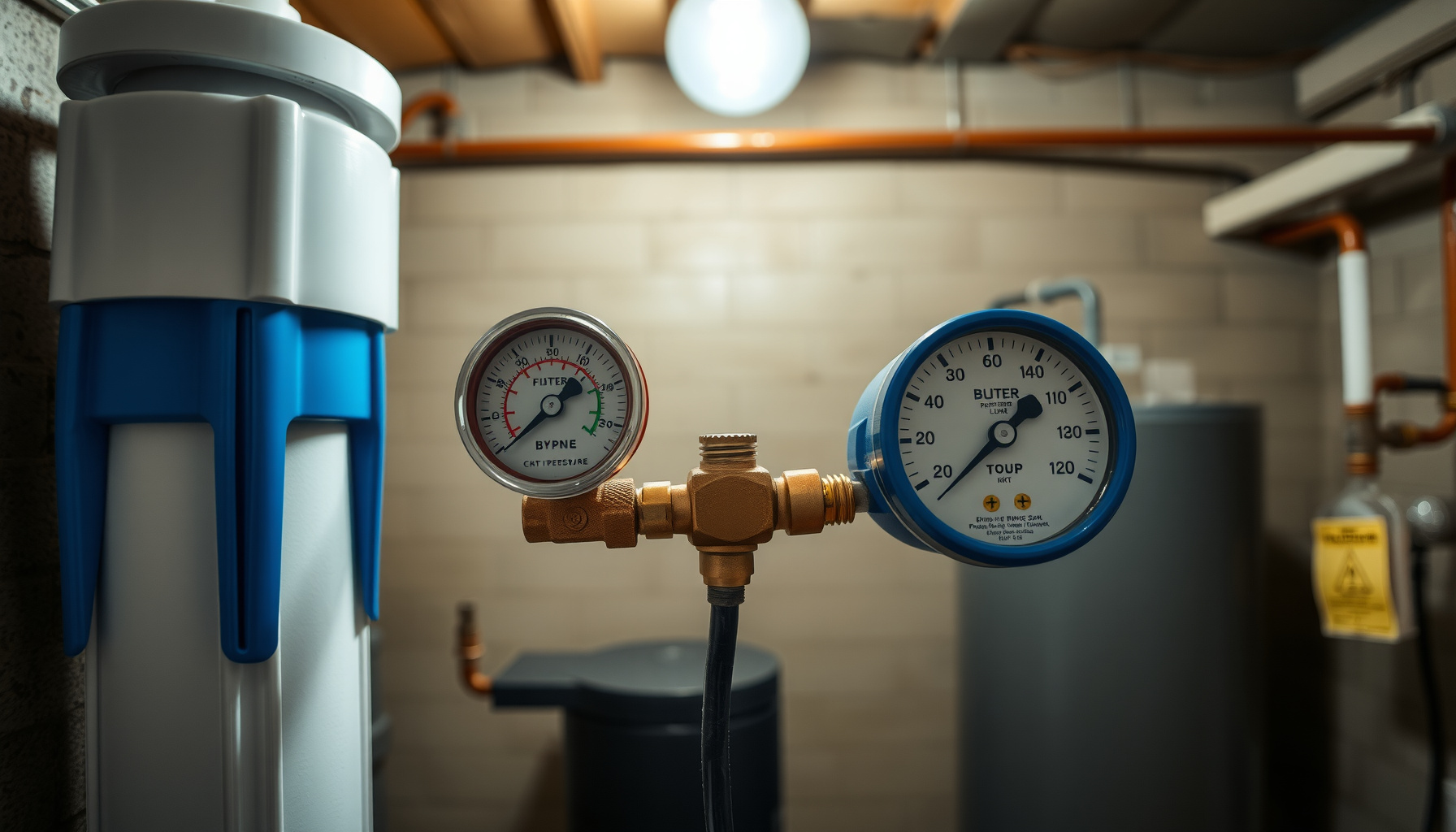
Replacing a whole house filter doesn’t ruin your water pressure — a clogged or undersized one does. That distinction matters because most homeowners go hunting for fixes in the wrong places, adjusting pressure regulators or calling plumbers, when the filter itself is the entire problem and the solution takes about ten minutes. Here’s the part
-
Water Smells Like Fish or Algae: Seasonal Changes in City Water
A fishy or algae smell in your tap water is almost never a sign that something dangerous is happening — and that’s exactly the part that trips people up. Most homeowners panic, assume their water is contaminated, and either stop drinking it entirely or spend money on filters they don’t need yet. The smell is
-
Brown Water Coming Out of Tap After Vacation: Is It Safe to Drink?
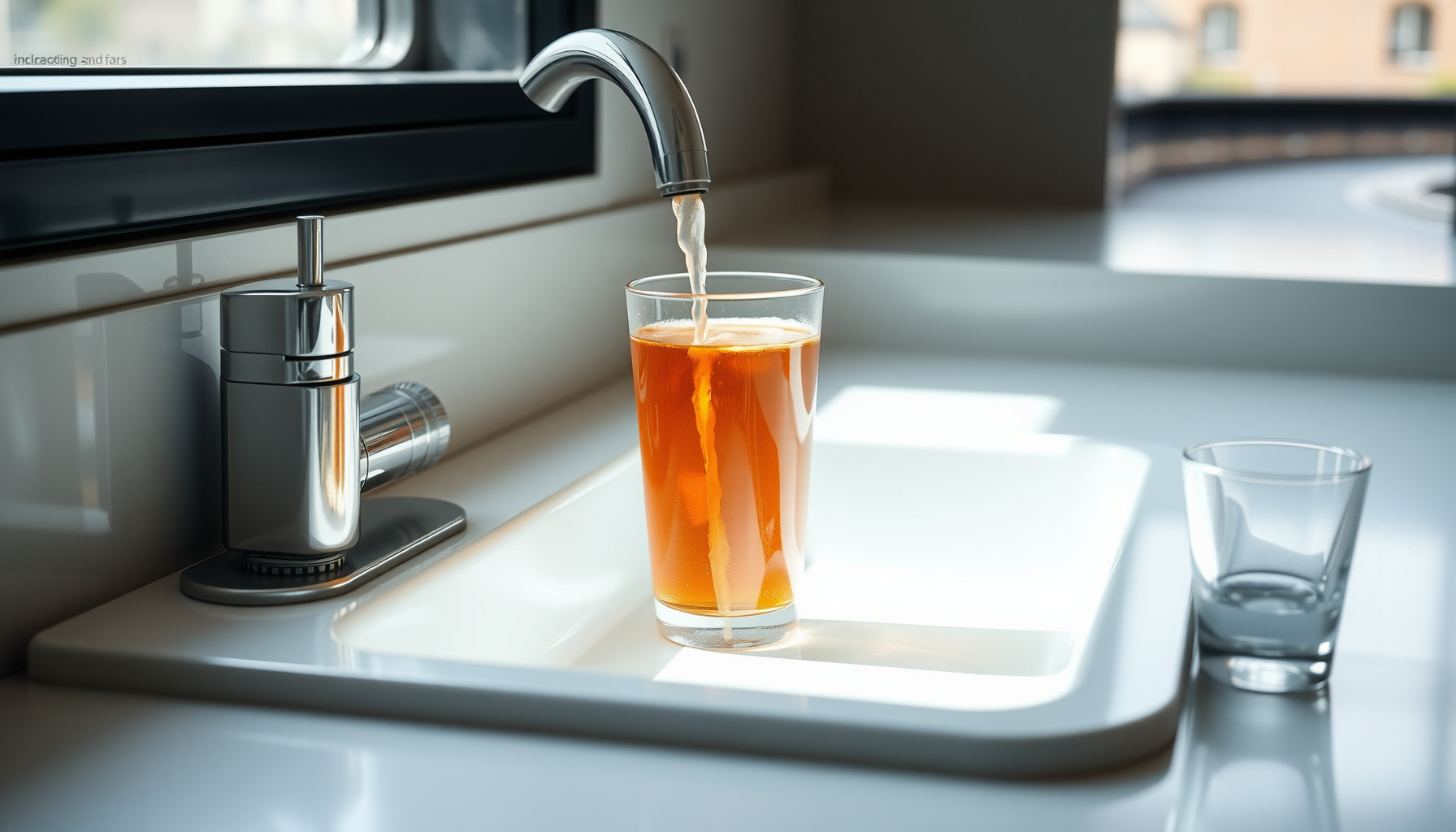
That first glass of water after a two-week vacation shouldn’t look like iced tea — but sometimes it does. Here’s the direct answer: brown water coming out of your tap after vacation is almost always safe to clear by running the cold tap for 2–5 minutes, and the color alone doesn’t mean your water supply
-
Water Has White Flakes Coming Out of Faucet: What Are They?
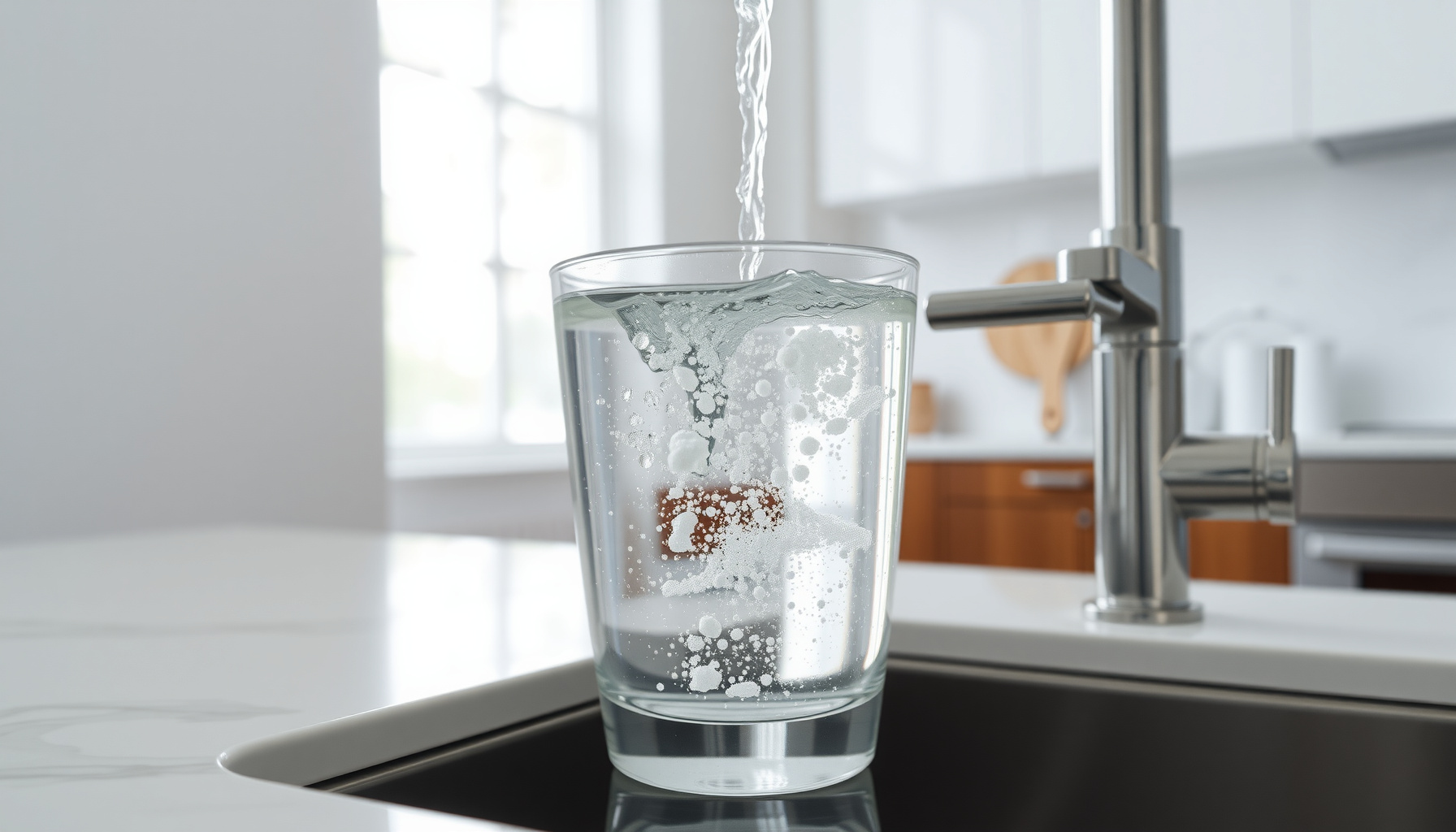
White flakes in your water are almost never what you think they are — and that misidentification is exactly what sends people down the wrong fix. Most homeowners assume the flakes are mineral deposits from hard water, buy a water softener, and then wonder why the problem persists or gets worse. The actual culprit, in
-
My Water Is Cloudy Only in the Morning: What’s Happening in the Pipes
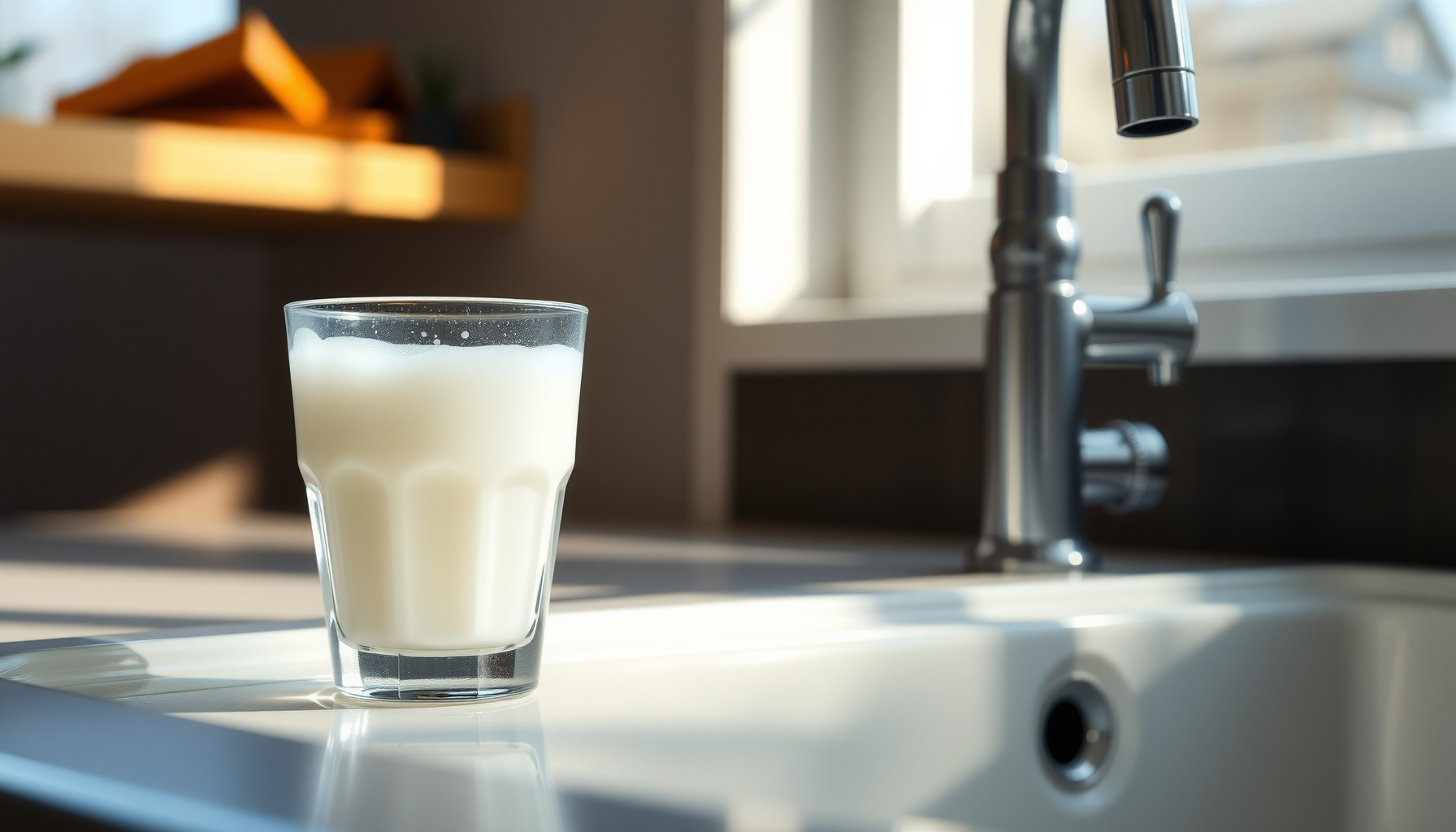
That cloudy glass of morning water isn’t a plumbing emergency — but it’s also not nothing. The cause is almost always trapped air, not contamination, and it clears in about 30 seconds if you leave the glass on the counter. Here’s what almost every article on this topic gets wrong: they treat morning cloudiness as
-
Is Bottled Water Actually Safer Than Filtered Tap Water?
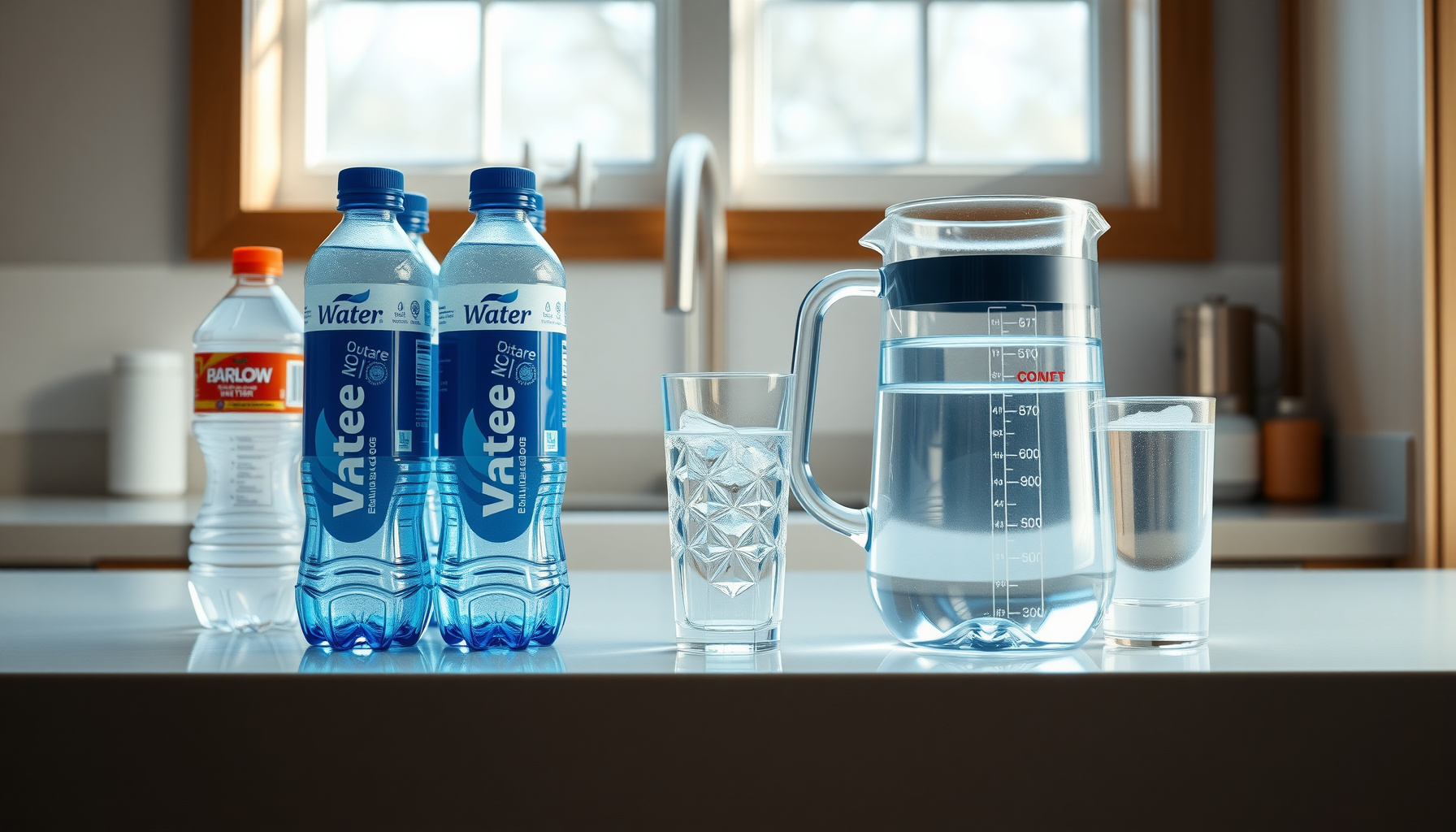
Bottled water is not automatically safer than filtered tap water — and in a surprising number of cases, it’s actually worse. That’s not a fringe opinion; it’s the conclusion you reach when you look at how each type of water is actually regulated, tested, and stored before it reaches your mouth. The marketing around bottled
-
How to Read a City Water Quality Report: The Numbers That Actually Matter
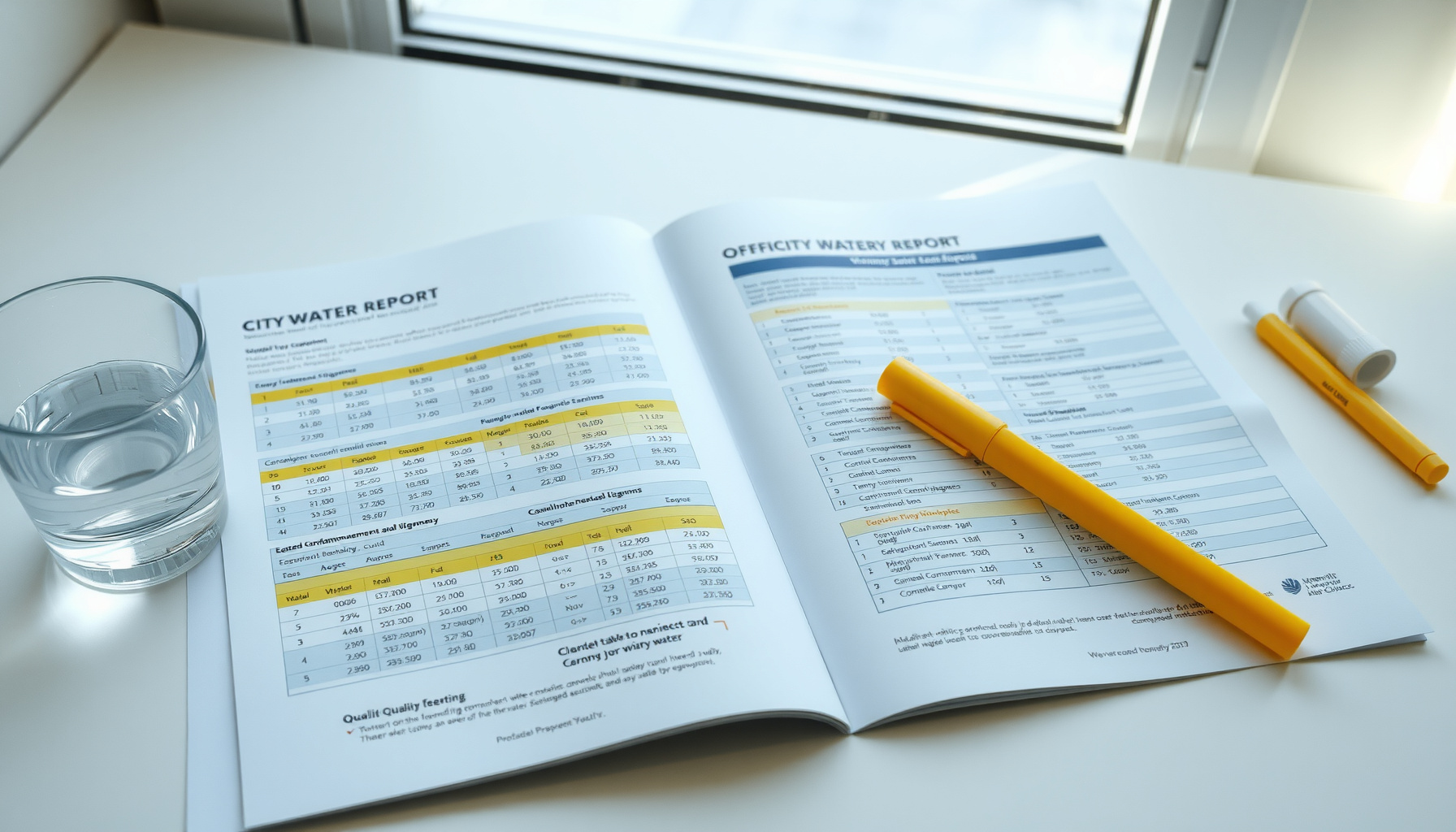
Every city water utility in the US is legally required to send you a water quality report — and almost nobody reads it correctly. Not because it’s hidden or technical, but because most people scan for the wrong column entirely. The number that catches your eye usually isn’t the number that tells you whether to
-
Water Pressure Drops When Using a Filter: Causes and Fixes
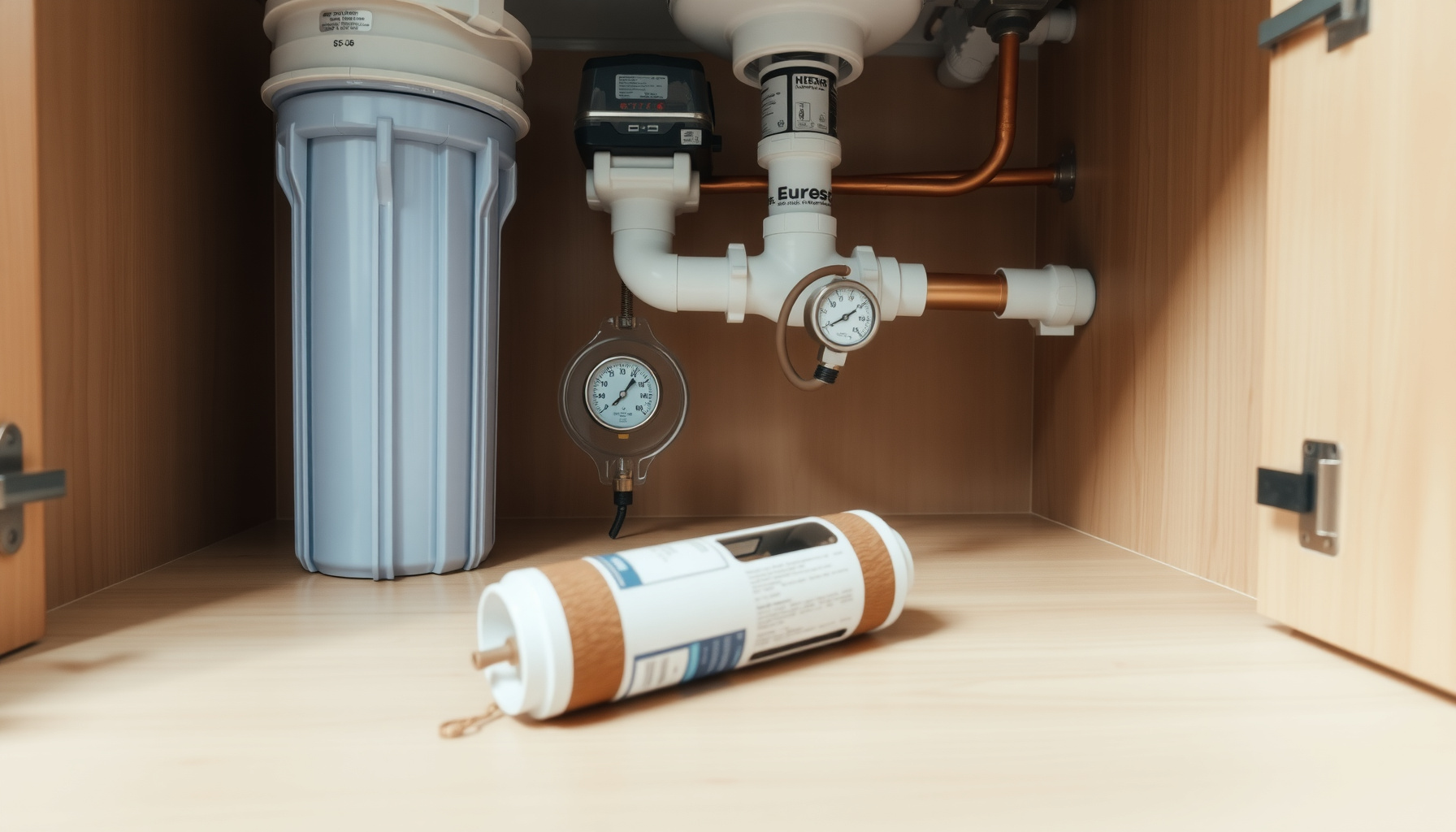
Fitting a filter to your tap and then watching the water trickle out like it forgot where it was going — that’s the moment most people blame the filter itself. But the filter is usually the last thing at fault. Pressure loss through a filtration system is almost always a symptom of something upstream: a


