
Latest posts
-
My Kid Drank Unfiltered Well Water: Should I Be Concerned?
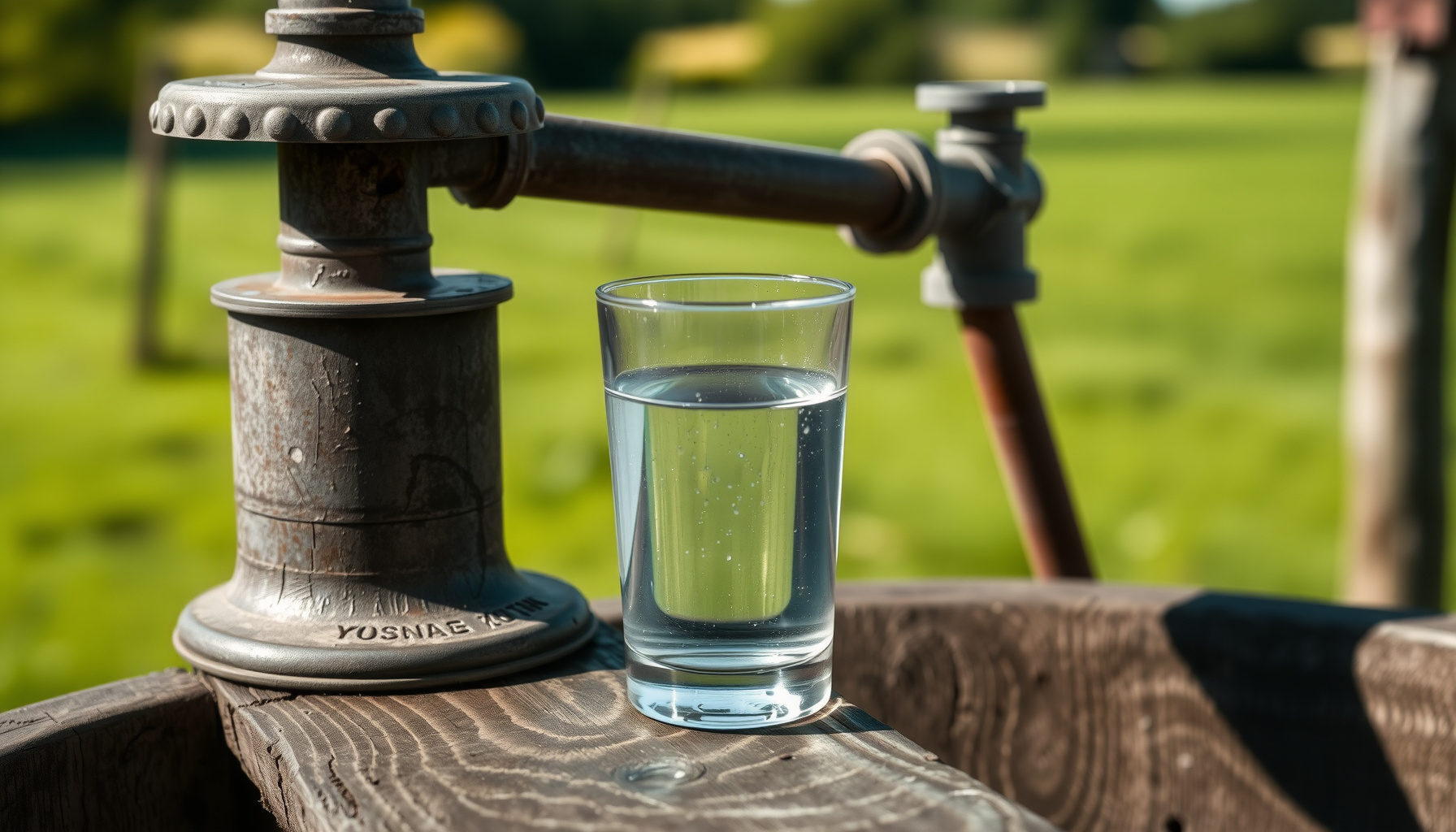
Your kid drank a glass of unfiltered well water — and now you’re spiraling. Here’s the honest answer: one exposure is rarely a medical emergency, but whether you should be worried depends almost entirely on what’s actually in your well, not on how the water looks or smells. That’s the part most parents get completely
-
Is Bottled Water Actually Safer Than Filtered Tap Water?
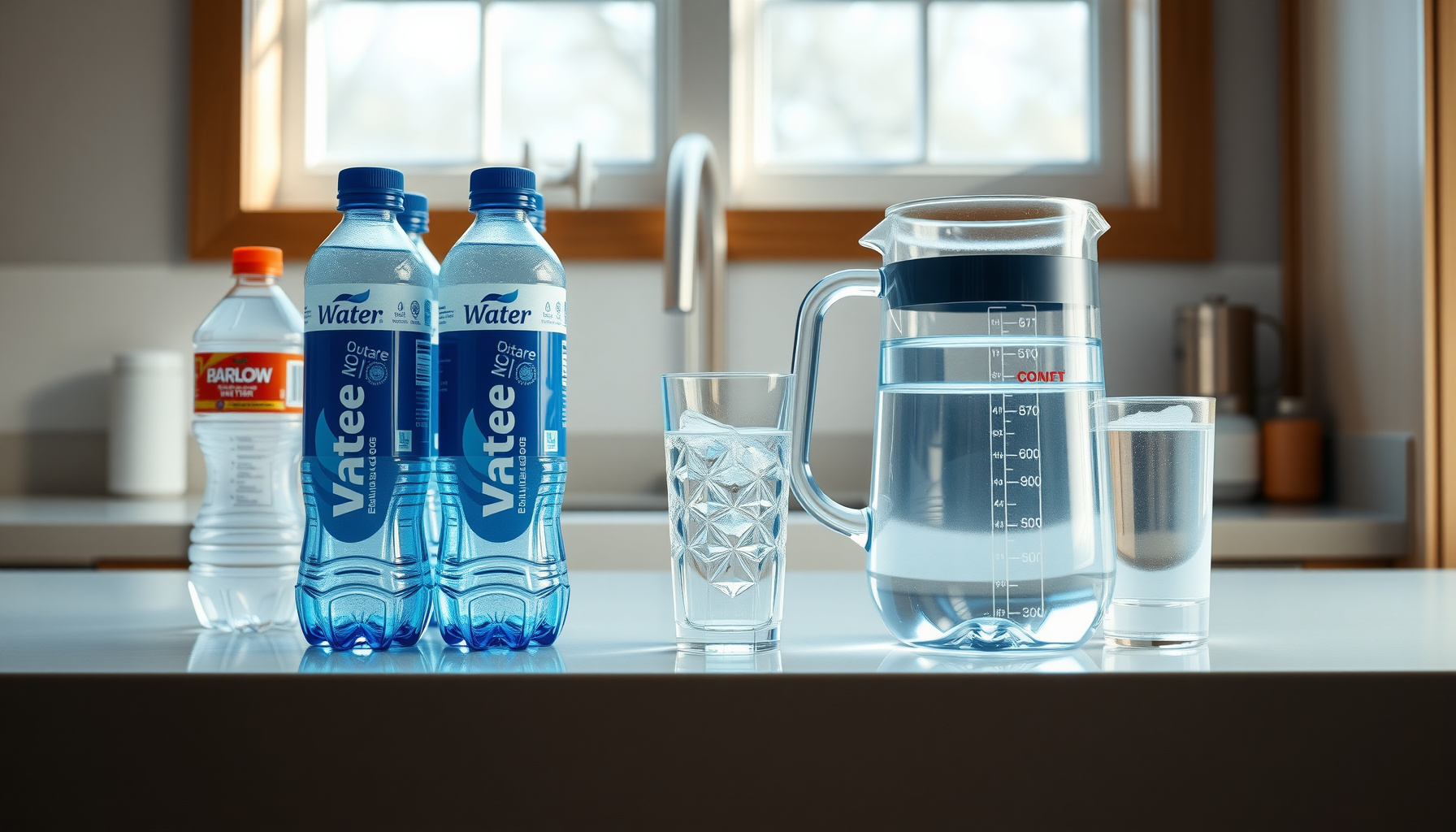
Bottled water is not automatically safer than filtered tap water — and in a surprising number of cases, it’s actually worse. That’s not a fringe opinion; it’s the conclusion you reach when you look at how each type of water is actually regulated, tested, and stored before it reaches your mouth. The marketing around bottled
-
Is Reverse Osmosis Water Too Pure to Drink? The Mineral Debate
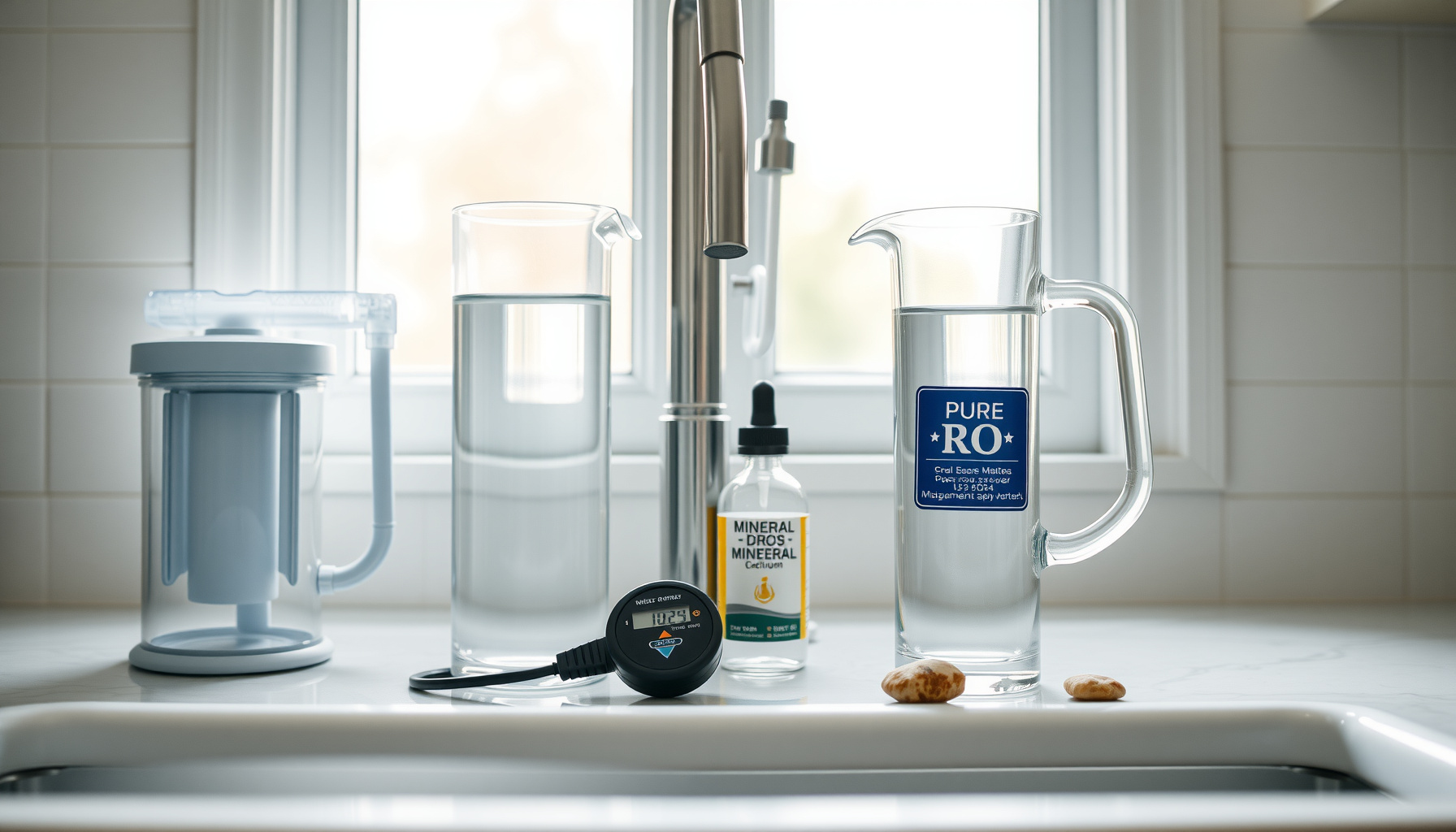
Reverse osmosis water is safe to drink. That’s the short answer, and if you walked away right now, you’d be fine. But there’s a more interesting question buried underneath the scary headlines about “demineralized water” — and it has nothing to do with whether RO water will harm you. It has to do with whether
-
What Is E. Coli Contamination in Tap Water and How Quickly It Spreads
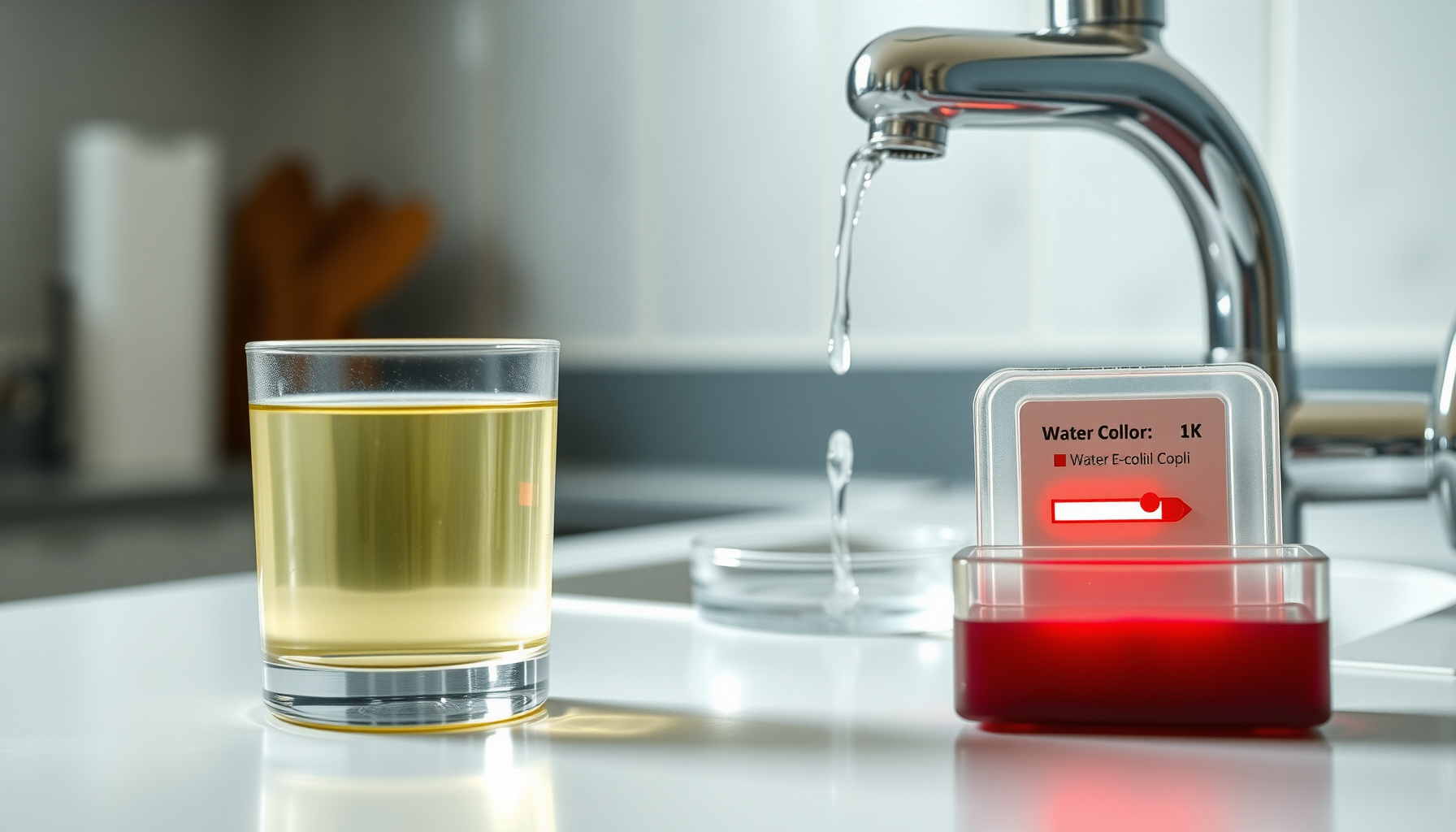
Here’s what most people get wrong about E. coli contamination in tap water: they think it’s a slow-moving, detectable problem — something that shows up in a city-wide boil water notice with plenty of warning. The reality is far more unsettling. E. coli can colonize a water system and reach your faucet within hours of
-
Does Freezing Water Remove Contaminants or Make It Safer?
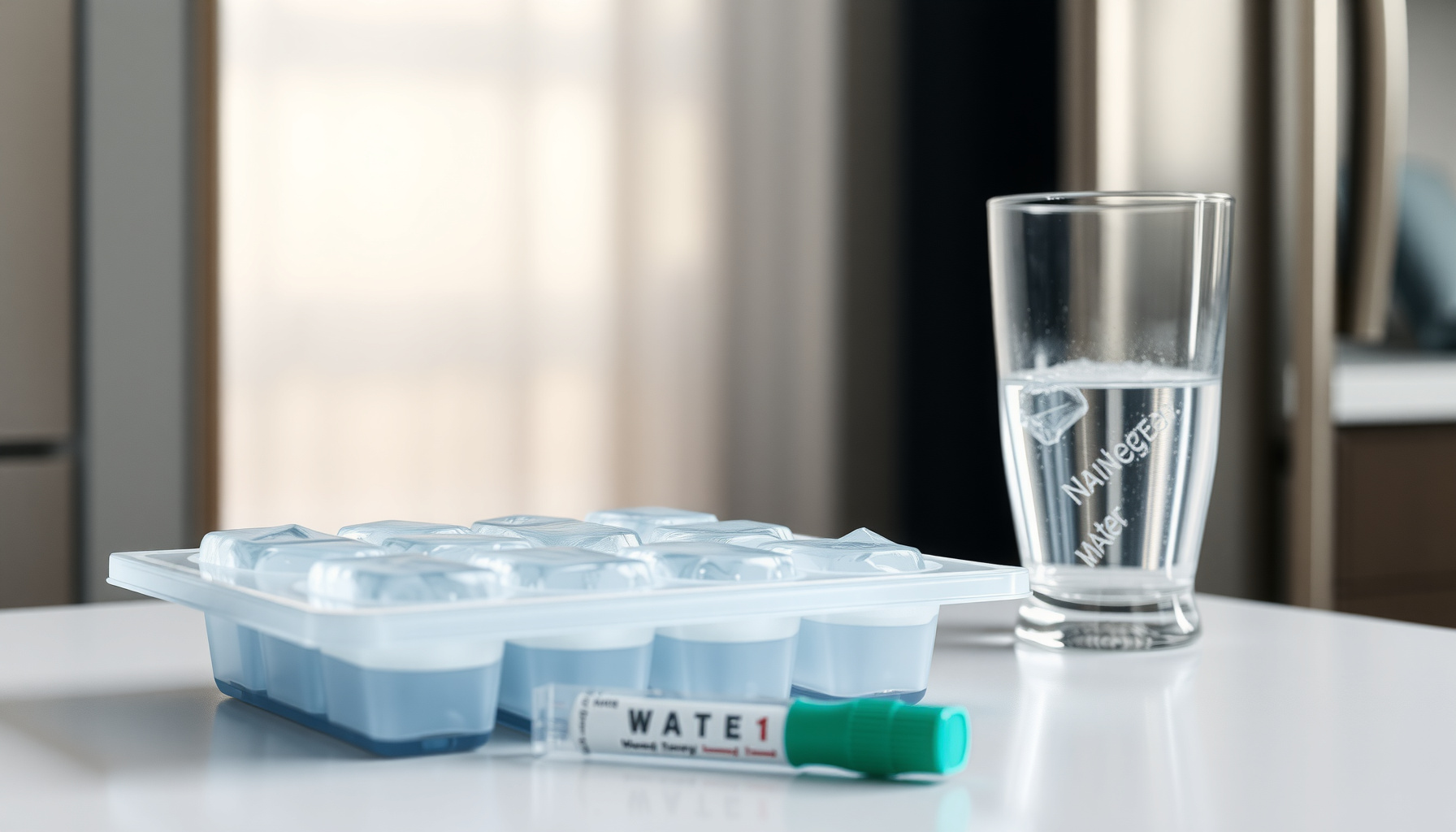
Here’s what most people get completely wrong: they assume freezing water is a purification step — like nature’s own filter running quietly in your freezer. It isn’t. Freezing doesn’t remove contaminants. In most cases, it actually concentrates them. Understanding why changes how you think about your tap water, your ice cubes, and the shortcuts that
-
What Medications End Up in Tap Water and Should You Be Worried?
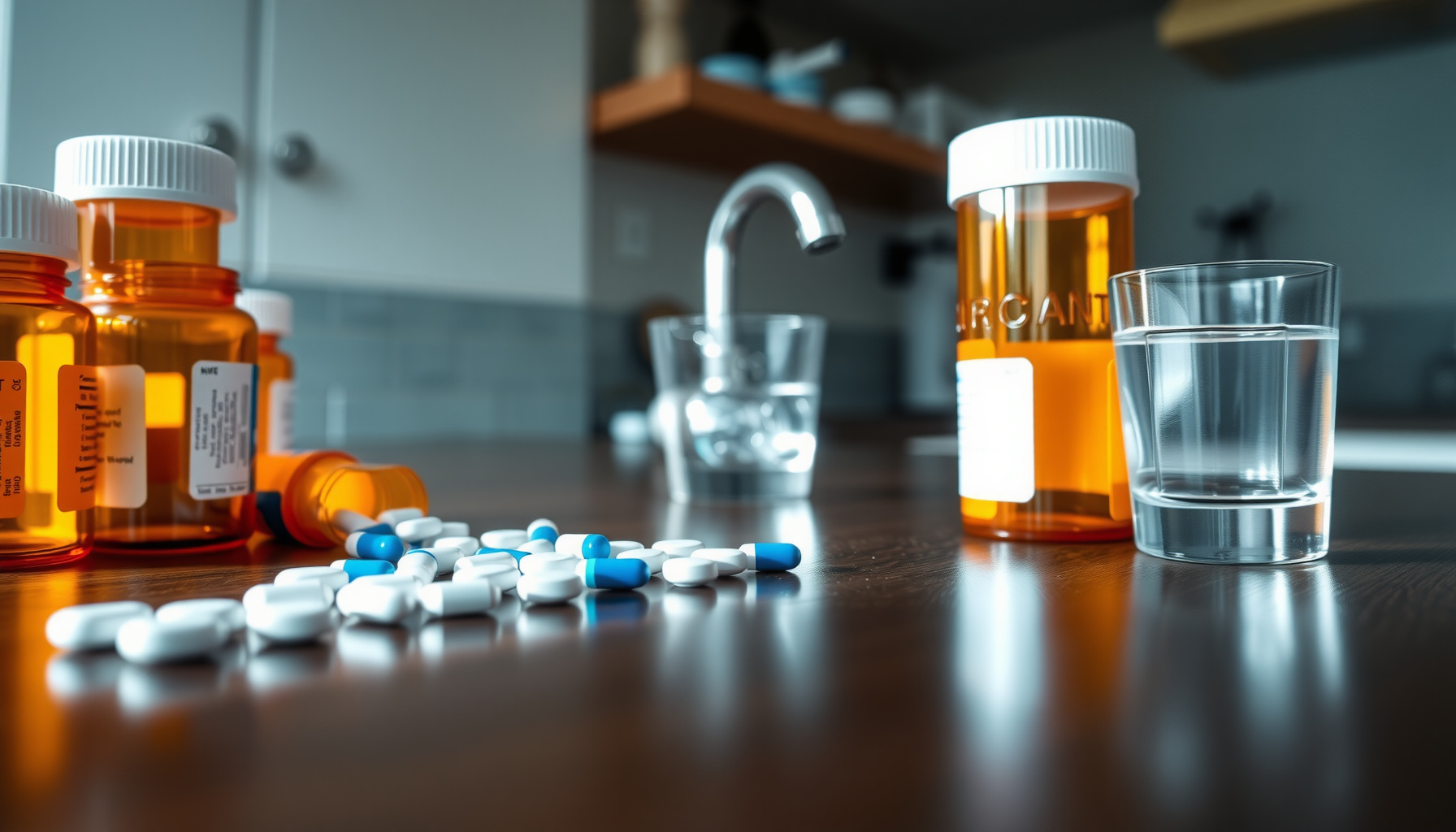
Here’s what most people get wrong about medications in tap water: they assume the risk is about dramatic poisoning — that drinking a glass of tap water is like accidentally swallowing a pill. It’s not. The actual concern is far more subtle, and frankly, more interesting. It’s about chronic low-dose exposure to dozens of pharmaceutical
-
Is Alkaline Water Actually Better for You? What Studies Show
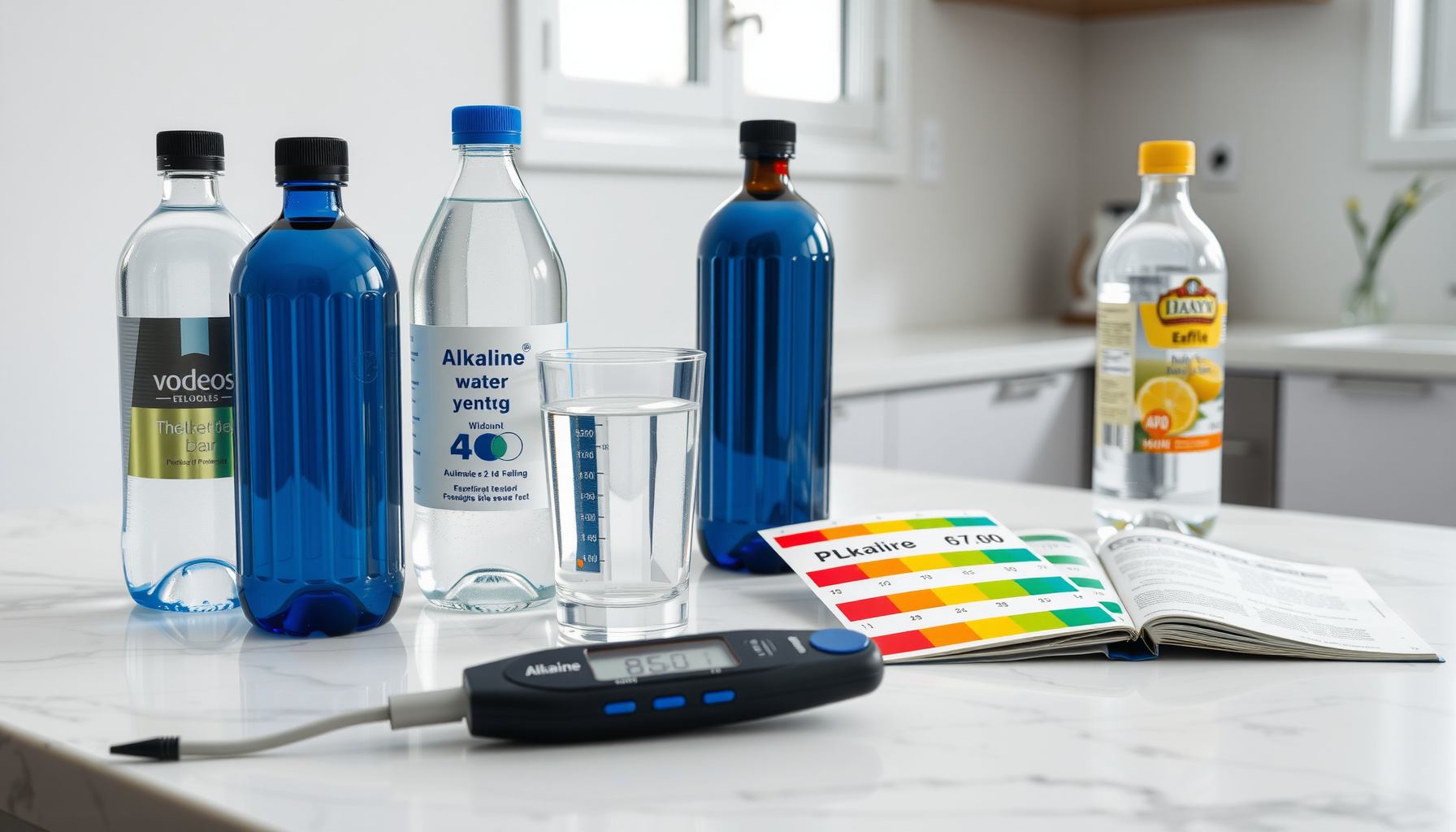
Here’s what most alkaline water articles won’t tell you upfront: the human body is extraordinarily good at regulating its own pH, and no amount of water you drink is going to meaningfully shift your blood’s pH from its tightly controlled range of 7.35 to 7.45. That’s not a knock on alkaline water — it’s just
-
What Is the Healthiest Water to Drink Daily According to Researchers?
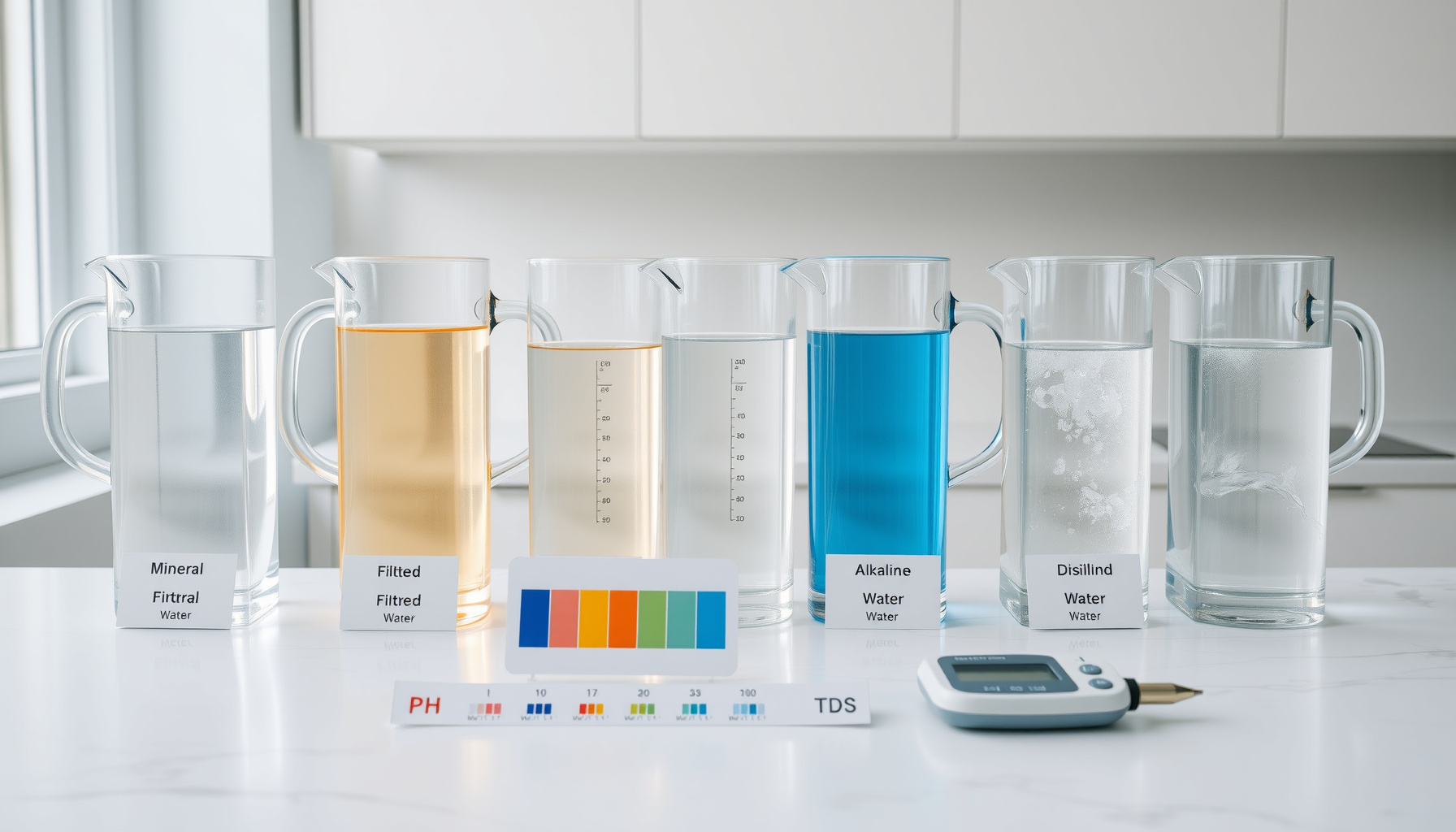
Here’s what most articles get completely wrong about the healthiest water to drink daily: they treat it like a product comparison. Spring vs. filtered vs. alkaline vs. distilled — pick one, done. But researchers who actually study hydration and mineral metabolism aren’t arguing about brand names or water types. They’re focused on something most homeowners
-
Is Distilled Water Safe to Drink Every Day Long-Term?
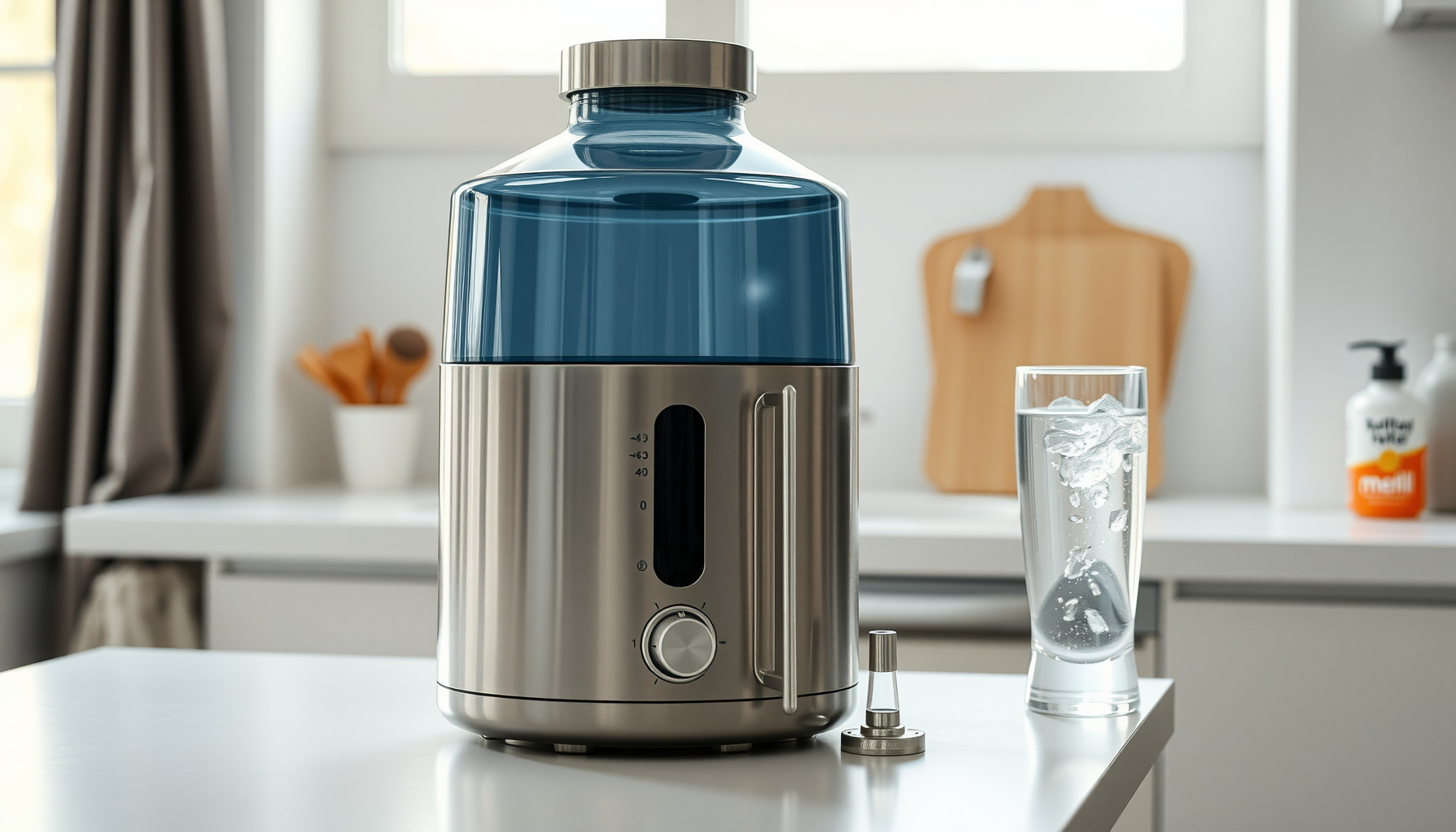
Here’s what most articles about distilled water get completely backwards: they spend 800 words warning you about mineral loss, then quietly admit there’s no solid clinical evidence that drinking distilled water causes deficiency in healthy people who eat a normal diet. The real question — the one nobody seems to ask — isn’t whether distilled
-
Does Boiling Water Concentrate Heavy Metals Like Lead and Arsenic?
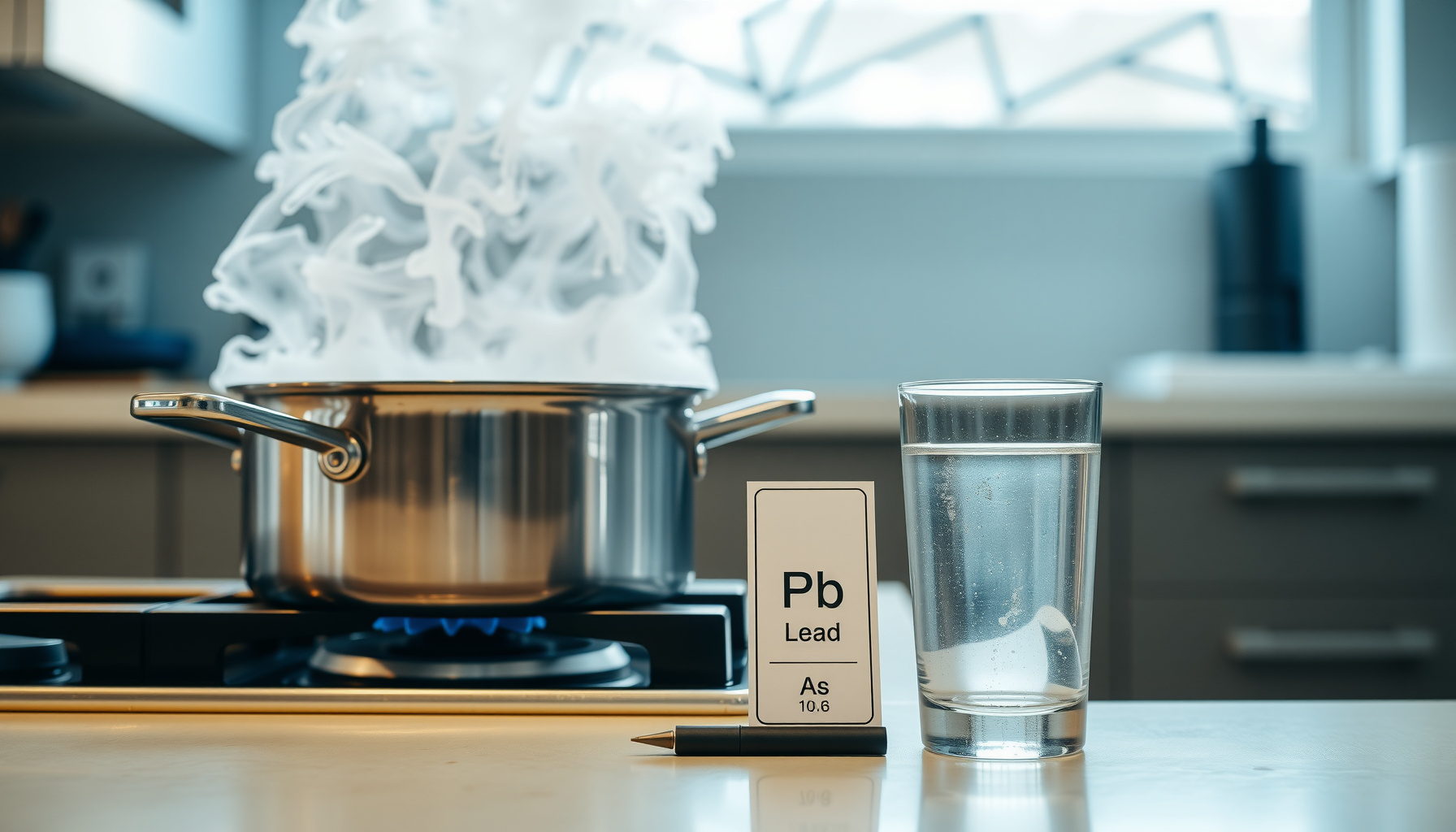
Here’s what almost every article on this topic gets wrong: they spend 800 words telling you that boiling kills bacteria, then tack on a quick paragraph warning that boiling “might” concentrate heavy metals. That framing buries the real story. Boiling does concentrate heavy metals — not through some exotic chemistry, but through simple evaporation physics


