
Latest posts
-
Is Copper in Drinking Water Dangerous? Safe Levels Explained
Here’s what most articles about copper in drinking water get wrong: they treat it as a simple pass/fail safety question. Either your water is under the EPA limit and you’re fine, or it’s over and you have a problem. That framing misses the real story entirely. The actual risk with copper isn’t just about how
-
What Is Legionella in Hot Water Systems and How to Prevent It
Here’s what most people get wrong about Legionella: they think it’s a hotel problem. A cruise ship problem. Something that happens in big commercial buildings with complicated plumbing, not in a three-bedroom house in the suburbs. But Legionella bacteria can — and do — grow in residential hot water systems, and the conditions that allow
-
Does Hard Water Affect Blood Pressure Medication Absorption?
Here’s something most people taking blood pressure medication at home never think about: the glass of tap water they swallow their pill with might be working against them. Not because the water is contaminated in any dangerous sense — but because hard water carries dissolved calcium and magnesium ions that can physically bind to certain
-
Does Drinking More Water Help With Kidney Stones?
Here’s what most kidney stone articles won’t tell you upfront: yes, drinking more water genuinely helps prevent kidney stones — but the type of water you’re drinking matters more than almost anyone mentions. The focus is always on volume, volume, volume. Drink eight glasses a day, stay hydrated, flush your kidneys. But if the water
-
Is Sparkling Water Bad for Your Teeth and Bones?
Here’s what most articles about sparkling water get completely wrong: they treat all carbonated water as basically the same threat to your teeth and bones. They compare it to soda, warn you about acid, and leave you wondering if your LaCroix habit is secretly dissolving your skeleton. The real picture is far more nuanced —
-
Is Aluminum in Drinking Water Dangerous?
Here’s the thing most articles about aluminum in drinking water get completely wrong: they treat it like a simple yes-or-no danger question, when the real issue is far more specific. Aluminum isn’t uniformly dangerous — it’s conditionally dangerous, and the conditions that matter most have nothing to do with whether your water utility adds it
-
Selenium in Drinking Water: Safe Levels and When to Worry
Here’s what most people get wrong about selenium in drinking water: they assume that because selenium is a nutrient their body needs, a little extra in the tap can’t hurt. That assumption is flat-out dangerous. Selenium operates in one of the narrowest safety windows of any mineral you’ll encounter in a water quality discussion —
-
Cadmium in Drinking Water: Sources and Health Risks
Here’s what most articles about cadmium in drinking water get completely wrong: they focus almost entirely on industrial pollution as the source, which leads homeowners to assume that if they don’t live near a factory or mine, they’re probably fine. That assumption is dangerous. The cadmium most likely to reach your glass isn’t coming from
-
Mercury in Drinking Water: Where It Comes From and How to Remove It
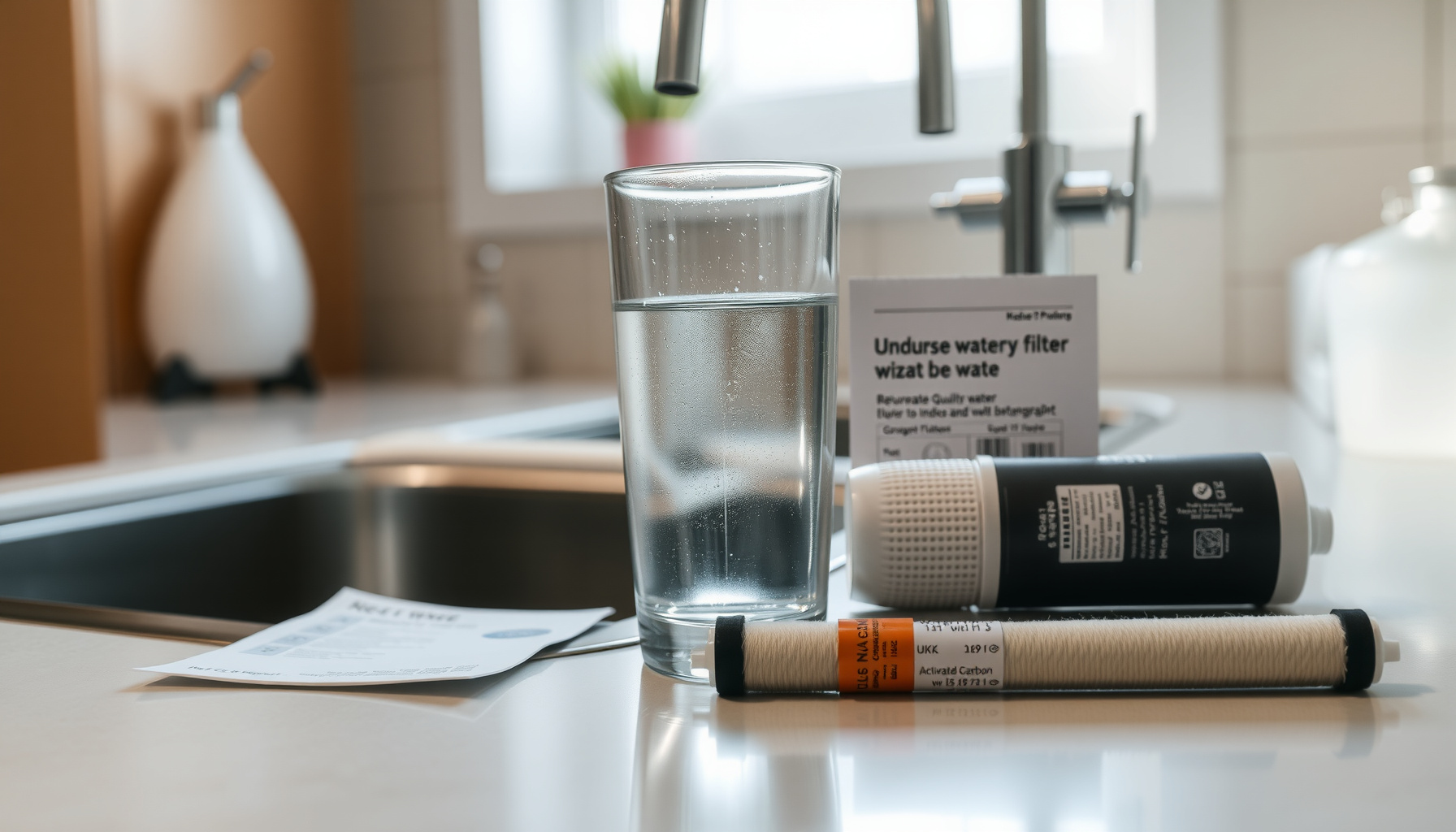
Here’s what most people get wrong about mercury in drinking water: they assume it’s primarily an industrial problem — something that only affects people living near old factories or coal plants. But the truth is more unsettling and more personal than that. Mercury can reach your tap through aging infrastructure, certain natural geological deposits, and
-
Perchlorate in Drinking Water: Sources and Health Effects
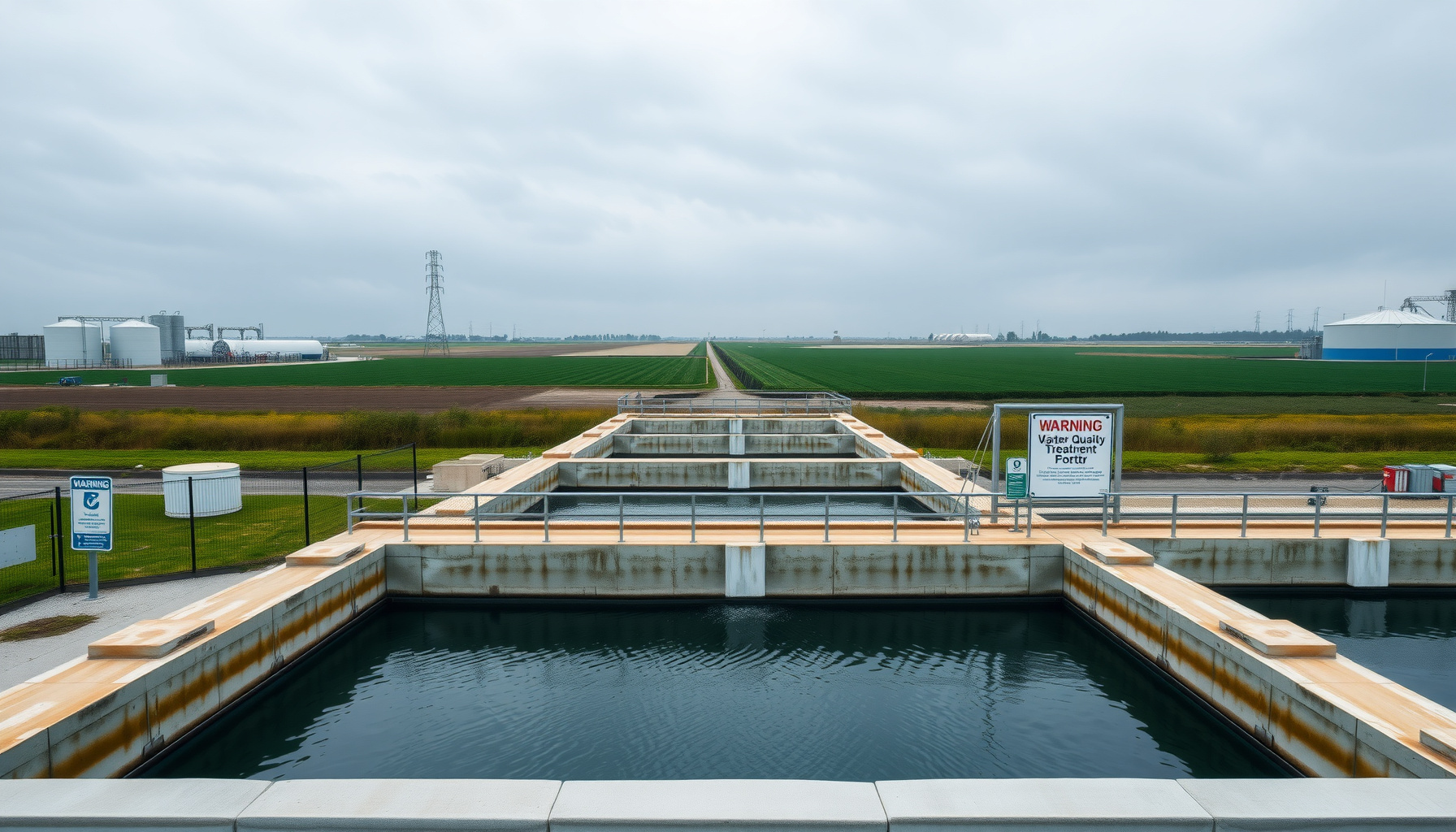
Here’s what most people get wrong about perchlorate in drinking water: they assume it’s a regional problem tied to a handful of military bases out west, something that doesn’t affect them unless they live near a rocket fuel facility. That assumption is costing people. Perchlorate has been detected in tap water supplies across dozens of


