
Latest posts
-
Hydrogen Water: Health Claims vs What Science Actually Says
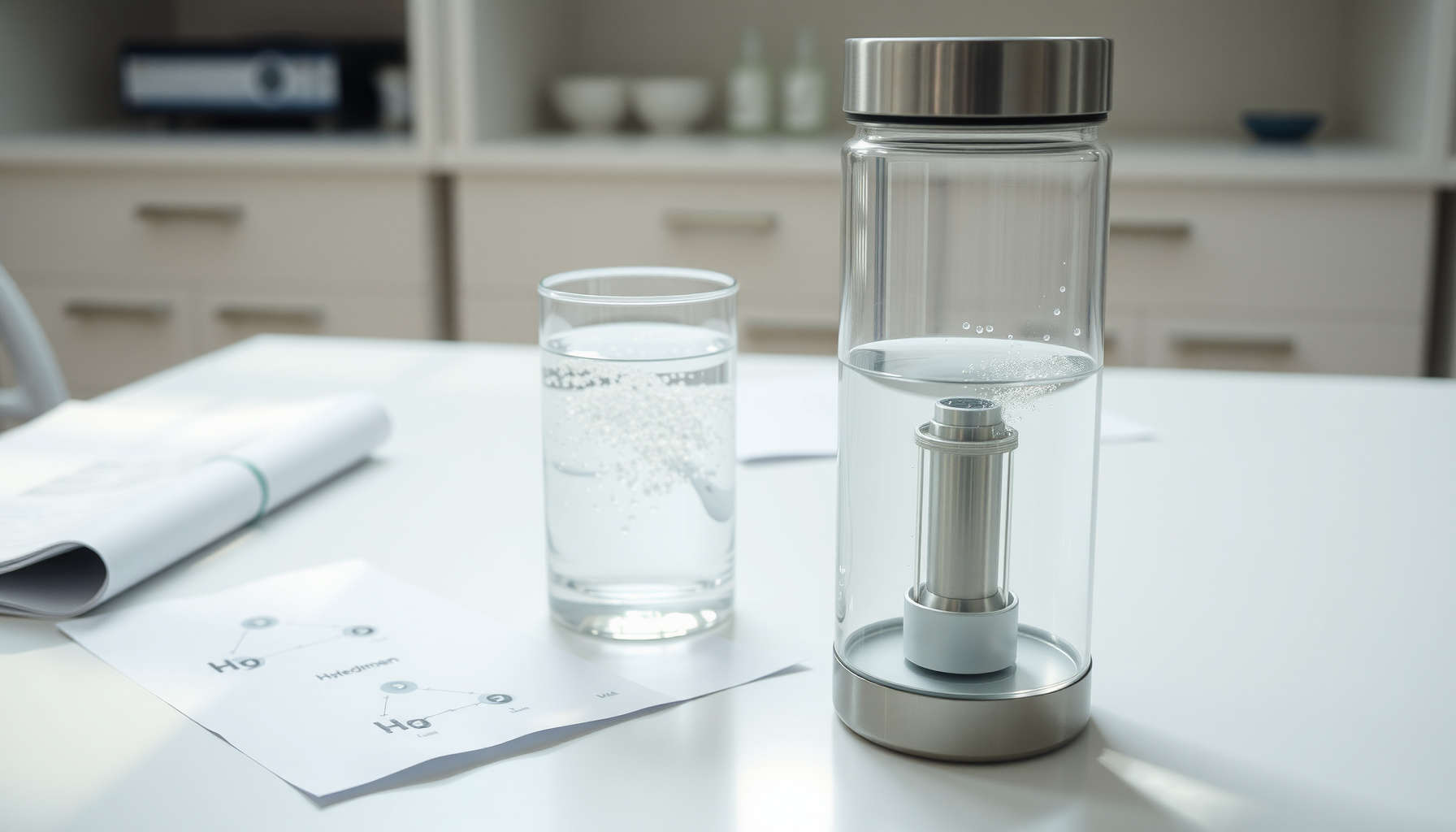
Walk into any health food store or scroll through wellness social media for more than five minutes, and you’ll almost certainly encounter hydrogen water. It’s sold in sleek aluminum cans, generated by expensive countertop machines, and endorsed by athletes and influencers who swear it’s transformed their recovery, their energy, their skin. The claims range from
-
Best Water for Pregnancy and Breastfeeding: Filter or Bottled?
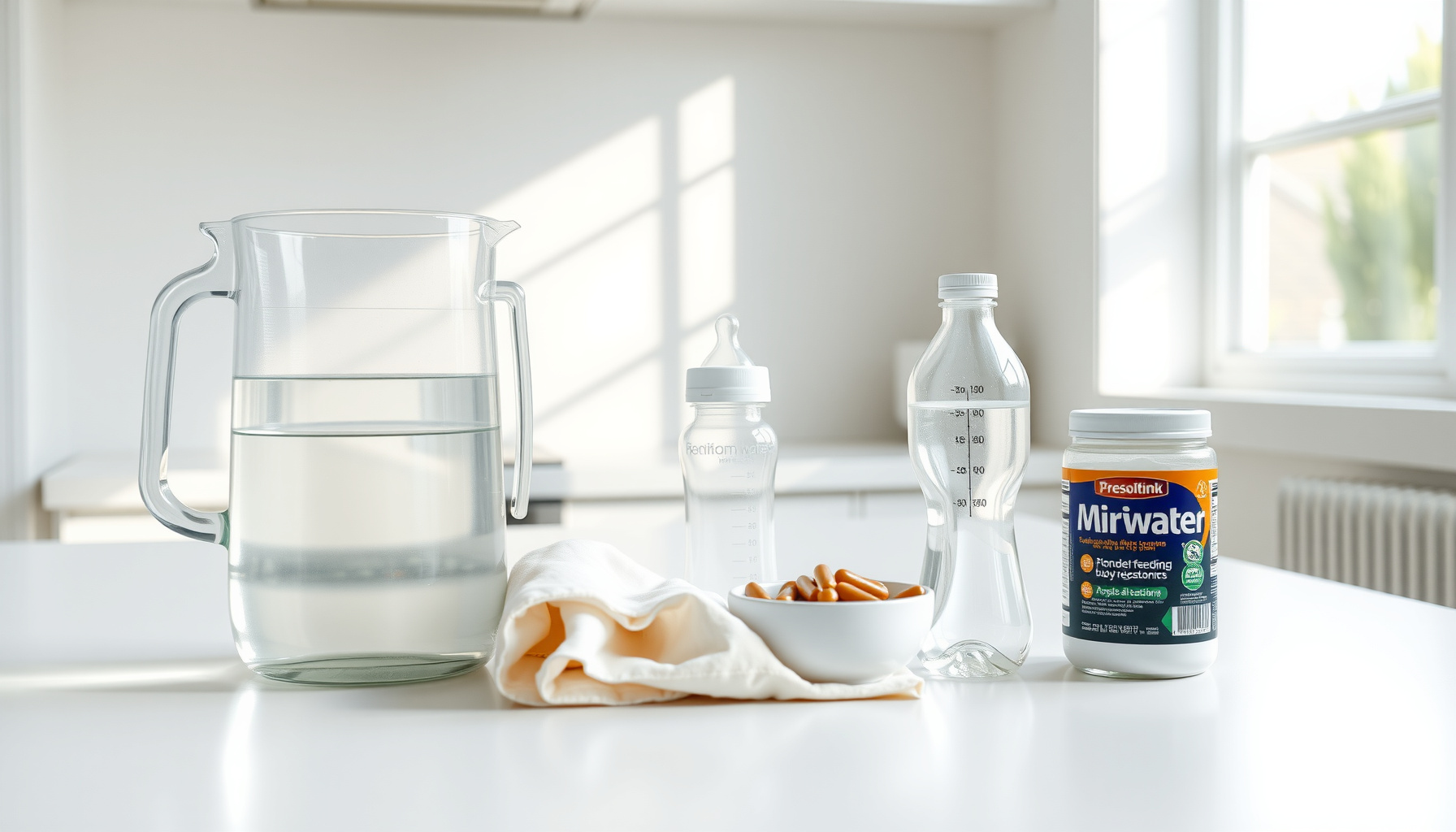
Pregnancy is one of those moments that makes you suddenly scrutinize everything — including what’s coming out of your kitchen tap. You’re reading labels on deli meat, avoiding certain cheeses, and then someone mentions that maybe you should be more careful about your drinking water too. They’re not wrong. During pregnancy and breastfeeding, the stakes
-
Best Water for Kidney Health: What Nephrologists Recommend
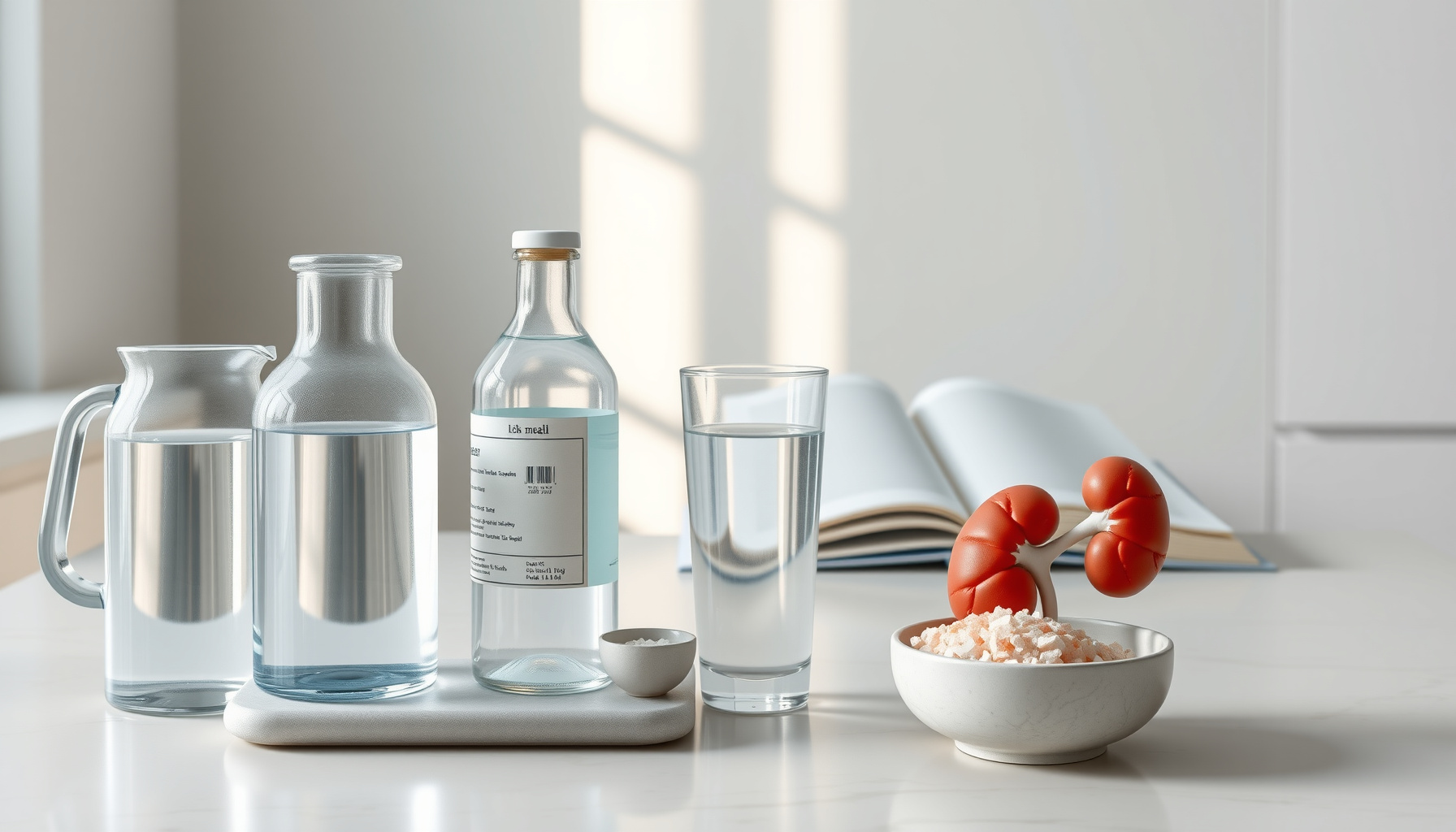
Most people don’t think about their kidneys until something goes wrong — a sharp flank pain, a surprising lab result, or a urologist mentioning stones for the first time. But your kidneys are working around the clock, filtering roughly 200 liters of blood every single day, and the water you drink plays a surprisingly direct
-
Radium in Drinking Water: Where It Occurs and Health Risks
Radium sounds like something out of a Cold War science film — not something that belongs in a glass of water you’re about to hand to your kid. But radium in drinking water is a real and widespread issue: it occurs naturally in groundwater across large parts of the United States, and millions of people
-
Nitrates in Drinking Water: Health Risks for Infants and Adults
If you’ve ever glanced at a water quality report and spotted the word “nitrates,” you might have skimmed right past it. After all, nitrates sound almost benign — like something you’d find on a nutrition label. But for certain groups of people, particularly infants under six months old, elevated nitrates in drinking water are genuinely
-
Manganese in Drinking Water: Health Effects and Safe Levels
Manganese in drinking water tends to stay off most homeowners’ radar — right up until the sink develops dark stains or a pediatrician raises a flag at a routine checkup. It’s naturally occurring, it’s not as infamous as lead or arsenic, and most public water reports treat it as a footnote. But the science behind
-
Is Soft Water Safe to Drink Long-Term? What You Need to Know
If you’ve recently had a water softener installed — or you’re thinking about getting one — there’s a question that tends to surface pretty quickly: is soft water actually safe to drink every single day? It’s a fair thing to wonder. You went through all the trouble of fixing your hard water problem, and now
-
Iron in Drinking Water: Is It Dangerous or Just Unpleasant?
You turn on the tap and the water smells like you’re standing next to a rusty bike rack. Or maybe the water looks fine but your white shirts keep coming out with an orange tint after washing. Or you’ve got that weird metallic taste that makes your morning coffee taste like a hardware store. Sound
-
Does Filtered Water Actually Taste Better? The Science Behind It
You fill a glass straight from the tap, take a sip, and something just feels off — maybe it’s a faint chlorine bite, a slightly metallic edge, or that vague flat heaviness you can’t quite name. Then you drink a glass from your friend’s filtered pitcher and it tastes, well, like nothing. In the best
-
Does Drinking Hard Water Cause Kidney Stones? What Studies Show
If you’ve ever filled a glass from the tap and noticed a faint chalky residue on the rim, you’ve seen hard water in action. And if you’ve ever passed a kidney stone — or know someone who has — you’ve probably wondered whether those two things are connected. It’s a surprisingly common question, and the


