
Latest posts
-
Does Letting Tap Water Sit Overnight Make It Safer or Less Safe?
Here’s what almost nobody tells you: leaving tap water in an open glass or pitcher overnight does something real — but probably not what you think. Most people assume it either purifies the water or makes it go “stale.” Both of those ideas are mostly wrong, and the truth is more nuanced, more dependent on
-
Is It Safe to Drink Water From a Garden Hose Bib Outside?
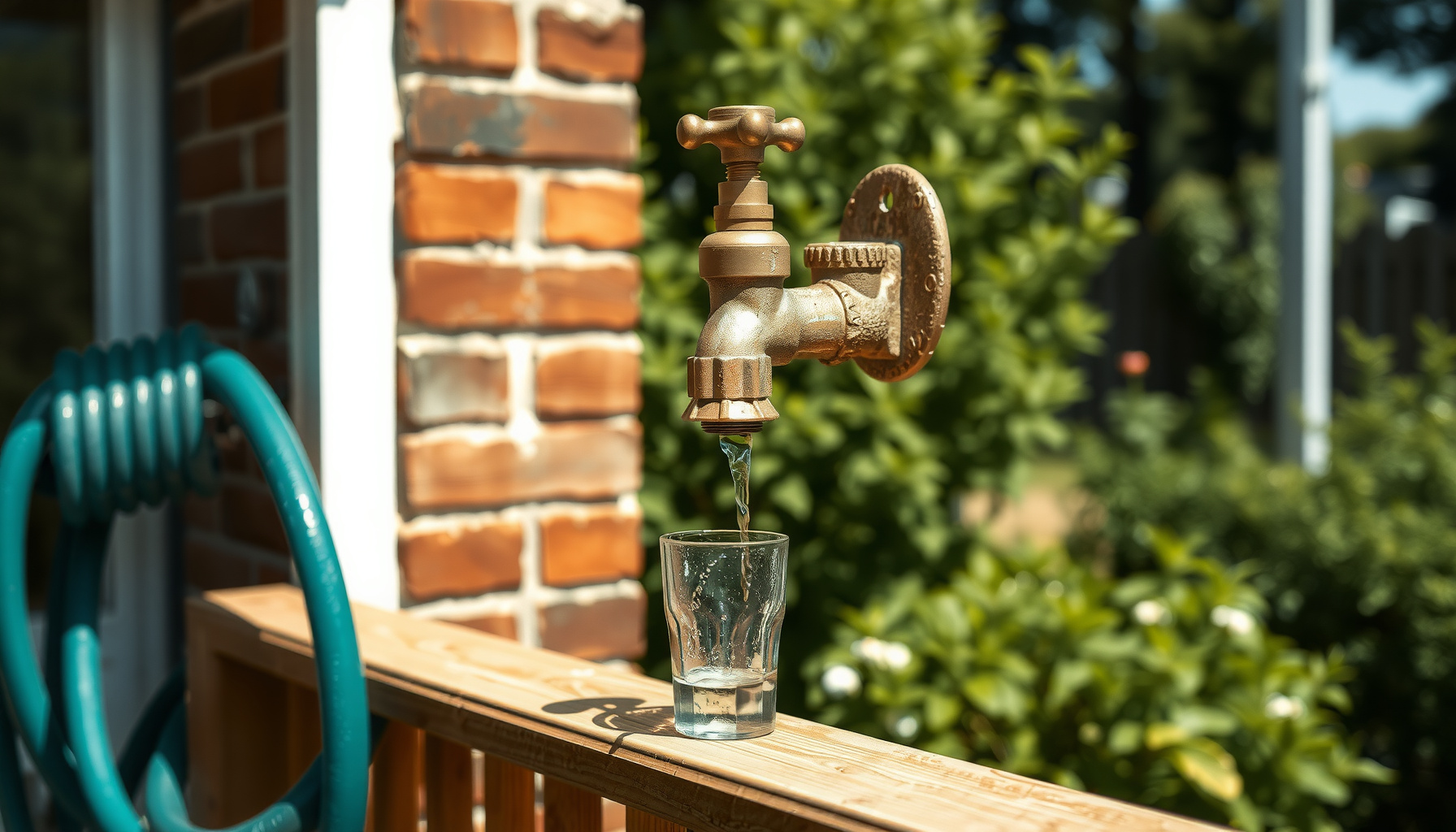
Here’s what most people get wrong about drinking from an outdoor hose bib: they think the bib itself is the problem. It’s not. The bib is just a valve. The real contamination risk sits in a completely different place — and it’s one that can expose you to lead, brass corrosion byproducts, and even backflow
-
Why Does My Water Smell Like Chlorine Right After a City Flush?
Here’s what almost every article about post-flush chlorine smell gets wrong: they treat it as a simple “too much chlorine” problem and tell you to run your tap or buy a filter. Done. But the real issue isn’t just the chlorine — it’s why that chlorine smells so much stronger after a city main flush
-
Does Hot Water Have More Contaminants Than Cold Water?
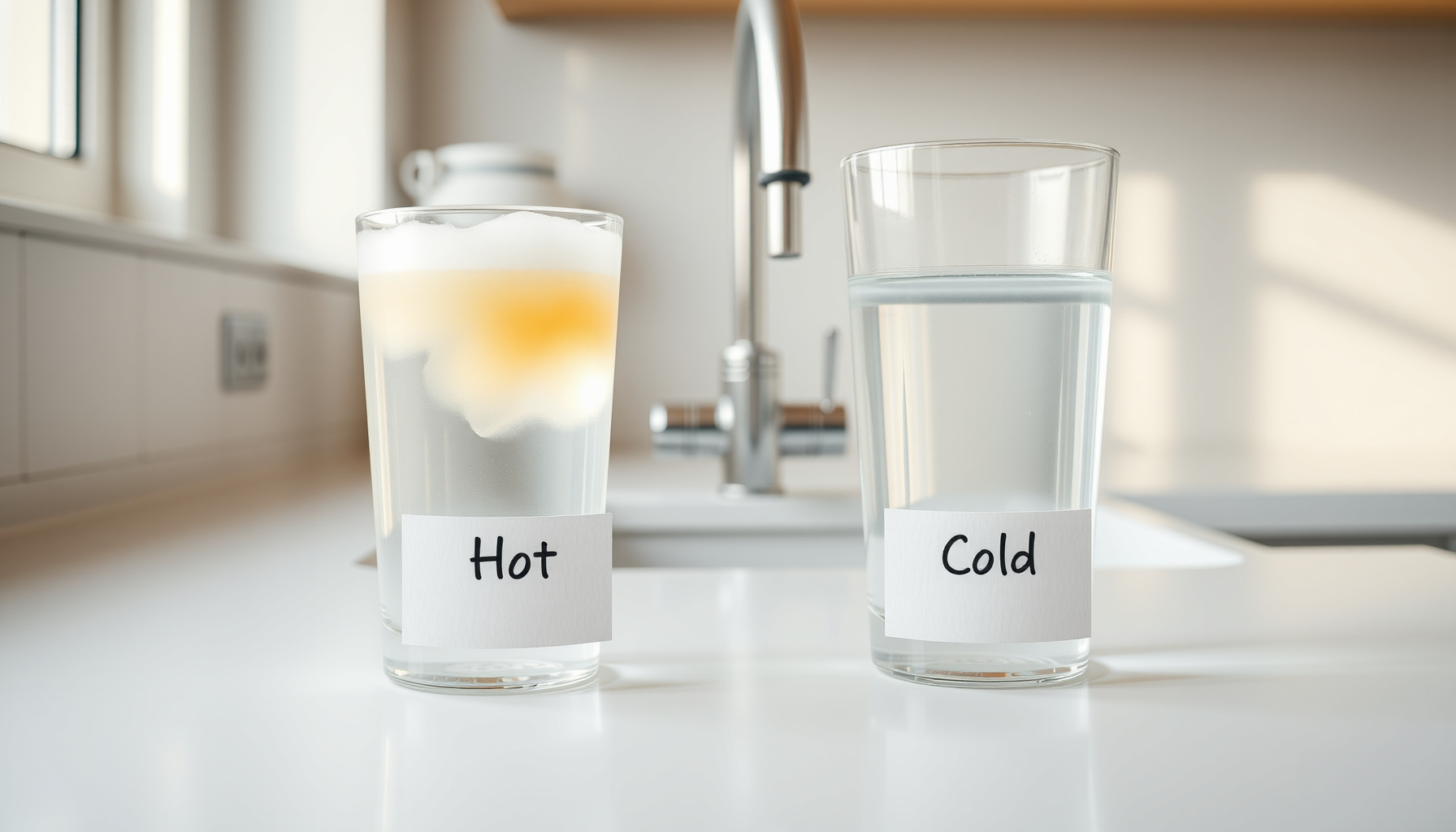
Here’s the thing most articles about hot water and contaminants get completely backwards: they focus on whether hot water contains more contaminants, when the real question is where those contaminants come from in the first place. The answer isn’t your utility’s treatment plant — it’s the pipes and water heater sitting inside your own home.
-
How to Store Emergency Drinking Water for a Natural Disaster
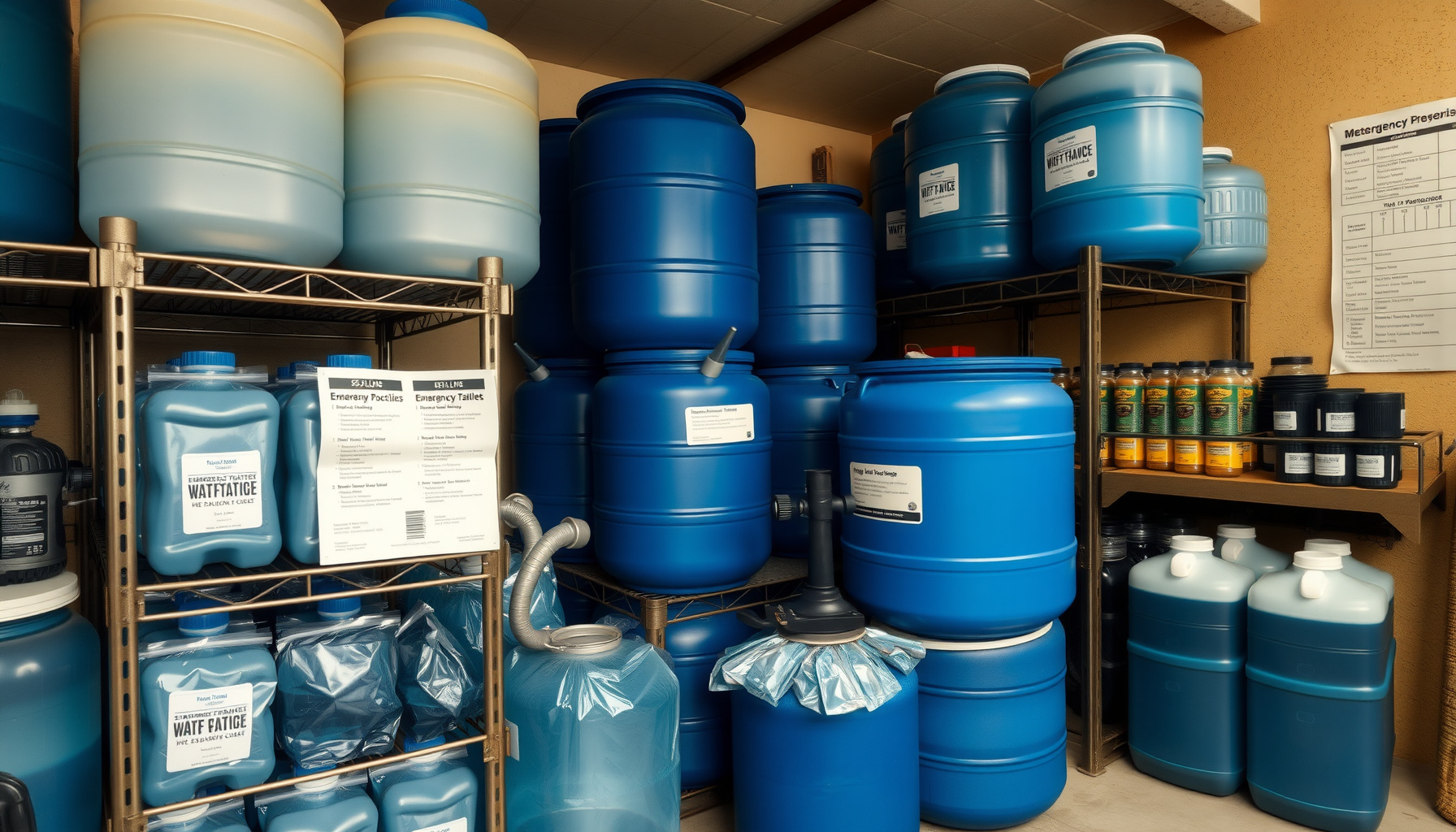
Here’s what most emergency preparedness guides get completely wrong about storing drinking water: the container you use matters far more than the water you put in it. People obsess over how many gallons to stockpile, then pour perfectly good tap water into whatever jug is handy — an old milk jug, a repurposed juice bottle,
-
What Happens to Water Quality During a City Water Main Replacement?
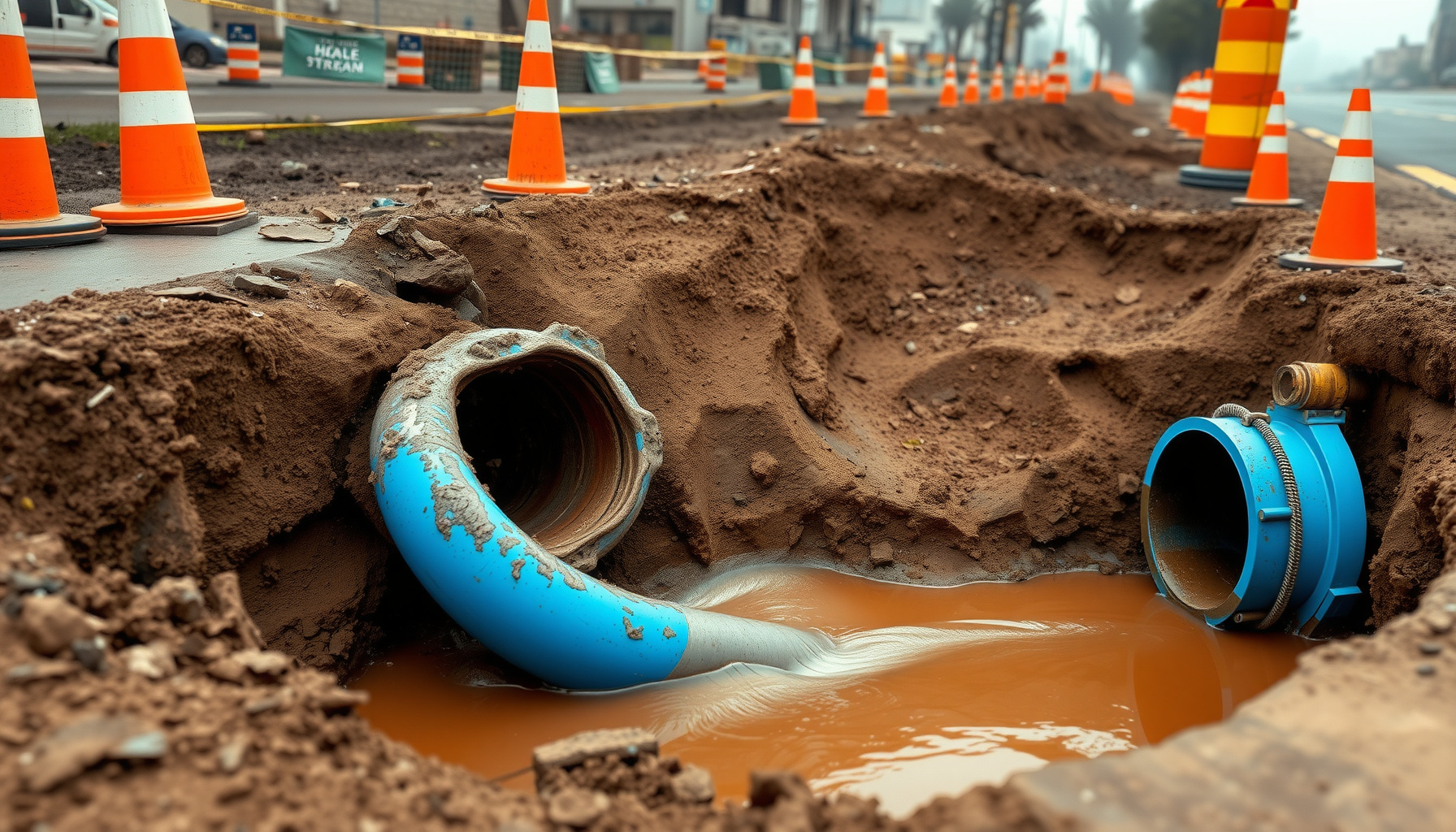
Here’s what almost nobody tells you before the orange construction signs go up outside your house: the water quality risk from a city water main replacement doesn’t peak during the work — it peaks after the new pipe is flushed and your service is restored. Most homeowners assume the danger window is while the crew
-
Is Tap Water Safe to Use in a Humidifier Long-Term?
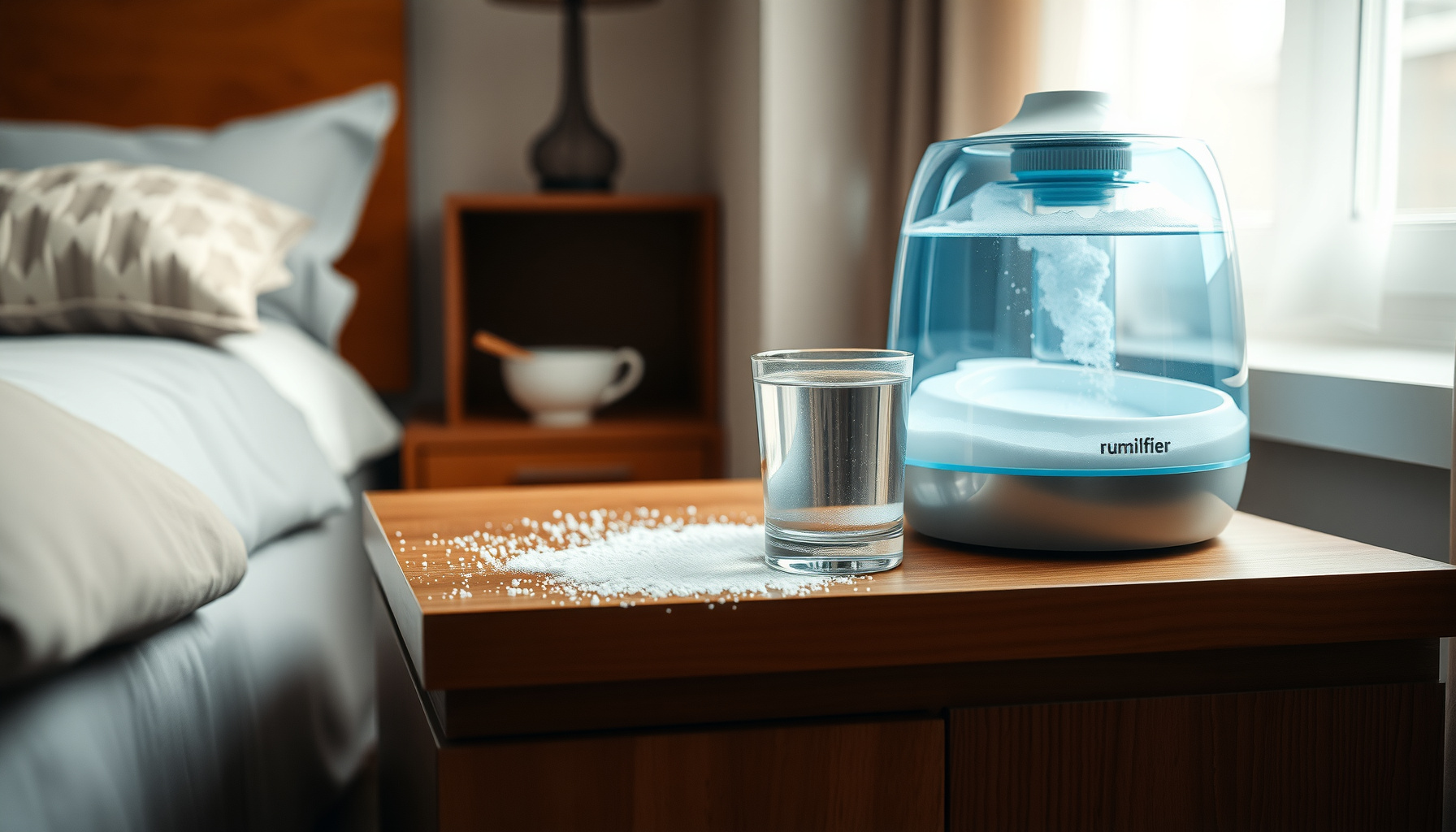
Here’s what almost nobody tells you: the real problem with using tap water in your humidifier long-term isn’t what’s getting into the air you breathe — it’s what’s getting left behind in the machine itself. Most articles fixate on white mineral dust floating around your living room, but that’s almost a cosmetic issue compared to
-
Is Tap Water Safe for Making Ice at Home?
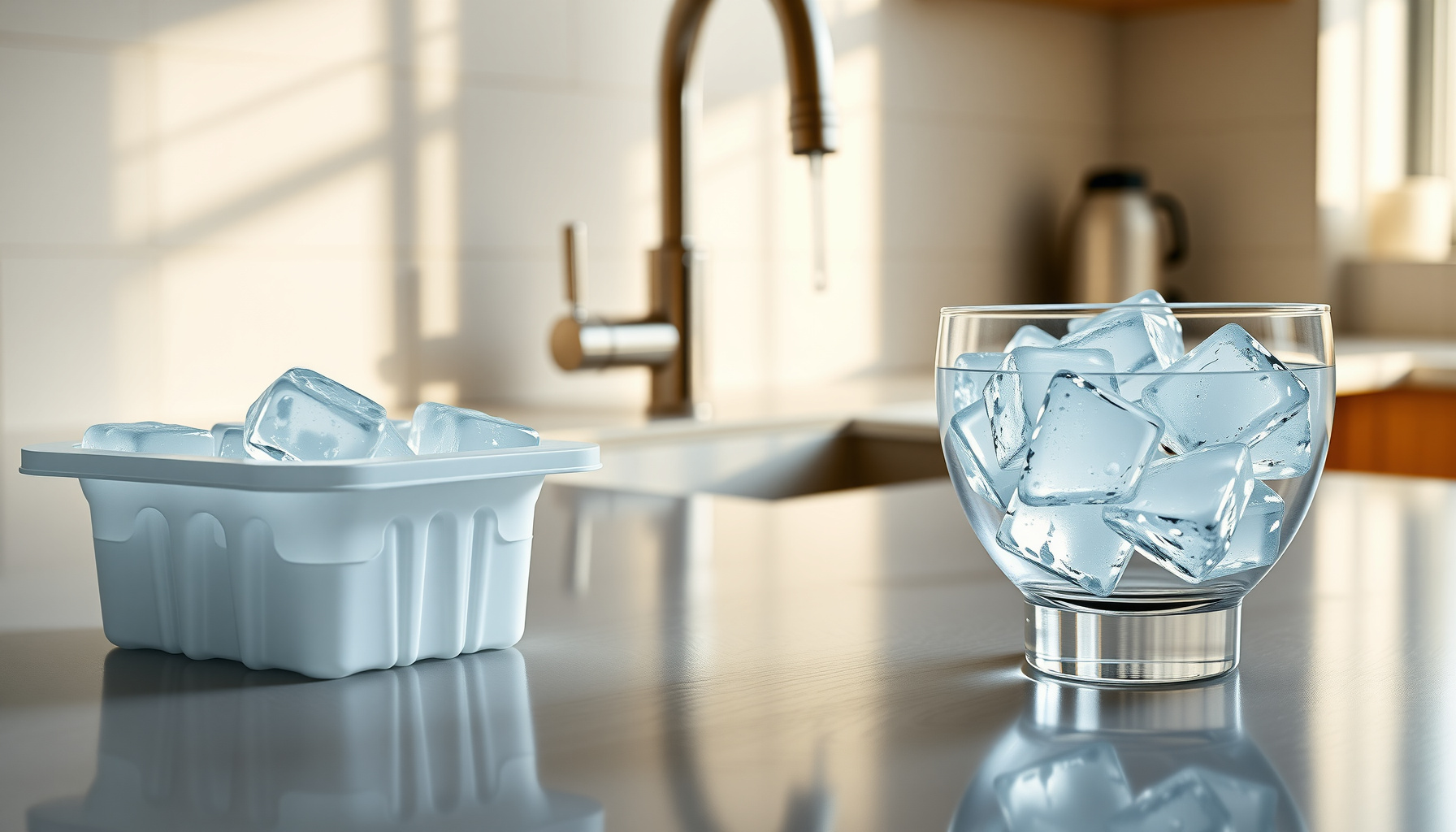
Here’s what most people get wrong: they assume that if their tap water is safe to drink, it’s automatically safe to freeze. Those two things are not the same. Ice made from tap water isn’t just frozen water — it’s a concentration point. Contaminants that pass harmlessly through a glass of water can behave very
-
Is Tap Water Safe for Rinsing Contact Lenses?
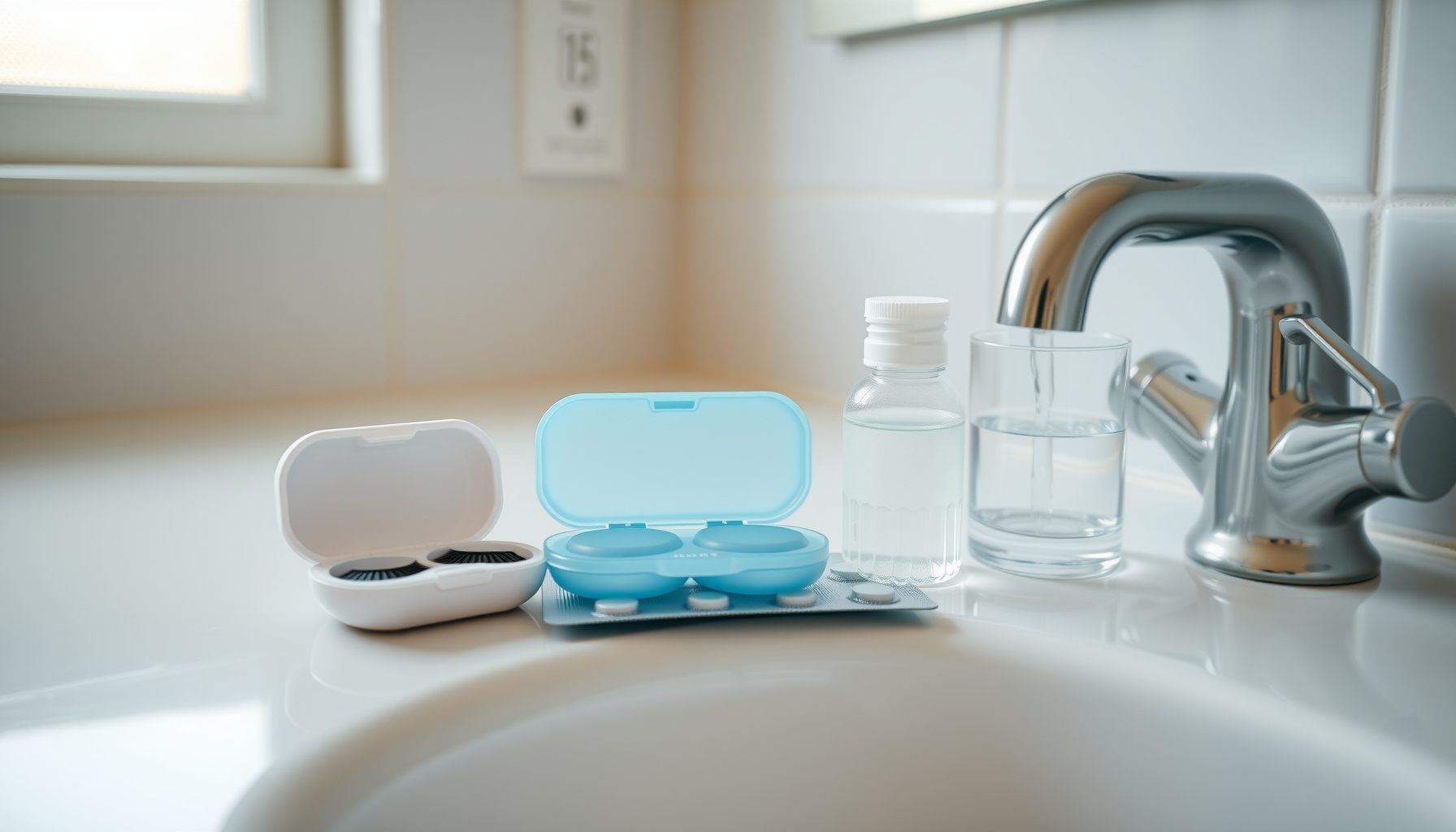
Here’s the answer most eye care sites bury on page three: no, tap water is not safe for rinsing contact lenses — but the reason isn’t what most people assume. It’s not primarily about bacteria from the pipes or chlorine irritating your eyes. The real threat is a microscopic organism called Acanthamoeba that lives in
-
How Long to Run Tap Water Before Drinking After Vacation
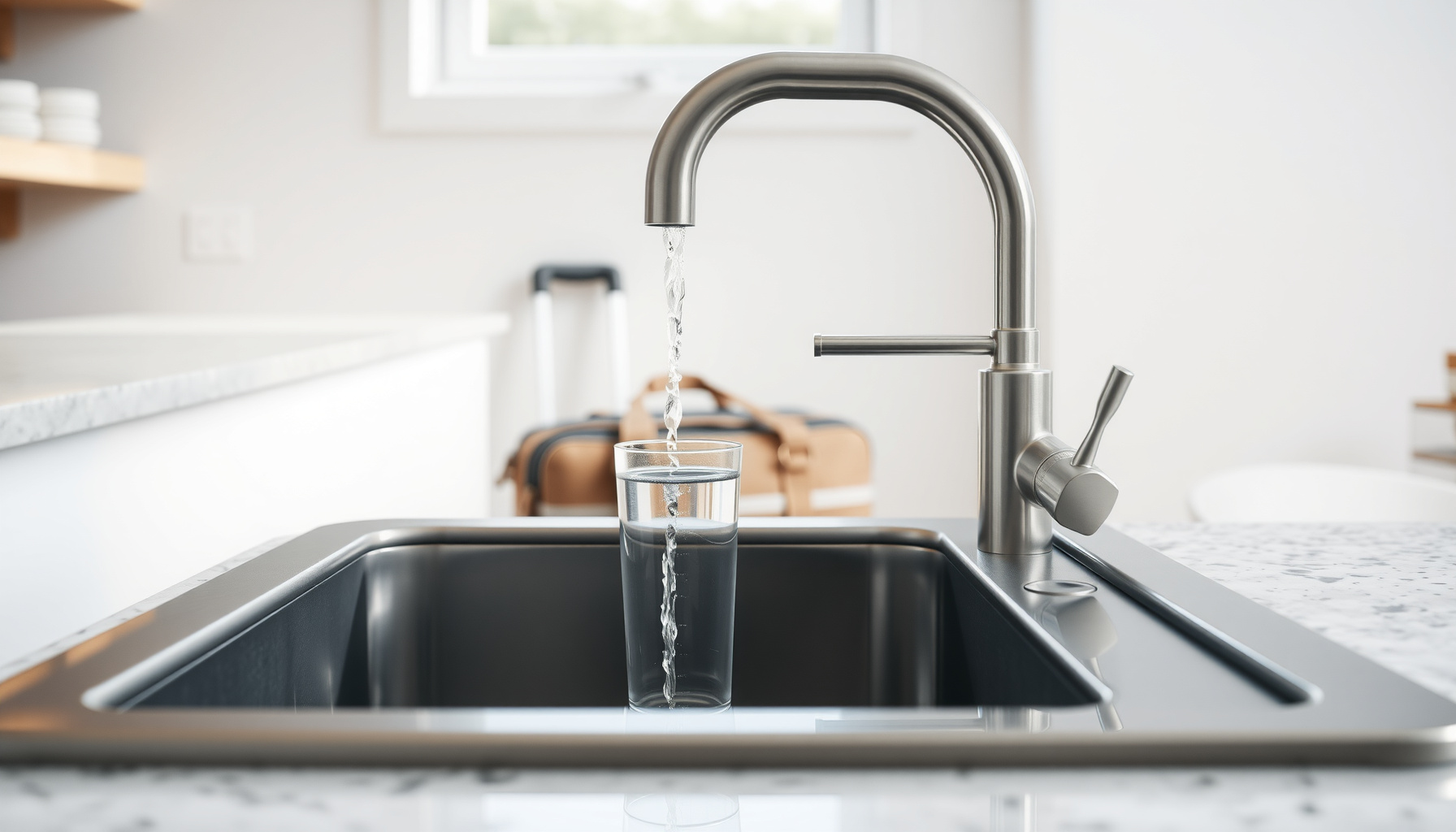
Here’s what most articles won’t tell you: running your tap for 30 seconds when you get home from vacation is probably not enough — and in some homes, it’s not even close. The real issue isn’t stagnant water sitting in your main supply line. It’s the water that’s been baking inside your home’s internal plumbing,


