
Latest posts
-
Are Water Softener Rent-to-Own Plans Worth It?
Renting a water softener costs more than buying one — almost always, no matter how the monthly number is presented to you. That’s the answer most people need before they sign anything. But the real trap isn’t the total price: it’s the contract terms that make switching, canceling, or eventually owning the unit far harder
-
Fleck vs Clack: Which Softener Valve Lasts Longer?
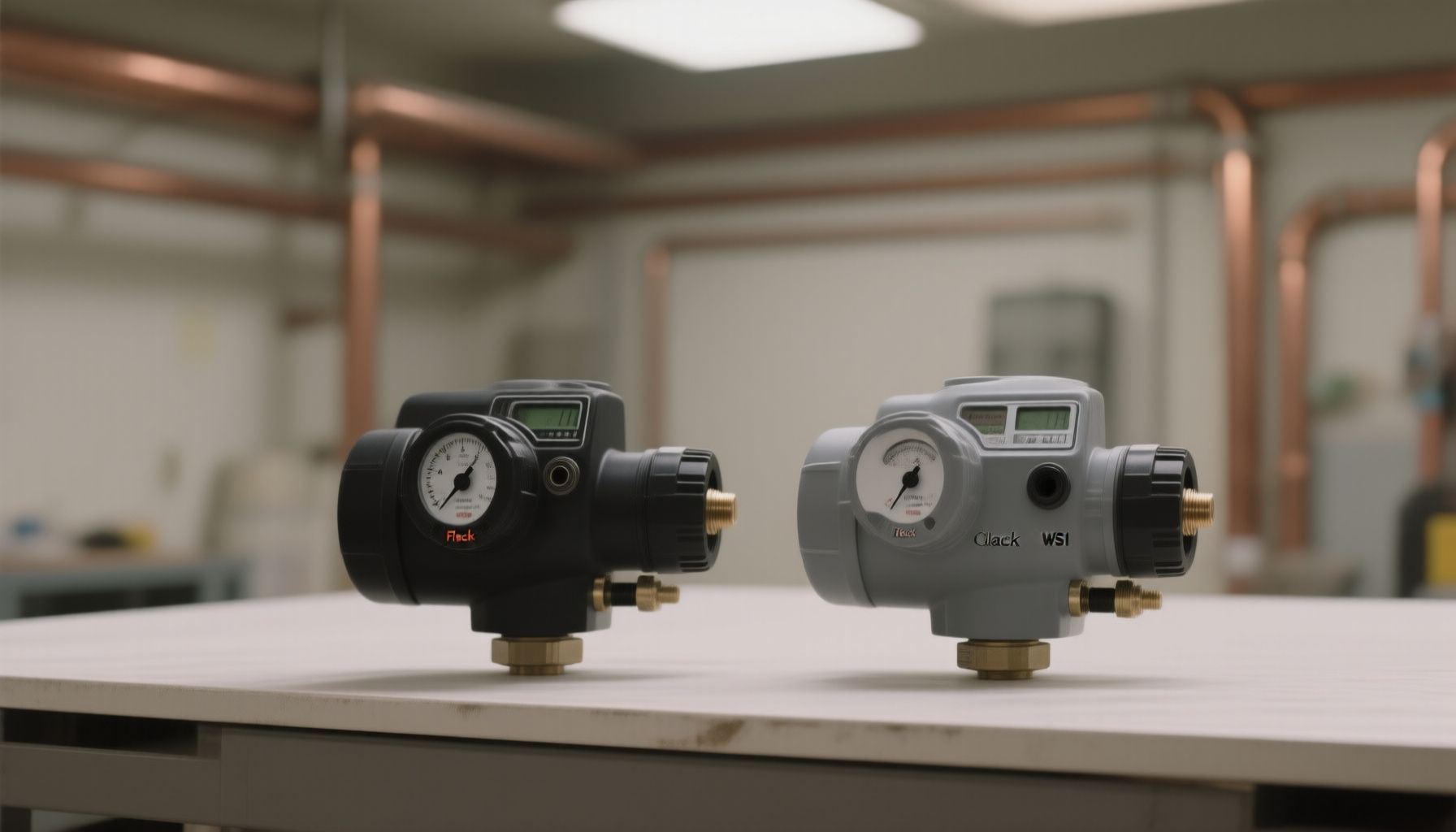
The valve is the part that actually fails — and most softener buyers never think about it once. They compare grain capacity, tank size, and salt efficiency, but the control valve is what determines whether your softener still works reliably after a decade or quietly becomes an expensive ornament in your utility room. Fleck and
-
Multipure vs Aquasana: Under-Sink Filter Showdown
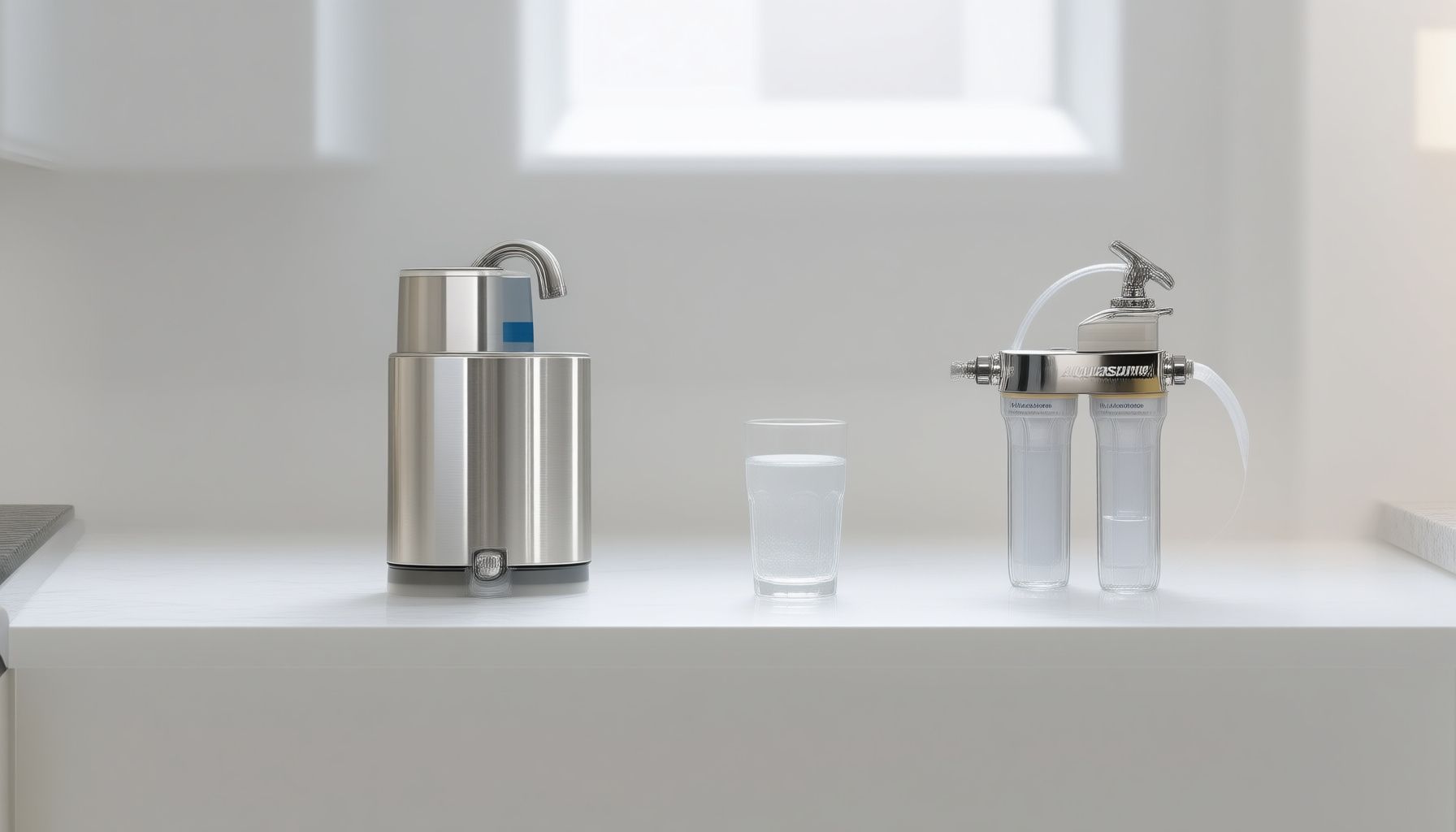
Neither filter is universally better — and that answer will save you from spending money on the wrong one. Multipure and Aquasana both make genuinely capable under-sink filters, but they’re built around different philosophies, perform differently depending on what’s actually in your water, and serve different types of homeowners. The comparison most people read online
-
EcoWater vs Culligan: Full Water Softener Comparison
Choosing between EcoWater and Culligan comes down to one thing almost nobody talks about: who actually services the unit after it’s installed. The softener itself barely matters if the salt delivery is unreliable, the tech shows up six weeks late, or the dealer three towns over doesn’t carry your model’s resin replacement parts. Most comparison
-
Clearly Filtered vs Berkey: Which Removes More Contaminants?
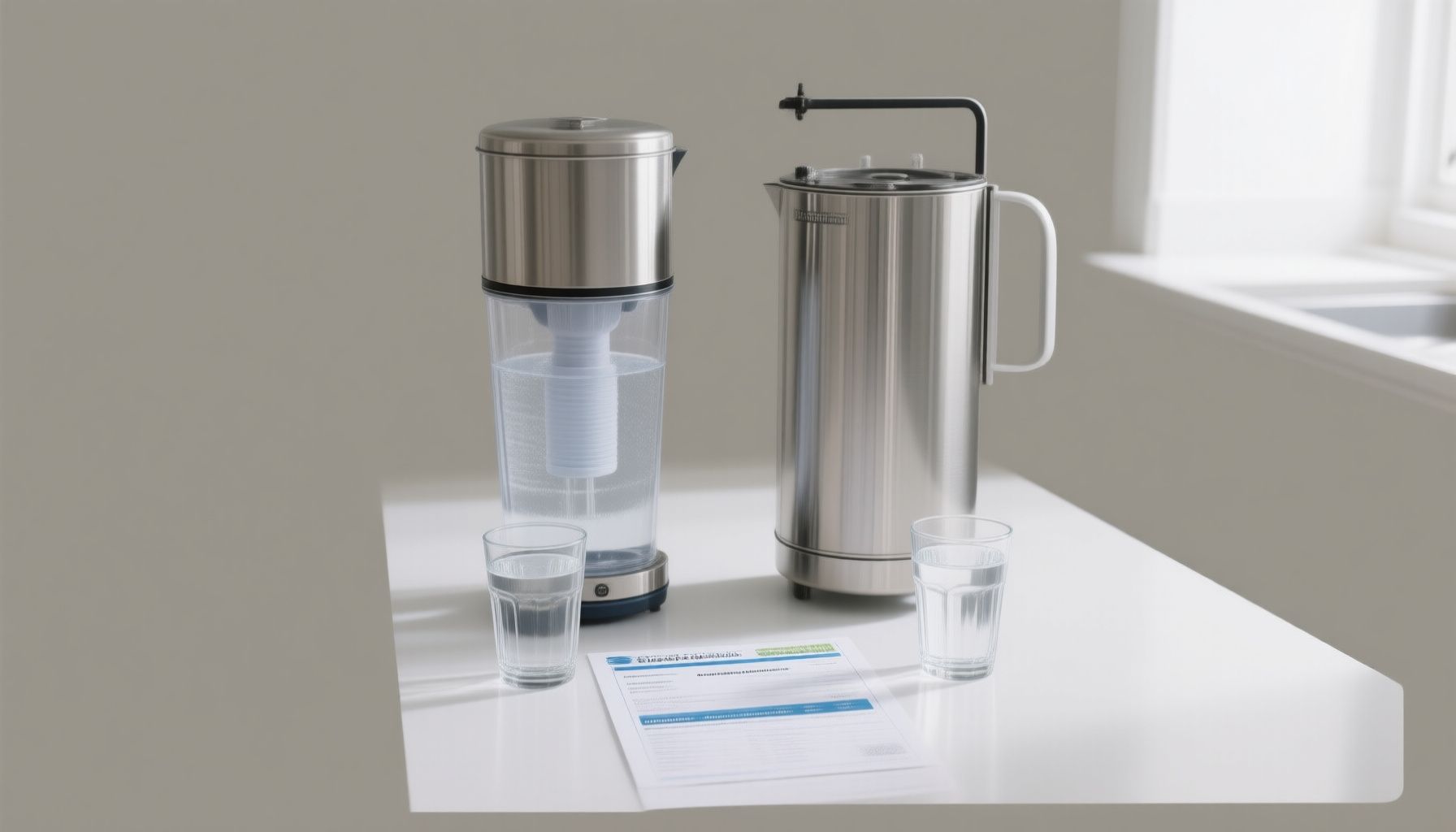
Both filters work. That’s the honest answer — and also where most comparisons stop, leaving you with no real guidance. The question that actually matters isn’t “which one filters water?” but rather “which one filters your water problems?” Clearly Filtered and Berkey use fundamentally different filtration chemistry, and choosing the wrong one based on a
-
Tax Credits and Rebates for Water Filtration Systems

There is no federal tax credit specifically for water filtration systems in 2026 — and that single misconception sends thousands of homeowners down a rabbit hole of wasted time every year. The money is real, the savings are real, but they come from a patchwork of state-level rebates, utility programs, and one narrowly defined federal
-
Bottled Water vs Filter Pitcher vs RO System: 5-Year Cost Comparison
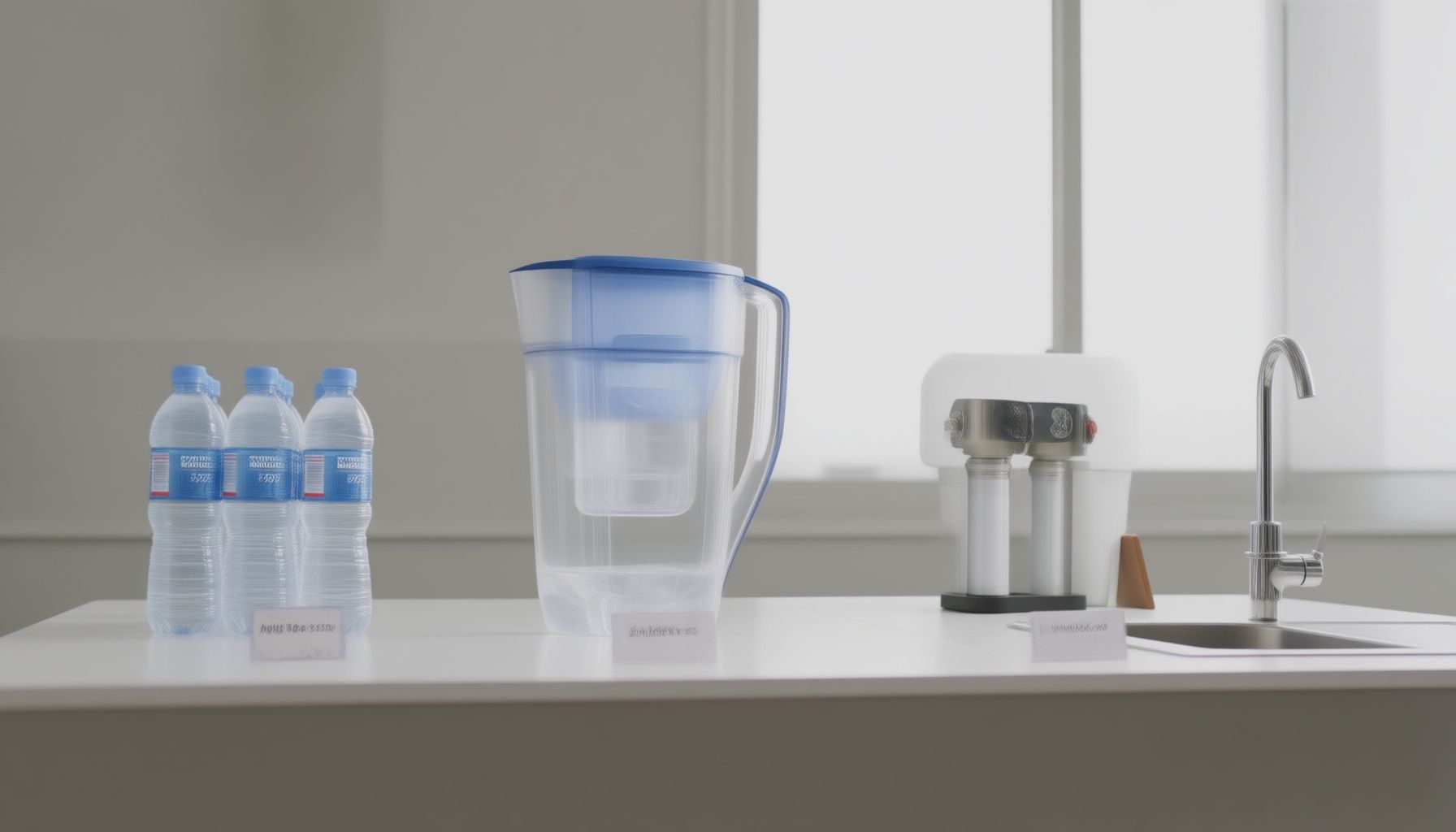
Bottled water costs you roughly 2,000 times more per gallon than tap water — and a filter pitcher still costs somewhere between 10 and 40 times more. That gap is the number almost every cost comparison glosses over, because the real question isn’t which option is cheapest in month one. It’s which option you’re quietly
-
True Cost of a Whole-House Water Softener, Installed
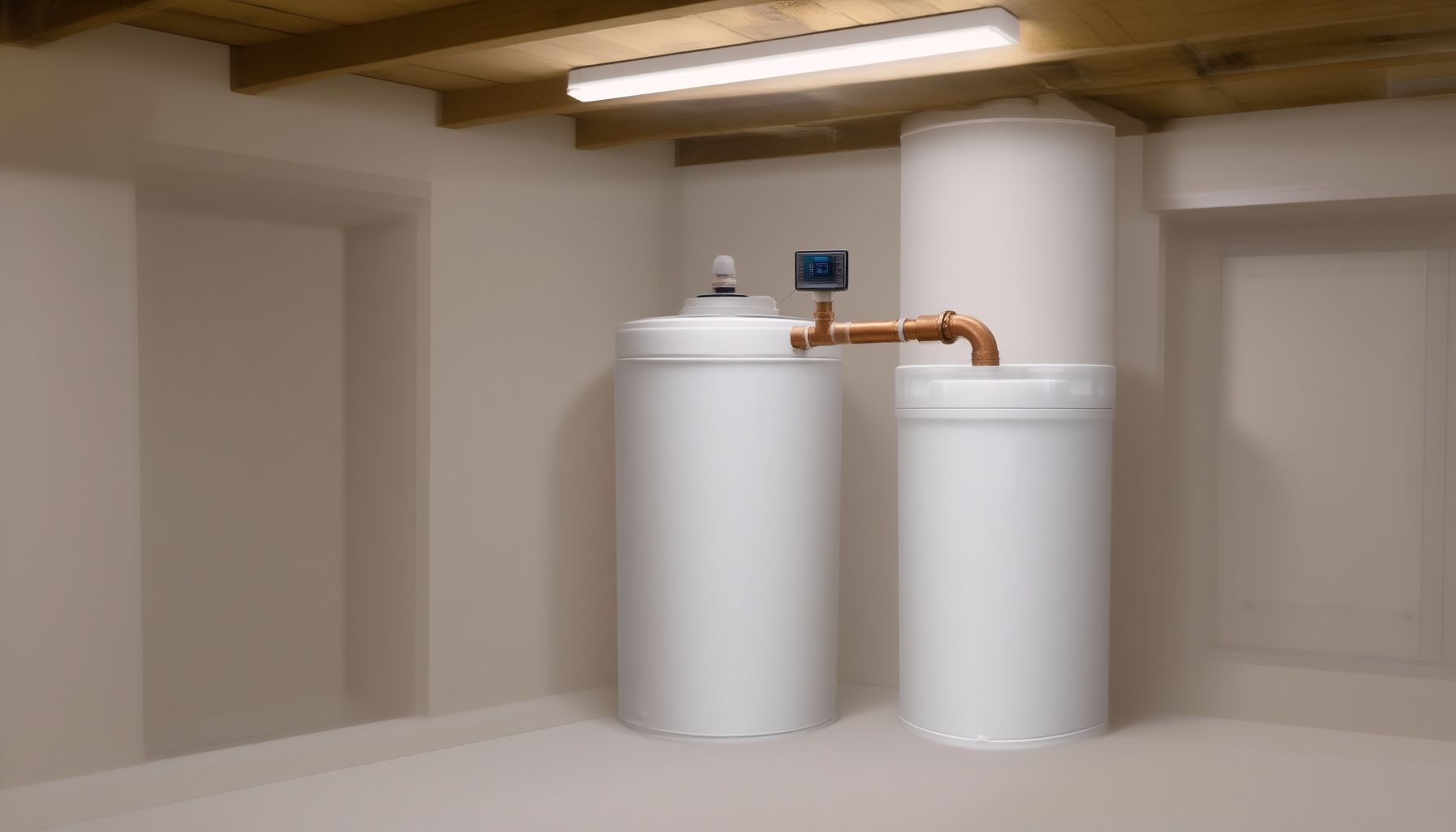
$800 to $6,000 — that’s the installed price range you’ll find quoted for a whole-house water softener, and almost no one tells you that the middle of that range is rarely where most real projects land. The number that actually matters is closer to $1,800–$3,200 for a professionally installed ion-exchange system in a typical 3-bedroom
-
Water Filter Subscription vs Buying Filters Yourself: Real Cost Comparison
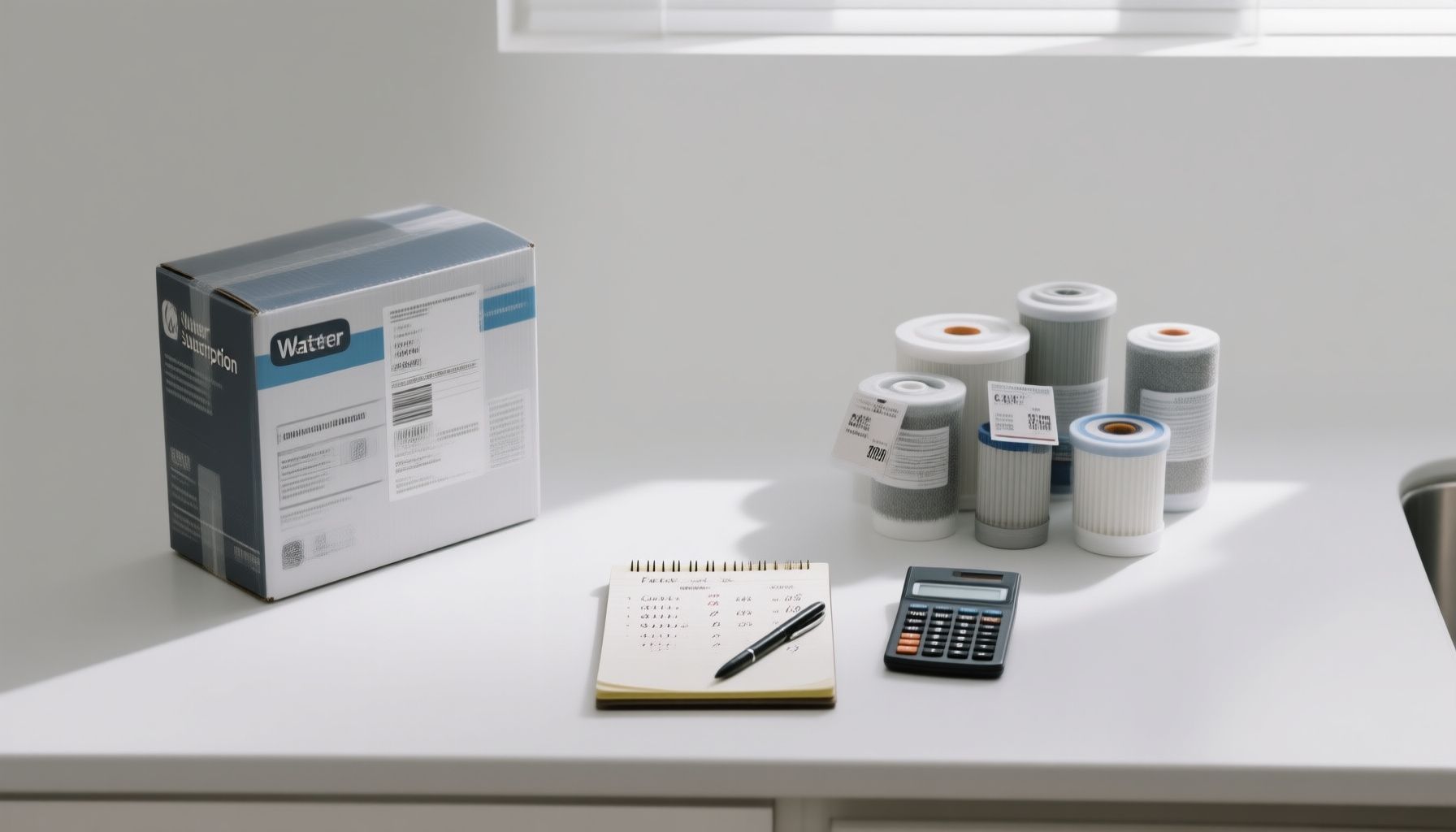
Subscriptions win on convenience. Buying yourself wins on cost. That’s the conventional wisdom — and it’s only half right. The part everyone skips is that neither approach saves you money if you’re replacing filters on a schedule instead of based on what’s actually in your water. That single mistake probably costs the average household more
-
Does a Refrigerator Water Filter Actually Work or Is It Just Marketing?

Refrigerator filters work — but almost certainly not for the contaminants you’re most worried about. That’s the uncomfortable truth that filter manufacturers don’t lead with, and it changes how you should think about the little blue cartridge behind your fridge. Here’s the gap most people miss: the question isn’t whether a refrigerator filter does something.


