
Latest posts
-
Whole House Filter Reducing Water Pressure Too Much: How to Fix It
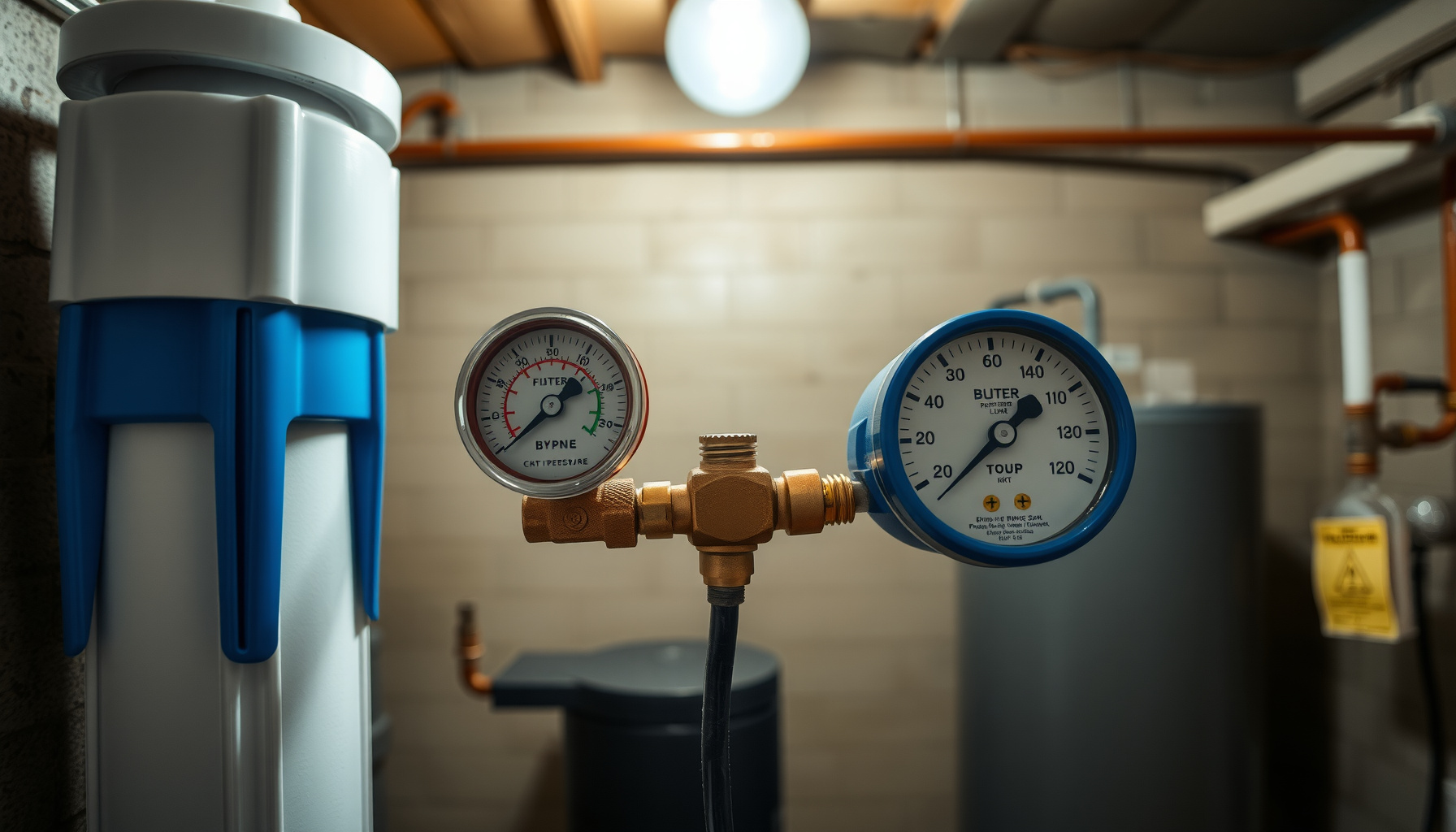
Replacing a whole house filter doesn’t ruin your water pressure — a clogged or undersized one does. That distinction matters because most homeowners go hunting for fixes in the wrong places, adjusting pressure regulators or calling plumbers, when the filter itself is the entire problem and the solution takes about ten minutes. Here’s the part
-
Water Pressure Drops When Using a Filter: Causes and Fixes
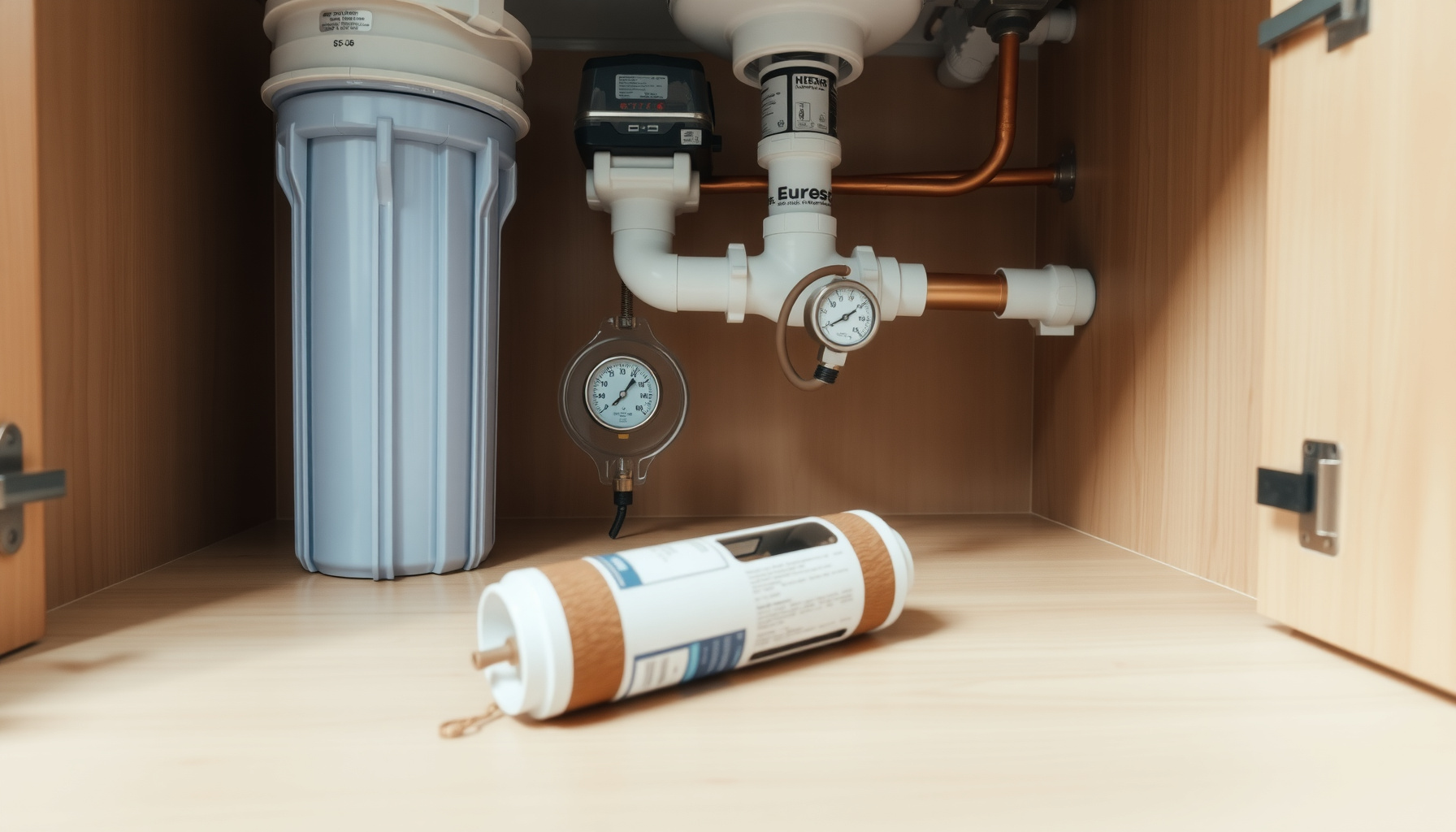
Fitting a filter to your tap and then watching the water trickle out like it forgot where it was going — that’s the moment most people blame the filter itself. But the filter is usually the last thing at fault. Pressure loss through a filtration system is almost always a symptom of something upstream: a
-
Why Does My Filtered Water Still Taste Bad? What Filters Miss
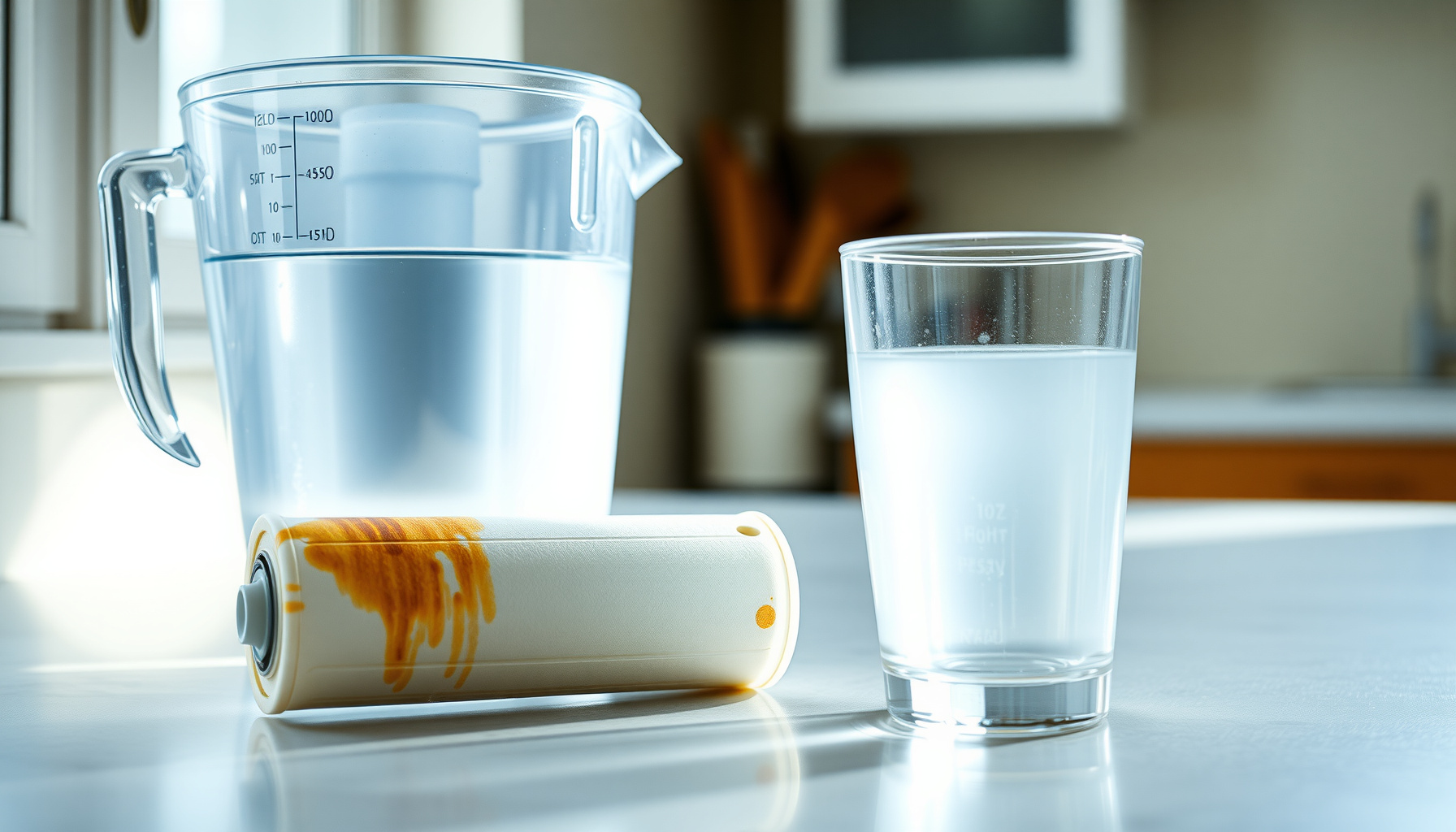
Buying a filter and still getting bad-tasting water is one of the most quietly infuriating things that happens in American households. Here’s the part nobody tells you upfront: most filters are designed to reduce specific contaminants, not to make water taste good — and those two goals don’t overlap as much as the packaging implies.
-
Is ZeroWater Filter Worth the Price vs Brita vs PUR?
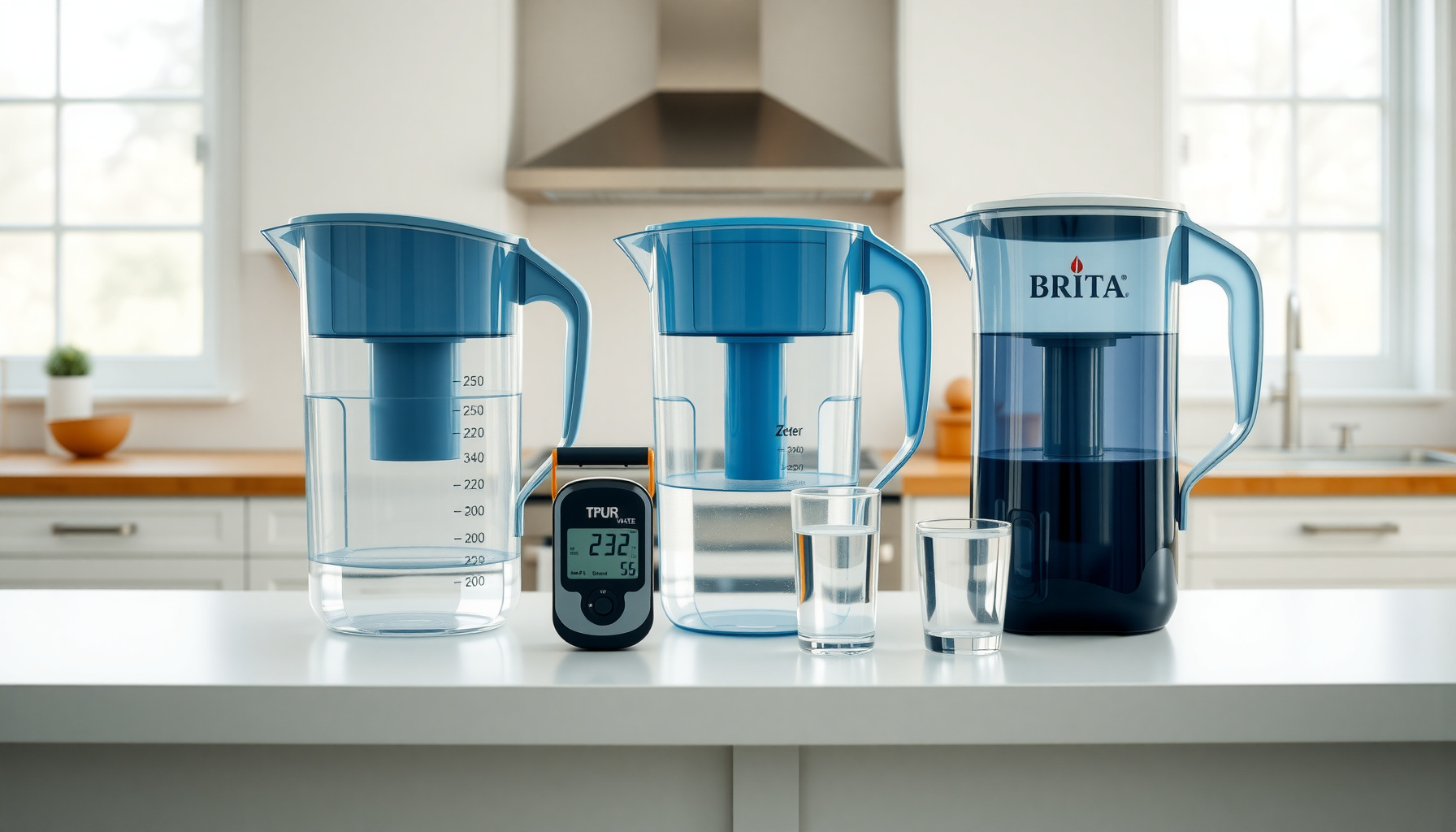
ZeroWater wins the TDS reading every single time — and that’s exactly the wrong thing to optimize for if you don’t understand what TDS actually measures. The dirty secret of the pitcher filter wars is that most buyers are comparing Brita, PUR, and ZeroWater on a metric that tells you almost nothing about whether your
-
Under Sink Filter vs Countertop Filter: Which Is Better for Renters?
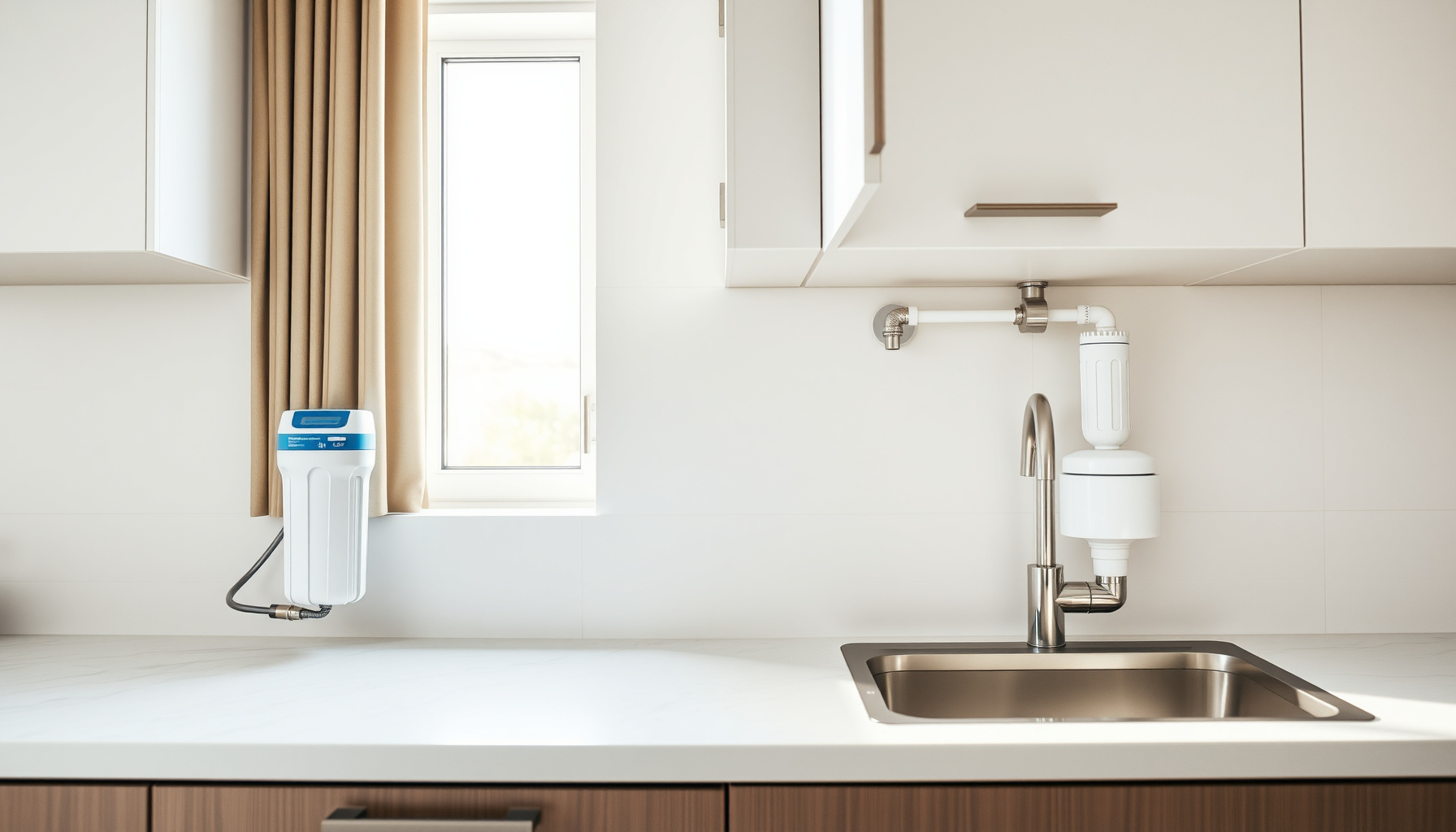
Signing a lease doesn’t mean you have to drink unfiltered tap water for the next year or two. Countertop filters get recommended to renters almost automatically — “you can’t install anything permanent” — but that assumption is outdated and, in some cases, wrong in ways that actually cost renters more money and worse water quality
-
Reverse Osmosis vs Whole House Filter: Which Do You Actually Need?
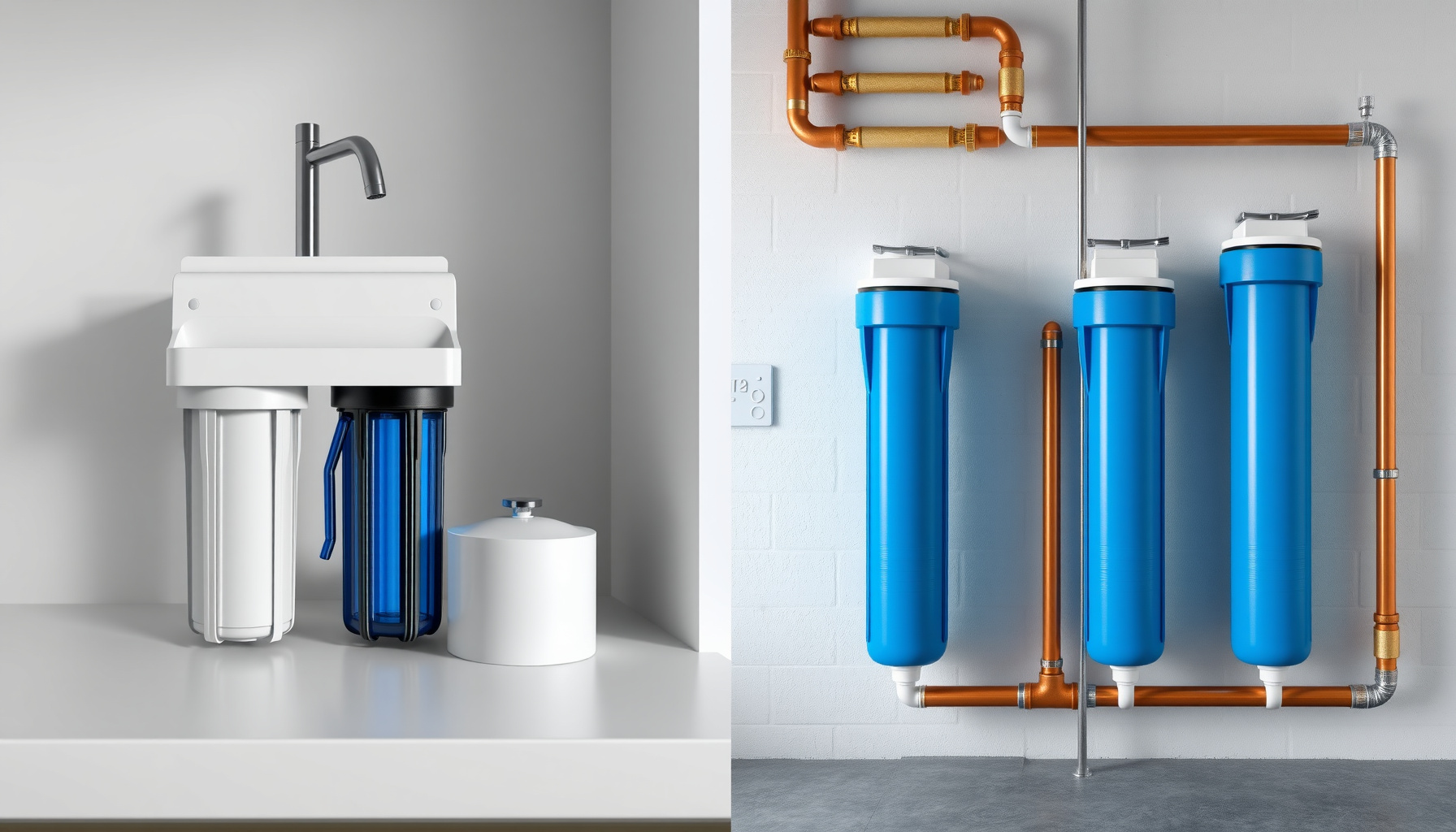
Both systems can give you clean water. That’s not the debate. The real question — the one almost nobody answers honestly — is whether you need clean water at one faucet or throughout your entire house, and those are two completely different problems that require two completely different solutions. Buying the wrong one doesn’t just
-
Water Softener Making Water Taste Salty: Is This Normal?
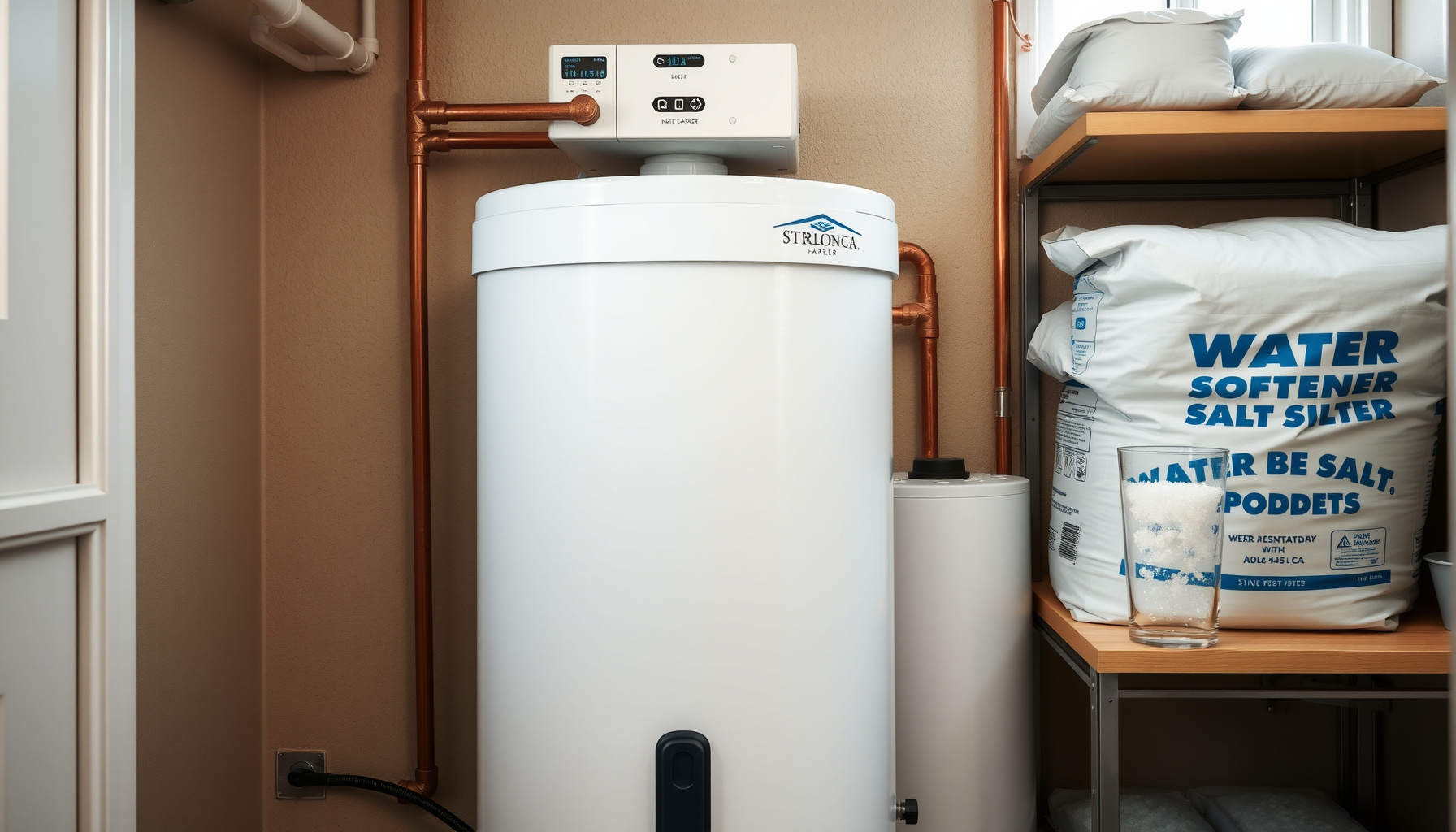
Here’s the answer most people don’t want to hear: if your softened water genuinely tastes salty, your water softener is broken — not working correctly. A properly functioning ion exchange softener should add so little sodium to your water that it’s physiologically impossible to taste it. The salty taste you’re detecting is a sign that
-
Hard Water Is Destroying My Appliances: Which Filter Actually Helps?
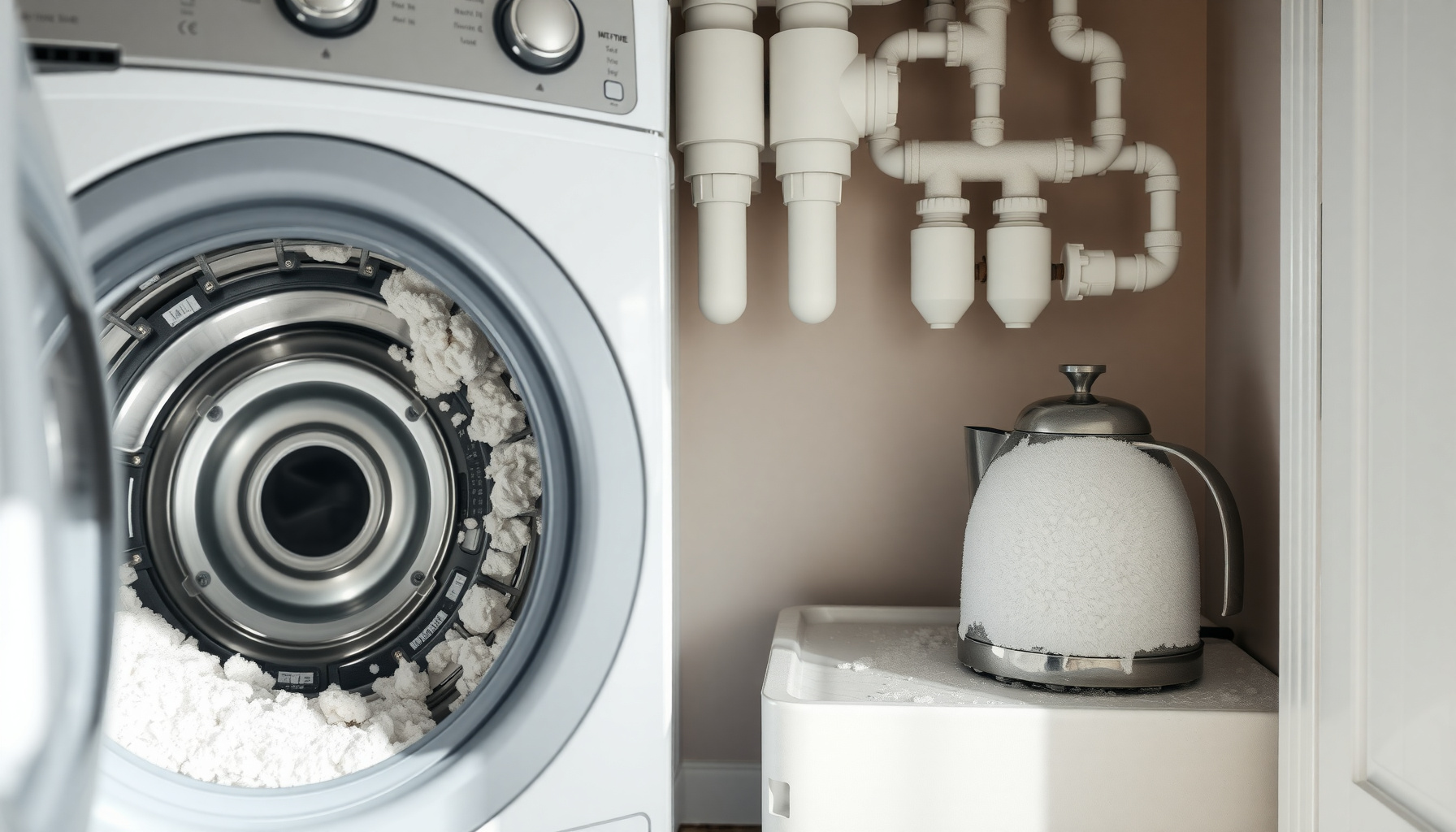
Here’s the thing most appliance repair guides won’t tell you: the filter that protects your drinking water is almost never the same filter that protects your appliances. Homeowners spend hundreds on pitcher filters, under-sink systems, and fridge cartridges — then watch their water heater fail at year six instead of year twelve, their dishwasher spray
-
Why Does My Water Taste Different After Installing a New Filter?
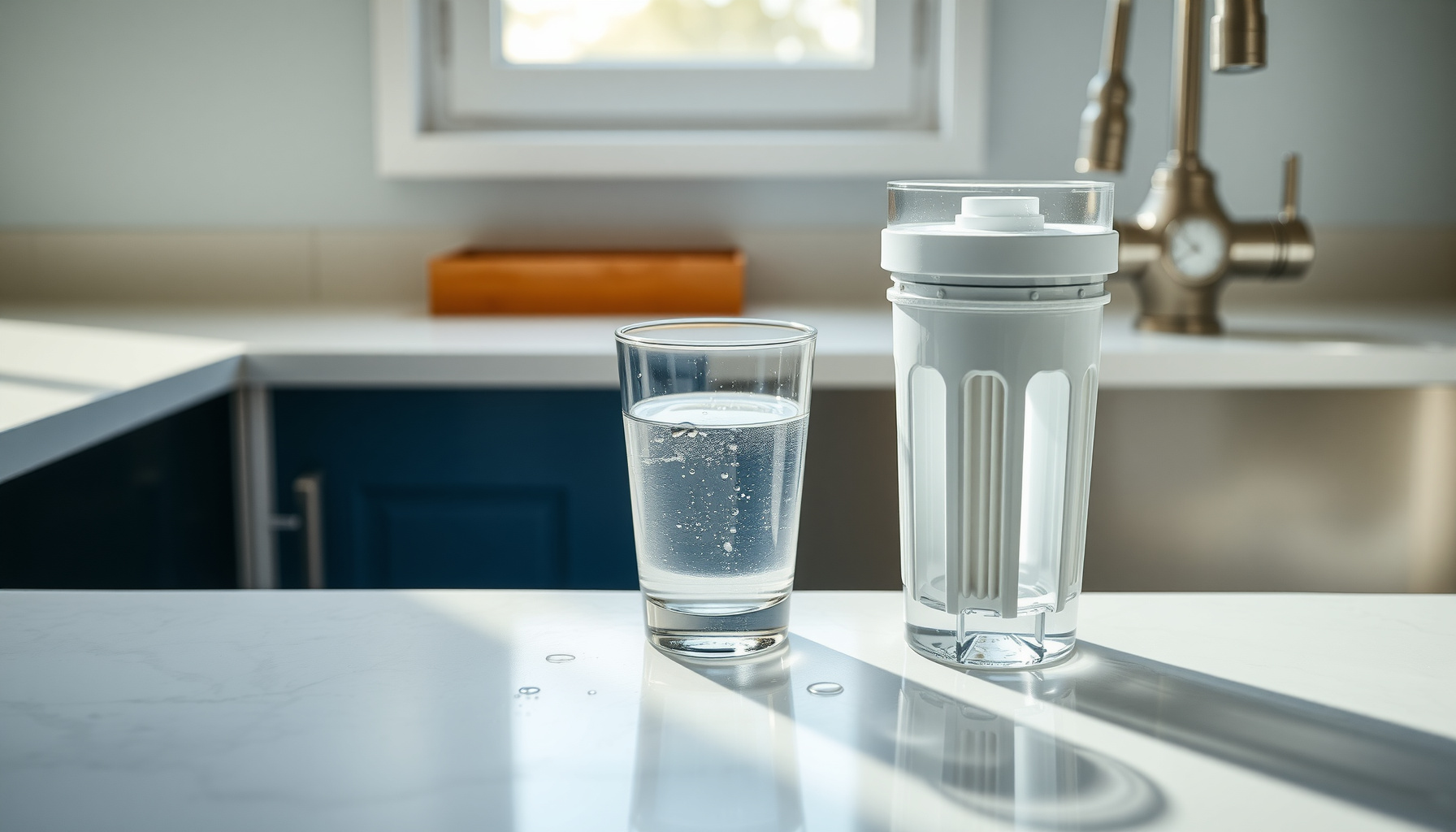
Here’s what almost nobody tells you when you install a new water filter: the strange taste you’re noticing isn’t a sign that something went wrong. It’s often a sign that something went exactly right — and your palate just doesn’t know what to do with it yet. Most homeowners assume a new filter should immediately
-
How Long Does a Brita Filter Really Last? The Real Answer vs Marketing
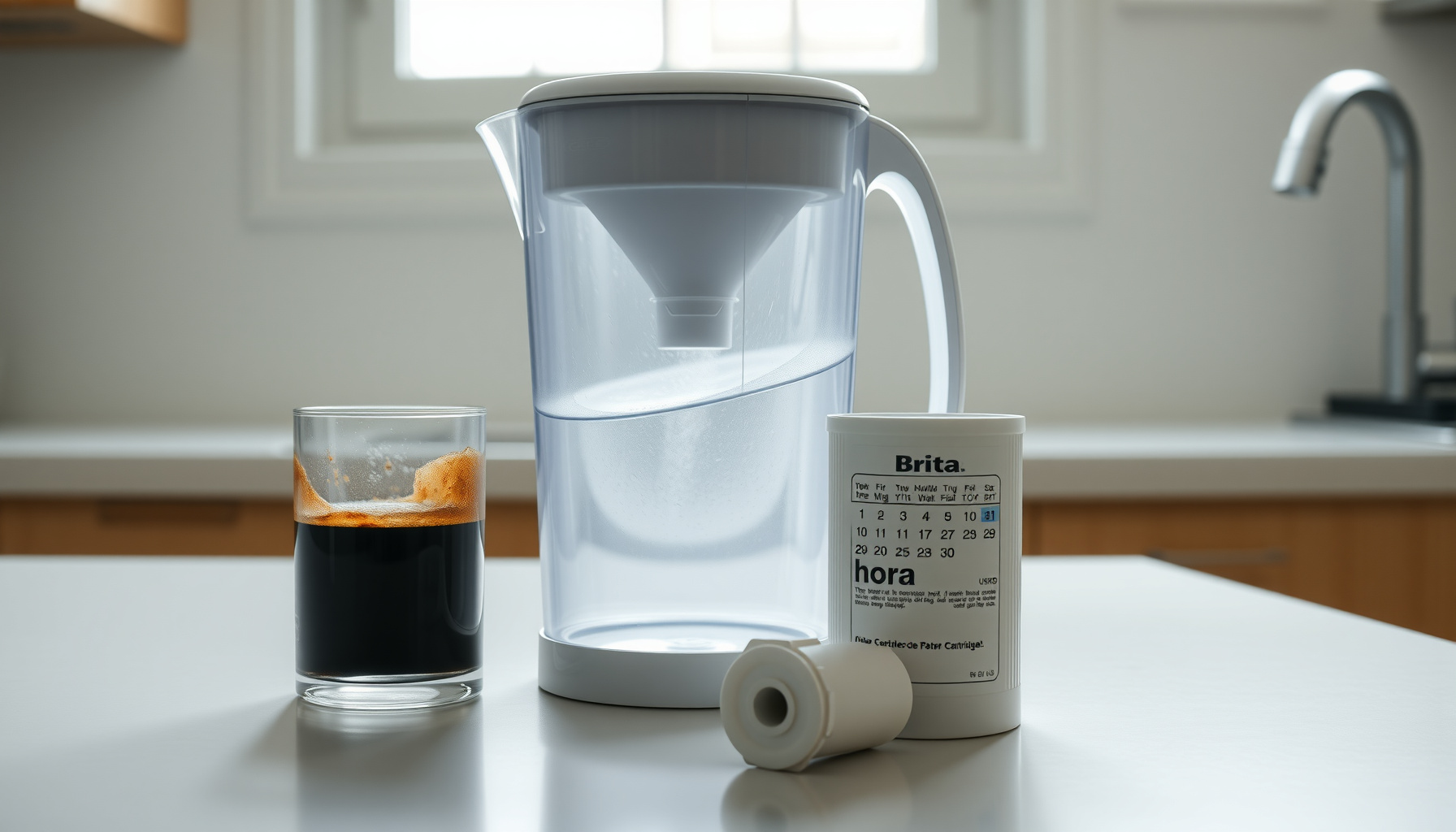
Brita says replace your pitcher filter every 40 gallons, or about every two months. That number is printed on every box, repeated in every reminder app notification, and it’s also — depending on your specific situation — almost meaningless. The real answer to how long a Brita filter lasts isn’t a volume or a time


