
Latest posts
-
What Is Hardness Bypass on a Water Softener?
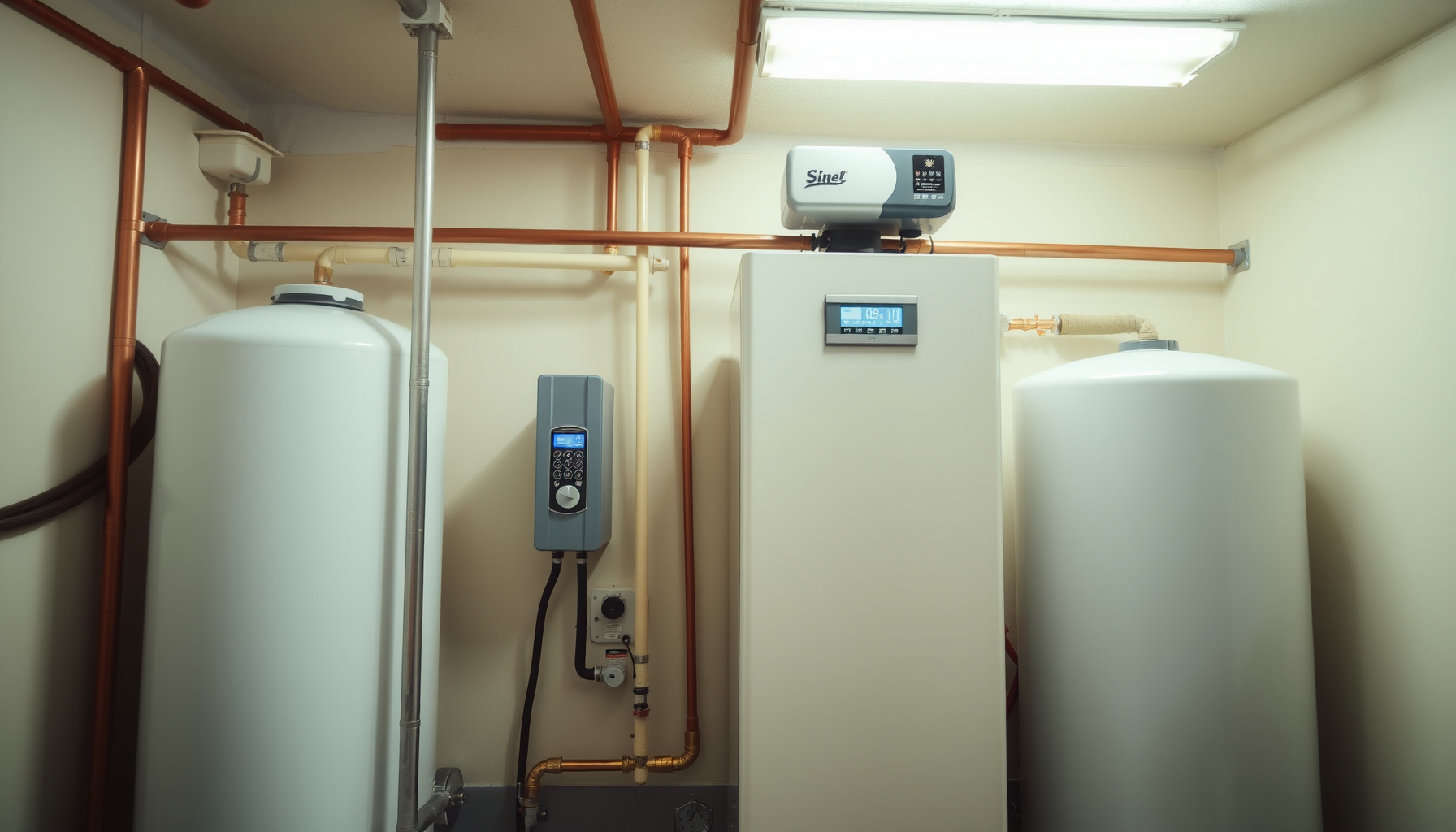
Here’s what most water softener guides get completely wrong about hardness bypass: they treat it like a simple on/off switch for emergencies, when it’s actually a precision tool that — used correctly — can protect your health, extend your appliances, and save you real money on salt. The assumption that “fully softened water everywhere in
-
Water Filter Making Noise: Causes and Fixes
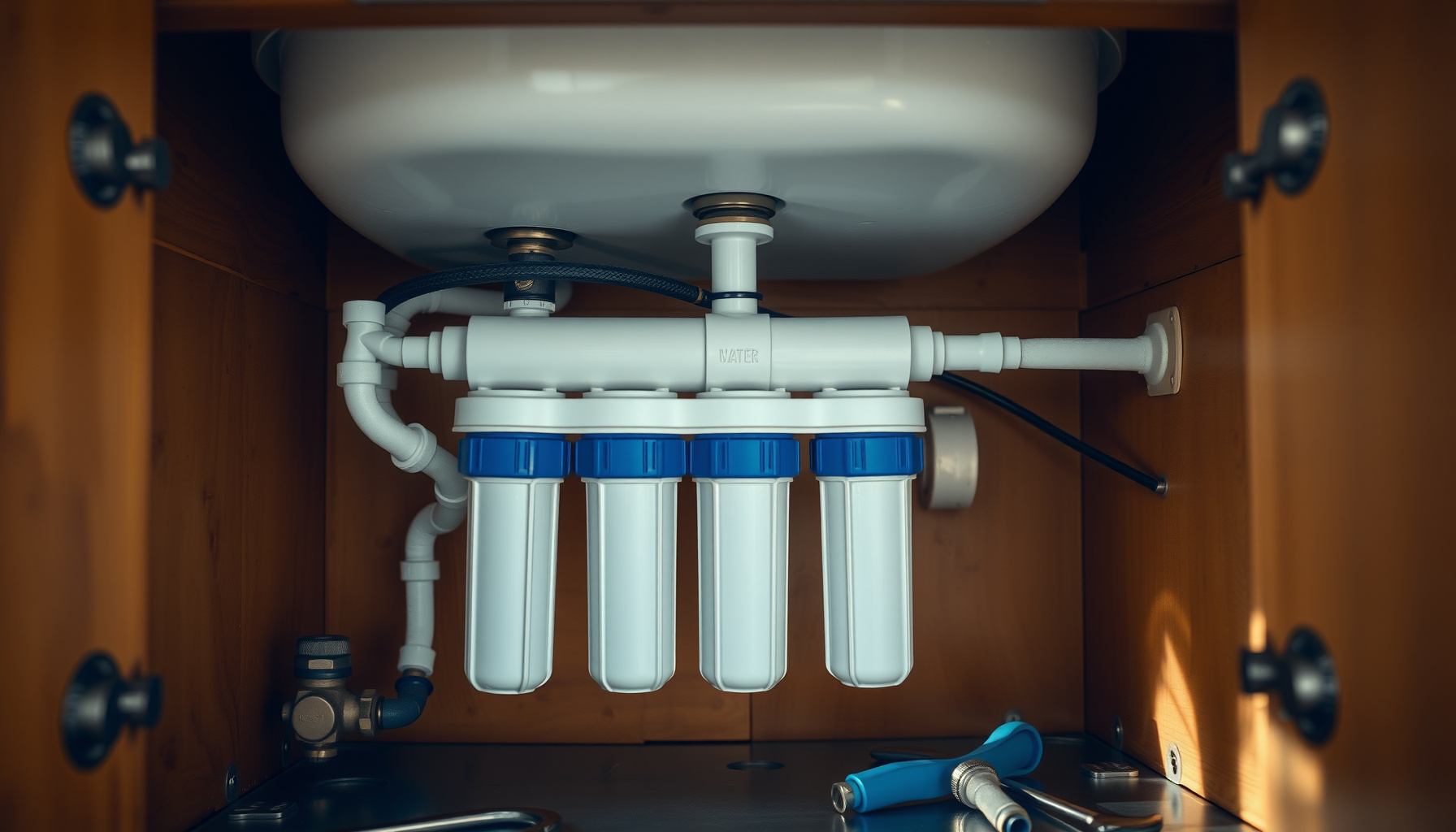
Here’s what most people get wrong: a noisy water filter isn’t usually broken. It’s usually telling you something specific — and if you know how to listen, you can diagnose the problem in minutes without calling a plumber. The real issue is that homeowners treat filter noise as a single problem with a single fix,
-
How Often to Clean a Water Softener Brine Tank
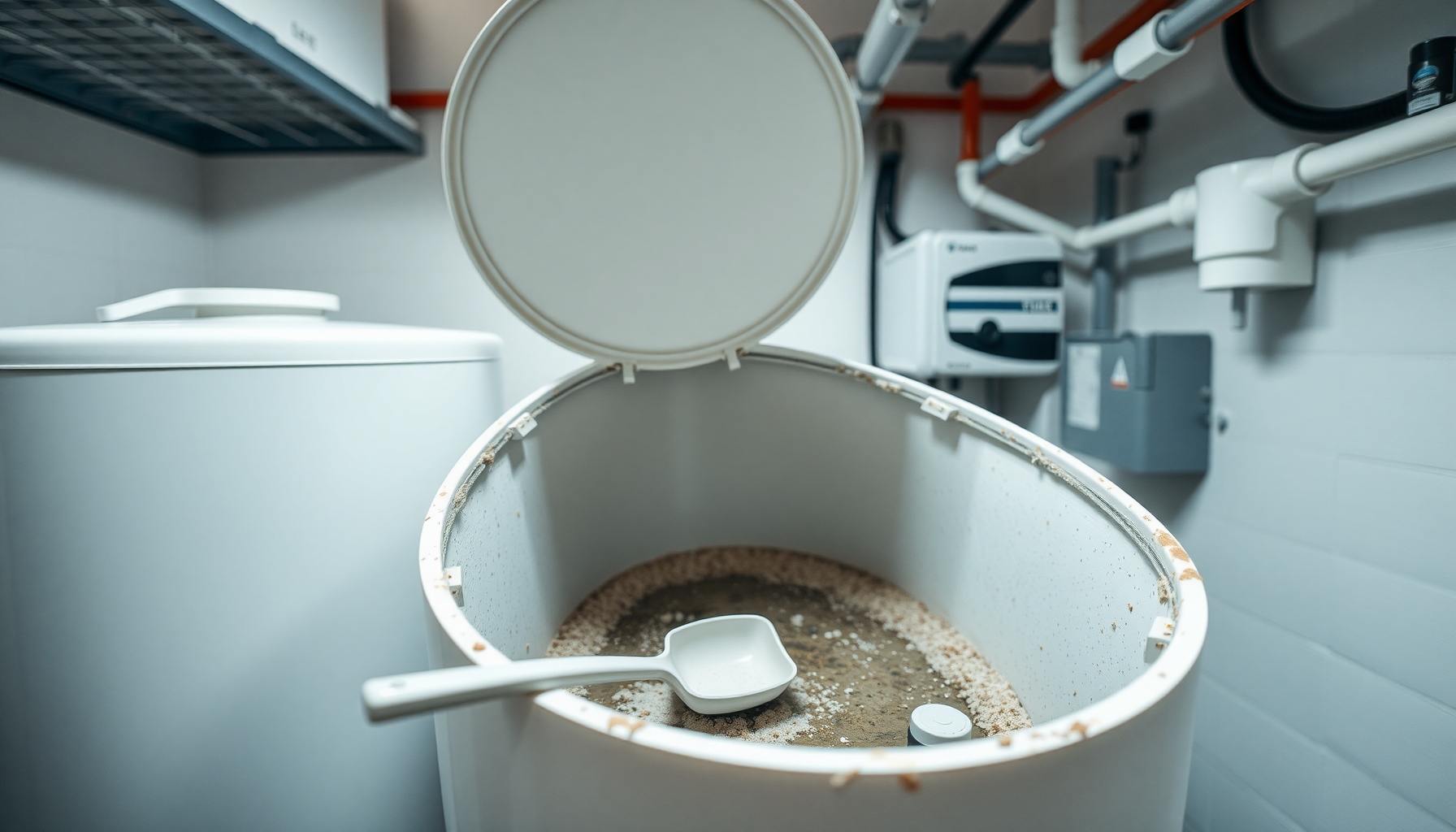
Here’s the answer most articles bury three scrolls deep: you should clean your brine tank once a year — but the real question isn’t when, it’s why your brine tank gets dirty in the first place, and that part almost nobody explains. Most homeowners treat the brine tank like a self-cleaning appliance because it’s constantly
-
How to Prime a Reverse Osmosis System After Filter Change
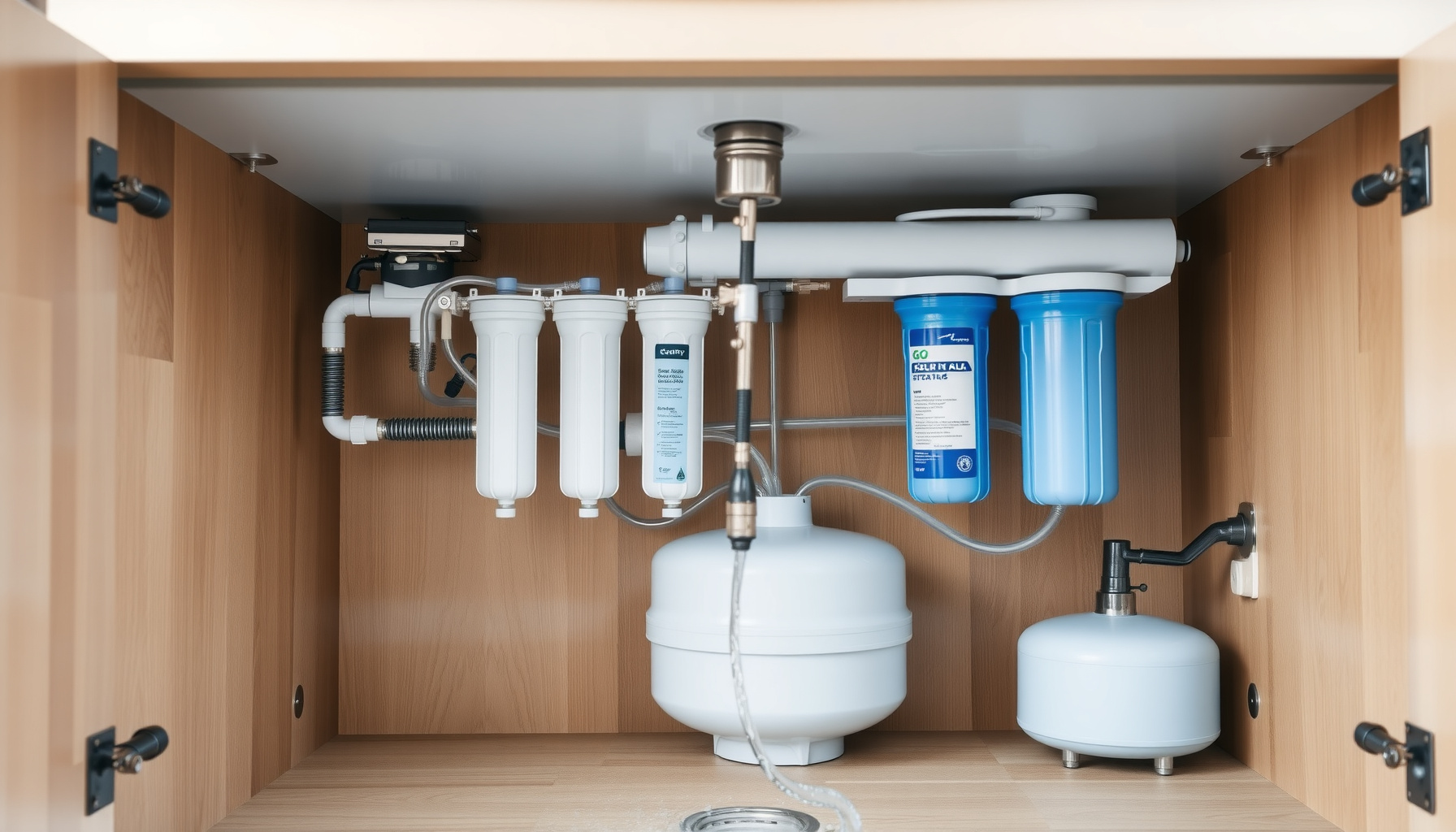
Here’s what most guides about priming a reverse osmosis system get completely wrong: they treat flushing as a one-time chore you do right after installation, then forget about forever. The real problem — the one that quietly ruins water quality and wears out membranes ahead of schedule — is what happens specifically after a filter
-
What Is a Sediment Filter and Where Does It Go in a System?
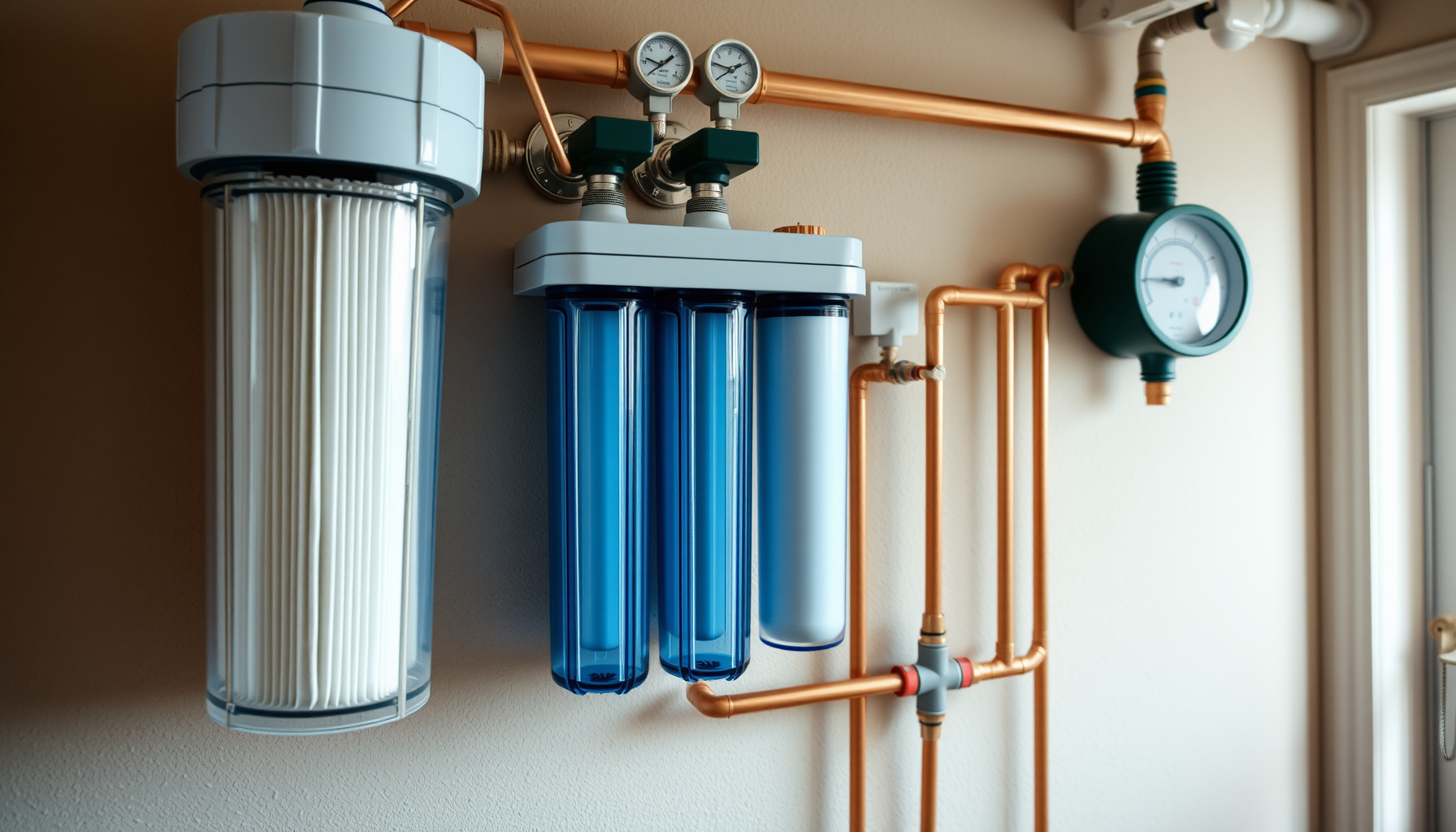
Here’s what most articles about sediment filters get wrong: they treat it like a standalone product you buy, install, and forget. The real story is about placement — and getting that wrong can make your entire filtration system work against itself. A sediment filter installed in the wrong position doesn’t just underperform; it can quietly
-
What Is Grain Capacity in a Water Softener and How to Choose
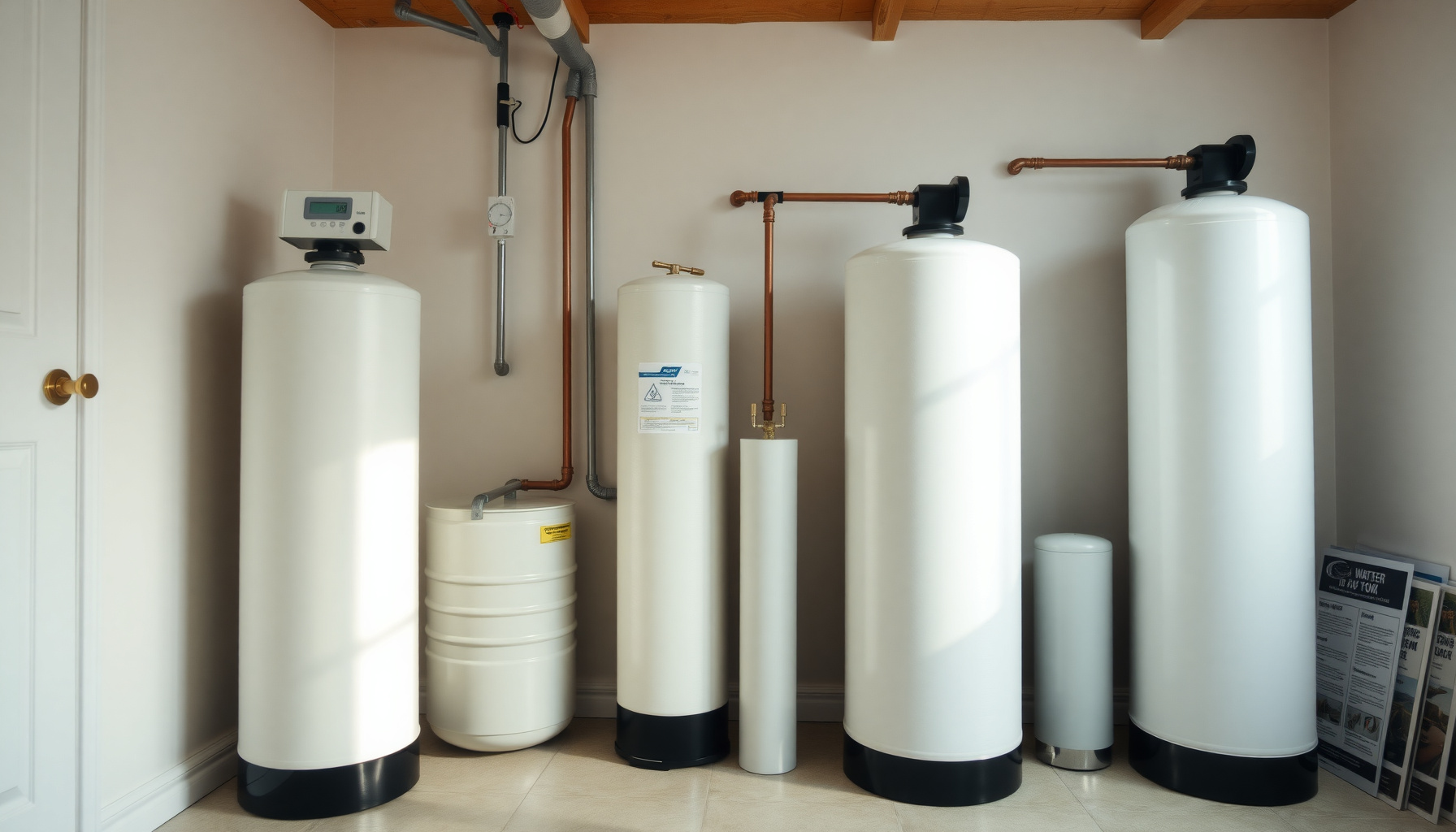
Here’s the thing most homeowners get completely wrong about grain capacity: they treat it like a simple “bigger is better” decision, pick the largest number they can afford, and end up with a softener that actually works against them. Oversized softeners regenerate less frequently, and that means salt bridges form, resin beds channel, and you
-
What Is a Whole House Water Conditioner vs Softener vs Filter?
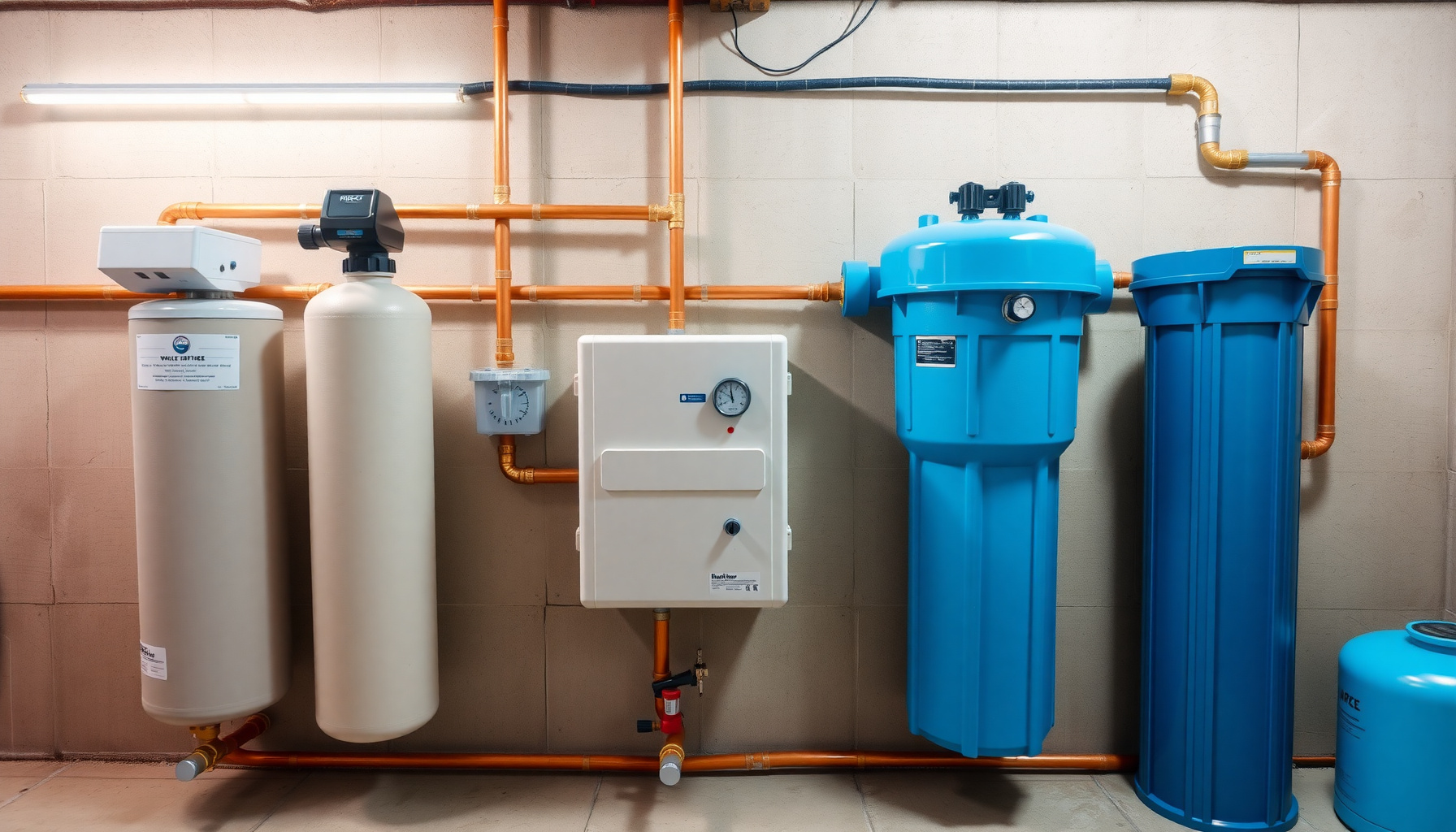
Here’s what most people get wrong: they treat “water conditioner,” “water softener,” and “whole house water filter” as three names for the same thing. They’re not. Buying the wrong one doesn’t just waste money — it can leave real contaminants in your water while you assume you’re protected. The uncomfortable truth is that marketing has
-
Water Softener Resin Replacement: When and How to Do It
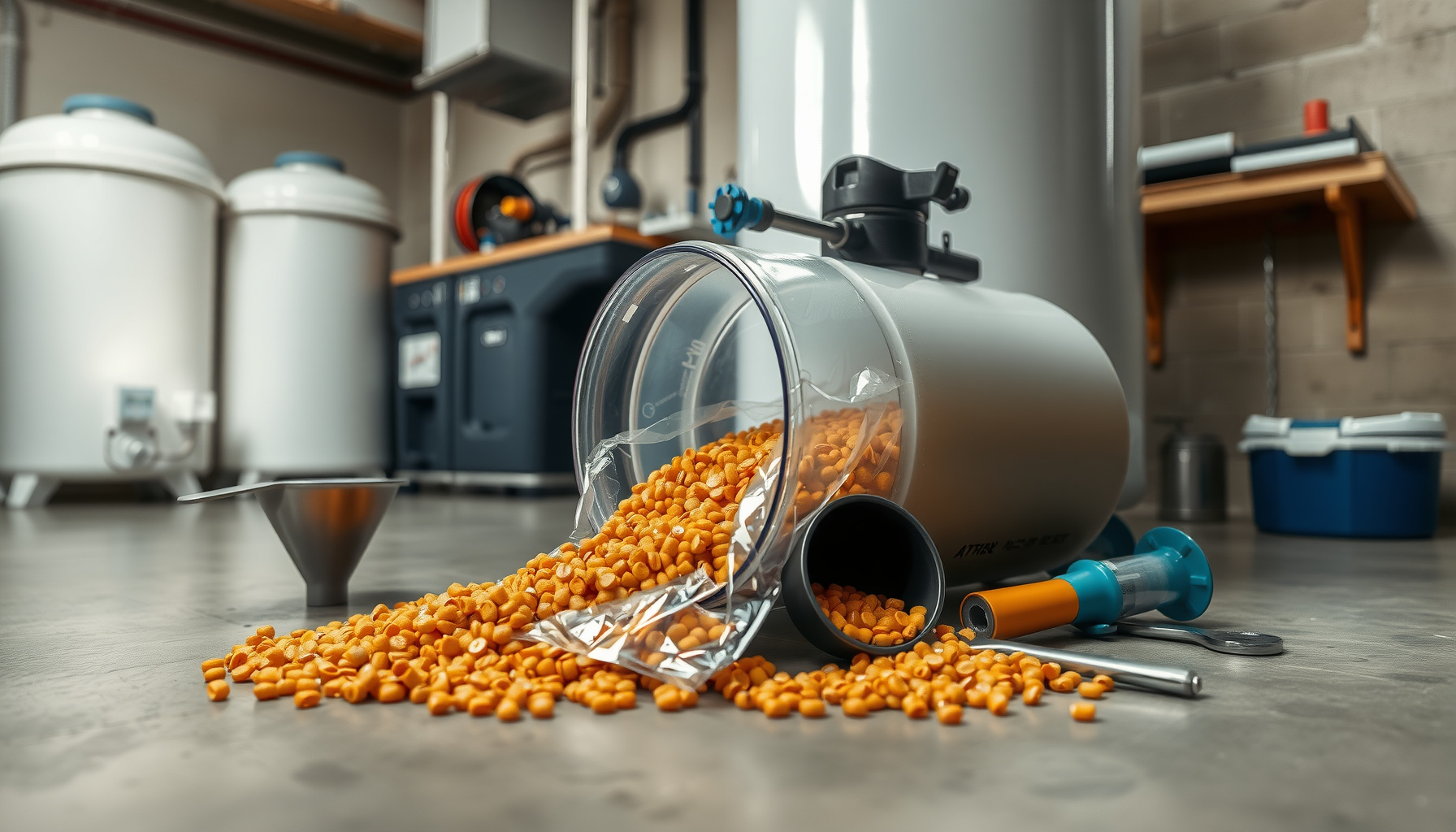
Here’s the thing most articles about water softener resin won’t tell you: the resin in your softener isn’t wearing out the way you think it is. Most homeowners assume resin beads just “get old” and stop working, like a sponge that’s finally used up. But the real reason resin fails — and fails faster than
-
Reverse Osmosis vs Distillation: Which Purifies Water Better?
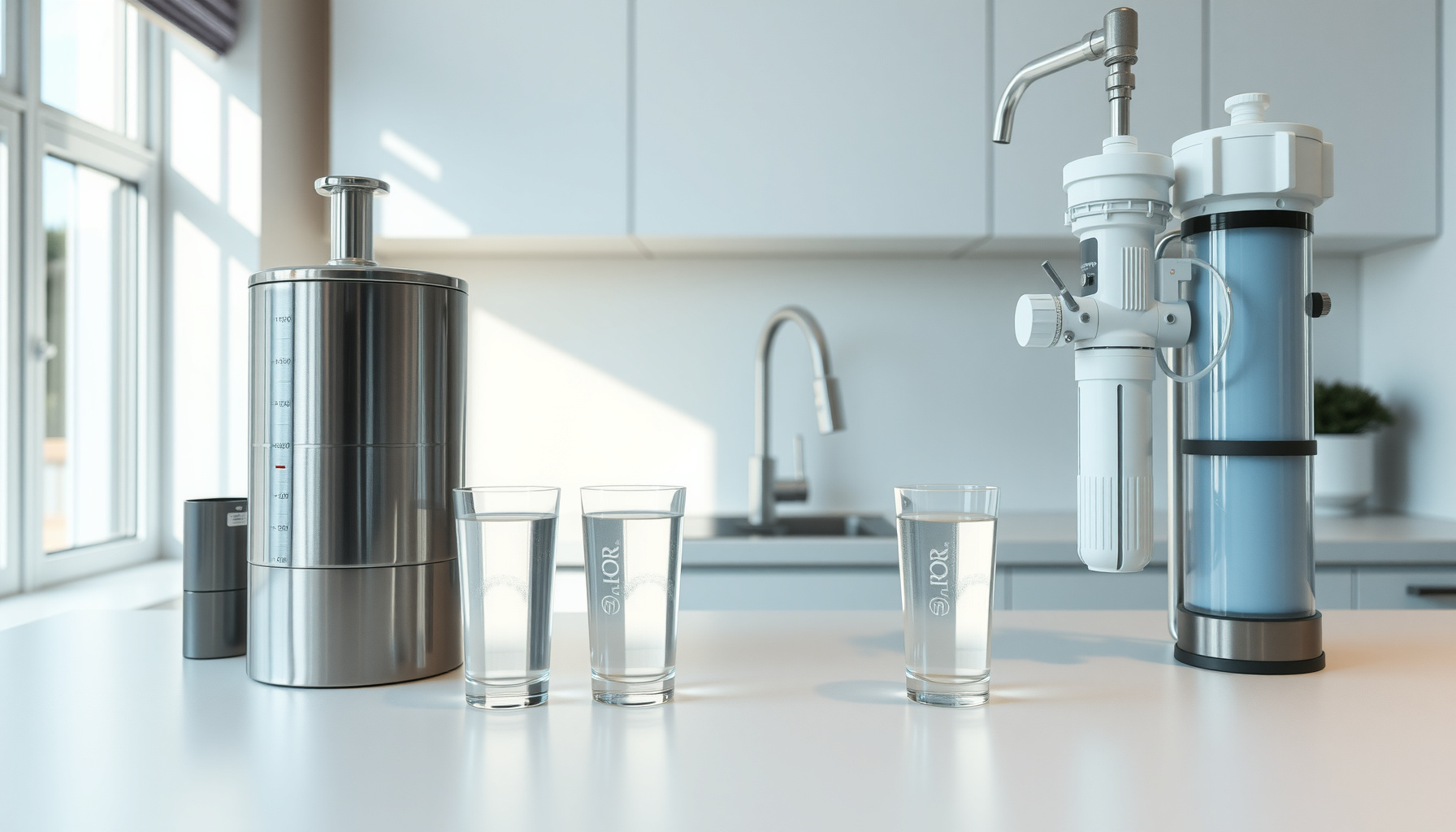
Here’s what most comparison articles get completely wrong about reverse osmosis vs distillation: they treat it like a horsepower contest — which system removes more contaminants — and declare a winner. But that framing misses the real question homeowners should be asking, which is what kind of contamination are you actually dealing with? The two
-
Does a Water Softener Remove Iron From Well Water?
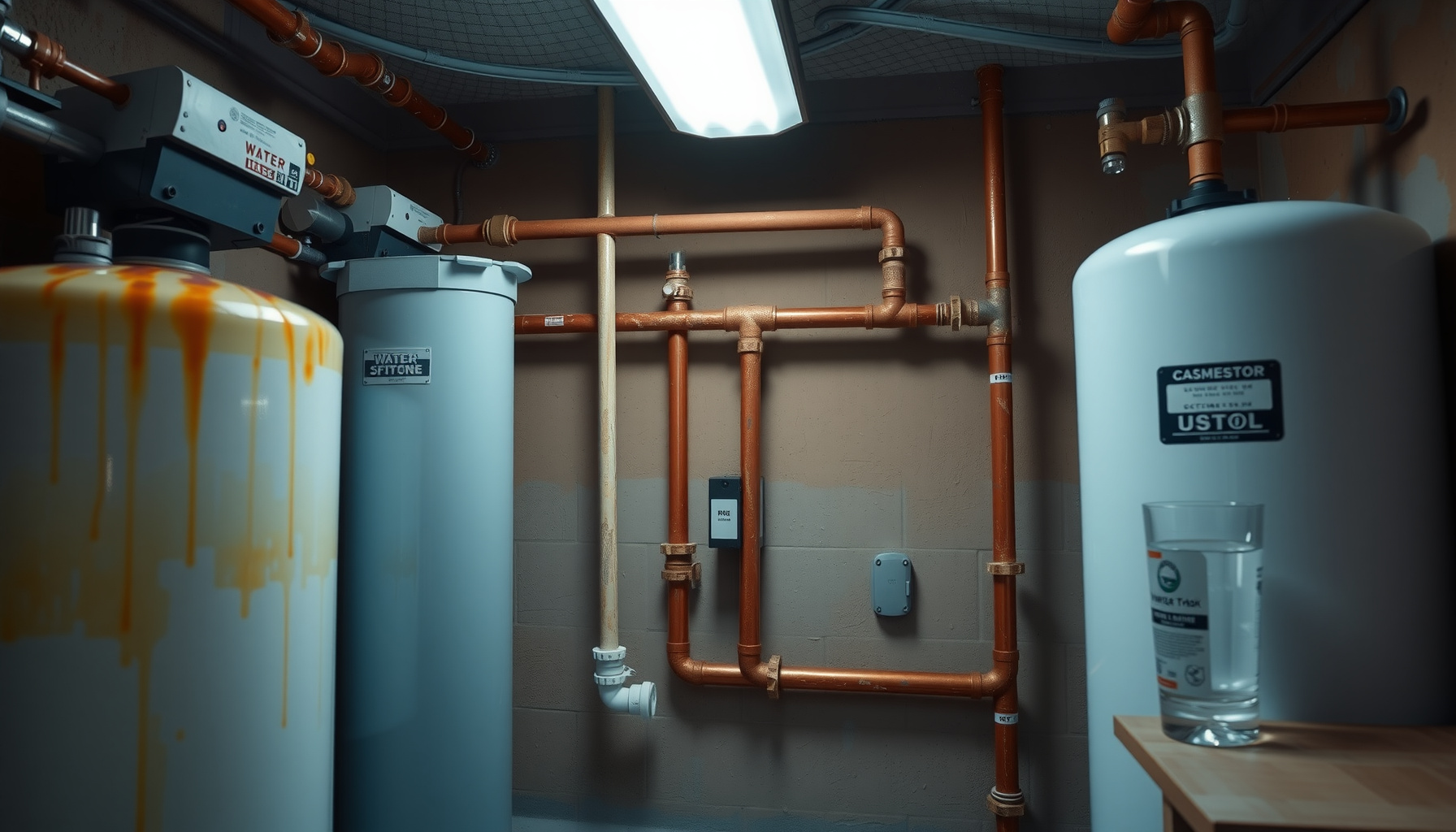
Here’s what most articles get completely wrong: a water softener can remove iron from well water — but only under a very specific set of conditions that most homeowners never think to check. The blanket answer you’ll find everywhere else (“yes, softeners remove some iron”) leaves out the part that actually matters: whether your softener


