
Latest posts
-
Water Smells Like Chlorine More in Summer: Why Cities Add More Then
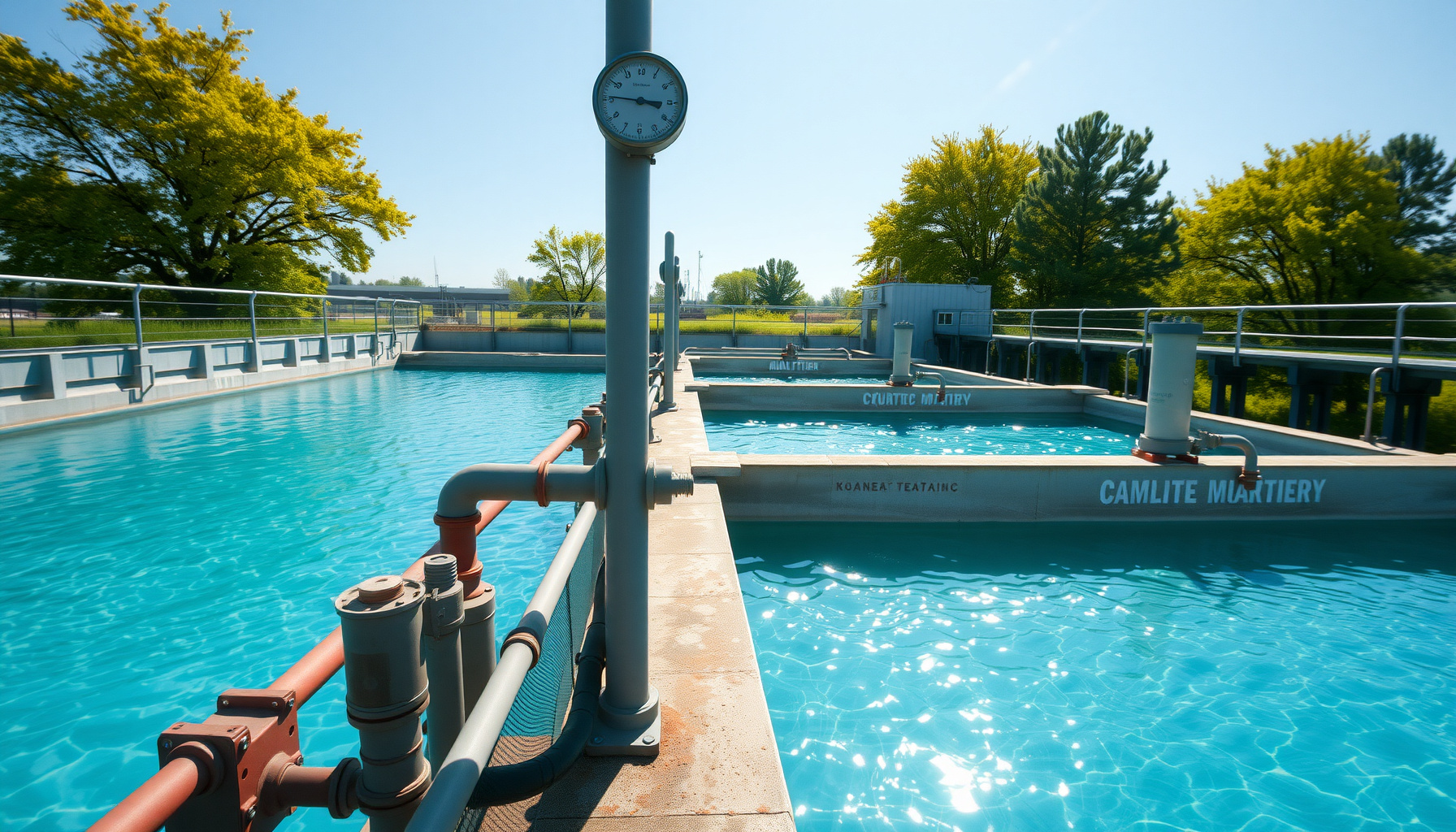
Chlorine smell in your tap water doesn’t peak in summer because your utility is being careless — it peaks because they’re being more careful than usual. That’s the part most homeowners never hear. The real story is about a chemical chain reaction that gets harder to control as temperatures climb, and understanding it changes how
-
How to Read a City Water Quality Report: The Numbers That Actually Matter
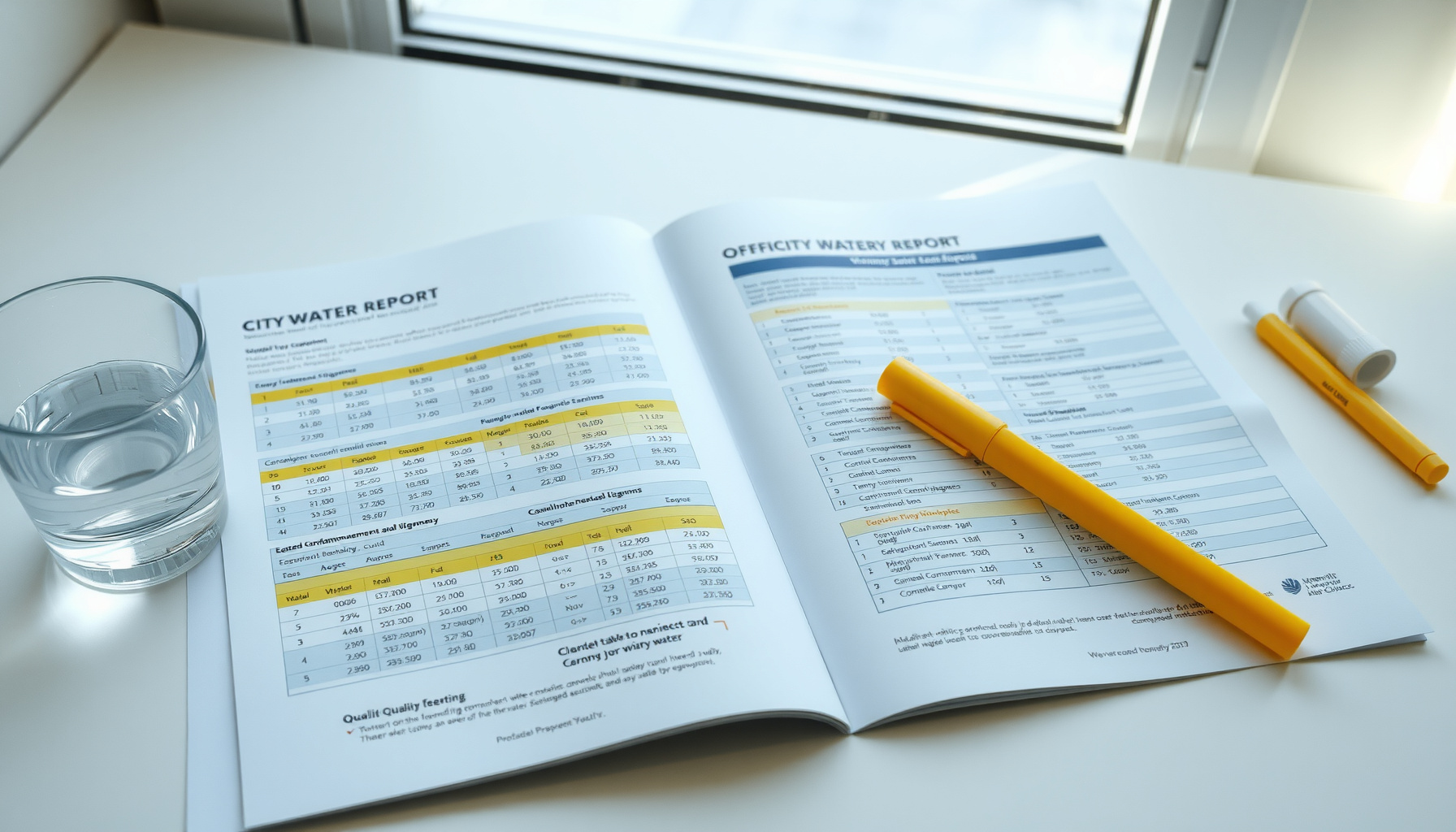
Every city water utility in the US is legally required to send you a water quality report — and almost nobody reads it correctly. Not because it’s hidden or technical, but because most people scan for the wrong column entirely. The number that catches your eye usually isn’t the number that tells you whether to
-
City Water vs Well Water: Which Has More Contaminants on Average?
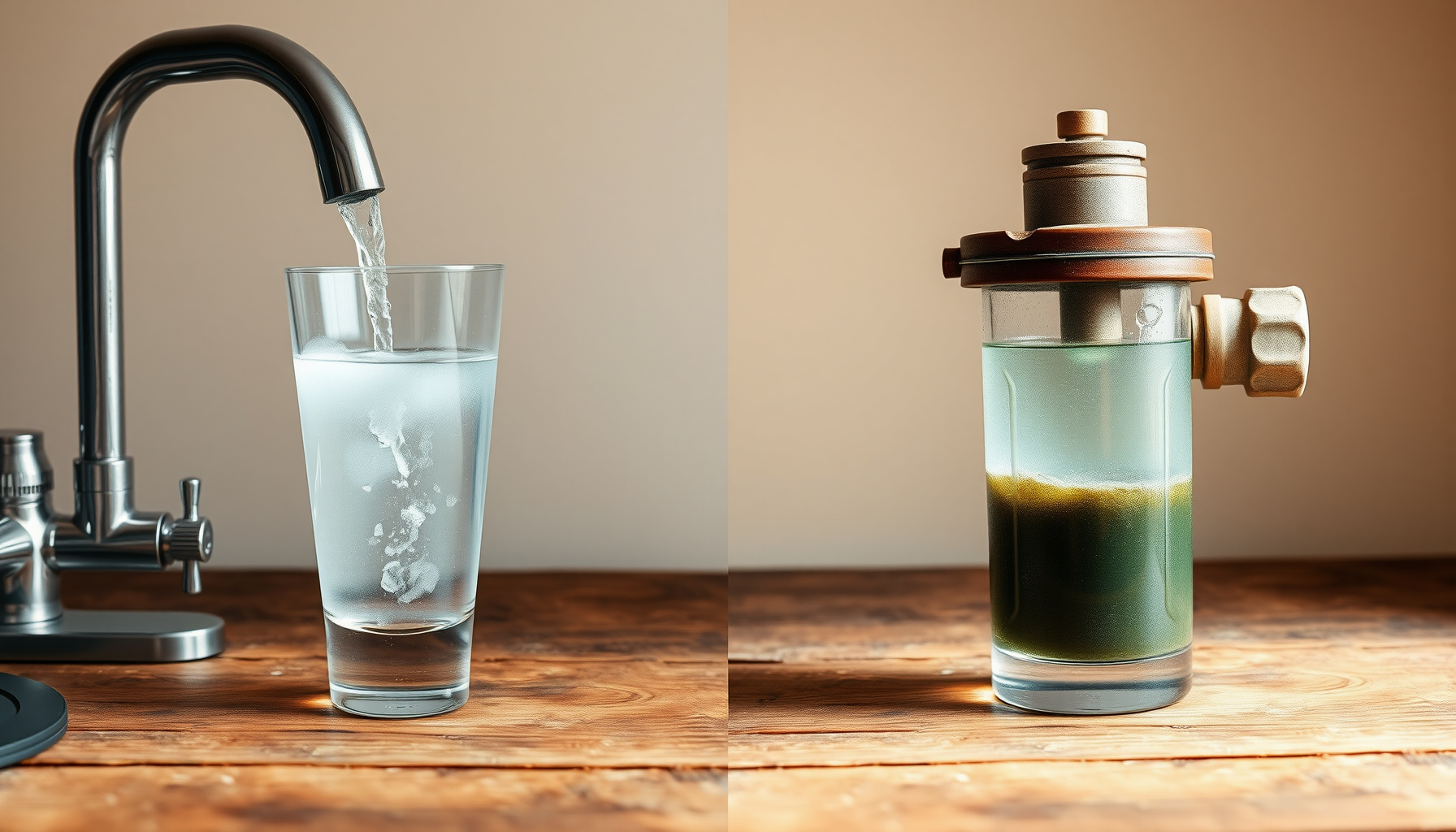
Neither source wins cleanly — and that’s exactly the answer most people don’t want to hear. City water has federally mandated testing and treatment, but it also carries disinfection byproducts, aging infrastructure leaching lead above 0.015 mg/L, and chemical residues that form after treatment. Well water skips all that processing, but it also skips all
-
What Is the Difference Between Potable and Non-Potable Water?
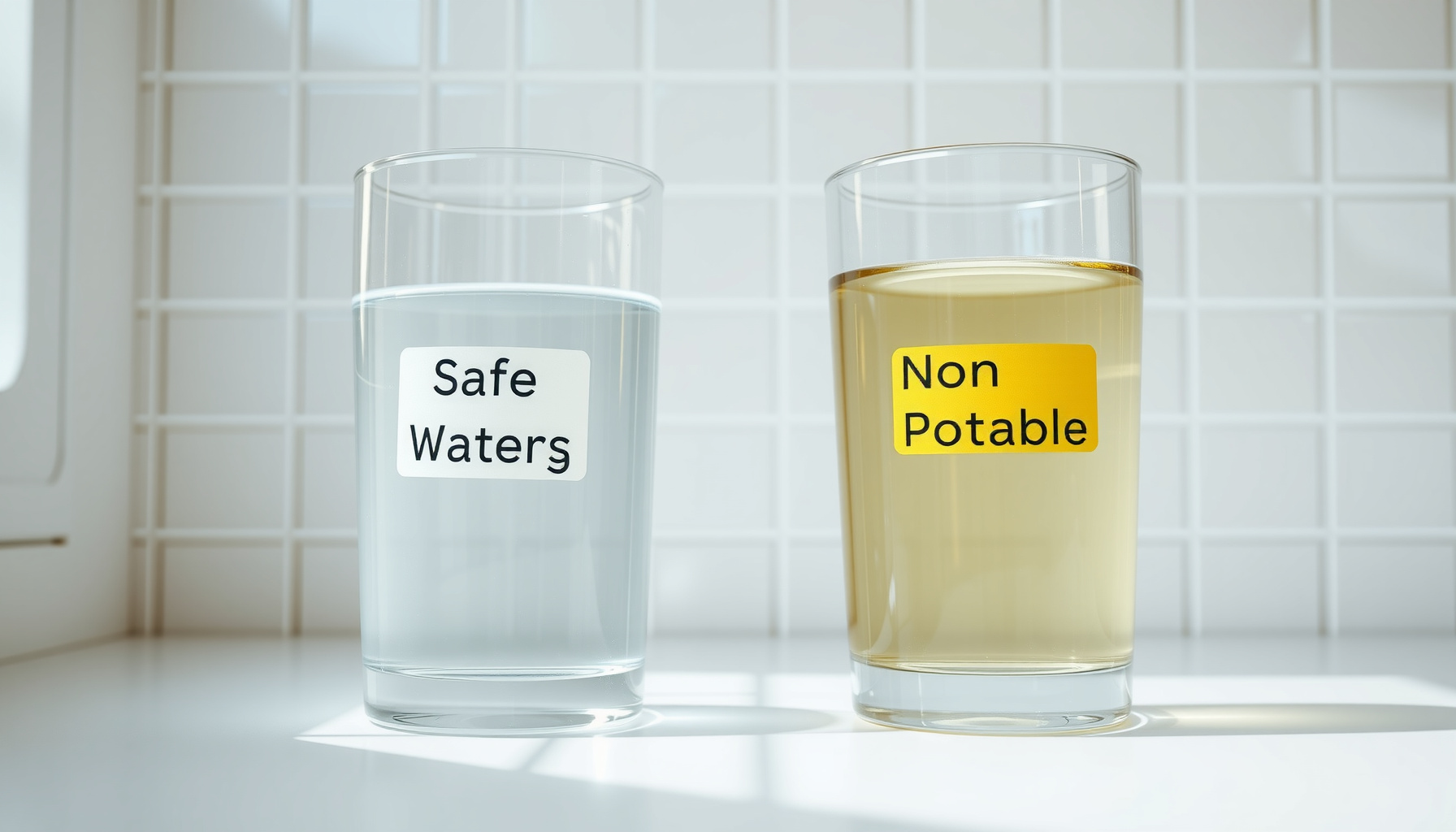
Here’s the thing most water quality articles get completely wrong about this topic: potable vs. non-potable isn’t a fixed category that water belongs to forever. It’s a status — one that can change based on where the water is, how it’s stored, what it touches, and what treatment it has or hasn’t received. Your tap
-
What Is the Difference Between Hard Water and Mineral Water?
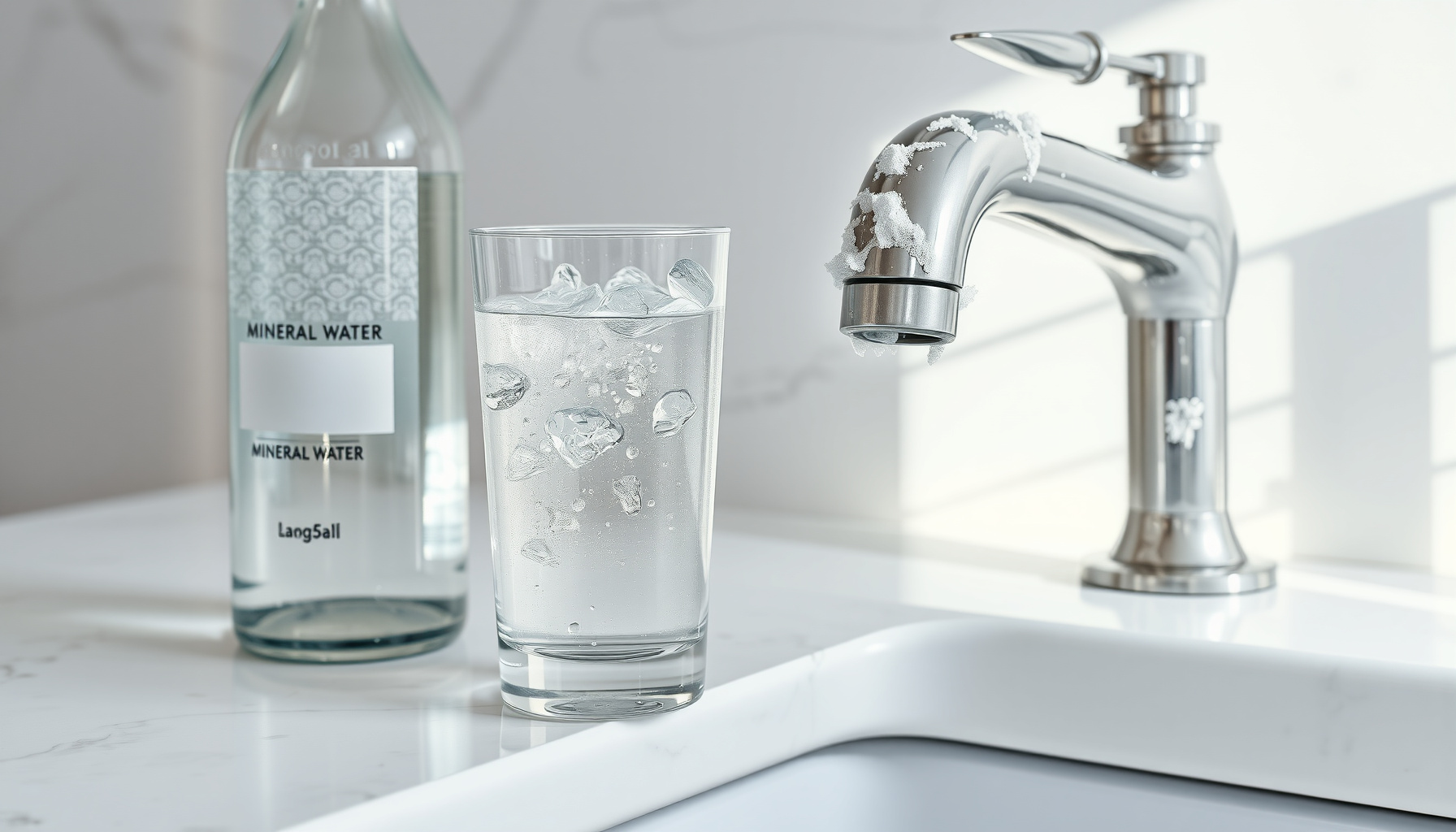
Here’s what most people get wrong: they assume “mineral water” means water with a lot of minerals, and “hard water” means something unhealthy — so they end up treating their tap water to remove the very minerals that might actually be worth keeping. Hard water and mineral water both contain dissolved calcium and magnesium, but
-
What Is the EPA Lead and Copper Rule and How It Protects Your Tap Water
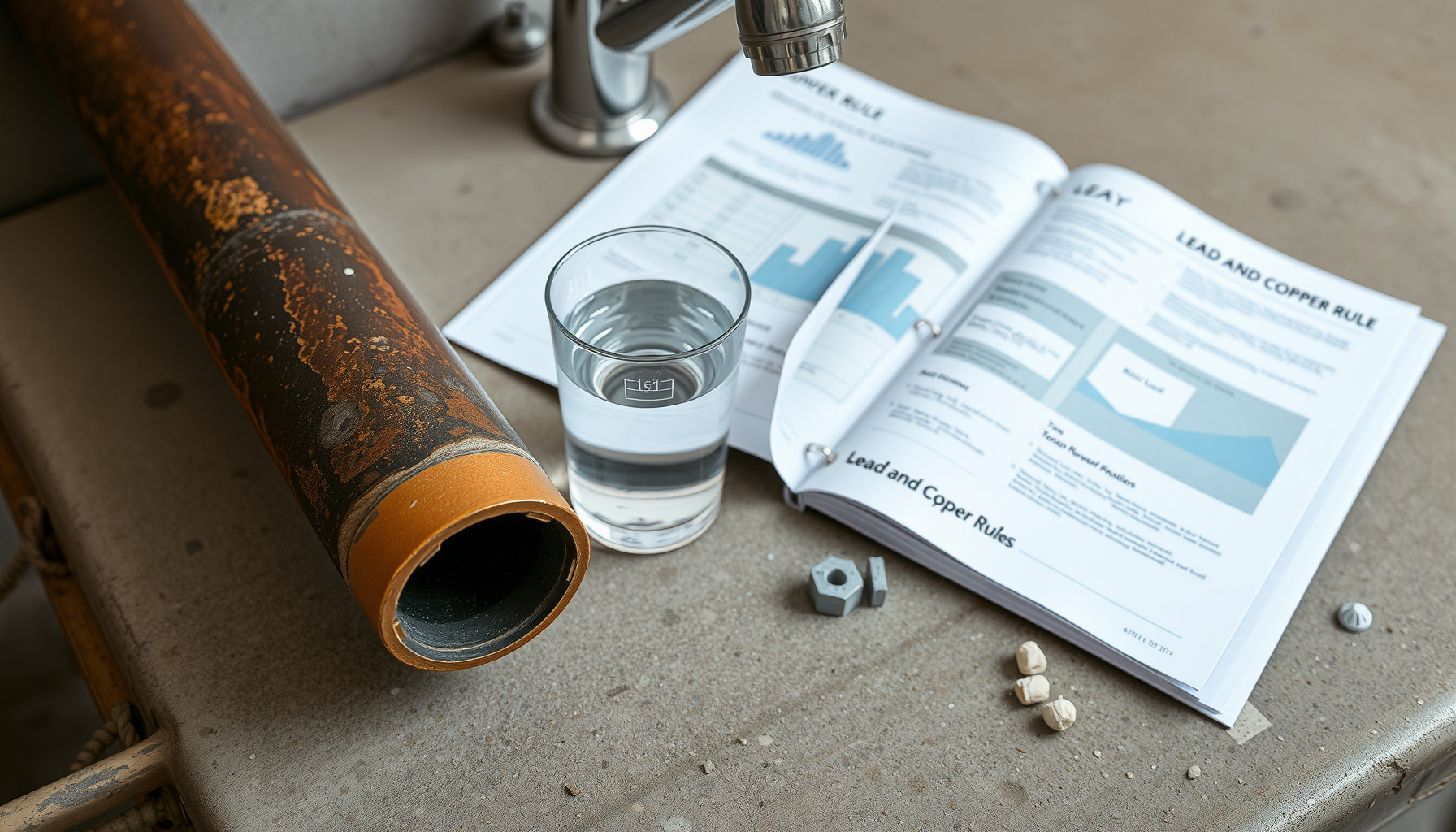
Here’s what most homeowners get completely wrong about the EPA Lead and Copper Rule: they assume it means their tap water has been tested for lead. It hasn’t — at least not at your faucet. The rule governs how water utilities monitor and respond to lead levels across their distribution system, but the pipe running
-
What Is Cross-Connection Contamination and How It Affects Your Home Water
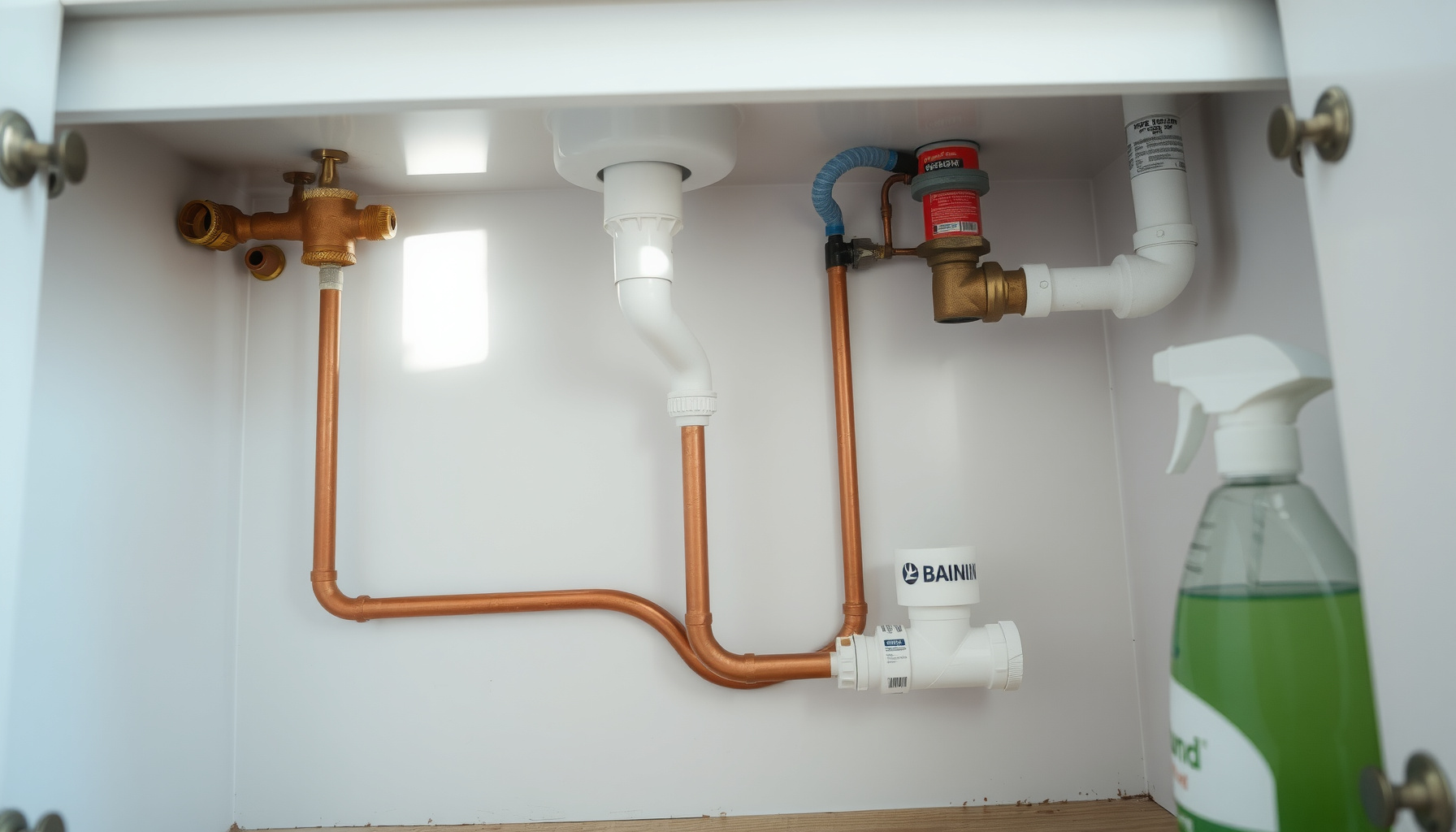
Here’s what most homeowners get completely wrong about cross-connection contamination: they think it only happens when there’s a visible plumbing failure — a burst pipe, a broken valve, something obvious. In reality, the most dangerous cross-connections in your home are silent, invisible, and already built into the way you use water every single day. Your
-
What Is Biofilm in Water Pipes and How It Affects Drinking Water Safety
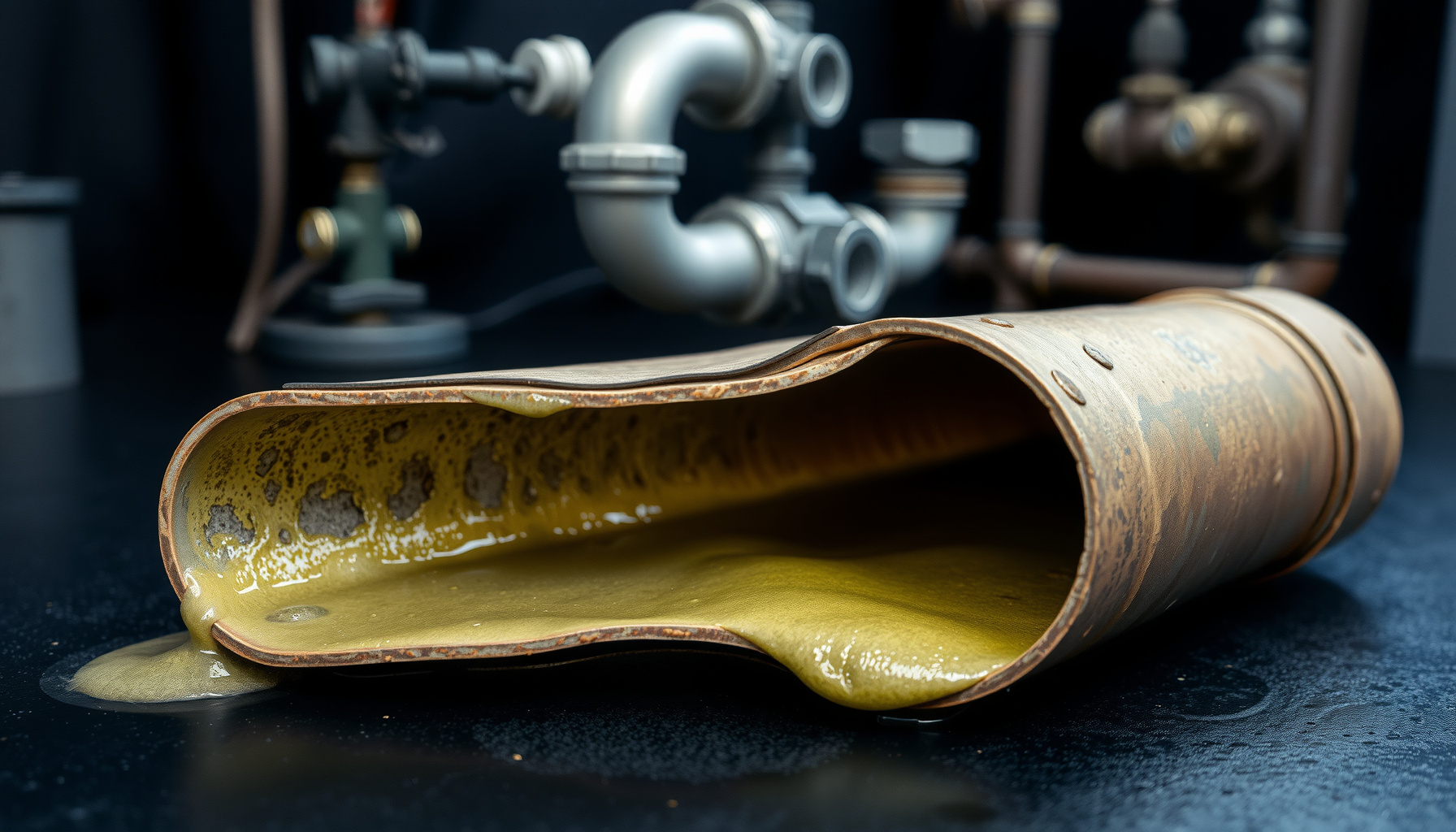
Here’s what most articles about biofilm get completely wrong: they frame it as a rare or exotic contamination problem — something that only plagues old buildings or neglected well systems. The reality is that biofilm exists in virtually every home’s plumbing, including yours, right now. The question isn’t whether biofilm is present in your water
-
What Is Water Hardness by US State: The Complete Map Explained
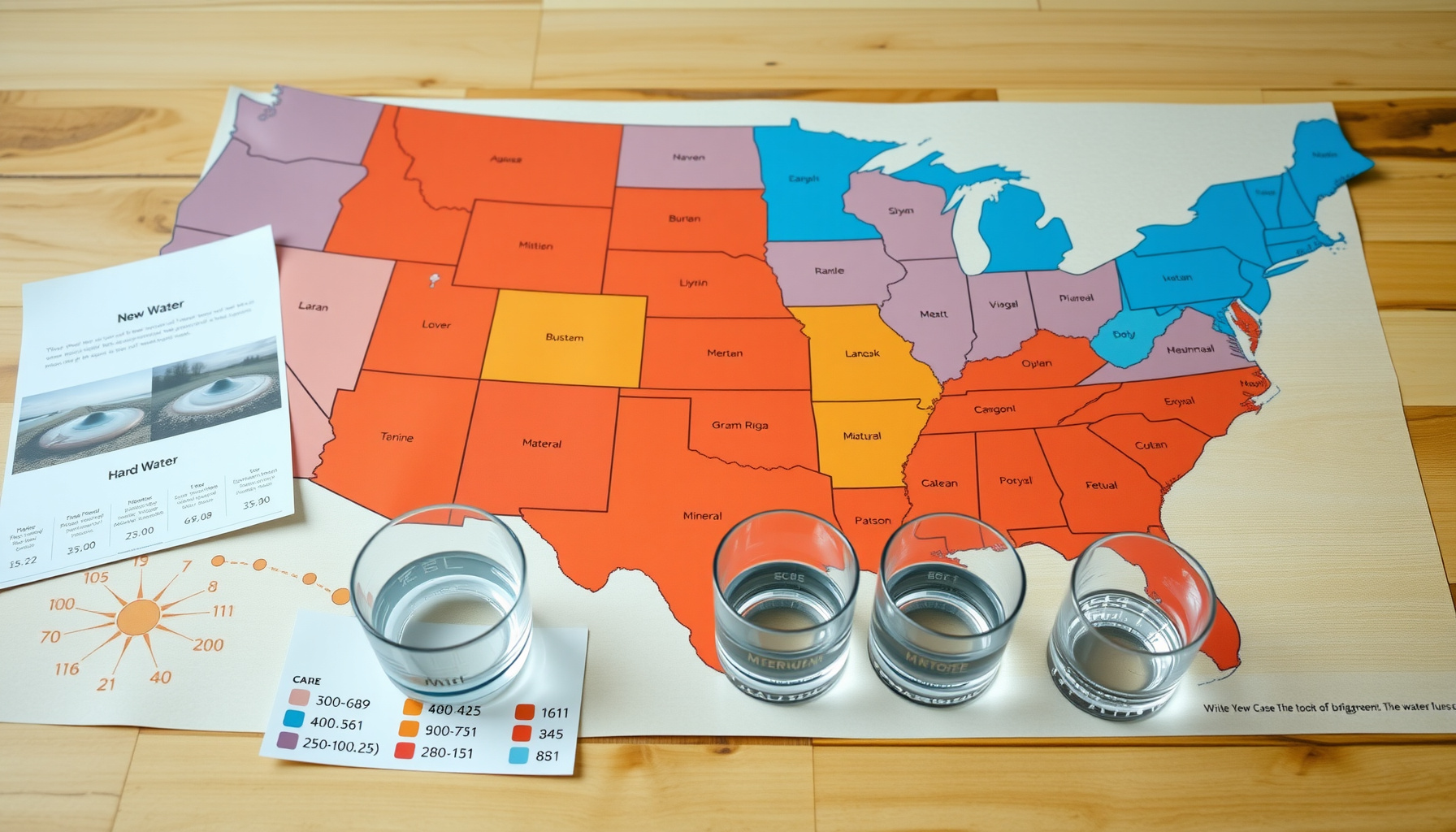
Here’s what almost every “water hardness by state” article gets wrong: they treat hardness as a purely regional problem — something you either have or you don’t, based on where you live. But hardness levels vary dramatically within the same state, sometimes within the same county, and your neighbor two streets over pulling from a
-
What Is a Backflow Preventer and Why It Protects Your Drinking Water
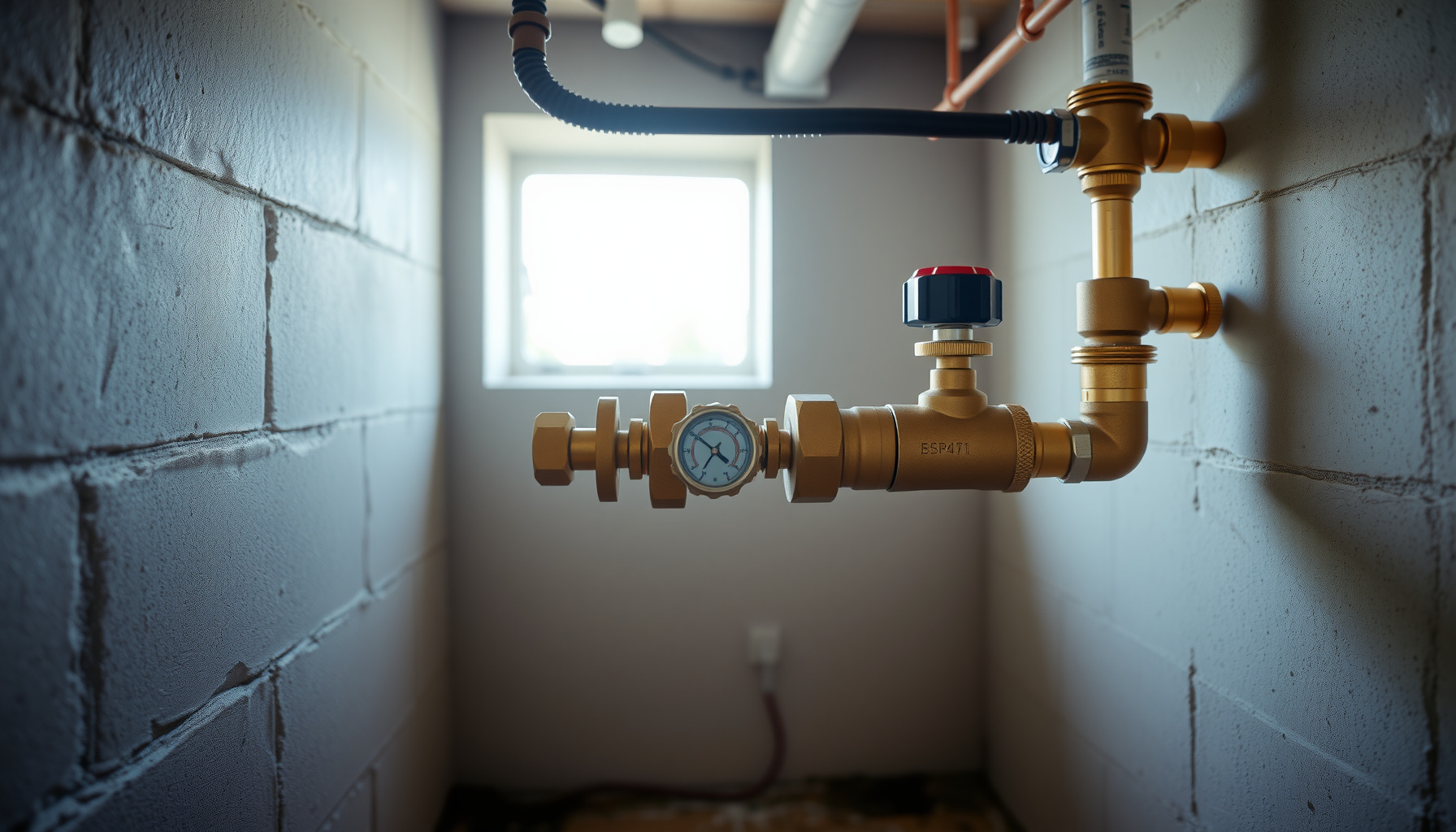
Here’s what most homeowners get completely wrong about backflow preventers: they think it’s a plumbing problem, not a water quality problem. It’s both — but the water quality angle is the one that actually matters for your health, and it’s almost never talked about. A backflow event doesn’t announce itself. Your water won’t change color.


