
Latest posts
-
How to Prevent Lead Leaching From Old Pipes Without Replacing Them
Here’s what almost every article about lead pipes gets wrong: the pipe itself isn’t usually the main problem. The real threat is your water’s chemistry — specifically, how corrosive it is. Lead doesn’t just passively flake off old pipes. It leaches because something in the water is actively pulling it out. Fix the chemistry, and
-
What Is Tannin in Well Water and How Does It Affect Taste and Color?
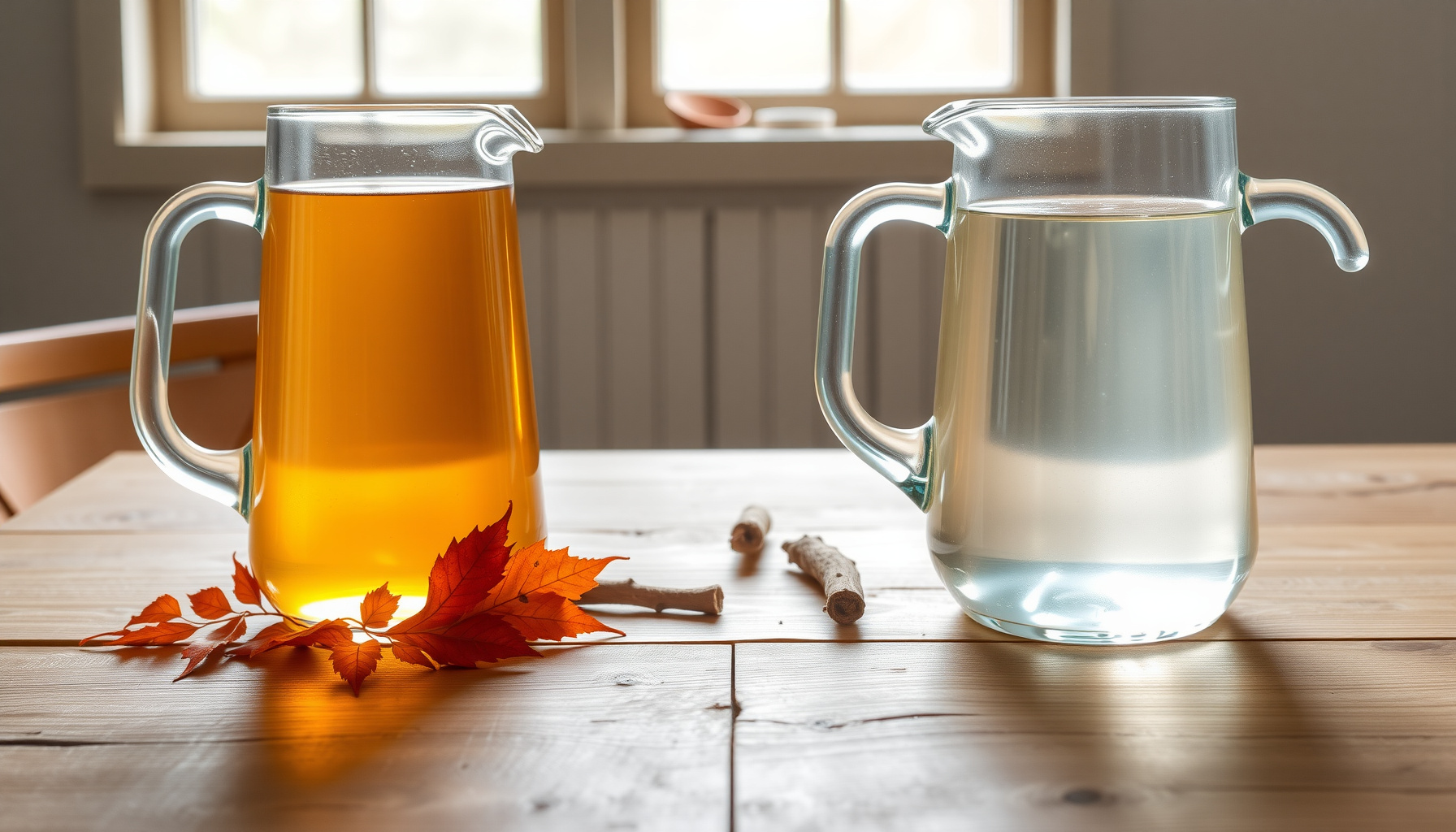
Here’s what most homeowners get wrong about tannin in well water: they think it’s a contamination problem. It’s not. Tannins are naturally occurring organic compounds — the same family of molecules that give red wine its dry, puckering finish and black tea its color — and finding them in your well water doesn’t mean your
-
What Is Chlorine Residual and Why Your Utility Adds It
Here’s what most articles about chlorine residual get completely backwards: the chlorine you detect in your tap water isn’t a sign that your utility over-treated it — it’s actually proof that your water is still being protected right now, in real time, as it travels through miles of pipe to reach your glass. The real
-
What Are Emerging Contaminants in Drinking Water the EPA Hasn’t Regulated Yet
Here’s what most articles about emerging contaminants get completely wrong: they treat this as a regulatory problem waiting to be solved, when it’s actually a detection problem that already exists in your tap water right now. The EPA’s regulatory process moves slowly by design — it can take a decade or more to move a
-
How to Read a Water Quality Report From Your Utility in 5 Minutes
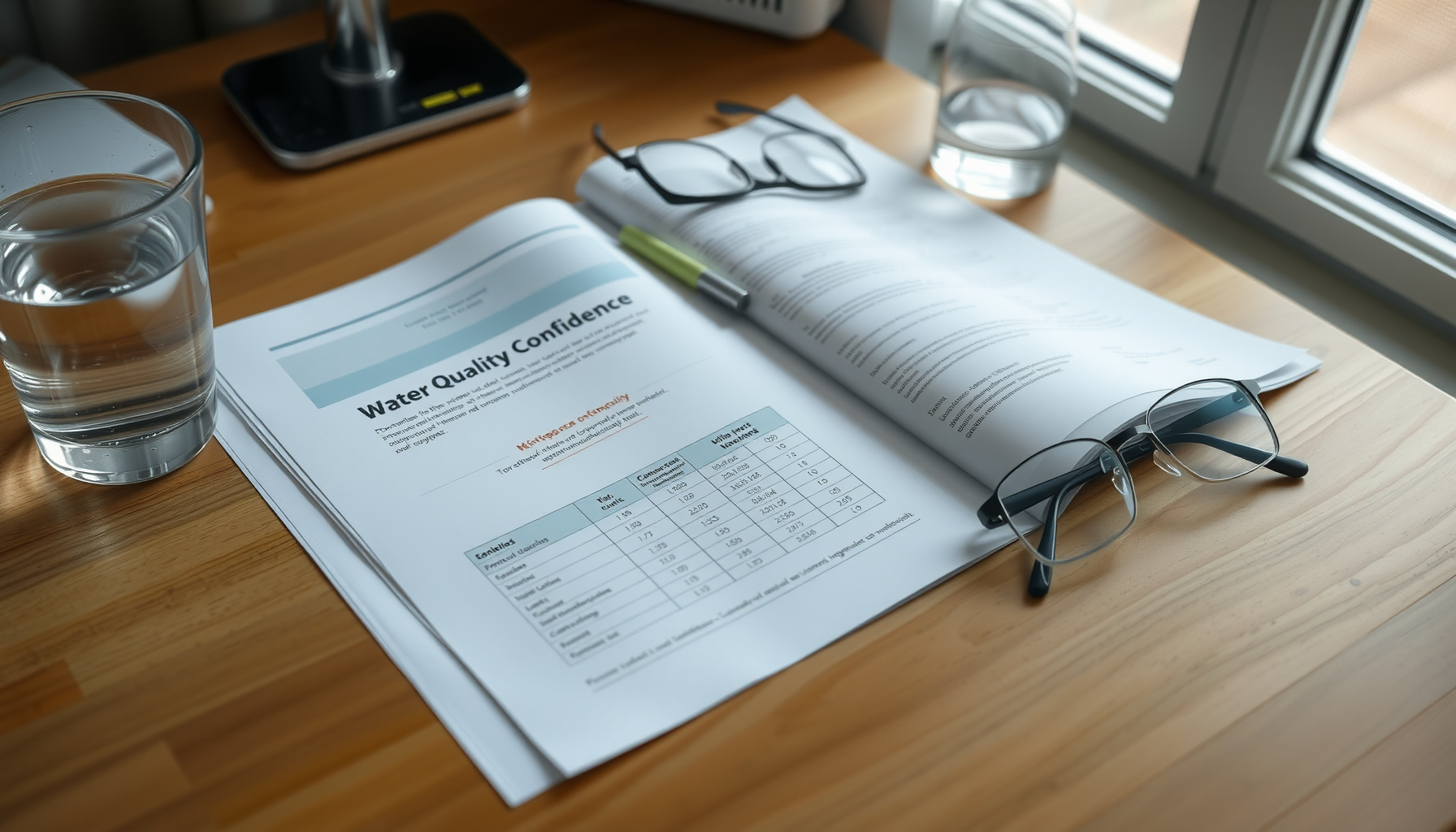
Here’s what most articles about Consumer Confidence Reports won’t tell you: the number that appears to be “safe” on your water quality report might be perfectly legal and still worth acting on. The gap between what’s allowed and what’s safe is the thing most homeowners never notice — because the report itself is designed by
-
Why Does My Water Taste Different After Moving to a New City?
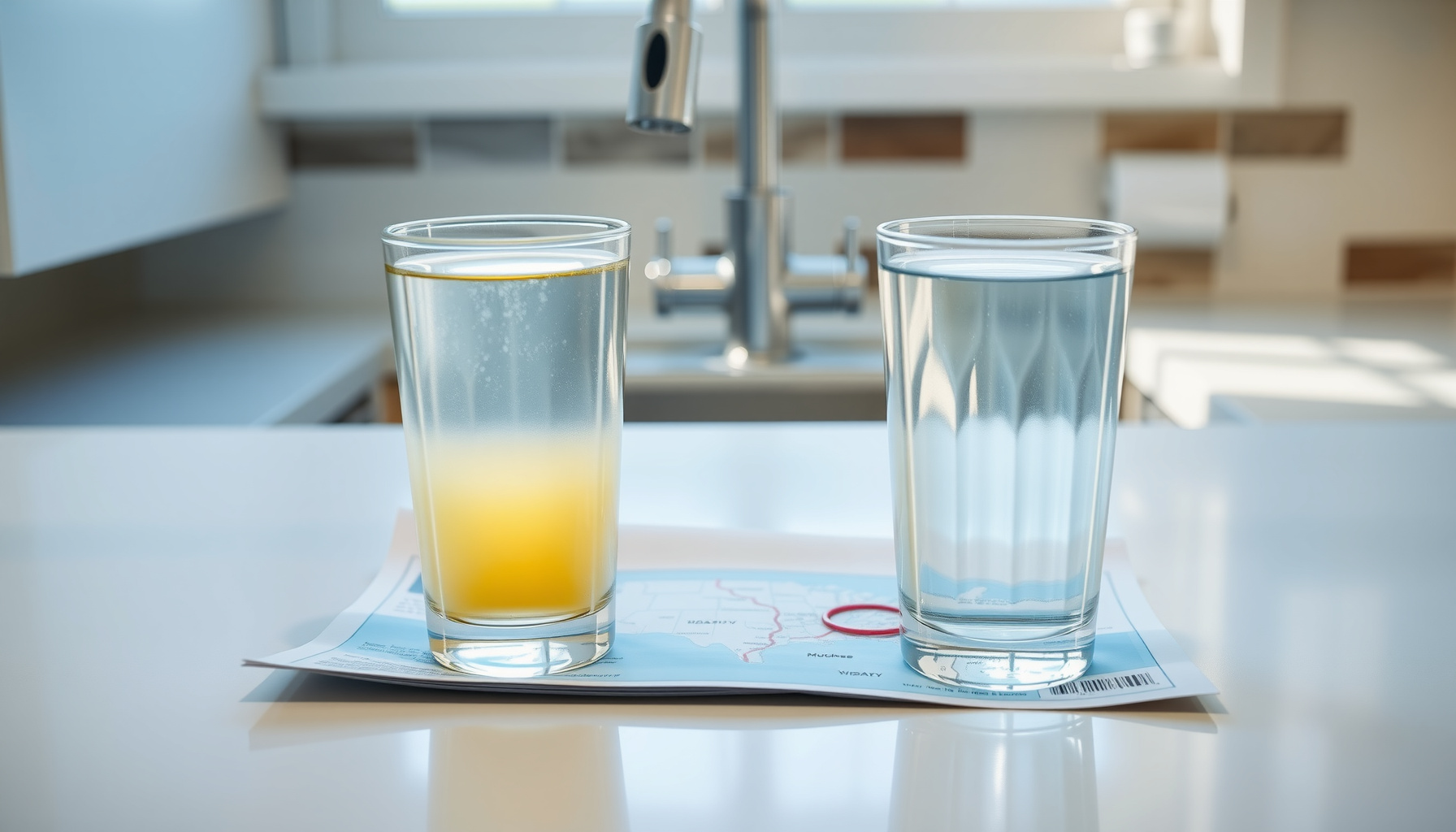
Here’s what most people get wrong when they notice their water tastes different after moving: they assume it’s a safety problem. It almost never is. The real story is that your taste buds are reacting to a completely different chemical profile — a new mix of minerals, disinfectants, and pH levels that your mouth has
-
Why Does My Water Smell Different in Summer Than Winter?
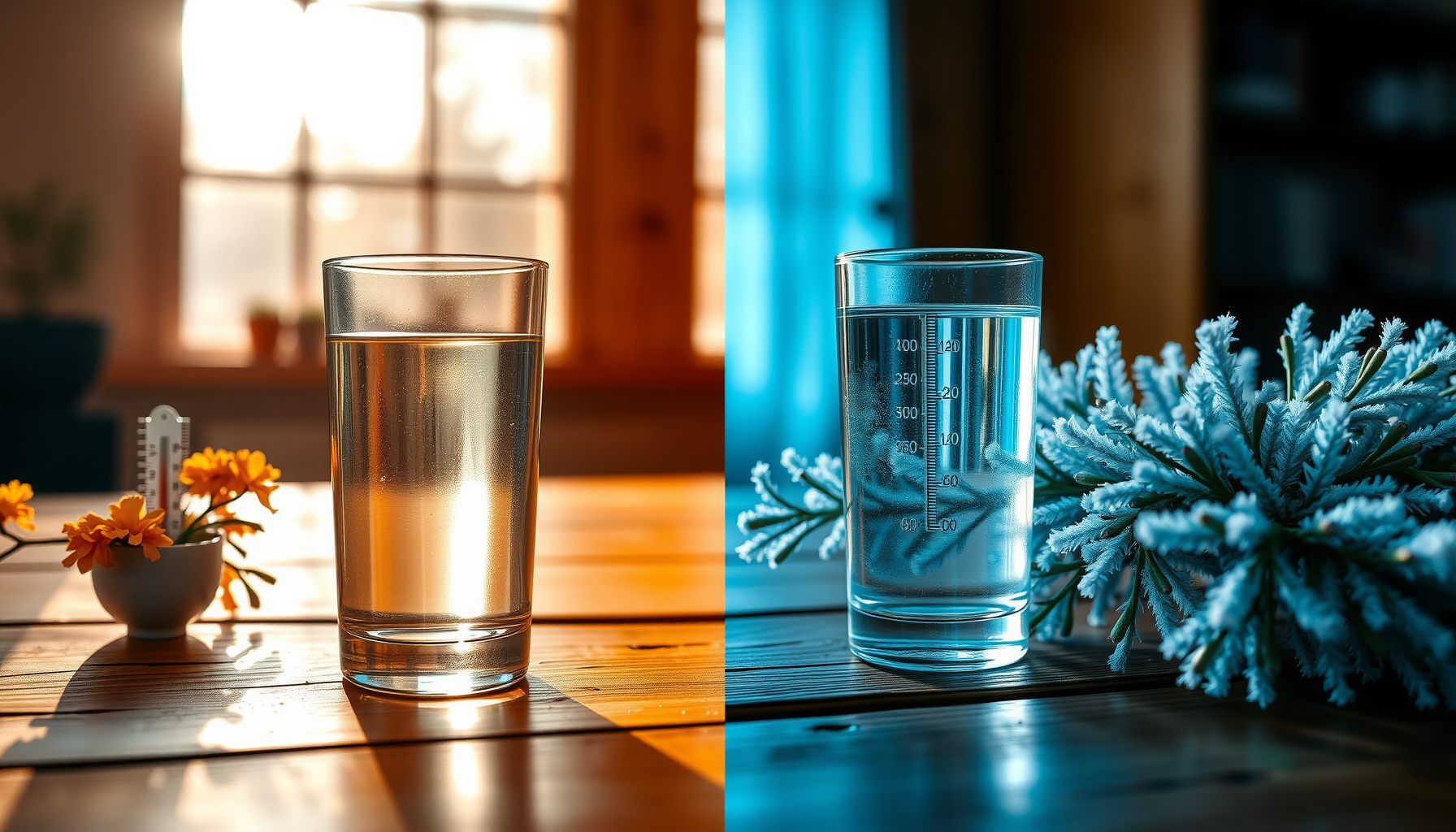
Here’s what almost nobody tells you: your water doesn’t actually smell worse in summer. What changes is your sensitivity to it — and the conditions inside your pipes, your reservoir, and your groundwater that amplify odors you’d barely notice in January. Most homeowners assume seasonal smells mean something went wrong. Sometimes that’s true. But the
-
What Is a Wellhead Protection Area and Why It Matters
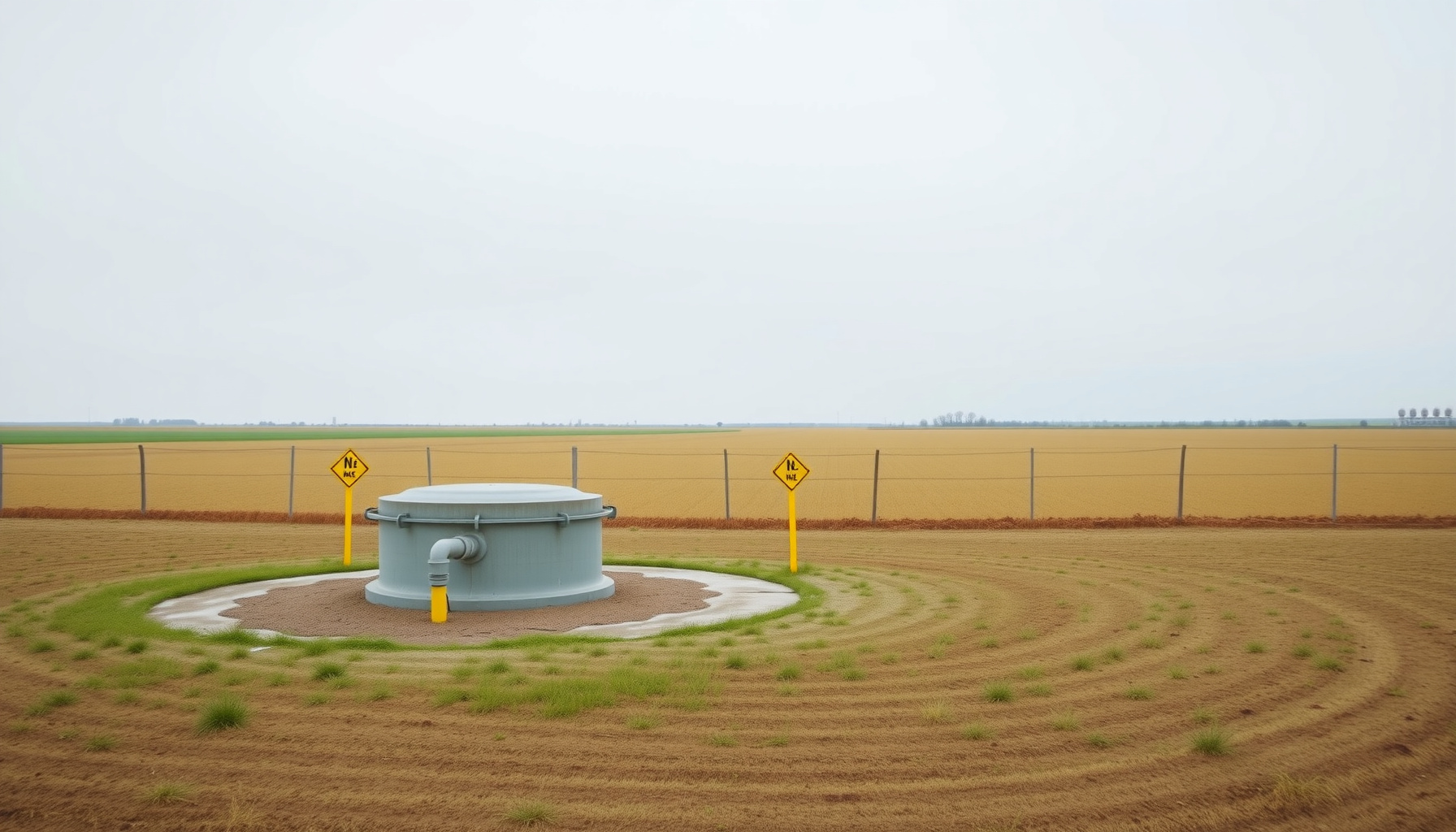
Here’s what most people get wrong about wellhead protection areas: they assume it’s someone else’s problem. If you’re on city water, you tune out. If you’re on a private well, you figure your well casing handles everything. Both assumptions are wrong — and the gap between what people believe about wellhead protection and how it
-
What Happens to Your Water During a Municipal Treatment Failure
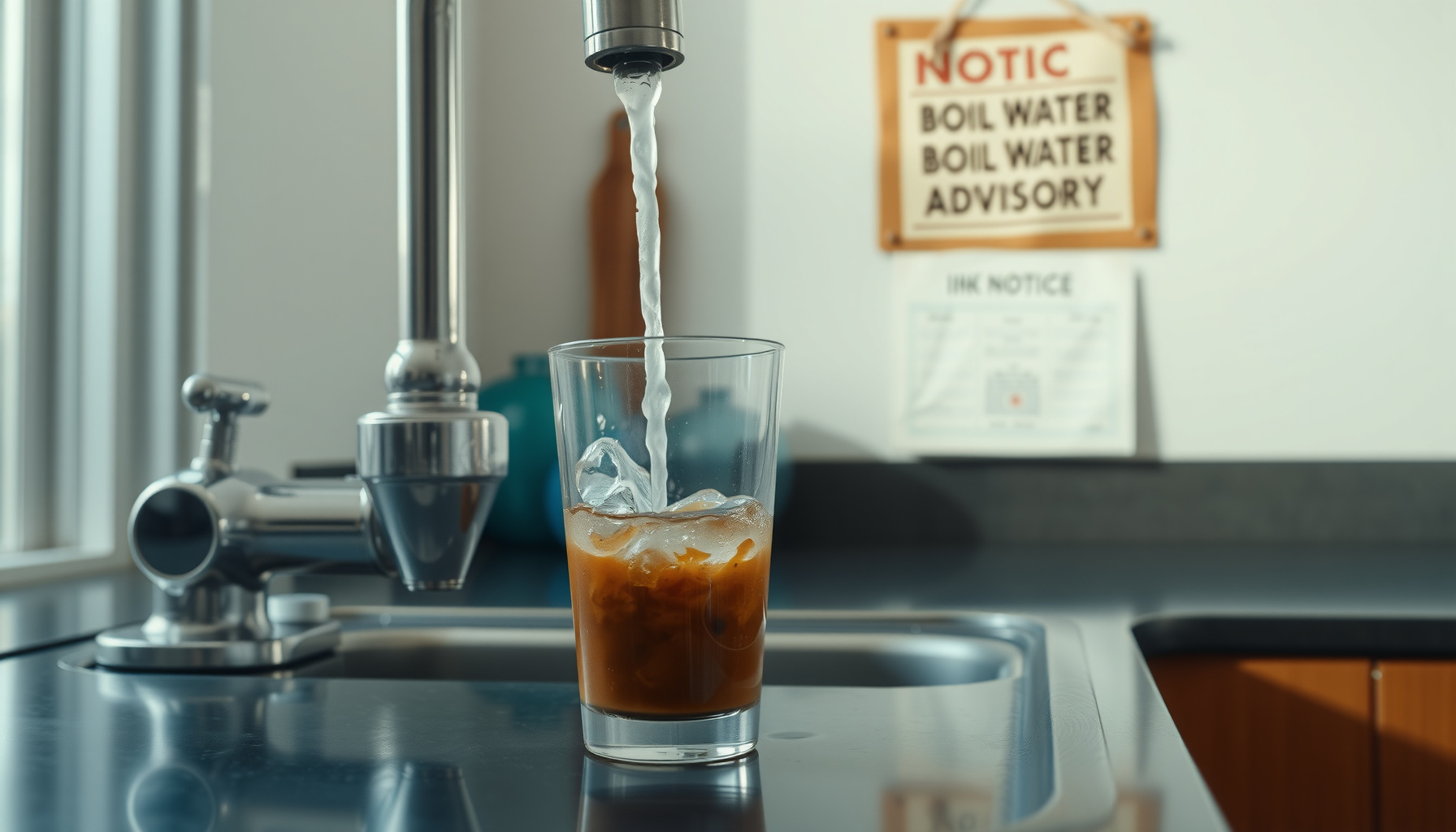
Here’s what most articles about municipal water treatment failures get completely wrong: they focus on the dramatic moment of contamination, when the real danger often unfolds quietly in the hours and days after the treatment system recovers. A restored treatment plant doesn’t automatically mean safe water at your tap. The distribution network — all those
-
Why Does Water Taste Different in Different Cities?
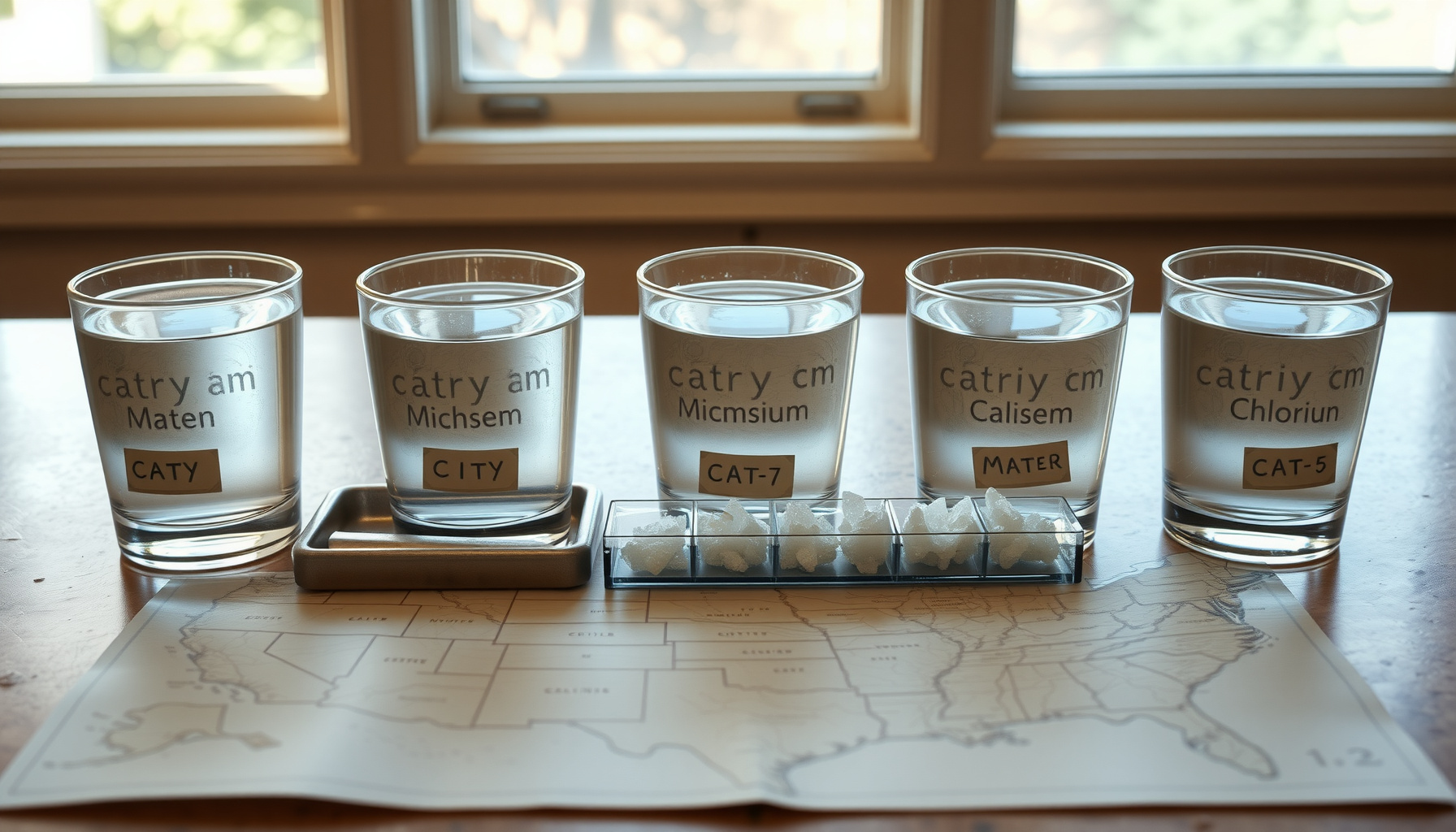
Here’s what most people get wrong about tap water taste: they assume the difference between cities is mostly about chlorine. Add a filter, remove the chlorine, problem solved. But that’s not really what’s going on. The actual driver of taste variation between cities — the thing that makes Denver water taste nothing like Houston water


