
Latest posts
-
Water Test Results I Don’t Understand: Plain English Guide to Every Number
You got your water test results back. There’s a page full of numbers, abbreviations, and units you’ve never seen before — mg/L, CFU/100mL, NTU, pCi/L — and absolutely no explanation of what any of it means. The lab did its job. Nobody told you what to do next. That’s the gap this article fills. But
-
My Water Test Came Back With High Nitrates: What Does This Mean?
10 mg/L. That’s the EPA’s maximum contaminant level for nitrates in drinking water — and if your test came back above it, you’re probably staring at that number wondering exactly how worried you should be. The honest answer is: it depends on who’s drinking your water, and the stakes are much higher for some people
-
Well Water Smells Fine but Tests Show Bacteria: Should You Be Worried?
Here’s the thing most homeowners get completely wrong: they treat a positive bacteria test like a false alarm if their water smells and tastes normal. No sulfur odor, no strange color, no weird taste — so the test must be wrong, right? It’s not. The absence of smell is exactly how the most dangerous bacteria
-
Well Water Turns Orange After Heavy Rain: What’s Causing It
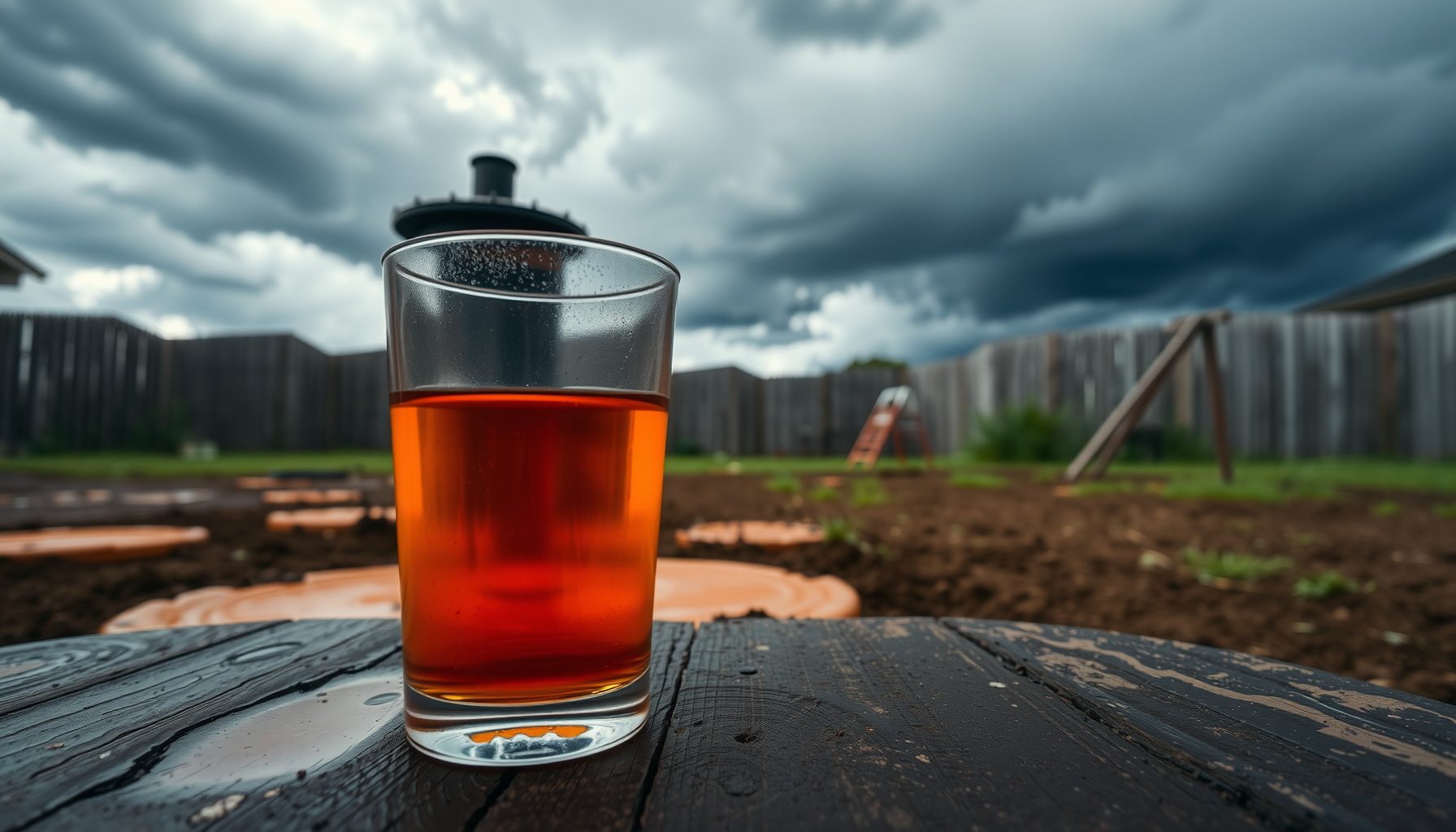
Here’s what most articles about orange well water get completely wrong: they treat it like a simple iron problem with a simple filter solution. Turn on the tap, see orange water, buy an iron filter, done. But homeowners who try that approach often find their water turns orange again after the next big storm —
-
How to Test Water Quality After a Wildfire Near Your Water Source
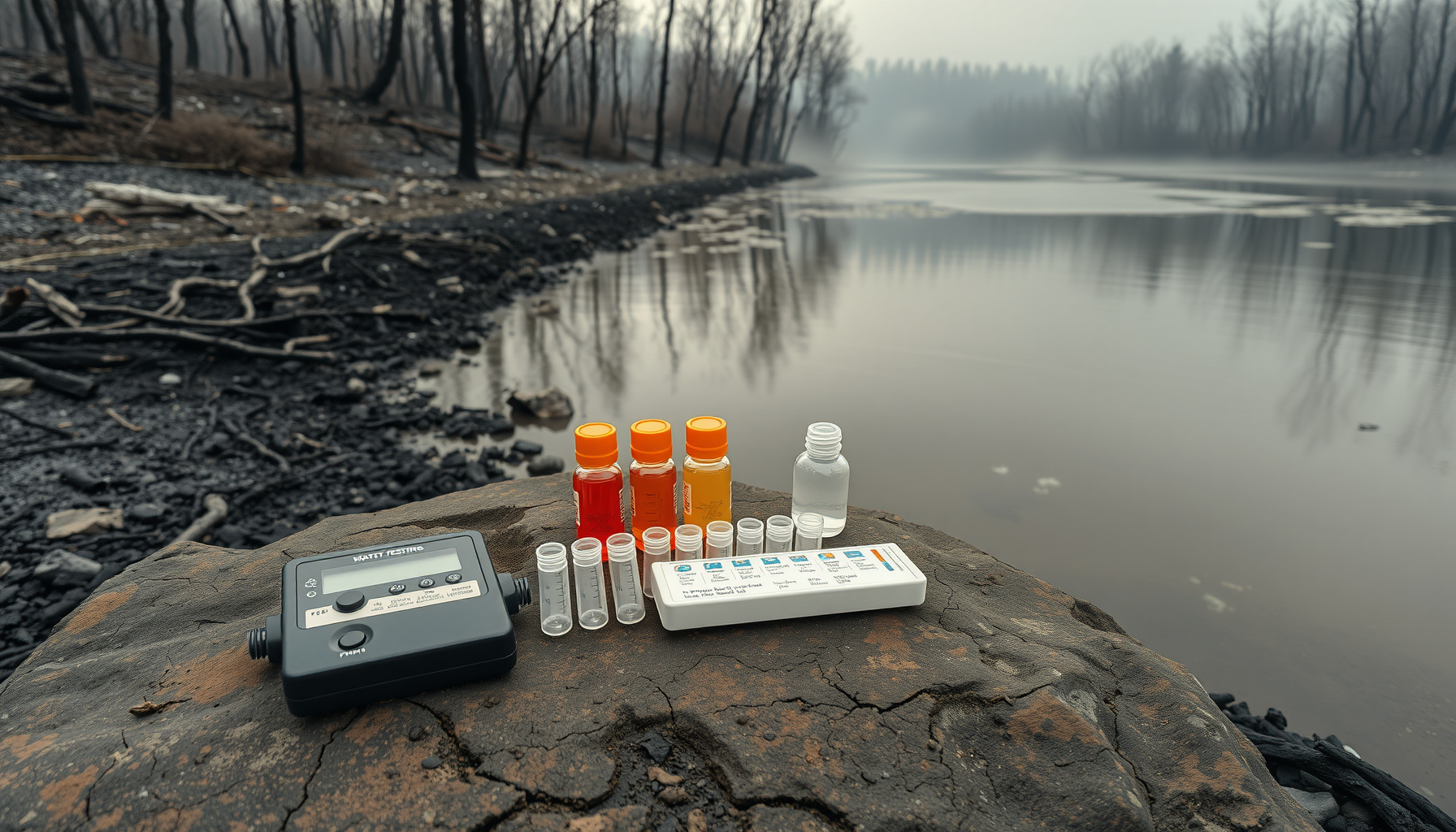
Here’s what almost every wildfire water guide gets wrong: they tell you to test your water after you smell something off or see discoloration. By then, you’ve likely already been exposed to the real problem — volatile organic compounds (VOCs) and benzene that entered your pipes silently, with no odor, no color, and no taste
-
How to Test Your Water Before and After Installing a New Filter
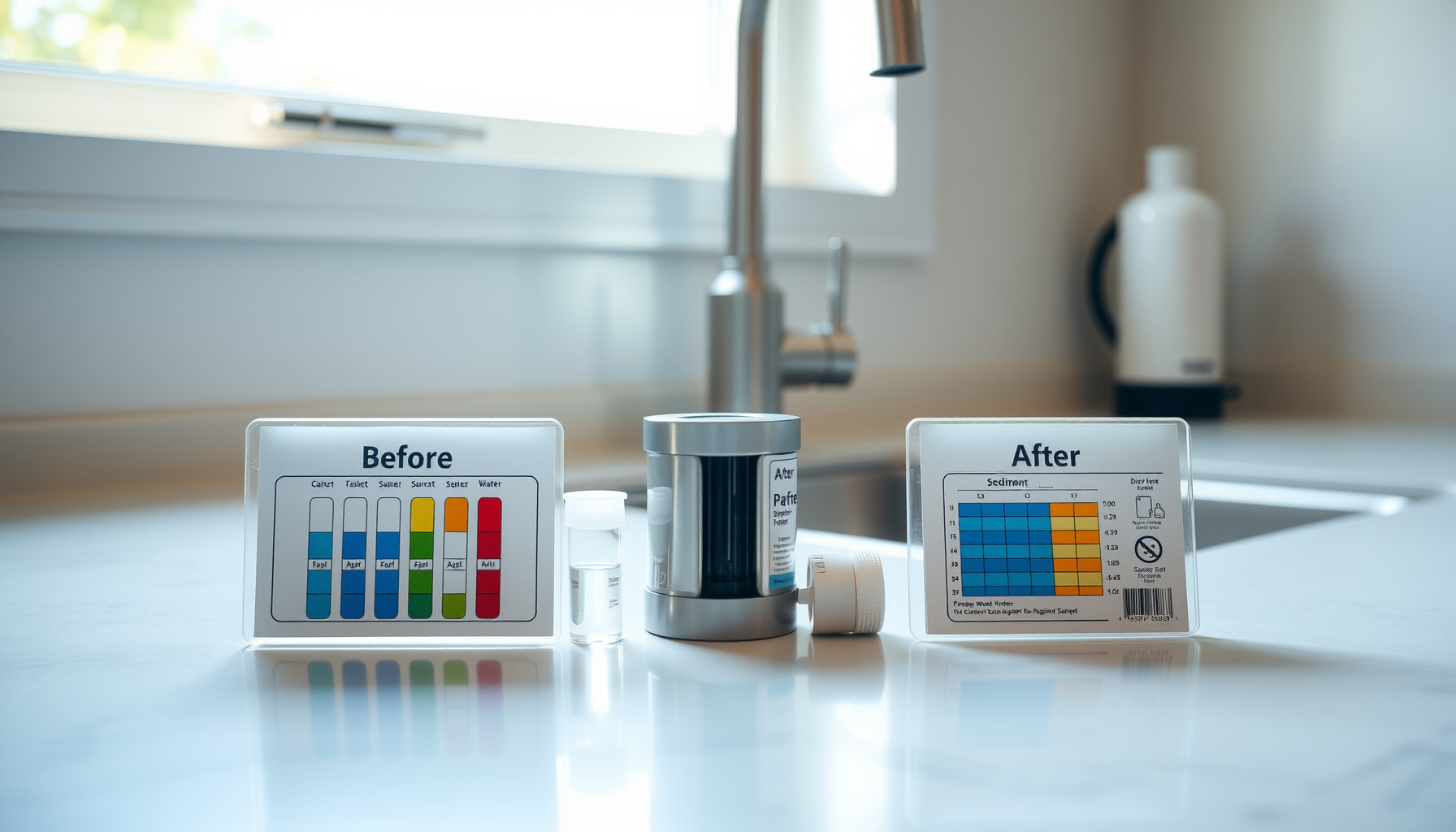
Here’s what almost every guide about testing your water before and after installing a filter gets wrong: they treat it like a pass/fail exam. You install the filter, run a test, and if the numbers look better, you declare victory. But that framing misses the actual point — and it’s why so many homeowners end
-
How to Test for Volatile Organic Compounds (VOCs) in Tap Water
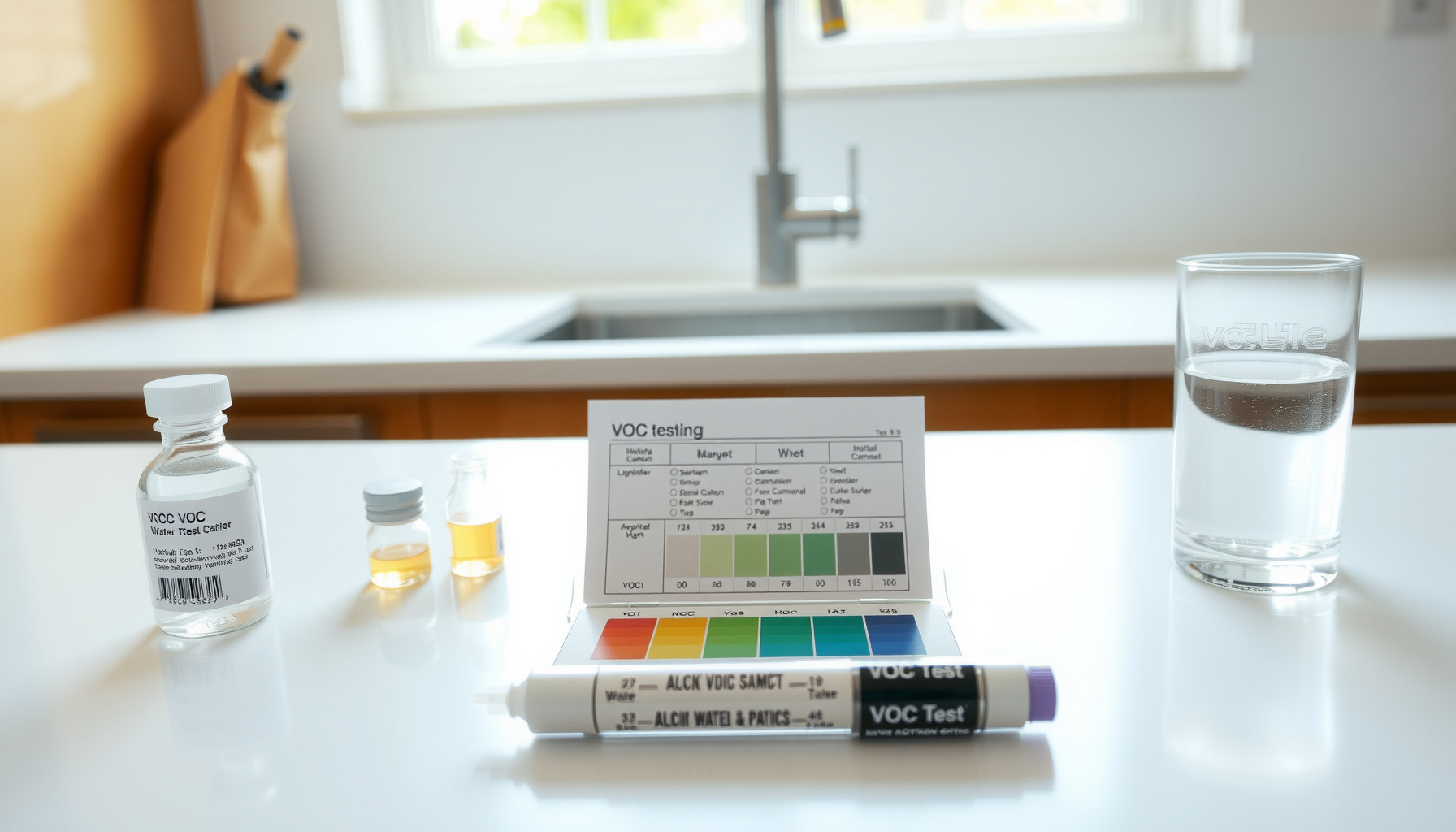
Here’s what most people get wrong about testing for VOCs in tap water: they assume a negative test result means their water is safe. It doesn’t. Standard home water tests — the kind sold at hardware stores for under $20 — don’t detect VOCs at all. They measure pH, hardness, chlorine, and maybe lead or
-
How to Test for Pesticides in Your Tap or Well Water at Home
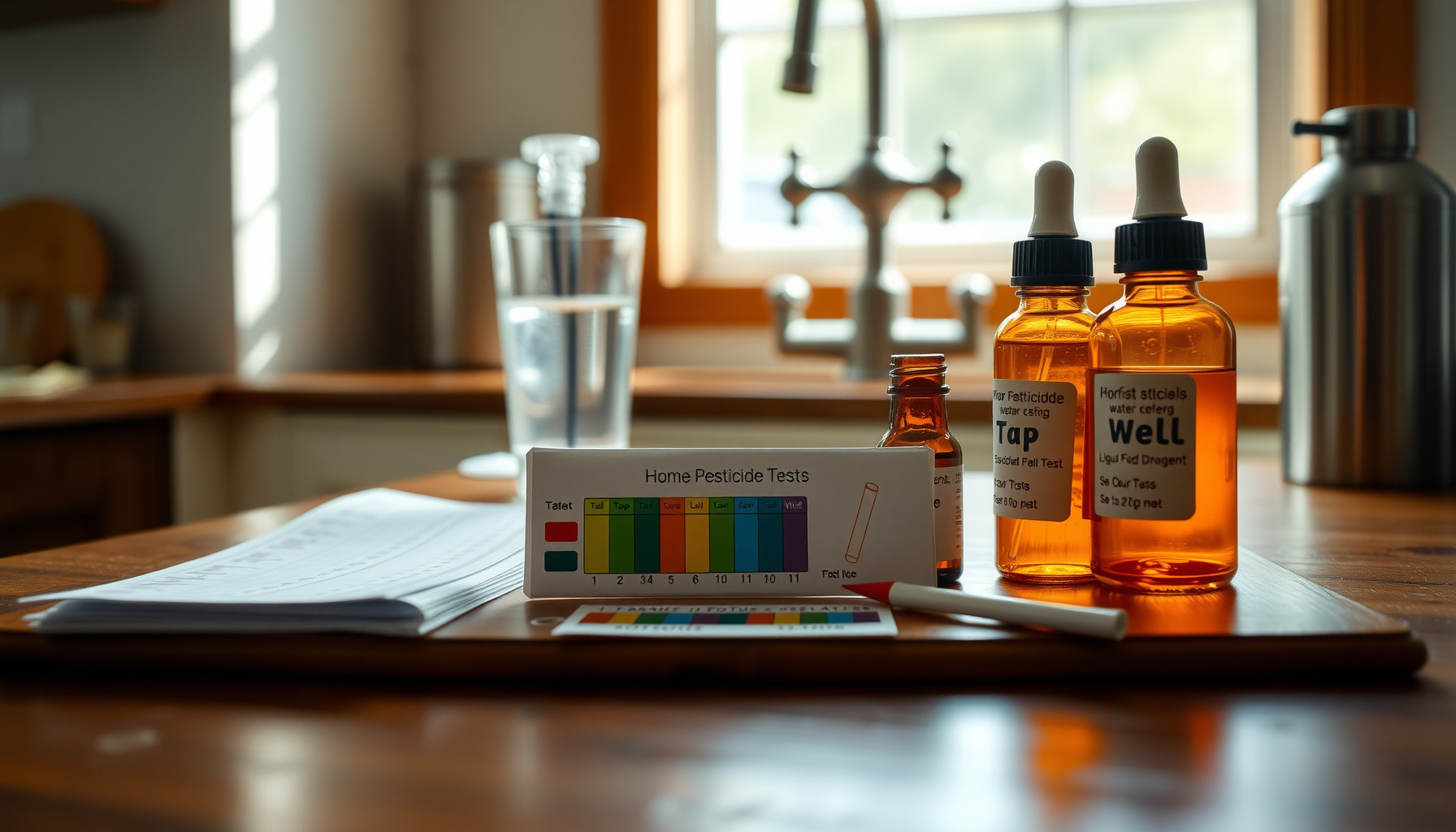
Here’s what most articles about testing for pesticides in water get completely wrong: they treat it like a one-time checkbox. Buy a test kit, get results, move on. But pesticide contamination in tap and well water isn’t static — it shifts with the seasons, changes after rainfall events, and varies depending on what’s being grown
-
How Does Drought Affect Private Well Water Quality?
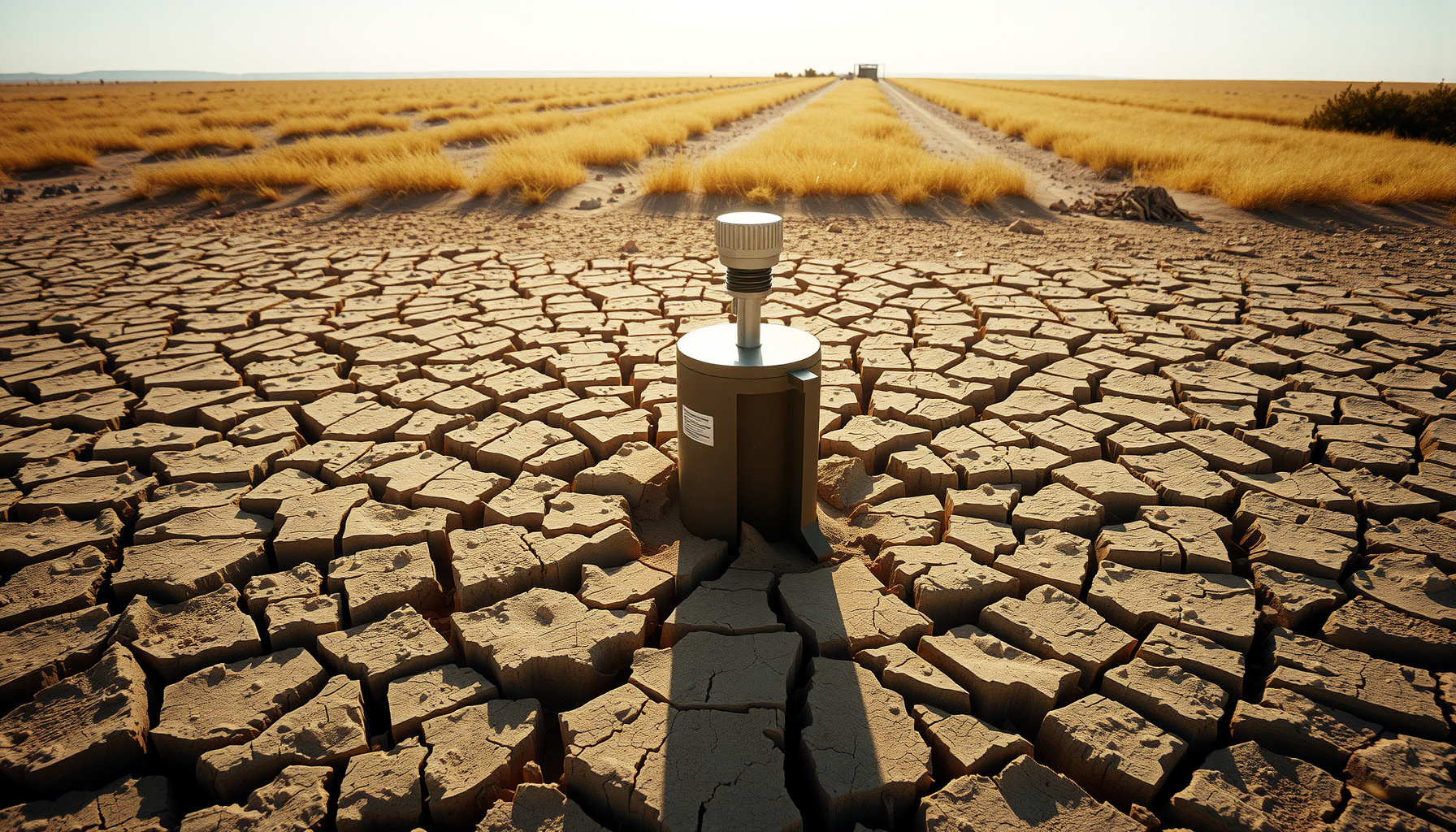
Here’s what most well owners get completely wrong about drought: they assume less water in the well means the main problem is running out of water. It isn’t. The real threat during a drought isn’t a dry well — it’s what happens to the water that’s left. Concentrated contaminants, destabilized aquifer chemistry, and cracked surface
-
How to Test Water Quality in an Apartment You’re About to Rent
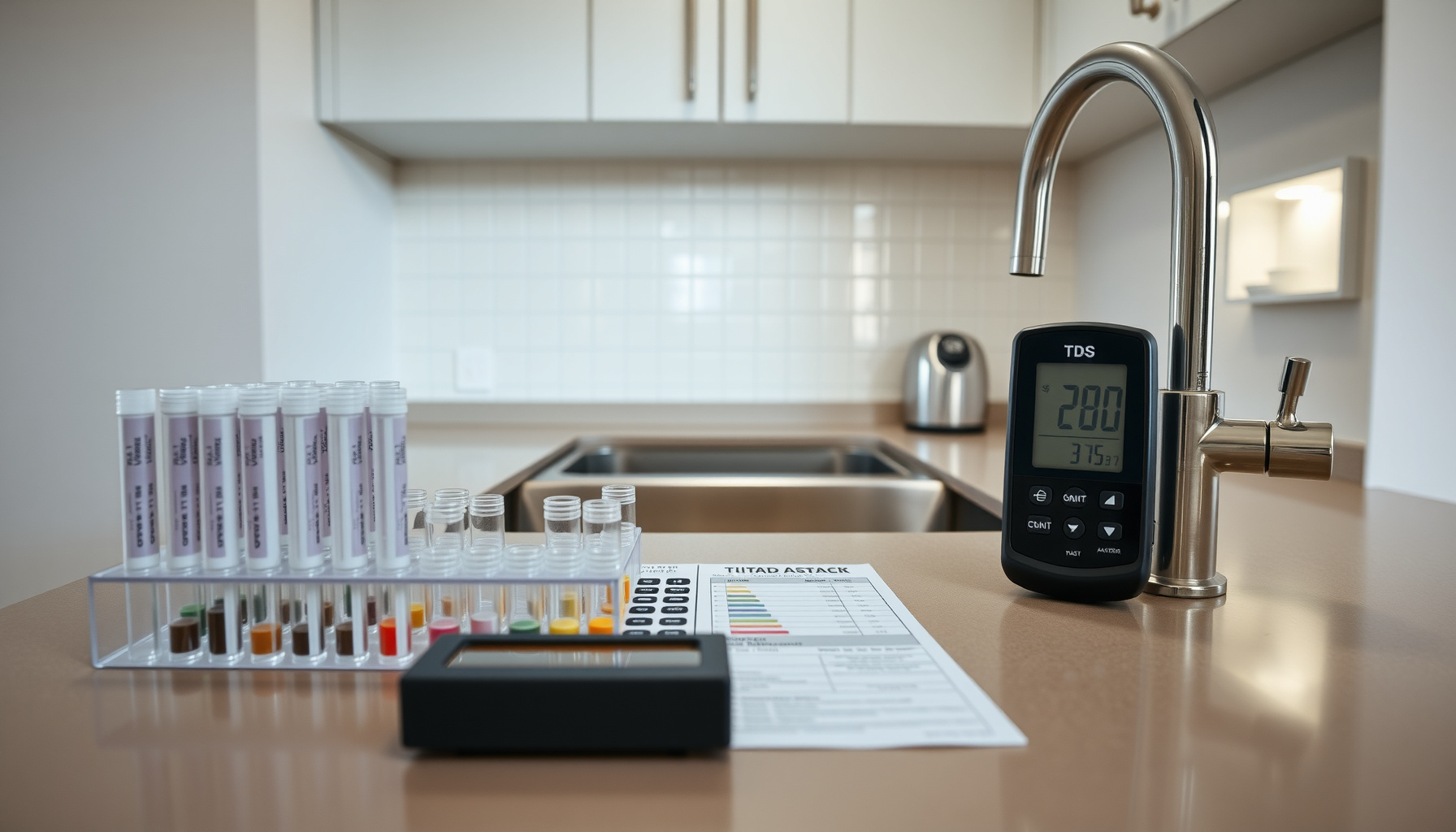
Here’s the thing most apartment hunters get completely wrong: they assume that because a building’s water comes from the same municipal source as the house down the street, it’s going to be the same water. It isn’t. By the time city water travels through aging building pipes, a potentially corroded water main connection, and a


