
Latest posts
-
What Is the Difference Between a Water Report and a Water Test?
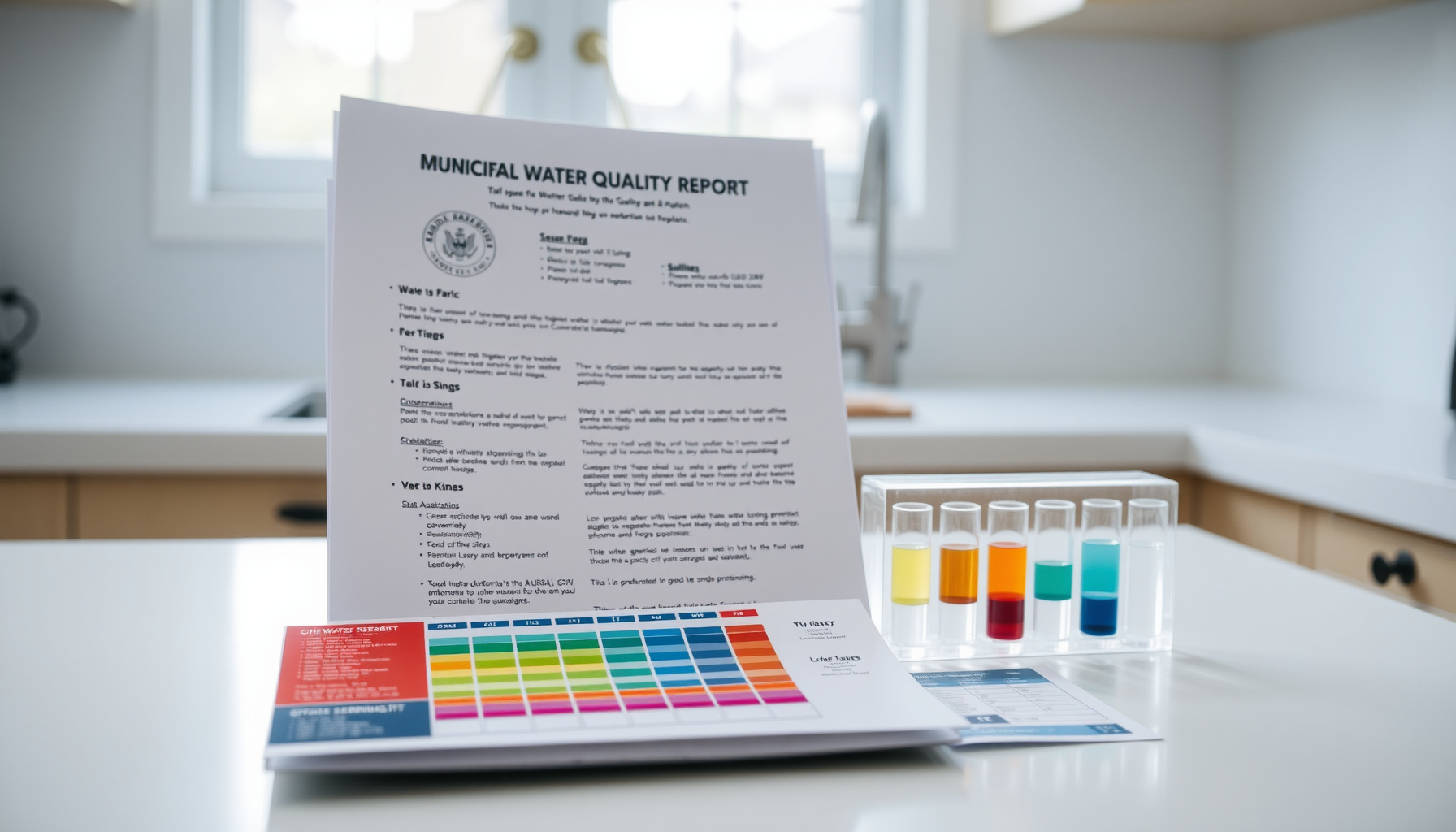
Here’s what most homeowners get completely backwards: they think a water report and a water test are basically the same thing, just delivered in different formats. They’re not. One tells you what was in your neighbor’s water months ago. The other tells you what’s actually coming out of your tap right now. Mixing them up
-
How Long Does It Take for a New Well to Produce Clean Water?
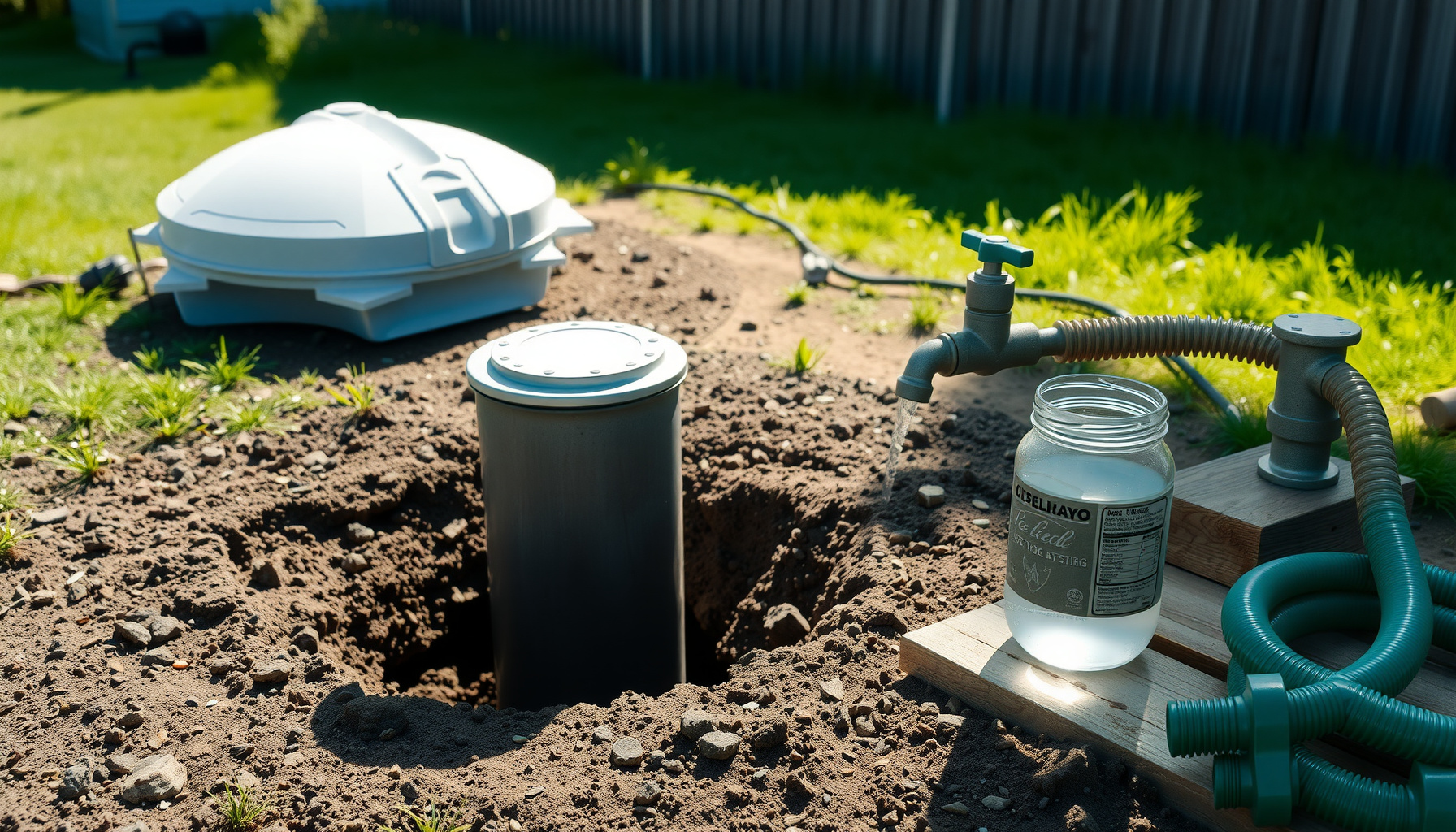
Here’s what most people get wrong about new well water: they assume “new” means “clean.” A freshly drilled well feels like a fresh start — untouched ground, no old pipes, no municipal treatment chemicals. But that assumption is exactly what gets homeowners into trouble. New wells are often more contaminated than mature ones, at least
-
How to Test Your Well Water After a Neighbor’s Septic Failure
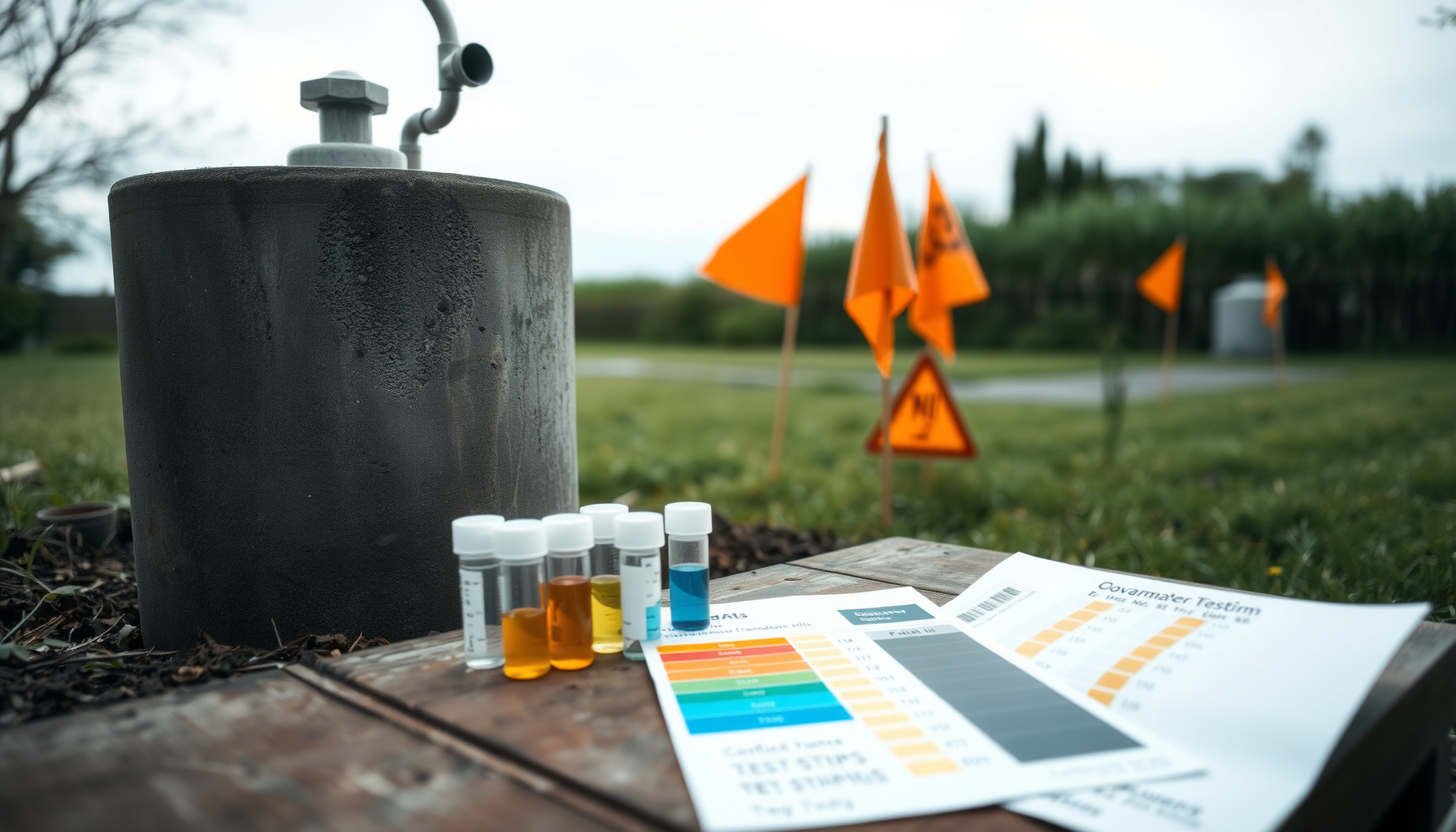
Here’s what most homeowners get wrong: they wait to see if their water looks or smells different before they bother testing. That instinct makes sense, but it will get you into trouble after a neighbor’s septic system fails. The pathogens and nitrates that leak into groundwater are completely invisible — no odor, no color, no
-
How to Test a Water Filter to See If It’s Still Working
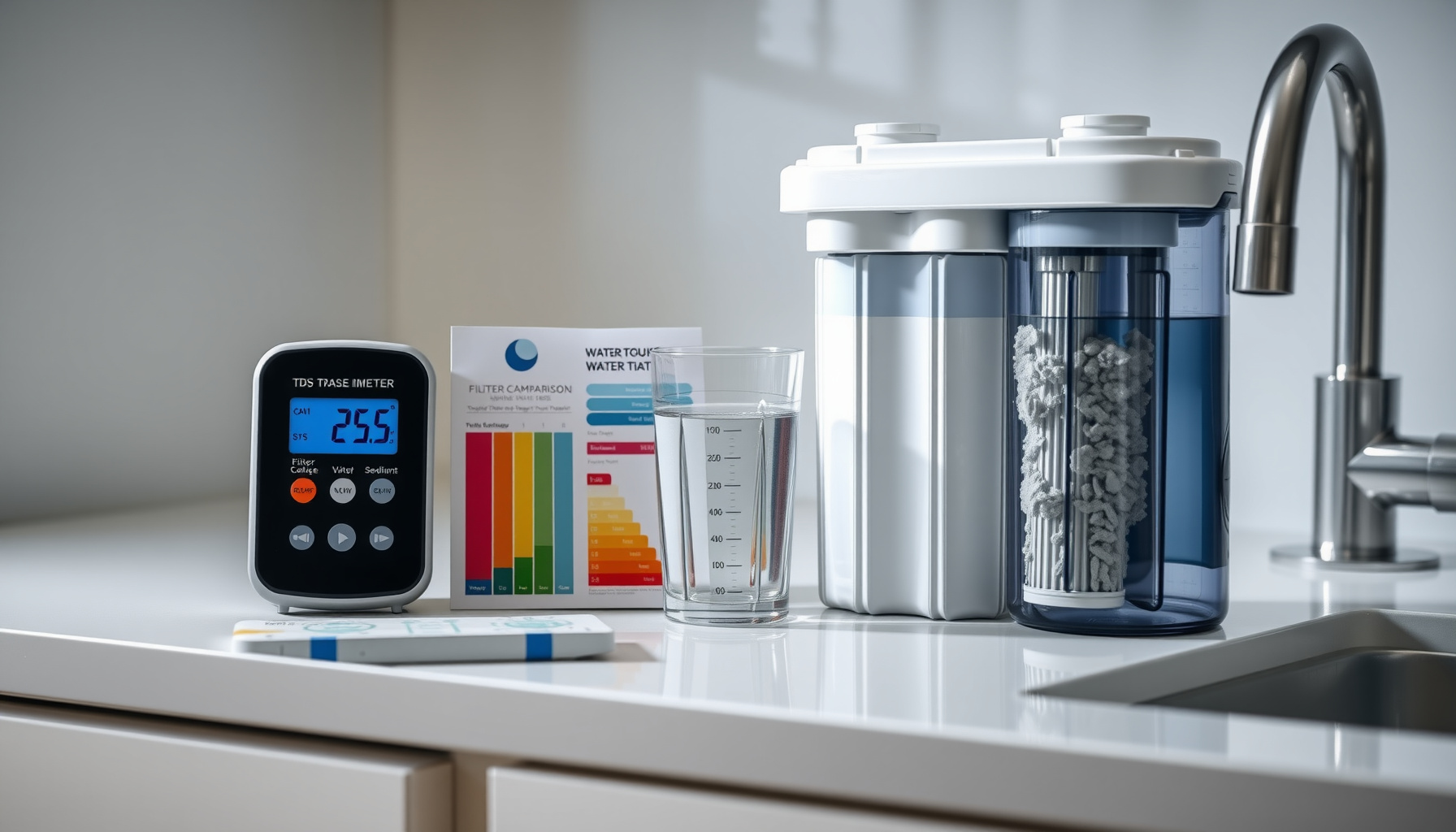
Here’s the thing most homeowners get completely wrong: they assume their water filter is either working or it isn’t — like a light bulb. But filters don’t fail all at once. They degrade slowly, quietly, and often without any obvious sign. Your water can look crystal clear, taste fine, and still be letting lead, chloramines,
-
How to Find a Certified Water Testing Lab Near You
Here’s what most homeowners get completely wrong: they assume any lab that offers water testing is good enough. You search “water testing near me,” pick the first result, mail off your sample, and wait for a report. The problem? That lab might not be certified for the specific contaminants you actually need tested — and
-
What Is a Water Quality Certificate of Analysis and How to Read It
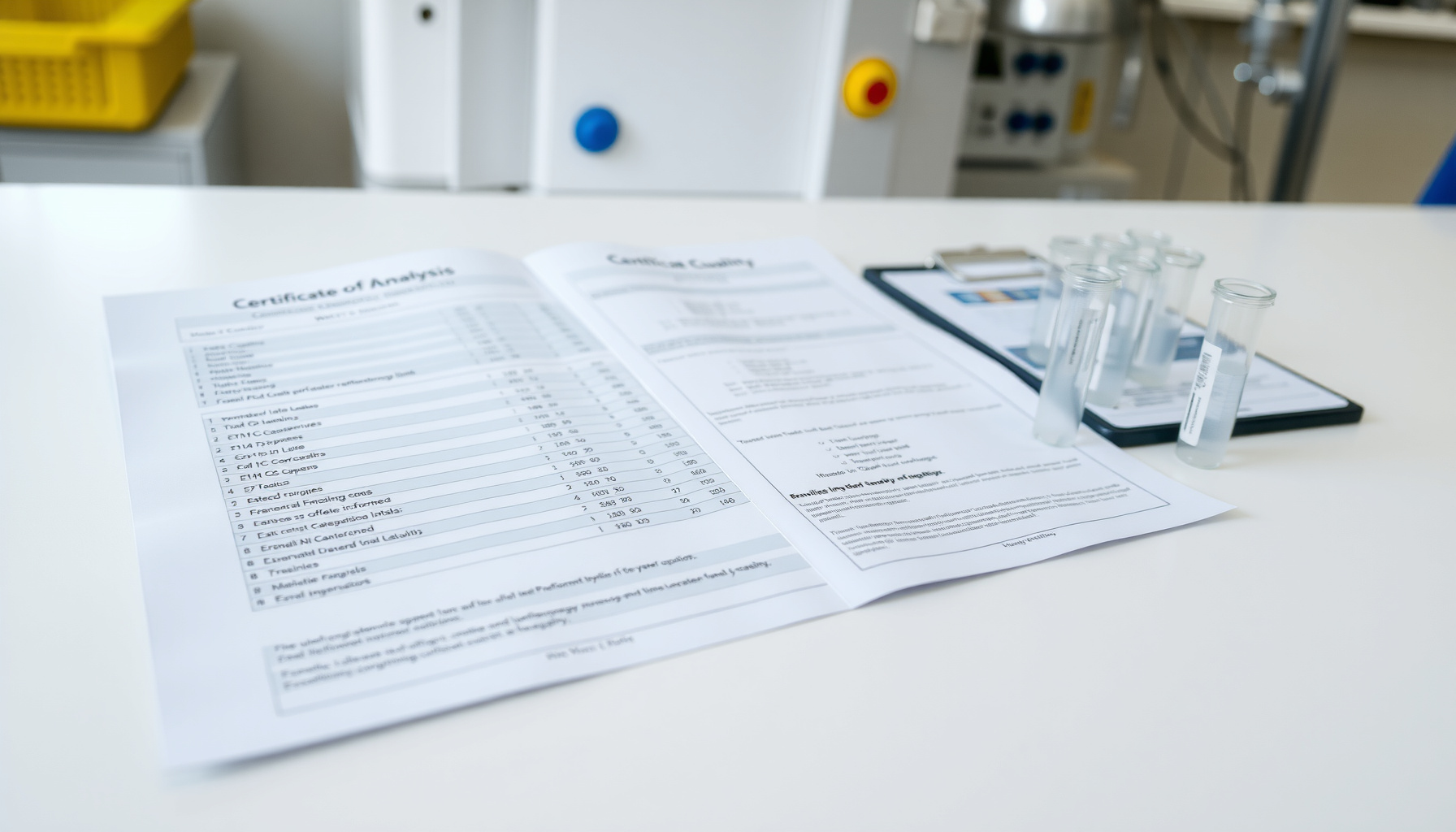
Most homeowners who receive a water quality certificate of analysis do one of two things: they scan it for a “pass” or “fail” label that doesn’t exist, or they file it away assuming someone official has already vetted every number on the page. Both instincts are wrong — and that gap between what people assume
-
How to Document Water Quality Issues for a Home Sale
Here’s what most sellers get wrong: they think documenting water quality means handing over a single test result from six months ago and calling it done. Buyers — and their inspectors — are getting smarter. A one-page printout from a basic test kit is not documentation. It’s a snapshot that raises more questions than it
-
How Often Should You Test Water in a Vacation or Seasonal Home
Here’s what most vacation homeowners get completely wrong: they treat water testing like an annual checkbox — something you do once when you buy the place, maybe again if someone gets sick. The real problem isn’t how often you test. It’s when you test. A seasonal home that sits empty for six or eight months
-
Best Water Test Kits for Well Water: Tested and Reviewed
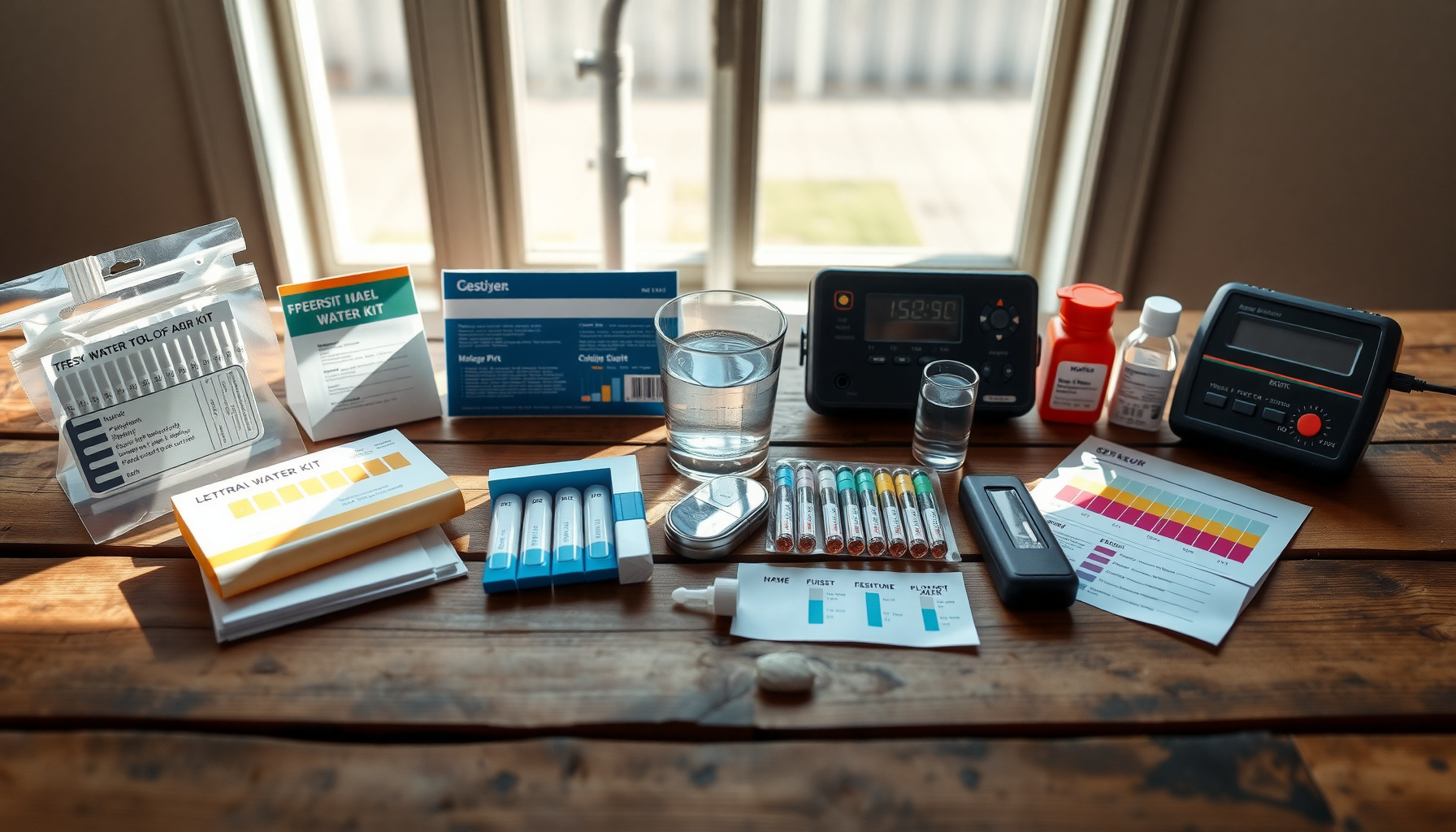
Here’s what most well owners get completely wrong: they buy a test kit based on how many contaminants it claims to detect, not based on what’s actually likely to be in their specific well. That’s like buying a fire extinguisher rated for electrical fires when your biggest risk is a grease fire. A 16-parameter test
-
What Is the Difference Between a Water Test Strip and a Lab Test?
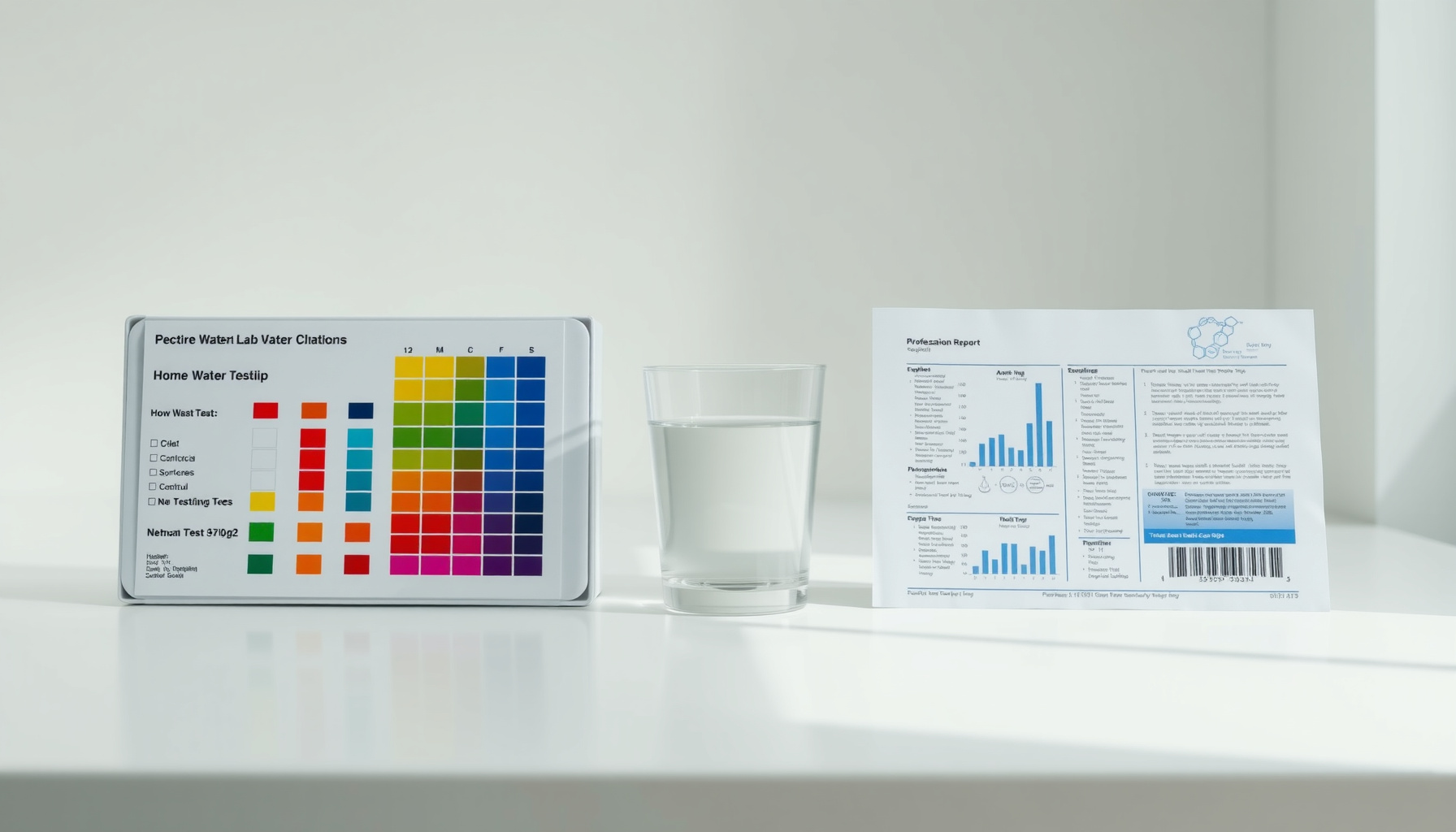
Here’s what most people get wrong: they treat a water test strip like a mini version of a lab test — just faster and cheaper. It’s not. A strip and a lab test are answering fundamentally different questions, and confusing the two is exactly how homeowners end up with a false sense of security about


