
Latest posts
-
What Is a Whole House Water Shut-Off Valve and When to Use It
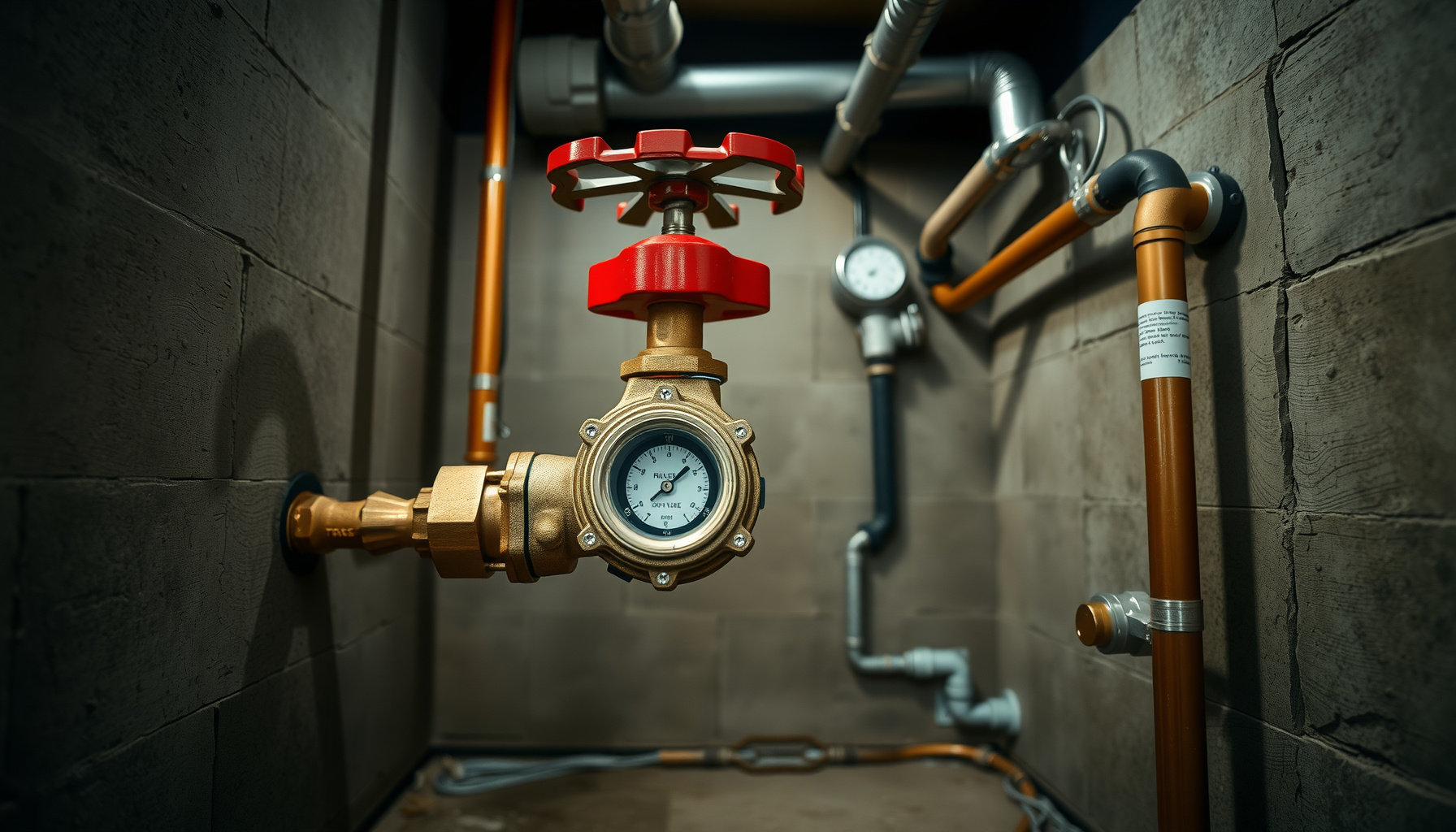
Most homeowners think of the whole house water shut-off valve as an emergency-only device — something you sprint to when a pipe bursts at 2 a.m. and water is streaming across the kitchen floor. That’s not wrong, but it misses about 80% of the value this valve actually provides. The bigger problem is that most
-
Does Boiling Water Concentrate Heavy Metals Like Lead and Arsenic?
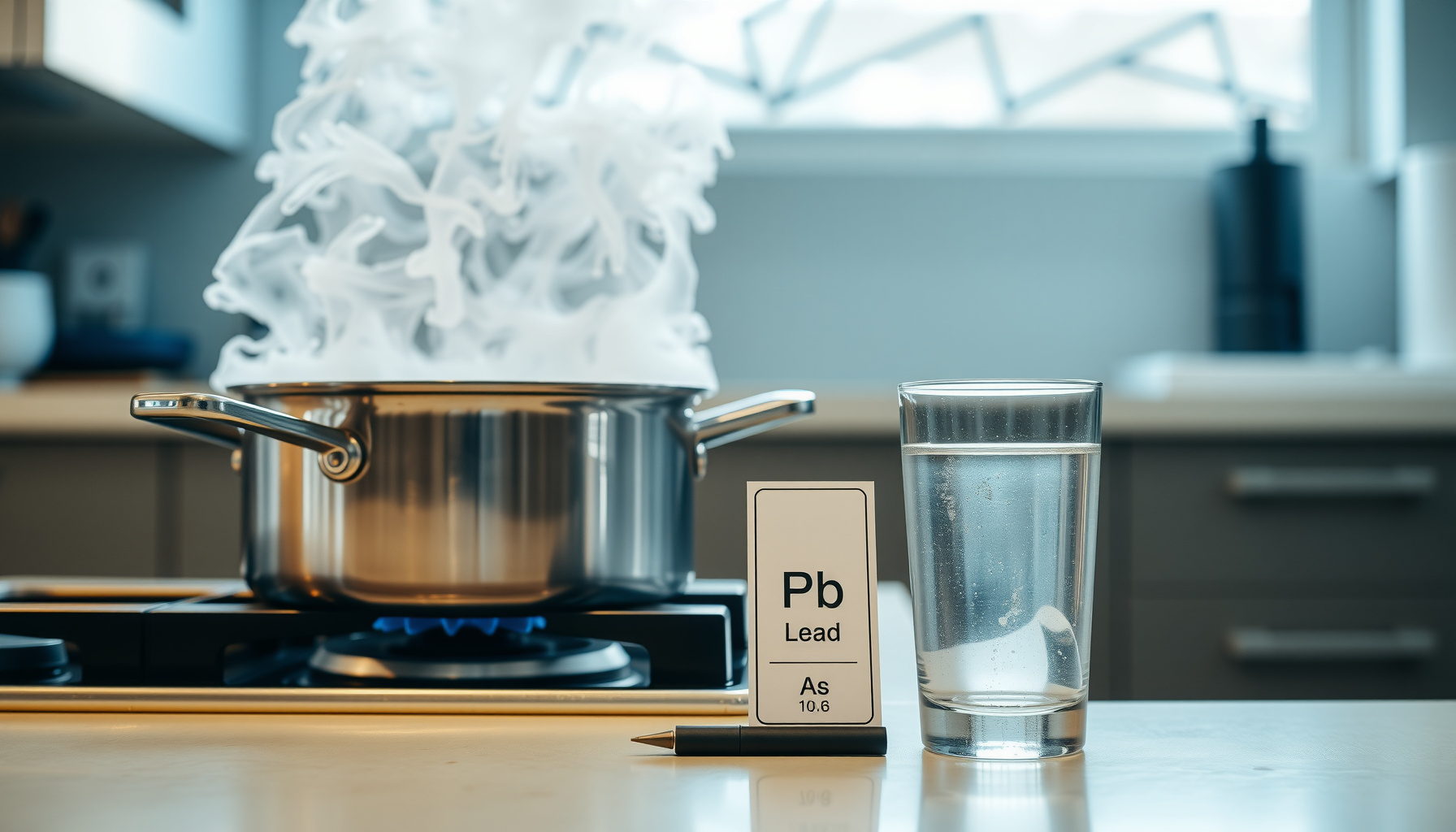
Here’s what almost every article on this topic gets wrong: they spend 800 words telling you that boiling kills bacteria, then tack on a quick paragraph warning that boiling “might” concentrate heavy metals. That framing buries the real story. Boiling does concentrate heavy metals — not through some exotic chemistry, but through simple evaporation physics
-
How to Store Emergency Drinking Water for a Natural Disaster
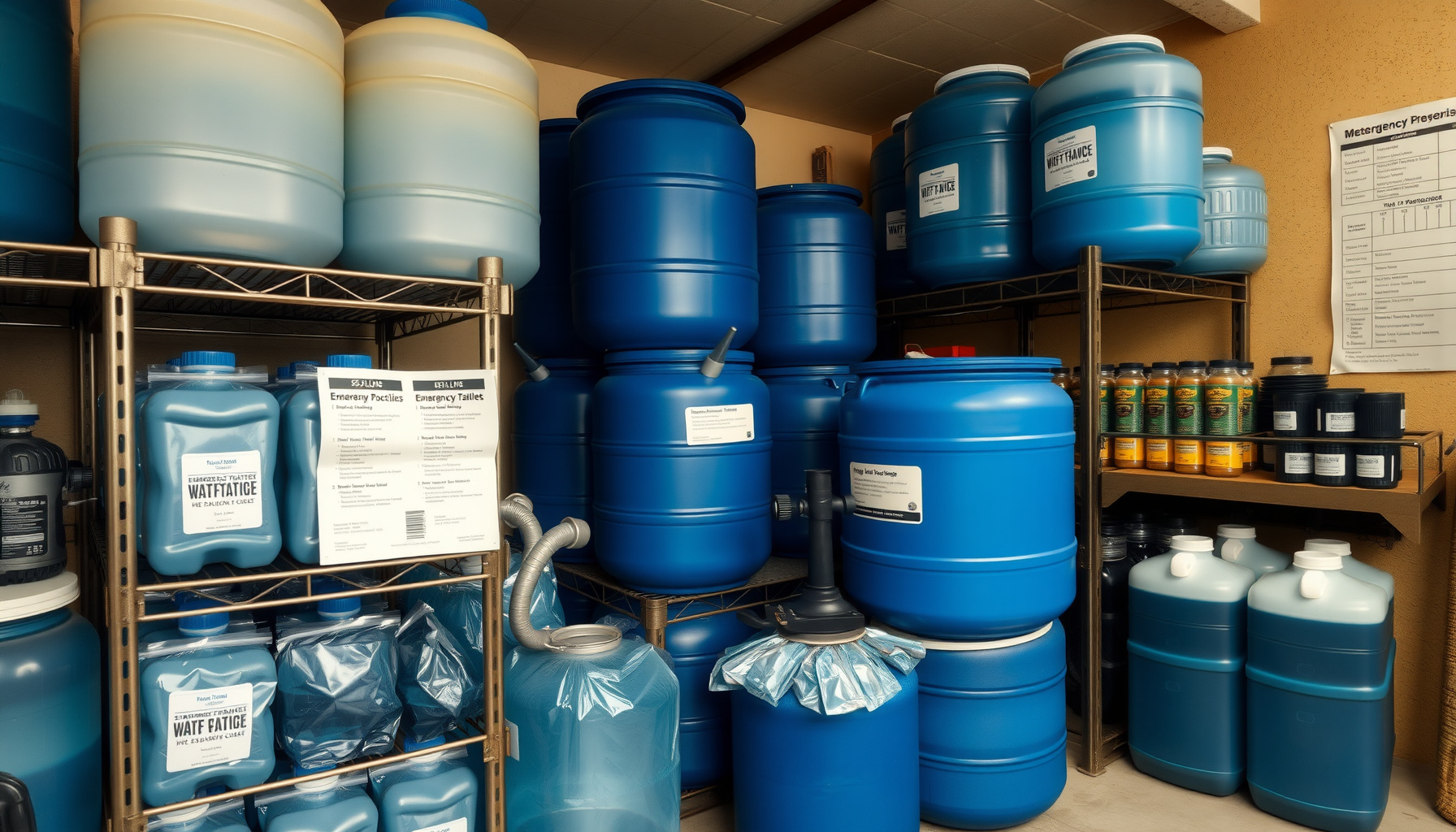
Here’s what most emergency preparedness guides get completely wrong about storing drinking water: the container you use matters far more than the water you put in it. People obsess over how many gallons to stockpile, then pour perfectly good tap water into whatever jug is handy — an old milk jug, a repurposed juice bottle,
-
What Is Chlorine Residual and Why Your Utility Adds It
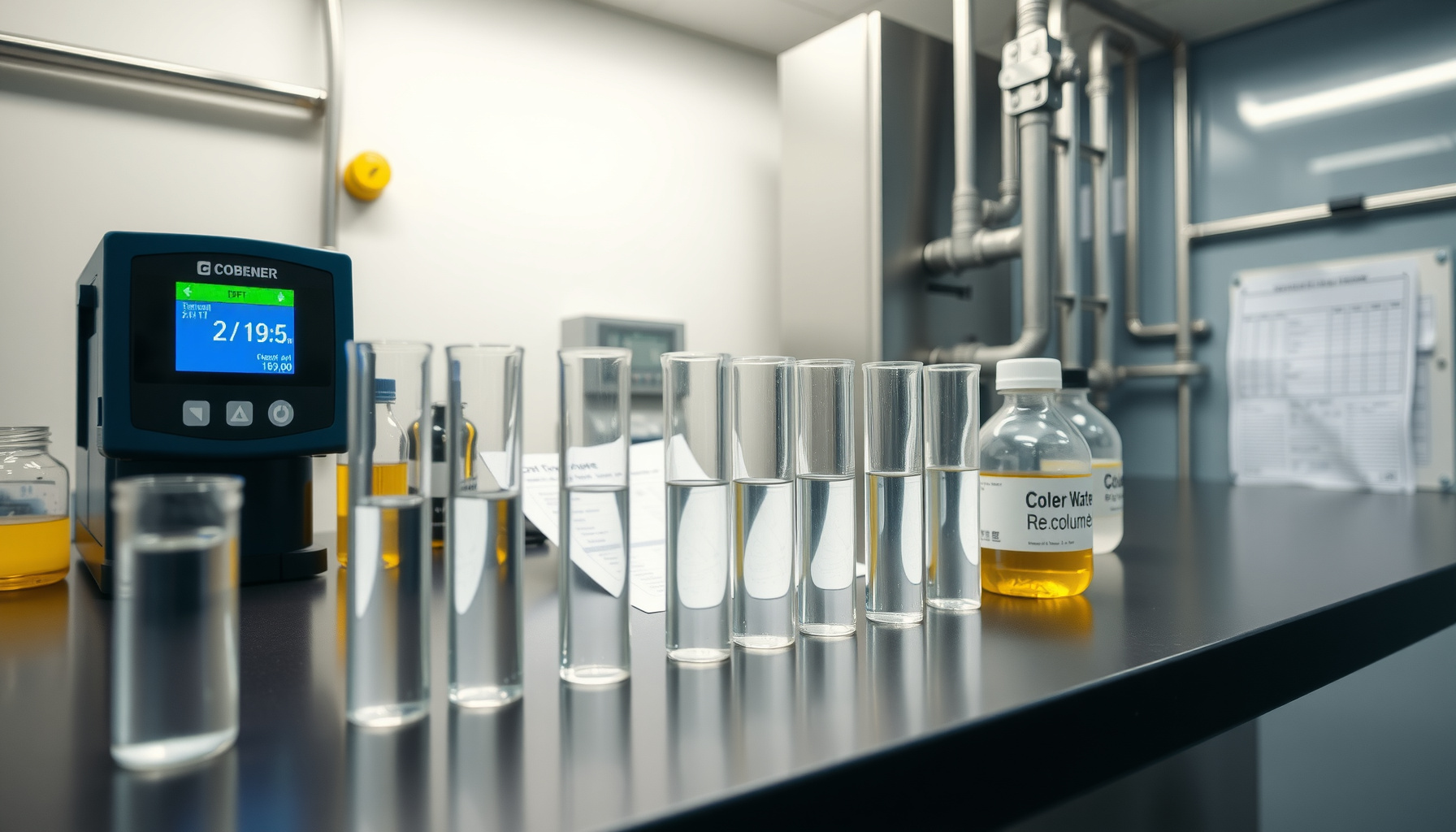
Here’s what most articles about chlorine residual get completely backwards: the chlorine you detect in your tap water isn’t a sign that your utility over-treated it — it’s actually proof that your water is still being protected right now, in real time, as it travels through miles of pipe to reach your glass. The real
-
Why Does My Water Taste Sweet? Causes and When to Worry
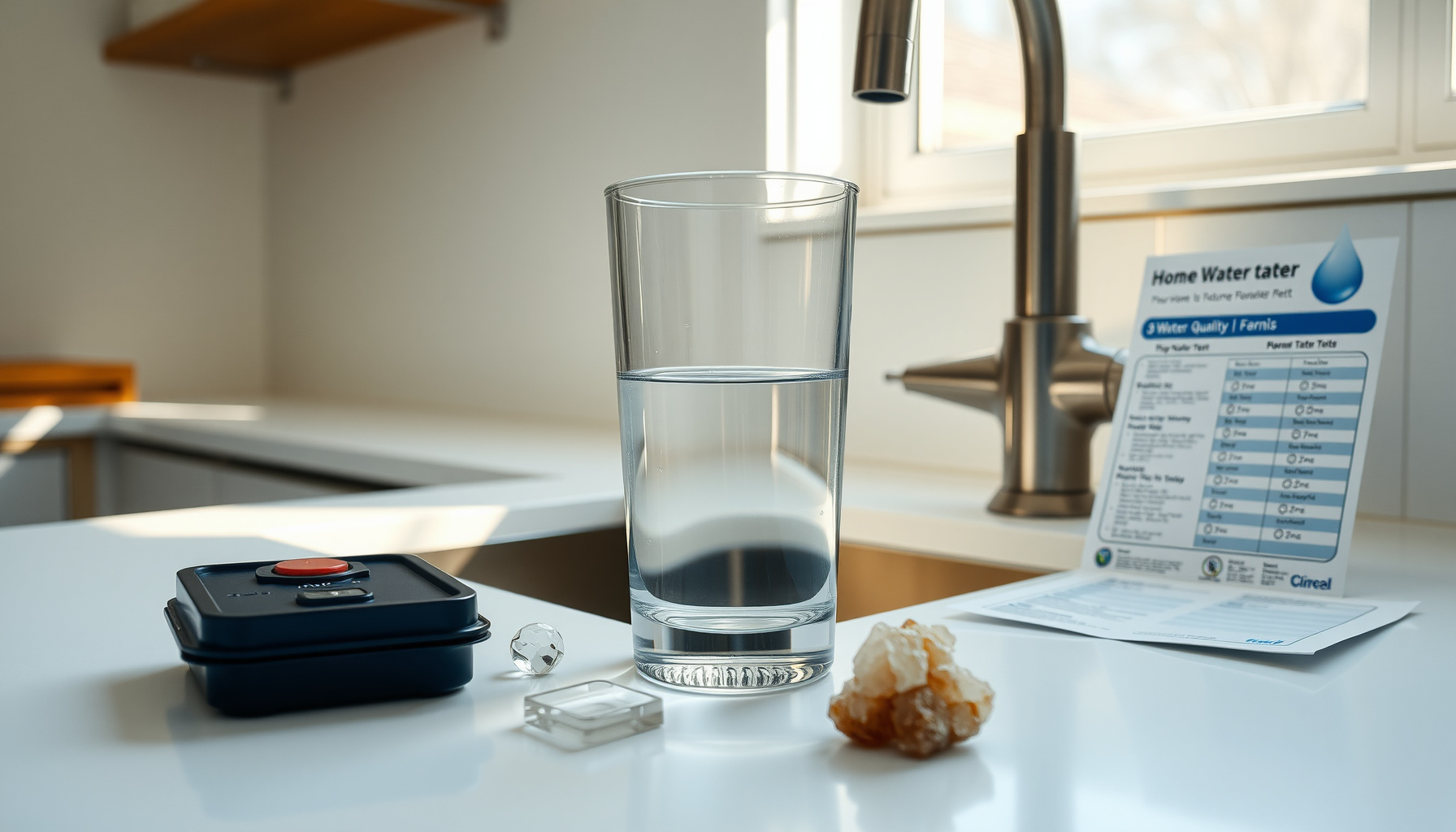
Here’s the thing most people get wrong about sweet-tasting water: they assume it’s harmless. After all, sweet sounds pleasant — almost like a compliment to your tap. But that assumption is exactly backward. A genuinely neutral, safe water supply shouldn’t have a noticeable sweet taste at all. The real question isn’t just why your water
-
How Does Hard Water Affect Your Coffee and Tea Taste?
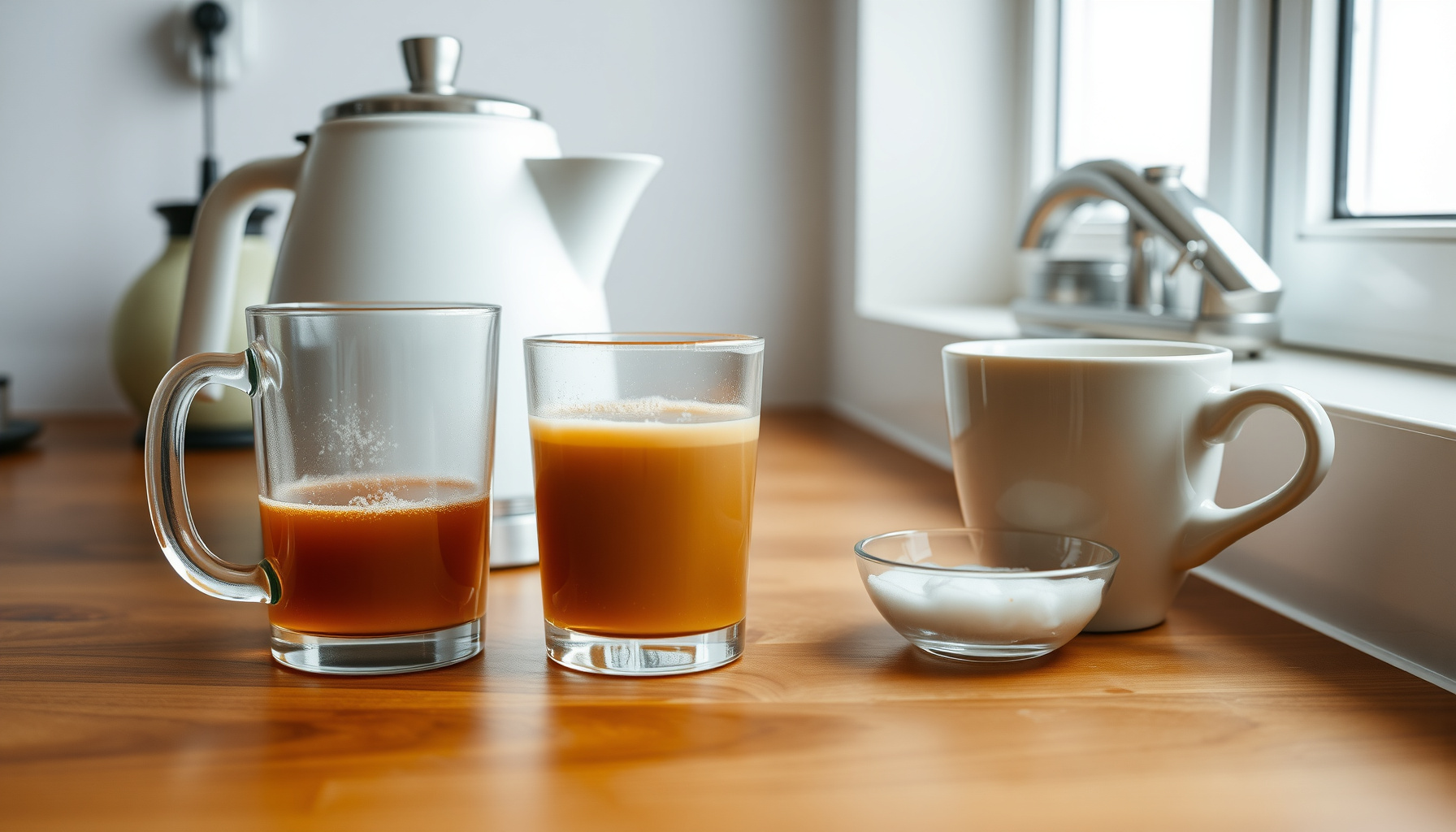
Here’s what almost every article about hard water and coffee gets wrong: they tell you hard water ruins your brew, and then they tell you to just get a softener. Done. But that’s only half the story — and honestly, it’s the less interesting half. The real issue isn’t simply how much mineral content is
-
What Are Emerging Contaminants in Drinking Water the EPA Hasn’t Regulated Yet
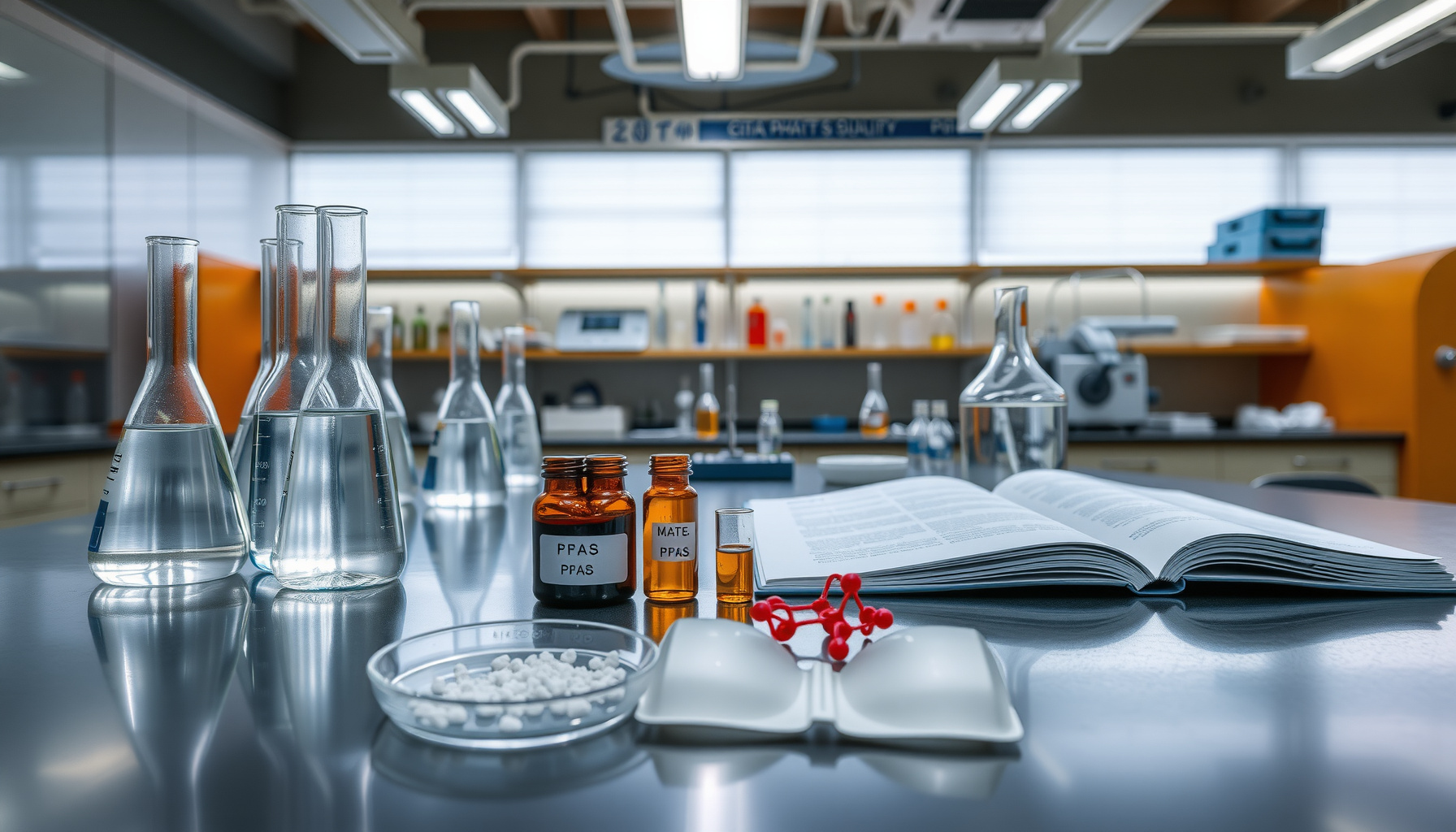
Here’s what most articles about emerging contaminants get completely wrong: they treat this as a regulatory problem waiting to be solved, when it’s actually a detection problem that already exists in your tap water right now. The EPA’s regulatory process moves slowly by design — it can take a decade or more to move a
-
Is Copper in Drinking Water Dangerous? Safe Levels Explained
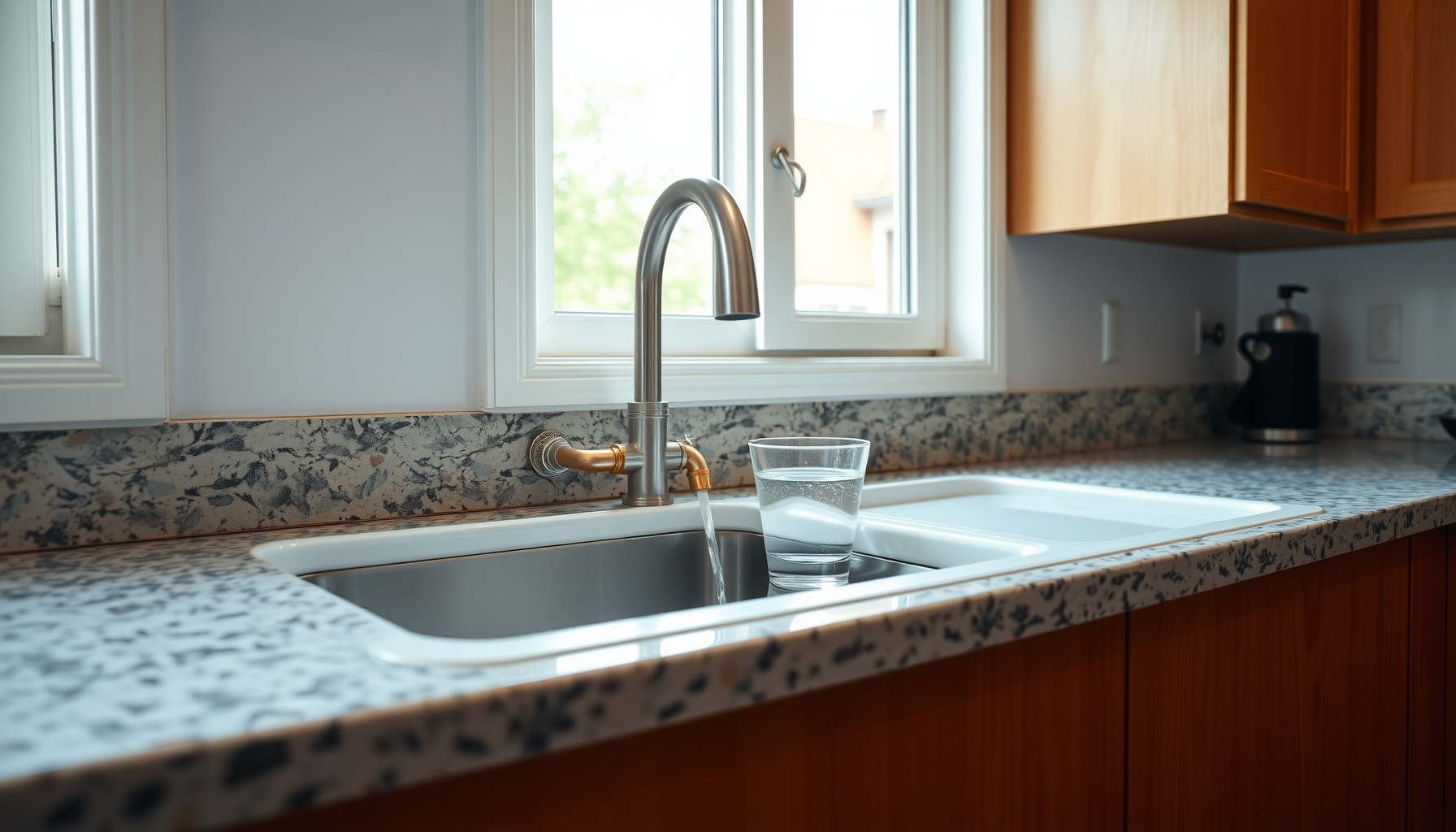
Here’s what most articles about copper in drinking water get wrong: they treat it as a simple pass/fail safety question. Either your water is under the EPA limit and you’re fine, or it’s over and you have a problem. That framing misses the real story entirely. The actual risk with copper isn’t just about how
-
How to Read a Water Quality Report From Your Utility in 5 Minutes
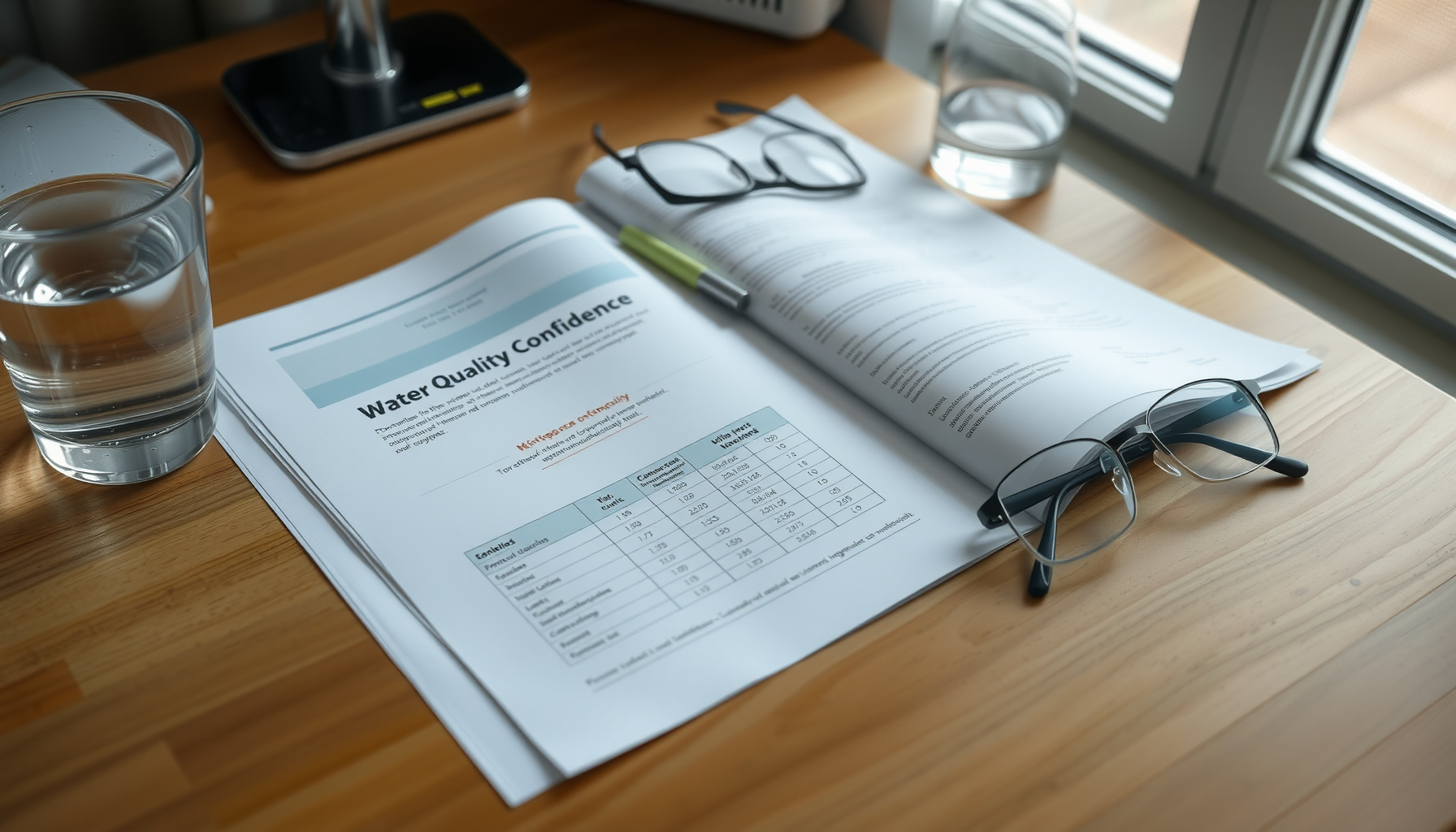
Here’s what most articles about Consumer Confidence Reports won’t tell you: the number that appears to be “safe” on your water quality report might be perfectly legal and still worth acting on. The gap between what’s allowed and what’s safe is the thing most homeowners never notice — because the report itself is designed by
-
What Is a Water Softener Efficiency Rating and Why It Matters
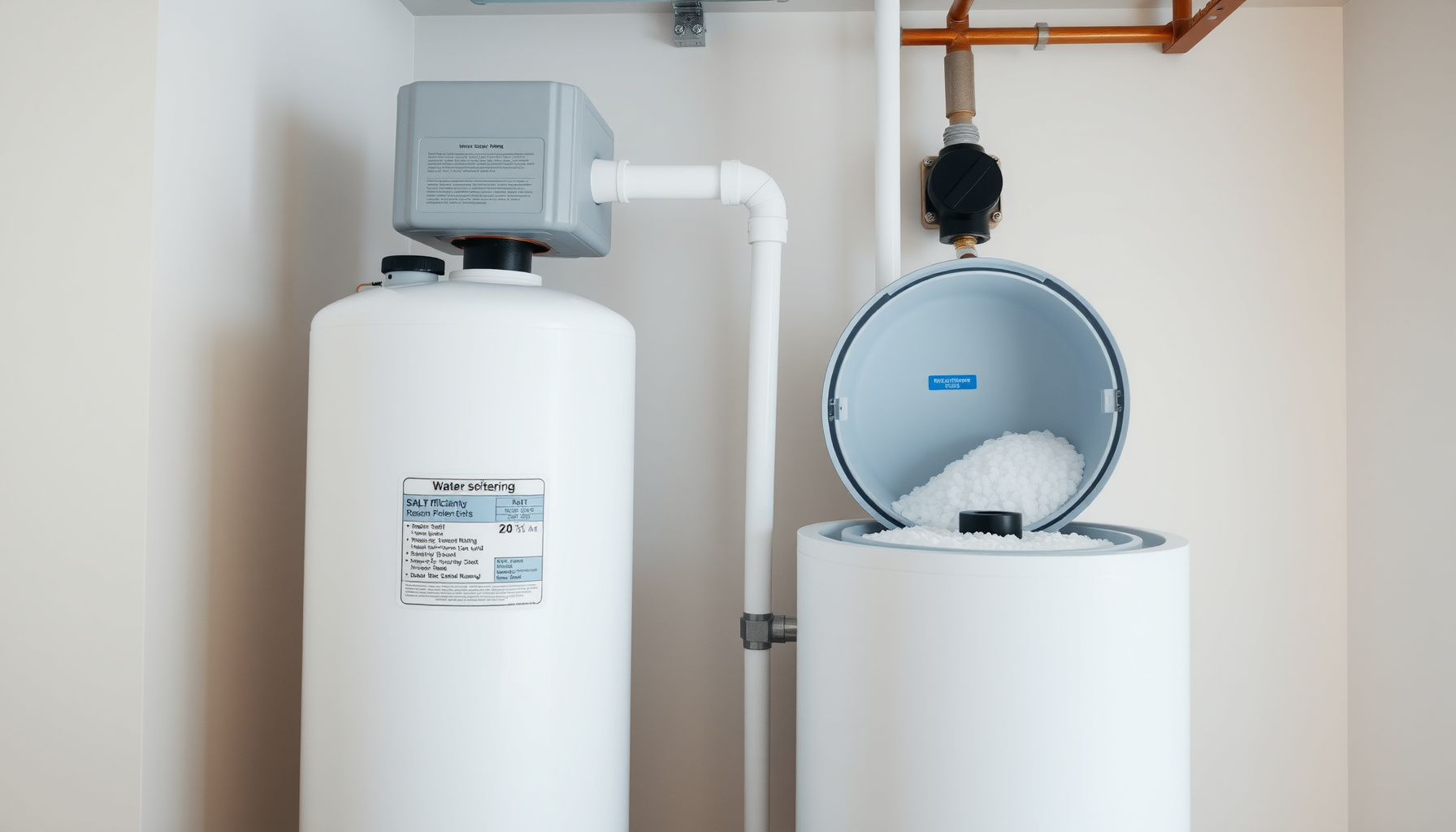
Here’s what almost nobody tells you when you’re shopping for a water softener: the efficiency rating printed on the box has almost nothing to do with how efficiently the unit will actually run in your home. Most homeowners assume a higher efficiency number means lower salt and water use across the board — buy the


