
Latest posts
-
Is Sparkling Water Bad for Your Teeth and Bones?
Here’s what most articles about sparkling water get completely wrong: they treat all carbonated water as basically the same threat to your teeth and bones. They compare it to soda, warn you about acid, and leave you wondering if your LaCroix habit is secretly dissolving your skeleton. The real picture is far more nuanced —
-
Is Aluminum in Drinking Water Dangerous?
Here’s the thing most articles about aluminum in drinking water get completely wrong: they treat it like a simple yes-or-no danger question, when the real issue is far more specific. Aluminum isn’t uniformly dangerous — it’s conditionally dangerous, and the conditions that matter most have nothing to do with whether your water utility adds it
-
Selenium in Drinking Water: Safe Levels and When to Worry
Here’s what most people get wrong about selenium in drinking water: they assume that because selenium is a nutrient their body needs, a little extra in the tap can’t hurt. That assumption is flat-out dangerous. Selenium operates in one of the narrowest safety windows of any mineral you’ll encounter in a water quality discussion —
-
Cadmium in Drinking Water: Sources and Health Risks
Here’s what most articles about cadmium in drinking water get completely wrong: they focus almost entirely on industrial pollution as the source, which leads homeowners to assume that if they don’t live near a factory or mine, they’re probably fine. That assumption is dangerous. The cadmium most likely to reach your glass isn’t coming from
-
Mercury in Drinking Water: Where It Comes From and How to Remove It
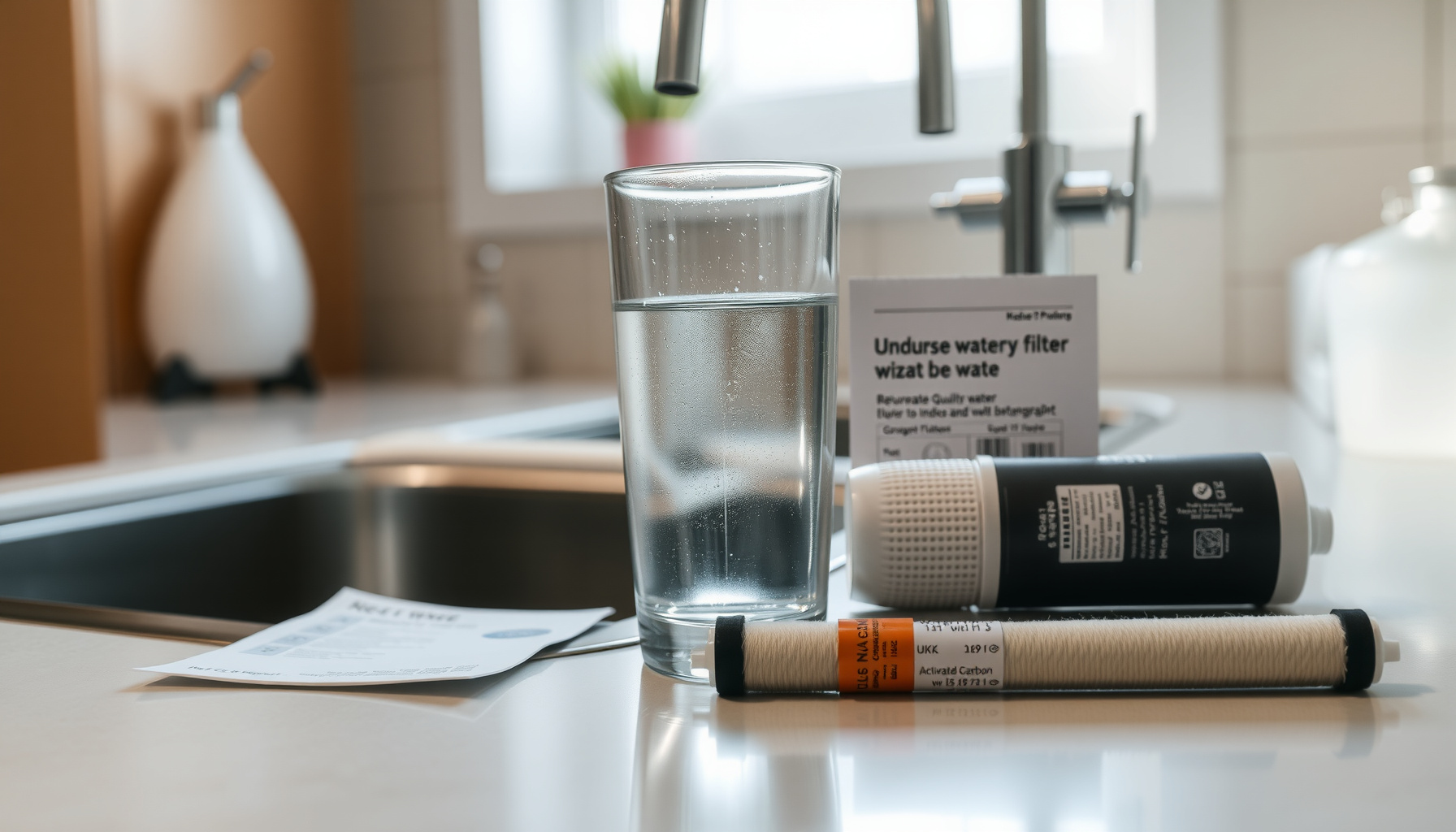
Here’s what most people get wrong about mercury in drinking water: they assume it’s primarily an industrial problem — something that only affects people living near old factories or coal plants. But the truth is more unsettling and more personal than that. Mercury can reach your tap through aging infrastructure, certain natural geological deposits, and
-
Perchlorate in Drinking Water: Sources and Health Effects
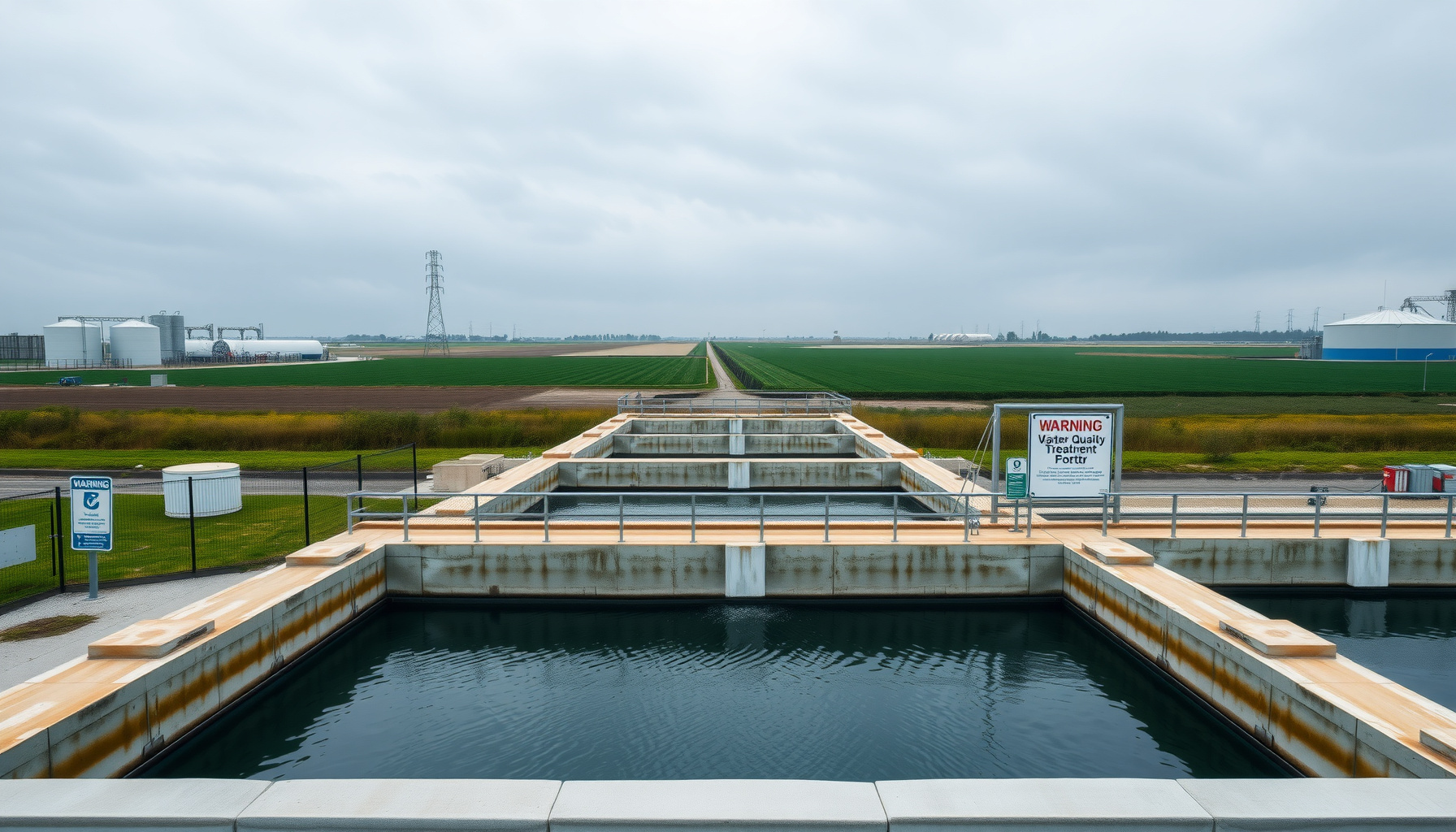
Here’s what most people get wrong about perchlorate in drinking water: they assume it’s a regional problem tied to a handful of military bases out west, something that doesn’t affect them unless they live near a rocket fuel facility. That assumption is costing people. Perchlorate has been detected in tap water supplies across dozens of
-
Copper Pipe Corrosion From Water: Causes and Prevention
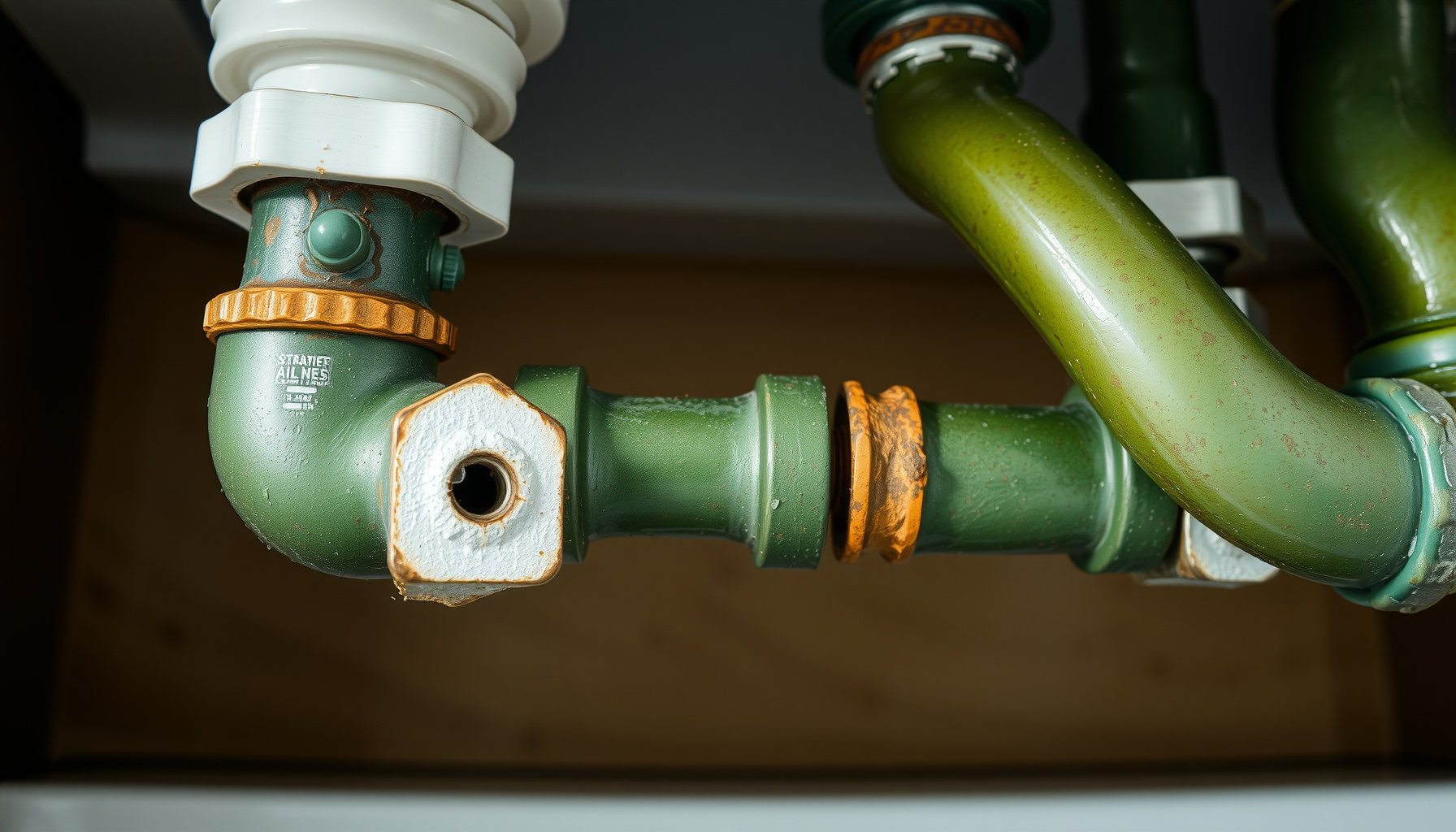
Here’s what most articles about copper pipe corrosion get completely backward: they treat it as a plumbing problem when it’s actually a water chemistry problem. Your pipes aren’t failing — your water is attacking them. And the frustrating part is that water can look perfectly clear, taste totally fine, and still be dissolving copper from
-
What Is Total Coliform and E. Coli in Well Water Testing
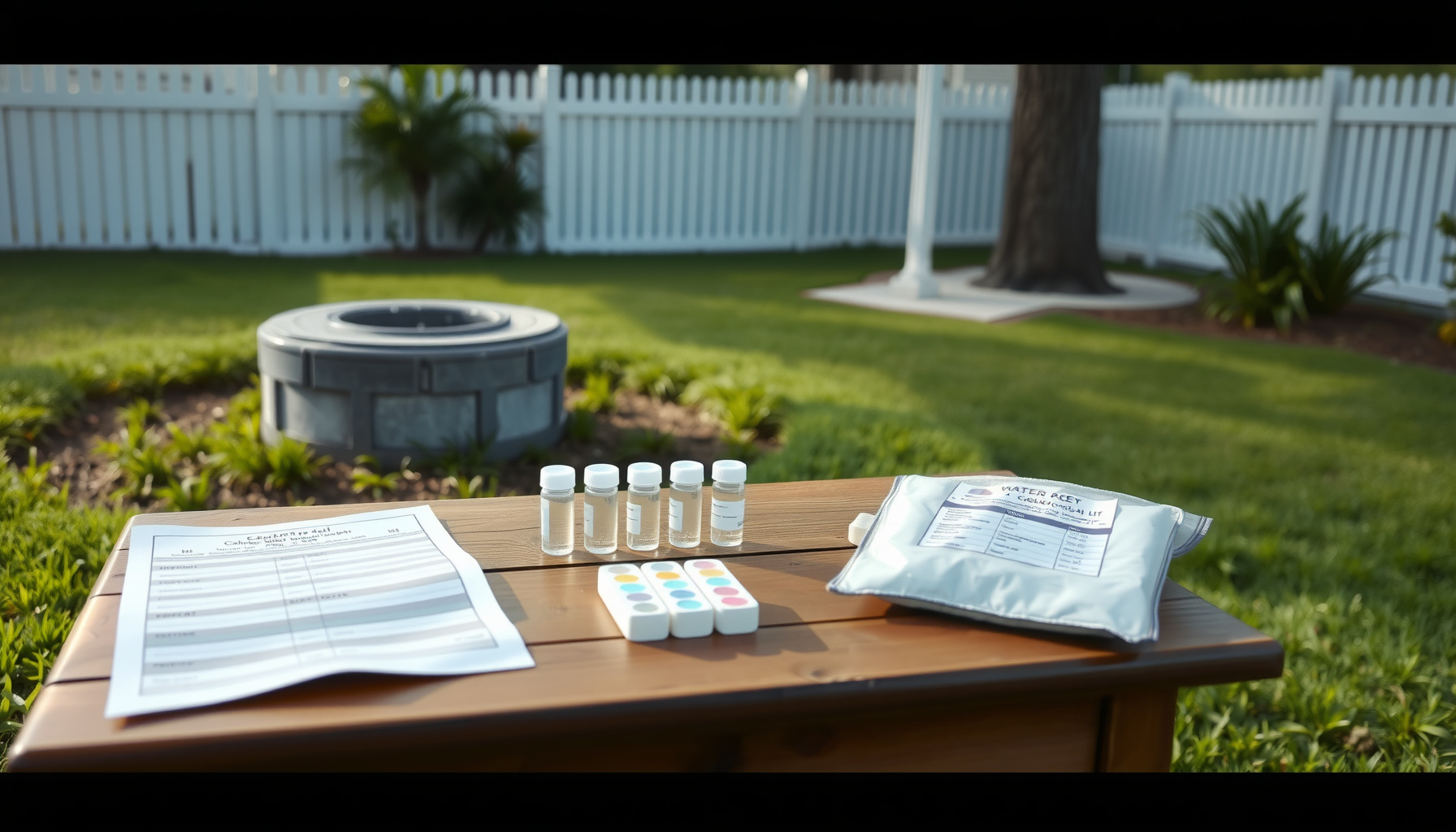
Here’s what most well owners get completely wrong: a negative coliform test does not mean your water is safe, and a positive one doesn’t always mean what you think it does. Those two misunderstandings send people either into unnecessary panic or false confidence — and both have real consequences for their health. Total coliform and
-
How to Test for Radon in Well Water at Home
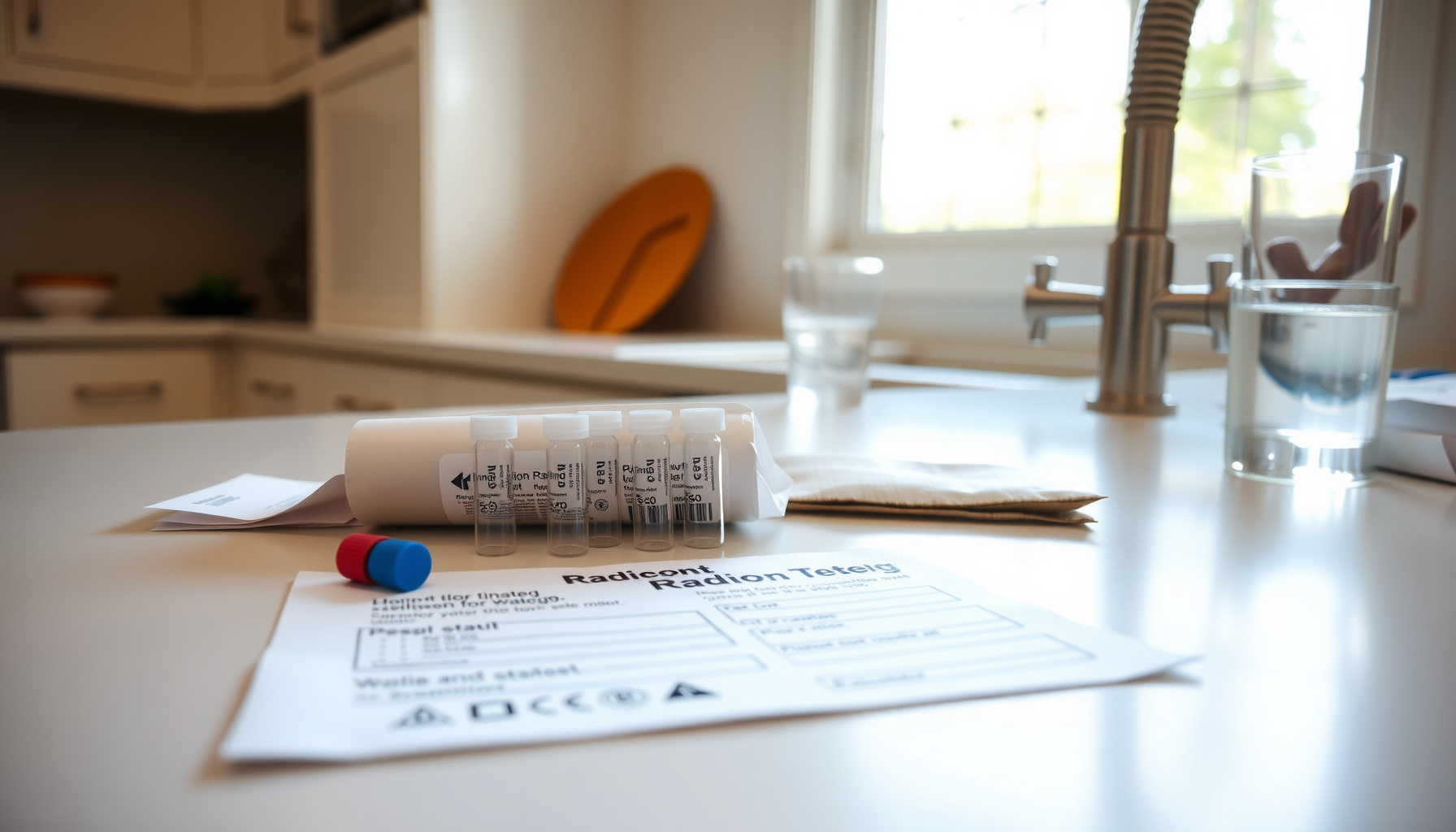
Here’s what most articles about radon in well water get completely wrong: they treat it like a radon-in-air problem with a water twist. It’s not. Testing for radon in your well water is a distinct process, it requires a specific type of sample kit, and the risks it poses are almost entirely different from the
-
Water Softener Resin Replacement: When and How to Do It
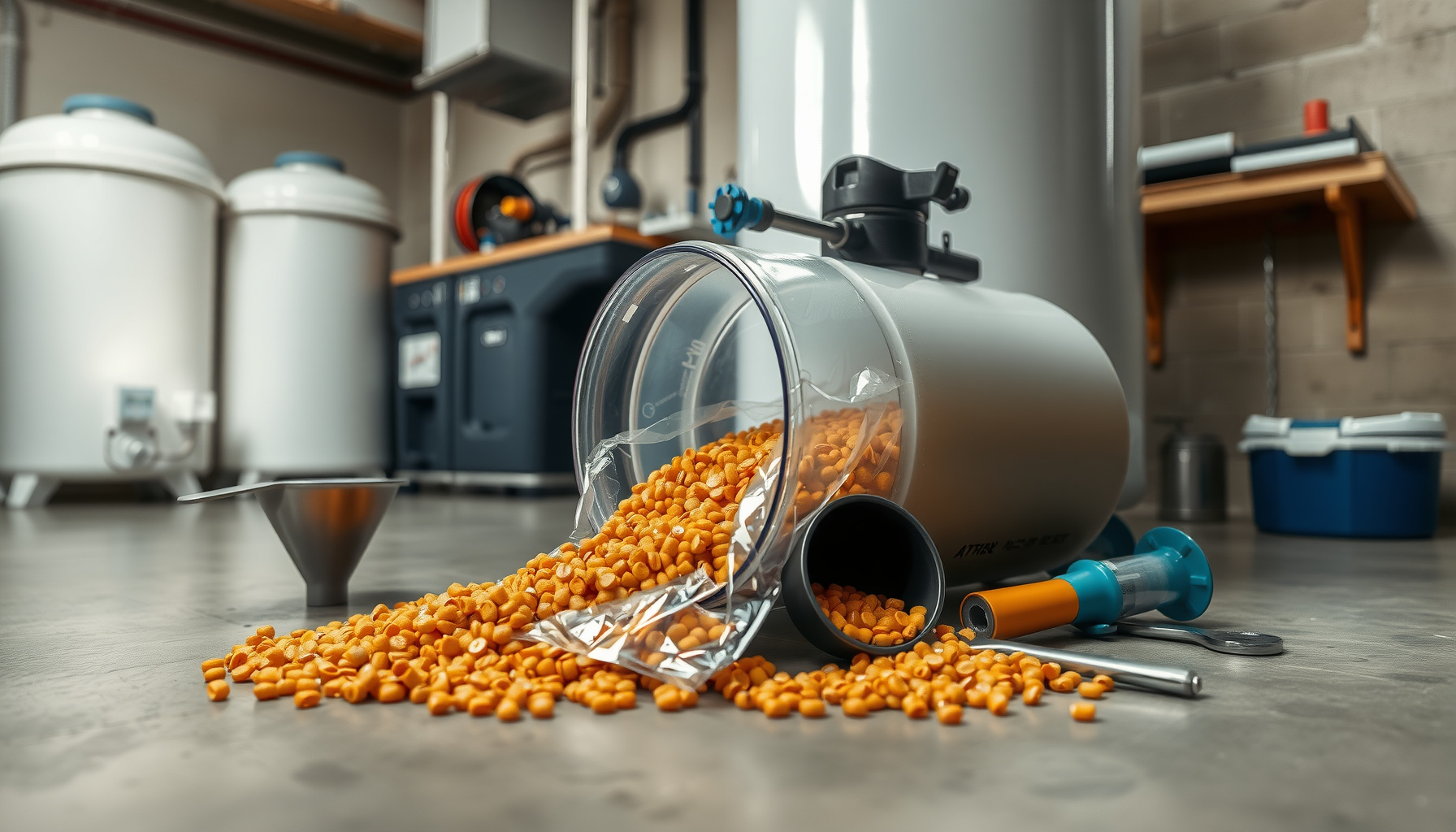
Here’s what most articles about water softener resin won’t tell you: the resin in your softener isn’t wearing out the way you think it is. Most homeowners assume resin beads just “get old” and stop working, like a sponge that’s finally used up. But the real reason resin fails — and fails faster than it


