
Latest posts
-
Why Does My Filtered Water Still Taste Bad? What Filters Miss
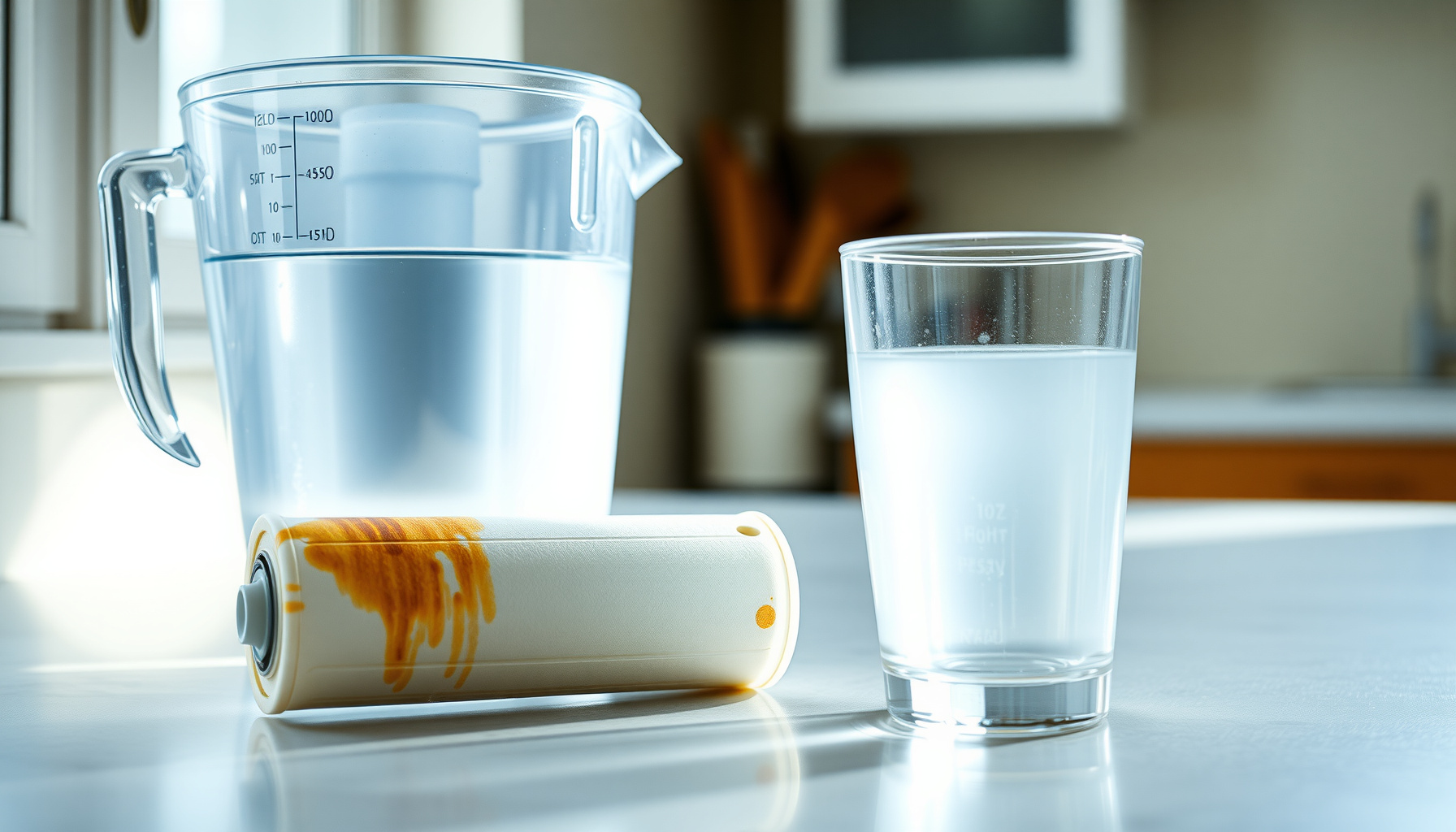
Buying a filter and still getting bad-tasting water is one of the most quietly infuriating things that happens in American households. Here’s the part nobody tells you upfront: most filters are designed to reduce specific contaminants, not to make water taste good — and those two goals don’t overlap as much as the packaging implies.
-
Is ZeroWater Filter Worth the Price vs Brita vs PUR?
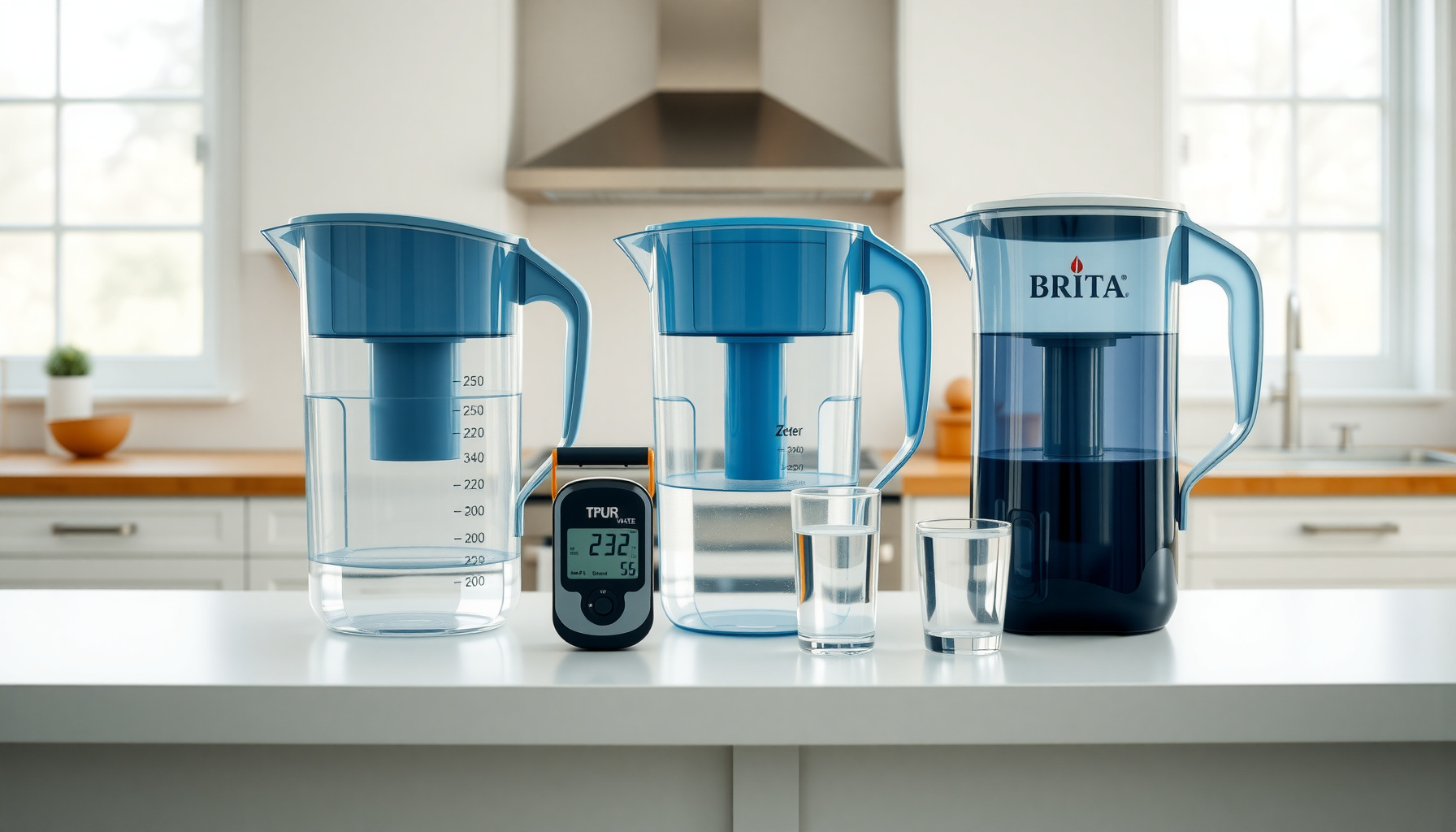
ZeroWater wins the TDS reading every single time — and that’s exactly the wrong thing to optimize for if you don’t understand what TDS actually measures. The dirty secret of the pitcher filter wars is that most buyers are comparing Brita, PUR, and ZeroWater on a metric that tells you almost nothing about whether your
-
Lead Found in Your Water Test After Moving Into an Old House: Urgent Steps to Take Now
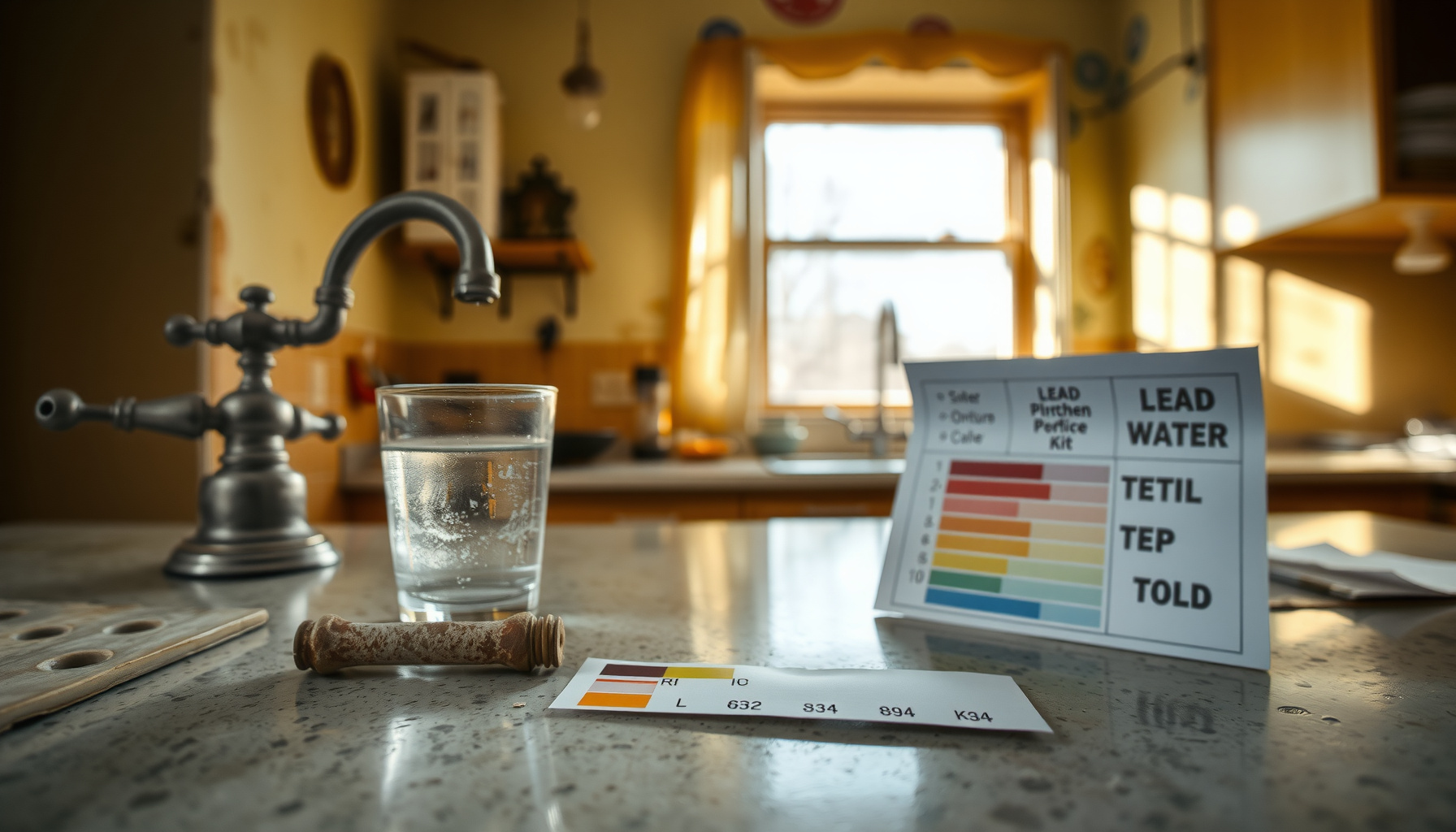
About 10 million homes in the US still have lead service lines feeding water to the tap — and that number doesn’t count the lead solder joints, lead-lined fittings, and brass fixtures inside the house itself. If your water test just came back positive for lead, the instinct is to catastrophize or, weirdly, to dismiss
-
PFAS Found in My City Water Report: What Should I Do Now?
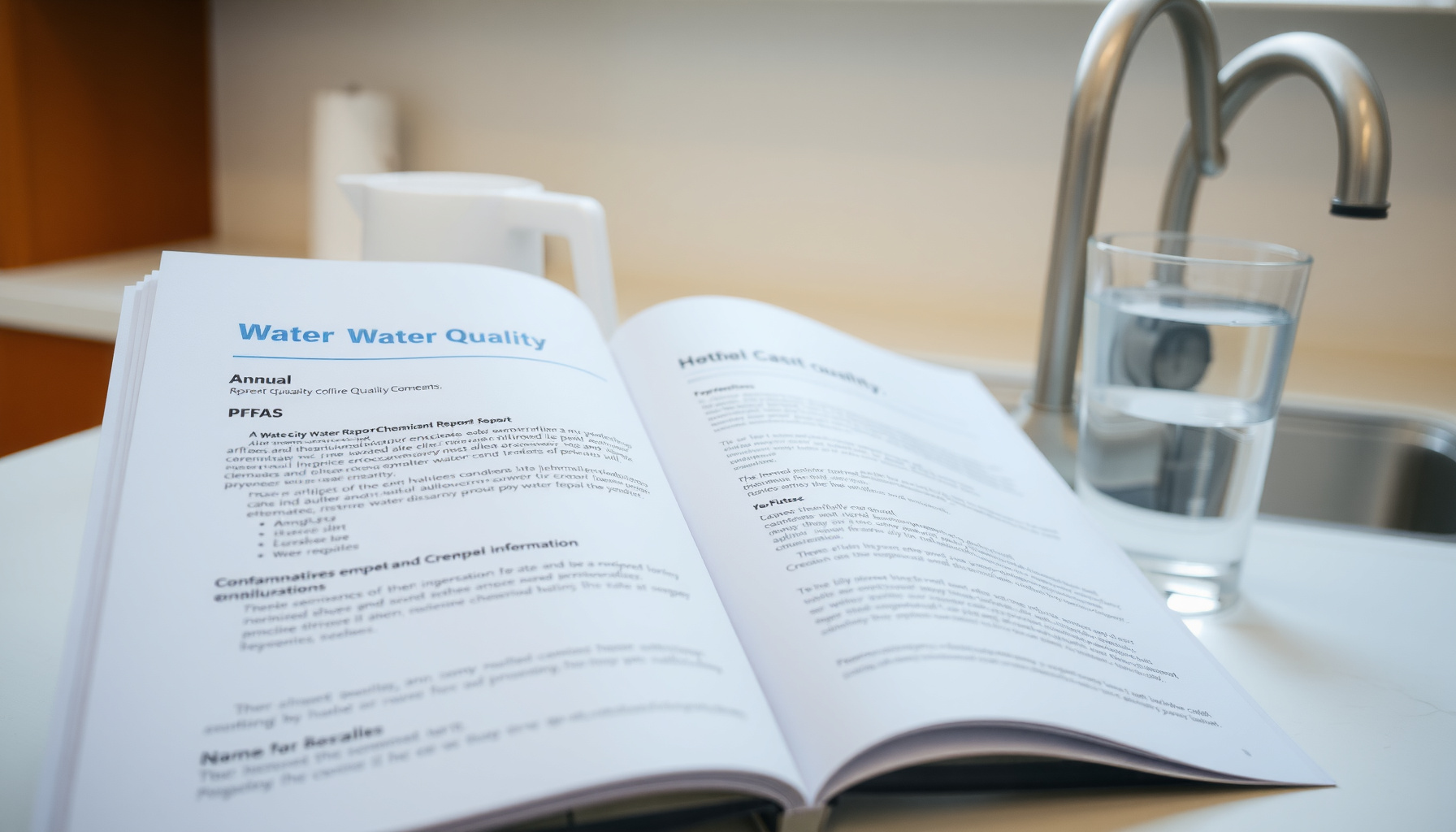
You don’t need to panic — but you do need to stop treating your city water report like a pass/fail test. Finding PFAS listed in your annual Consumer Confidence Report (CCR) is genuinely alarming, and the instinct to immediately buy a filter or switch to bottled water makes sense. The problem is that most homeowners
-
City Water vs Well Water: Which Has More Contaminants on Average?
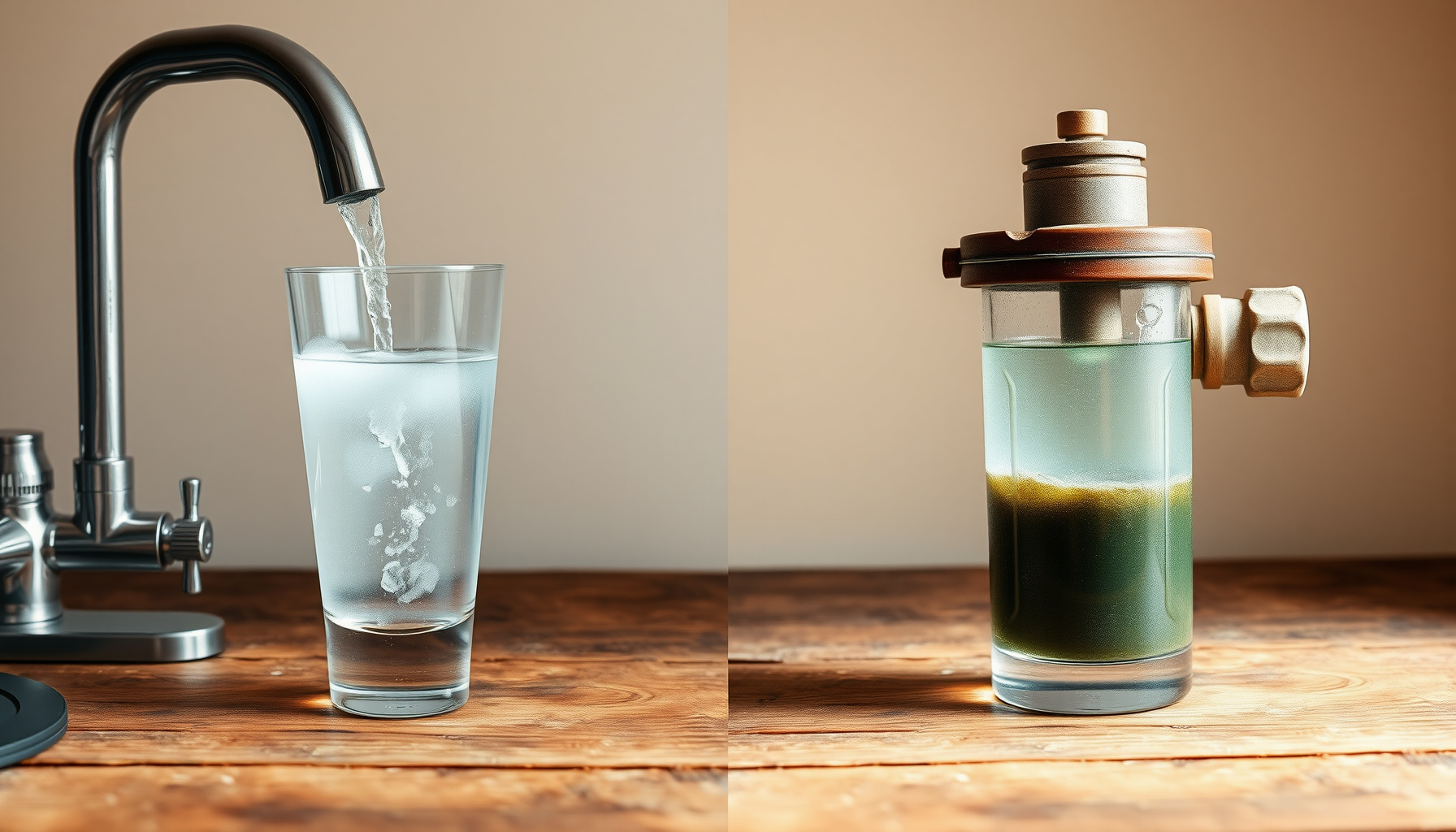
Neither source wins cleanly — and that’s exactly the answer most people don’t want to hear. City water has federally mandated testing and treatment, but it also carries disinfection byproducts, aging infrastructure leaching lead above 0.015 mg/L, and chemical residues that form after treatment. Well water skips all that processing, but it also skips all
-
My Landlord Says the Water Is Fine but It Smells Bad: What Are Your Rights?
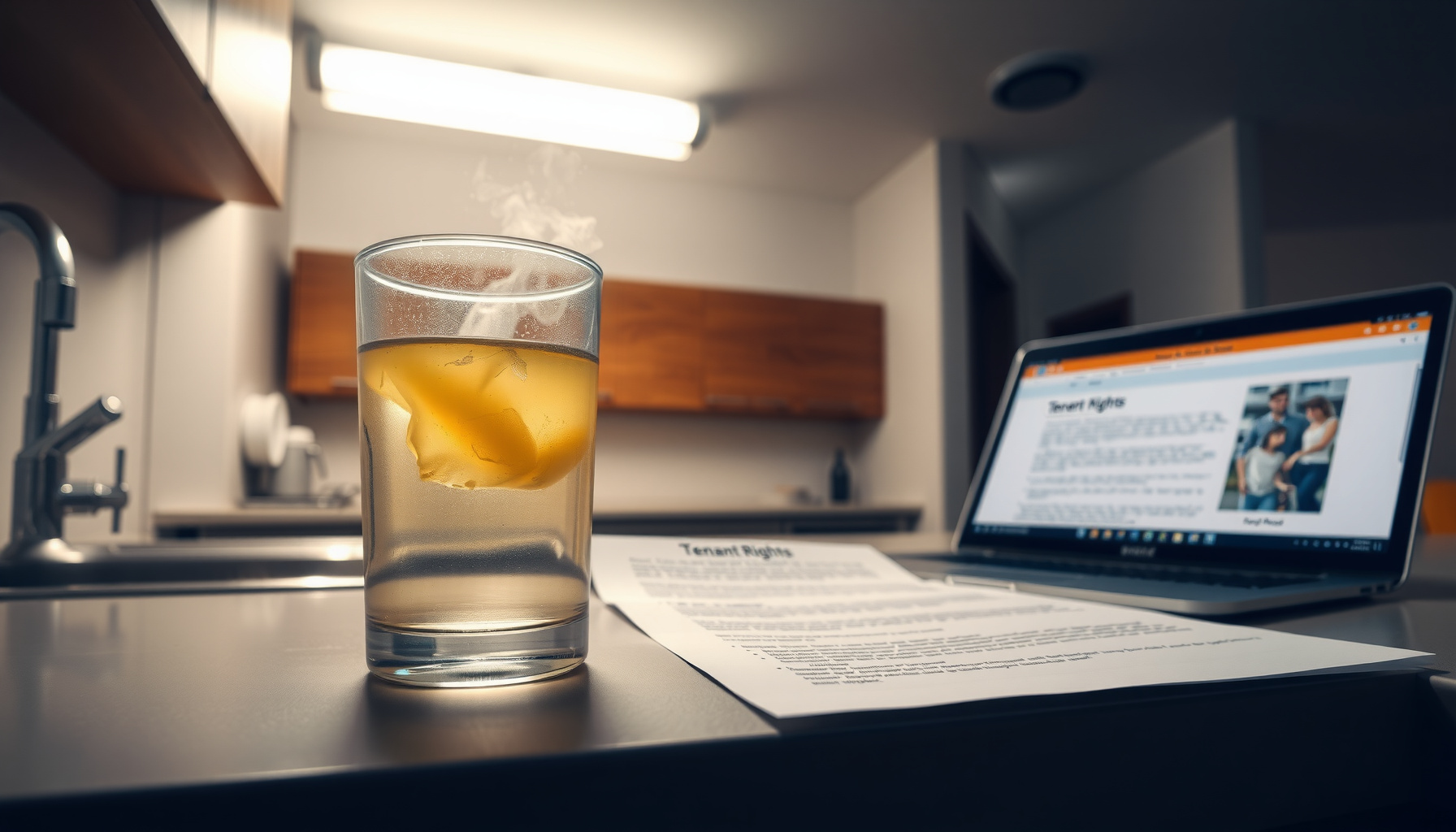
Your landlord’s “the water is fine” declaration carries exactly zero legal weight if you can’t safely use the water in your home. That’s the part most tenant advice articles skip over — the issue isn’t whether your landlord believes the water is fine. The issue is whether they can prove it, and whether bad-smelling tap
-
Under Sink Filter vs Countertop Filter: Which Is Better for Renters?
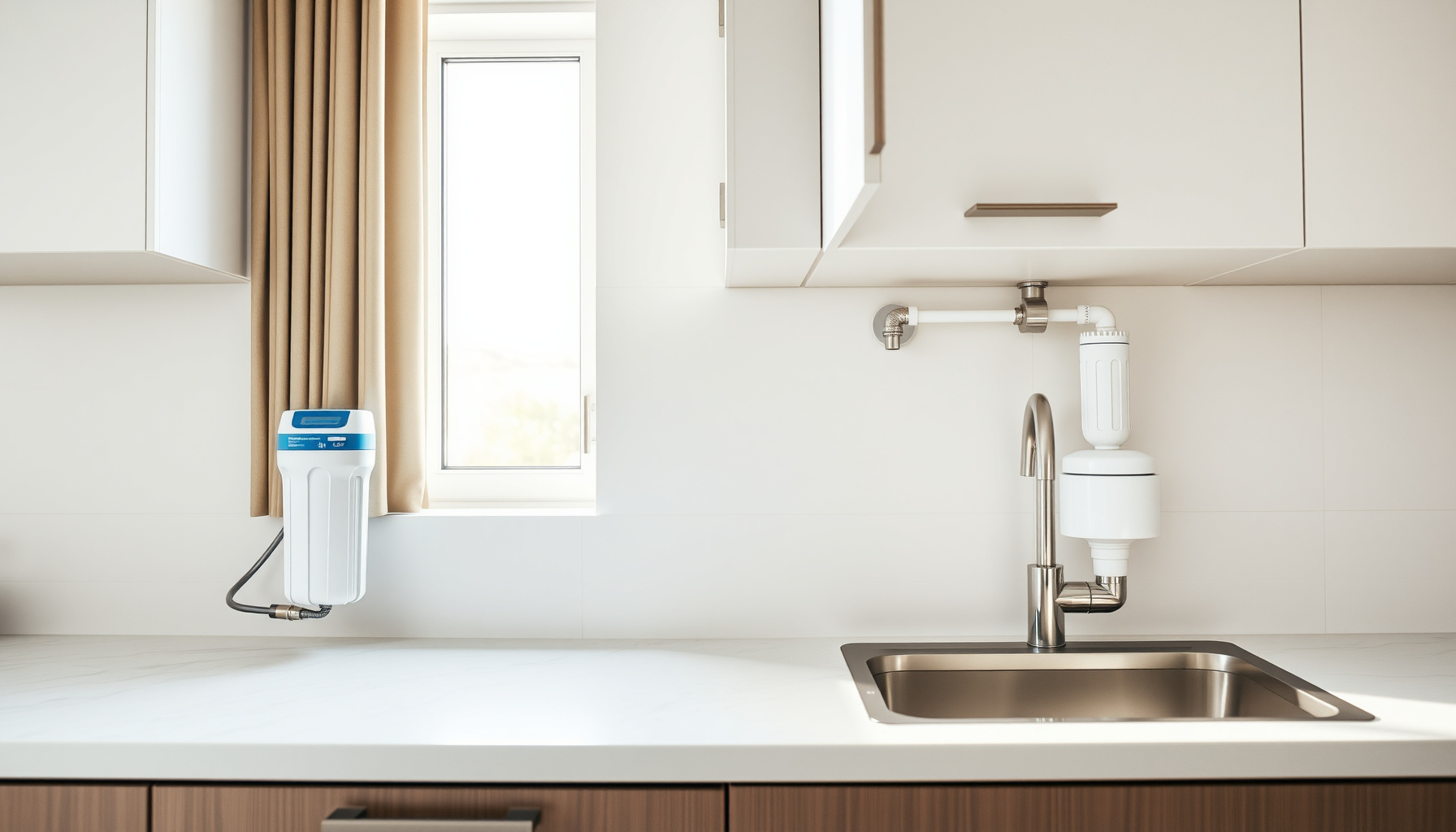
Signing a lease doesn’t mean you have to drink unfiltered tap water for the next year or two. Countertop filters get recommended to renters almost automatically — “you can’t install anything permanent” — but that assumption is outdated and, in some cases, wrong in ways that actually cost renters more money and worse water quality
-
Reverse Osmosis vs Whole House Filter: Which Do You Actually Need?
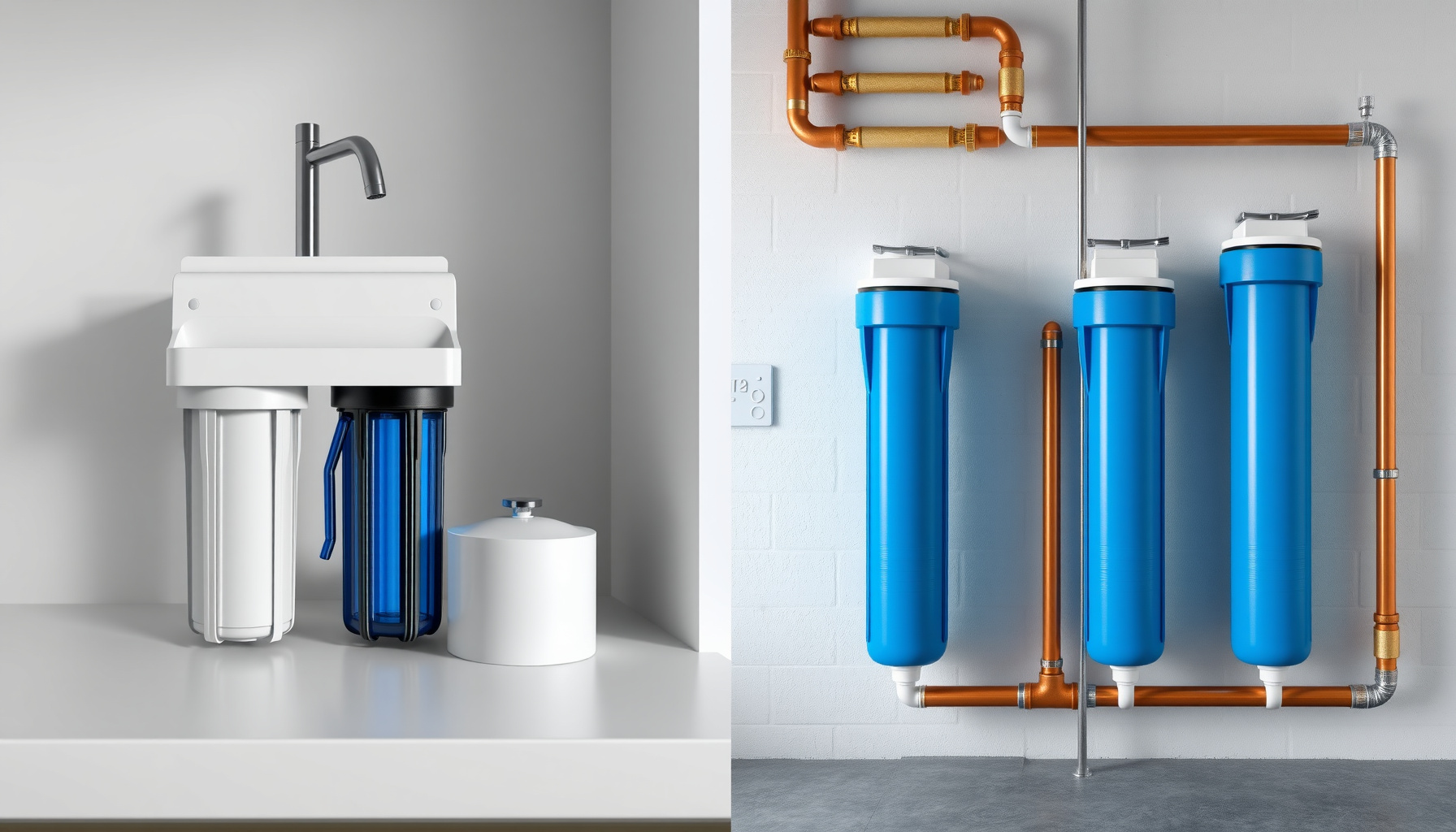
Both systems can give you clean water. That’s not the debate. The real question — the one almost nobody answers honestly — is whether you need clean water at one faucet or throughout your entire house, and those are two completely different problems that require two completely different solutions. Buying the wrong one doesn’t just
-
Is Reverse Osmosis Water Too Pure to Drink? The Mineral Debate
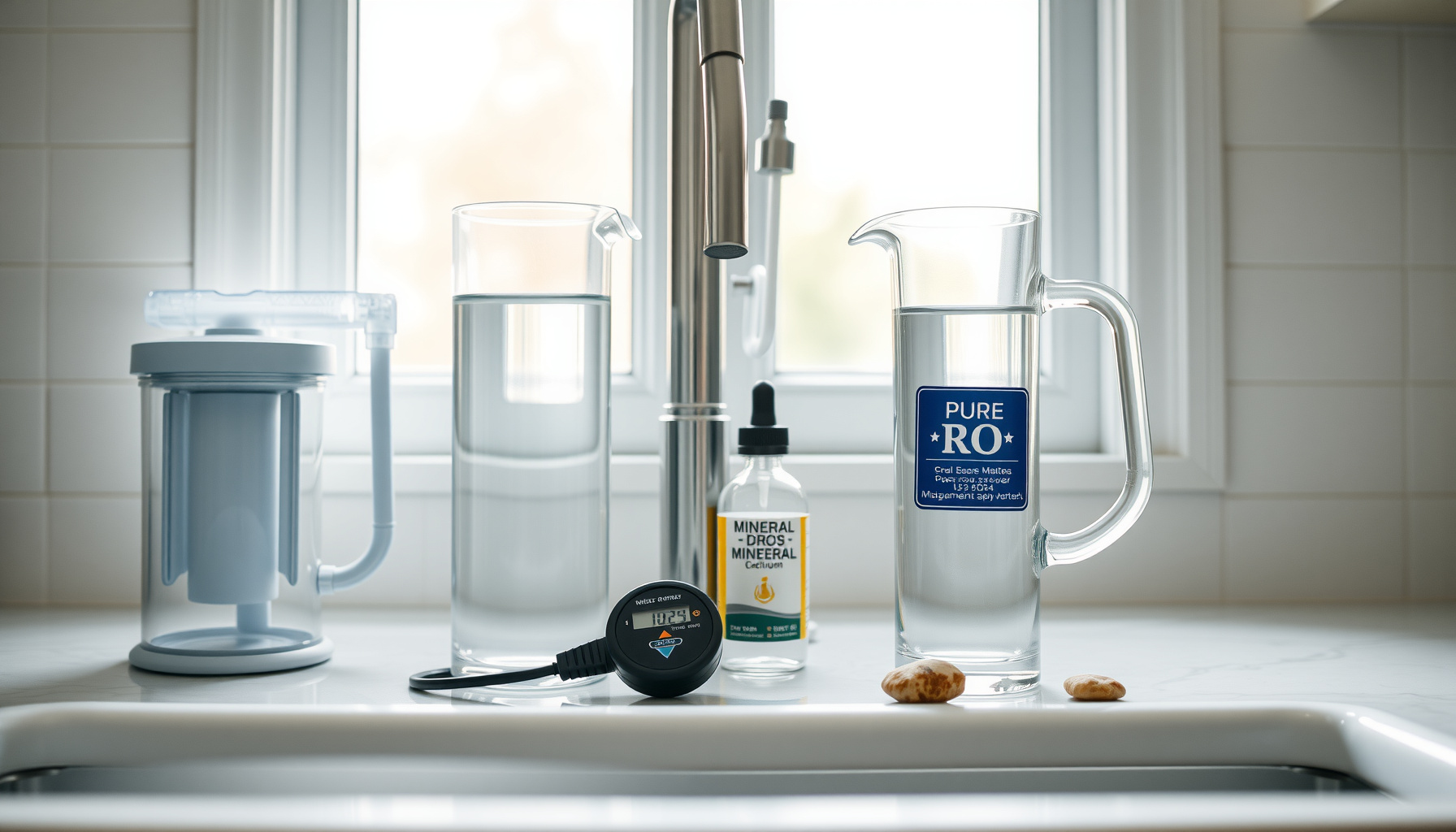
Reverse osmosis water is safe to drink. That’s the short answer, and if you walked away right now, you’d be fine. But there’s a more interesting question buried underneath the scary headlines about “demineralized water” — and it has nothing to do with whether RO water will harm you. It has to do with whether
-
Water Test Results I Don’t Understand: Plain English Guide to Every Number
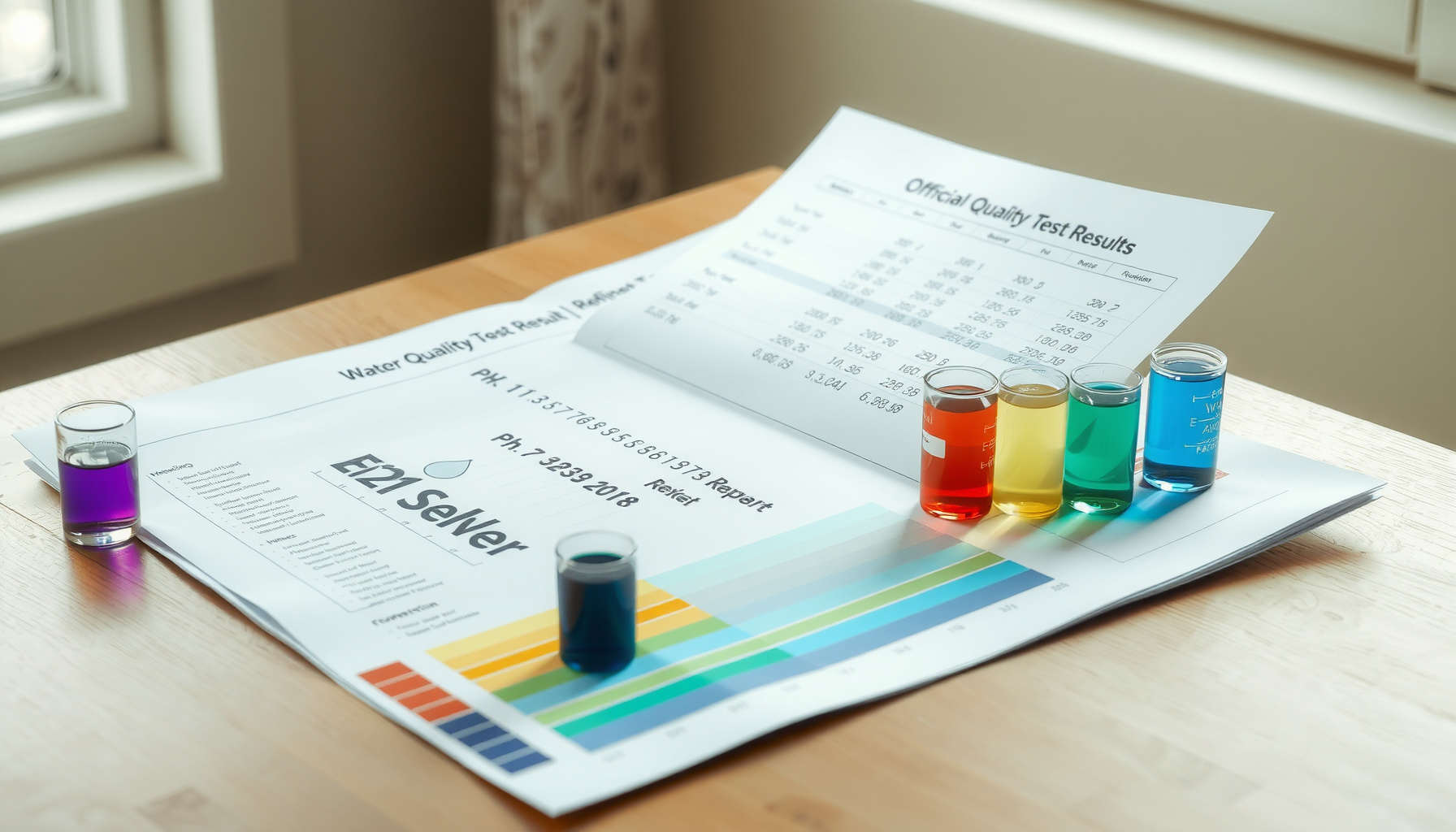
You got your water test results back. There’s a page full of numbers, abbreviations, and units you’ve never seen before — mg/L, CFU/100mL, NTU, pCi/L — and absolutely no explanation of what any of it means. The lab did its job. Nobody told you what to do next. That’s the gap this article fills. But


