
Latest posts
-
My Water Test Came Back With High Nitrates: What Does This Mean?
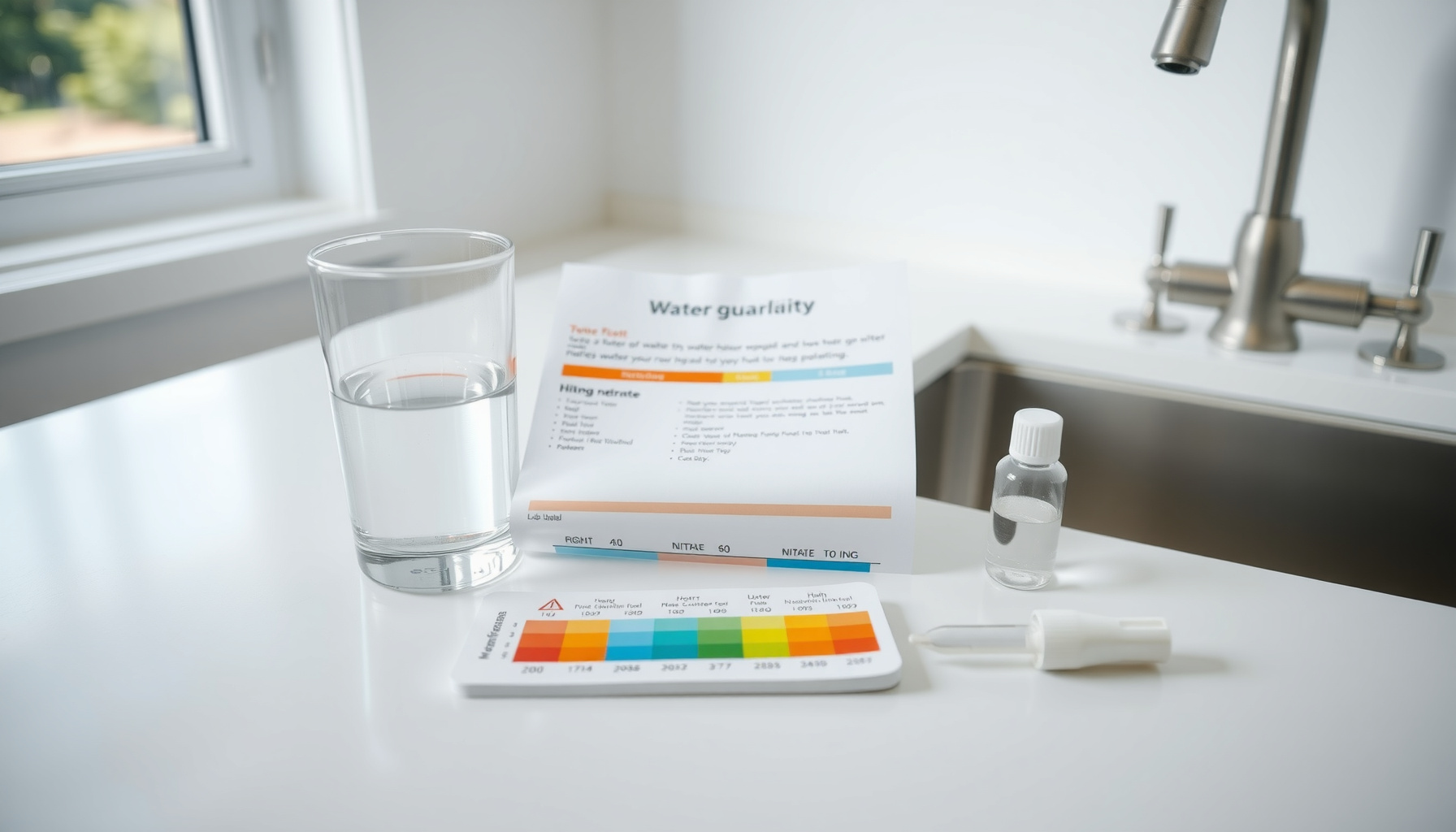
10 mg/L. That’s the EPA’s maximum contaminant level for nitrates in drinking water — and if your test came back above it, you’re probably staring at that number wondering exactly how worried you should be. The honest answer is: it depends on who’s drinking your water, and the stakes are much higher for some people
-
Well Water Smells Fine but Tests Show Bacteria: Should You Be Worried?
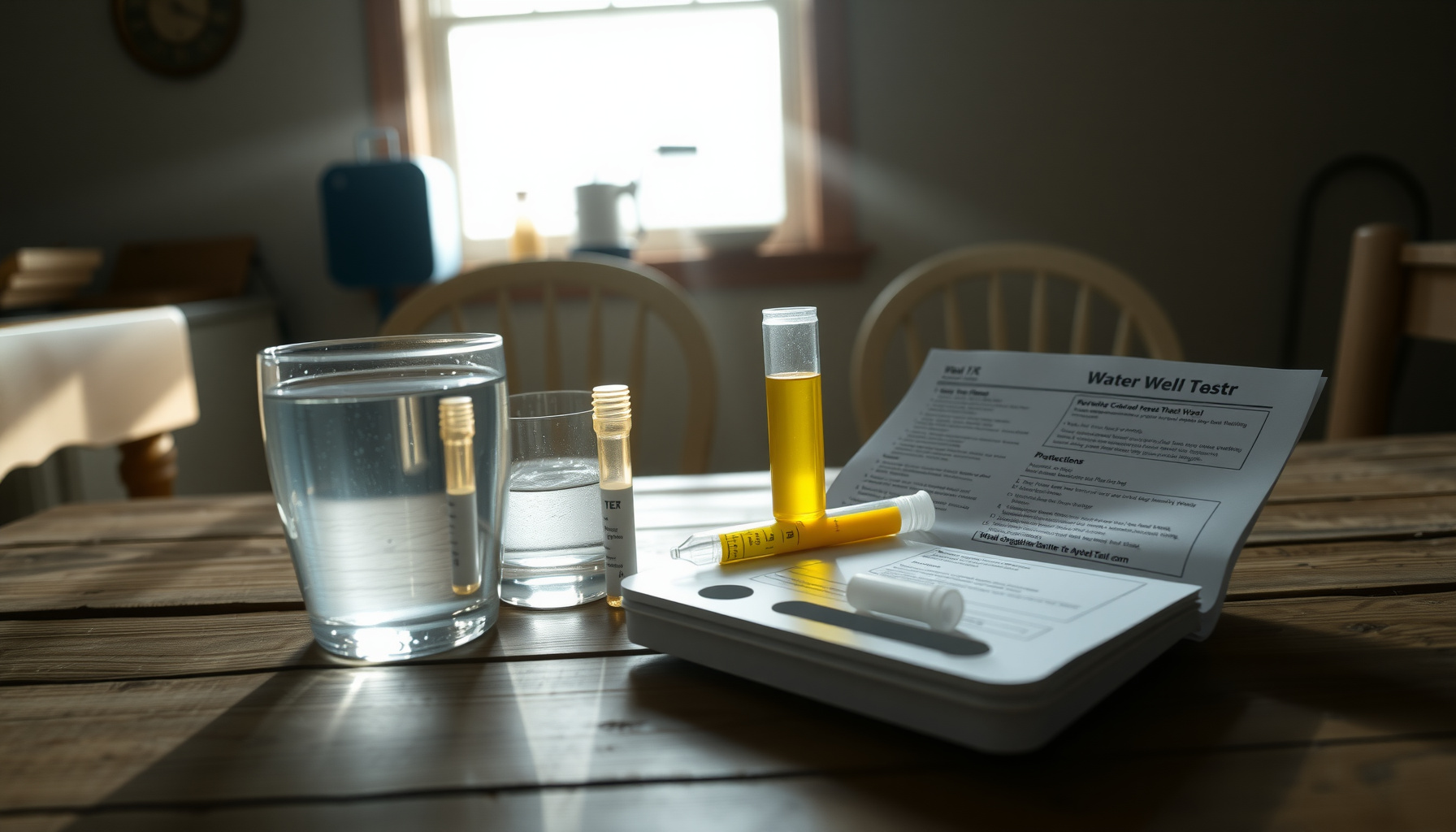
Here’s the thing most homeowners get completely wrong: they treat a positive bacteria test like a false alarm if their water smells and tastes normal. No sulfur odor, no strange color, no weird taste — so the test must be wrong, right? It’s not. The absence of smell is exactly how the most dangerous bacteria
-
Well Water Turns Orange After Heavy Rain: What’s Causing It
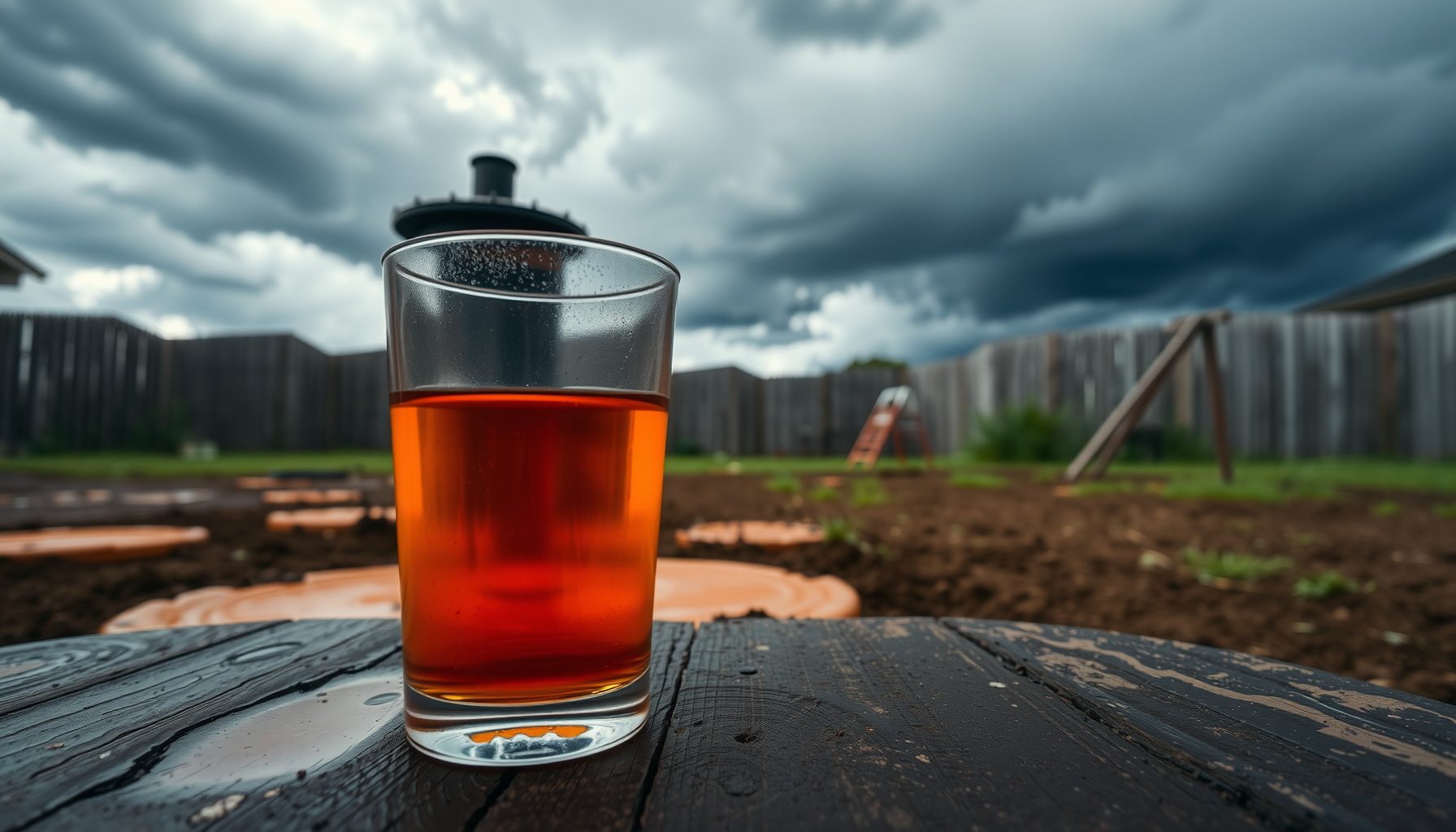
Here’s what most articles about orange well water get completely wrong: they treat it like a simple iron problem with a simple filter solution. Turn on the tap, see orange water, buy an iron filter, done. But homeowners who try that approach often find their water turns orange again after the next big storm —
-
Water Softener Making Water Taste Salty: Is This Normal?
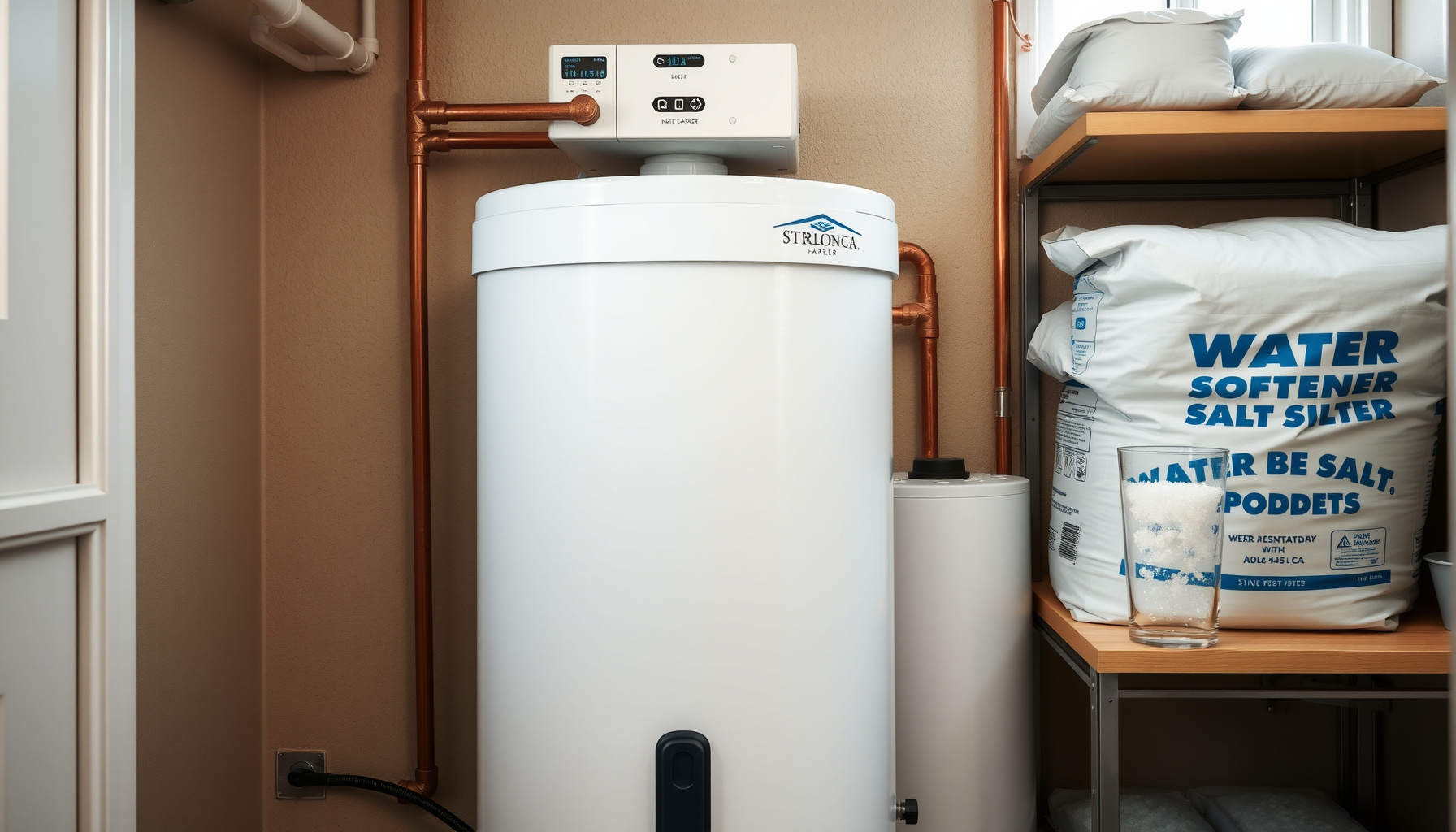
Here’s the answer most people don’t want to hear: if your softened water genuinely tastes salty, your water softener is broken — not working correctly. A properly functioning ion exchange softener should add so little sodium to your water that it’s physiologically impossible to taste it. The salty taste you’re detecting is a sign that
-
Hard Water Stains on Everything: What Actually Removes Them Permanently
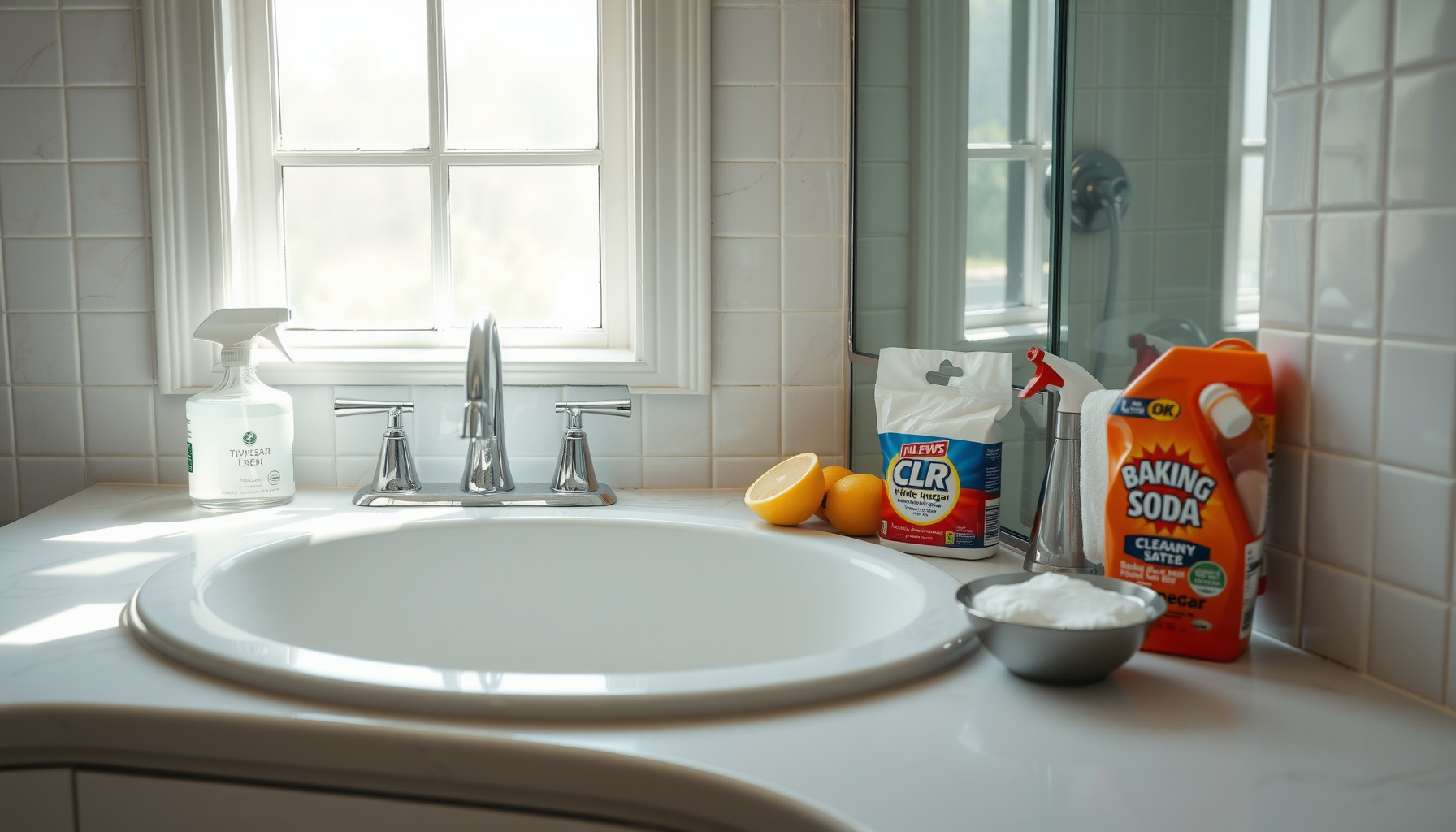
Here’s what most articles about hard water stains get completely wrong: they treat it like a cleaning problem. It’s not. It’s a chemistry problem — and until you understand the chemistry, you’ll keep scrubbing the same spots every three weeks wondering why nothing sticks. The white crust on your showerhead, the cloudy film on your
-
Hard Water Is Destroying My Appliances: Which Filter Actually Helps?
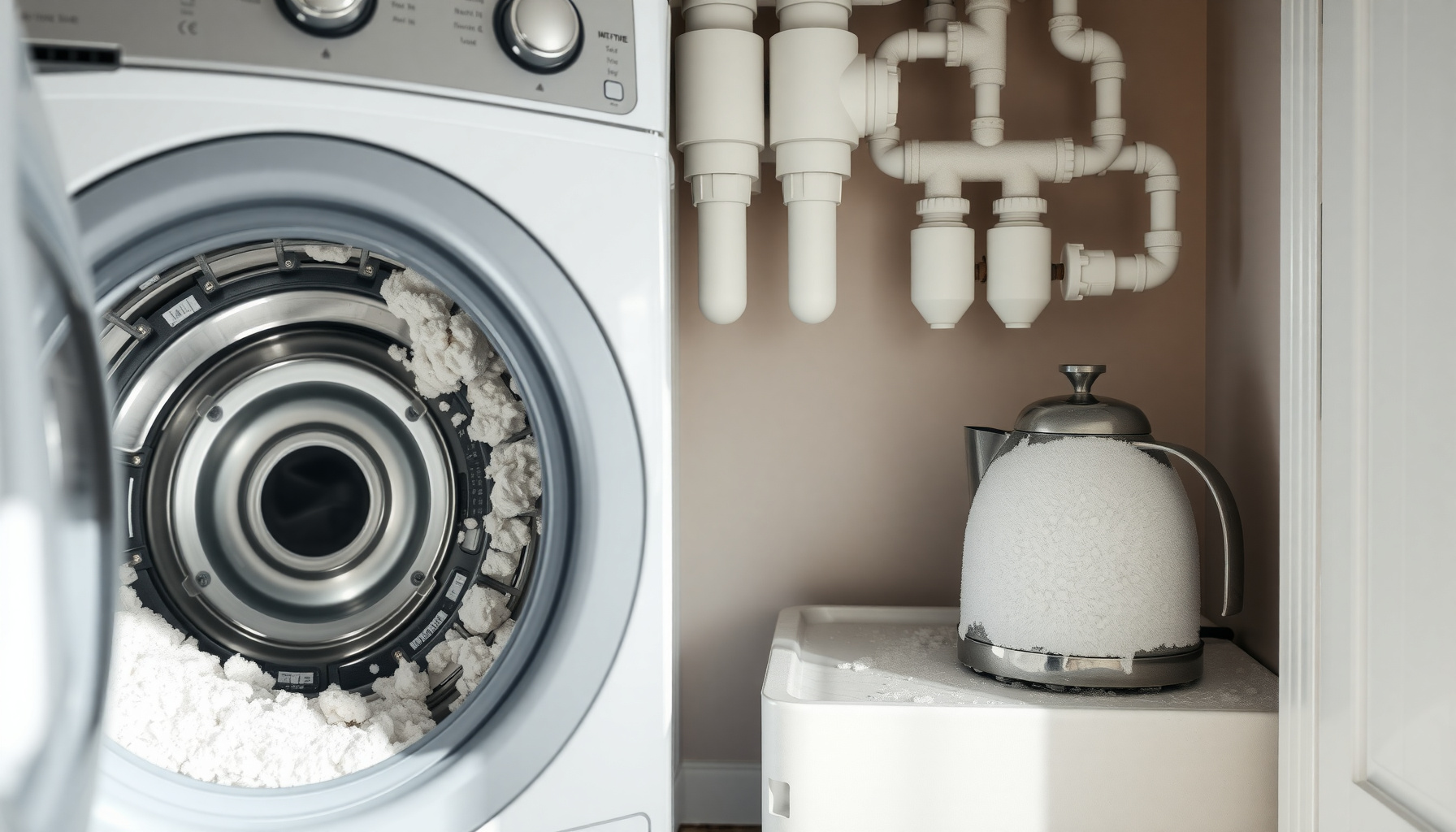
Here’s the thing most appliance repair guides won’t tell you: the filter that protects your drinking water is almost never the same filter that protects your appliances. Homeowners spend hundreds on pitcher filters, under-sink systems, and fridge cartridges — then watch their water heater fail at year six instead of year twelve, their dishwasher spray
-
Why Does My Water Taste Different After Installing a New Filter?
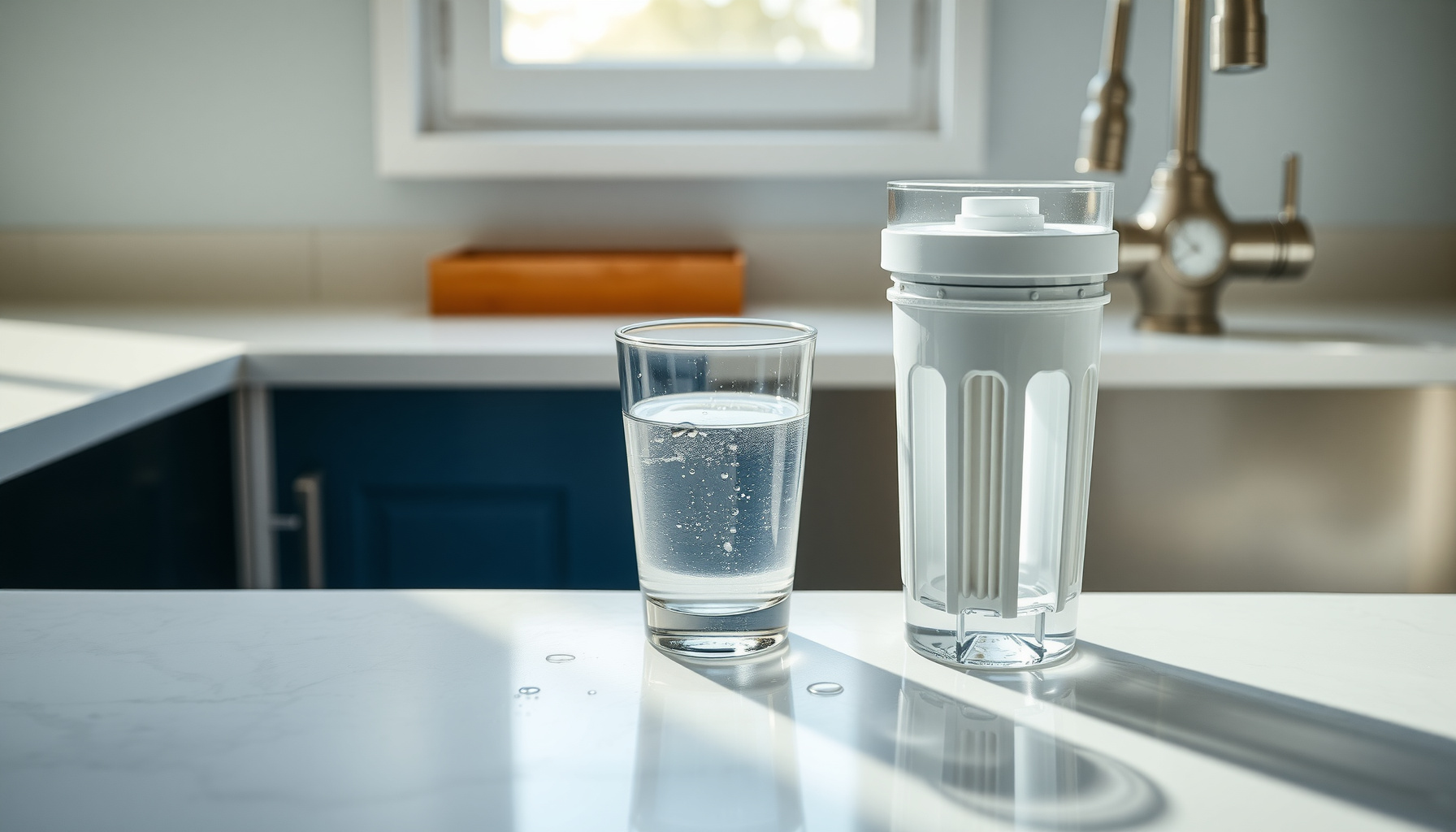
Here’s what almost nobody tells you when you install a new water filter: the strange taste you’re noticing isn’t a sign that something went wrong. It’s often a sign that something went exactly right — and your palate just doesn’t know what to do with it yet. Most homeowners assume a new filter should immediately
-
How Long Does a Brita Filter Really Last? The Real Answer vs Marketing
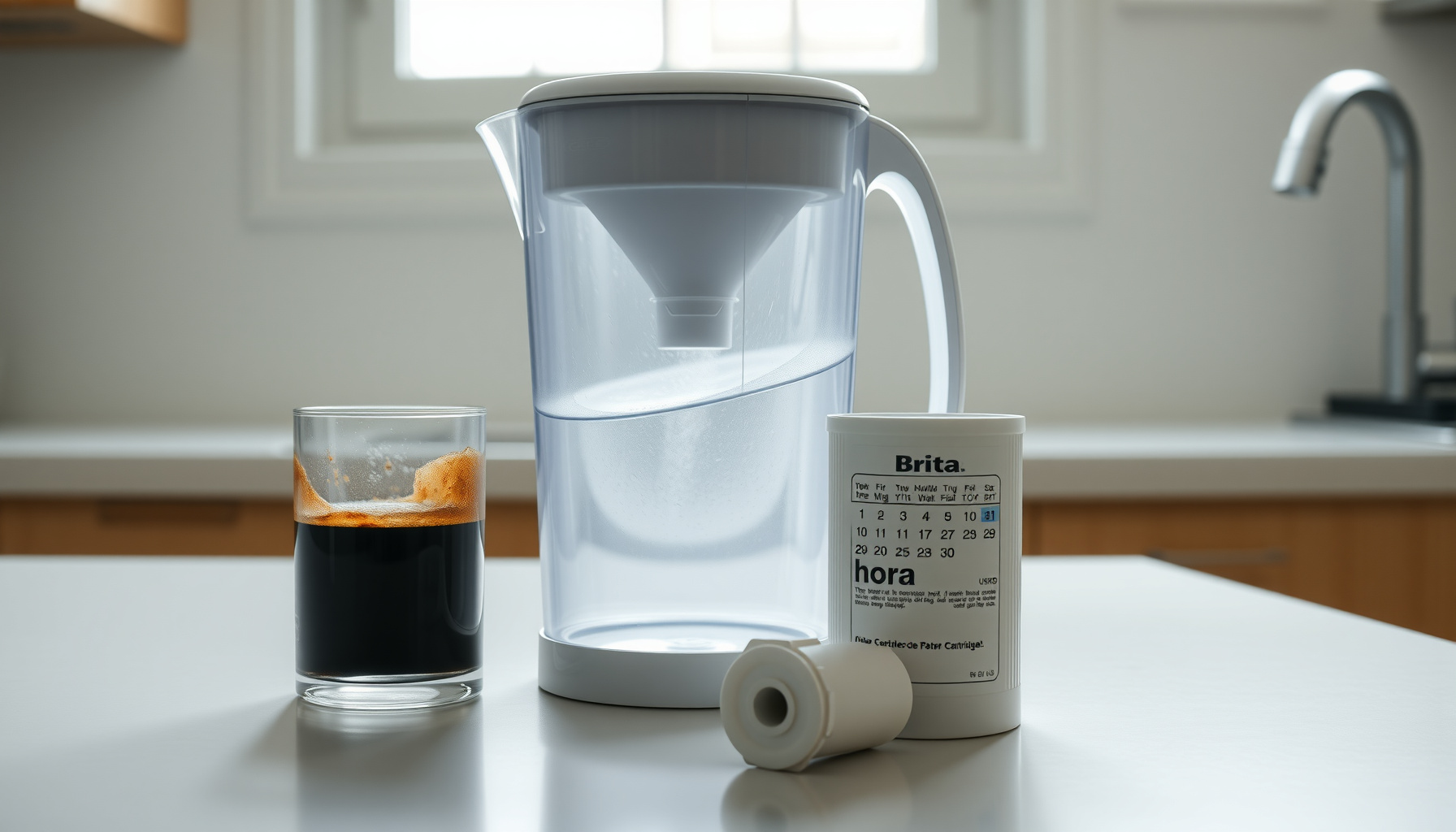
Brita says replace your pitcher filter every 40 gallons, or about every two months. That number is printed on every box, repeated in every reminder app notification, and it’s also — depending on your specific situation — almost meaningless. The real answer to how long a Brita filter lasts isn’t a volume or a time
-
Brita Filter Makes Water Taste Worse: Why This Happens
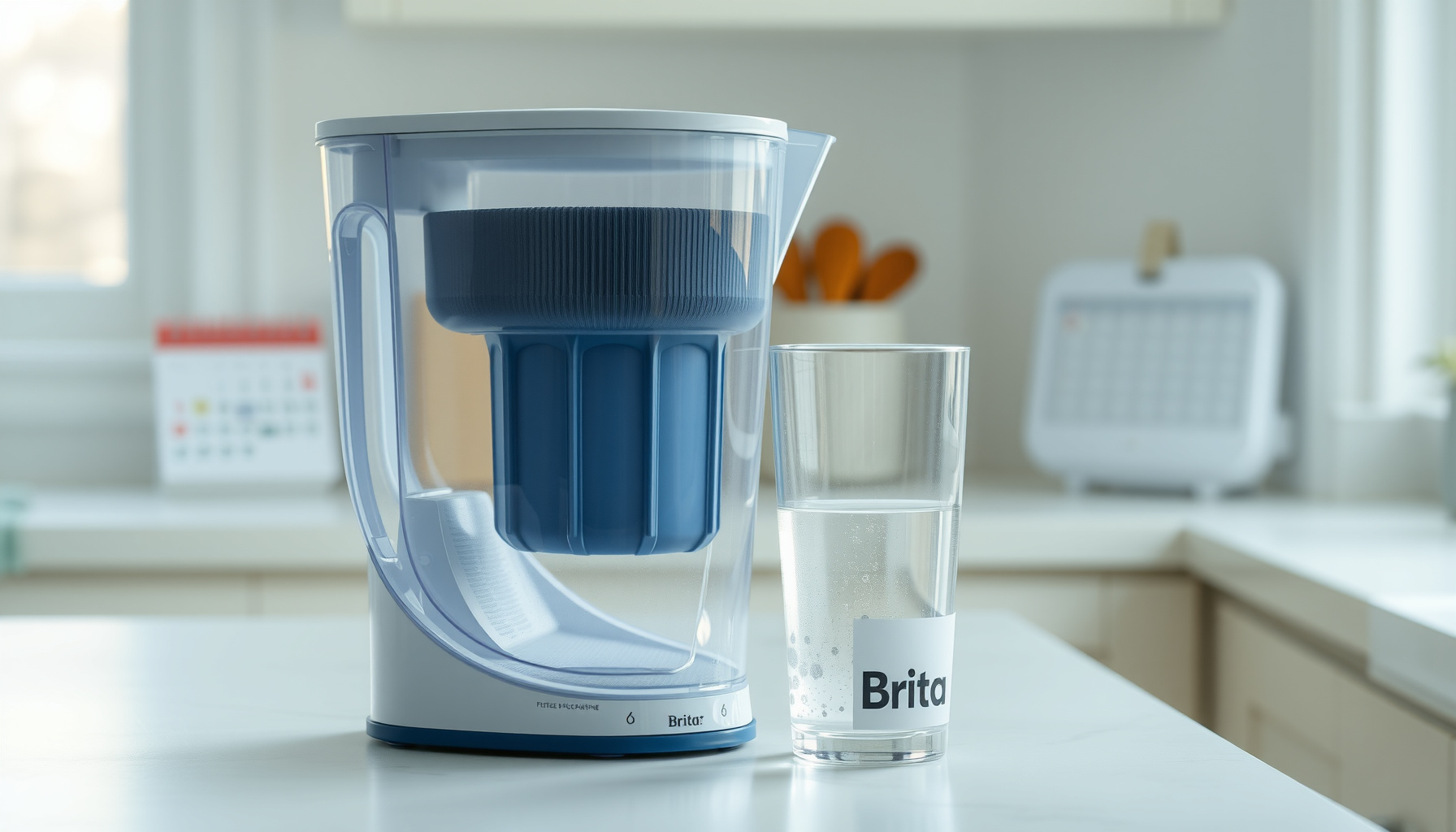
Here’s what almost no one tells you: a Brita filter doesn’t have to be broken, expired, or improperly installed to make your water taste worse. The real culprit — in the majority of cases — is a perfectly functional filter that’s doing exactly what it was designed to do, just in the wrong order. Most
-
Why Does My Tap Water Taste Metallic Only From the Cold Tap?
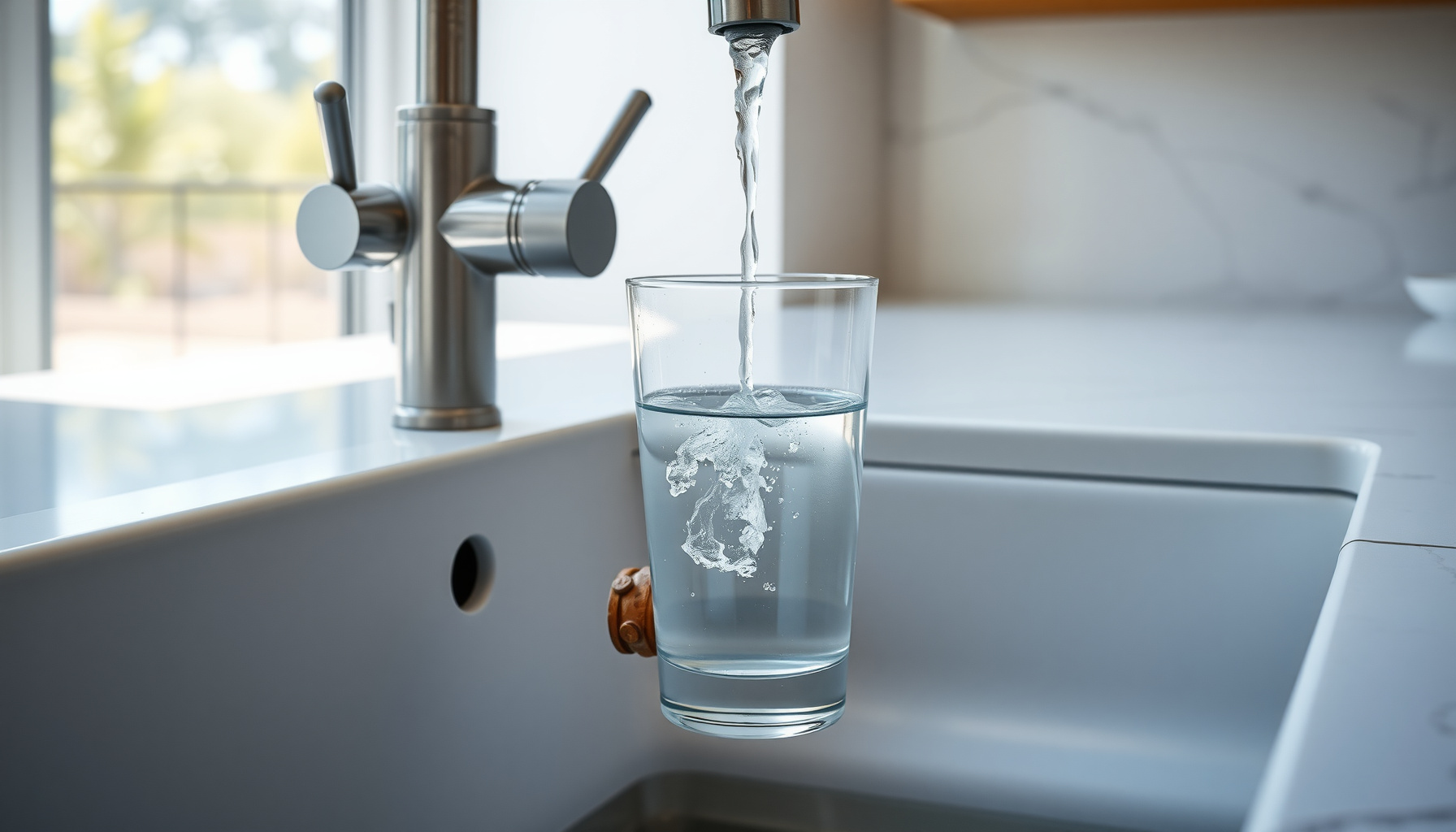
Here’s what most articles about metallic-tasting cold water get completely wrong: they treat it as a water supply problem. They tell you to call your utility, run your tap, maybe buy a filter. But in the vast majority of homes where cold tap water tastes metallic, the water leaving the treatment plant is fine —


