
Latest posts
-
What Is a UV Water Sterilizer vs UV Water Purifier: Key Differences
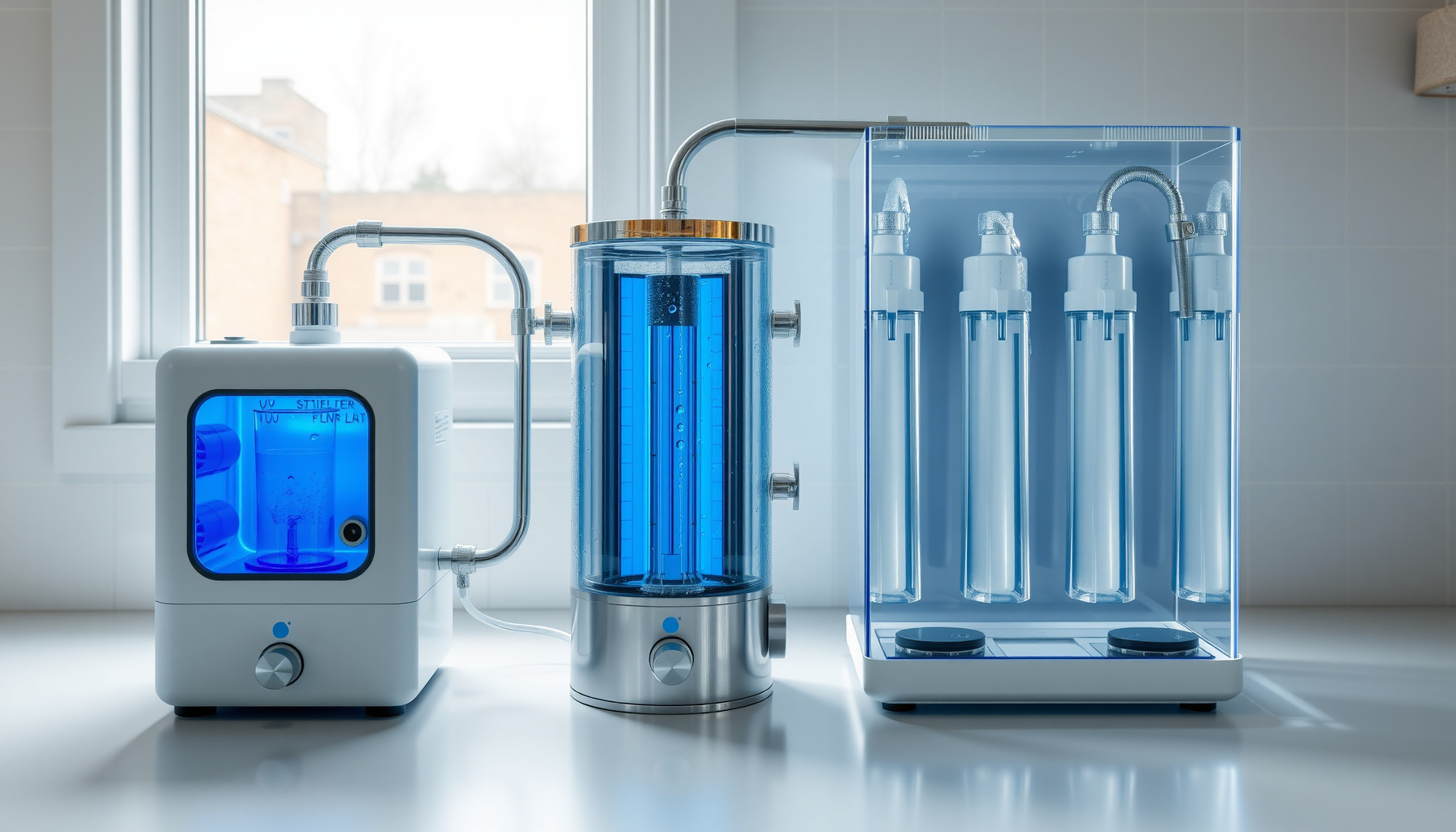
Here’s the thing most homeowners get completely wrong: they assume “UV sterilizer” and “UV purifier” are just two names for the same product. They’re not — and buying the wrong one could leave you thinking your water is safe when it genuinely isn’t. The difference isn’t just marketing language. It comes down to a specific
-
How to Choose the Right Water Filter When You Have a Baby at Home
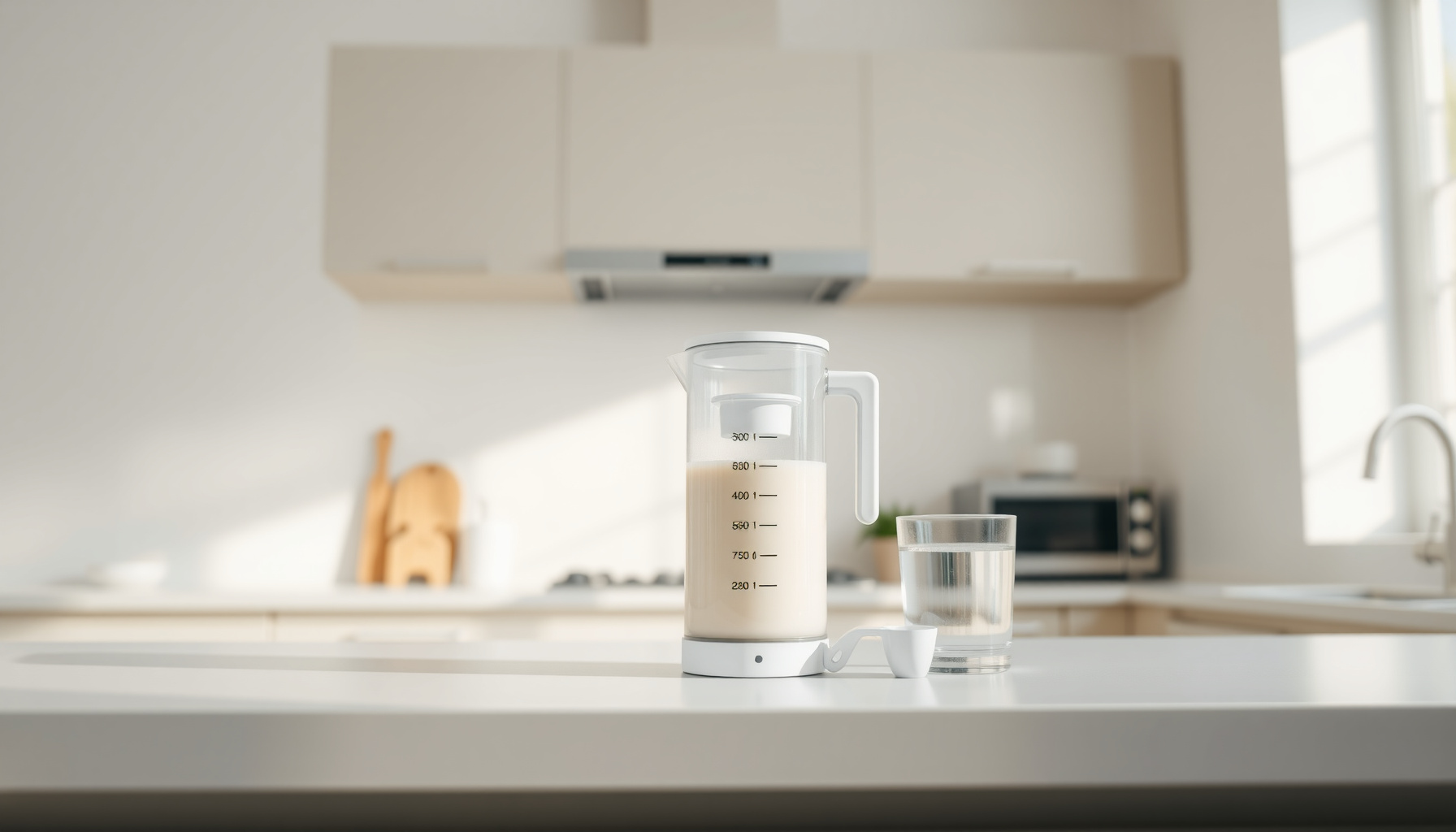
Here’s what most parents get wrong: they assume any filter labeled “safe for drinking” is automatically safe for their baby. It’s not. A filter that works fine for a healthy adult can still leave behind contaminants — fluoride, nitrates, certain pharmaceuticals — that a newborn’s kidneys simply aren’t equipped to handle. The counterintuitive truth is
-
How to Remove Iron Bacteria From a Well Without Chemicals
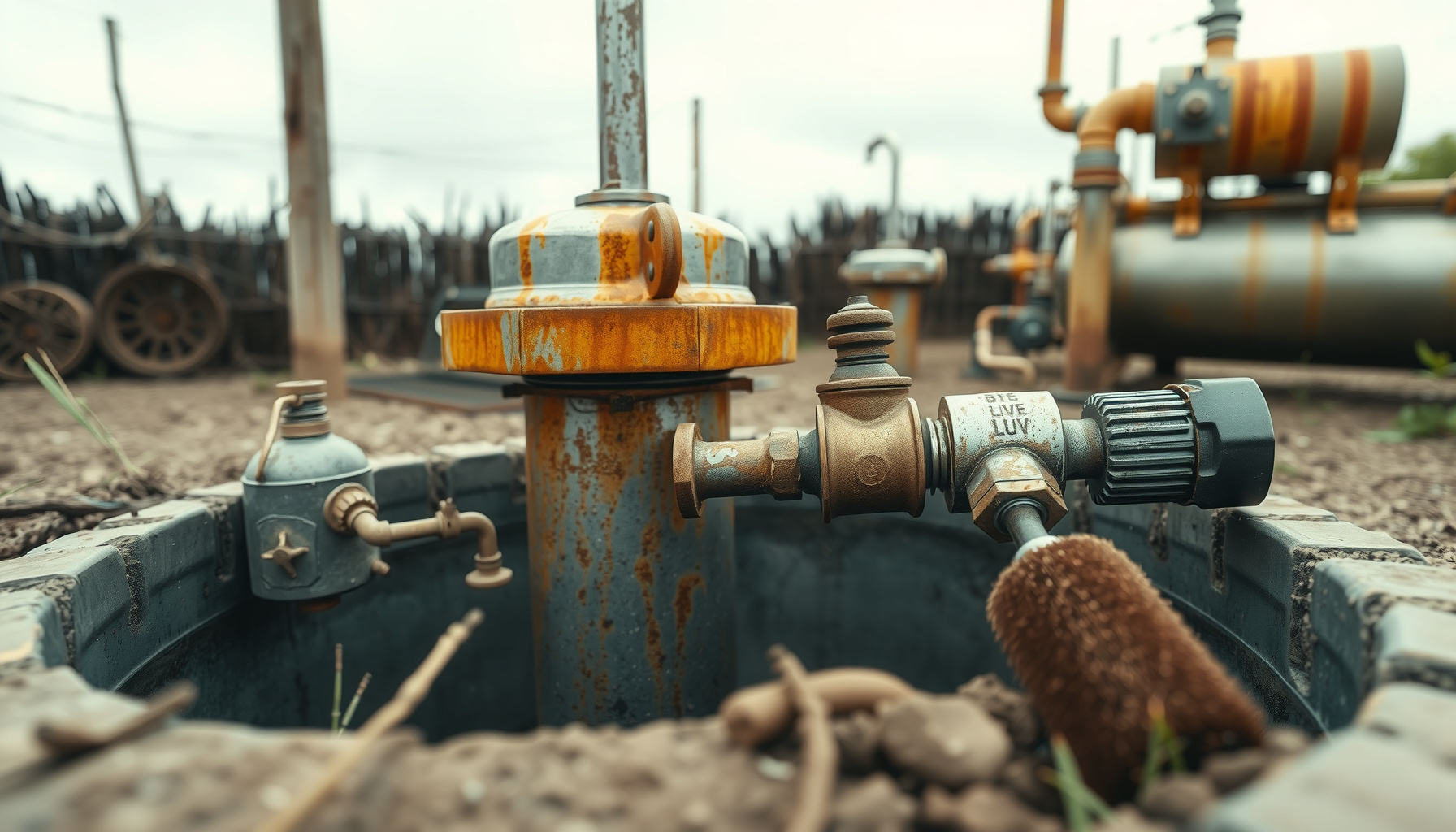
Here’s what most well owners get completely wrong: they assume iron bacteria is a contamination problem they need to kill. So they reach for chlorine shock treatments, bleach, or chemical disinfectants — and when the slimy reddish buildup comes back three months later, they’re baffled. The real issue is that iron bacteria isn’t just a
-
How to Know If Your Water Filter Has Expired Without a Timer
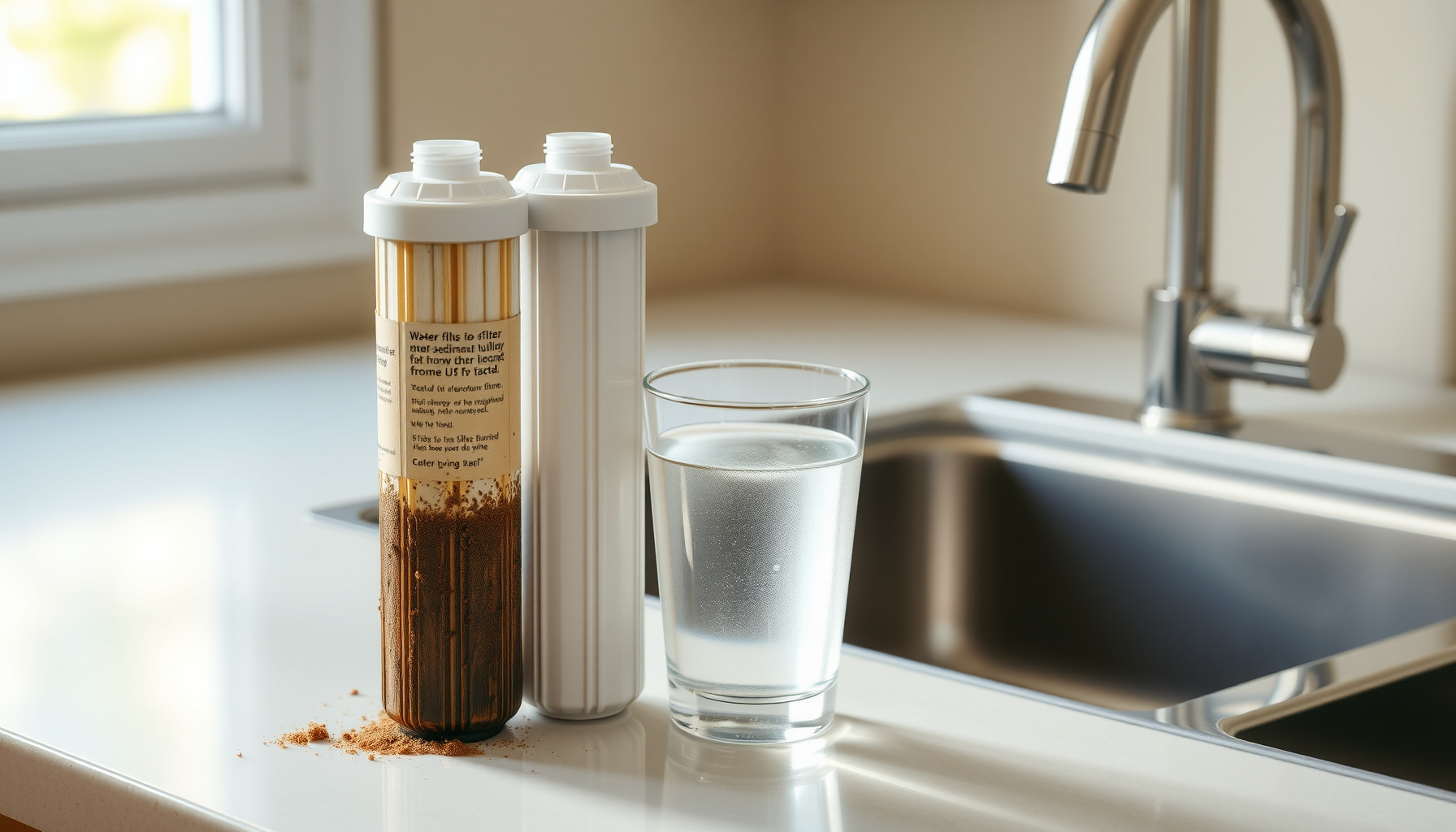
Here’s the thing most filter guides won’t tell you upfront: the timer or gallon counter on your filter system is almost completely meaningless for determining whether your filter is actually protecting you. Those numbers are marketing averages — calculated for a theoretical household using average municipal water with average contaminant loads. Your water isn’t average.
-
Does Water Softener Salt End Up in Your Drinking Water?
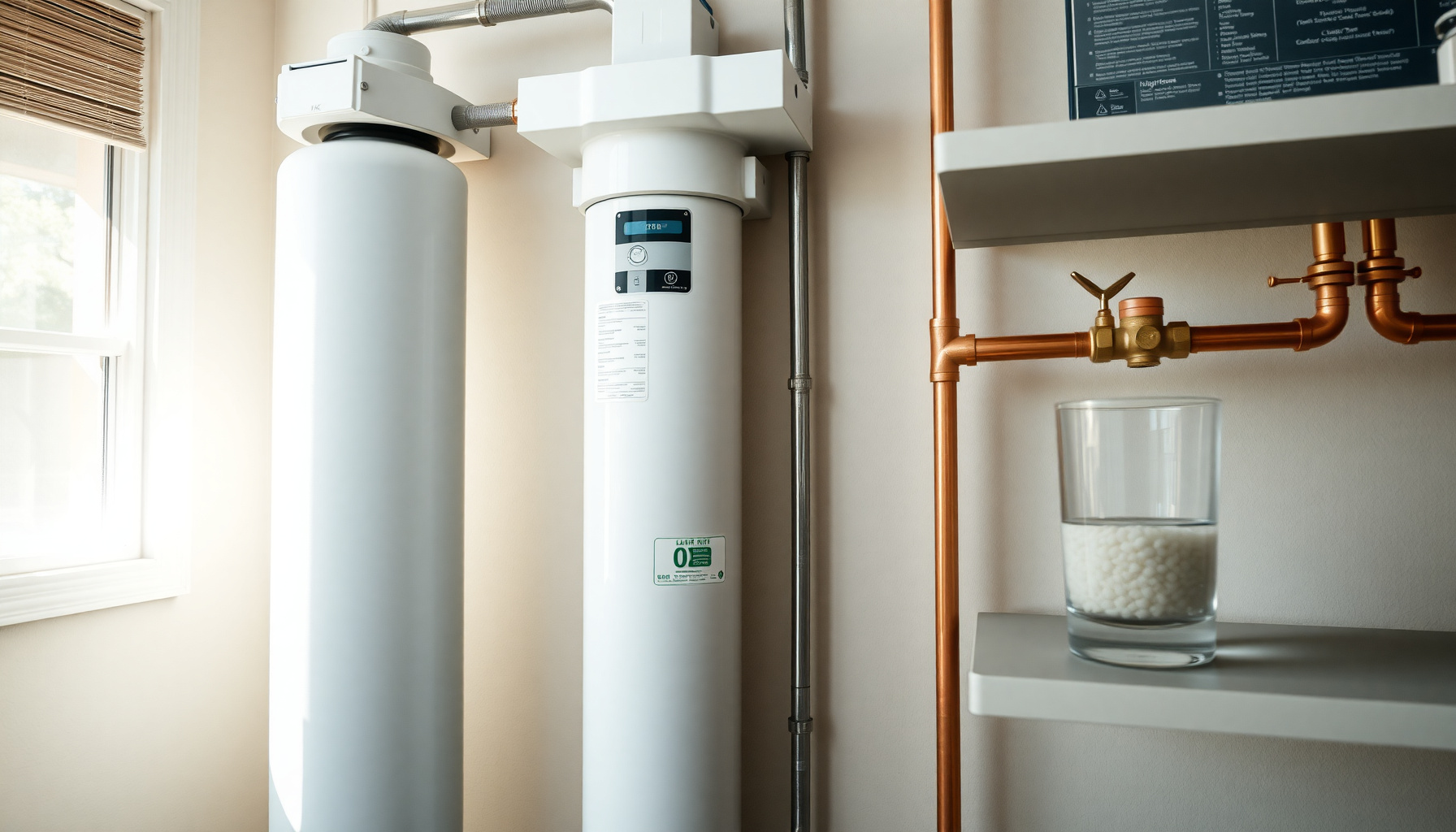
Here’s the answer most people aren’t getting from other articles: yes, some sodium does end up in your softened drinking water — but the amount is almost never the problem people think it is. The real issue that gets completely overlooked is this: it’s not the salt itself that’s the concern, it’s what the softening
-
What Contaminants Does a Brita Filter Actually Remove? Lab Results
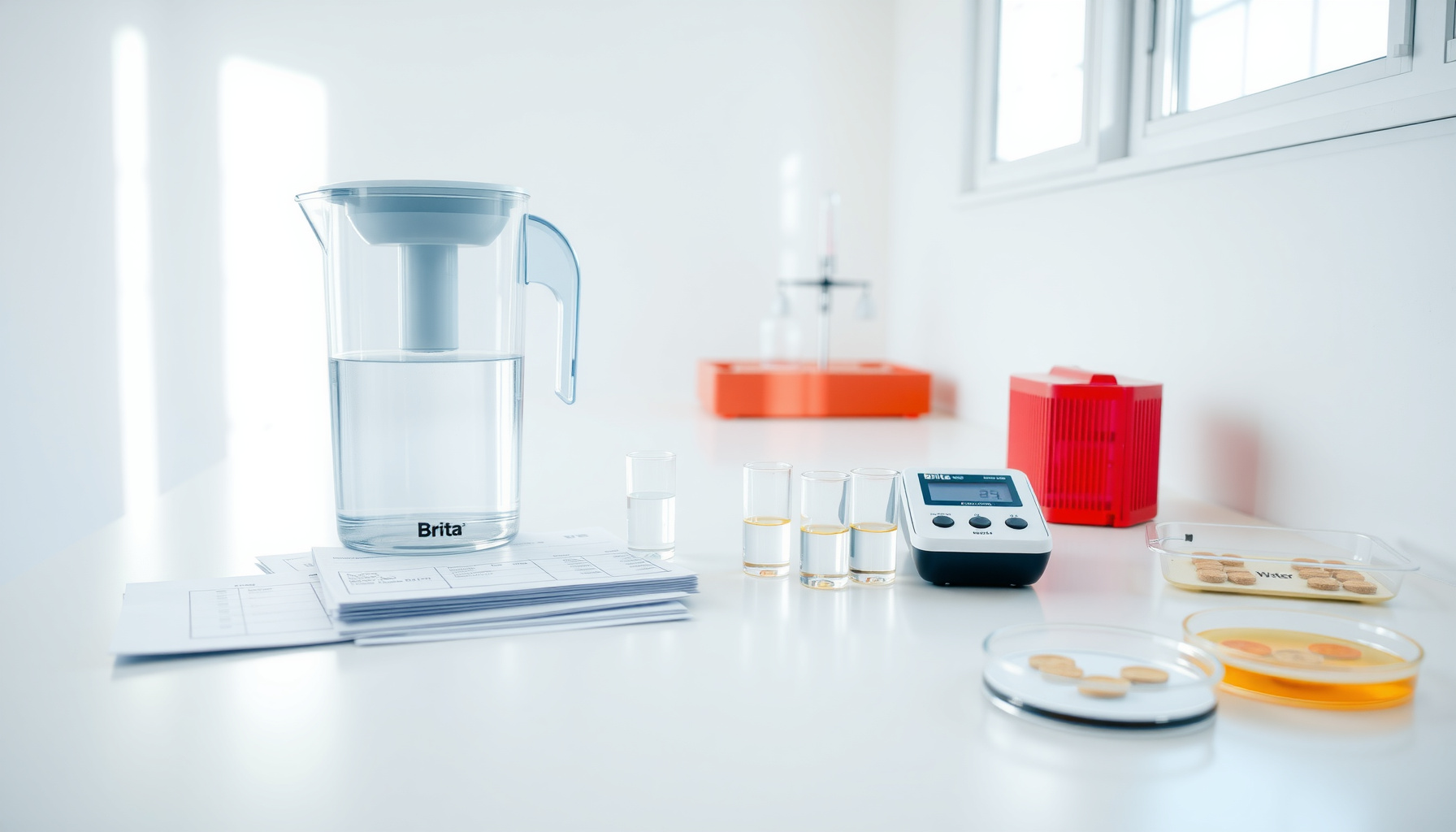
Here’s what most people get wrong about Brita filters: they assume that because the water tastes better, it must be cleaner. That’s not the same thing. Brita’s standard pitcher filters are certified to reduce chlorine taste and odor, a handful of heavy metals, and a few specific contaminants — but they were never designed to
-
What Is a Water Softener Efficiency Rating and Why It Matters
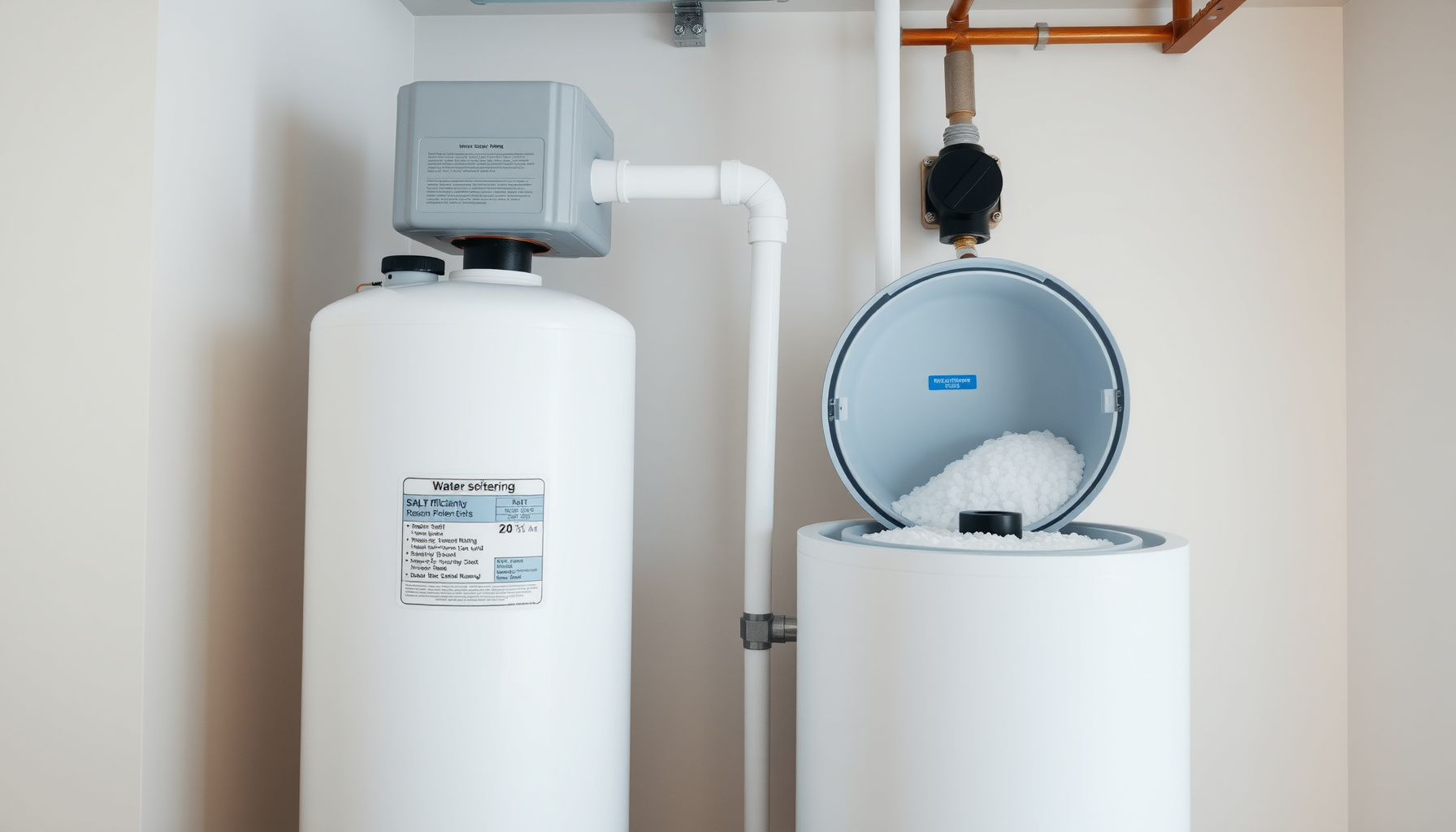
Here’s what almost nobody tells you when you’re shopping for a water softener: the efficiency rating printed on the box has almost nothing to do with how efficiently the unit will actually run in your home. Most homeowners assume a higher efficiency number means lower salt and water use across the board — buy the
-
Does Reverse Osmosis Remove Viruses and Bacteria?
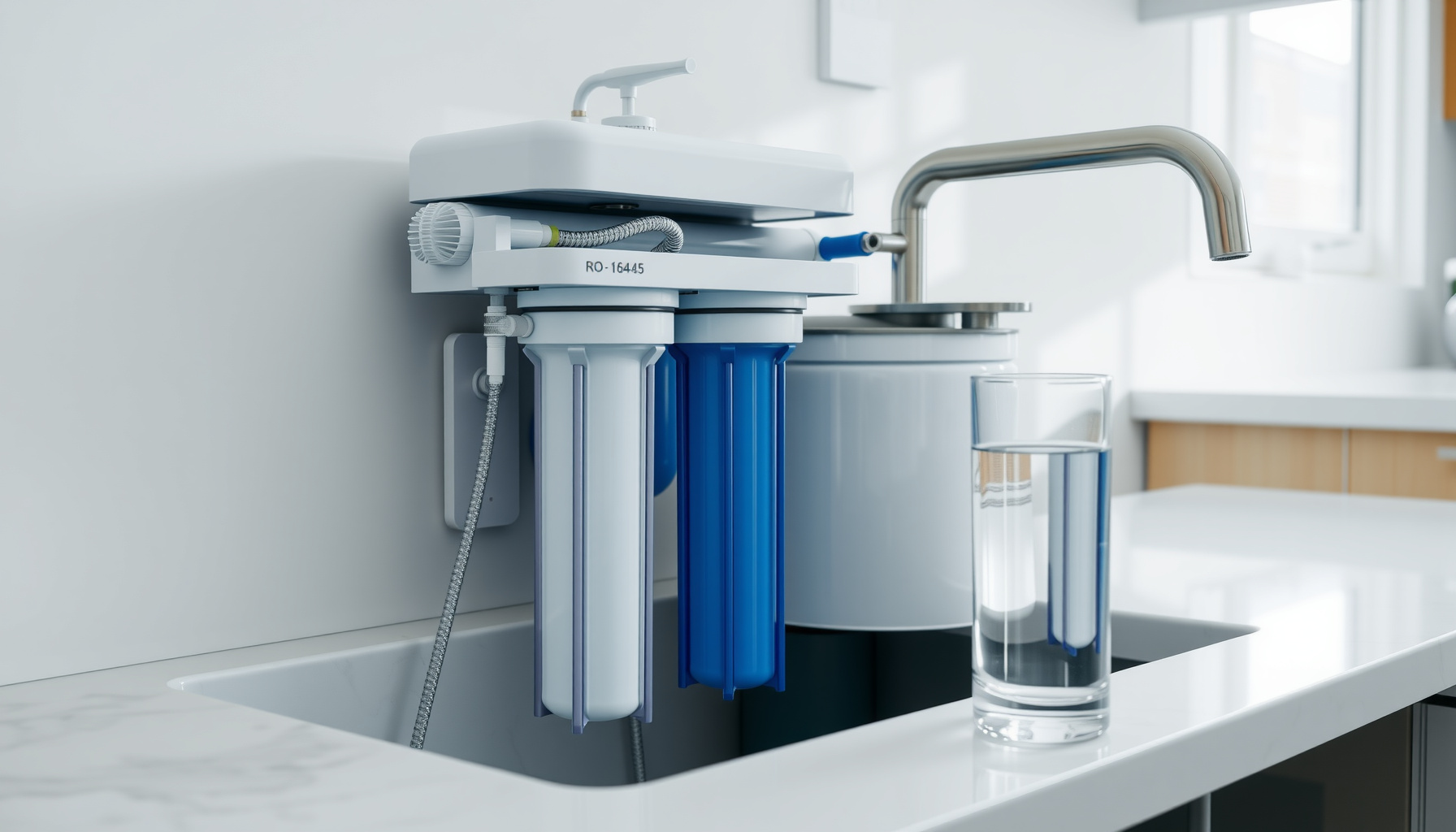
Here’s what almost every article about reverse osmosis gets wrong: they treat “does RO remove bacteria and viruses?” as a yes-or-no question, then move on. The real answer is yes — but with a catch that can make the difference between genuinely safe water and water that feels safe. RO membranes are extraordinarily effective at
-
What Is the Difference Between NSF 42, NSF 53 and NSF 58 Certification?
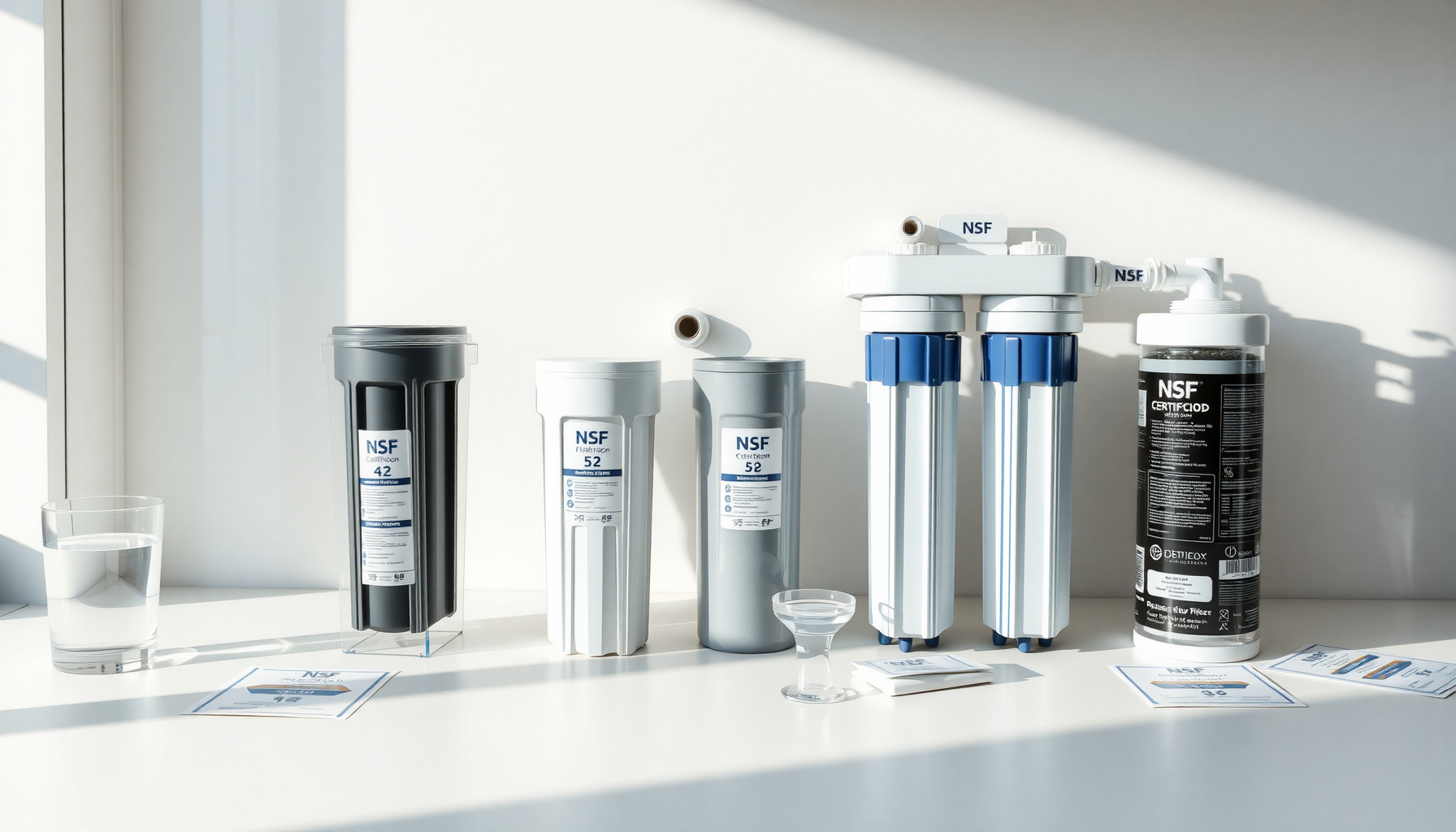
Here’s what most homeowners get wrong: they see “NSF certified” on a filter box and assume it means the filter removes the contaminants they’re actually worried about. It doesn’t — not automatically. NSF 42, NSF 53, and NSF 58 are three completely different certifications that cover three completely different things, and buying the wrong one
-
Does ZeroWater Filter Remove Fluoride, Lead and PFAS?
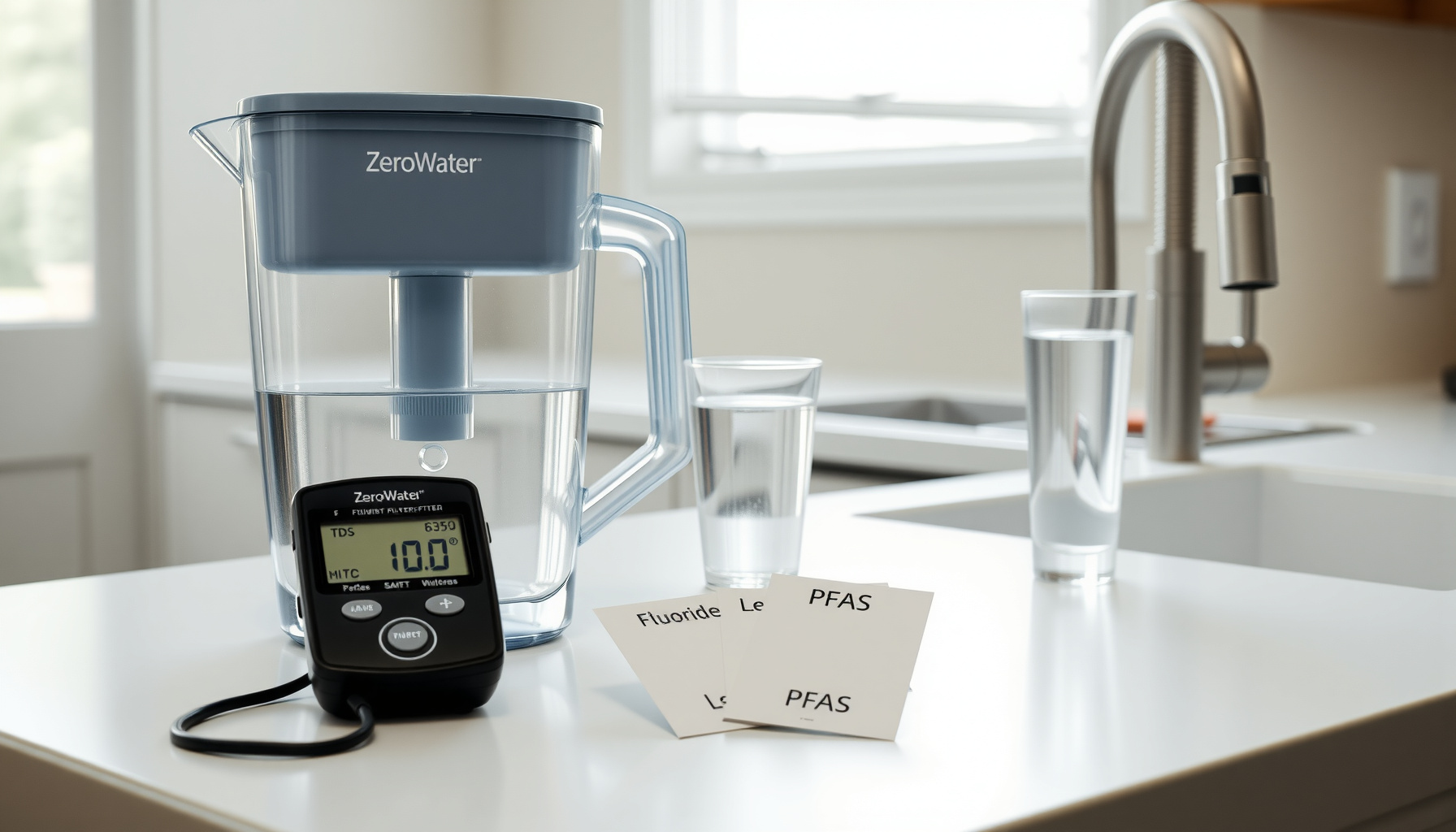
Here’s what most people get wrong about ZeroWater: they assume that because the filter produces a TDS reading of 000 on the included meter, it must be removing everything dangerous from their water. That assumption is only partially true — and the part where it breaks down could matter a lot for your family’s health.


