
Latest posts
-
What Is Chlorine Demand and Why Does It Matter
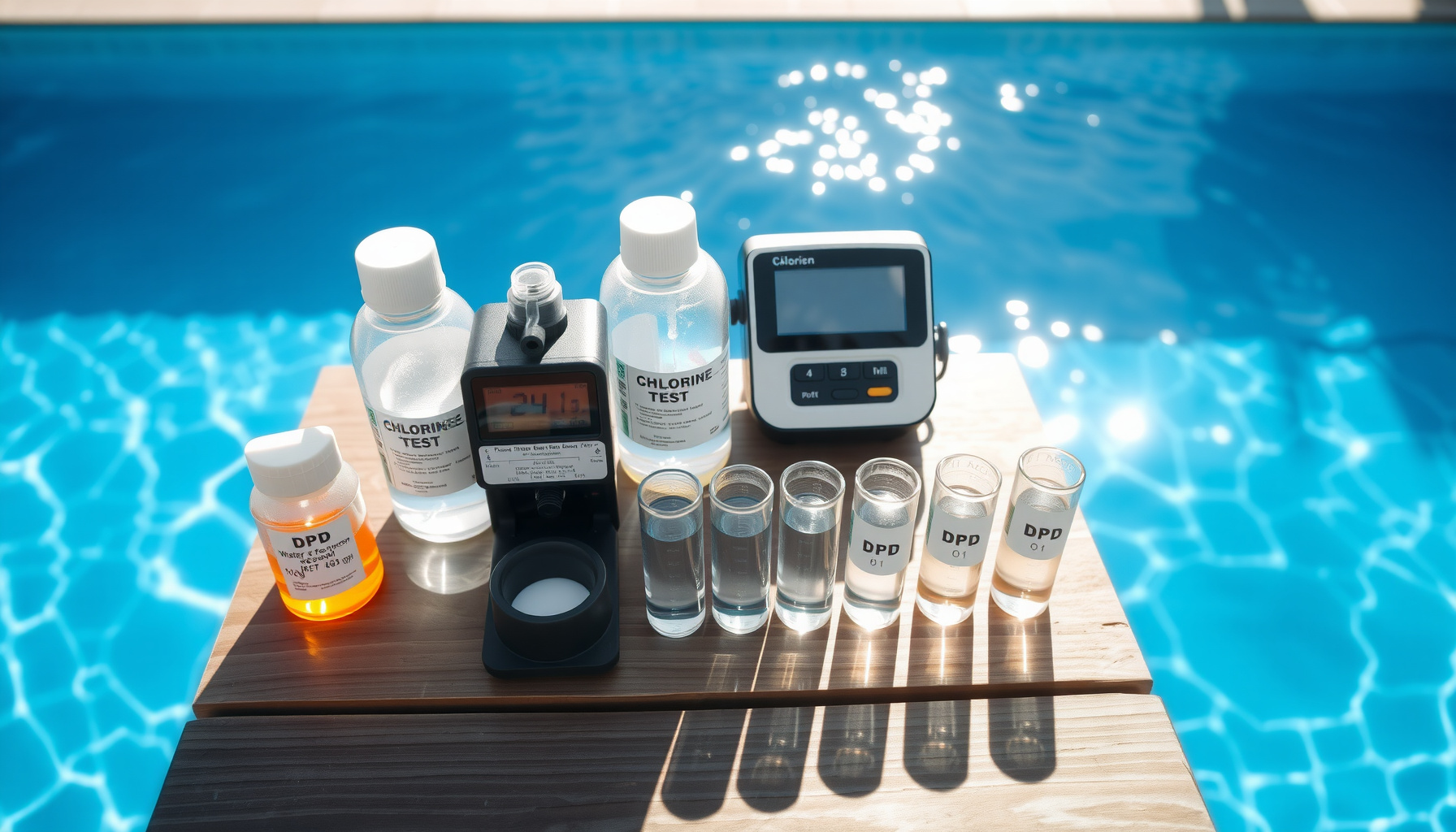
Here’s what most people get wrong about chlorine in tap water: they assume that if their utility adds chlorine, the water arriving at their tap is protected. It isn’t — not necessarily. Chlorine doesn’t just sit in water doing nothing; it gets consumed along the way, reacting with organic matter, metals, biofilms, and other contaminants
-
Groundwater vs Surface Water: How Your Source Affects Quality
Here’s what most homeowners get completely wrong: they assume that because their water comes from a “protected” municipal system, the source doesn’t matter anymore. It does — enormously. Whether your tap water originates underground or from a river, lake, or reservoir shapes not just what contaminants are likely in it, but how those contaminants behave,
-
What Is Turbidity in Water and When Is It a Problem?
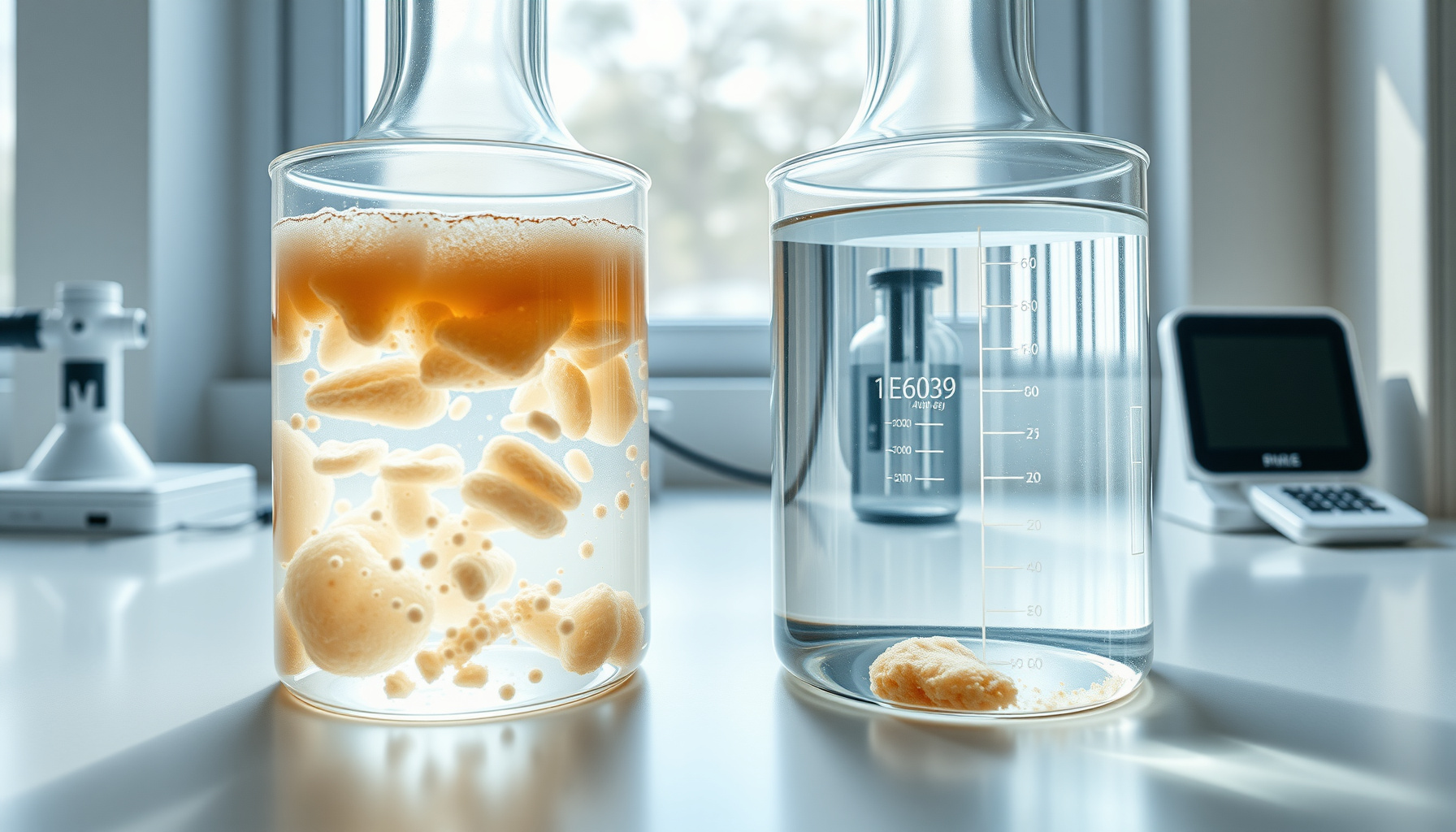
Here’s what most people get wrong about turbidity in water: they treat it as a visual problem — cloudy water looks gross, so you fix it. But turbidity is actually a delivery mechanism for more serious threats, and some of the most dangerous turbidity situations involve water that looks perfectly clear. That’s the part the
-
What Is Total Dissolved Solids vs Total Suspended Solids?
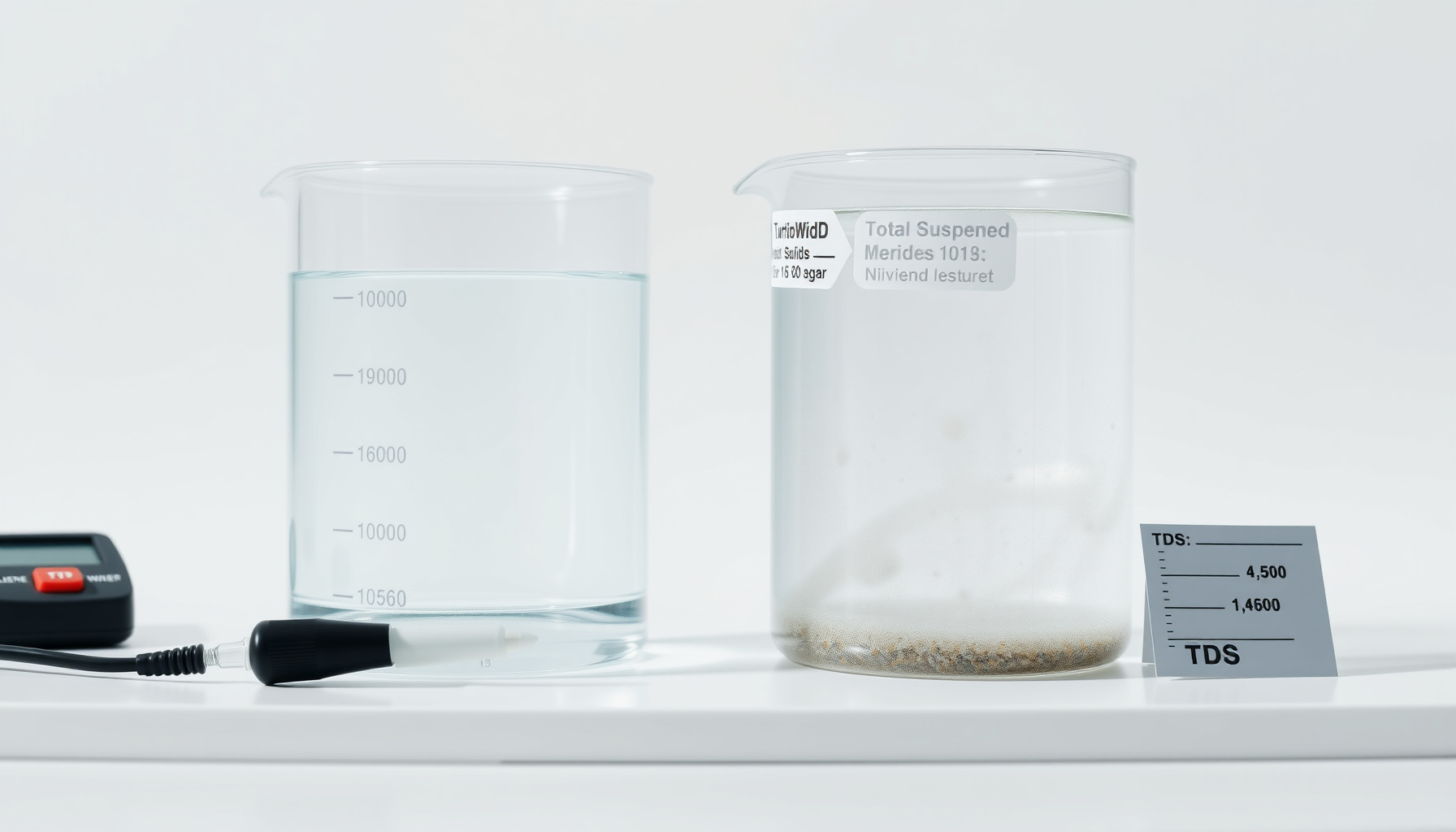
Here’s what most homeowners get wrong: they treat TDS — total dissolved solids — as the single number that tells them whether their water is safe or dirty. A high TDS reading sends people scrambling for reverse osmosis systems, while a low TDS reading gets treated like a clean bill of health. Neither assumption is
-
What Is Alkalinity in Water vs pH: The Difference Explained
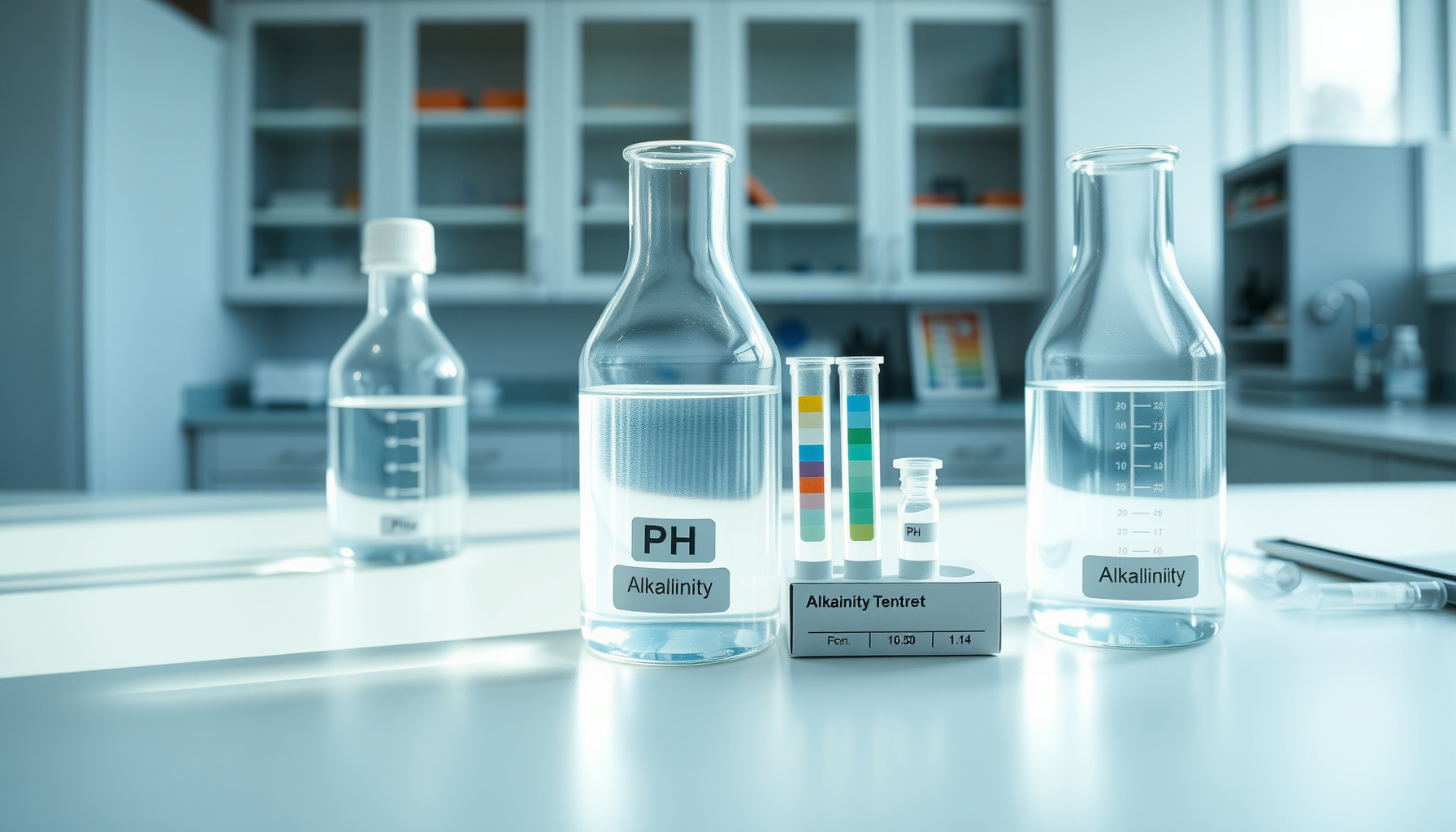
Here’s the thing most homeowners get wrong: they assume pH and alkalinity are basically the same measurement dressed up in different words. They’re not. pH tells you how acidic or basic your water is at a single moment in time. Alkalinity tells you how well your water resists changing that pH when something tries to
-
What Is a Community Water System vs Private Well?
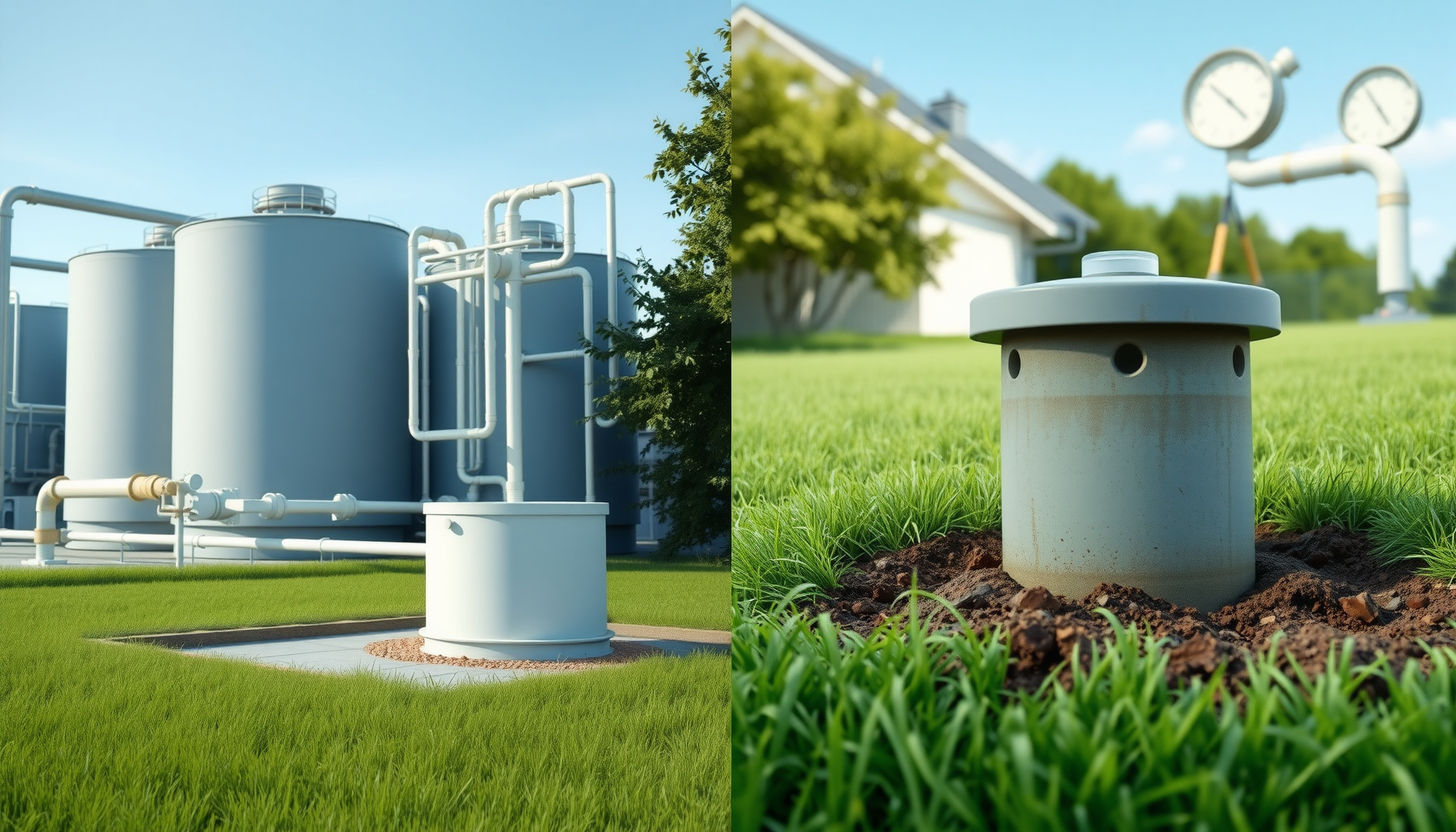
Here’s what most people get wrong about community water systems vs private wells: they assume regulated automatically means safer, and unregulated automatically means risky. That assumption leads homeowners to make genuinely bad decisions — skipping well testing because the water “looks fine,” or trusting a municipal report without understanding what it doesn’t measure. The truth
-
What Is the Safe Drinking Water Act: What It Covers and Gaps
Here’s what most people get wrong about the Safe Drinking Water Act: they think it protects them. It doesn’t — not completely, and not in the way most homeowners assume. The SDWA sets legal limits for contaminants at the tap of your water system, not at your faucet. By the time water travels through aging
-
How Drought Affects Tap Water Quality in the US
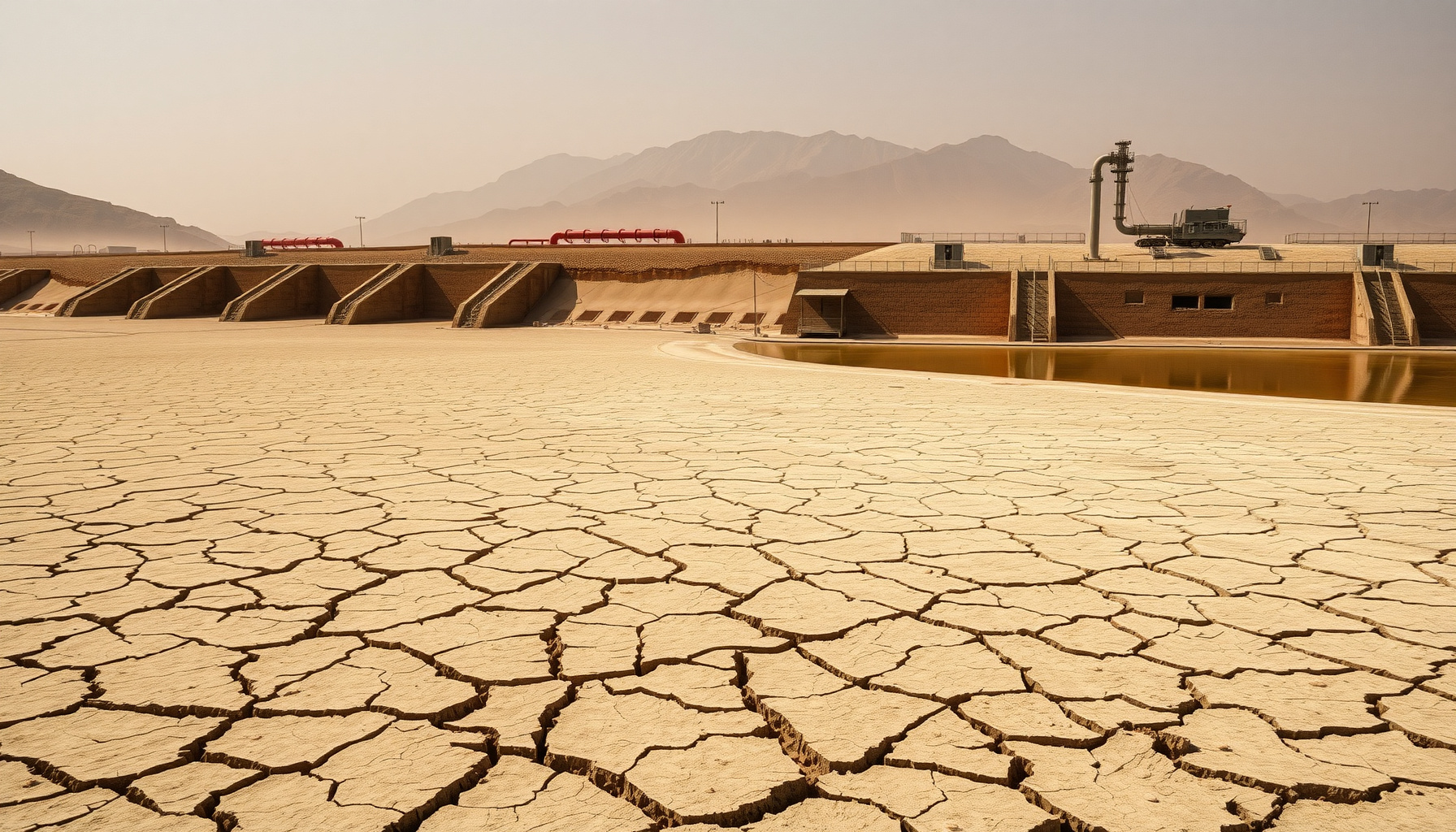
Here’s what most homeowners get wrong about drought and tap water: they assume that if their utility says the water is “safe,” drought hasn’t really touched what’s coming out of their tap. That assumption is almost always wrong — and sometimes dangerously so. Drought doesn’t just reduce water supply. It fundamentally changes the chemical and
-
Water Quality and Climate Change: What Homeowners Need to Know
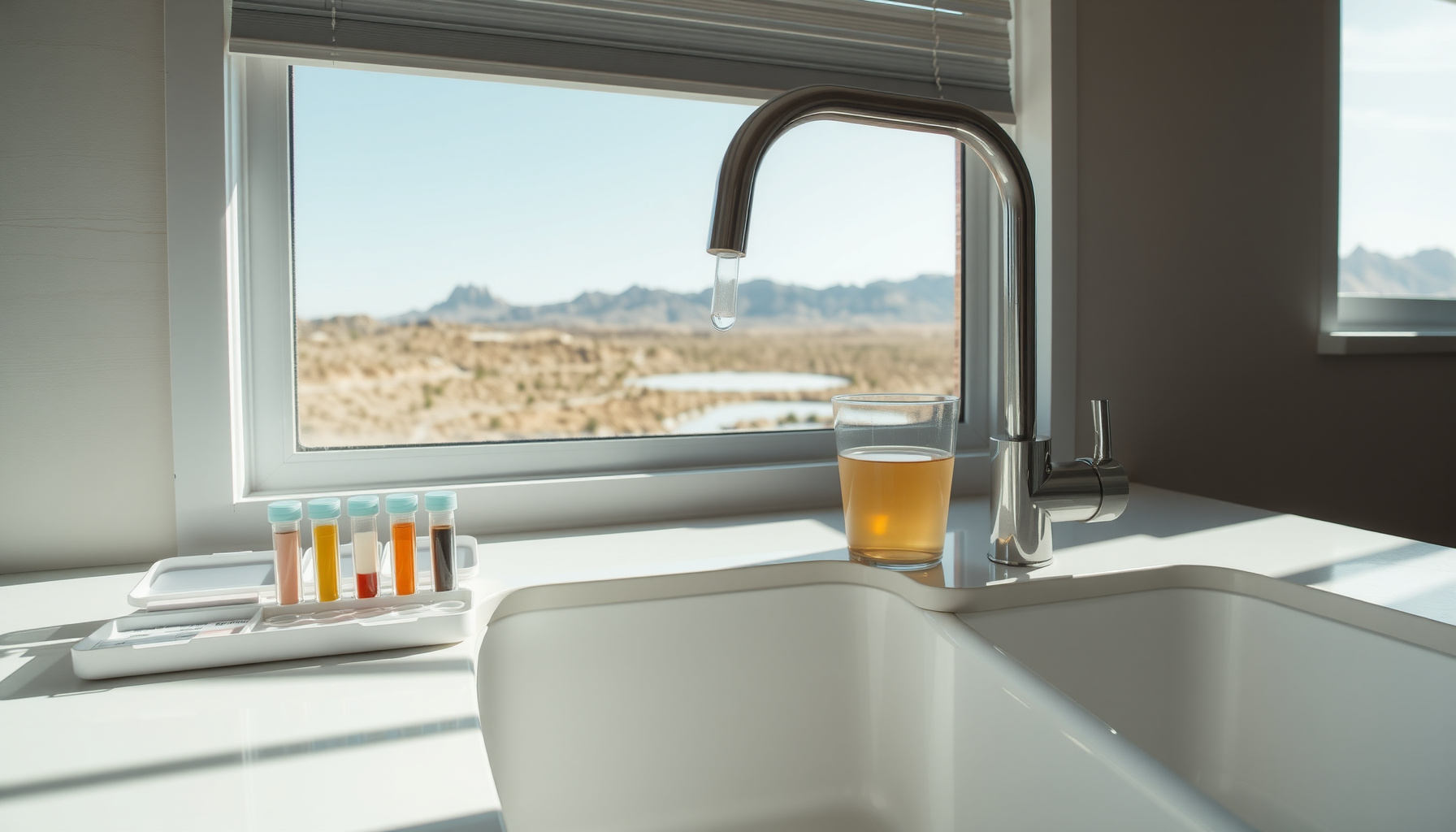
Here’s what most articles about water quality and climate change get completely wrong: they frame it as a future problem. Something that’ll matter in twenty years, after the glaciers melt and the sea levels rise. But the chemistry happening inside your pipes right now — today, this season — is already being shaped by shifting
-
How Aging Infrastructure Affects Your Drinking Water
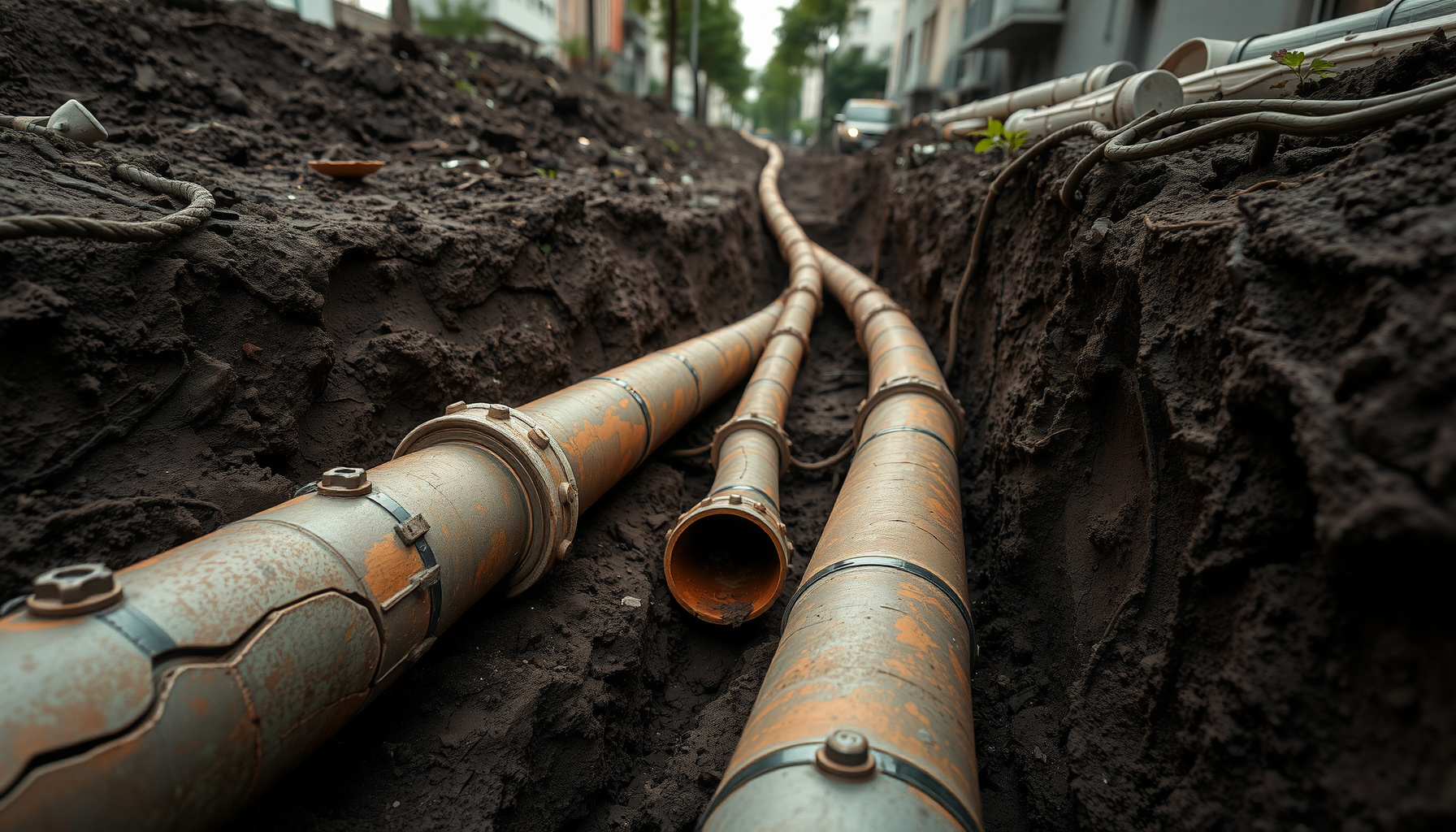
Here’s what most articles about aging infrastructure get completely wrong: they frame it as a distant, municipal problem — something that happens to cities with crumbling pipes under the streets, not to your house specifically. But the pipe that matters most to your drinking water quality isn’t the one two blocks away. It’s the one


