
Latest posts
-
Well Water vs City Water: Key Differences Every Homeowner Should Know
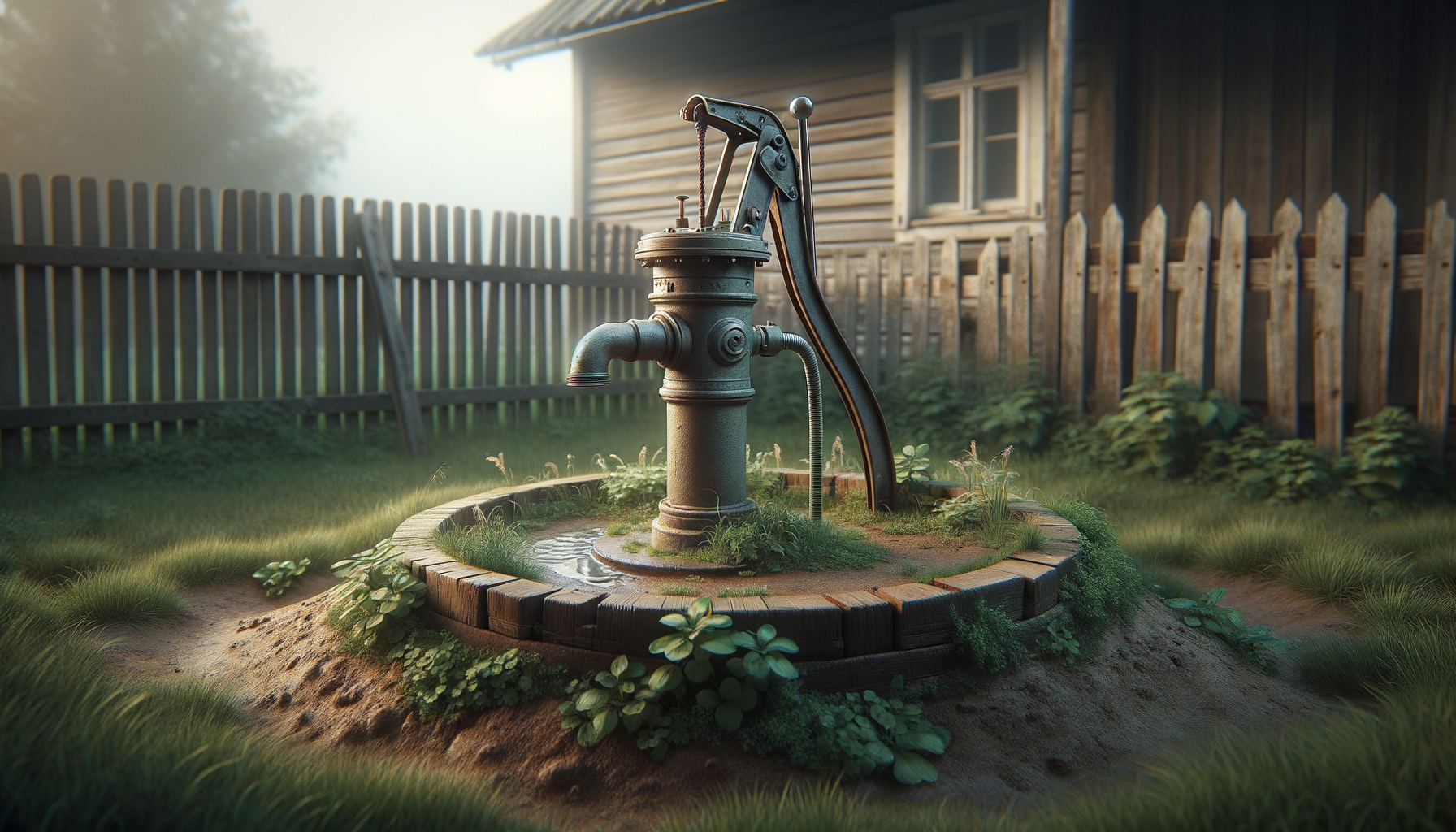
Picture this: you’re visiting a friend who lives out in the country, fill up a glass of water from the tap, and it tastes completely different from what you drink at home in the suburbs. Maybe it’s a little earthy. Maybe there’s a faint smell you can’t quite place. Or maybe — and this happens
-
What Is a Water Quality Report (CCR)? How to Read Yours in 5 Minutes
Every year, your water utility mails you — or posts online — a document that could tell you exactly what’s flowing out of your tap. Most people toss it in the recycling bin without a second glance, right next to the dental insurance summary they also didn’t read. That document is called a Consumer Confidence
-
Hard Water Damage to Appliances: Real Costs and How to Prevent It

Picture this: your dishwasher starts leaving a white film on every glass, your water heater takes longer and longer to do its job, and your washing machine starts making a grinding noise two years before it should. You call a repair technician, pay a few hundred dollars, and maybe get told the machine is “just
-
Nitrates in Well Water: Risks, Testing and Solutions for Rural Homeowners
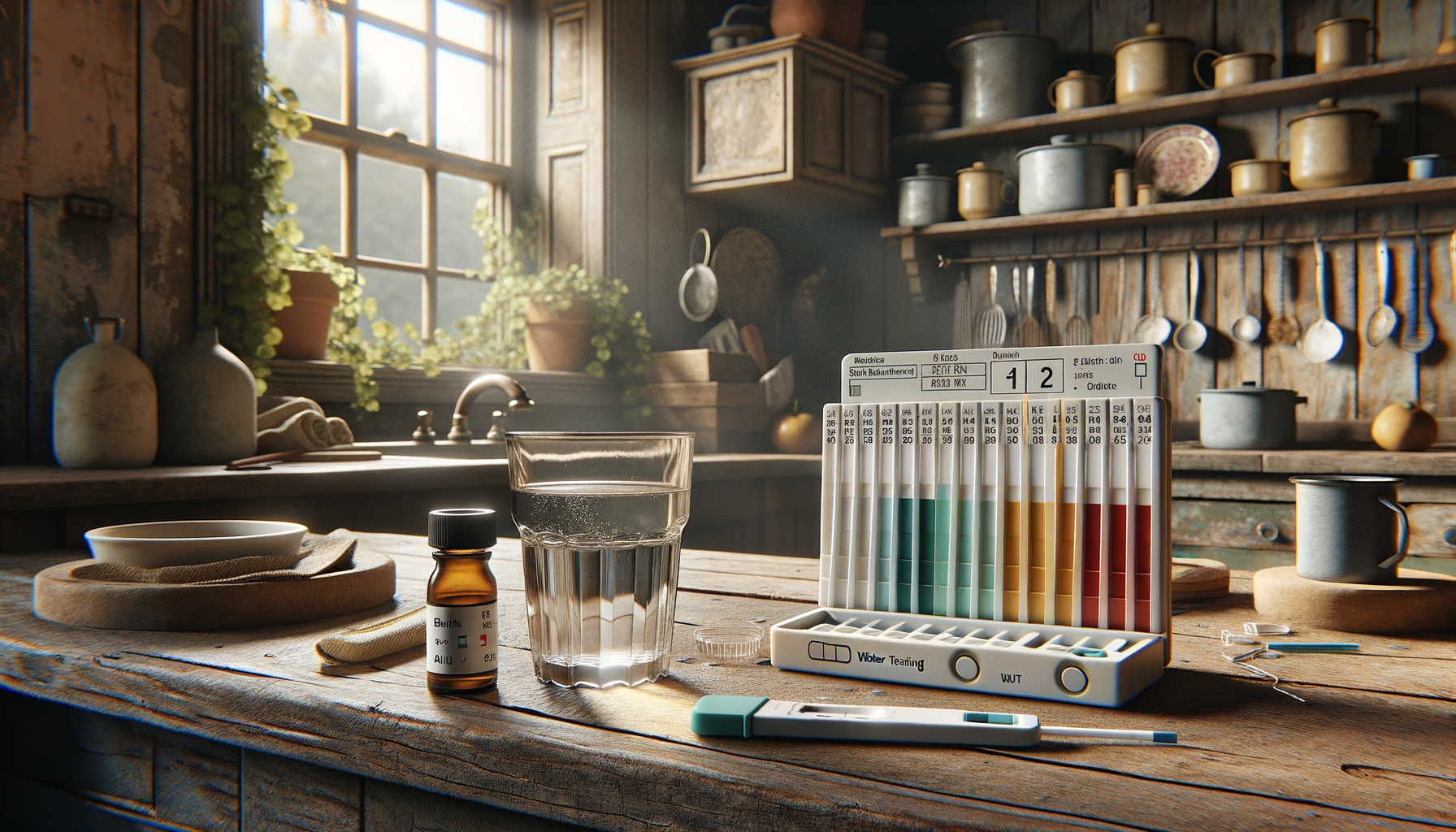
Imagine drilling a well on your property, running the water through a basic taste test, and deciding it’s fine. Clear water, no smell, no obvious problem. That’s exactly what most rural homeowners do — and it’s exactly how nitrate contamination goes undetected for years. Nitrates are colorless, odorless, and tasteless. You can’t detect them without
-
Lead in Drinking Water: Sources, Health Risks and How to Remove It
Imagine you’ve just moved into a charming older home — solid bones, original hardwood floors, maybe even some of those beautiful vintage fixtures in the kitchen. You run the tap, fill a glass, and drink without a second thought. Most people don’t think about lead in their water until something forces them to: a news
-
PFAS / Forever Chemicals in Tap Water: What They Are and How to Remove Them
Imagine filling a glass of water from your kitchen tap — something you’ve probably done thousands of times without a second thought. Now imagine that water containing a class of synthetic chemicals your body can’t break down, that water treatment plants weren’t originally designed to remove, and that have been linked to thyroid disruption, immune
-
What Are Water Contaminants? The Complete List for US Homeowners
You turn on your tap, fill a glass, and drink. Simple enough. But somewhere between the treatment plant and your faucet, that water picks up passengers — some harmless, some not so much. Most people don’t think about this until they get a notice in the mail, or their water suddenly smells like a swimming
-
Chlorine vs Chloramine in Tap Water: What’s the Difference?
You turn on the tap, fill a glass, and drink. Simple enough. But somewhere in the back of your mind, you’ve probably wondered what’s actually in that water — especially after hearing neighbors debate whether their city “switched to chloramine” or reading something alarming on a community forum. Chlorine and chloramine are both used to
-
What Is pH in Drinking Water? Ideal Range and What Affects It
You fill a glass of water from the tap, take a sip, and notice a faint metallic or bitter edge. Maybe you chalk it up to the pipes, or the filter you’ve been meaning to replace. But there’s a decent chance what you’re tasting — or what’s slowly corroding your plumbing — comes down to
-
What Is TDS in Water and Does It Matter for Drinking?
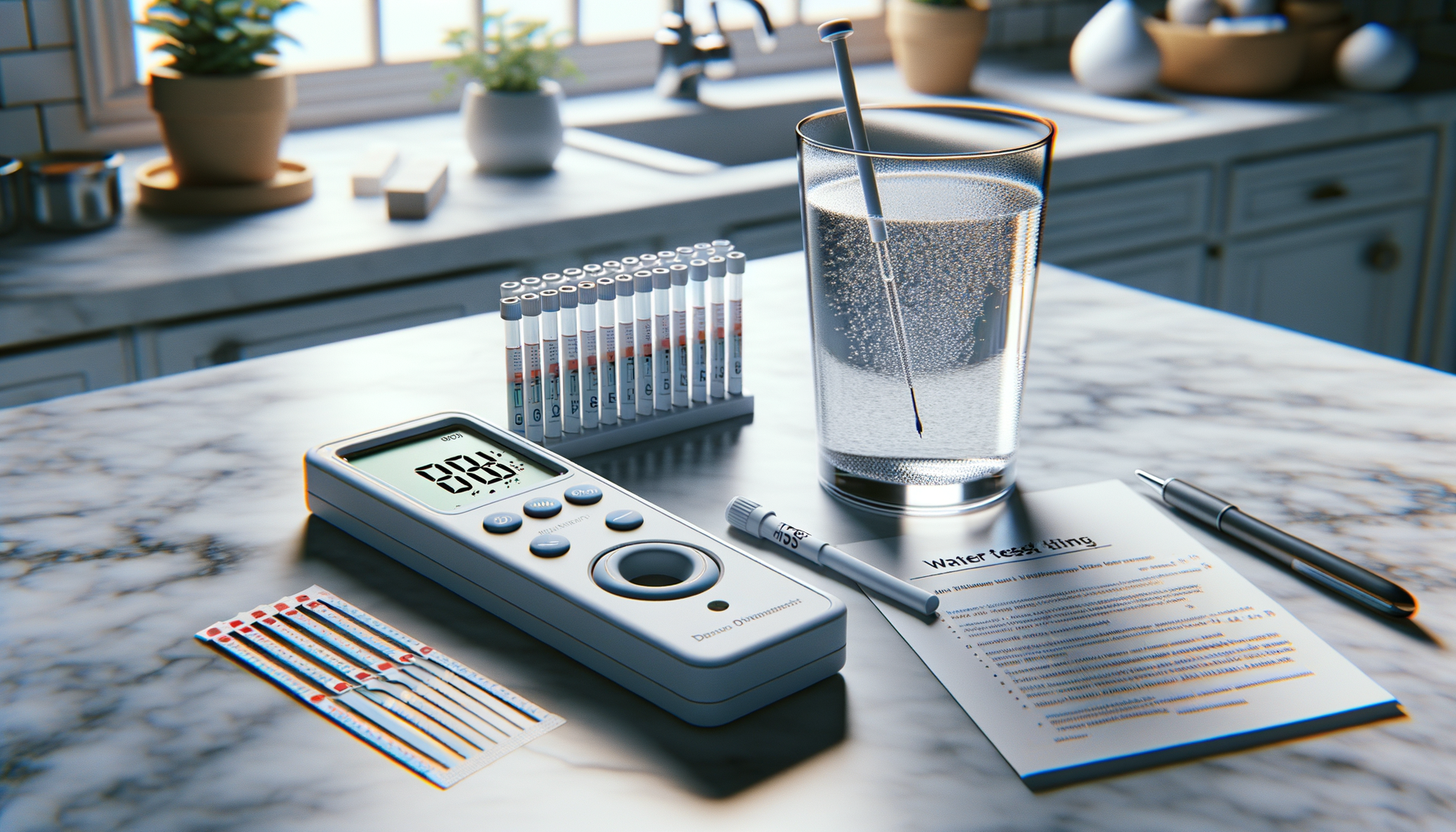
You buy a TDS meter online, dip it in your tap water, and get a reading of 340 ppm. Is that bad? Should you be worried? Most people don’t encounter this question until they’re already holding the meter in one hand and Googling furiously with the other. TDS — total dissolved solids — shows up


