
Latest posts
-
What Is Hardness Creep in a Water Softener?
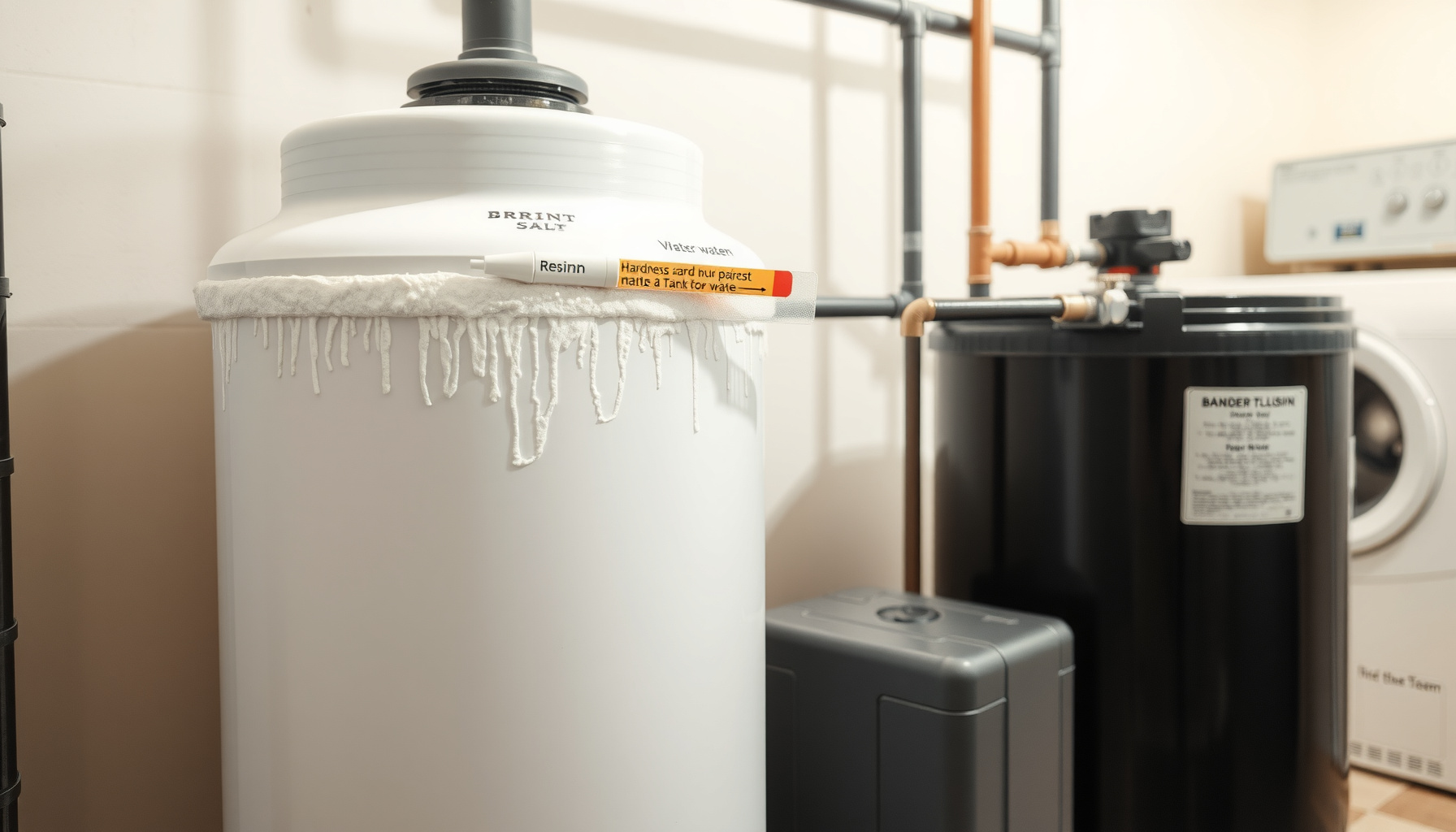
Your water softener is running, salt is in the tank, and everything looks fine — except your skin is still dry, there’s still scale building up on your faucets, and your soap still isn’t lathering the way it should. Most homeowners blame the unit itself, assume it’s broken, or call the installer. But the actual
-
How to Read a Water Bill: What the Usage Numbers Mean
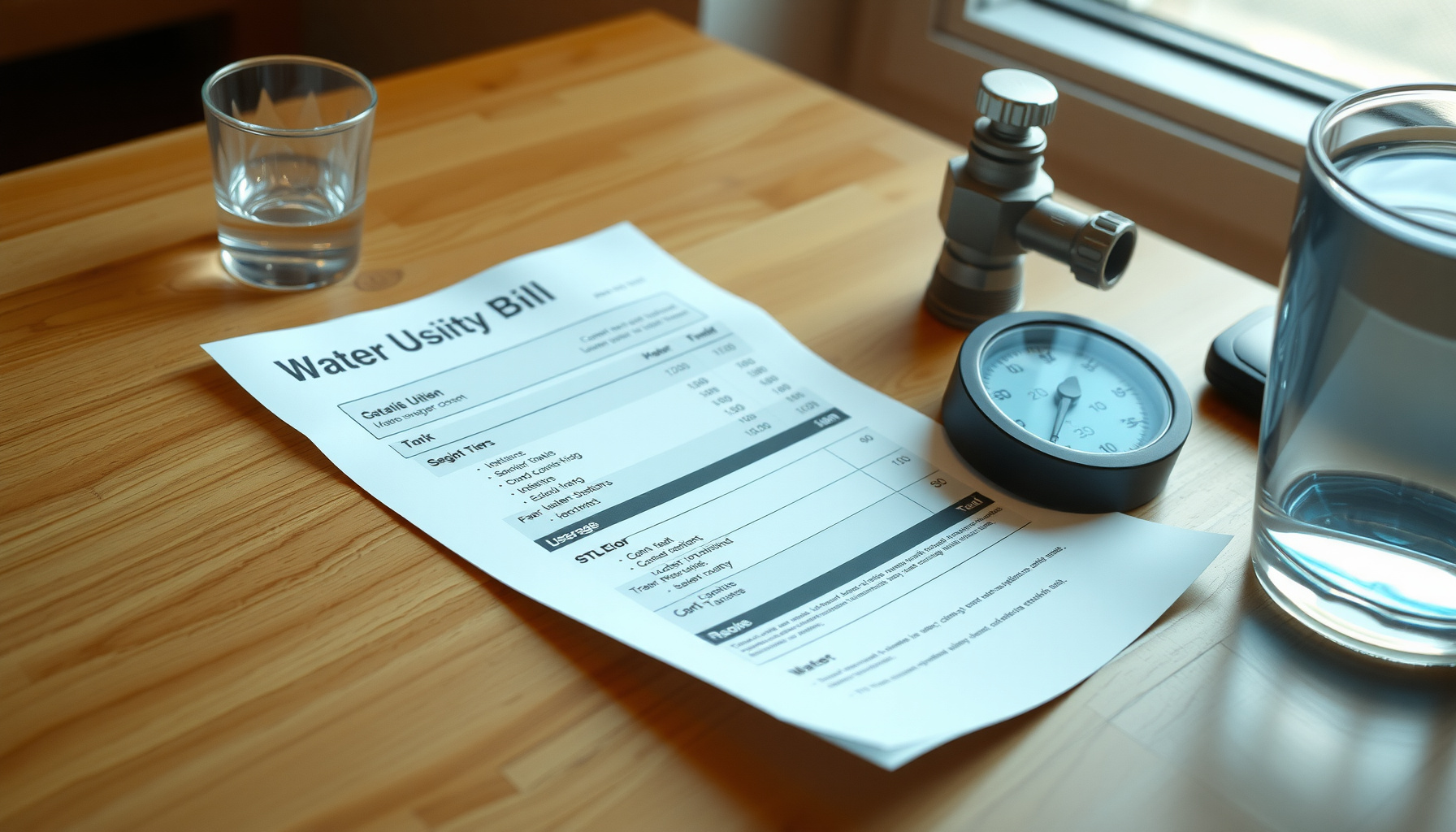
Here’s the thing most homeowners get completely wrong about their water bill: the usage numbers aren’t just about money. They’re one of the most overlooked early-warning systems for water quality problems hiding inside your home’s plumbing. A slow leak, a corroding pipe, a failing water softener — all of these show up in your consumption
-
How to Compare Water Quality Reports Between Cities
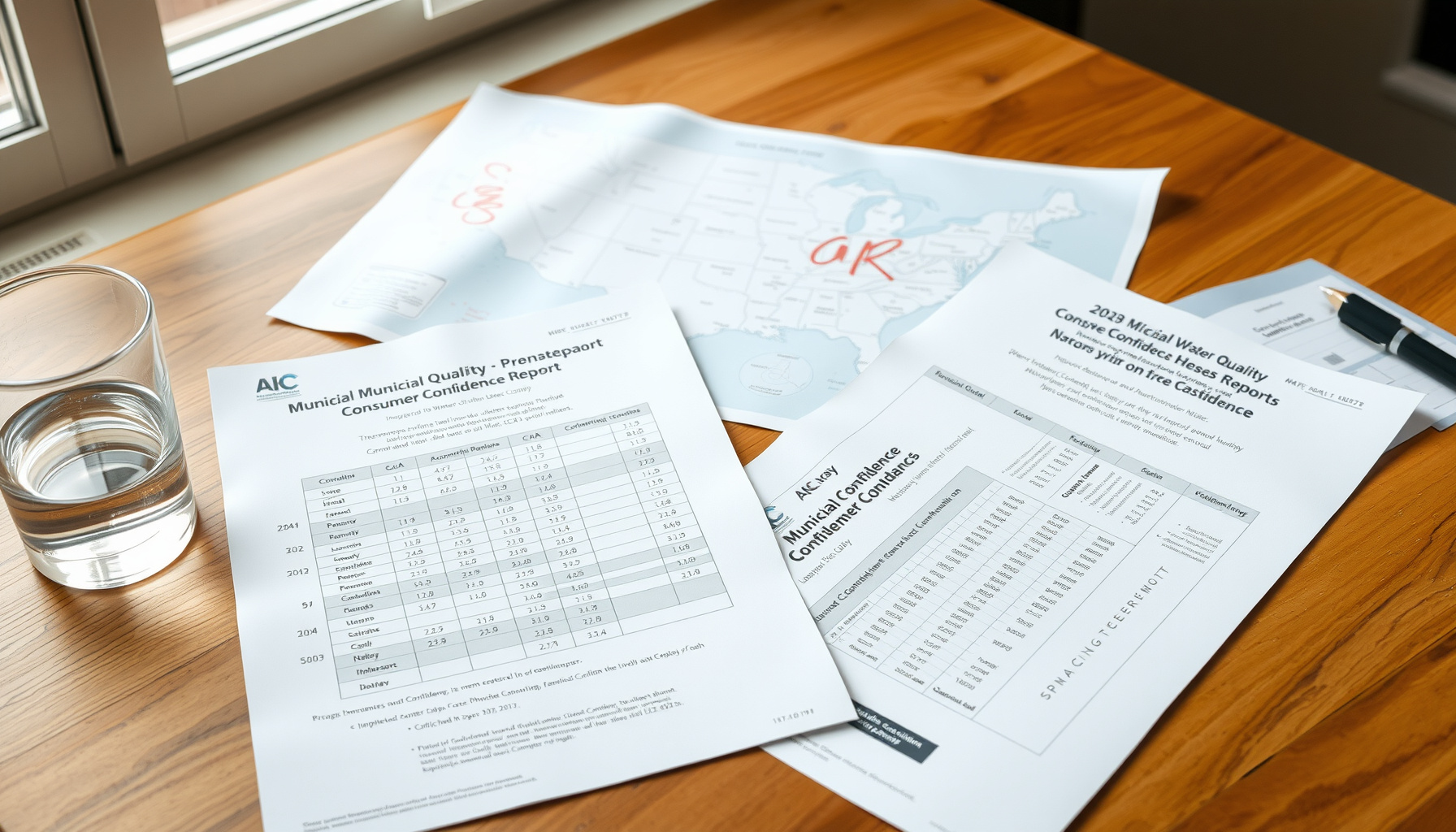
Here’s what most people get wrong when they try to compare water quality reports between cities: they treat the numbers like a simple pass/fail test. City A’s lead level is lower than City B’s, so City A wins — done. Except that’s not how any of this works, and making decisions that way can leave
-
What Is a Water Contaminant Candidate List (CCL)?
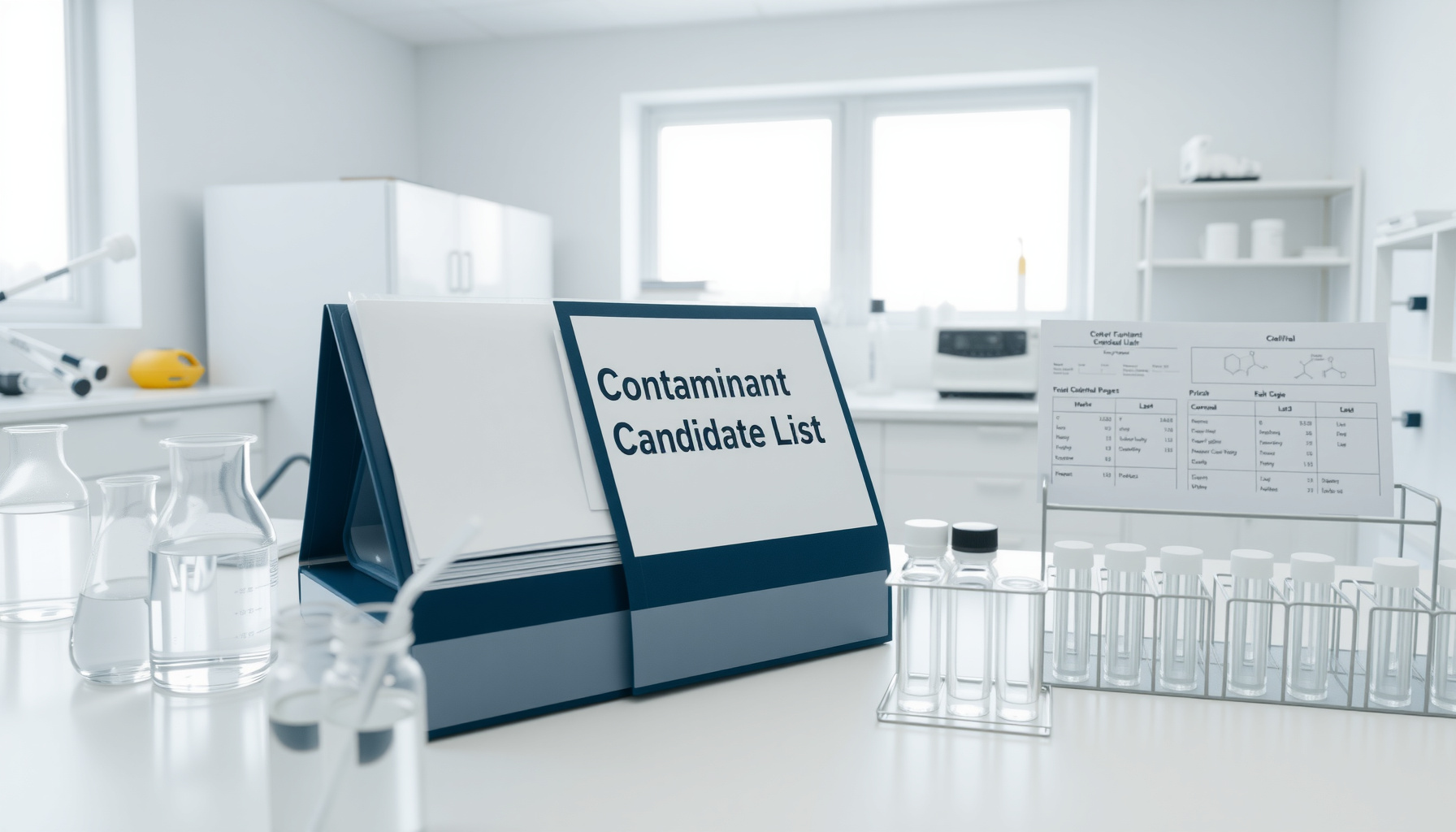
Here’s what most people get wrong about the water contaminant candidate list: they assume that if a chemical isn’t regulated by the EPA, it isn’t in their water — or that someone would have told them by now. Neither of those things is true. The CCL is essentially the EPA’s watchlist of unregulated contaminants that
-
Private Well Owners’ Legal Responsibilities: What the EPA Doesn’t Cover
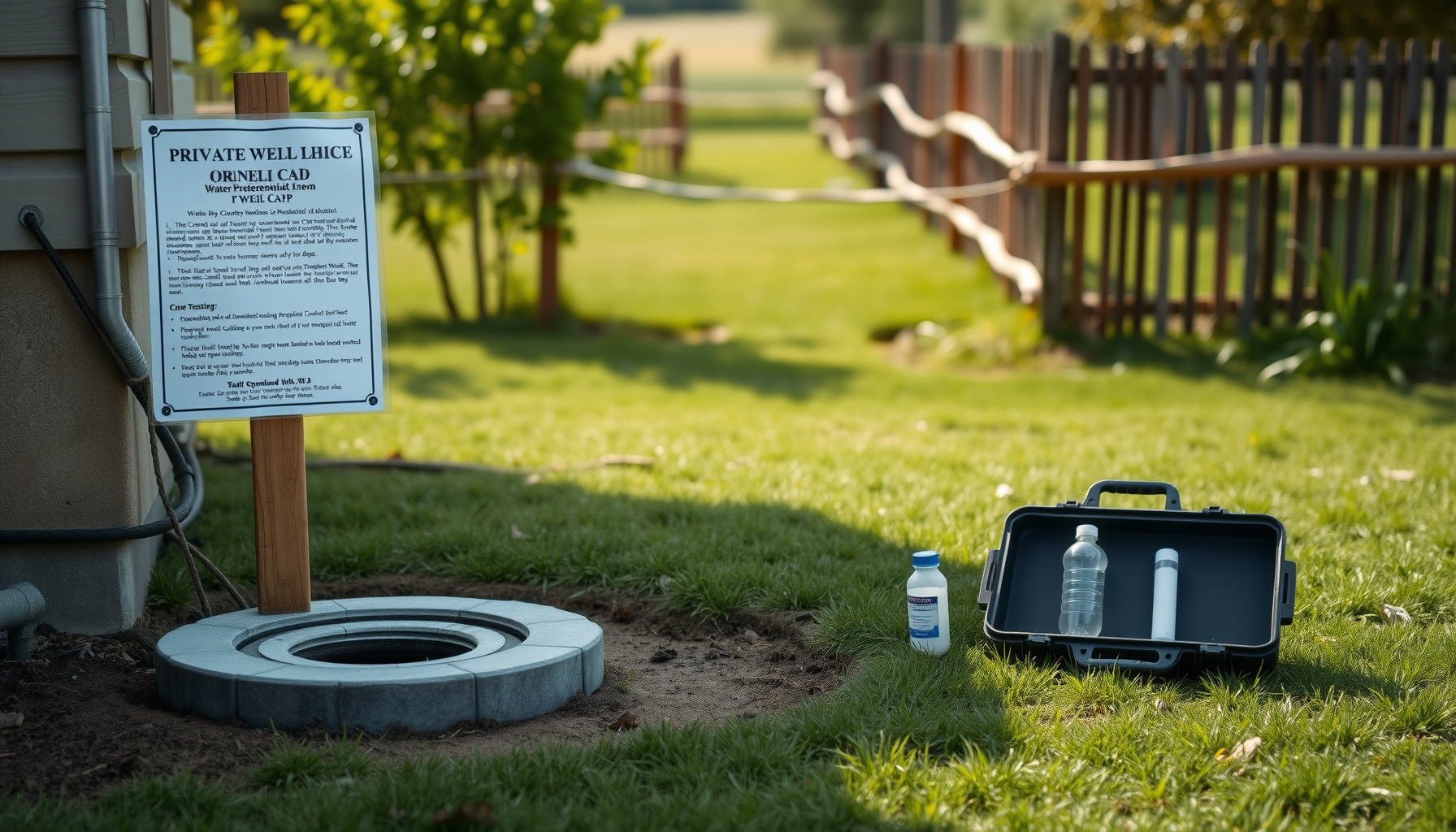
Here’s what most private well owners get completely wrong: they assume that because the EPA sets the rules for public water systems, those same protections somehow extend to their property. They don’t. The Safe Drinking Water Act explicitly exempts private wells serving fewer than 25 people, which means roughly 43 million Americans are drinking water
-
EPA Drinking Water Standards Explained: What Each MCL Actually Means
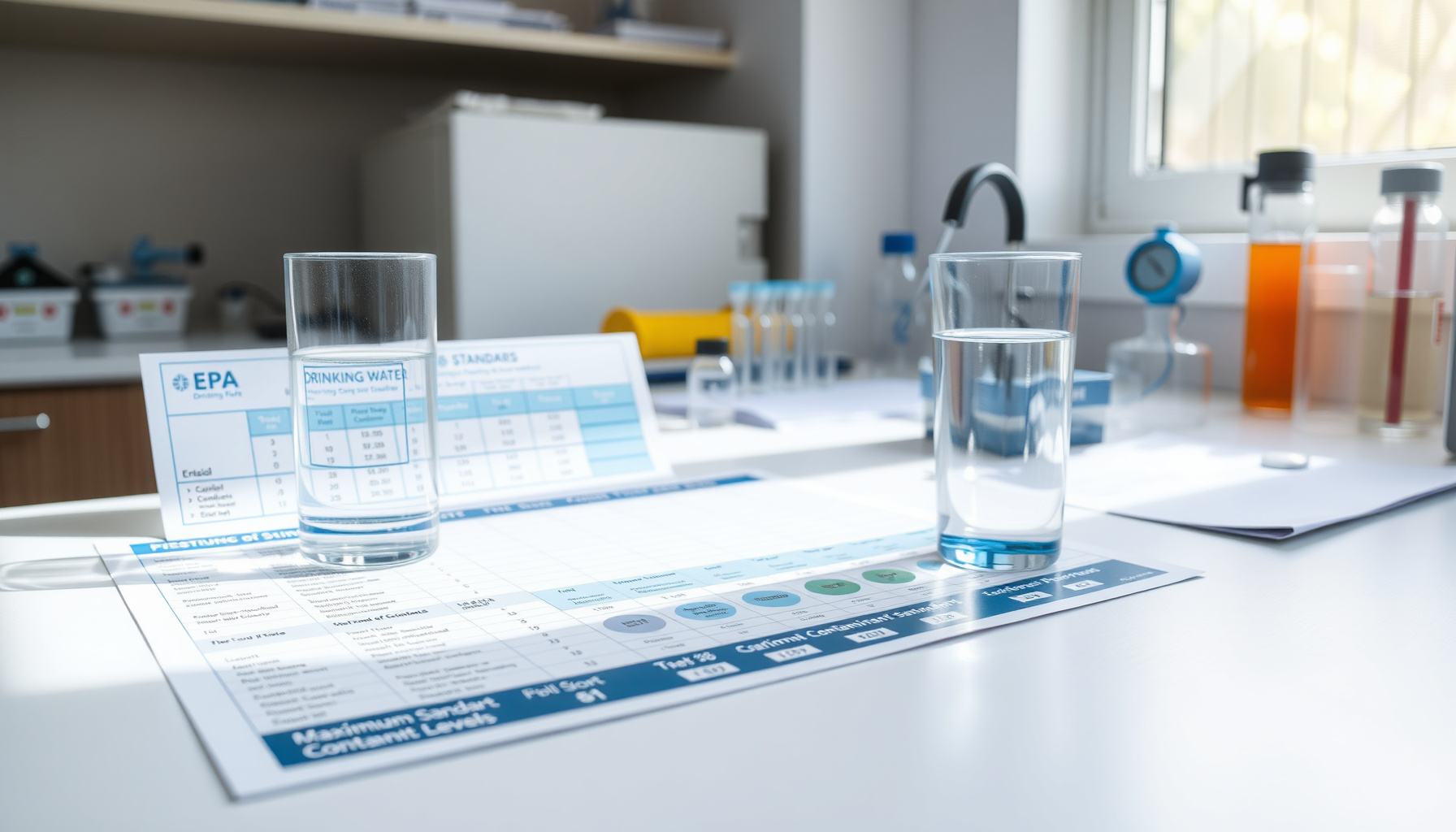
Here’s what most homeowners get wrong about EPA drinking water standards: they assume that if their water meets the legal limit, it’s perfectly safe to drink. That assumption is baked into how we talk about MCLs — Maximum Contaminant Levels — but it’s not quite accurate, and understanding why changes how you think about your
-
Municipal Water Treatment Process: What Happens Before It Reaches Your Tap
Turn on your kitchen faucet and water comes out — clean, clear, and (usually) tasting just fine. Most people don’t spare it a second thought until they hear about a boil-water advisory or a contamination scare in another city, and suddenly they’re wondering: what actually happens between that river or reservoir and my glass? The
-
Disinfection Byproducts in Tap Water: What They Are and How to Reduce Them
You turn on the tap, fill a glass, and drink. The water looks clear, smells fine, and your utility company swears it meets every federal standard. So you’d probably be surprised to learn that the very process used to make that water safe from bacteria also creates a whole new category of chemical compounds —
-
Is Filtered Water the Same as Purified Water? Key Differences Explained

You’re standing in the water filter aisle at a home improvement store, staring at a wall of pitchers, under-sink systems, and countertop units. One box says “filtered water.” Another promises “purified water.” A third claims both. Most people grab whatever looks good and move on — but those two terms actually mean very different things,
-
How Water Quality Affects Indoor Humidity and Mold Risk
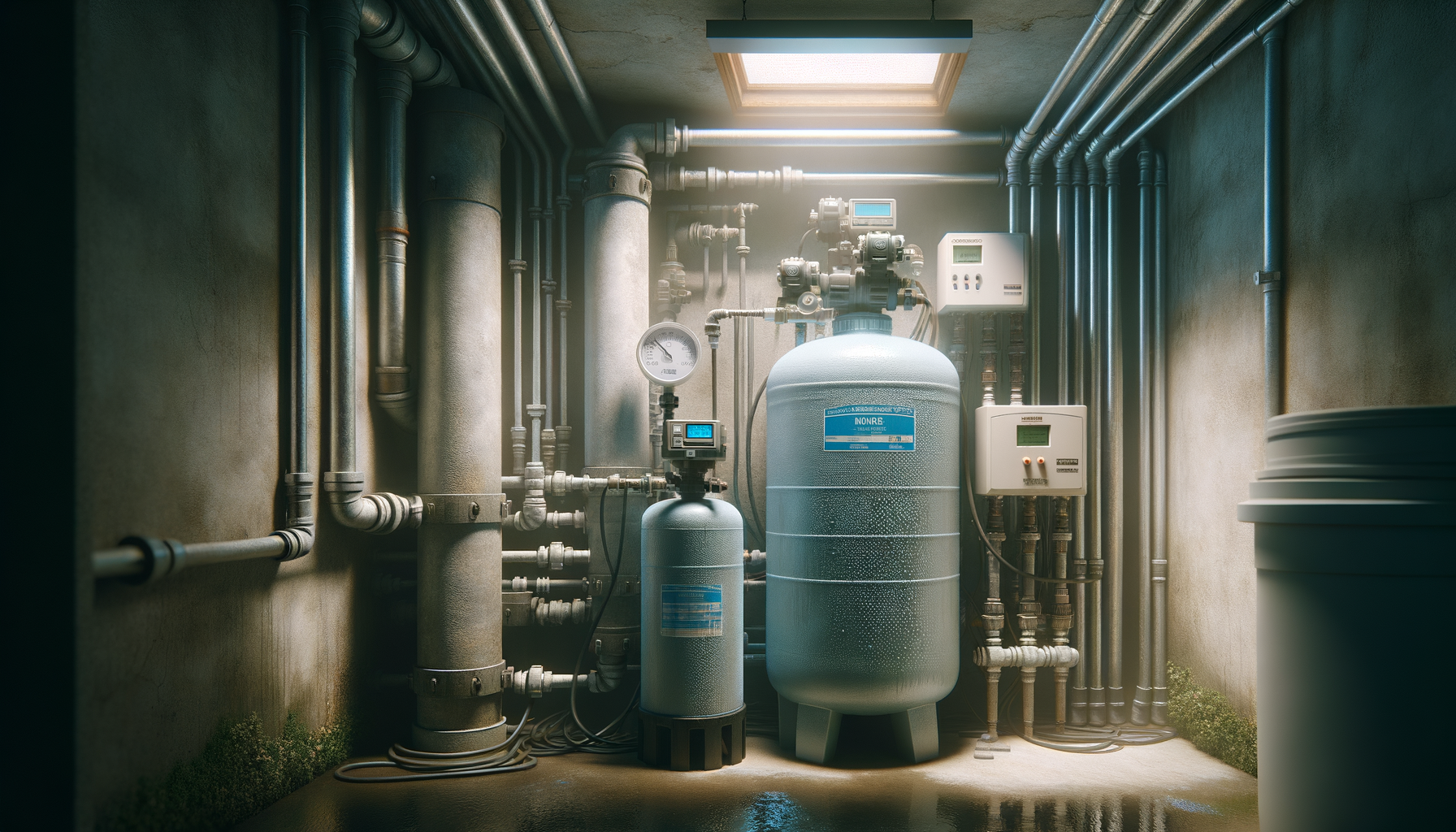
You’ve scrubbed the bathroom grout, replaced the shower curtain, and still — that faint musty smell creeps back within weeks. Most people blame humidity alone and reach for a dehumidifier. But here’s something most homeowners never consider: the water itself flowing through your pipes, your humidifier reservoir, your steam mop, and your HVAC condensate drain


