
Latest posts
-
How to Test for Copper in Drinking Water
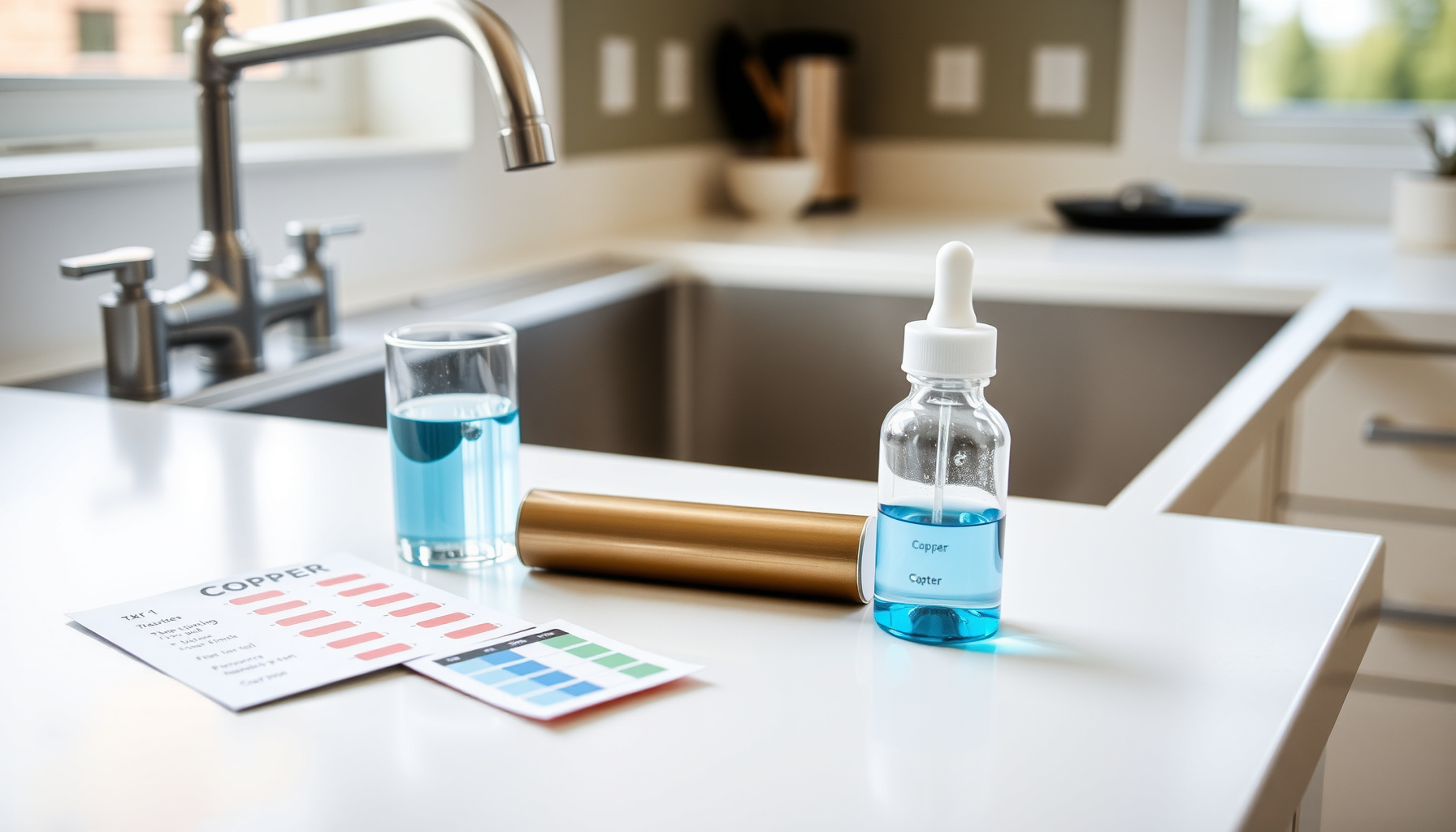
Here’s what most copper testing guides won’t tell you upfront: your water can test perfectly clean at the municipal level and still deliver copper concentrations above the EPA’s action level of 1.3 mg/L right out of your tap. The contamination doesn’t come from the source — it comes from your own plumbing. That distinction changes
-
How to Test for Hexavalent Chromium in Tap Water
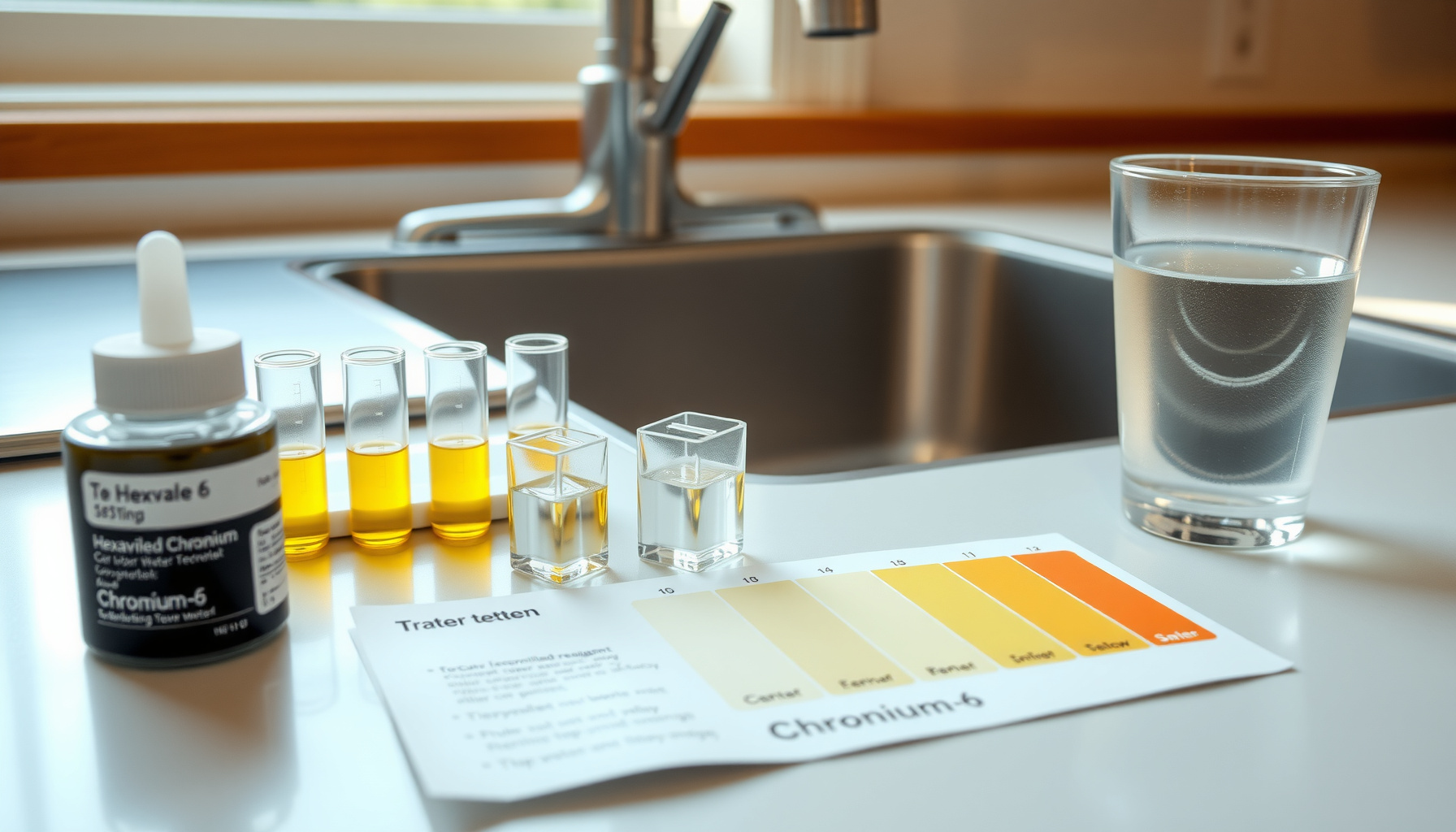
Here’s what most people get wrong about hexavalent chromium in tap water: they assume that if their water utility passed federal testing, their tap is safe. That assumption is worth questioning. The EPA’s current Maximum Contaminant Level (MCL) for total chromium is 100 micrograms per liter (µg/L), but that number covers all forms of chromium
-
How to Test for Tannins in Well Water
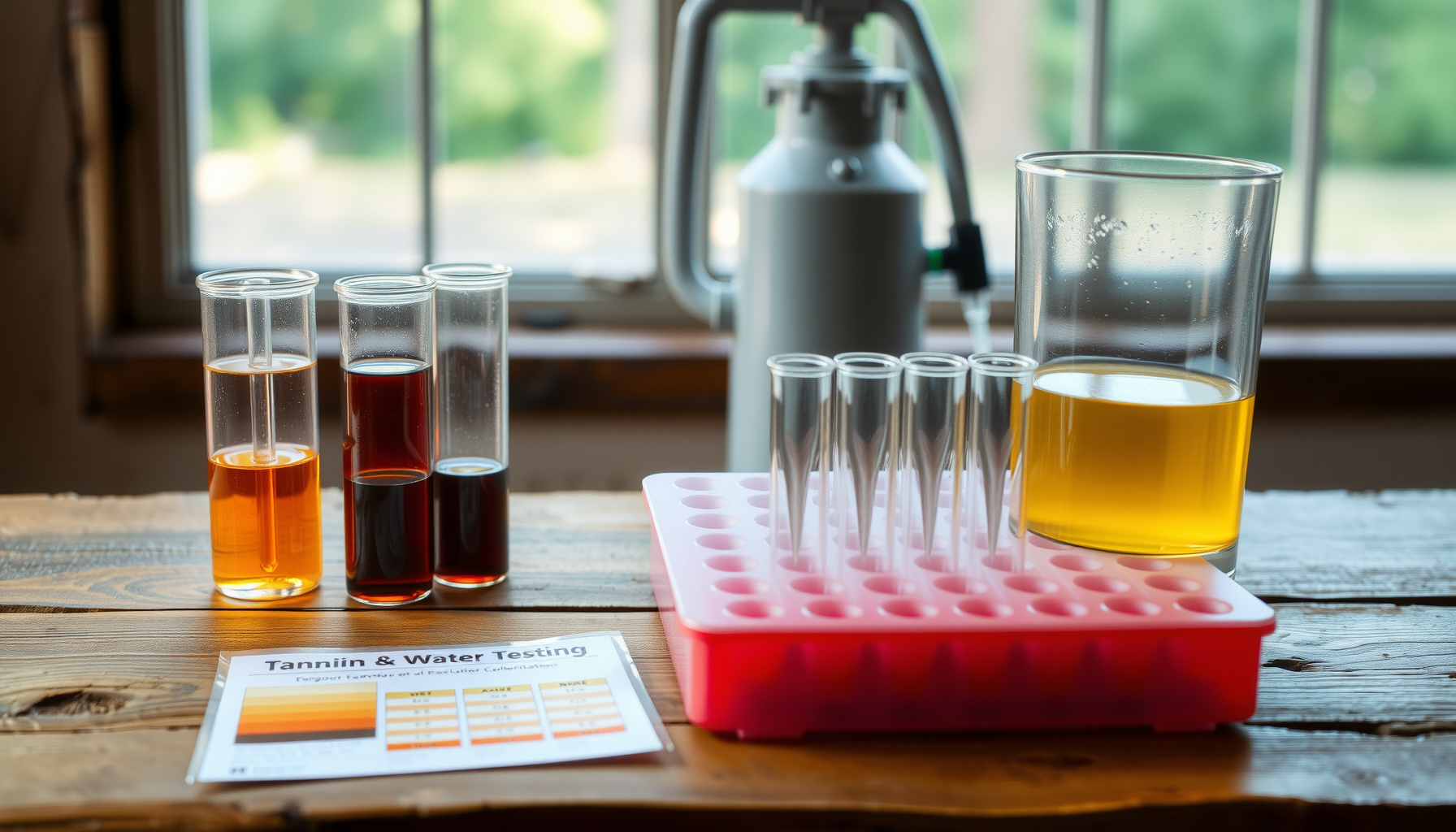
Here’s what most articles about tannins in well water get completely wrong: they treat it like a detection problem when it’s actually an interpretation problem. You can run a tannin test, get a positive result, and still have no idea whether you need to do anything about it — because tannins behave differently depending on
-
What Is Hardness as CaCO3: How Labs Report Water Hardness
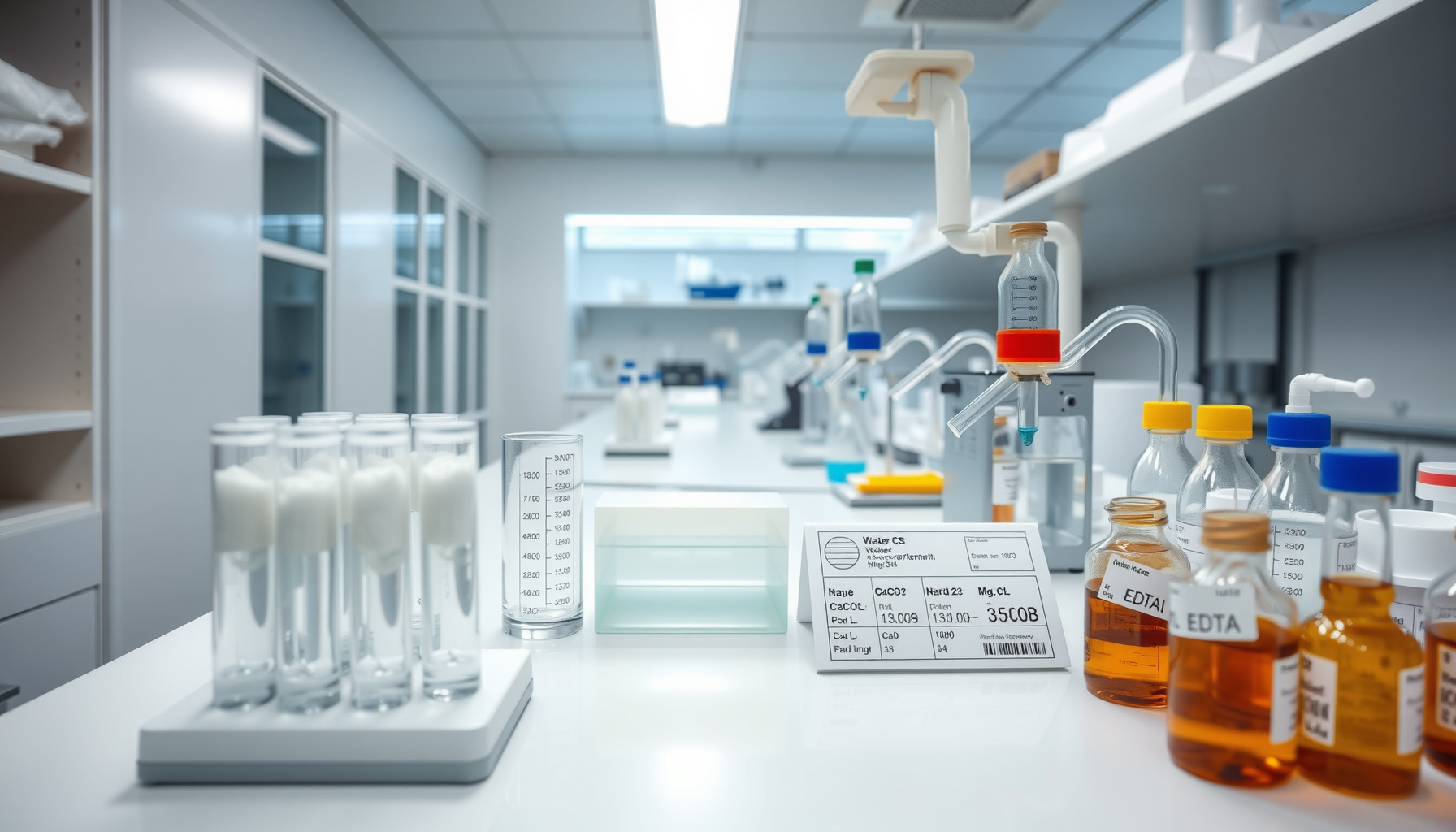
Here’s what most homeowners get wrong about water hardness reports: they see a number like “342 mg/L as CaCO3” on their lab results and assume it’s measuring calcium carbonate — the actual white crusty stuff on their faucets. It’s not. That “as CaCO3” notation is a unit of measurement, not a description of what’s in
-
How to Read a Private Lab Water Test Report
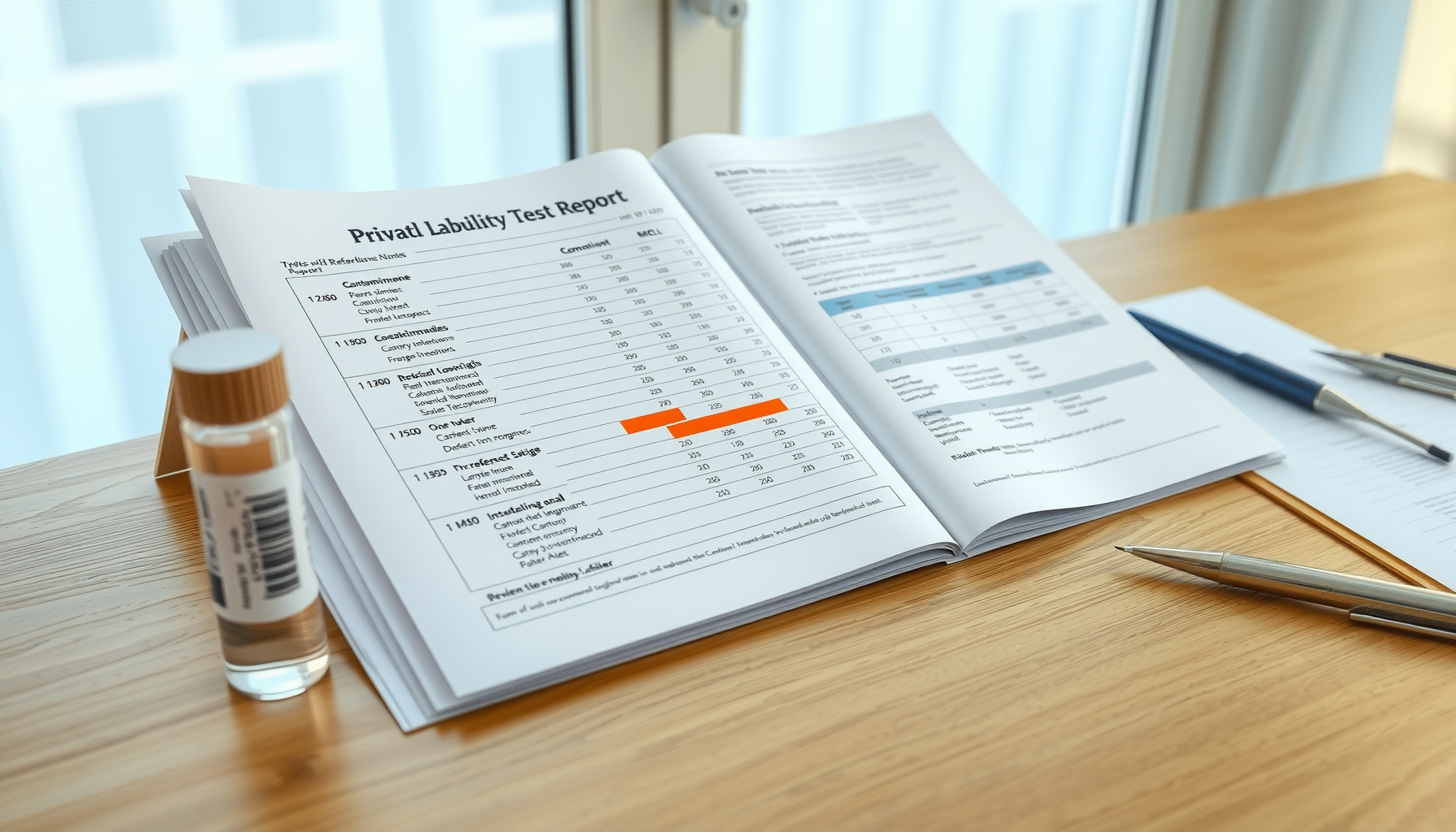
Most homeowners get a private lab water test report back in the mail, flip through several pages of numbers, and do one of two things: panic at anything that looks high, or assume everything is fine because nothing is flagged in red. Both reactions miss the point entirely. The real skill — and what this
-
How to Sample Well Water Correctly for Accurate Results
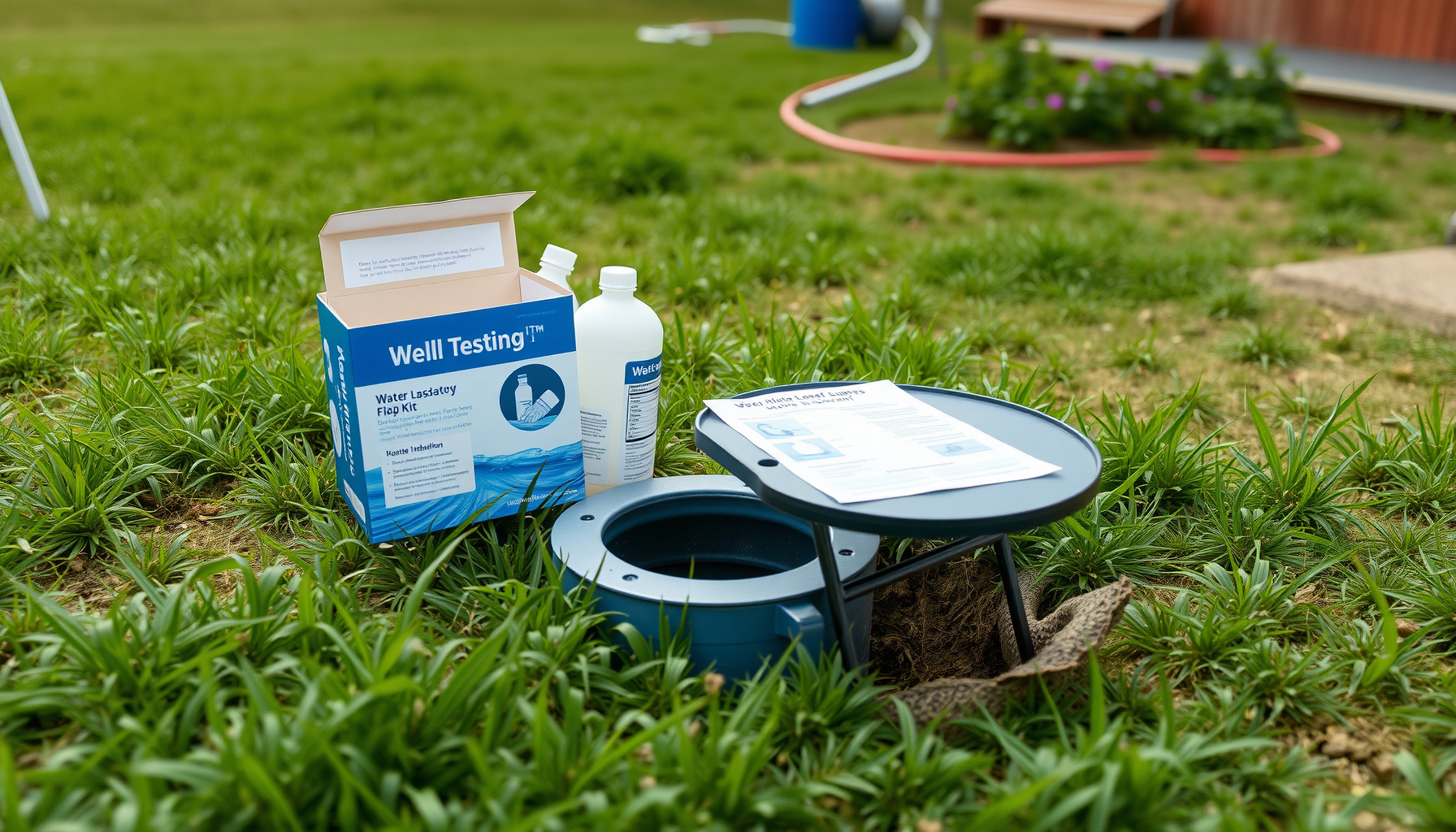
Here’s the thing most well owners get completely wrong about water testing: the sample itself is the problem, not the lab. You can send your water to the most accredited laboratory in the country, but if you collected it the wrong way — wrong faucet, wrong flush time, wrong container, wrong temperature — you’ll get
-
What Is Total Coliform and E. Coli in Well Water Testing
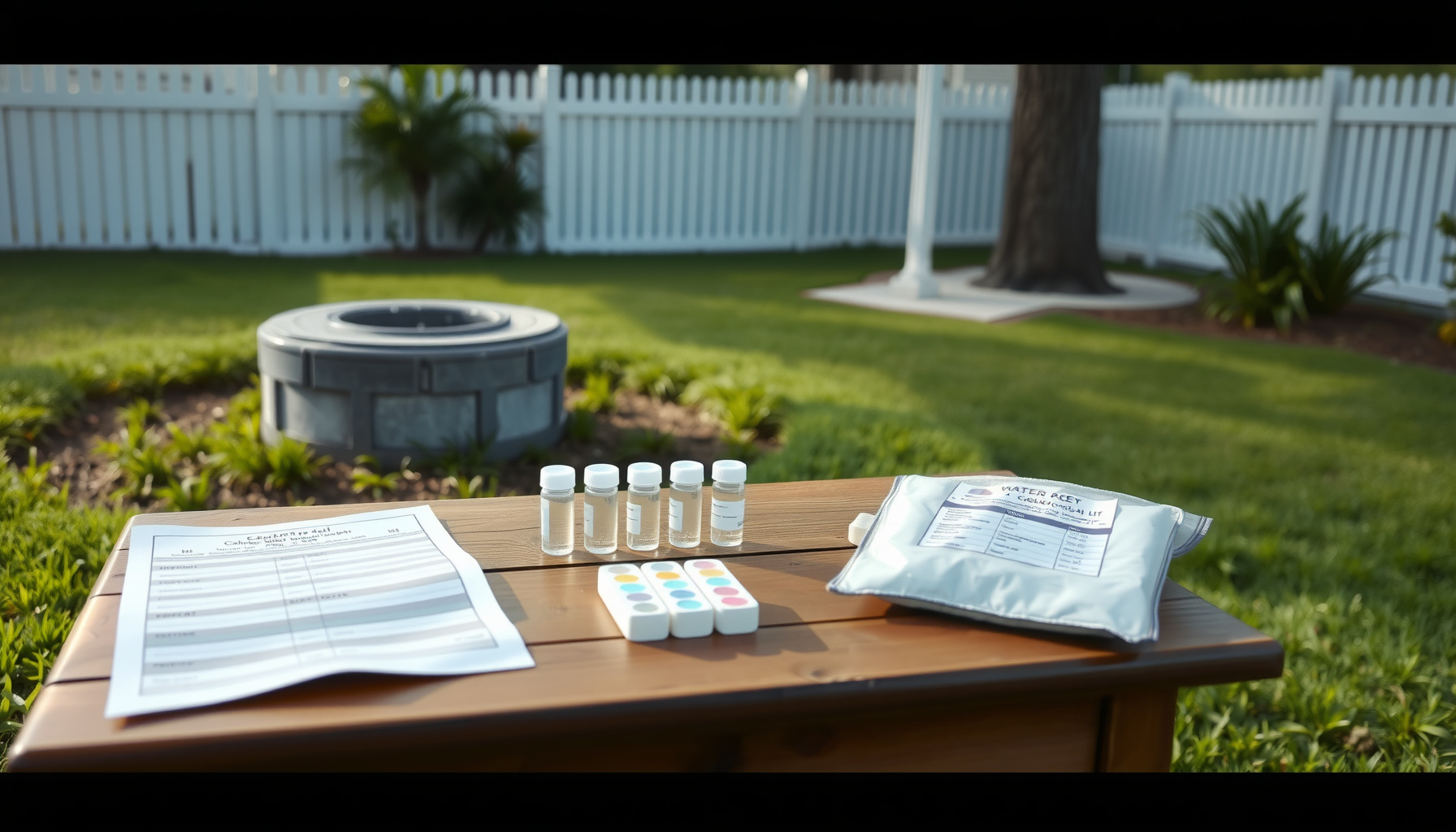
Here’s what most well owners get completely wrong: a negative coliform test does not mean your water is safe, and a positive one doesn’t always mean what you think it does. Those two misunderstandings send people either into unnecessary panic or false confidence — and both have real consequences for their health. Total coliform and
-
How to Test for Radon in Well Water at Home
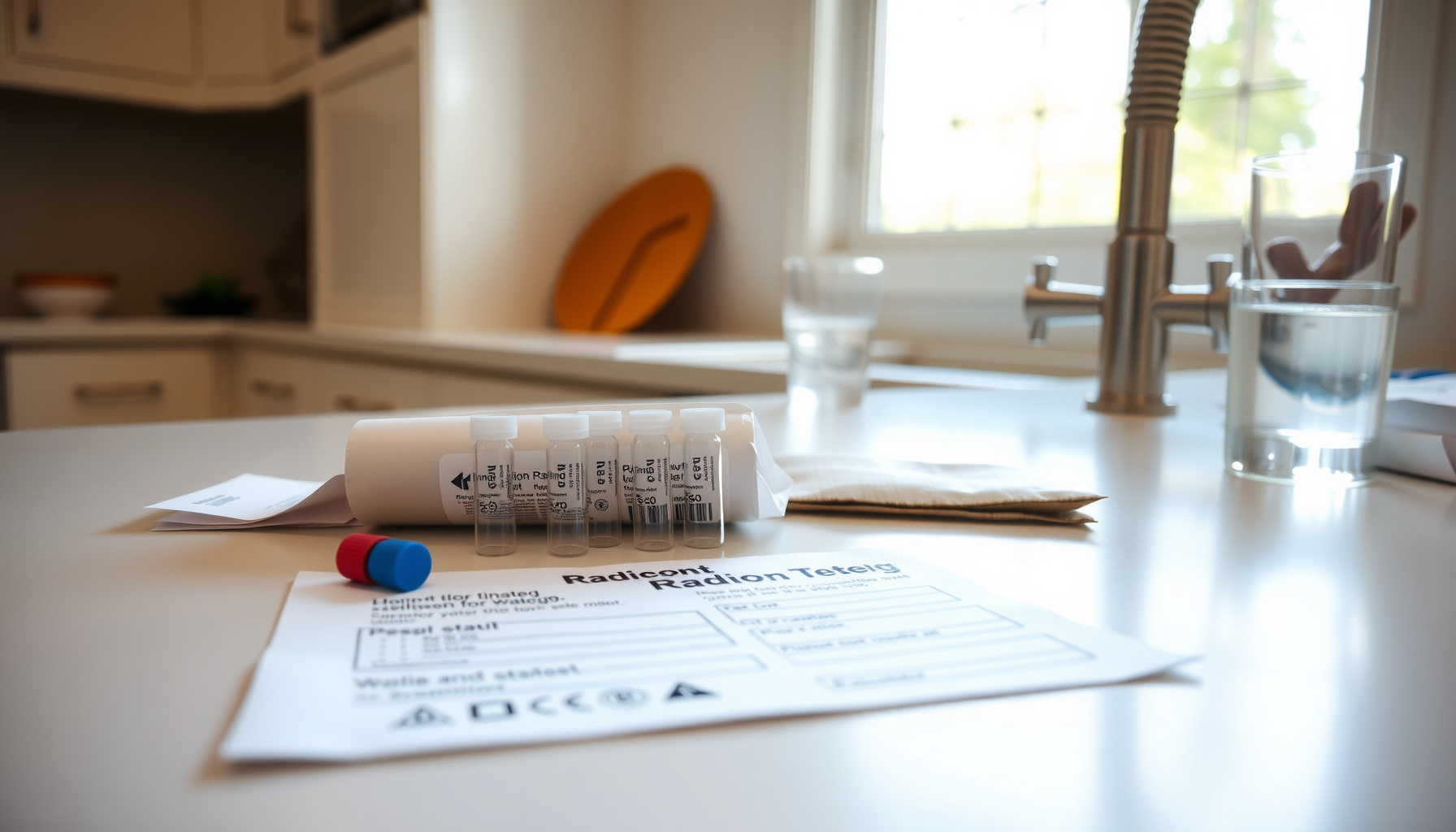
Here’s what most articles about radon in well water get completely wrong: they treat it like a radon-in-air problem with a water twist. It’s not. Testing for radon in your well water is a distinct process, it requires a specific type of sample kit, and the risks it poses are almost entirely different from the
-
Coliform Bacteria in Well Water: What It Means and What to Do
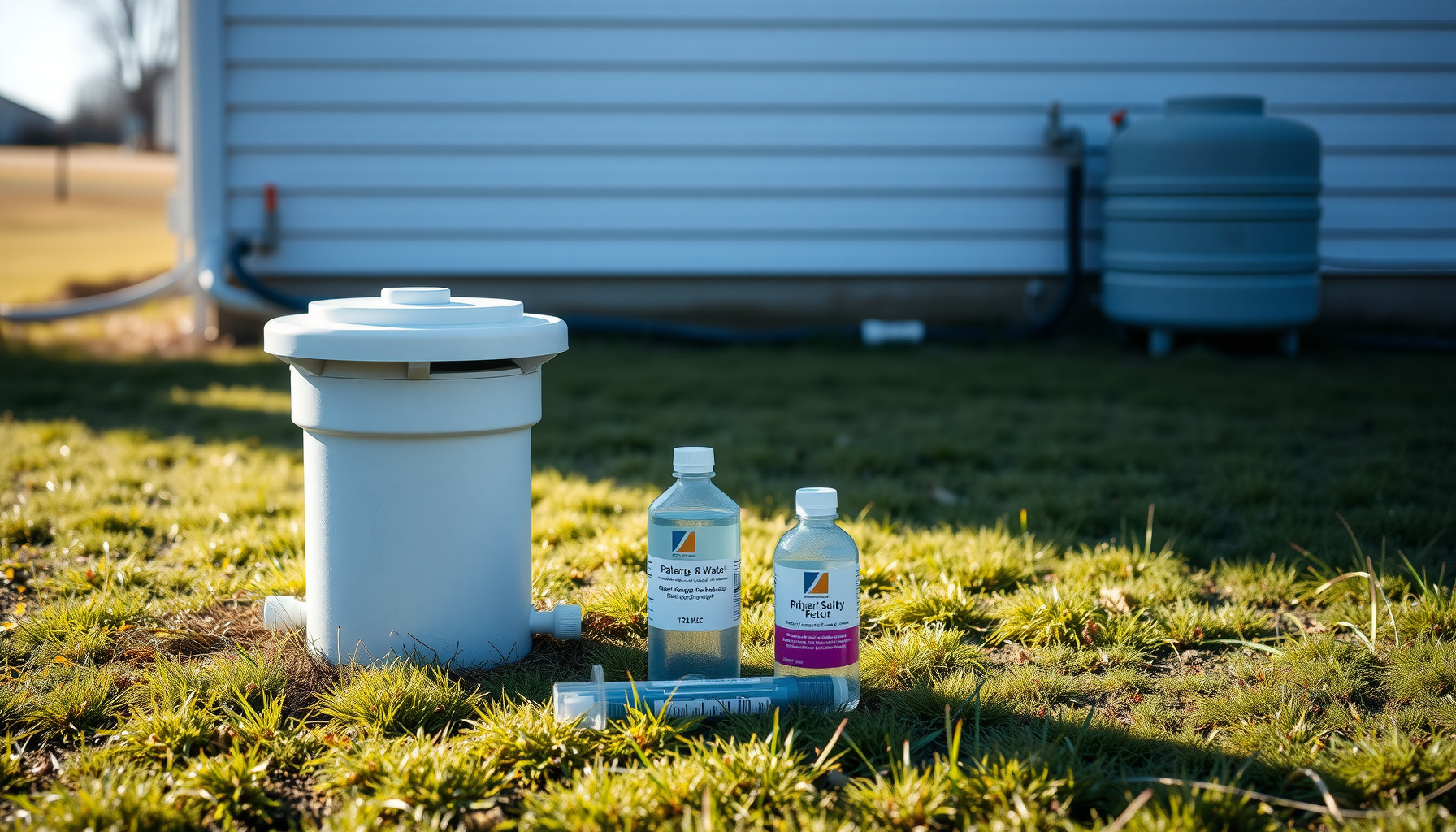
Here’s what most homeowners get completely wrong about coliform bacteria in well water: testing positive once doesn’t mean your well is permanently contaminated, and testing negative once doesn’t mean you’re permanently safe. That single misunderstanding leads people to either panic and replace perfectly good wells or, far more dangerously, assume a clean test result is
-
Free vs Paid Water Testing: Which Option Is Right for You?
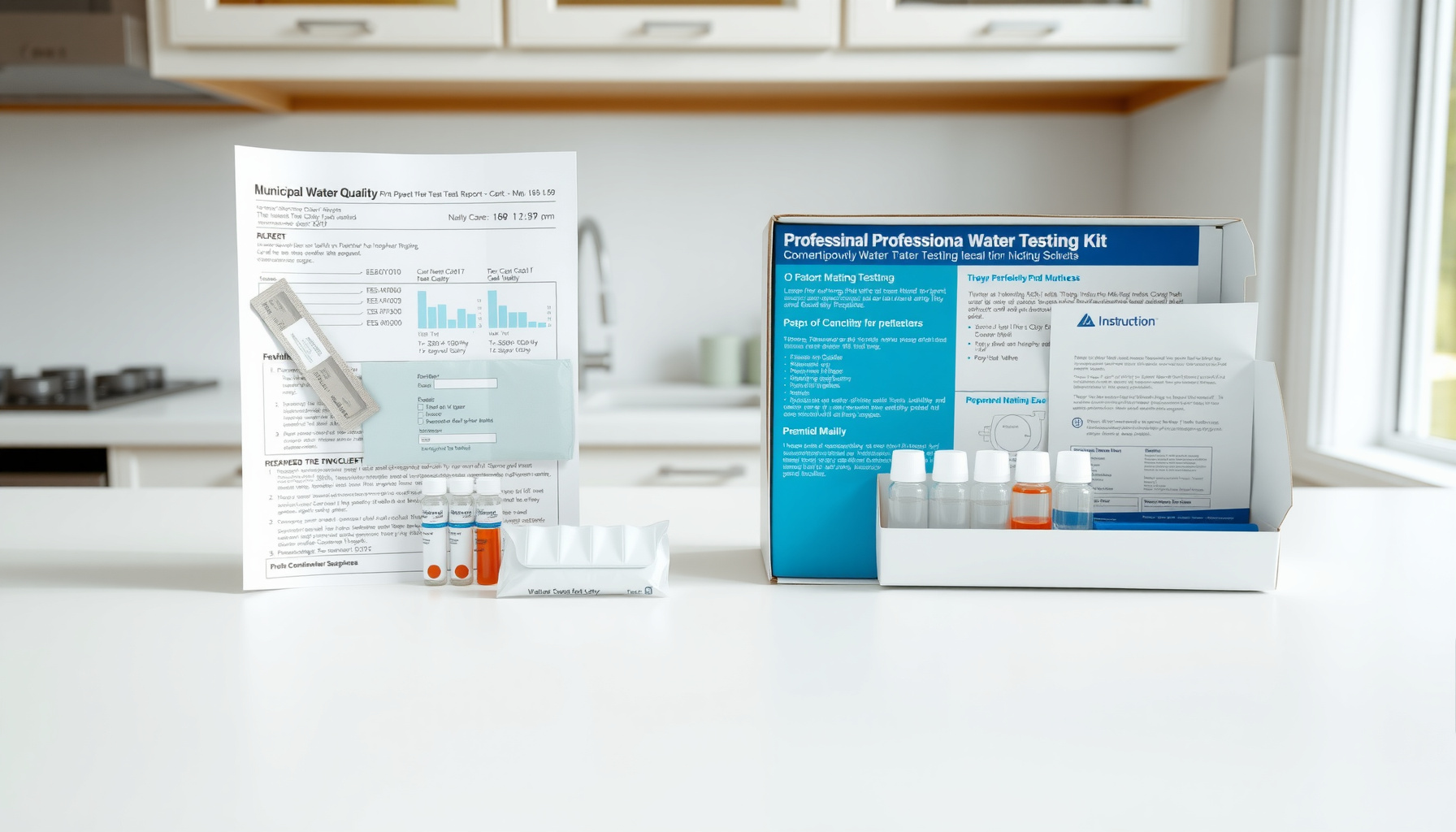
Here’s what most homeowners get completely wrong: they treat free water testing as a “starter option” and paid testing as the “serious” choice. The reality is almost the opposite. Free testing from a water softener company or a filter salesperson is often designed to find problems — whether they exist or not. Meanwhile, a $30


