
Latest posts
-
How to Test Water Quality in a New House Before Moving In
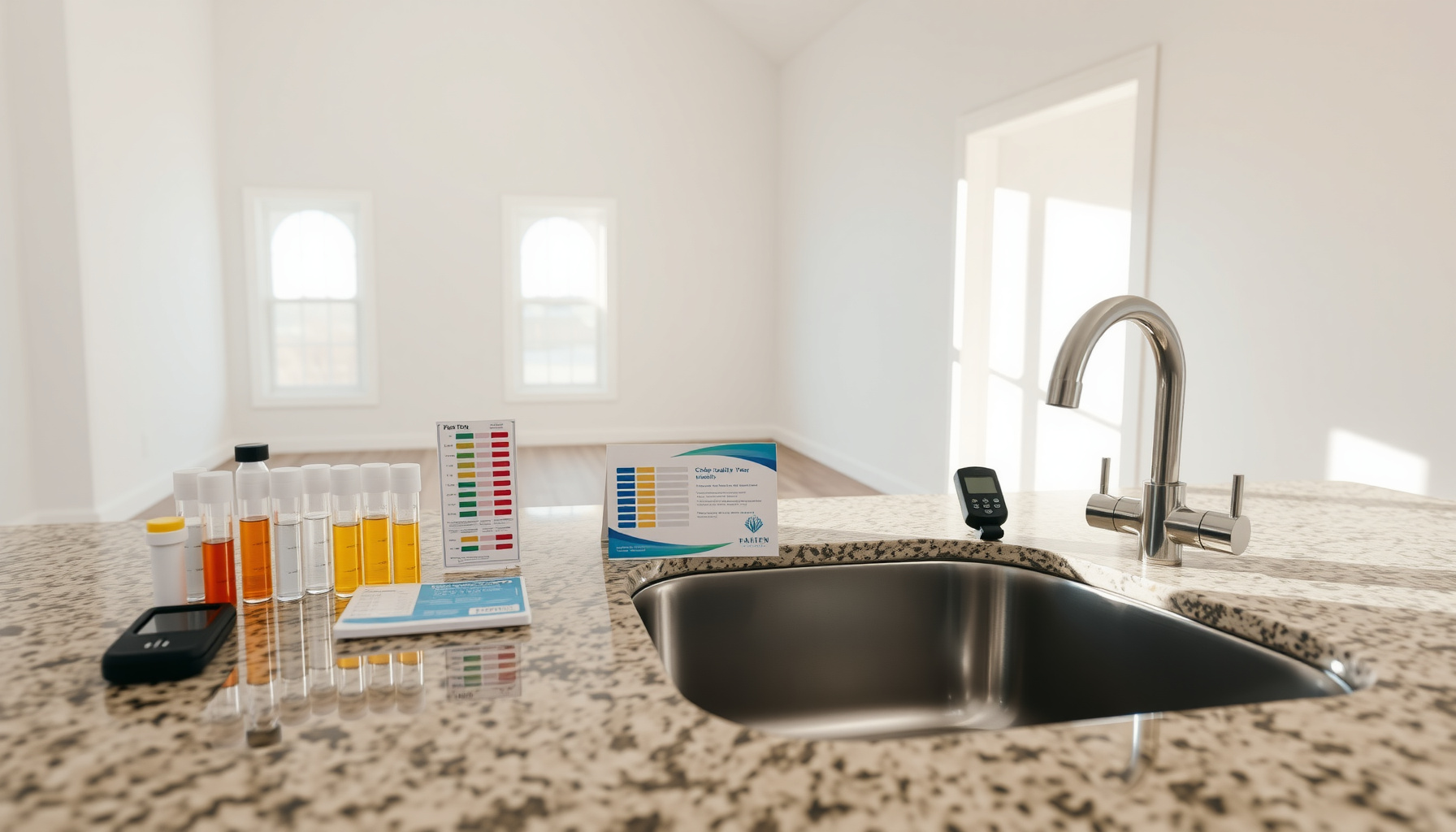
You’ve signed the papers, got the keys, and you’re ready to start moving boxes. The last thing on your mind is probably the water coming out of the kitchen tap — but it really should be one of the first. Most people don’t think about water quality until they’re already living in a house and
-
How to Test for Hexavalent Chromium (Chromium-6) in Tap Water
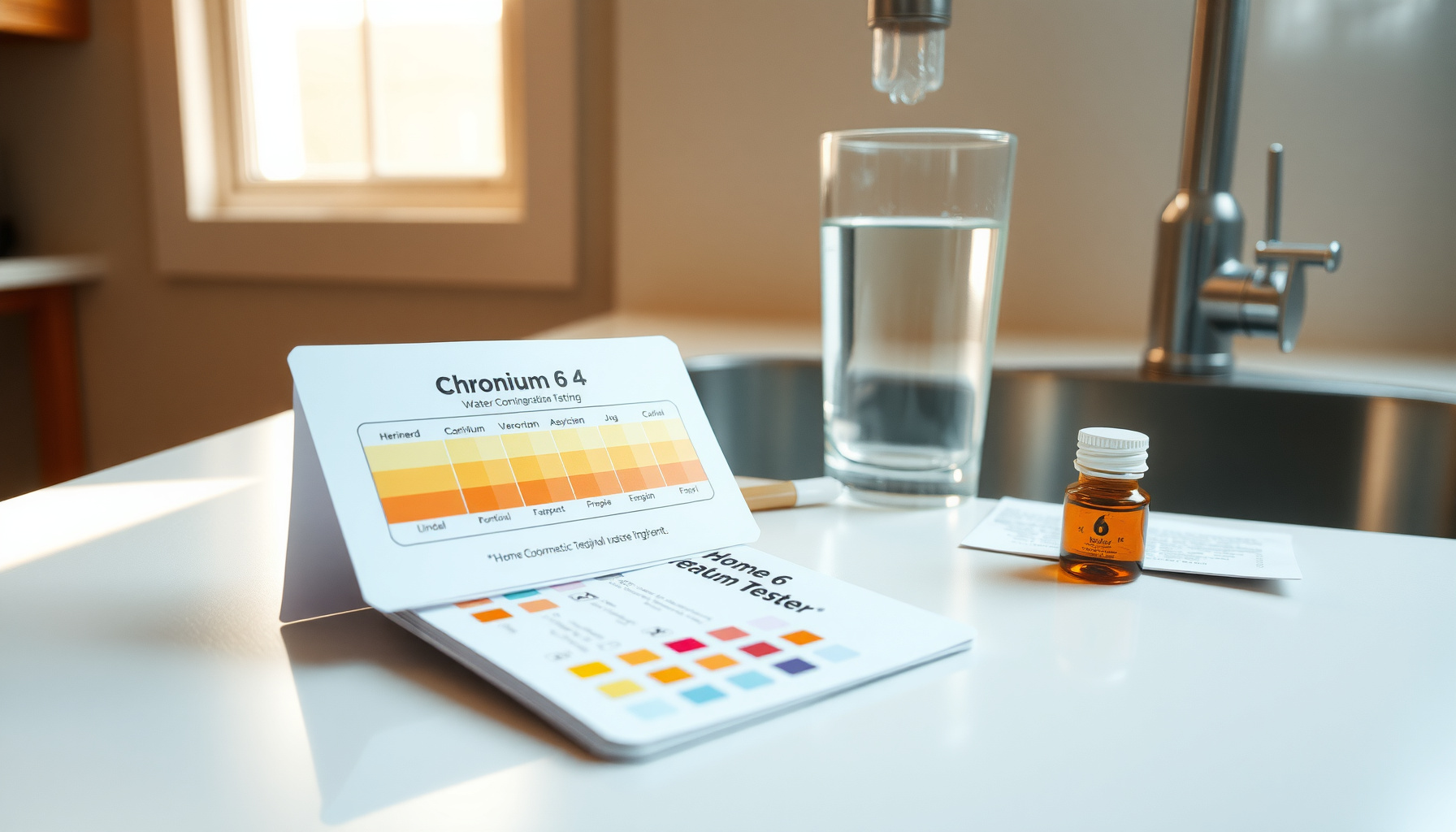
Most people don’t think about chromium-6 in their tap water until they watch a documentary, read a headline, or stumble across a neighbor’s post about a local water report. Then suddenly, the question hits: is it actually in my water? And if it is, how much is too much? Hexavalent chromium — the same contaminant
-
Best Continuous Water Quality Monitors for Smart Homes
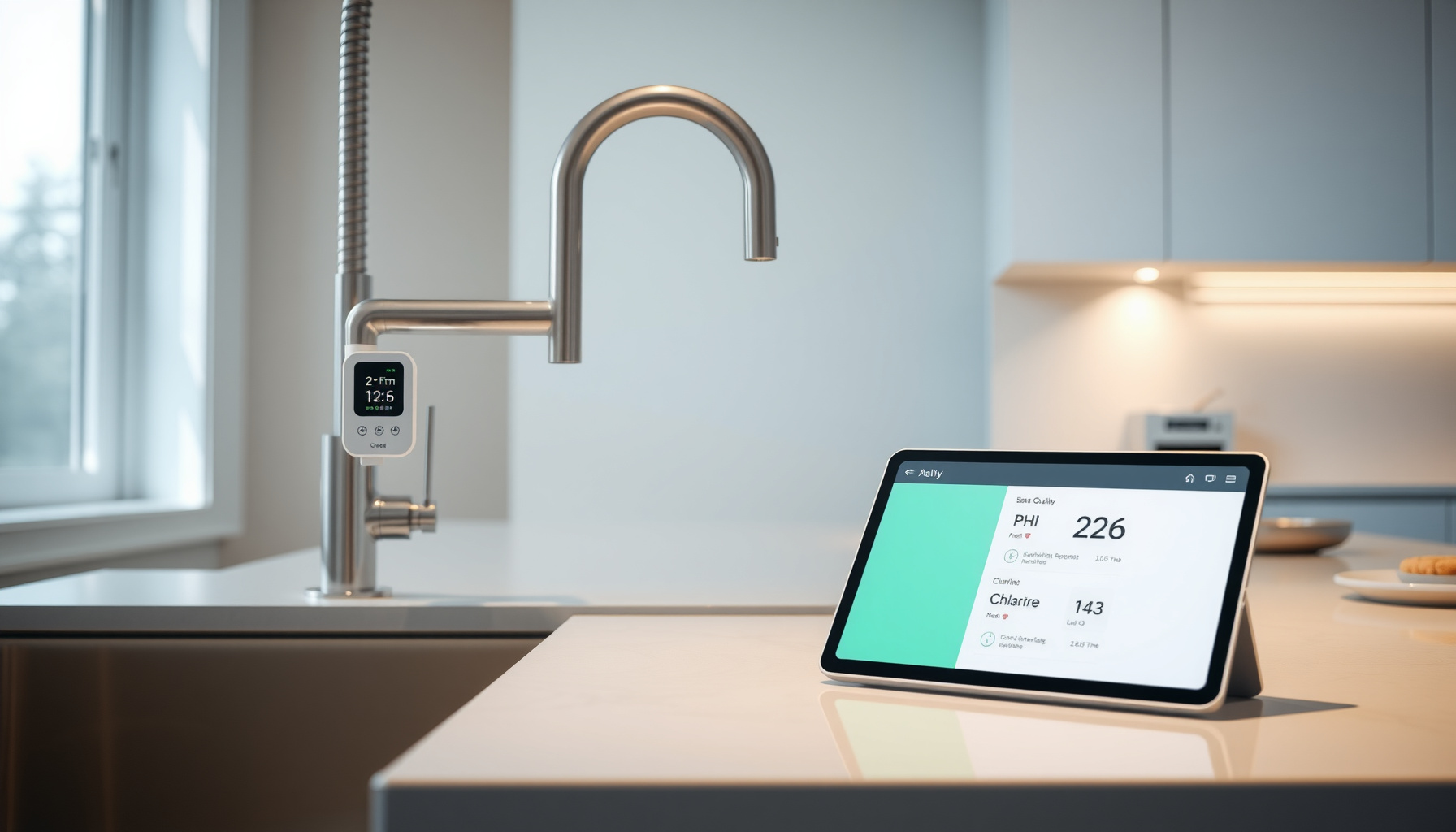
Imagine waking up at 2 a.m. to a phone alert telling you your home’s water pH just dropped below 6.0 — not because a pipe burst, but because your municipal supplier switched disinfection methods overnight and didn’t send you a notice. That scenario isn’t hypothetical. It happens to homeowners across the country more often than
-
Tap Score vs SimpleLab vs WaterCheck: Mail-In Water Test Comparison
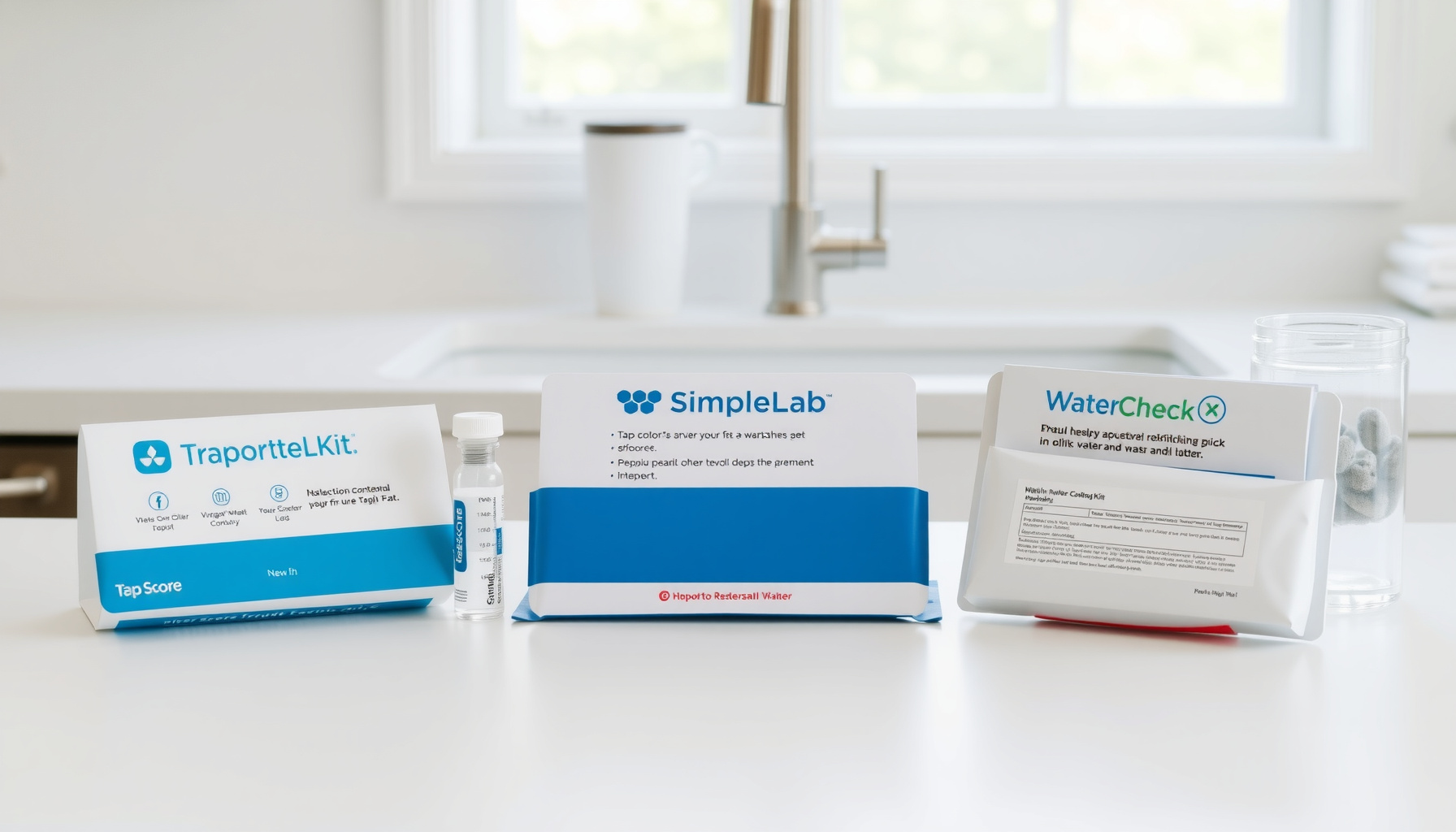
You’ve just gotten your water test results back — a printout full of abbreviations, numbers in micrograms per liter, and a color-coded chart that somehow makes everything feel both alarming and meaningless at the same time. Sound familiar? Most people don’t think about the quality of their water test itself until they’re staring at confusing
-
Best Mail-In Water Tests for PFAS Detection
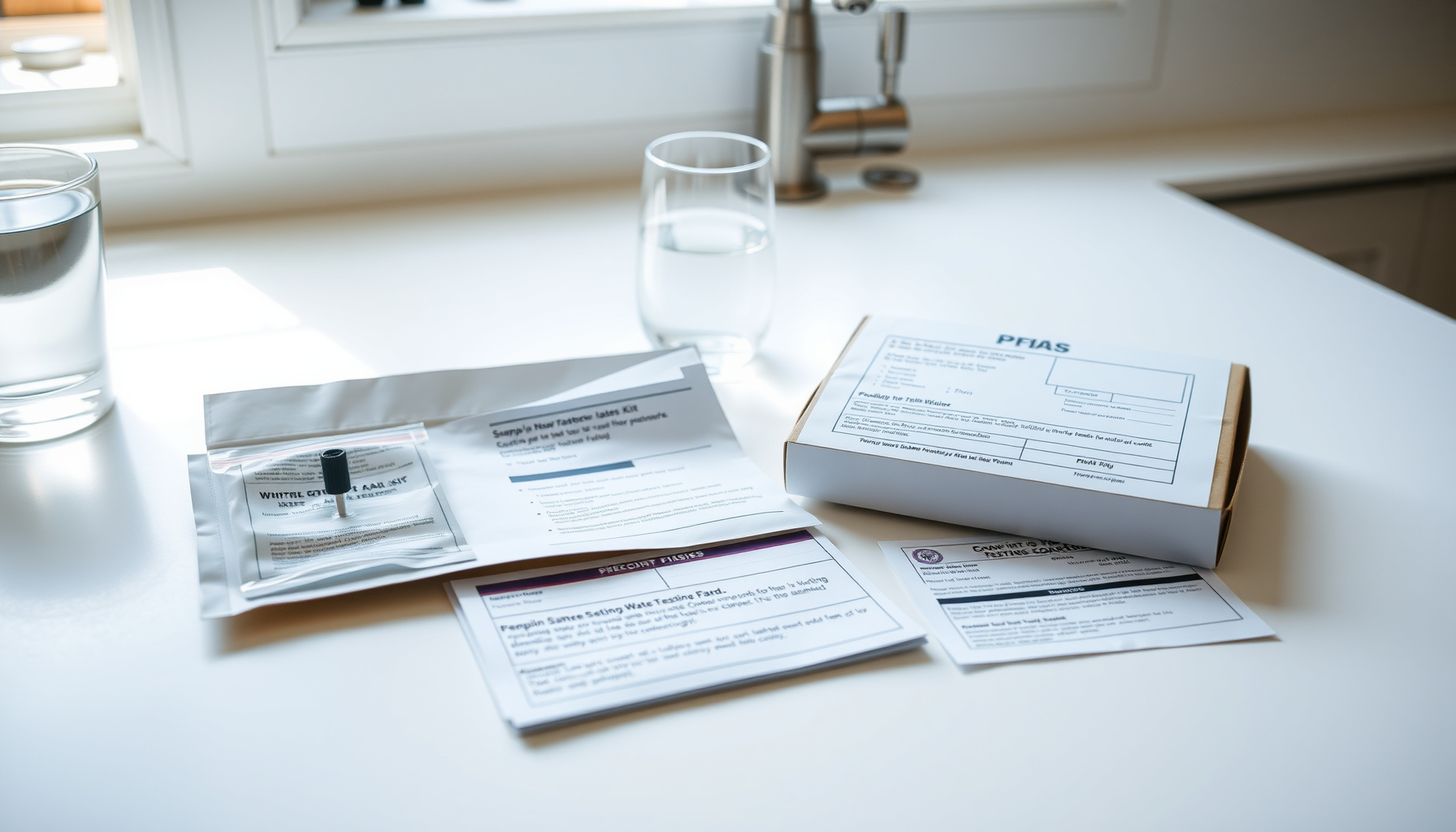
Most people don’t think about PFAS in their tap water until they see a news story about a contaminated town or a neighbor mentions their well tested positive. Then the worry sets in fast. These so-called “forever chemicals” don’t have a taste or smell — your water can look perfectly clear and still carry levels
-
Best Water Test Kits for Well Water: Tested and Reviewed
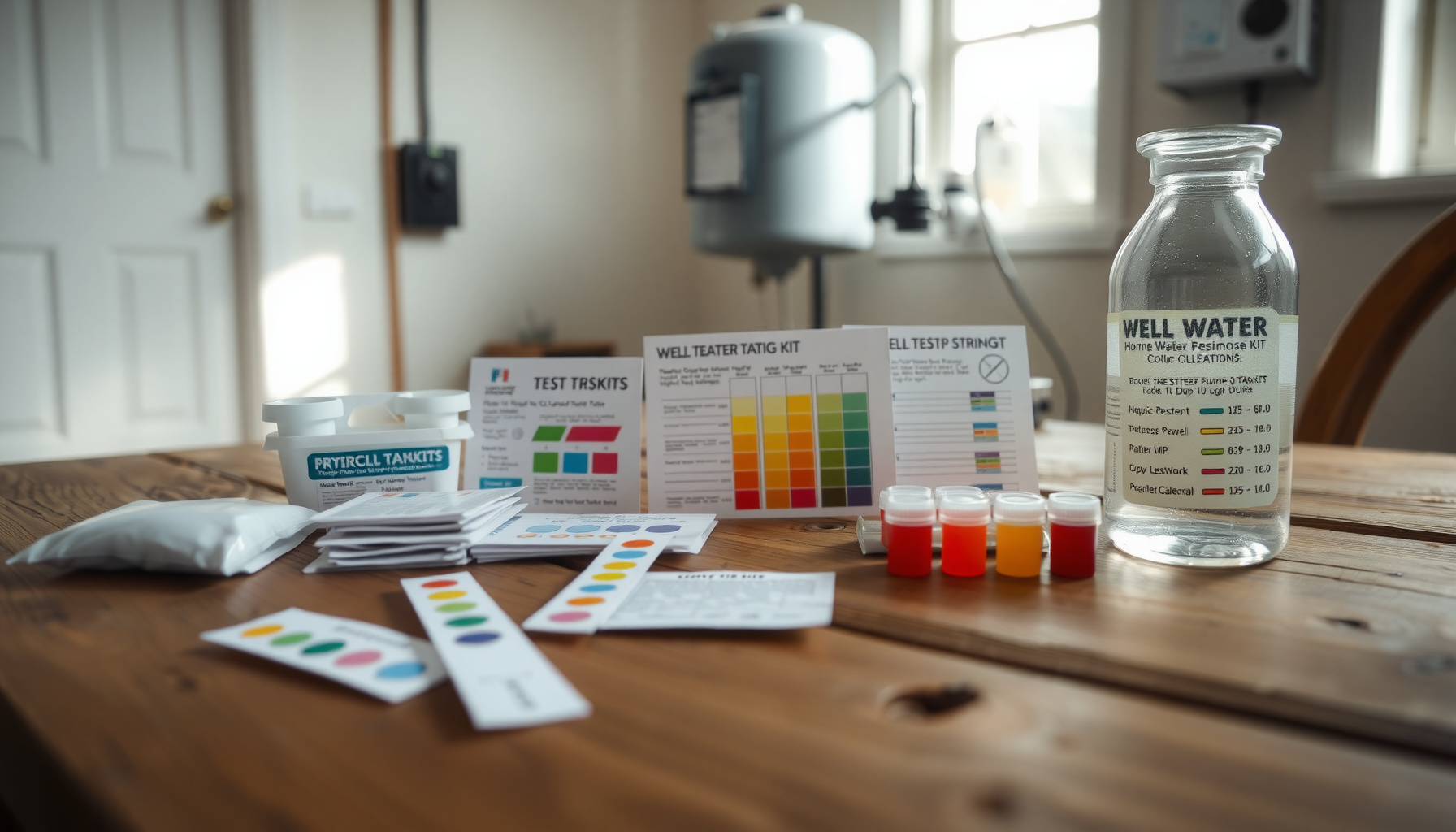
Most people with private wells don’t give their water a second thought until something goes wrong — a strange smell, a weird taste, or a neighbor’s test comes back with bad news. The thing is, well water has no municipal treatment plant standing between your aquifer and your glass. What’s in the ground is what
-
Radon in Well Water: How to Test It and When to Take Action

Most people don’t think about radon in their well water until a home inspector mentions it, or worse, until someone in the family starts asking questions about lung health. Radon is one of those hazards that’s genuinely invisible — no smell, no taste, no color — and if your home runs on a private well,
-
How to Test for Nitrates in Well Water at Home
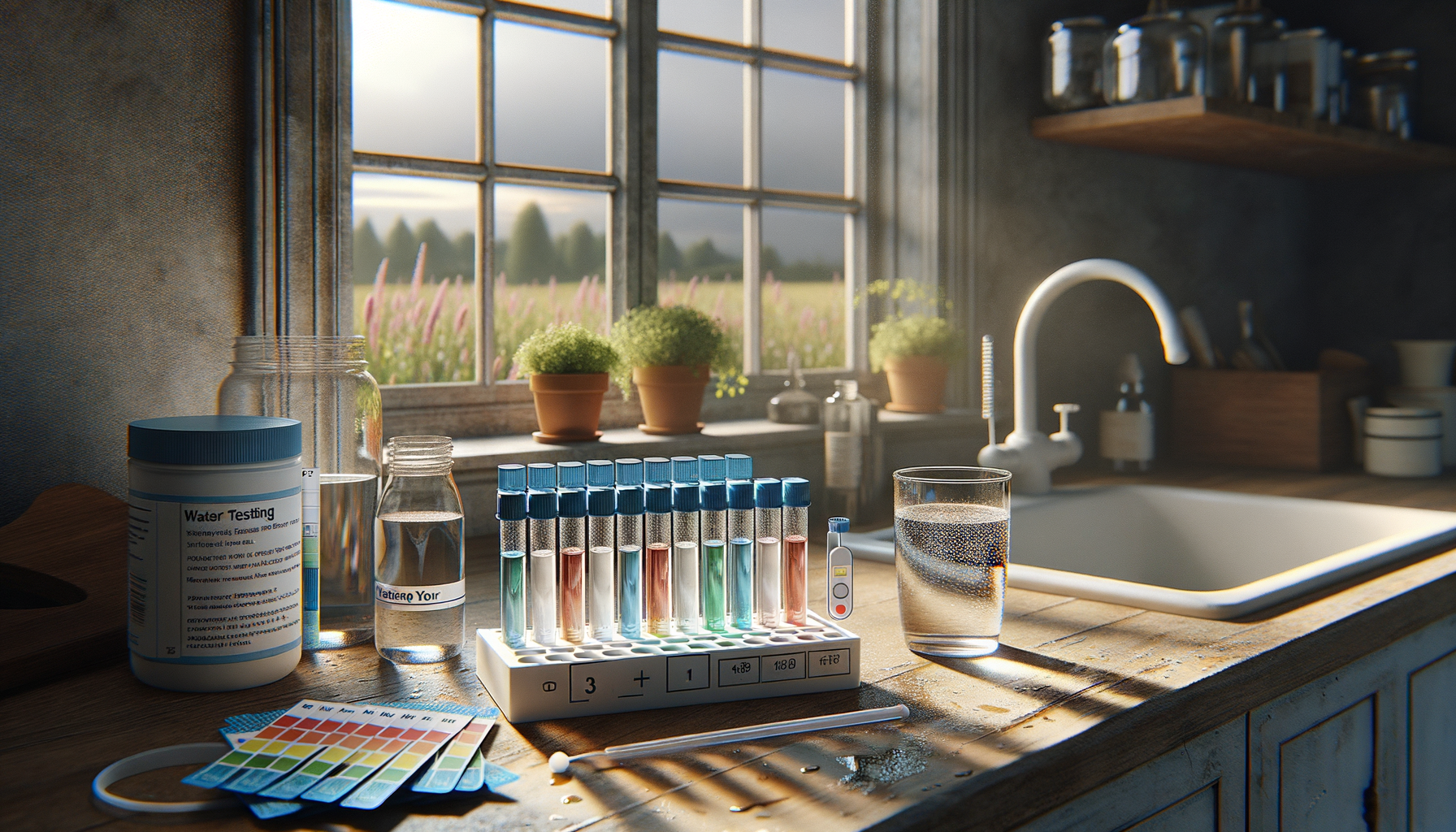
Most people don’t think about nitrates in their well water until someone mentions it at a neighborhood meeting or their doctor brings it up during a prenatal checkup. Then suddenly you’re wondering how long you’ve been drinking water that might have a problem. If you get your water from a private well, there’s no municipal
-
How to Test for Manganese in Well Water
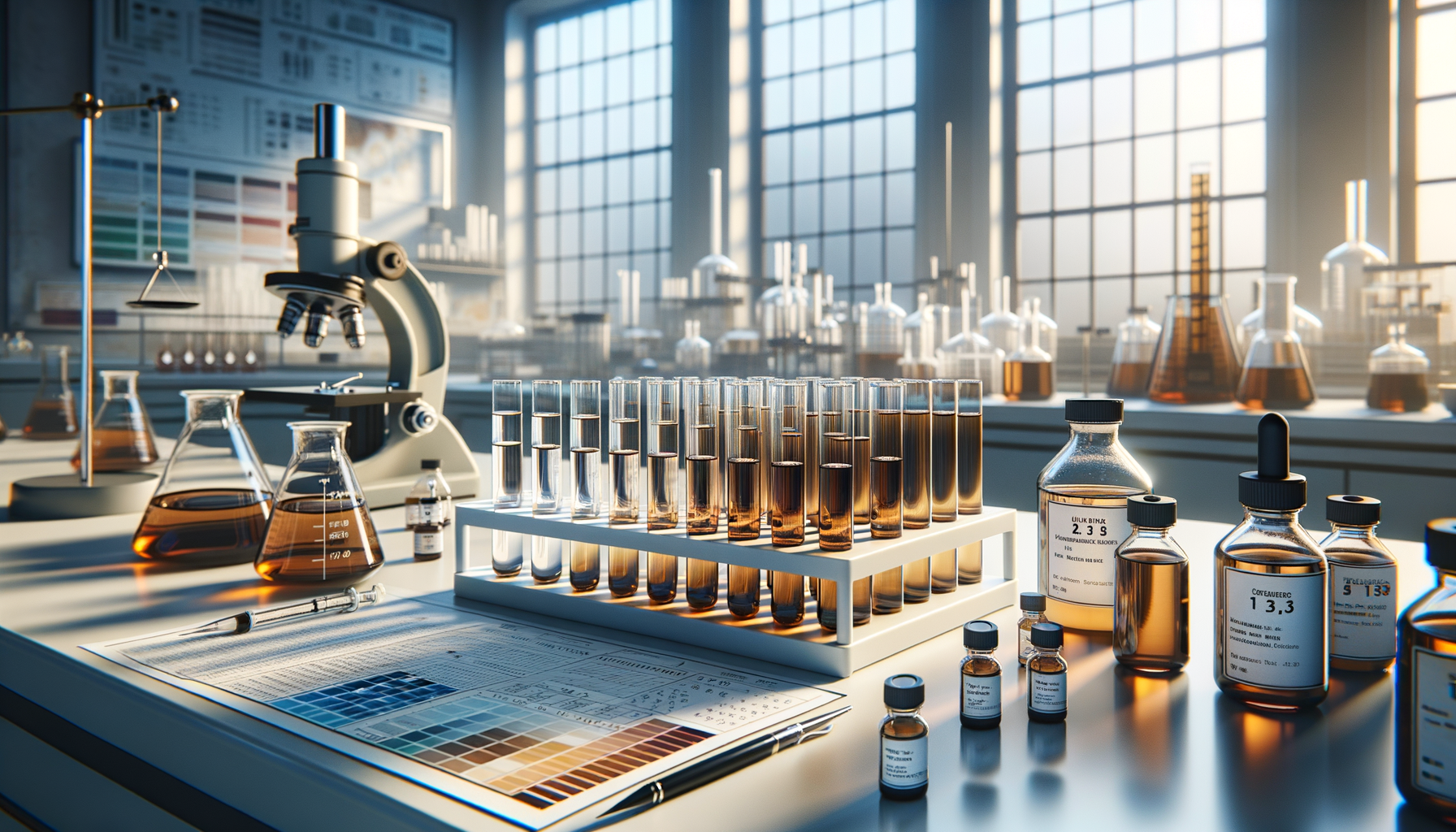
Most people don’t think about manganese in their well water until their white bathroom sink starts turning black, or their laundry comes out of the wash with dark streaks that won’t budge. By that point, manganese has been building up in your water supply — and possibly in your body — for a while. If
-
How to Test for Chlorine Levels in Tap Water at Home
Chlorine in tap water tends to fly under the radar until you fill a glass and catch that faint swimming-pool smell drifting up at you — then it’s suddenly very much on your mind. Chlorine is deliberately added to municipal water as a disinfectant, and it’s been doing that job for over a century, but


